By state
National parks in Montana
Every national park and public-land unit in Montana, scored and ranked by our Experience Score.
Montana’s national park units stretch across nearly the entire state. They offer varied landscapes and historical eras. Glacier National Park, a noted wilderness area, sits in the northwest corner. Yellowstone National Park shares its southern border with Wyoming. Other units provide different experiences. Bighorn Canyon National Recreation Area is in the far southeast corner. It offers stargazing and water activities. Big Hole National Battlefield, in the southwest, preserves Nez Perce history. Grant-Kohrs Ranch is near Deer Lodge. It shows ranch life on the frontier. Montana's NPS units suit those who enjoy long drives and are interested in both nature and complex human stories, including Indigenous history and the fur trade.
 100DOES IT ALL
Sharron Genaux
100DOES IT ALL
Sharron Genaux
National Recreation Area · MT
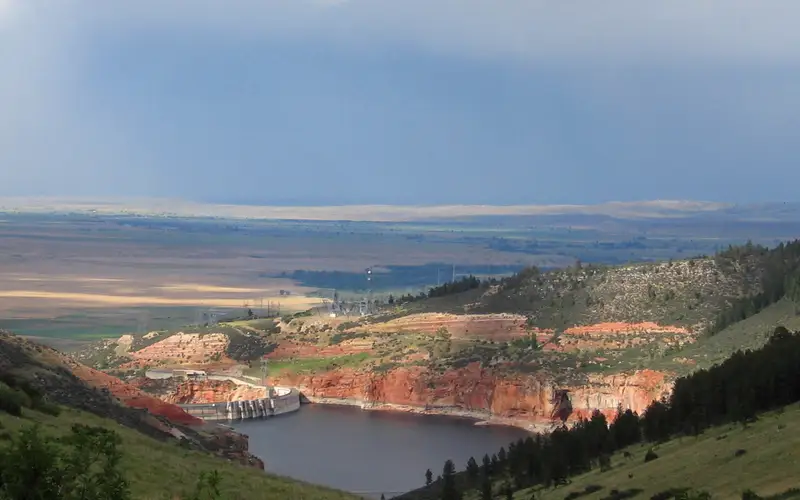
Bighorn Canyon National Recreation Area
Bighorn Canyon National Recreation Area presents a unique, unmanicured experience spanning the Montana-Wyoming border.
 90DOES IT ALL
NPS Photo
90DOES IT ALL
NPS Photo
National Park · MT
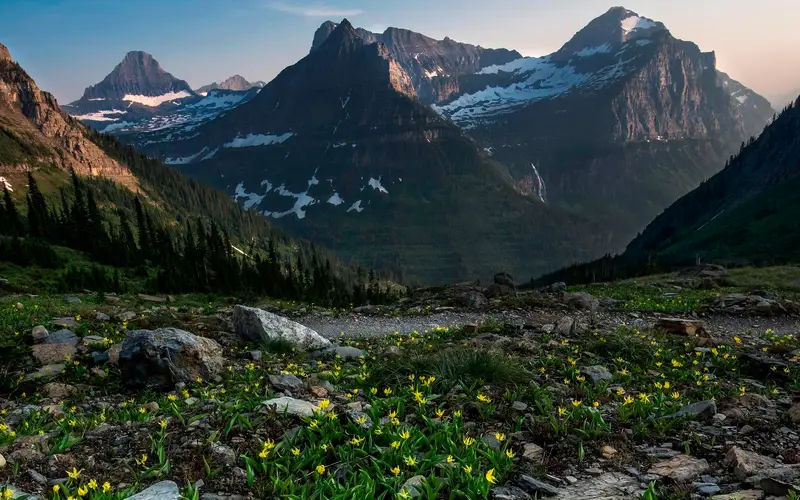
Glacier National Park
Glacier National Park earns its 90/100 experience score.
 90DOES IT ALL
NPS / Jacob W. Frank
90DOES IT ALL
NPS / Jacob W. Frank
National Park · ID
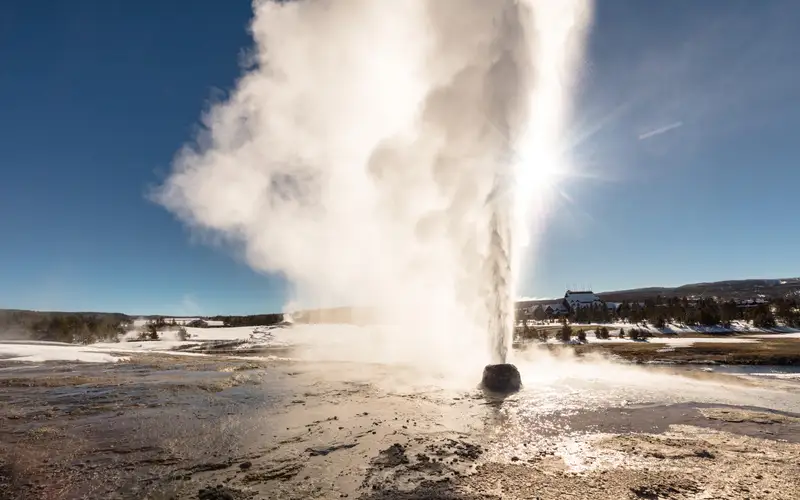
Yellowstone National Park
Yellowstone sets a national park benchmark.
 88DOES IT ALL
NPS Photo
88DOES IT ALL
NPS Photo
National Battlefield · MT
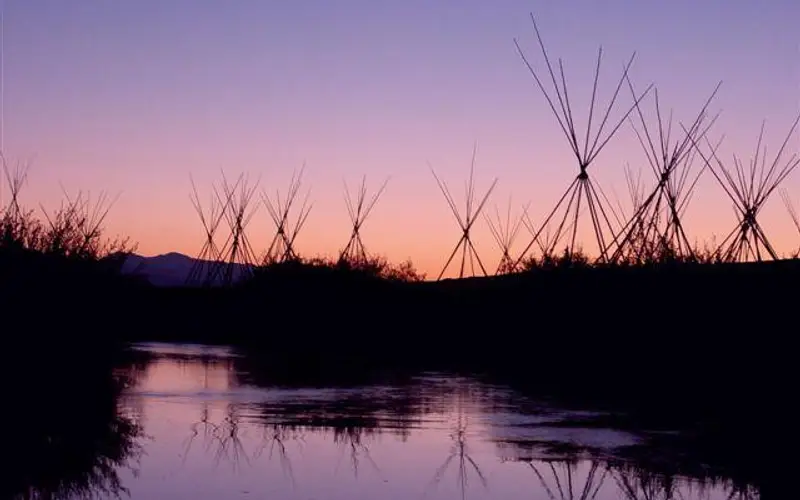
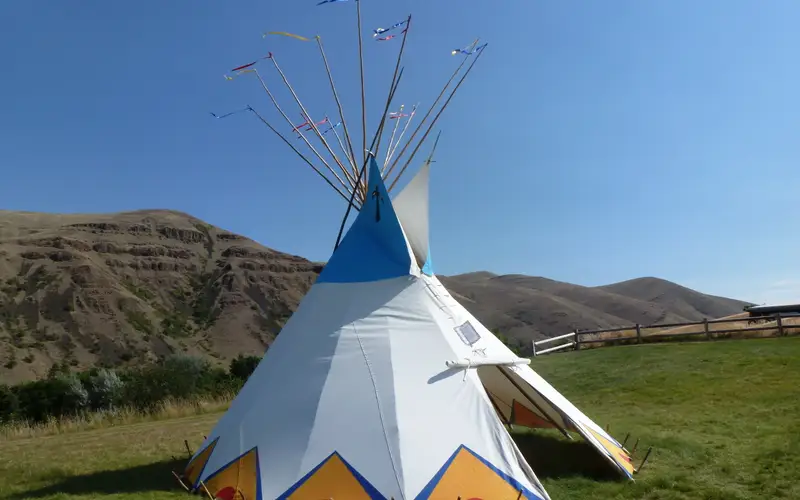
Big Hole National Battlefield
Big Hole National Battlefield offers a somber yet enriching experience.
 83WIDE RANGE
NPS Photo
83WIDE RANGE
NPS Photo
National Historical Park · ID
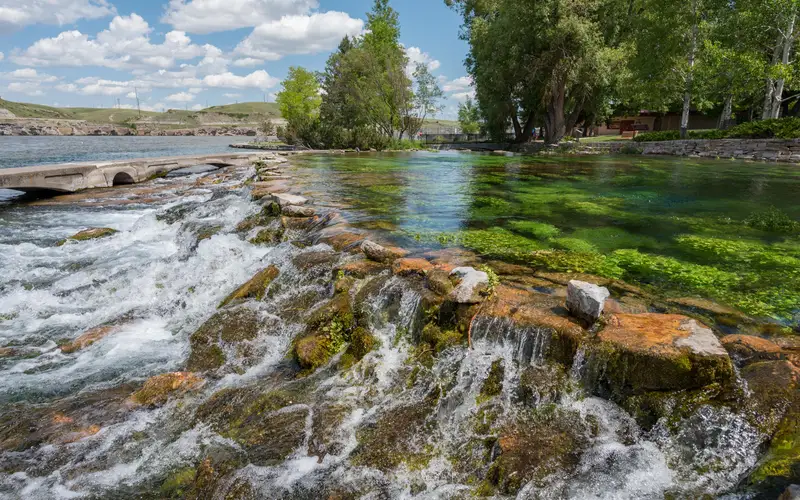
Nez Perce National Historical Park
Nez Perce National Historical Park is unlike almost any other NHP in the country: it is not a single bounded site but a constellation of 38 separate places scattered across four states in the inland Northwest, each tied to the history and living culture of the Nimíipuu people.
 74WIDE RANGE
NPS Photo / Alex Wiles
74WIDE RANGE
NPS Photo / Alex Wiles
National Historic Trail · IA
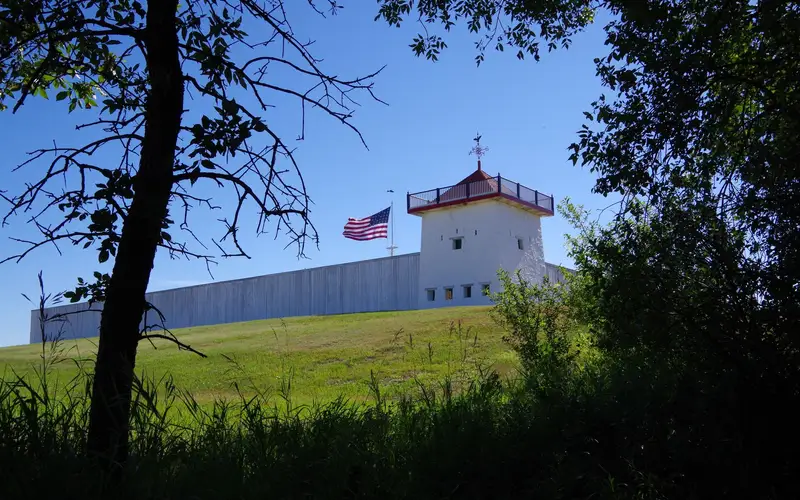
Lewis & Clark National Historic Trail
The Lewis & Clark National Historic Trail presents a formidable undertaking.
 66GOOD RANGE
NPS Photo / Kris Baxter
66GOOD RANGE
NPS Photo / Kris Baxter
National Historic Site · MT
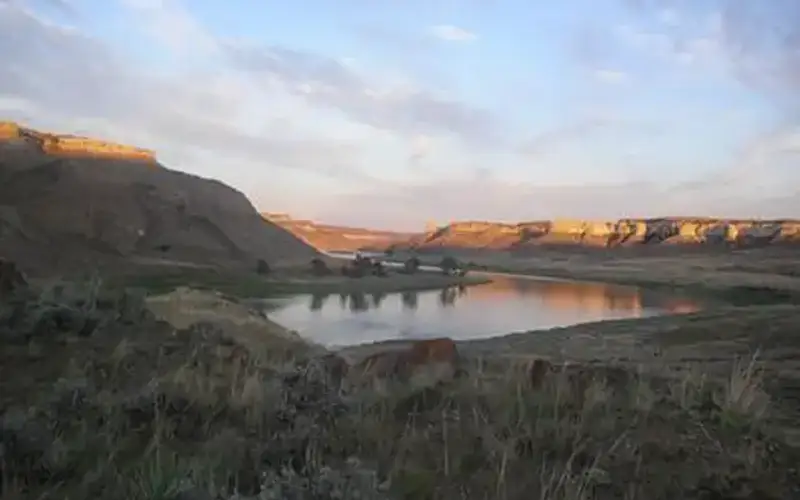
Fort Union Trading Post National Historic Site
Fort Union Trading Post is a reconstructed 19th-century fur trade fort sitting on the Montana-North Dakota border along the Upper Missouri River, and it delivers a surprisingly immersive history experience for a free site.
 60GOOD RANGE
Recreation.gov
60GOOD RANGE
Recreation.gov
Recreation Area · MT
Upper Missouri National Wild and Scenic River
The Upper Missouri River offers a rare, largely undeveloped corridor in Montana, preserving a landscape little changed since the Lewis and Clark expedition.
 56GOOD RANGE
NPS Photo
56GOOD RANGE
NPS Photo
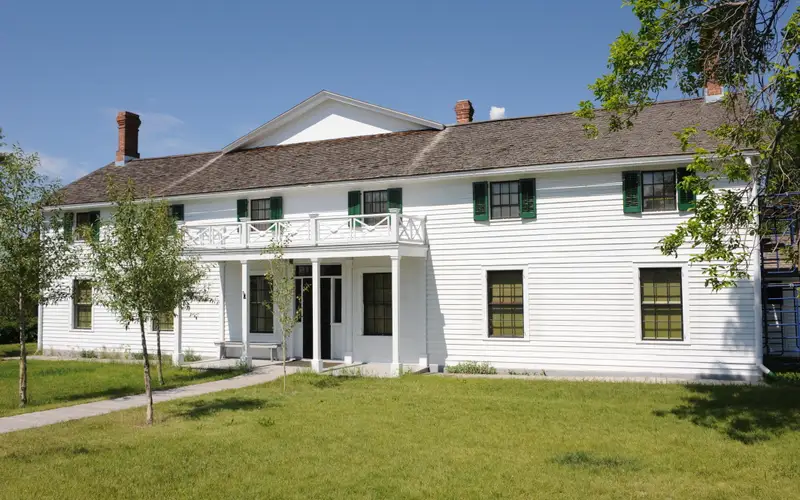
National Historic Site · MT
Grant-Kohrs Ranch National Historic Site
Grant-Kohrs Ranch National Site in Deer Lodge, Montana, offers a focused journey into 19th-century ranching.
 53FOCUSED
BLM Montana Dakotas
53FOCUSED
BLM Montana Dakotas
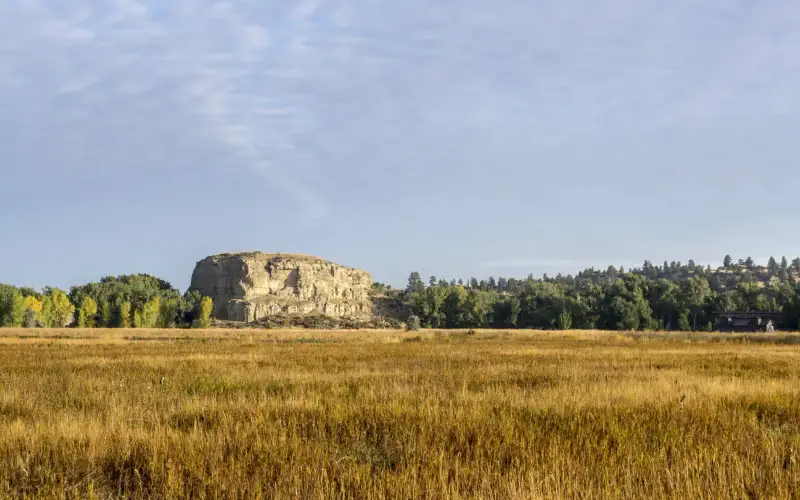
National Monument · MT
Pompeys Pillar National Monument and Visitor Center
Pompeys Pillar National Monument presents a concentrated experience, primarily for those with a deep appreciation for American history.
 49FOCUSED
NPS photo
49FOCUSED
NPS photo
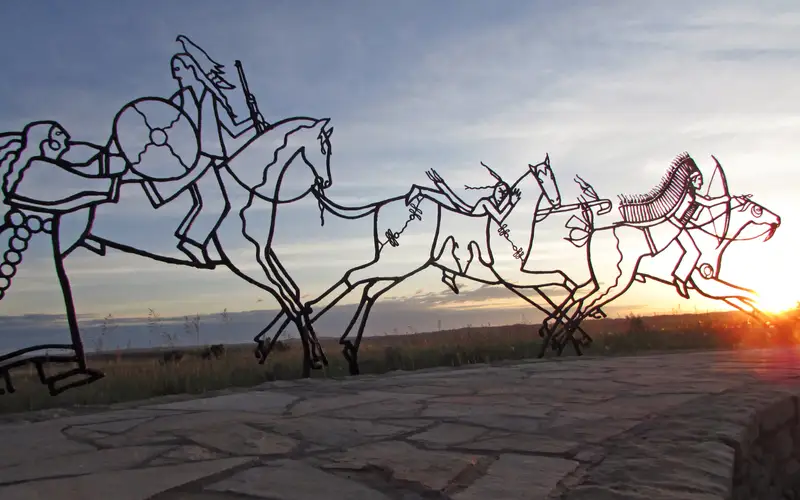
National Monument · MT
Little Bighorn Battlefield National Monument
Little Bighorn Battlefield offers a contemplative, focused historical experience on the Montana plains.
How the Montana order is set
These 11 Montana units are ranked by one number, run identically nationwide: the Experience Score, built only from public records on documented breadth and access. It says nothing about scenery or how busy a place gets. Same formula everywhere, so a Montana park and a desert one are read on the same terms.
Keep the blind spots in mind: scenery, seasonal crowds, trail conditions and program quality are all outside this score. A quiet, single-focus spot can land low and still win the weekend. The ranking is a fair look at what is documented, not a ruling on which Montana park you will love.