Nez Perce National Historical Park: our verdict
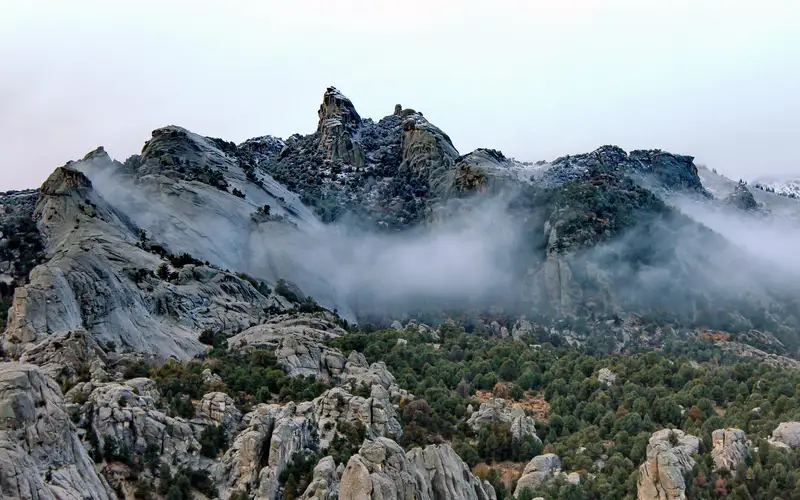
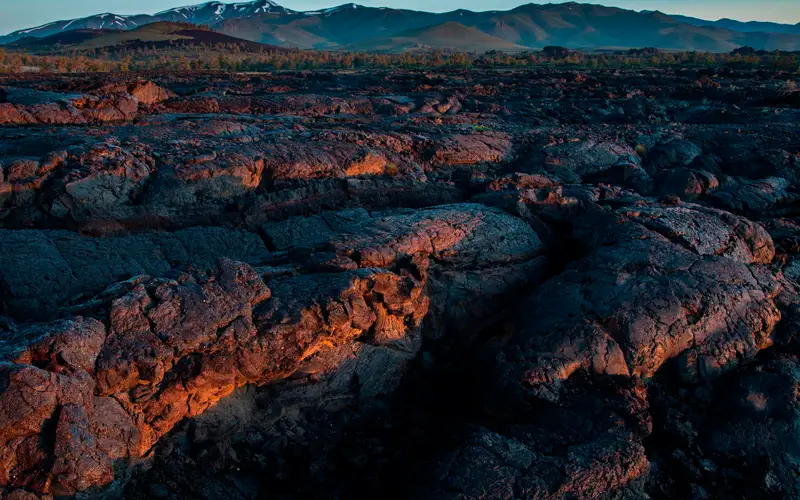
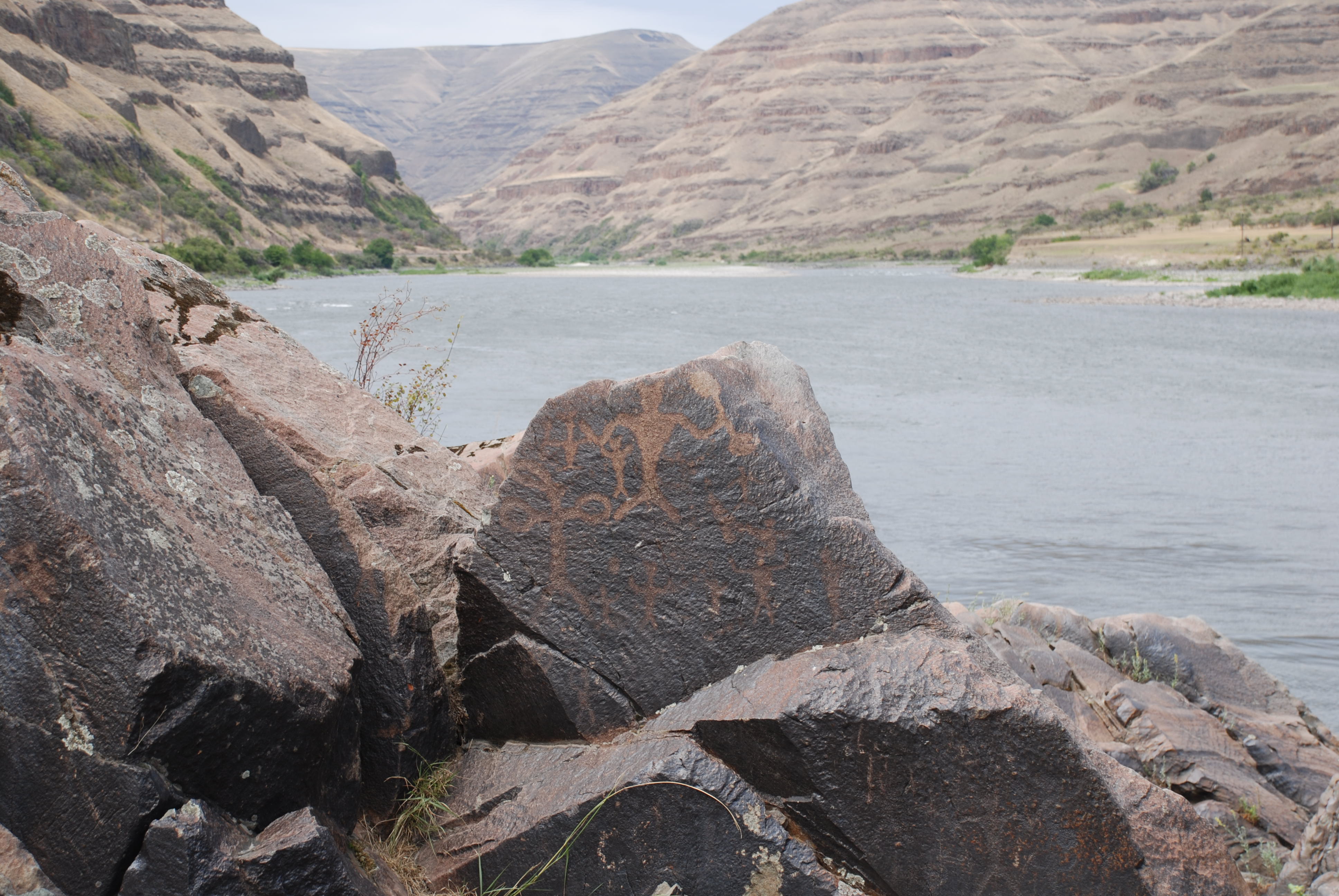
Nez Perce National Historical Park is unlike almost any other NHP in the country: it is not a single bounded site but a constellation of 38 separate places scattered across four states in the inland Northwest, each tied to the history and living culture of the Nimíipuu people.
The experience is genuinely layered, mixing auto touring between sites, museum exhibits, cultural and craft demonstrations, and hiking at select locations. No single afternoon captures it. The visitor center in Spalding, Idaho anchors the park with its film and exhibits and is the essential first stop. Free entry removes one barrier, but the geographic spread means planning is everything. This is a park for people who want to understand a place and a people deeply, not for those seeking a single iconic viewpoint. At an Experience Score of 83, the documented offerings are real and broad.
Why visit
The Spalding visitor center is the essential starting point, with film and museum exhibits establishing vital historical and cultural context. An auto tour then links various sites across the region. Select locations offer walking trails, opportunities for wildlife and bird observation in river valleys and on high plateaus, and cultural demonstrations. Horse trekking options are available. Families can engage with the Junior Ranger program. The bookstore provides scholarly resources and souvenirs. This integration of landscape, oral history, and active culture provides a distinct national park experience. It is a destination for those seeking more than scenery.
Who it suits
This park unit is a strong recommendation for those drawn to history and Indigenous cultures, particularly visitors prepared to engage with multiple sites across its four-state expanse. Birders and wildlife observers
Timing your visit
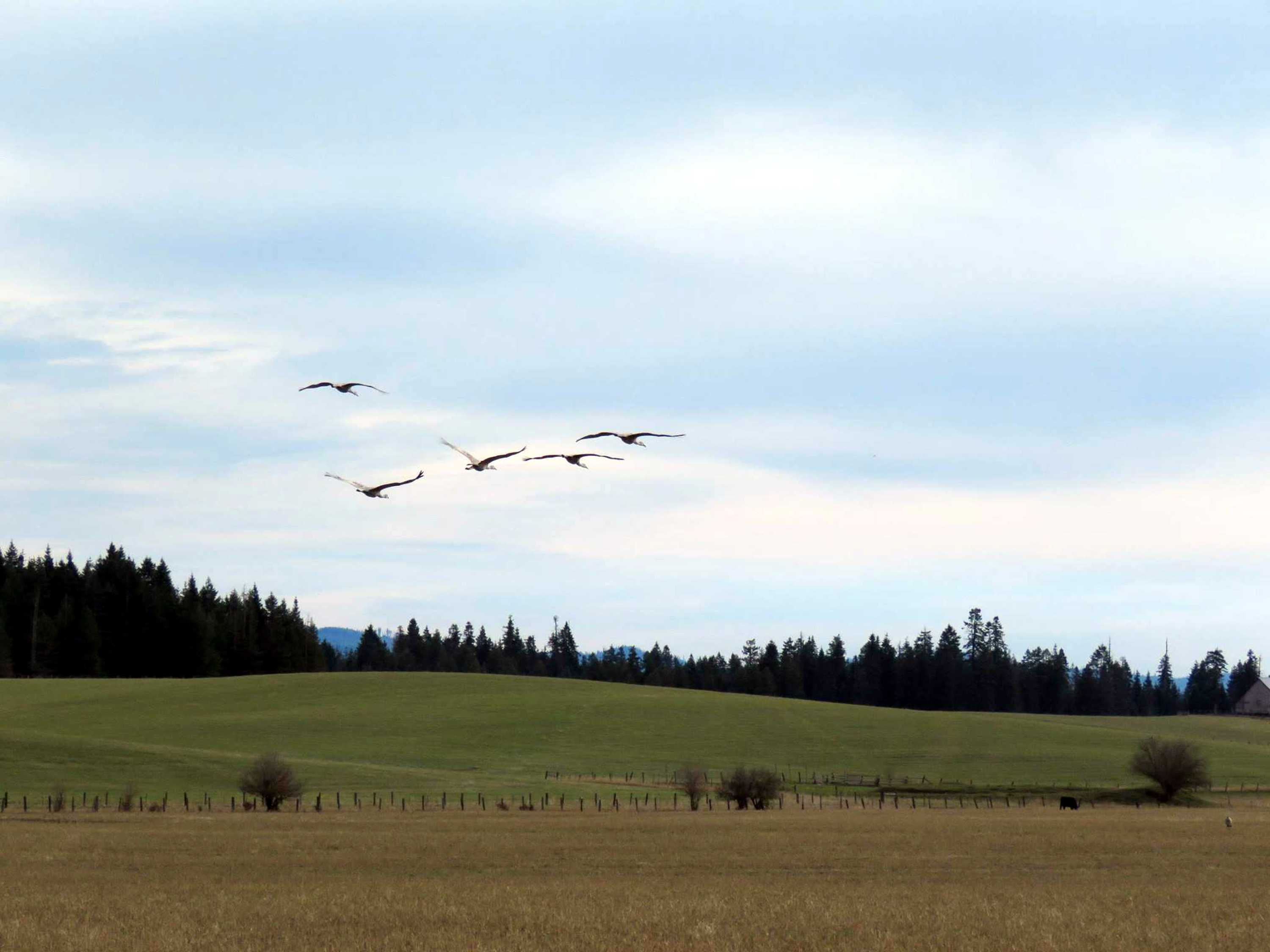
Optimal visiting conditions are found in spring and fall. These seasons offer the most comfortable temperatures across the park's significant elevation change, which spans from 700 to over 8,000 feet. Summer visits are feasible, but anticipate substantial heat in the lower river valleys. Winter curtails access; the visitor center closes Sundays and Mondays. Higher elevations can become impassable under severe winter weather. Spring additionally presents prime birdwatching as migratory species pass through the valleys.
What stands out
- Museum exhibits and park film at the Spalding visitor center providing full Nimíipuu cultural and historical context
- Self-guided auto tour connecting 38 historically significant sites across Idaho, Montana, Oregon, and Washington
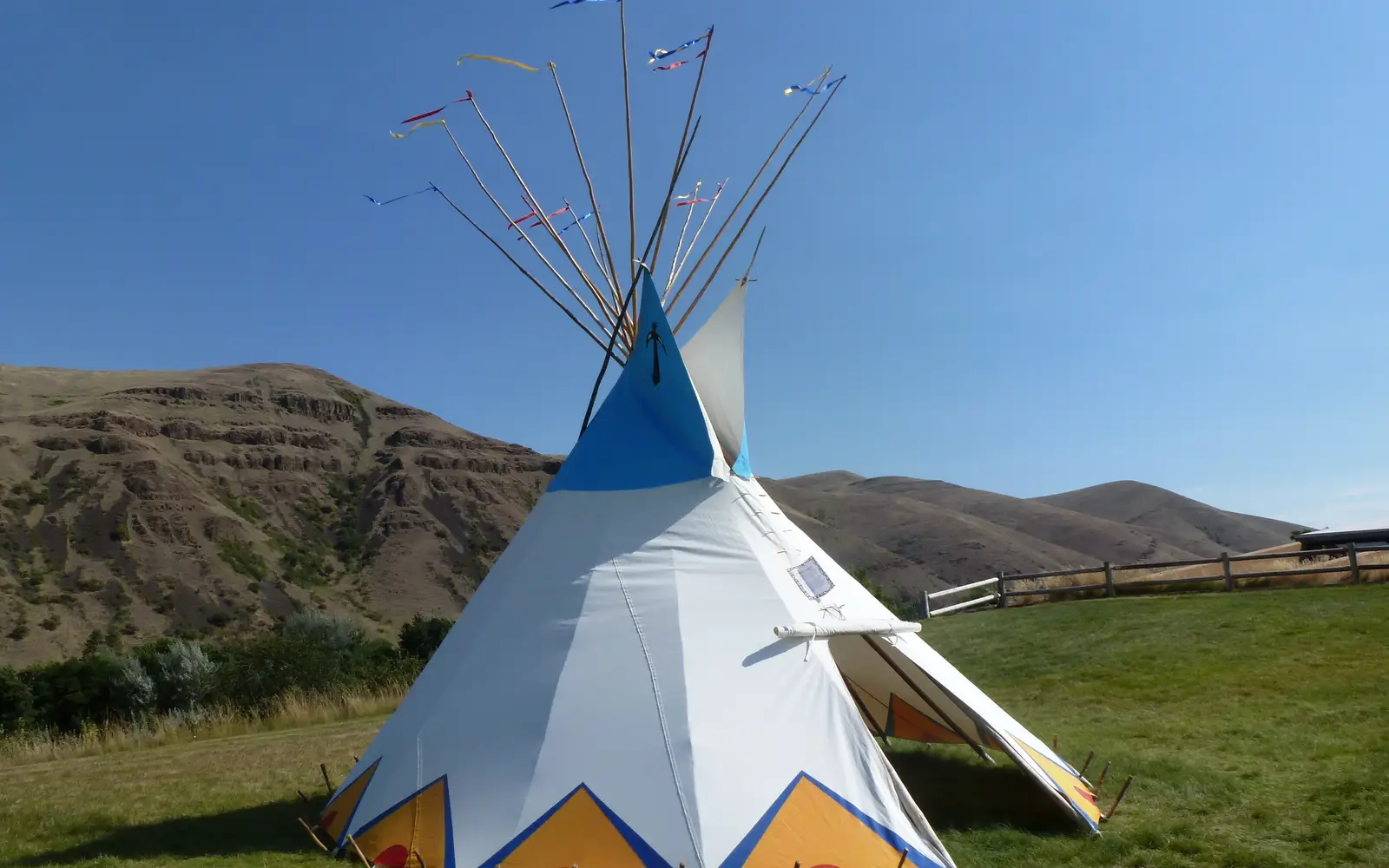
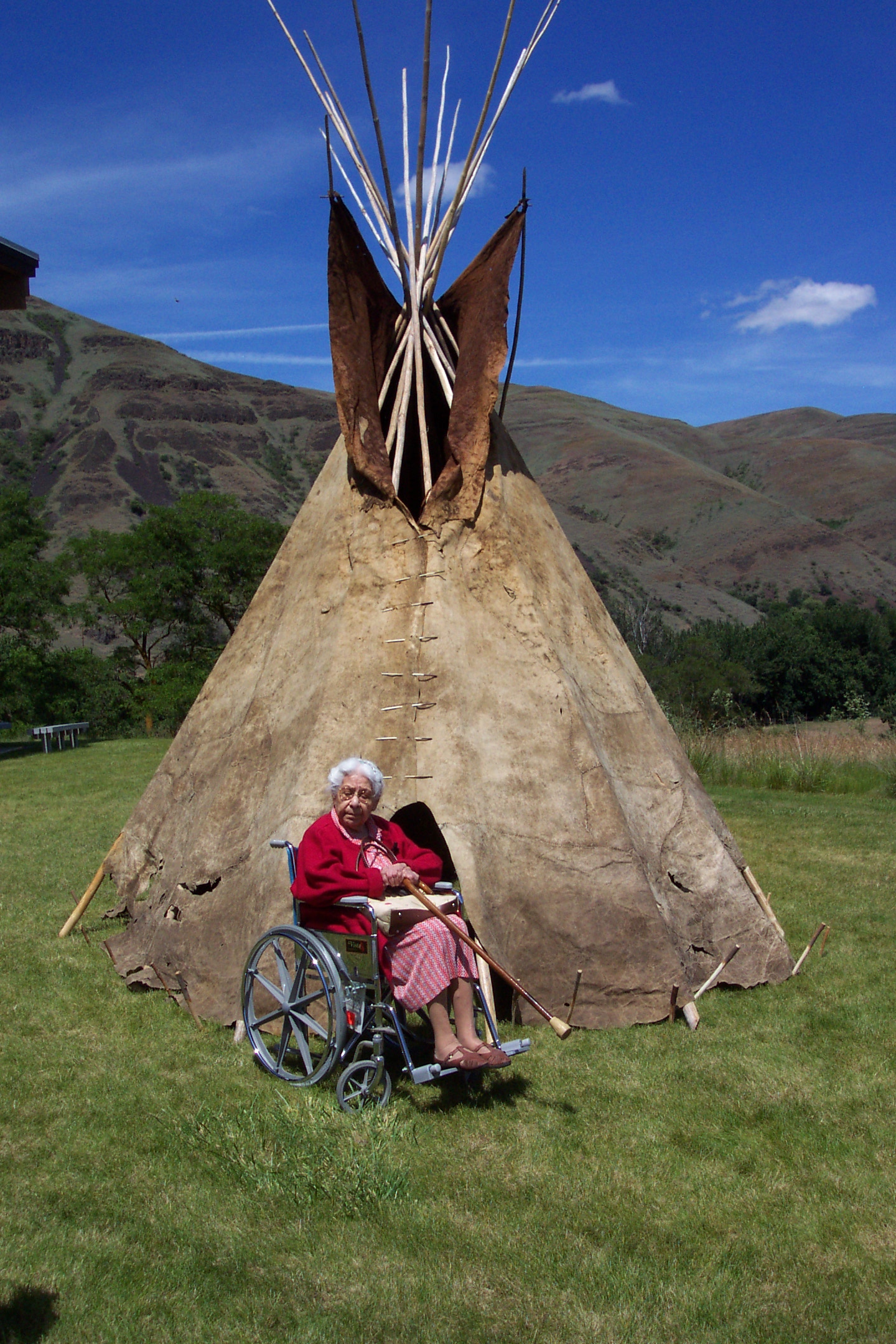
- Live craft and cultural demonstrations by Nimíipuu community members
- Wildlife and birdwatching across dramatically varied elevations and habitat types
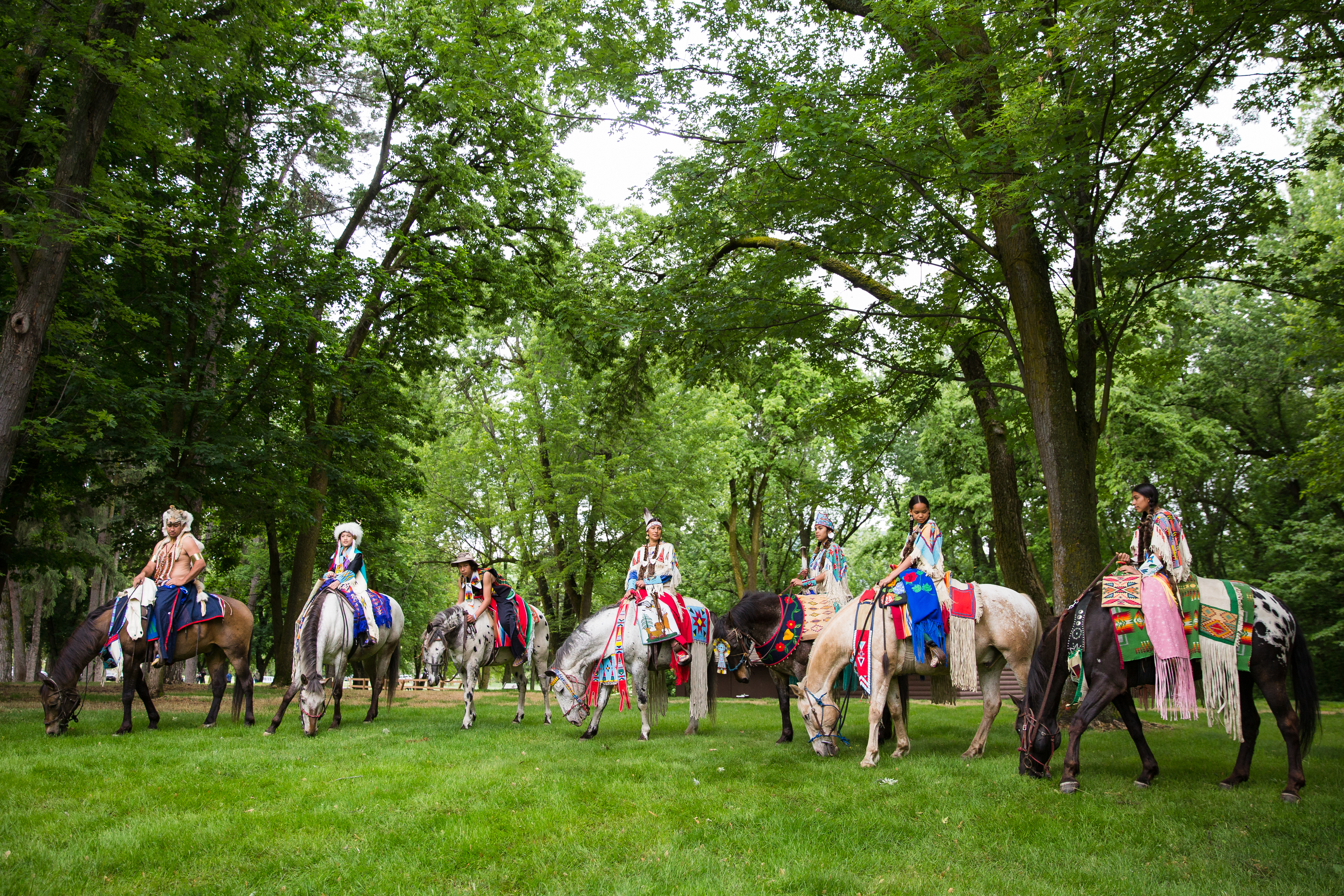
- Horse trekking opportunities reflecting the Nimíipuu's historic bond with the horse
- Free admission across all 38 sites with Junior Ranger program available for families
Good to know
This park's dispersed nature defines the visitor experience. Admission is free at all 38 sites across four states. The main visitor center, located in Spalding, Idaho, serves as the primary planning resource, though it operates with limited winter hours, closing Sundays and Mondays. A single day allows for thorough exploration of the Spalding area. However, to meaningfully engage with a cross-section of all sites, visitors must commit multiple days and prepare for extensive driving. Plan your itinerary carefully; proximity is key.
Insider tipVisitors should secure a physical map from Spalding, as reliable cell service is absent across many of the 38 locations. This will distinguish sites with interpretive infrastructure from undeveloped landscapes. This preparation prevents extended drives to mere roadside markers when an exhibit was anticipated.