Is Big Hole National Battlefield worth it?
Big Hole National Battlefield offers a somber yet enriching experience.
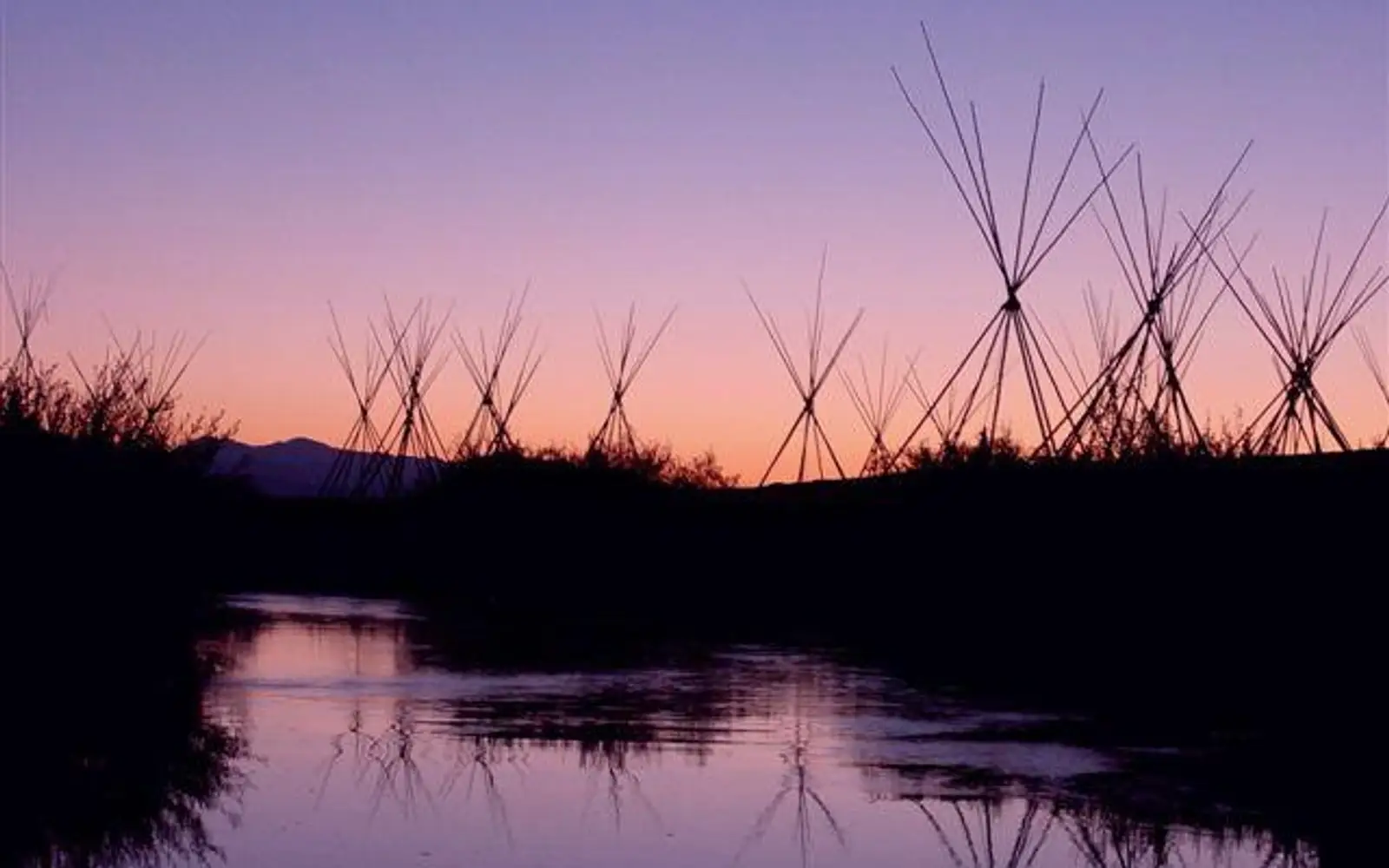
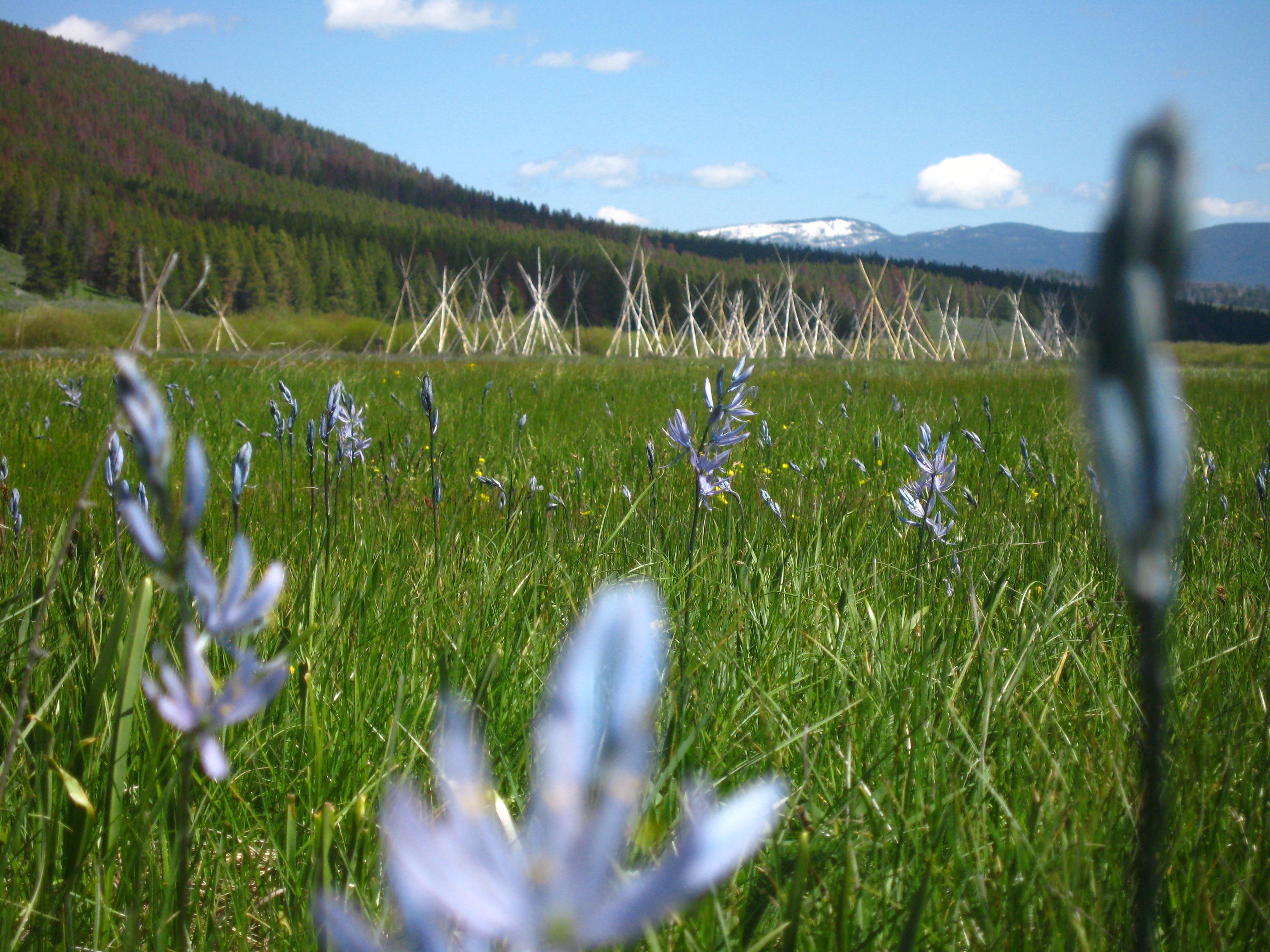
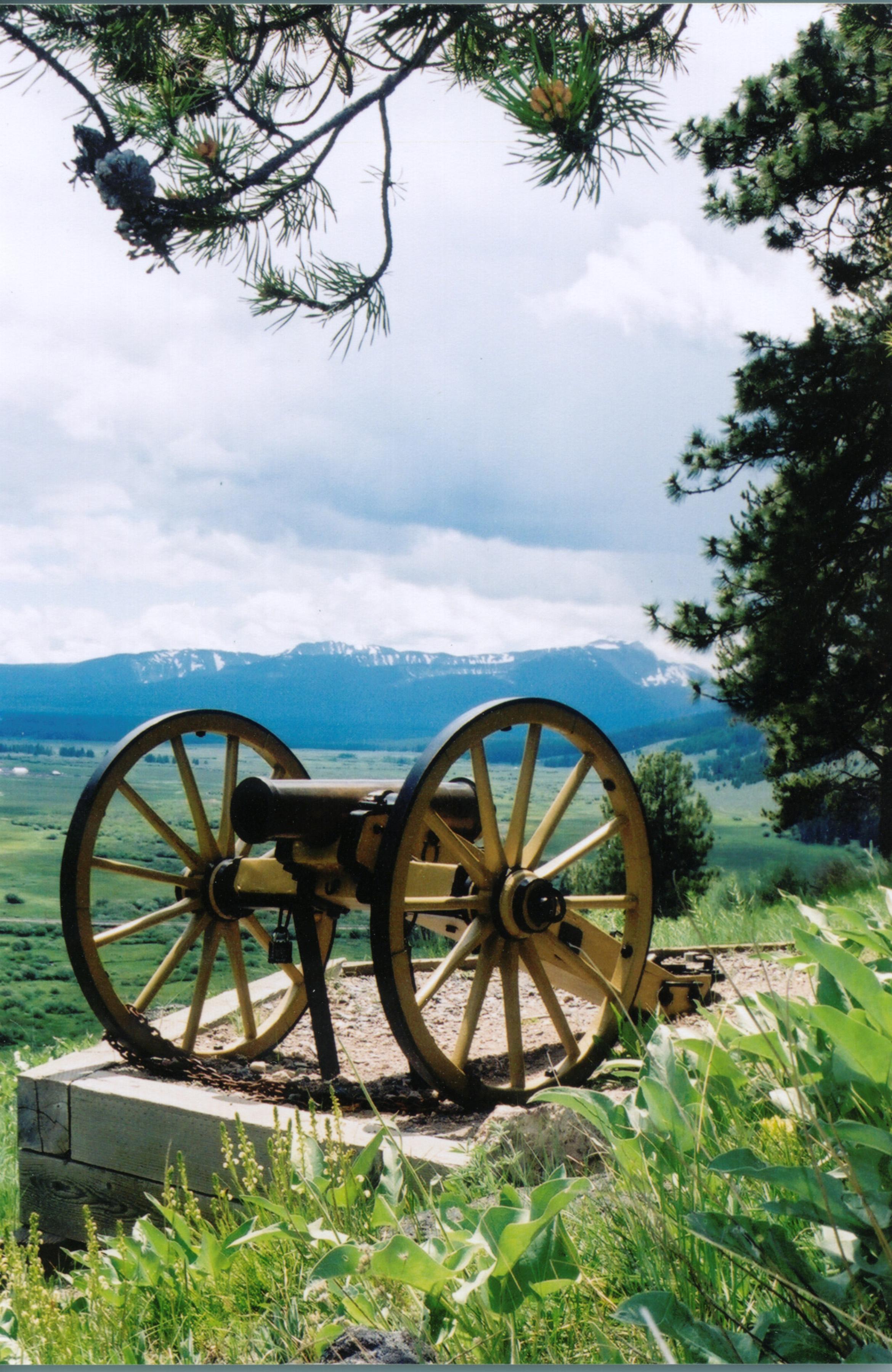
It memorializes the 1877 Nez Perce War engagement, where 90 Nez Perce and 31 soldiers died. This is primarily a site for reflection on a difficult chapter of American history. Its Montana mountain valley location provides a quiet, beautiful setting. The grounds are free and open daily. Visitors engaging with the film, museum exhibits, and guided tours will gain a deeper understanding of the Nez Perce flight of 1877. A high experience score confirms its breadth. Winter access, wildlife viewing, fishing, and hiking are all available. These outdoor activities complement the battlefield's significant cultural core.
The case for it
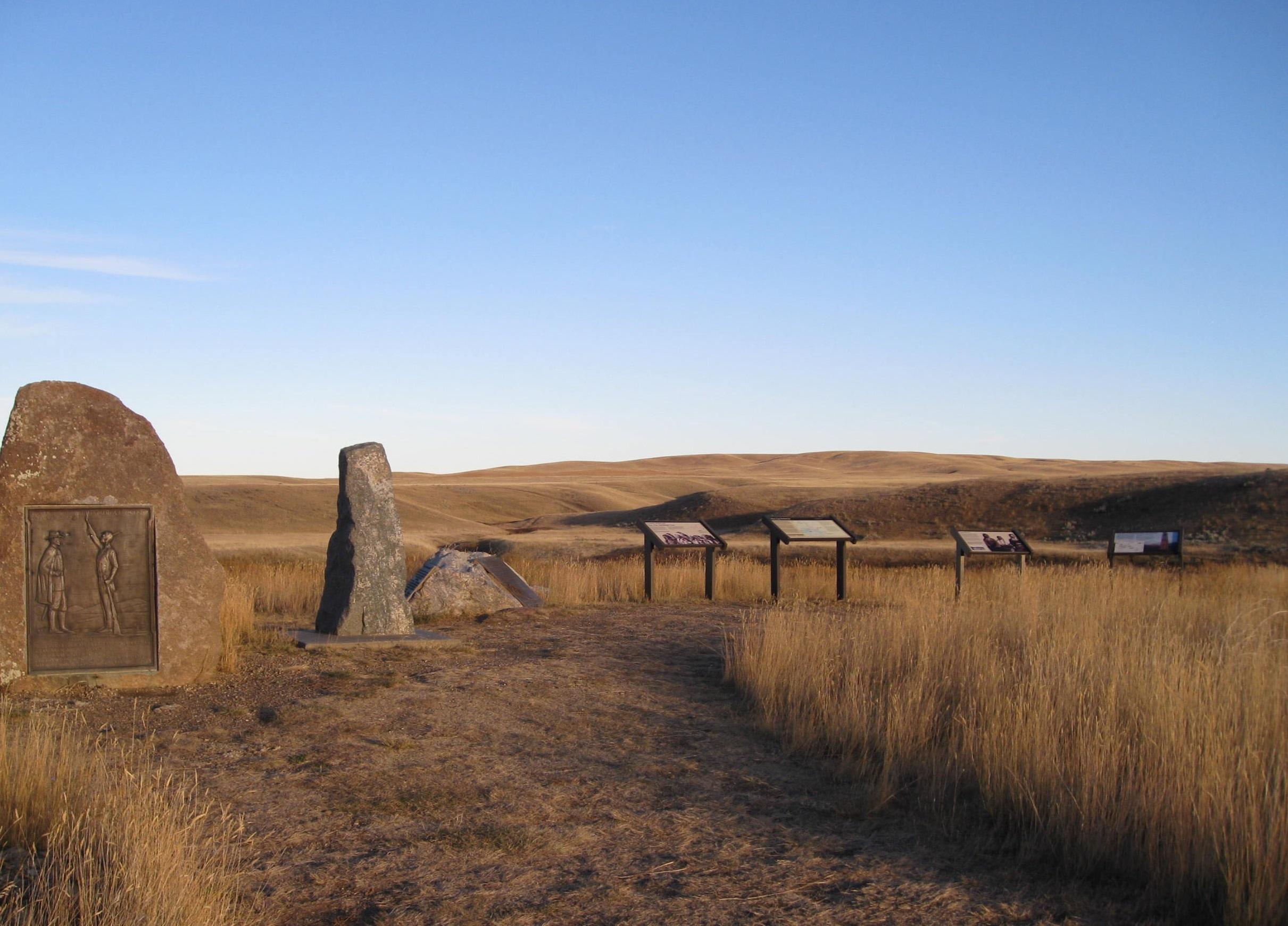
The visitor center provides essential context. Its film and museum exhibits illuminate the August 1877 events. Ranger-led guided tours are highly recommended to fully appreciate the battlefield; check schedules in advance. The self-guided trail traverses camp and siege areas, with markers indicating where families fell. Beyond the historical narrative, the Big Hole River valley supports birdwatching and freshwater fishing. In winter, the site accommodates cross-country skiing and snowshoeing. Picnicking is permitted. The park store offers substantive interpretive materials. Free admission, combined with historical depth and outdoor access, supports a half-day to full-day visit.
Who it is for
This unit offers a focused historical experience. Indigenous American history and U.S. military campaigns of the 1870s are key themes. Families can engage with the Junior Ranger program. Anglers and winter sports enthusiasts will appreciate the quiet Montana setting. However, those seeking dramatic landscapes or extensive trail systems will be disappointed. This is not a scenic park.
Best time to visit
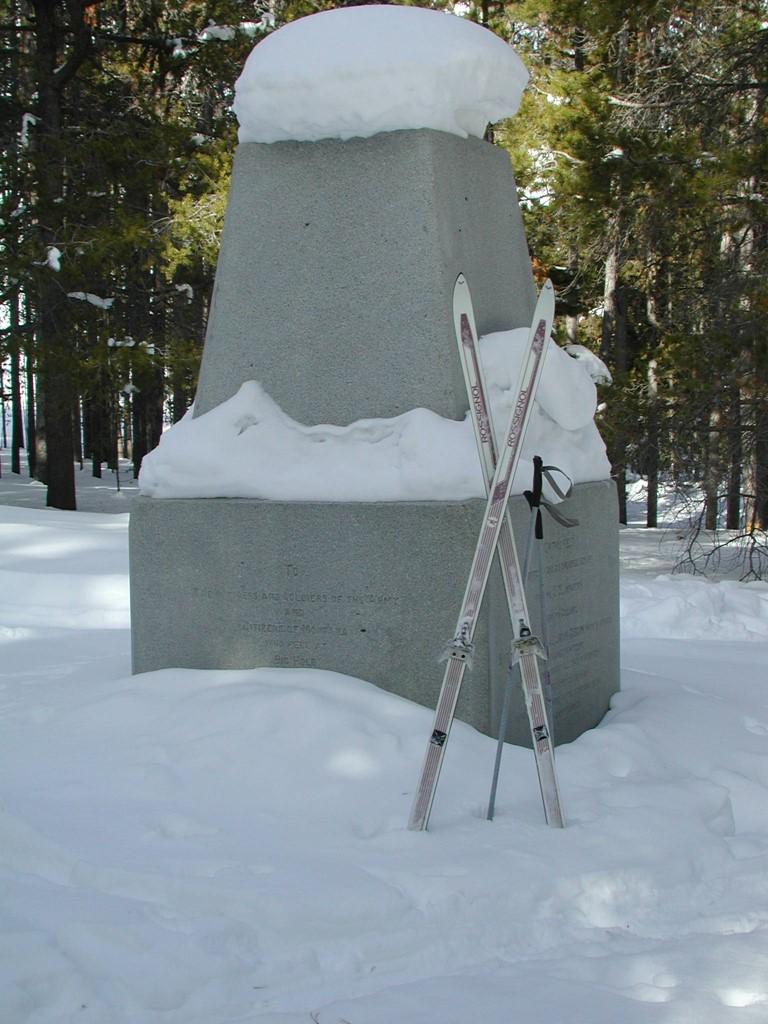
The optimal period for exploring the battlefield trails extends from late June through September, providing extensive daylight and moderate temperatures. Located at elevation, the Wisdom area is subject to cold mornings even in summer; layered clothing is advisable. Winter introduces significant snow and cold, yet the site remains open for cross-country skiing and snowshoeing. This presents a rare battlefield experience with considerable off-season utility.
Worth seeing
- Ranger-guided tours of the battlefield that trace the August 9-10, 1877 events in real time and place
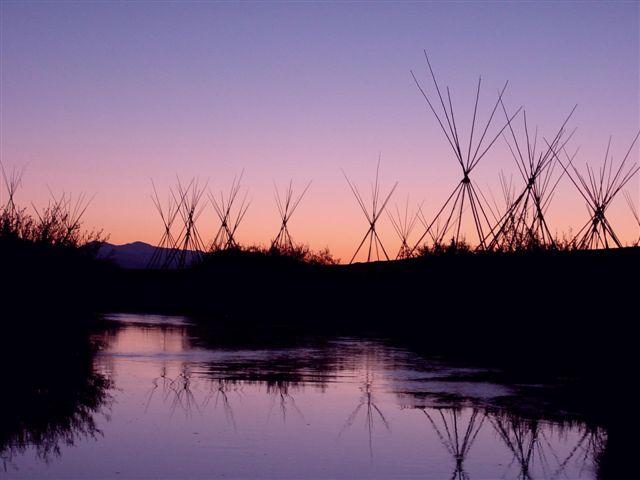
- Self-guided walking trail through the actual Nez Perce camp and U.S. Army siege positions
- Museum exhibits and park film providing deep historical and cultural context on the Nez Perce War
- Freshwater fishing and birdwatching along the Big Hole River valley
- Cross-country skiing and snowshoeing access in winter on the open battlefield grounds
- Junior Ranger program designed to engage children with the site's layered history
Before you visit
Admission is free, a rarity for sites offering such interpretive programming. The visitor center maintains hours distinct from the grounds; plan to arrive early to experience the film and exhibits. Wisdom, Montana, the nearest town, provides limited services. Fuel and provisions are essential before making the drive. Cell service in the valley proves unreliable.
Our tipRanger-guided tours represent this site's single highest-value offering. These are not always available on a fixed schedule. Call ahead or check the current NPS website schedule before a visit; the difference between a self-guided walk and a ranger-led tour at this site proves substantial.