parkverdict
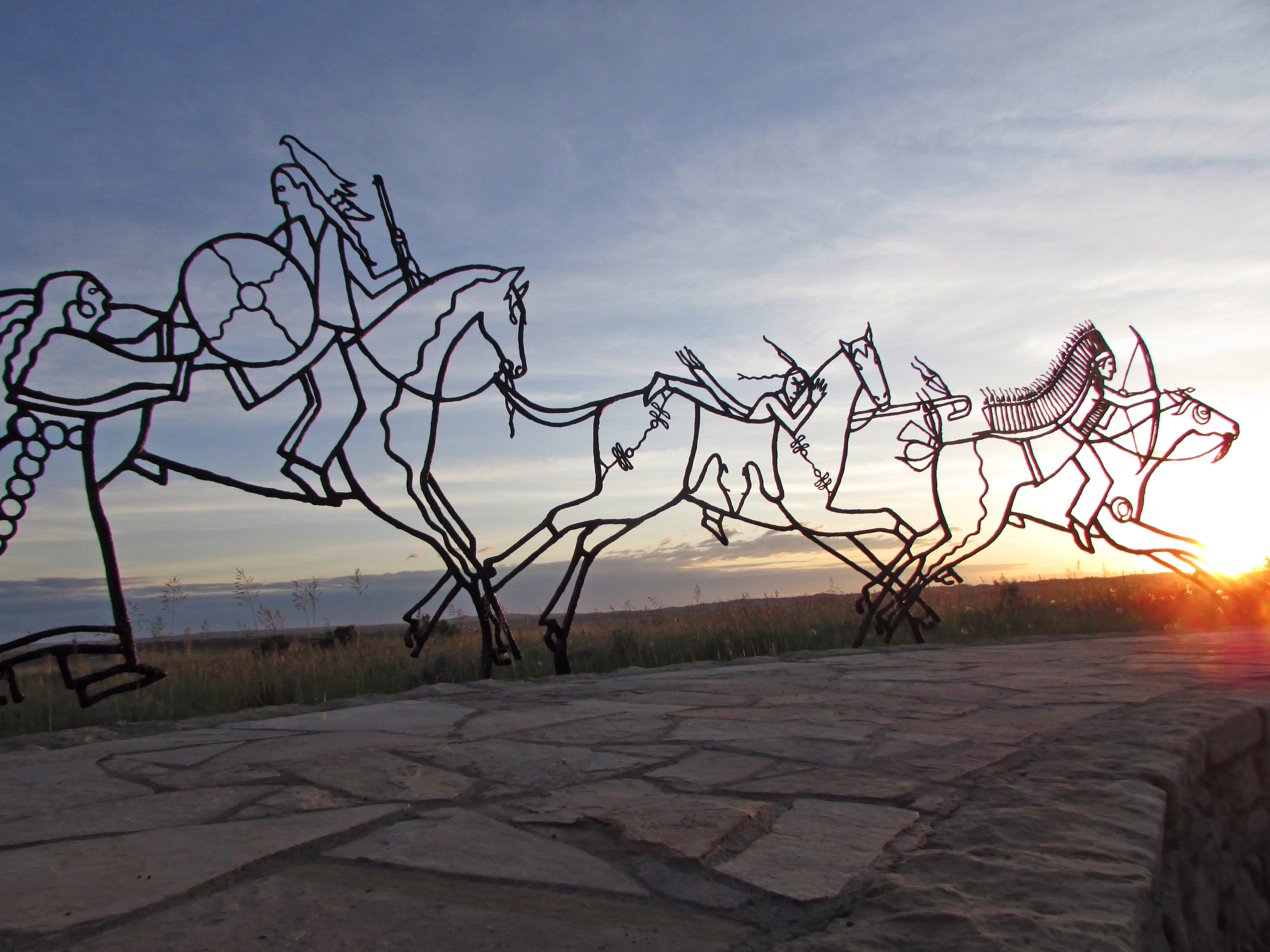
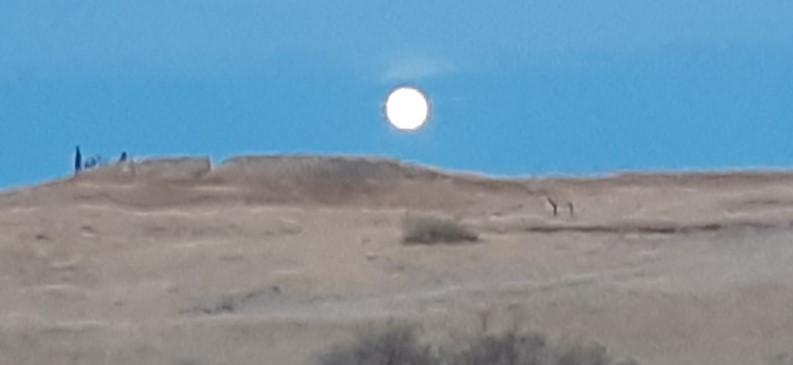
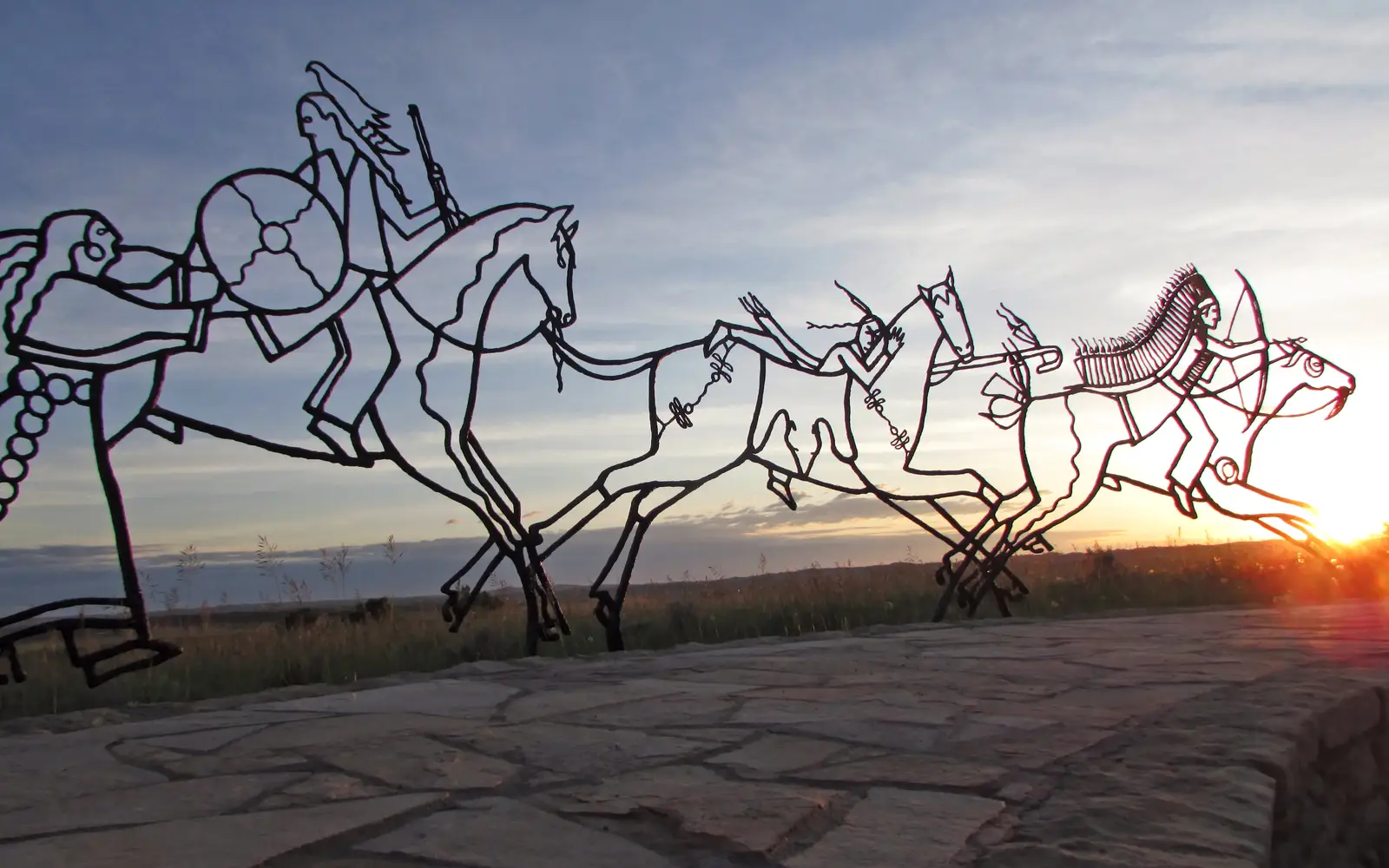
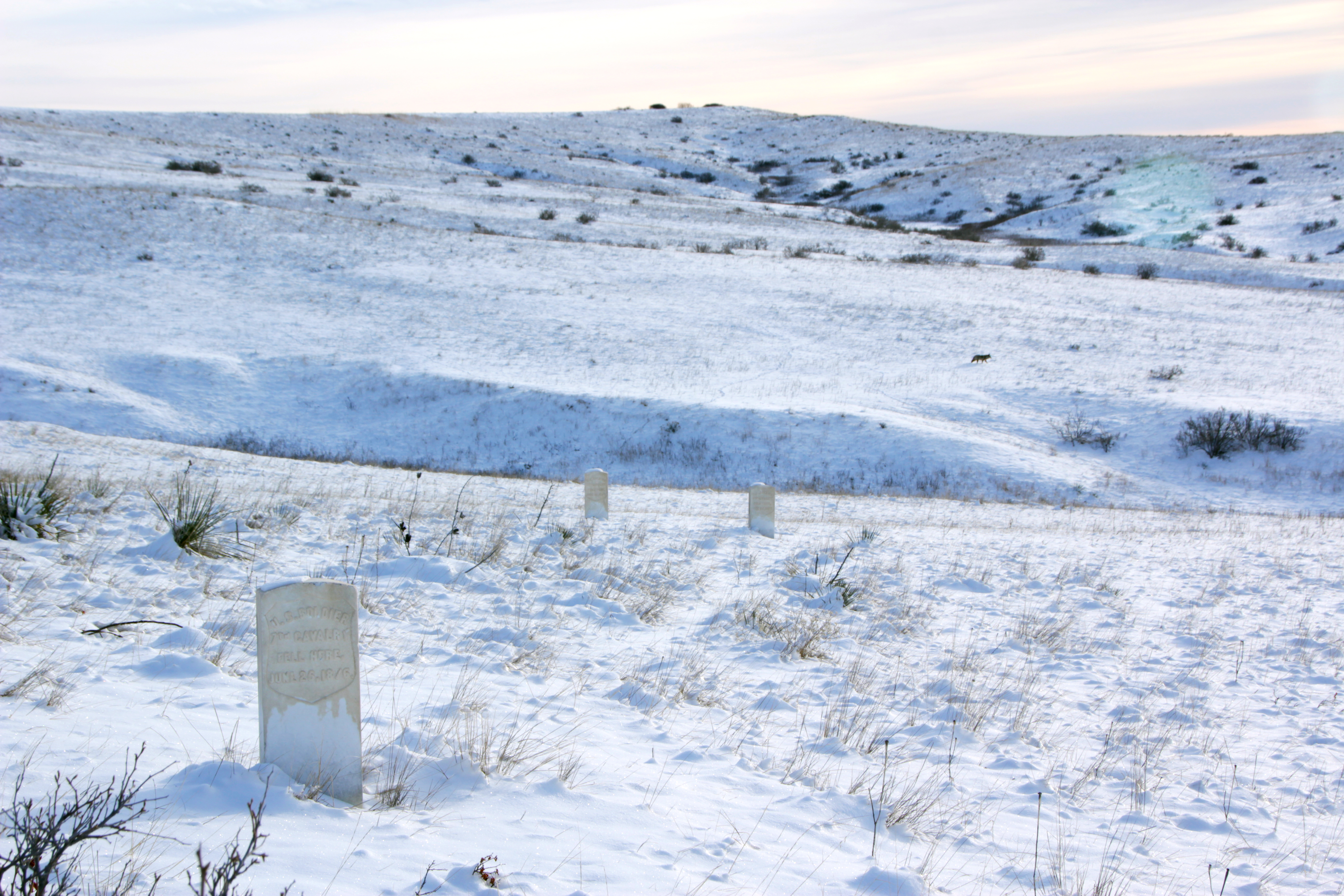
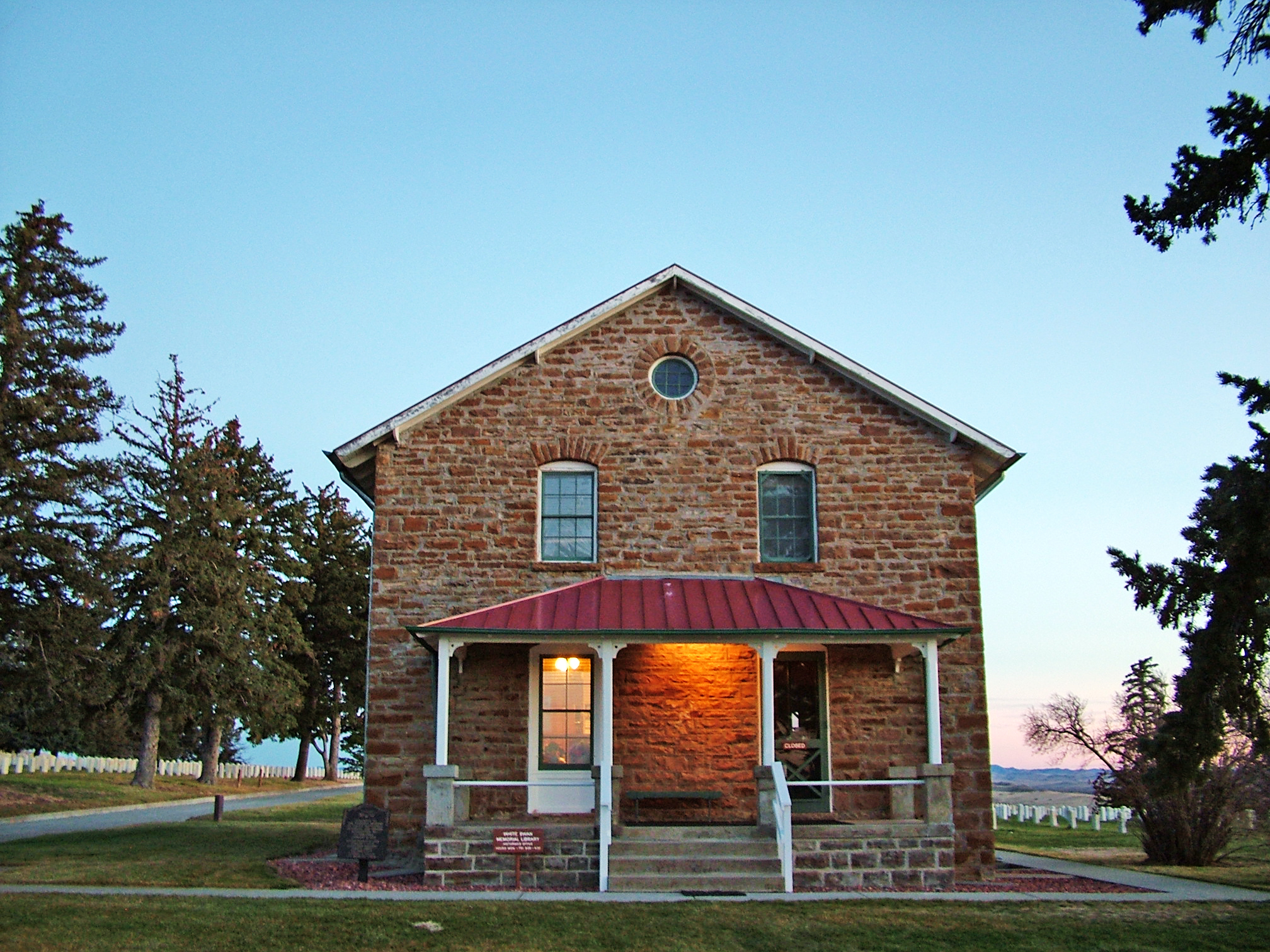
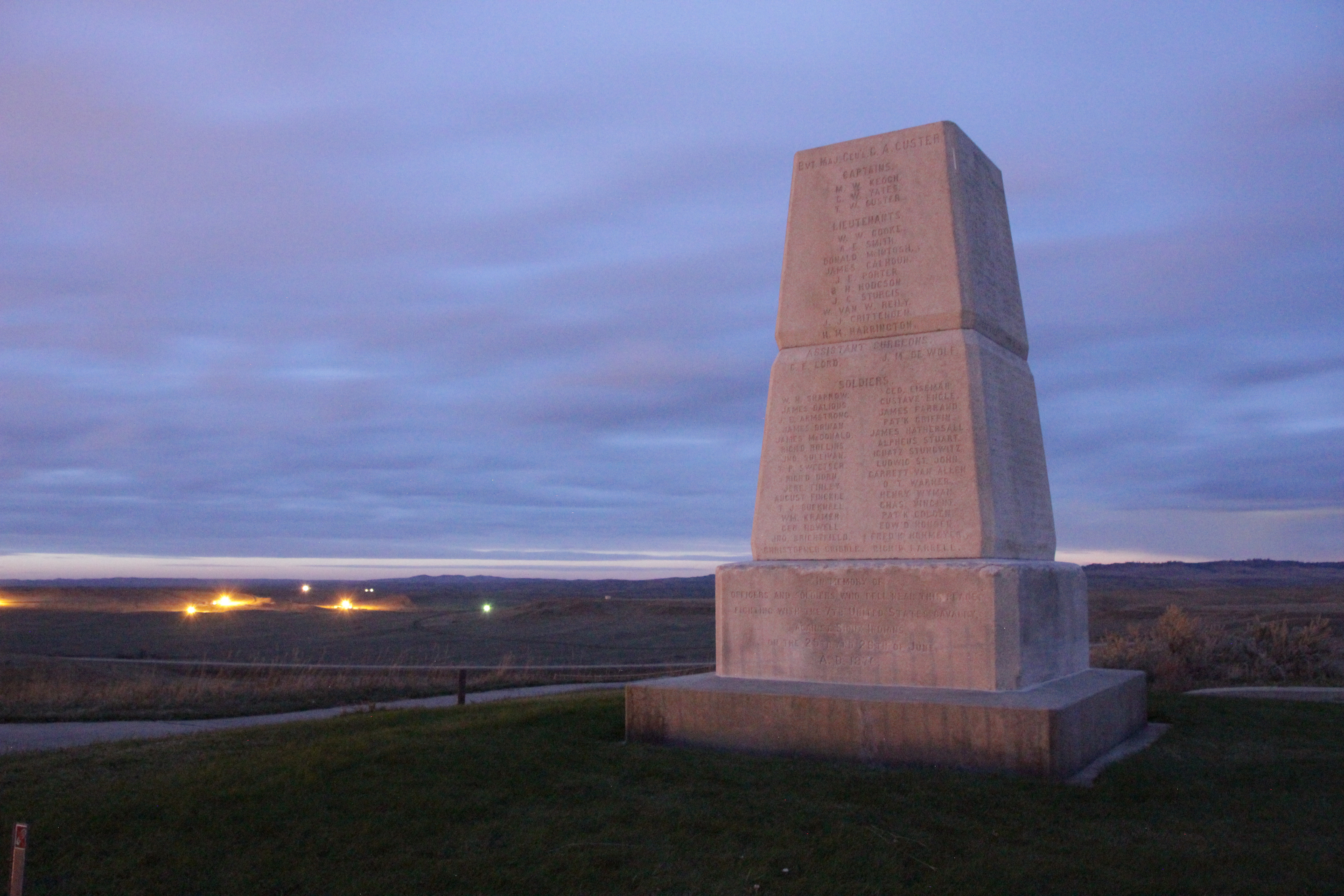
The sun sets behind the Indian Memorial.Headstone can still been seen even with the fresh snow that blankets the battlefield .The stone house sits on the edge of the Custer National Cemetery.The Seventh Calvary Memorial at dusk.
National MonumentMT

Little Bighorn Battlefield National Monument

NPS / NPS photo
49/ 100FOCUSED
parkverdict Experience ScoreIndependent, not sponsored

49 of 100. Our independent breadth-and-access index. How we score

The bottom line

Little Bighorn Battlefield National Monument: our verdict

Little Bighorn Battlefield sits on the rolling Montana plains where, in June 1876, Lakota, Cheyenne, and Arapaho warriors defeated the U.S.

Army's 7th Cavalry. It is a serious, contemplative place. You come here to stand on ground where history turned, read the landscape through markers and audio tours, and reckon with what happened. This is not a recreation destination. There are no trails worth mentioning, no wildlife programs, no dramatic scenery beyond open grassland. What the site offers instead is genuinely uncommon: a battlefield where both sides are memorialized, with interpretive framing that honestly engages Indigenous perspective and lasting consequence rather than looking away from it. At 49 out of 100 on our experience breadth score, this is a focused, single-purpose visit. The right visitor can spend two to three hours here and leave genuinely moved. For everyone else, it risks feeling like a quick drive-through.

Why visit

Start in the museum, which covers the political and military buildup leading to June 1876 and takes Lakota, Cheyenne, and Arapaho motivations seriously instead of organizing the whole story around Custer. With that background in place, the self-guided auto tour puts you on the actual ground where the fighting happened, with marked positions and grave markers spread across the hillside. On Fridays, Saturdays, and Sundays during summer, ranger-guided tours offer a level of interpretation that roadside signs just cannot match. Leave enough time for the Custer National Cemetery, which lands harder than most visitors anticipate, and for the Indian Memorial honoring the warriors who fought here. That memorial gives the site a moral weight that is genuinely rare among battlefield parks. If you actually engage with the exhibits and audio stops rather than rolling straight through, two to three hours is a realistic minimum.

Who it suits

If you care about the American West, U.S. Army history, or Native American history and sovereignty, this place is worth your time. Families with older kids who can handle serious subject matter will find the Junior Ranger program genuinely worthwhile. If you came mainly for hiking, wildlife, or outdoor adventure, Montana has better options for that.

Timing your visit

Summer works, technically, but the park only runs Friday through Sunday this season, and with temperatures swinging between 70 and 100 degrees, the open, exposed auto tour turns miserable by mid-afternoon. Late May or early September gives you cooler weather and noticeably thinner crowds. Winter shuts down most of the experience and cuts off the majority of access, so it's not worth the trip.

What stands out

  • Museum exhibits presenting the battle from both U.S. Army and Indigenous perspectives
  • Self-guided auto tour across the actual 1876 battlefield terrain with marked positions
  • Ranger-guided tours available on open days during summer season
  • The Indian Memorial honoring Lakota, Cheyenne, and Arapaho warriors
  • Custer National Cemetery, one of the oldest federal cemeteries in the region
  • Junior Ranger program for families with engaged, history-curious kids

Good to know

Entry costs $15 per vehicle. The park is open Friday through Sunday and closed the rest of the week, so check the hours before you make the drive. It sits in a remote part of southeastern Montana, and if you show up on a closed day there is not much around to fall back on.

Insider tipPick up the auto tour map at the bookstore or visitor contact station before you start driving. From inside a car the land reads as flat and nearly featureless, and the map lays out why specific terrain features actually mattered in a tactical sense. That context turns the drive into something you can follow and understand, not just look at.

How we scored it

How Little Bighorn Battlefield National Monument earned its 49

Where does a 49 come from? One formula, run the same on every place we cover, built only from public data on what a unit offers and how reachable it is. It says nothing about how pretty a spot is or how busy it gets. This is what fed it:

  • Activity breadth9 documented activities
  • Topic breadth10 topics
  • Official imagery5 public-domain images
  • Camping on sitenone recorded
  • Entry cost$15

No number is hand-adjusted and no unit pays for placement. The full weights, the floor at 18 and a worked example are on how we score.

The honest limits

Where the score goes quiet

One limit to keep in mind. Everything here comes from public records on what a unit documents and how reachable it is, so the score cannot judge beauty, crowds, trail conditions, weather, or how good any single program is. That is exactly why a small, specific place can score below a sprawling park and still be your better trip. Take the number as a like-for-like look at what is on paper, and lean on the verdict for the human read.

On offer

Documented activities

Auto and ATVScenic DrivingGuided ToursSelf-Guided Tours - WalkingSelf-Guided Tours - AutoJunior Ranger ProgramMuseum ExhibitsShoppingBookstore and Park Store
The basics

Little Bighorn Battlefield National Monument at a glance

On June 25 and 26, 1876, Lakota, Cheyenne, and Arapaho warriors defeated an assault by the U.S. Army's 7th Cavalry under Lt. Col. George Custer, who had been pushing policies that threatened their way of life. This land remembers what happened here those two days. The effects of that battle are still felt across the West and within Indigenous communities today.

On documented breadth and access, Little Bighorn Battlefield National Monument ranks 11th of 11 park and public-land units we score in Montana.

Weather and seasons

Little Bighorn Battlefield National Monument average weather: Spring: 50-60 (F) degree days/ 30+/- (F) degree nights Summer: 70-100 (F) degree days/ 45-60+ (F) degree nights Fall: 40-50 (F) degree days/ 25+/- (F) degree nights Winter: 20-30 (F) degree days/ 0+/- (F) degree

Common questions

Little Bighorn Battlefield National Monument: quick answers

Is Little Bighorn Battlefield National Monument worth visiting?

Little Bighorn Battlefield sits on the rolling Montana plains where, in June 1876, Lakota, Cheyenne, and Arapaho warriors defeated the U.S.

Is Little Bighorn Battlefield National Monument free to visit?

Not free. Getting in runs about $15.

What is Little Bighorn Battlefield National Monument best for?

It leans hardest toward good with kids, scenic drives, guided tours, going by the 9 activities it actually documents.

When is the best time to visit Little Bighorn Battlefield National Monument?

Summer works, technically, but the park only runs Friday through Sunday this season, and with temperatures swinging between 70 and 100 degrees, the open, exposed auto tour turns miserable by mid-afternoon.

How is the Experience Score for Little Bighorn Battlefield National Monument calculated?

The 49 comes straight from public data on how much the place documents and how easy it is to reach, things like activities, topics, photos, camping and whether entry is free. It says nothing about scenery or how busy it gets.