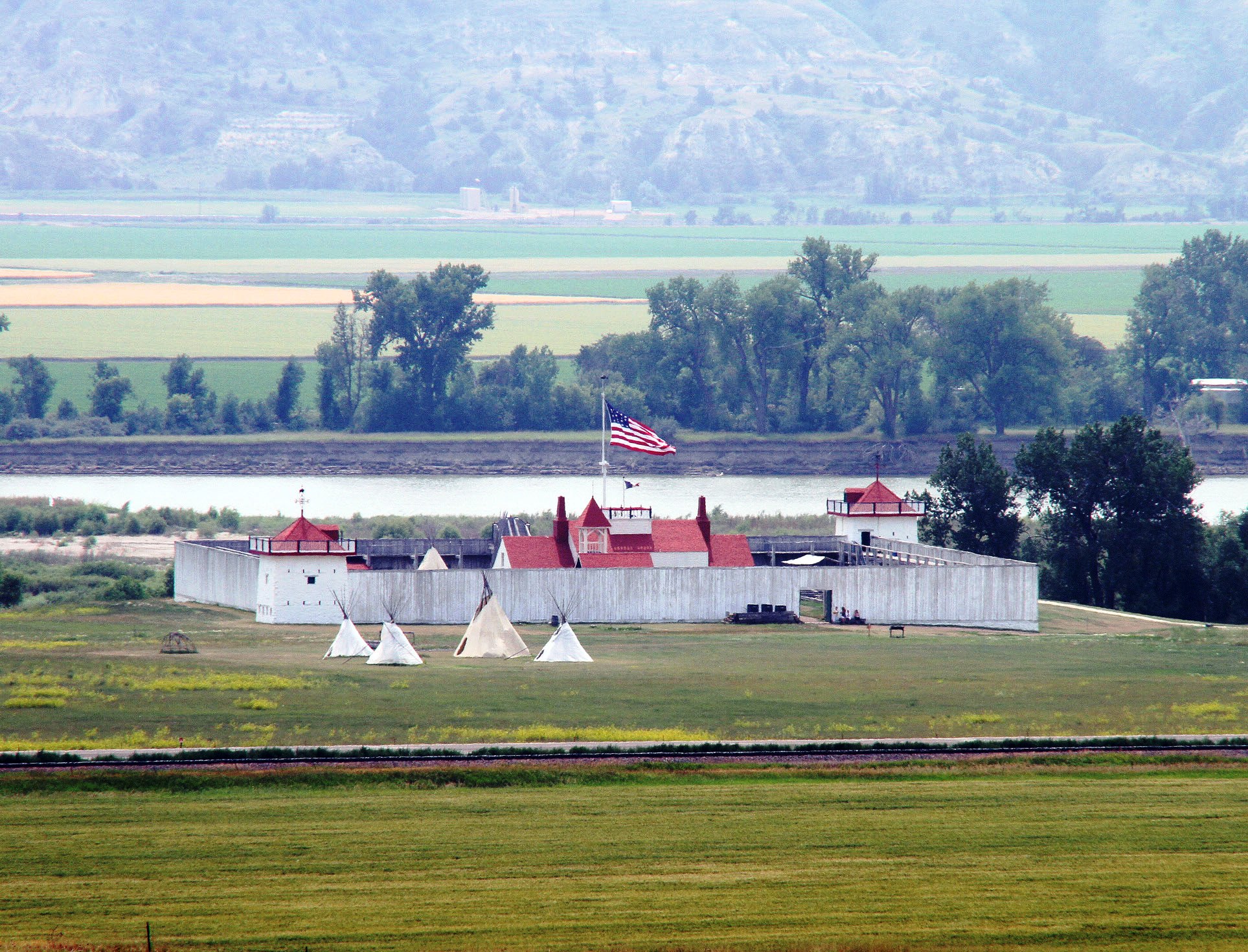
Is Fort Union Trading Post National Historic Site worth your trip?
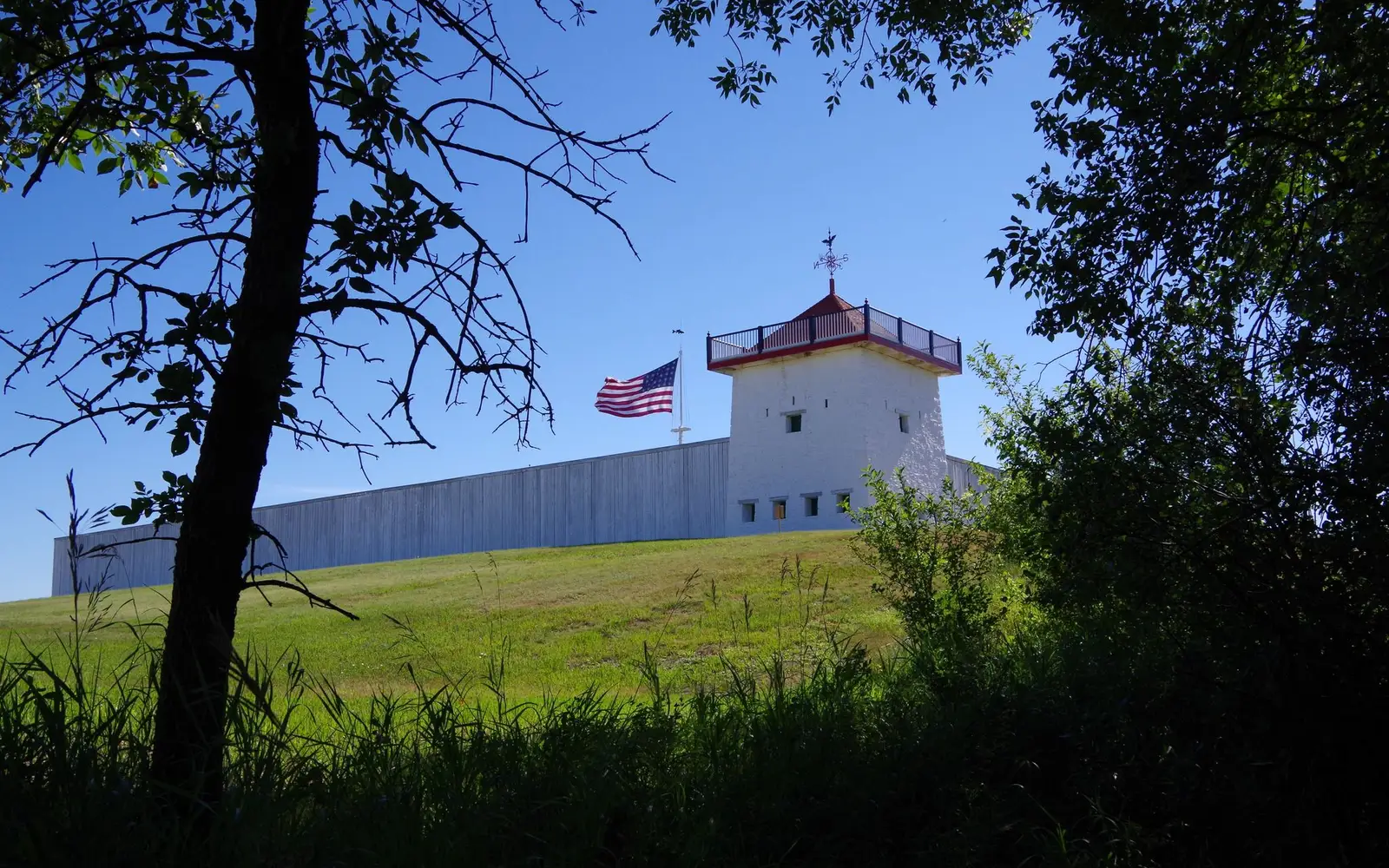
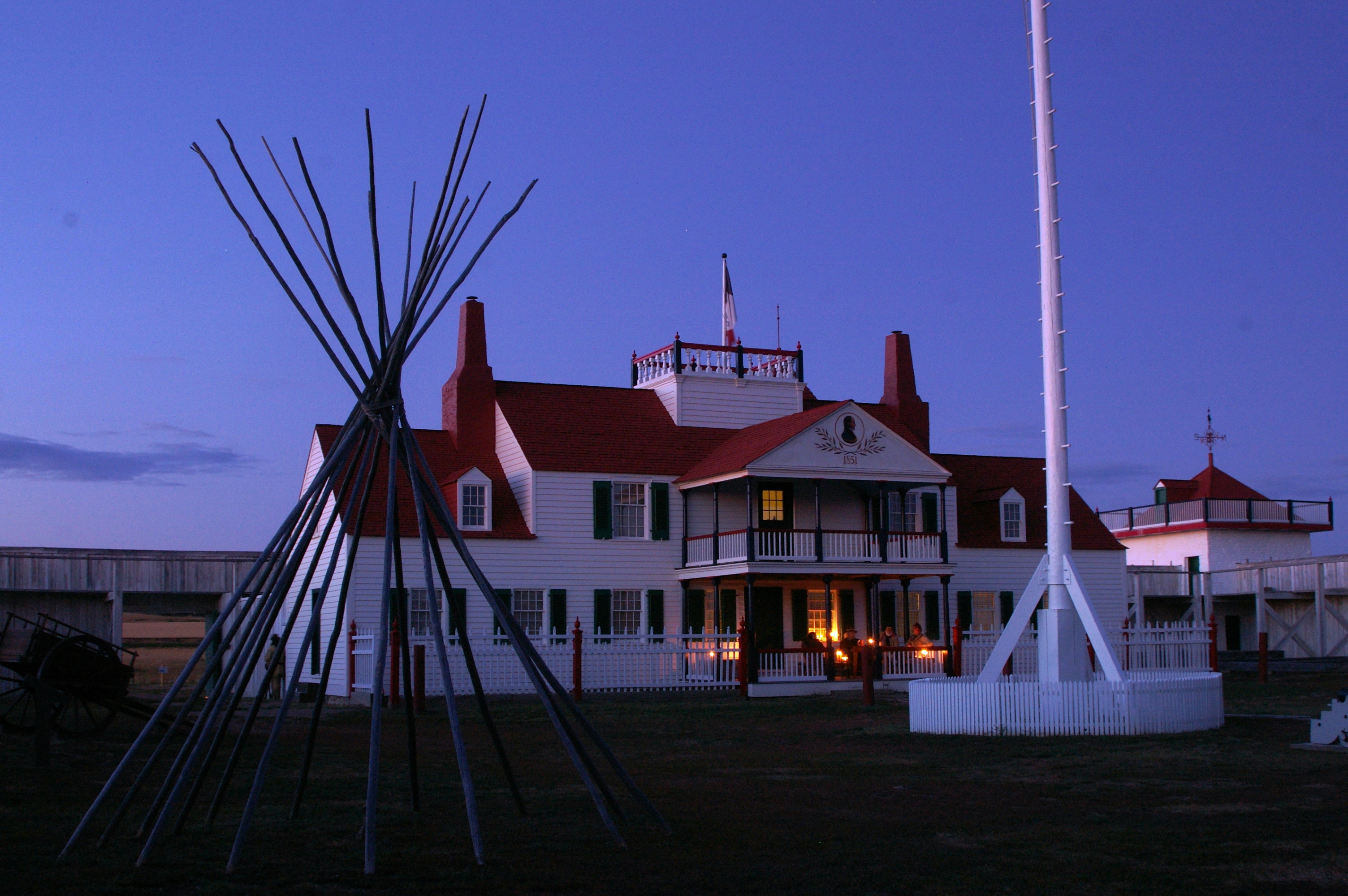
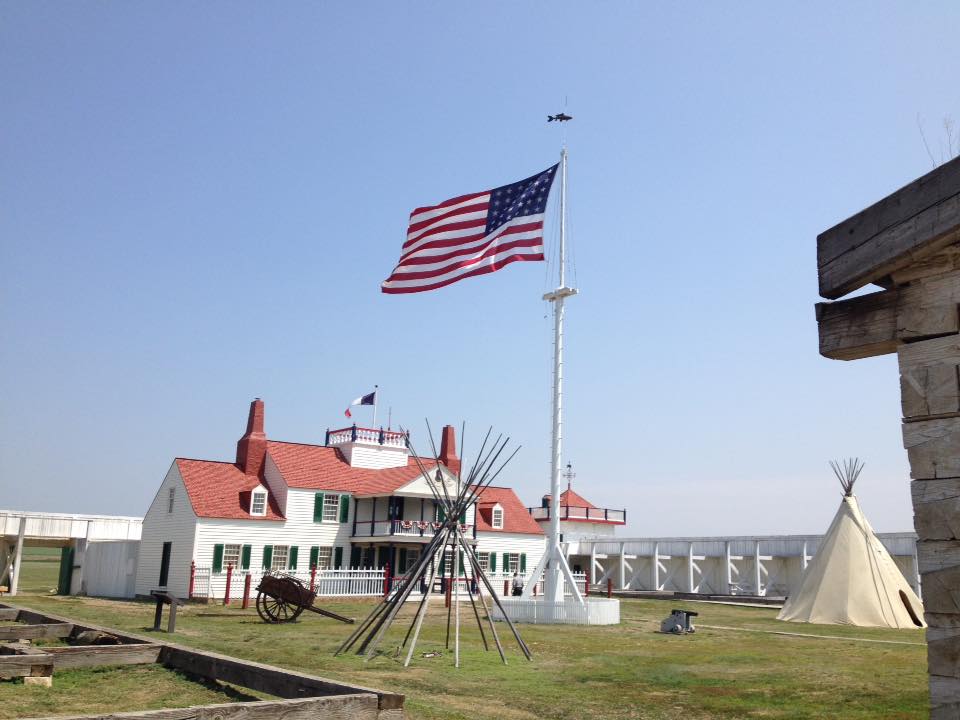
Fort Union Trading Post is a reconstructed 19th-century fur trade fort sitting on the Montana-North Dakota border along the Upper Missouri River, and it delivers a surprisingly immersive history experience for a free site.
This was the commercial and cultural hub of the Northern Plains from 1828 to 1867, where the Assiniboine and six other tribes traded tens of thousands of buffalo robes annually for goods from around the world. The reconstruction is serious, not a theme park gesture, and the living history programming gives it genuine depth. That said, this is a niche destination in a remote corner of the country. You are not passing through on the way to somewhere else. The audience is history-minded travelers, families looking for substantive educational stops on a Great Plains road trip, and anyone drawn to the complicated, fascinating story of Indigenous and Euro-American commerce on the frontier.
Why go
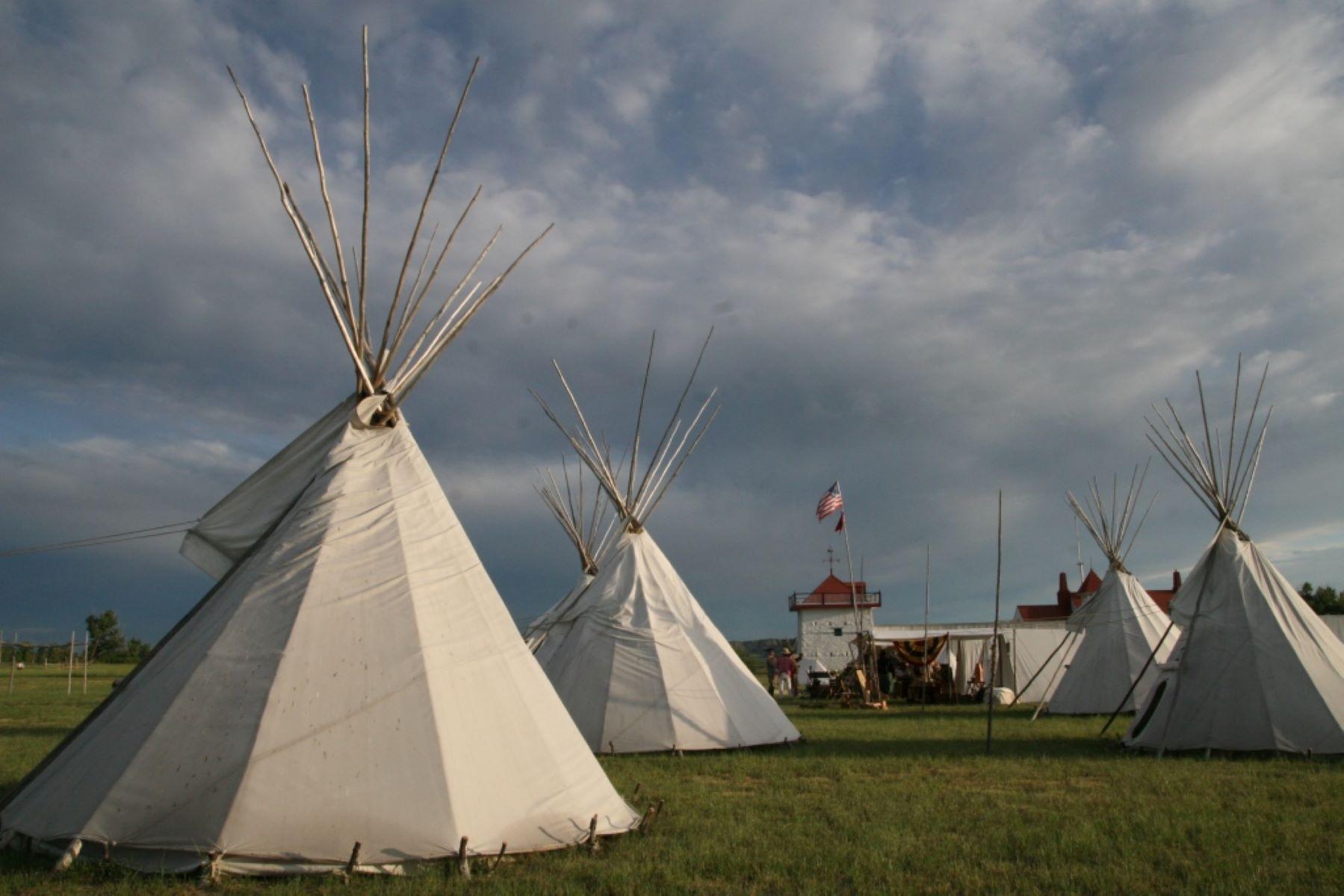
This unit excels in bringing history to life. The interpretive programming is extensive, with guided tours, living history, historic weapons demonstrations, and craft and cultural presentations all focused on the fur trade era. A park film and museum exhibits detail the trade networks, involved tribes, and the significant commerce passing through the post. Children can engage with the Junior Ranger program. Adults will find a well-stocked bookstore and park store. Scheduled reenactments are a highlight, considered among the NPS's more memorable offerings for a free site. The reconstructed fort, combined with living interpreters, renders history tangible.
Best for
This site prioritizes specific interests. It caters to history enthusiasts, families exploring the Great Plains, and those drawn to Indigenous cultures and the fur trade. The rewards here are intellectual, not scenic. Those seeking dramatic landscapes, strenuous recreation, or a convenient stop will find the remote location ill-suited to their objectives.
Best season
Late May through September offers the practical window for visitation. Summer highs in the 80s and 90s ensure comfortable exploration. Living history and reenactment programming peaks during these months. Winter travel is ill-advised. Temperatures can drop to single digits. Sudden, severe storms frequently render roads dangerous.
The high points
- Living history demonstrations that place interpreters in the roles of traders and tribal members from the fur trade era
- Historic weapons demonstrations tied directly to the trade goods that defined the post's commerce
- Craft and cultural demonstrations drawn from both Euro-American and Northern Plains tribal traditions
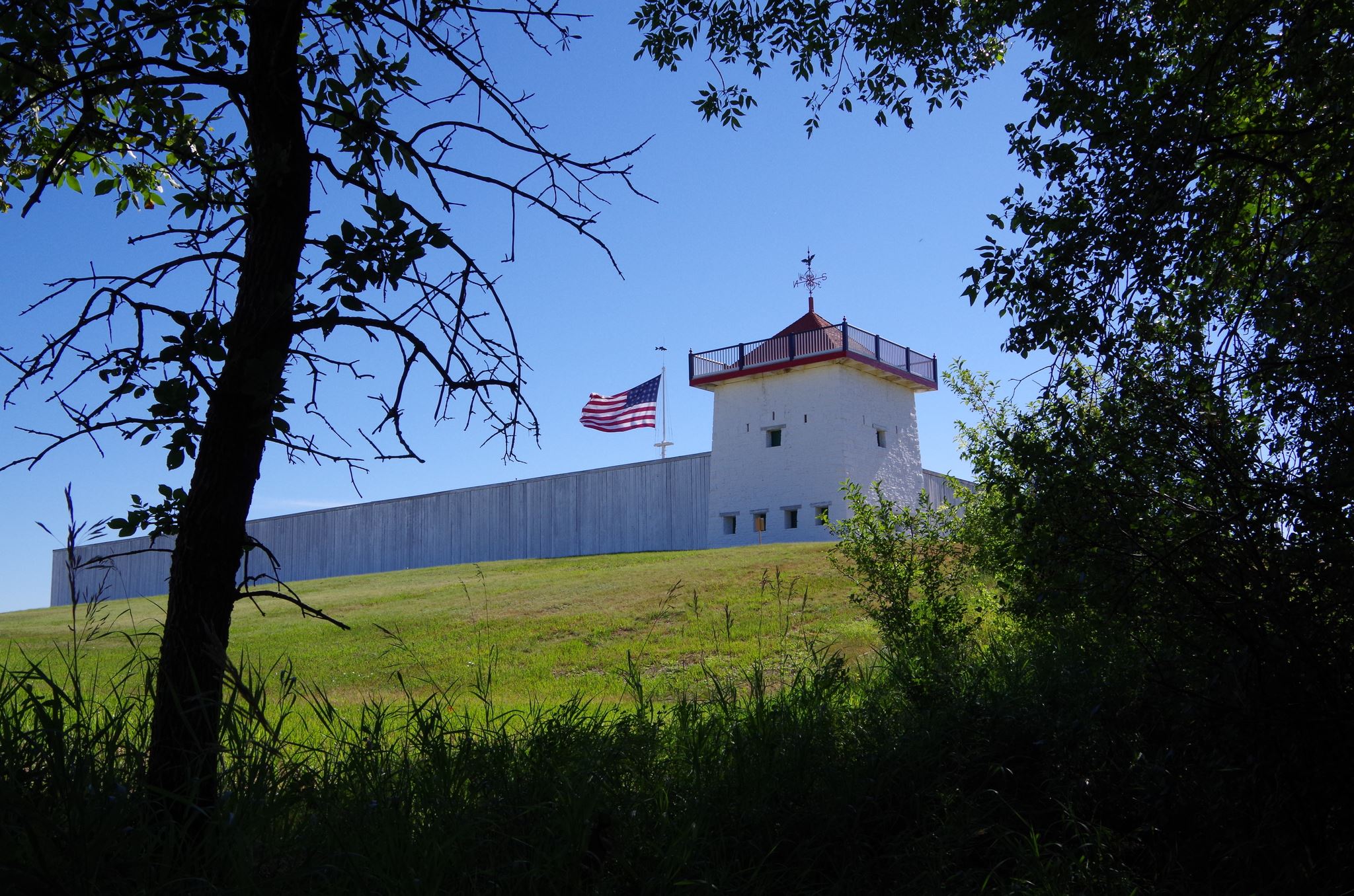
- A reconstructed fort you can walk through, built on the original site
- Museum exhibits covering the seven tribes who traded here and the global supply chains behind the post
- Free admission with a Junior Ranger program that keeps kids engaged throughout the visit
Know before you go
This remote unit offers free admission, a significant plus. Located near Williston, ND, on the North Dakota-Montana border, it requires careful travel planning. Note that operating hours follow Central Time, a critical detail for those arriving from Montana. Prospective visitors should consult the NPS site for seasonal living history and reenactment schedules, as these programs enhance the experience considerably.
One more thingConsult the NPS event calendar for reenactment weekends. These events elevate a standard visit to Fort Union, offering among the best free living history experiences on the Northern Plains. The distinction between a typical day and a full reenactment is substantial.