Is Yellowstone National Park worth it?
Yellowstone sets a national park benchmark.
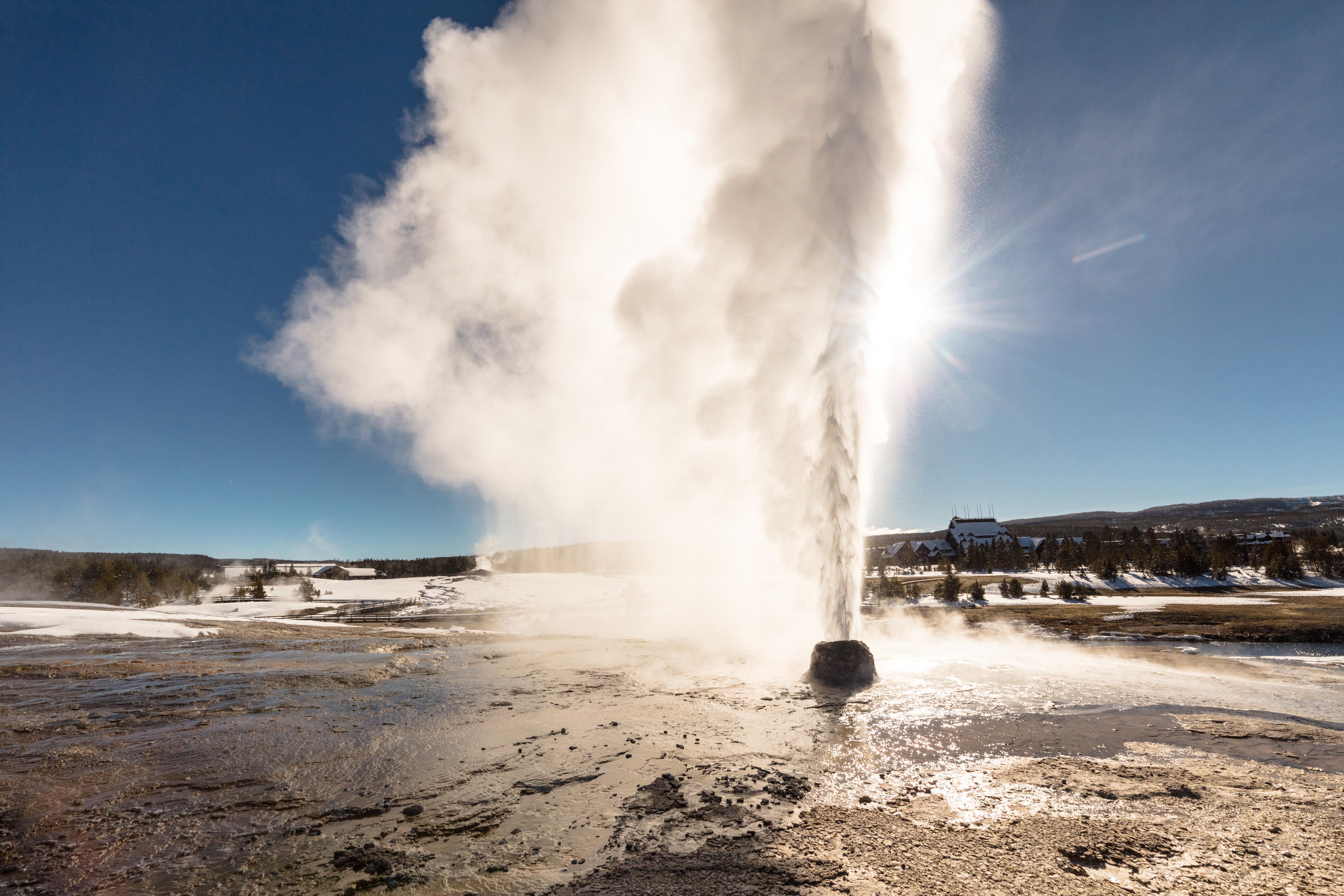
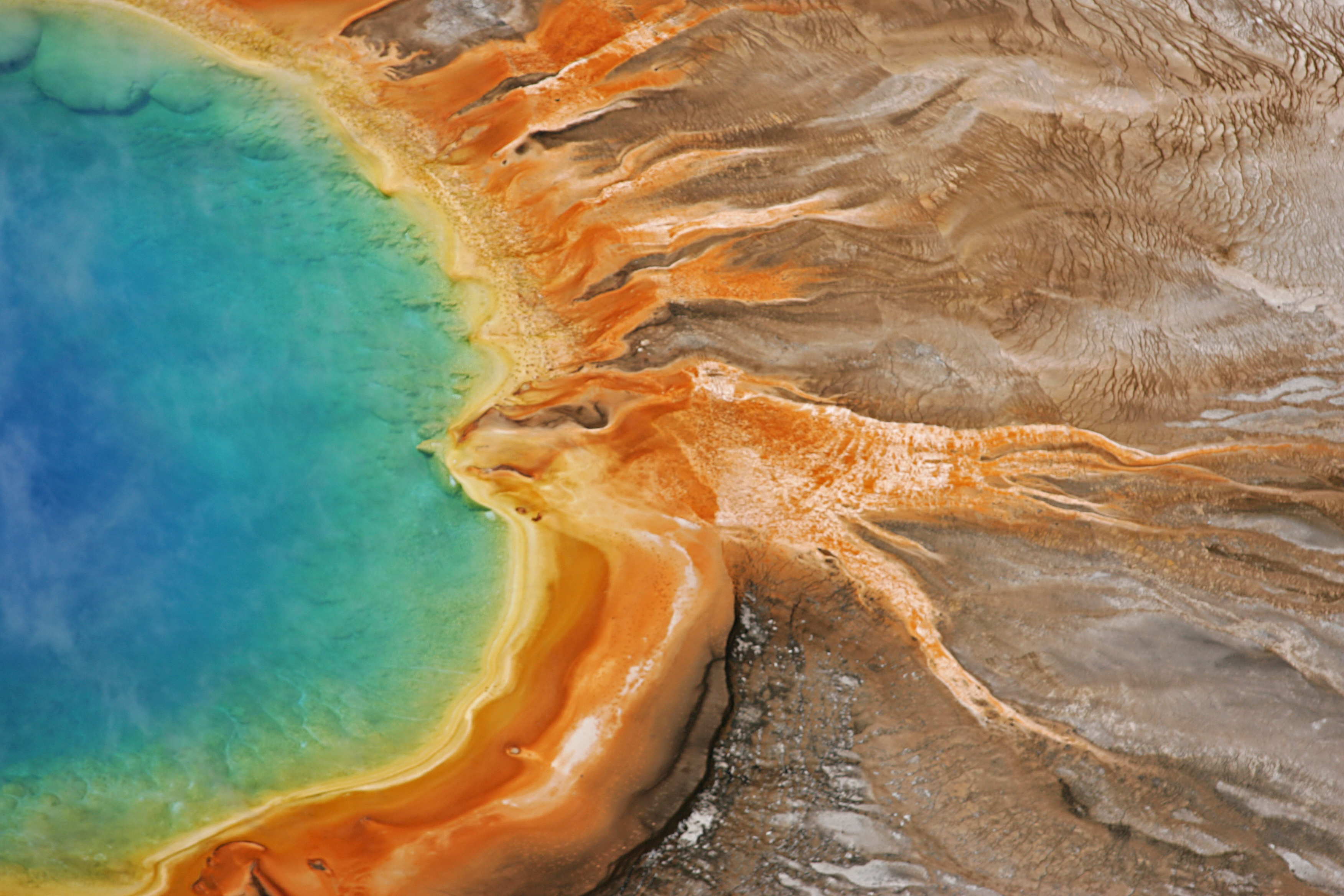
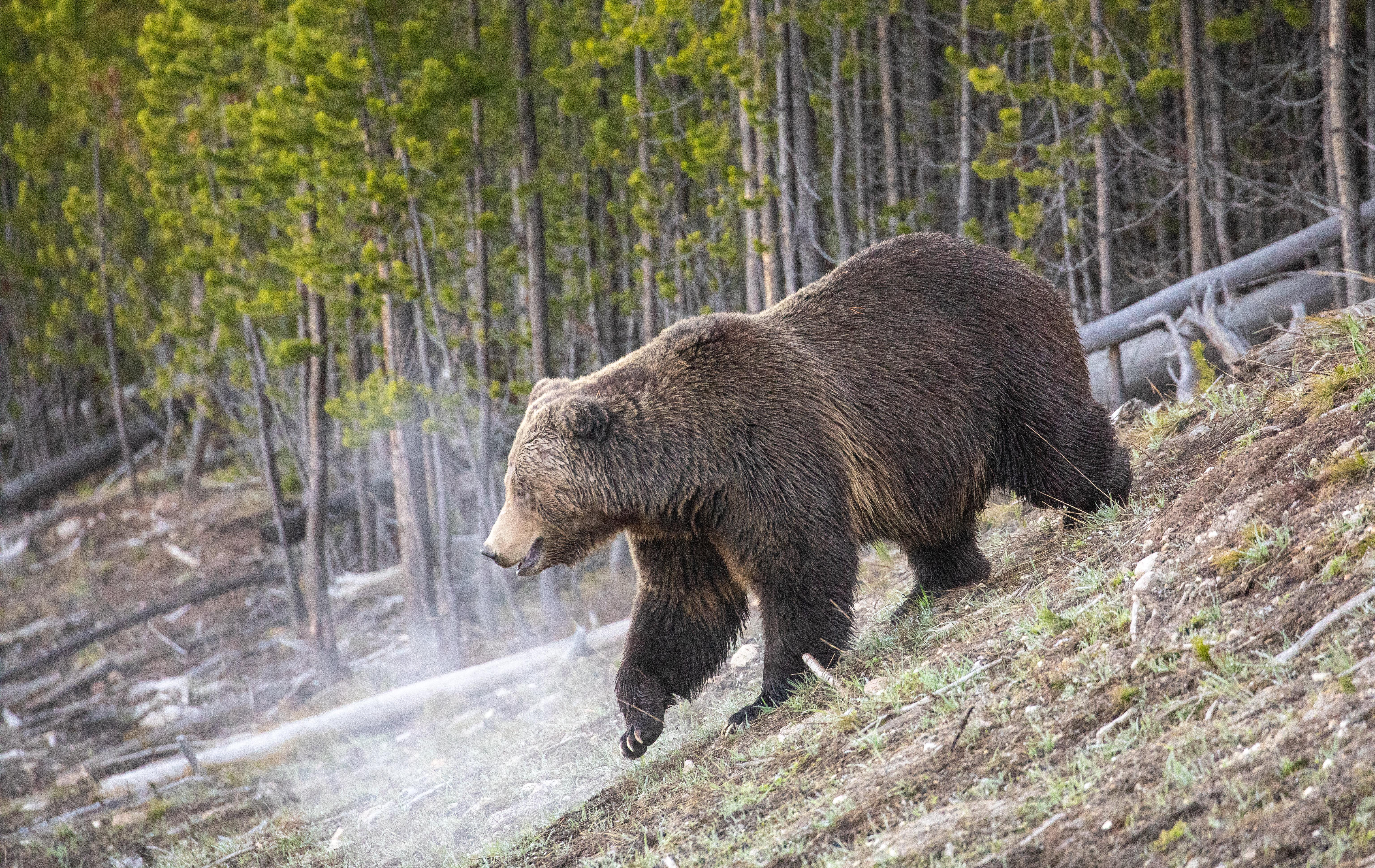
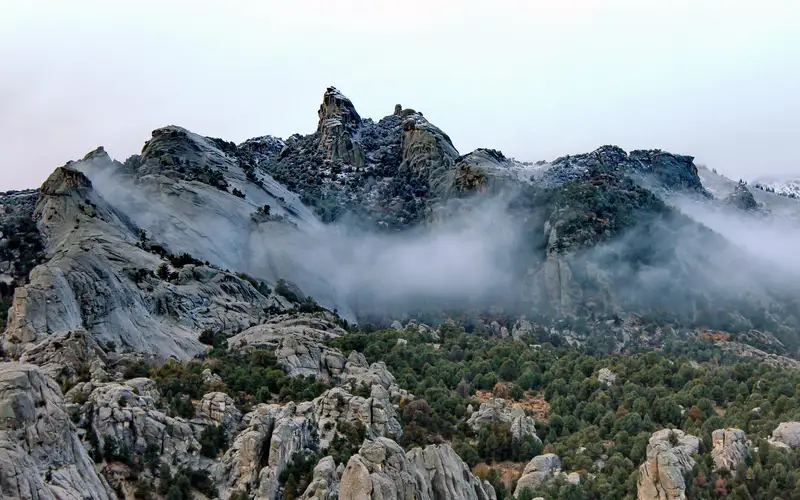
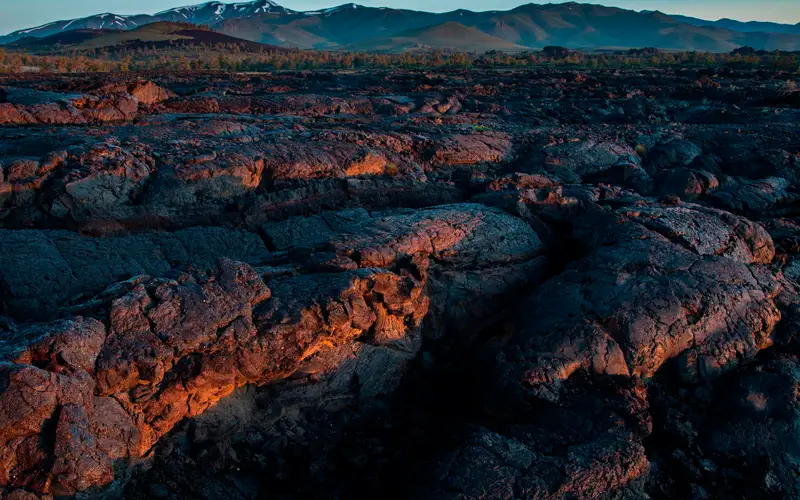
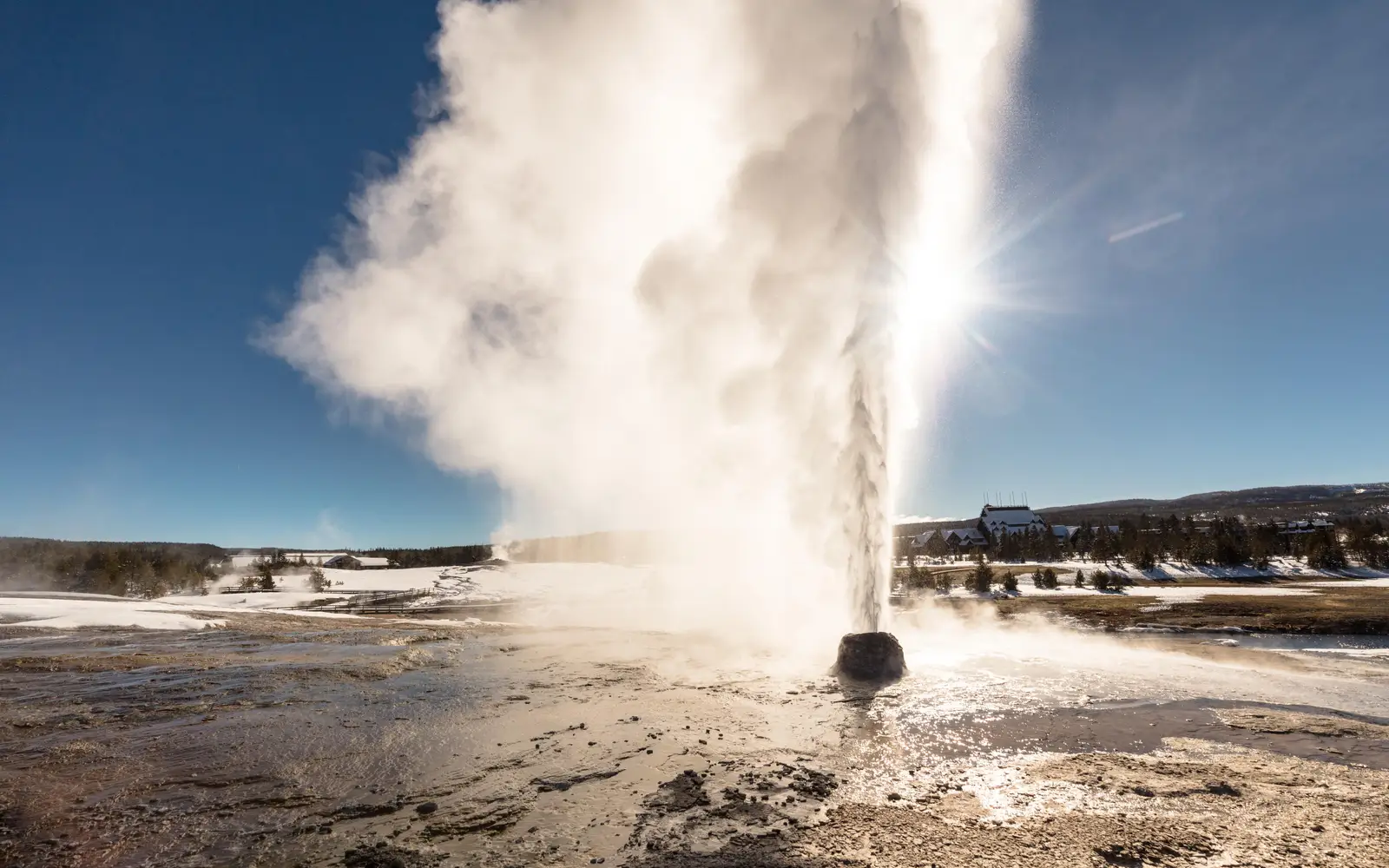
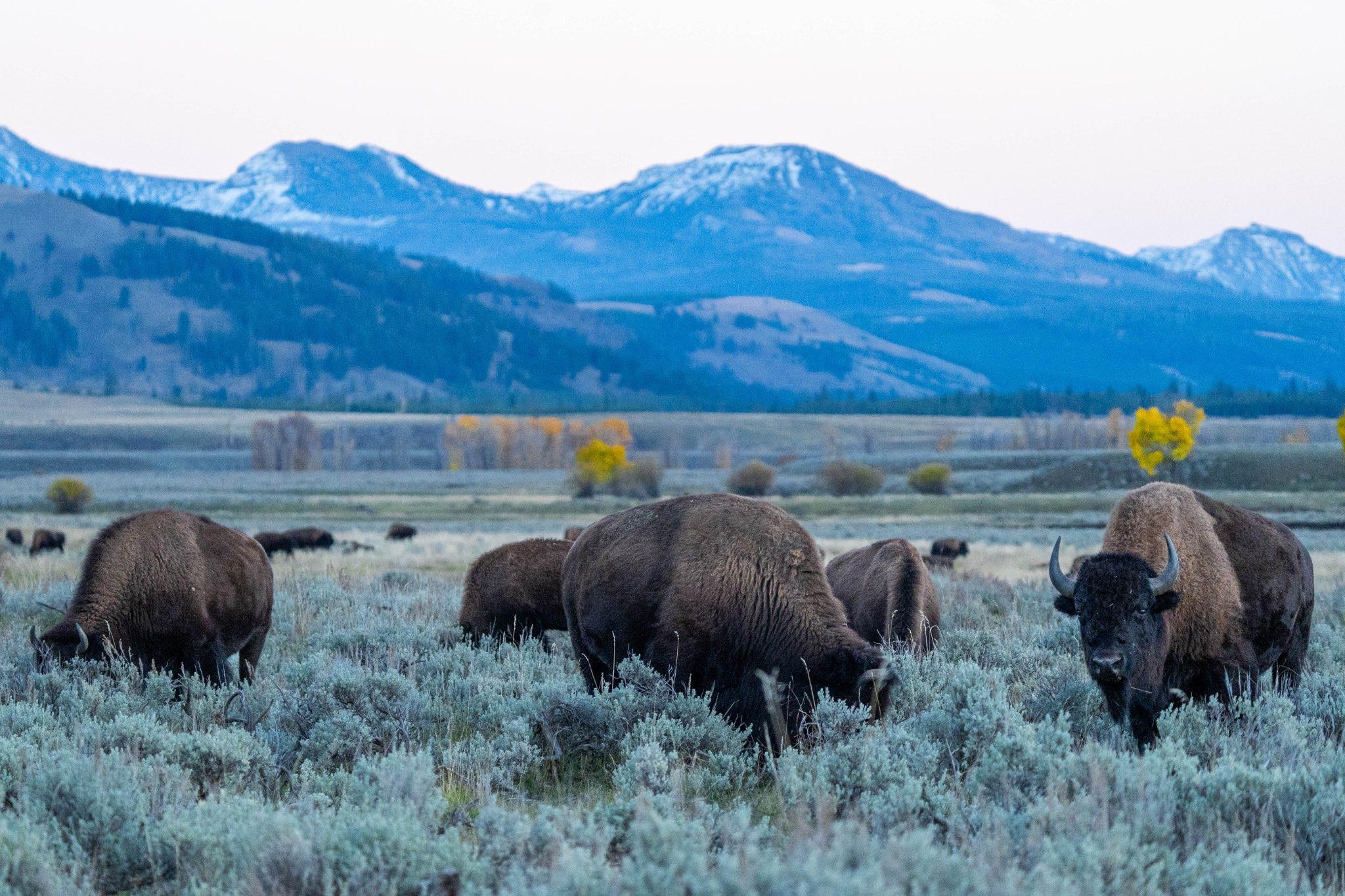
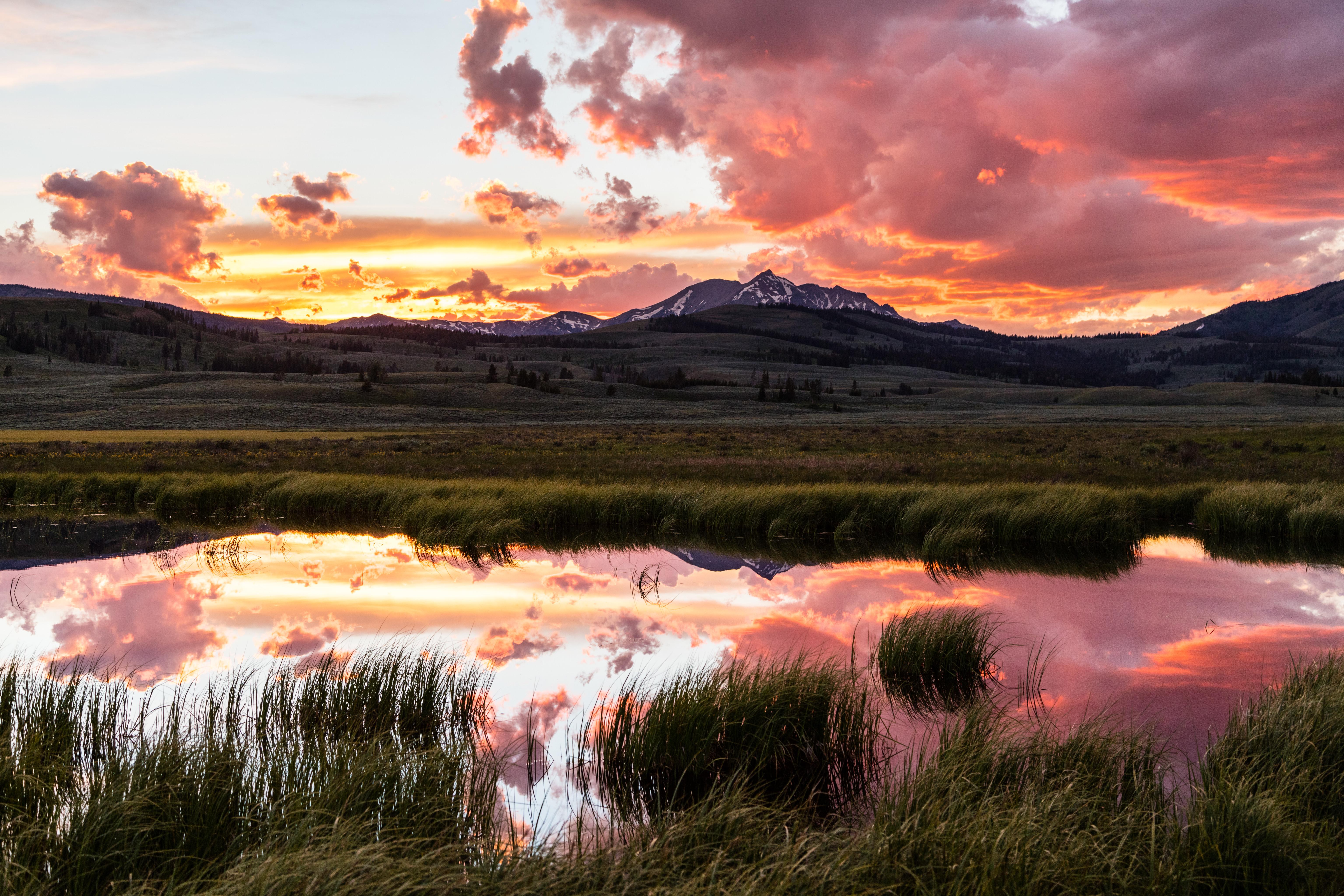
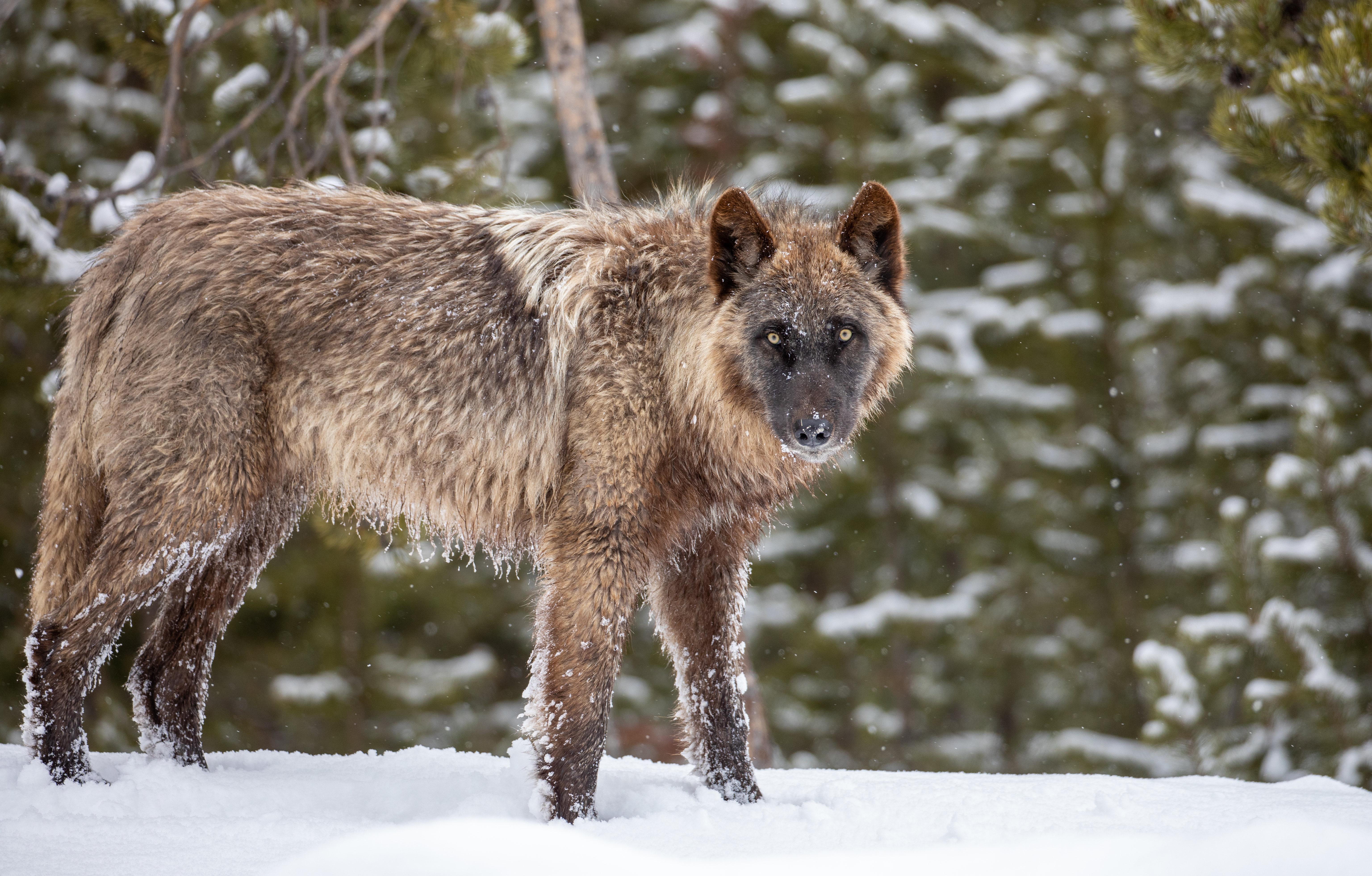
Spanning parts of Idaho, Montana, and Wyoming, this park sits atop one of the world's largest active volcanic systems. Geothermal features are extensive and unique. Its wild populations of bison, wolves, bears, and elk are significant. The experience score of 90 reflects a park with diverse offerings. A family can drive the Grand Loop, observing geysers and wildlife in a single day. Backcountry hikers or fly fishers can spend weeks exploring without repetition. Summer crowds at major thermal features are considerable. However, the park's vastness allows for solitude with proper planning. This destination warrants a visit from nearly all travelers.
The case for it
This park offers a breadth of experiences. Wildlife observers find reliable sightings of large mammals in the Lamar and Hayden valleys at dawn and dusk. Anglers can access blue-ribbon trout streams. Hiking options vary from boardwalk strolls through geothermal areas to multi-day backcountry treks, which require permits. Winter brings a complete change; the park becomes a destination for cross-country skiing and snowshoeing, with snowmobile access on groomed roads. Thermal features gain dramatic contrast against snow. Yellowstone Lake provides boating and paddling opportunities many visitors miss. Stargazing is exceptional due to the park's size and minimal light pollution. A weekend visit will only scratch the surface. A full week is not excessive for adequate exploration.
Who it is for
Yellowstone offers broad appeal. Families, photographers, anglers, and backcountry hikers will all find substance. Even winter adventurers and scenic drivers are well-catered for. Those seeking solitude in July or August, however, may be underwhelmed. For a quieter experience, consider a shoulder-season visit.
Best time to visit
The optimal window for visiting this park is narrow. Late May and early June present lighter crowds and active wildlife, with newborns visible in valley areas. September and early October also offer a compelling experience, marked by fall colors, the elk rut, and significantly reduced visitor numbers. Summer temperatures can exceed 70 degrees Fahrenheit. However, afternoon thunderstorms are frequent, and temperature drops of 20 degrees or more are common. Layered clothing is essential. Winter visits, while visually spectacular, introduce considerable operational complexity; not all entrance stations maintain year-round access.
Worth seeing
- Wildlife watching in open valleys, with bison, bears, wolves, and elk documented in the park
- Geothermal features accessible by both boardwalk and backcountry routes
- Fly fishing and freshwater fishing on noted trout waters
- Winter access via cross-country skiing, snowshoeing, and groomed snowmobile roads
- Paddling and boat tours on Yellowstone Lake
- Dark-sky stargazing across a massive, low-light-pollution landscape
Before you visit
Entrance fees are $20 per person or $35 per vehicle. An America the Beautiful annual pass offers an economical alternative for frequent park visitors. Confirm operating hours for the five entrance stations, as not all remain open year-round. Backcountry camping mandates a permit. Cell service is unreliable across the park; pre-downloading offline maps is essential.
Our tipThe Lamar and Hayden valleys offer prime wildlife viewing, particularly for large mammals. Optimal viewing occurs in the hour following sunrise. Early arrival also ensures fewer crowds at popular pullouts.