Should you visit Bighorn Canyon National Recreation Area?
Bighorn Canyon National Recreation Area presents a unique, unmanicured experience spanning the Montana-Wyoming border.
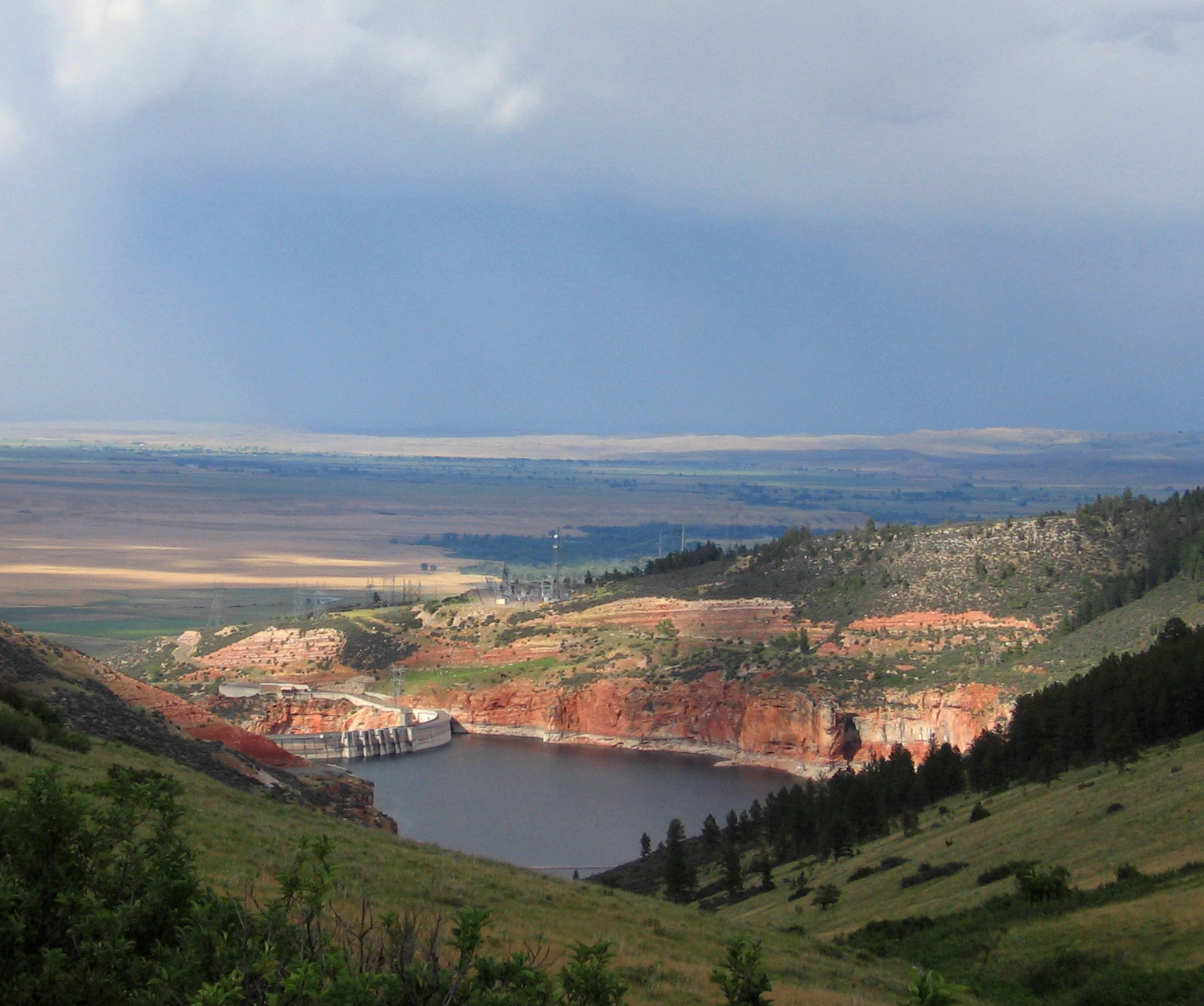
This expansive, free-to-enter destination, centered on the Bighorn River canyon and Yellowtail Dam reservoir, offers an immense menu of activities. Boaters, anglers, and paddlers find their focus on the reservoir and the river itself. Hikers and wildlife observers encounter rugged, largely uncrowded terrain. Stargazers benefit from exceptionally dark skies. The distinct northern and southern districts effectively function as separate parks; first-time visitors should select one and explore it fully rather than attempting to traverse both in a single visit. With a perfect Experience Score of 100 and no entrance fee, its value is demonstrably high.
What makes it worth it
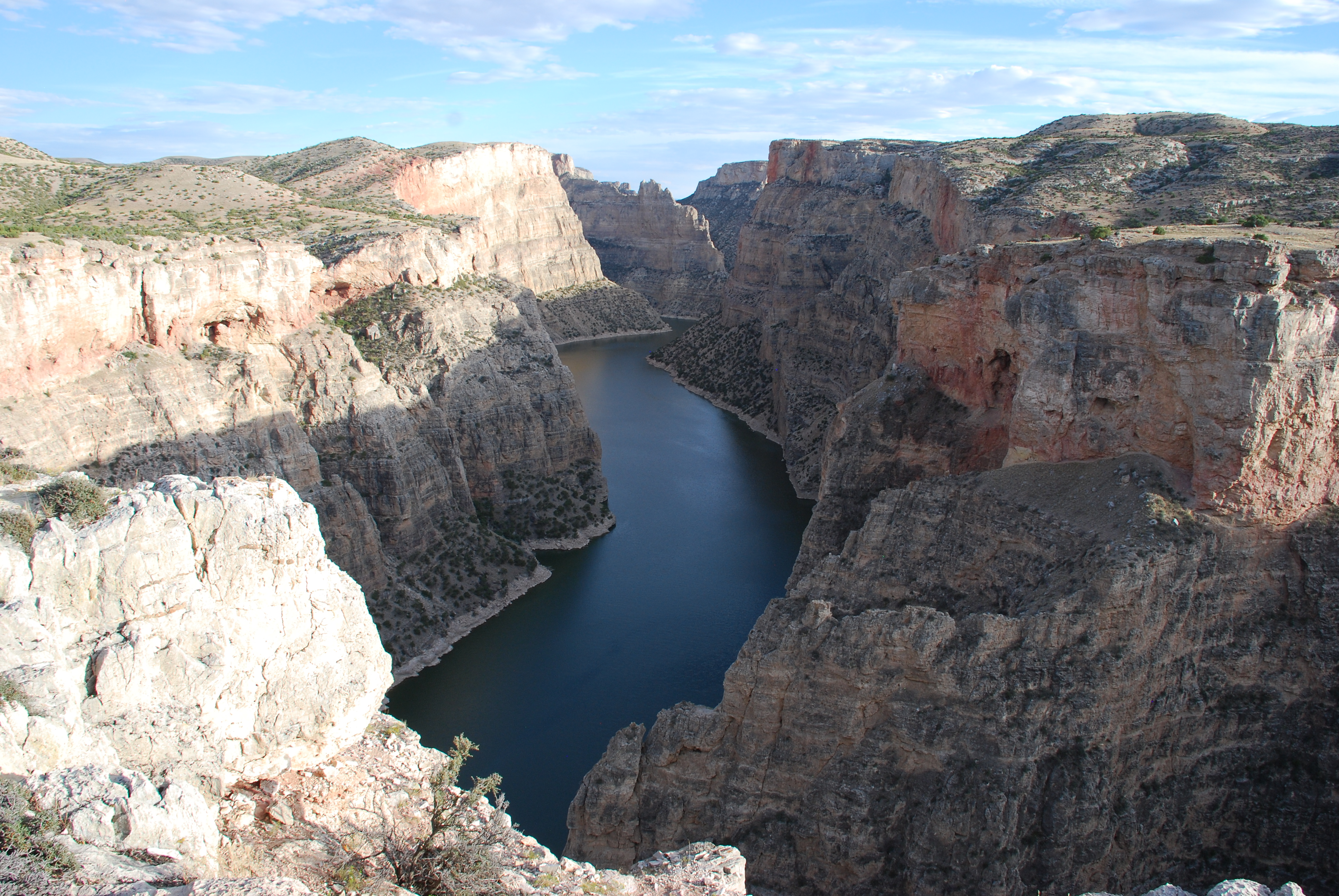
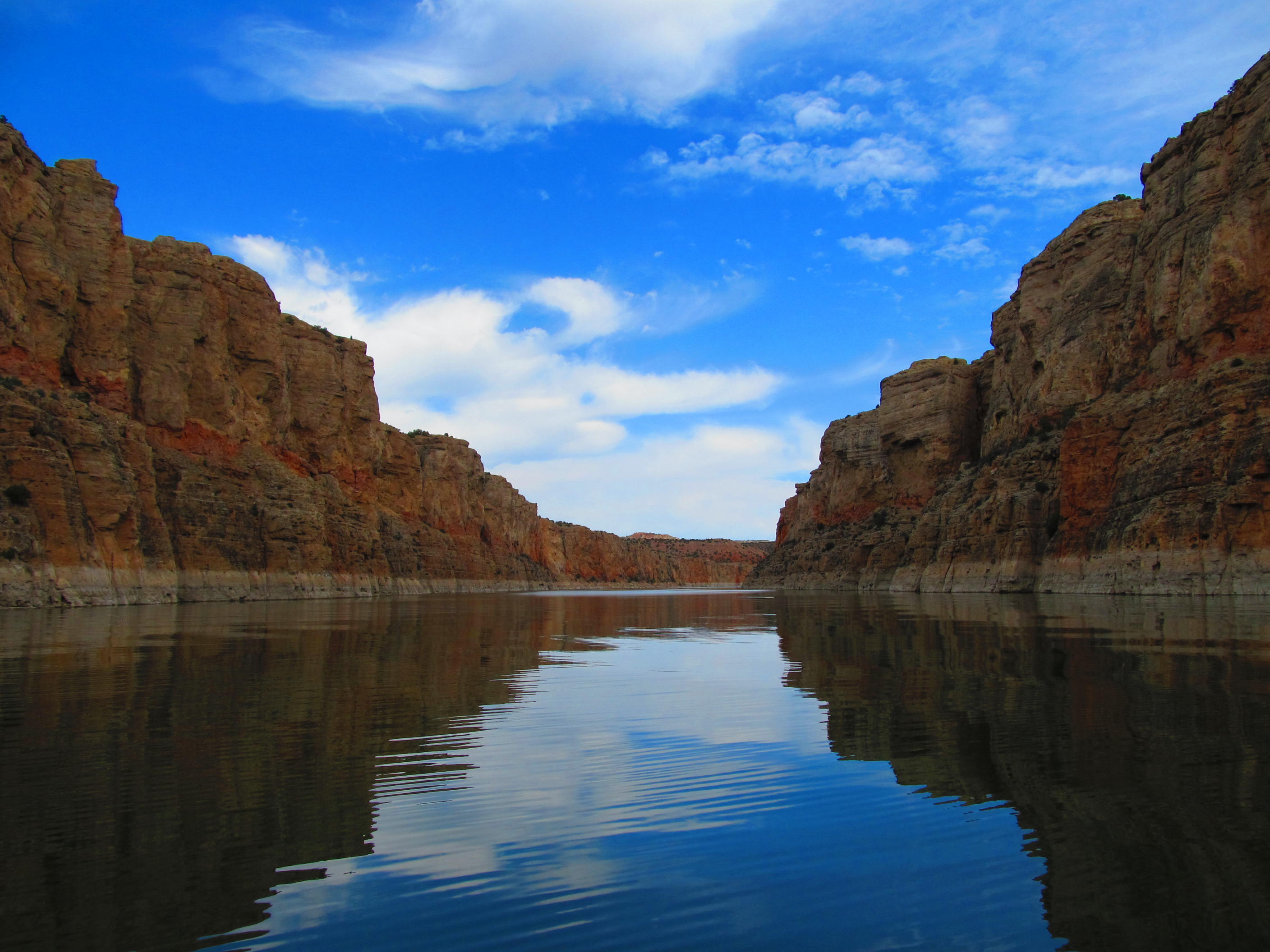
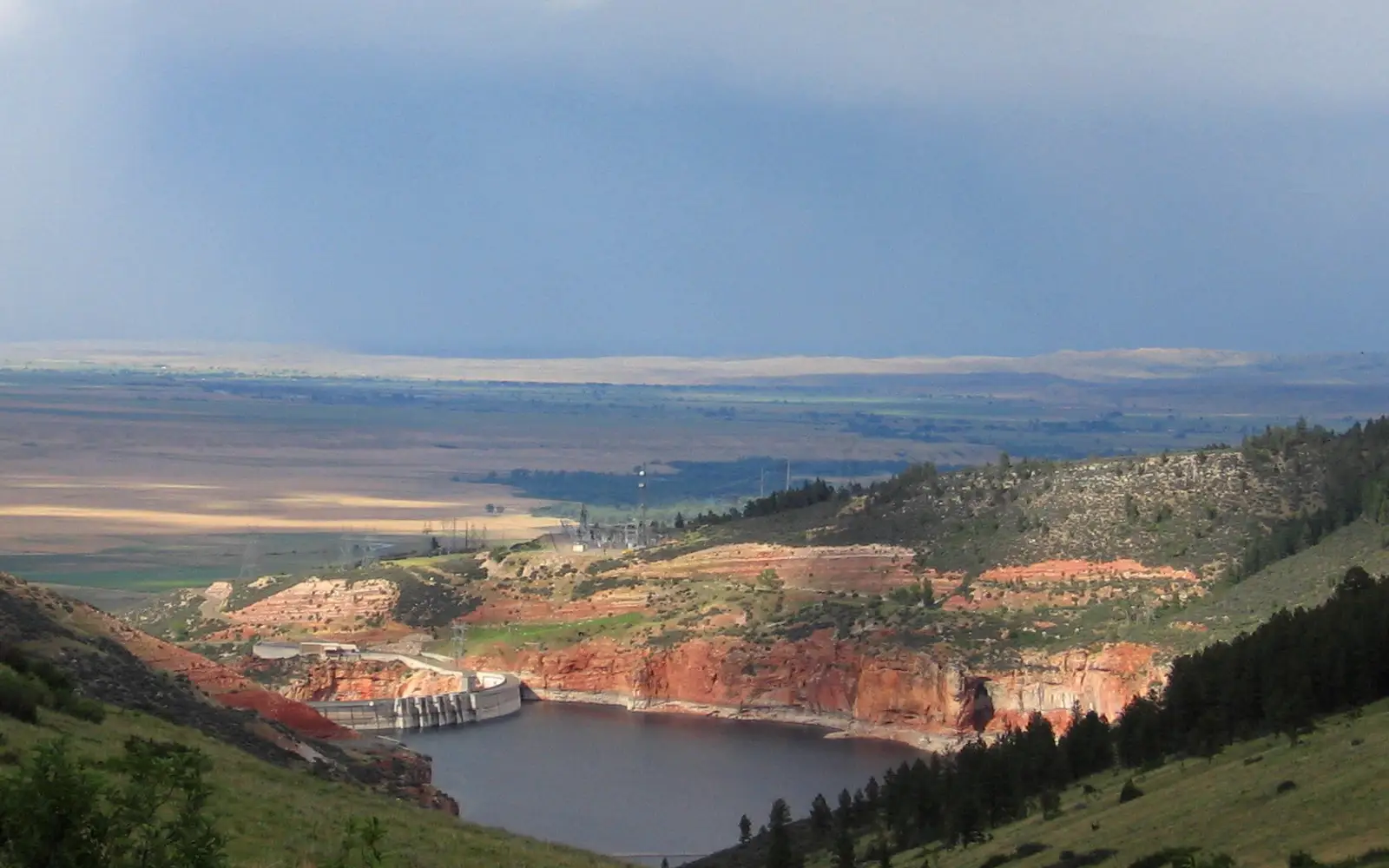
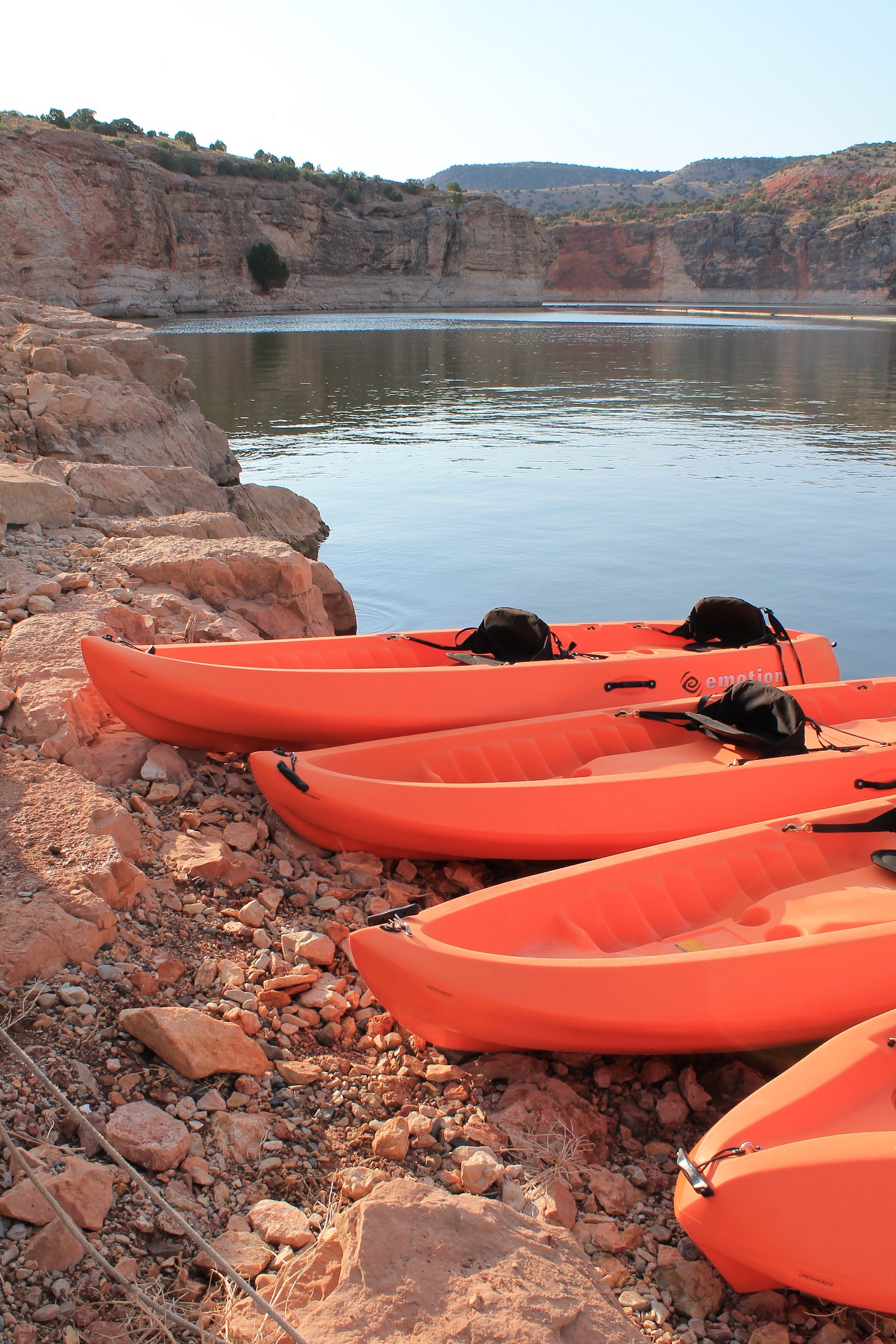
Bighorn Canyon National Area offers a notable breadth of activity for a free-access unit. Its core appeal is Bighorn Lake, a reservoir framed by dramatic canyon walls best experienced from the water. Motorized boating, kayaking, and guided tours offer distinct perspectives. Anglers find freshwater species, including trout for fly fishing. On land, the offerings are unusually varied. Off-trail hiking is permitted. Astronomy programs and stargazing are documented activities. Winter activities include cross-country skiing and snowshoeing. Hunting is allowed in designated zones. For families, a Junior Ranger program and a playground are available. Cultural context for over 10,000 years of human history is provided through museum exhibits and a park film. This combination of no-fee access and diverse offerings makes Bighorn Canyon a standout.
Who should go
Bighorn Canyon’s reservoir is its central feature; boaters, anglers, and paddlers will find the most to engage them here. The unit also suits campers seeking solitude, stargazers, and hunters. Families with active children will discover sufficient variety in the landscape. Visitors expecting short loop trails to signature viewpoints or extensive gift shops may feel disoriented. This park rewards the self-directed and outdoors-comfortable.
When to go
The park's operational window is May through June, when water levels peak and temperatures remain tolerable. July and August see temperatures frequently exceeding 100 degrees Fahrenheit in the south, dictating early morning activity. Winter access is limited to the north district, supporting snowshoeing and cross-country skiing. The park maintains 24-hour, 365-day access, ensuring year-round entry for those prepared for seasonal extremes.
Highlights
- Boating and jet skiing inside the sheer walls of Bighorn Canyon on the reservoir
- Fly fishing and freshwater fishing in Bighorn Lake
- Documented astronomy and stargazing programs under low-light-pollution skies
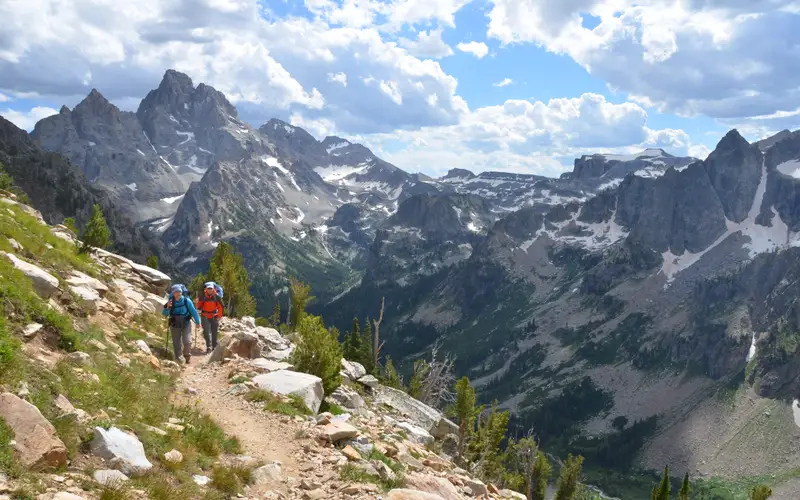
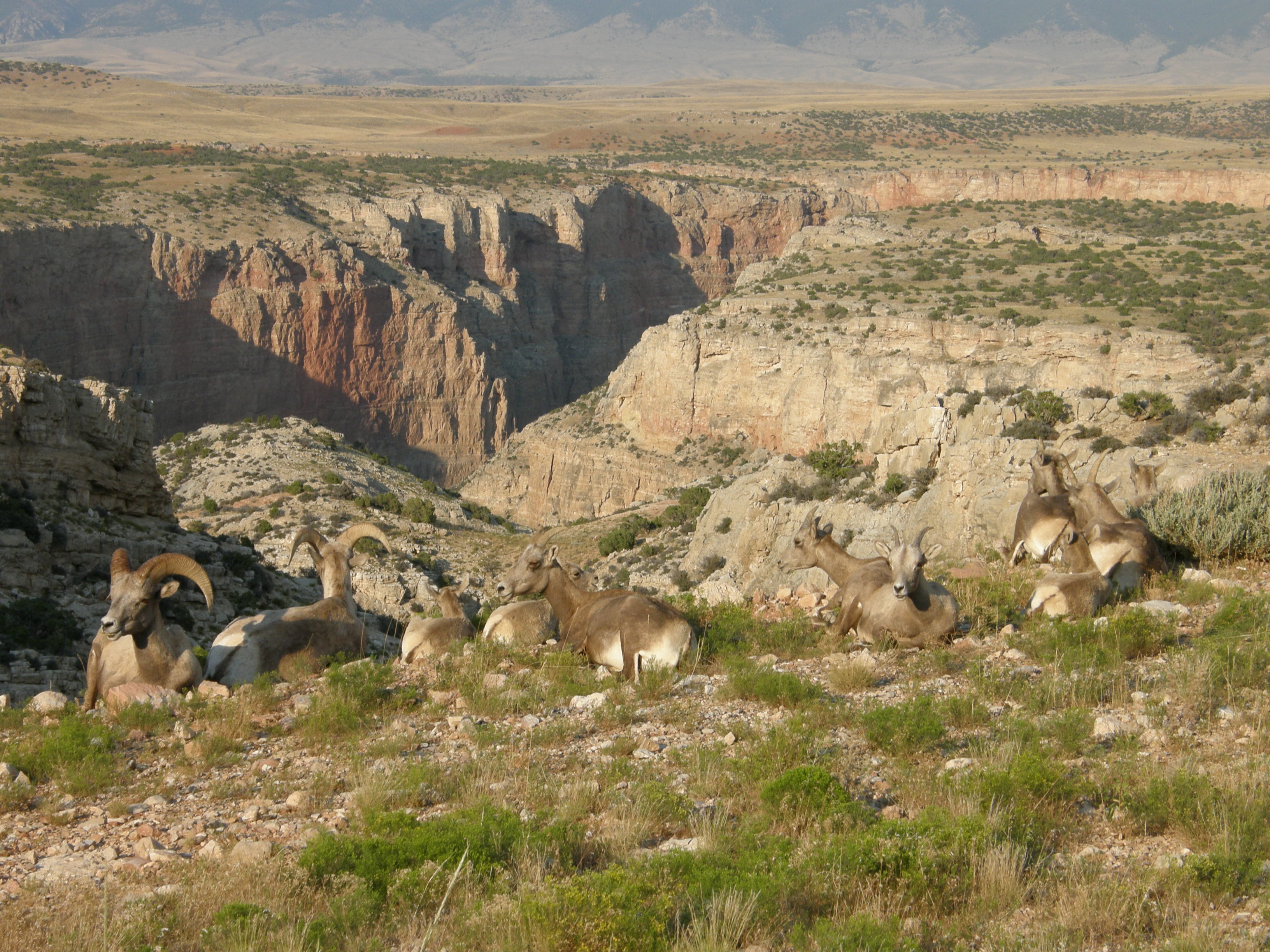
- Off-trail hiking permitted across more than 120,000 acres of semi-arid and high-desert terrain
- Cross-country skiing and snowshoeing in the north district during winter
- Free admission and 24-hour, year-round access with guided boat tours available
Plan ahead
This park's always-open, free-access policy suggests broad, unhindered entry. However, the geographic schism between its north district in Montana and its south district in Wyoming creates a notable navigational challenge. Driving between these two sections necessitates a significant detour, making district-specific planning essential. Prospective visitors must therefore confirm which district offers desired facilities and activities before arrival. Both districts feature boat ramps and camping areas, indicating a dispersed, rather than centralized, amenity distribution. Casual sightseers should look elsewhere.
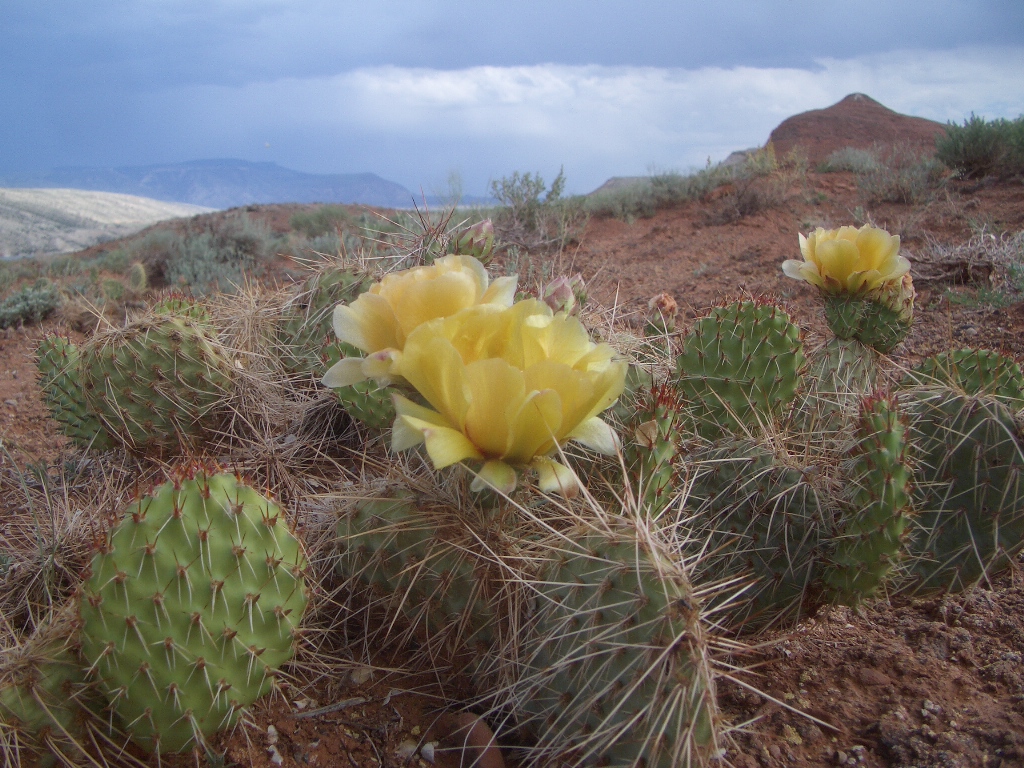
Editor's tipThis southern district, a true high desert environment, receives as little as six inches of rain annually. Summer heat proves intense here. Shade is scarce on the water. Boating or paddling demands an early morning start. Visitors must carry significantly more water than anticipated, particularly if combining activities with hiking.