Should you visit Glacier National Park?
Glacier National Park earns its 90/100 experience score.
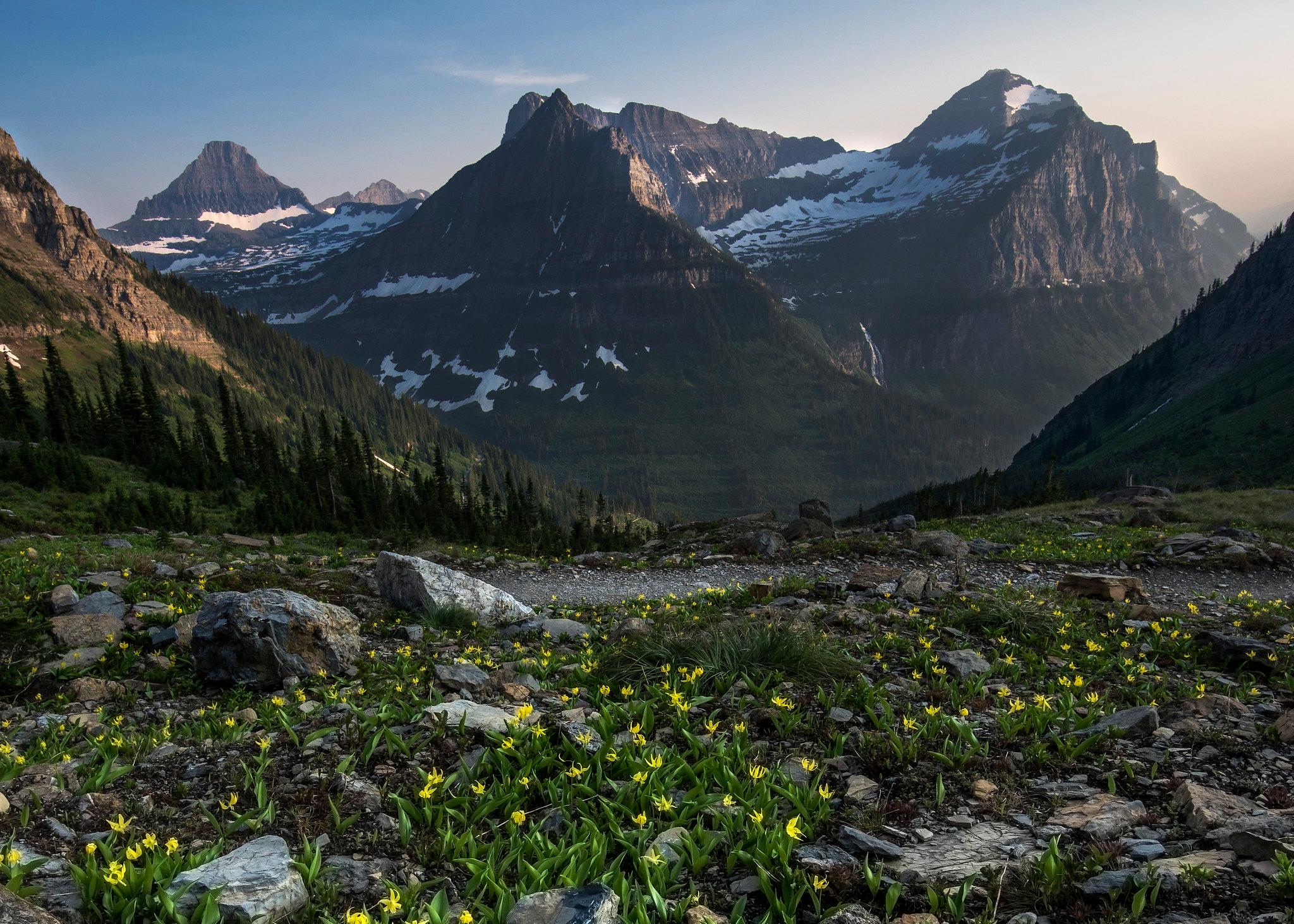
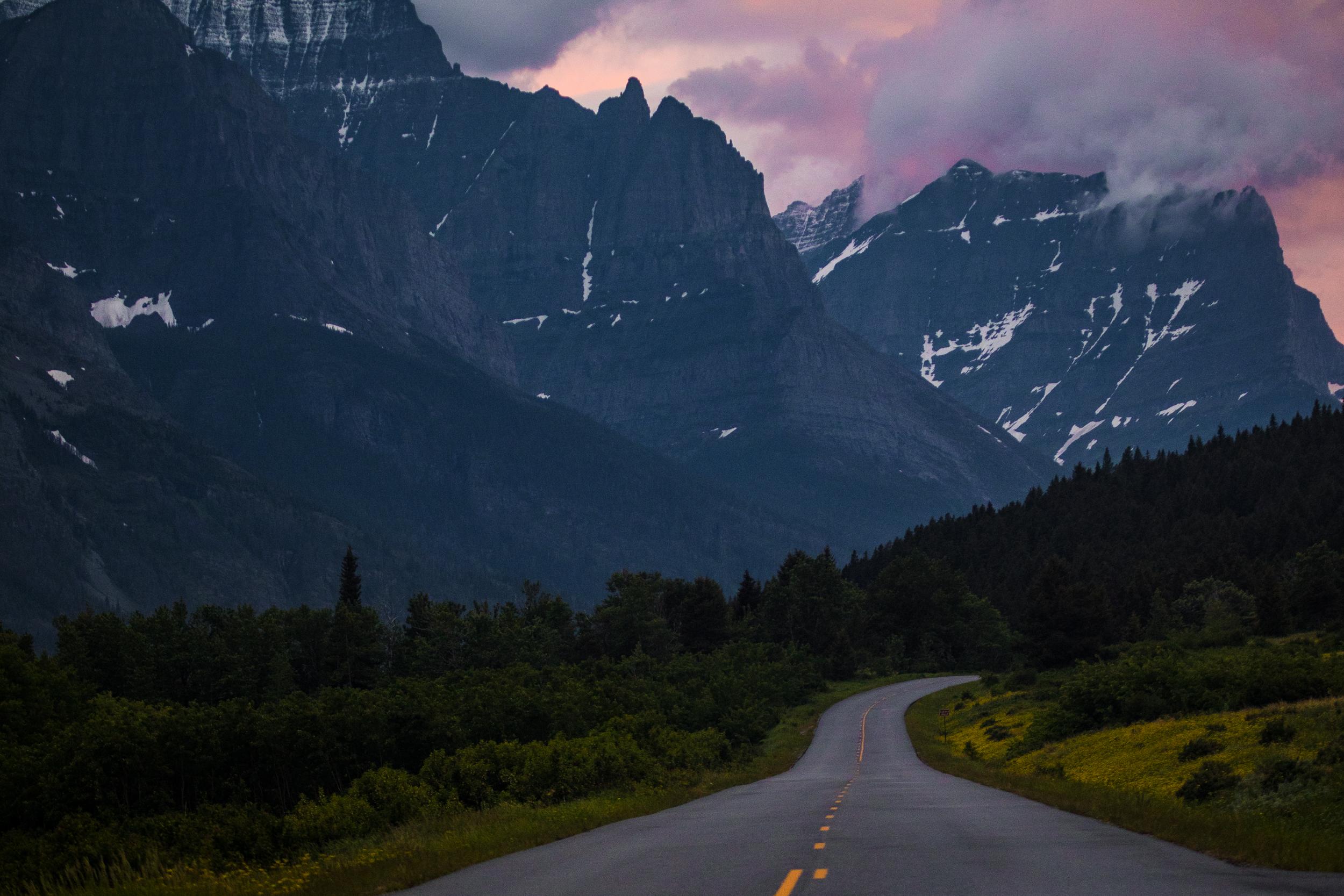
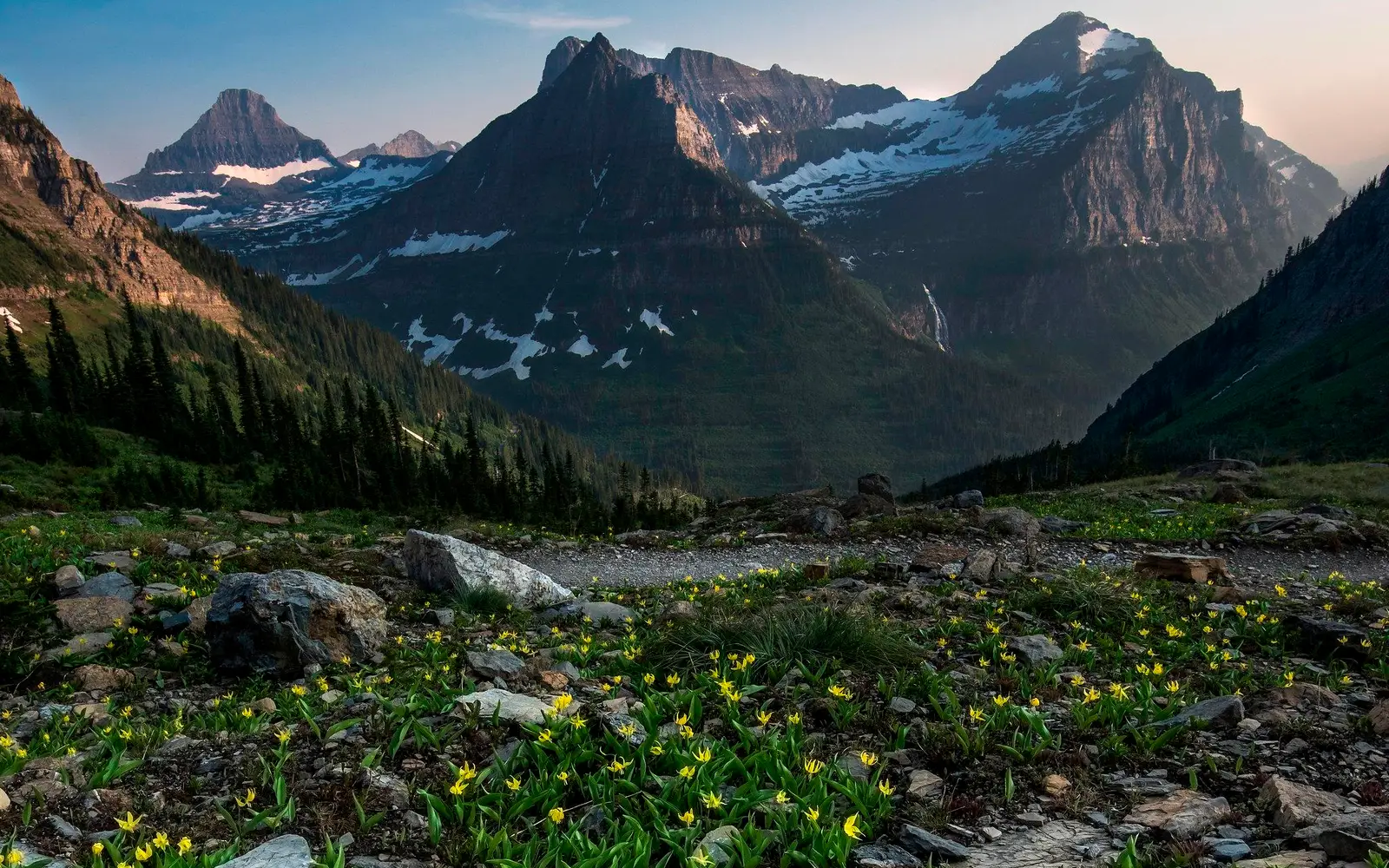
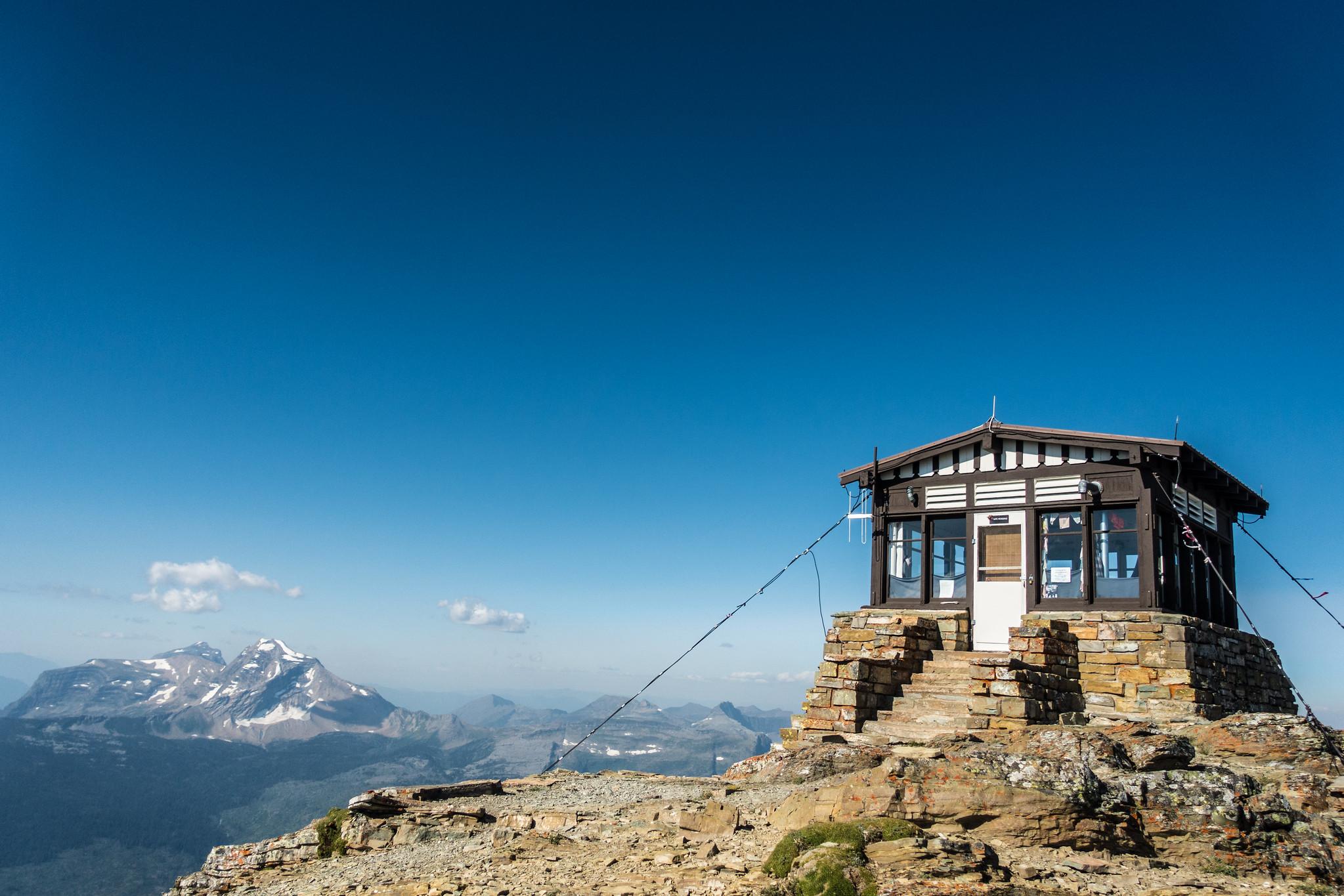
Straddling the Continental Divide in northwestern Montana, this park delivers a complete wilderness experience. Alpine terrain, glacially carved valleys, and extensive lake systems support nearly every major outdoor pursuit. The 50-mile Going-to-the-Sun Road stands as an engineering anchor, providing accessible high alpine scenery. Yet Glacier extends far beyond roadside views. Over 700 miles of trail penetrate deep into the backcountry. This rewards climbers, backpackers, and horse trekkers alike. Summer crowds are a significant factor; vehicle reservations have been necessary in recent years. This destination park justifies the journey for a wide range of visitors, extending well beyond hardcore adventurers.
What makes it worth it
Glacier National Park presents an exceptional array of activities. The Going-to-the-Sun Road offers numerous overlooks, accessible by personal vehicle or park shuttle. Clear, cold lakes invite canoeing or kayaking. Ranger-led boat tours provide insight into the park's geology and Blackfeet cultural history. Evening hours reward with significant stargazing opportunities, far from urban light pollution. A multi-day visit with a backcountry permit allows for overnight stays in the high country, enhancing wildlife viewing and solitude. Winter transforms the park into a destination for snowshoeing and cross-country skiing, with a marked decrease in visitation. For documented breadth and access, Glacier stands as a premier park experience.
Who should go
Glacier National Park offers a full spectrum mountain experience. It accommodates hikers, backpackers, paddlers, climbers, families, road trippers, and winter sports enthusiasts. The scale is the draw here. Visitors seeking a quick, low-effort highlight reel should consider other destinations. Vehicle access restrictions and trail crowds, particularly in July and August, necessitate advance planning.
When to go
Peak season runs from late June to mid-September, when Going-to-the-Sun Road is entirely accessible, wildflowers bloom, and all park activities are available. July and August are the busiest months; vehicle reservations have been necessary in recent years, requiring advance planning. September presents a quieter experience with the advent of fall colors. Winter, approximately November through April, imposes deep snow and extreme cold, leading to significant road closures. However, it grants snowshoers and cross-country skiers an uncommon solitude.
Highlights
- Going-to-the-Sun Road - a scenic drive across the Continental Divide that reaches true alpine elevations without a single trail step
- 700-plus miles of hiking trails ranging from lakeside walks to serious mountaineering routes
- Backcountry camping in glacially carved high country, accessible via permit
- Paddling and motorized boating on cold, clear mountain lakes, including guided boat tours
- Certified dark skies for astronomy and stargazing on clear nights
- Winter access for snowshoeing and cross-country skiing when crowds are minimal
Plan ahead
At a $20 entrance fee, the park operates year-round, 24 hours a day. However, navigating its access requires careful planning. The iconic Going-to-the-Sun Road experiences seasonal closures. Moreover, recent years have seen vehicle reservations become mandatory for peak summer hours on this route. Backcountry access is similarly constrained: permits are highly competitive, necessitating early acquisition for summer expeditions. This is a park that demands foresight. Spontaneous visits, especially in warmer months, will face significant logistical hurdles.
Editor's tipEven if vehicle reservations for Going-to-the-Sun Road are gone, the park's free shuttle system services the corridor. This allows visitors to hop on and off at trailheads, eliminating parking stress. It also enables a focus on the scenery rather than the road.