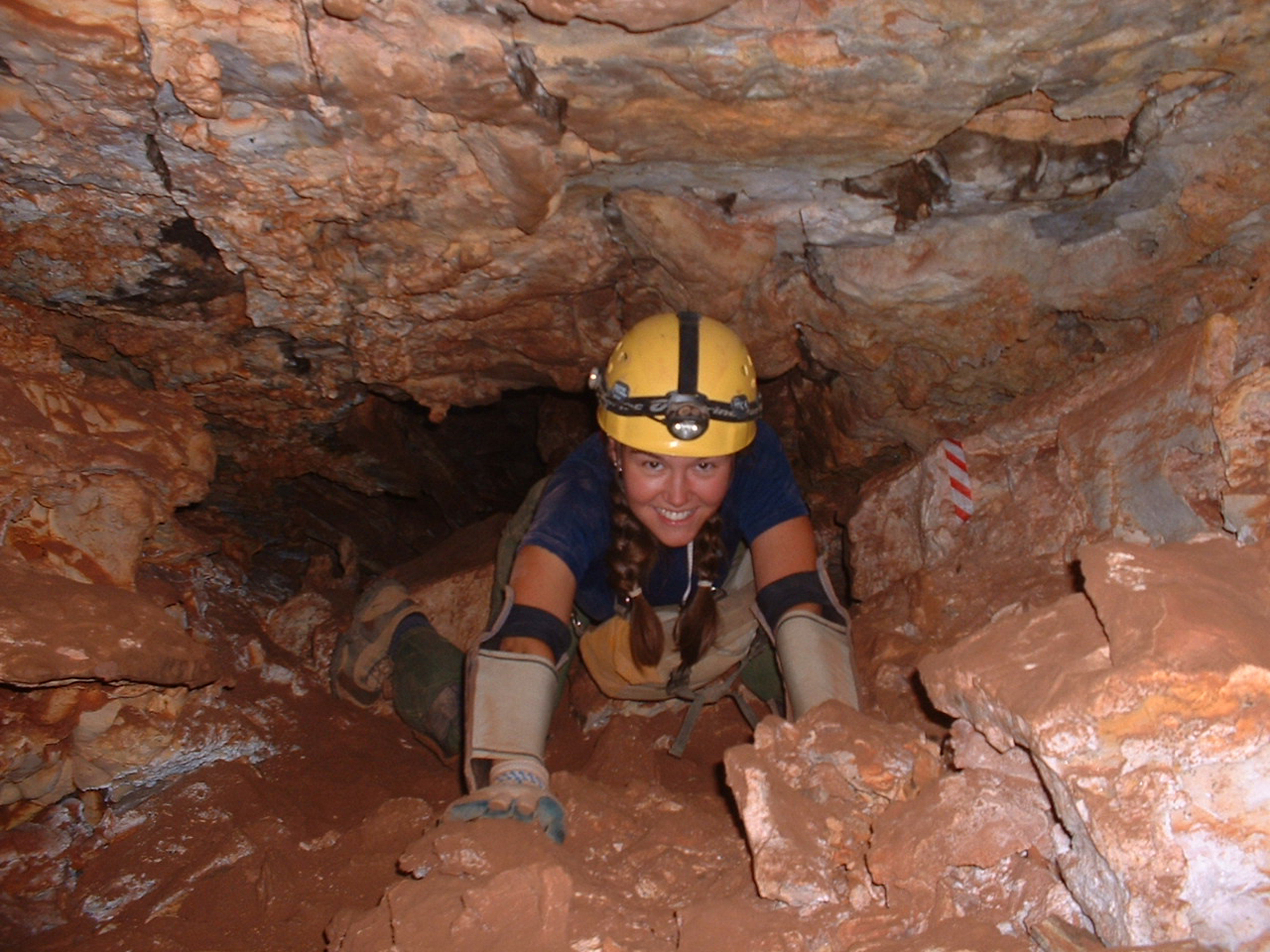
Wind Cave National Park: our verdict
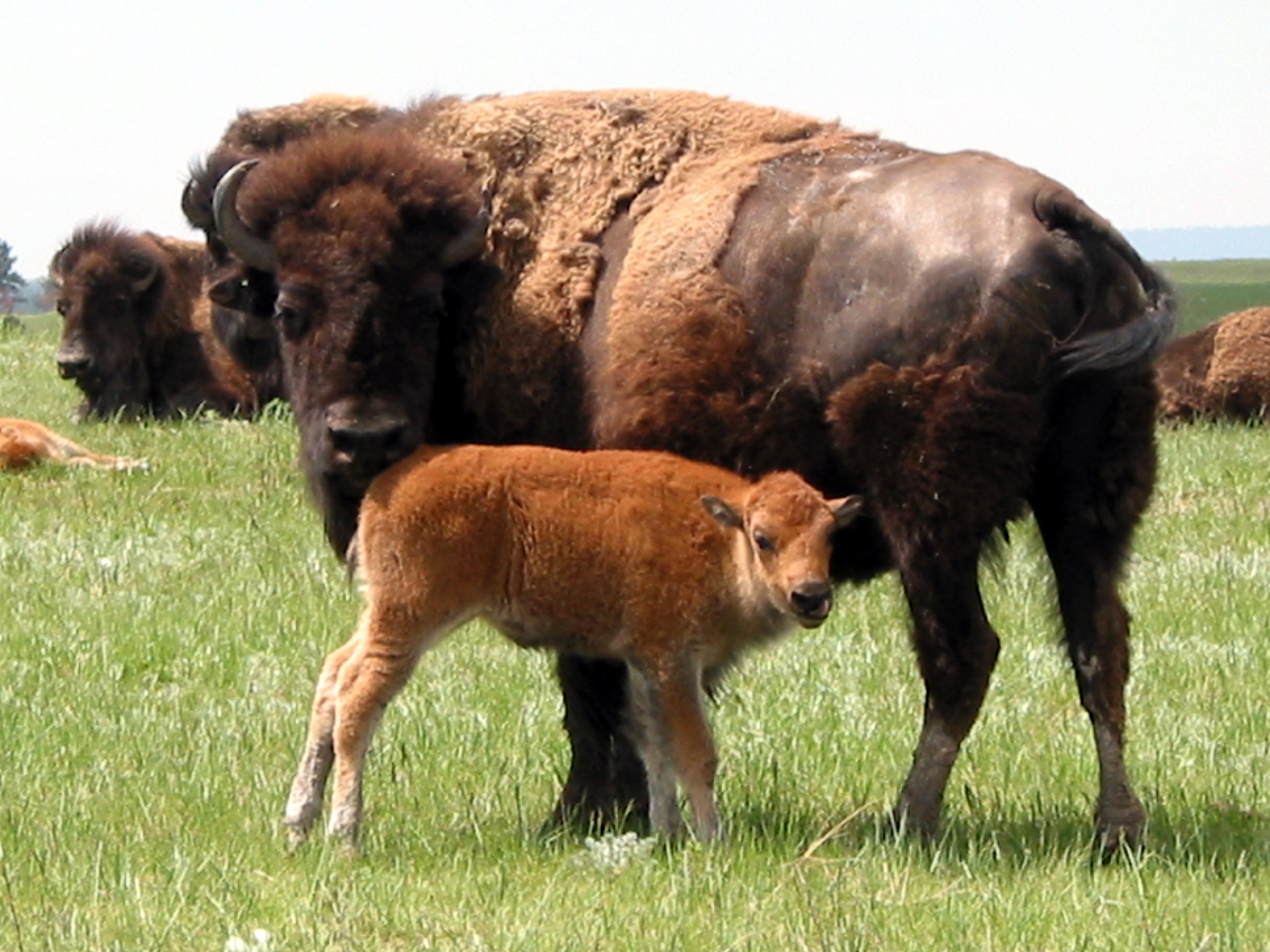
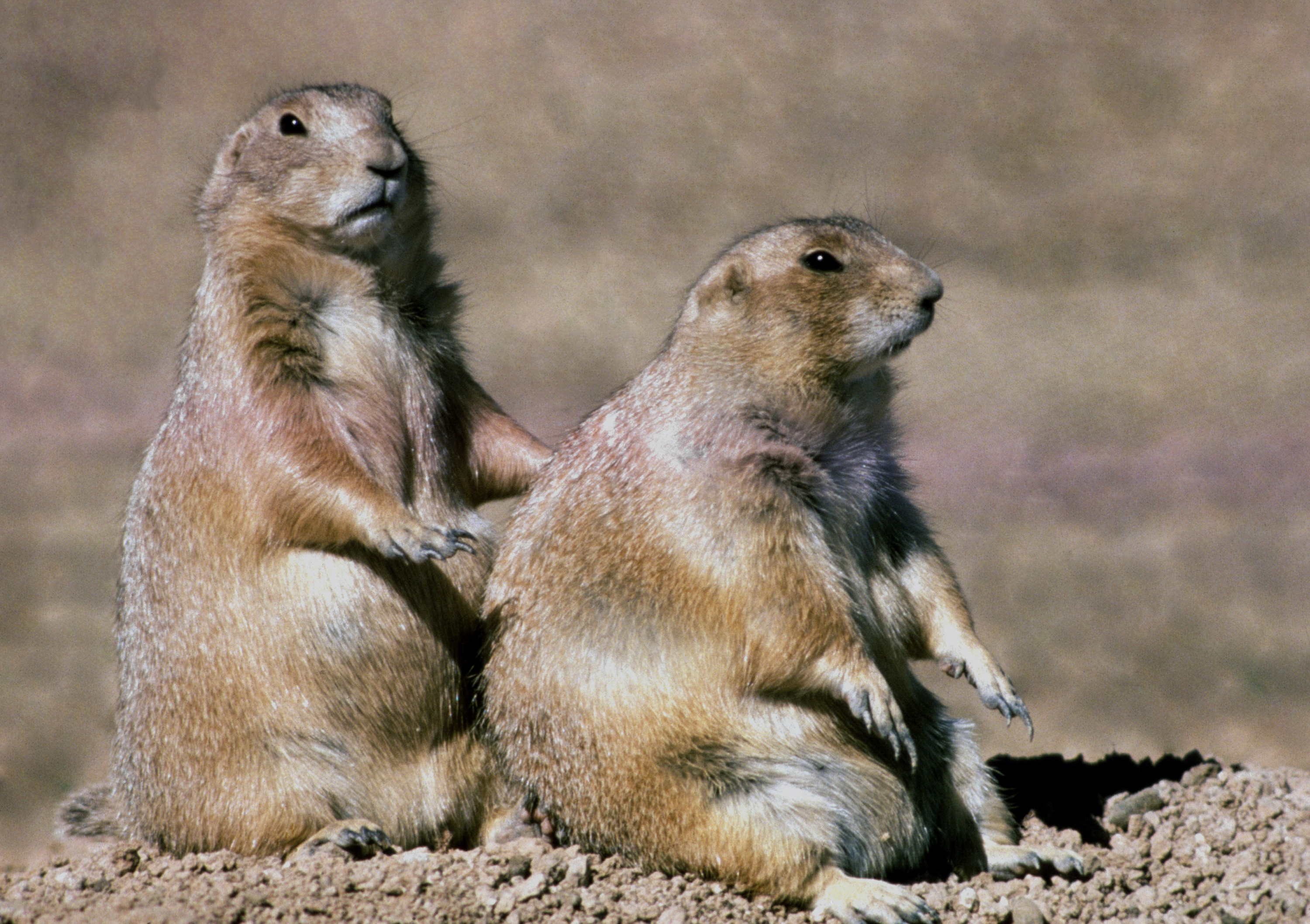
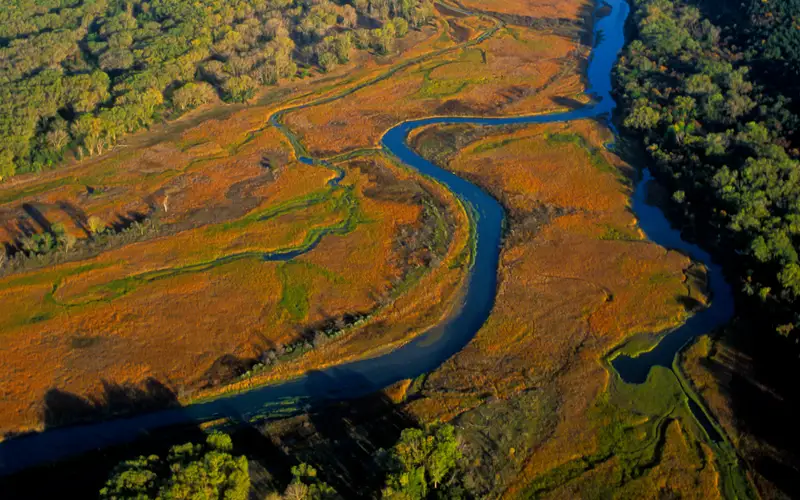
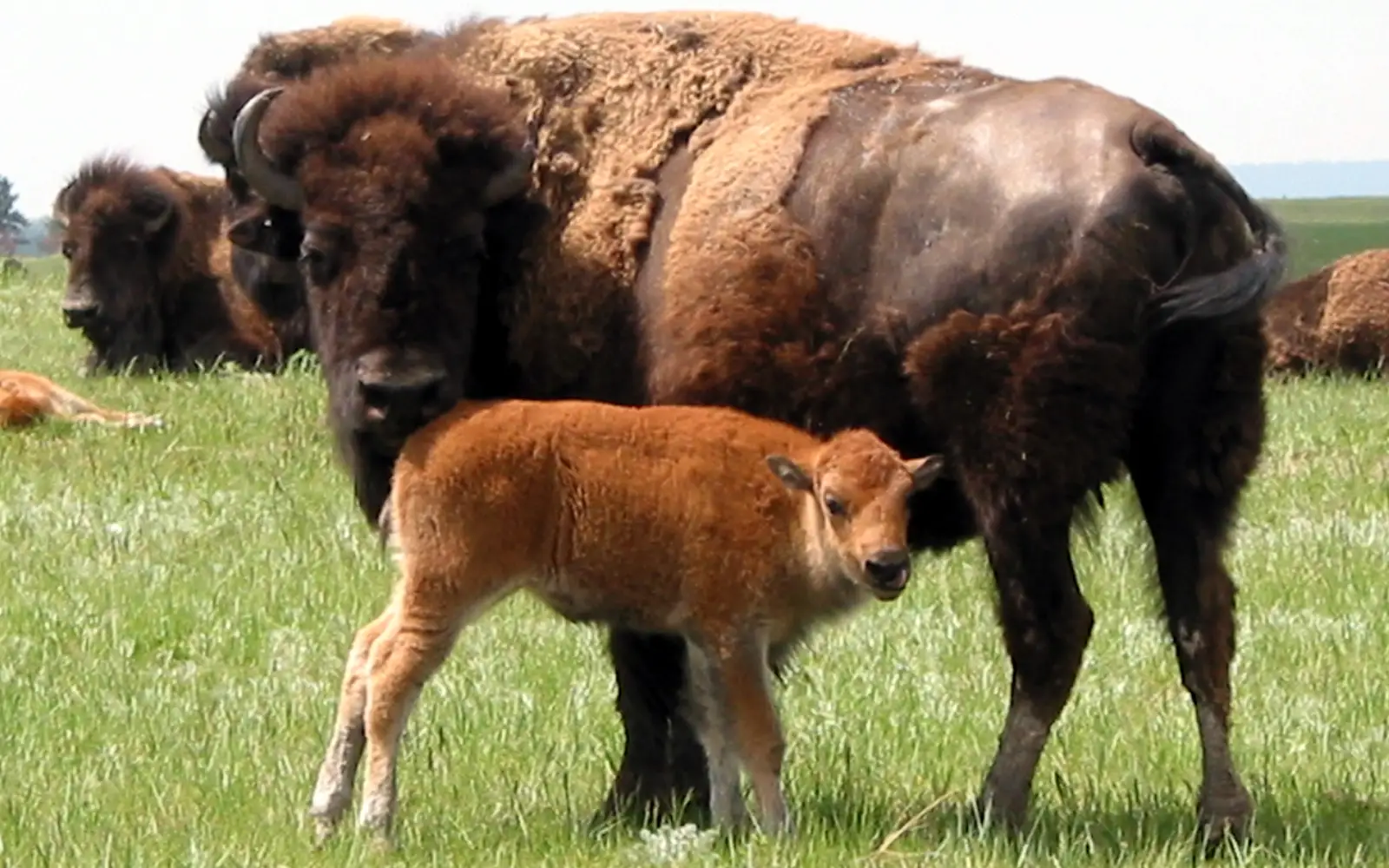
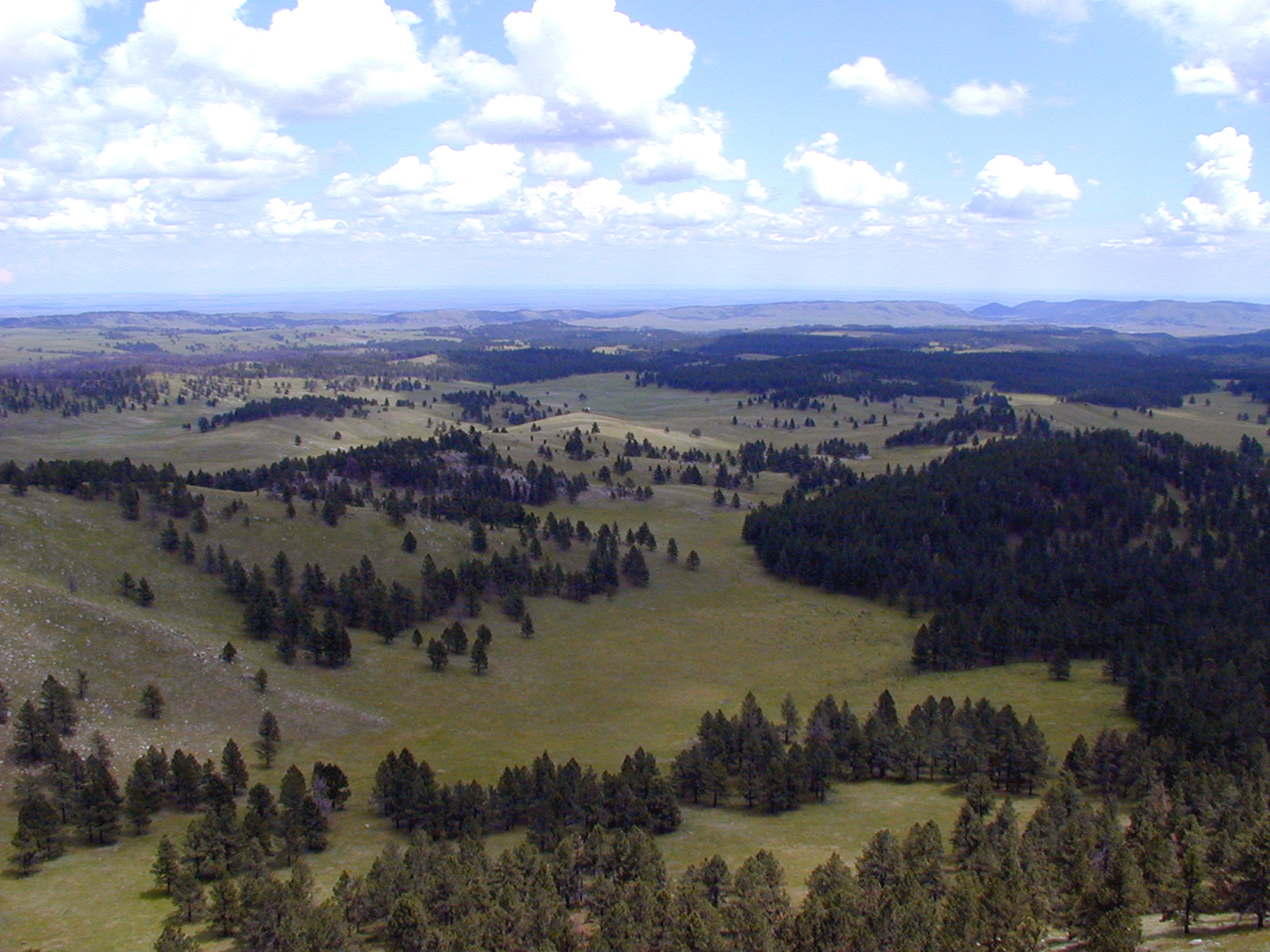
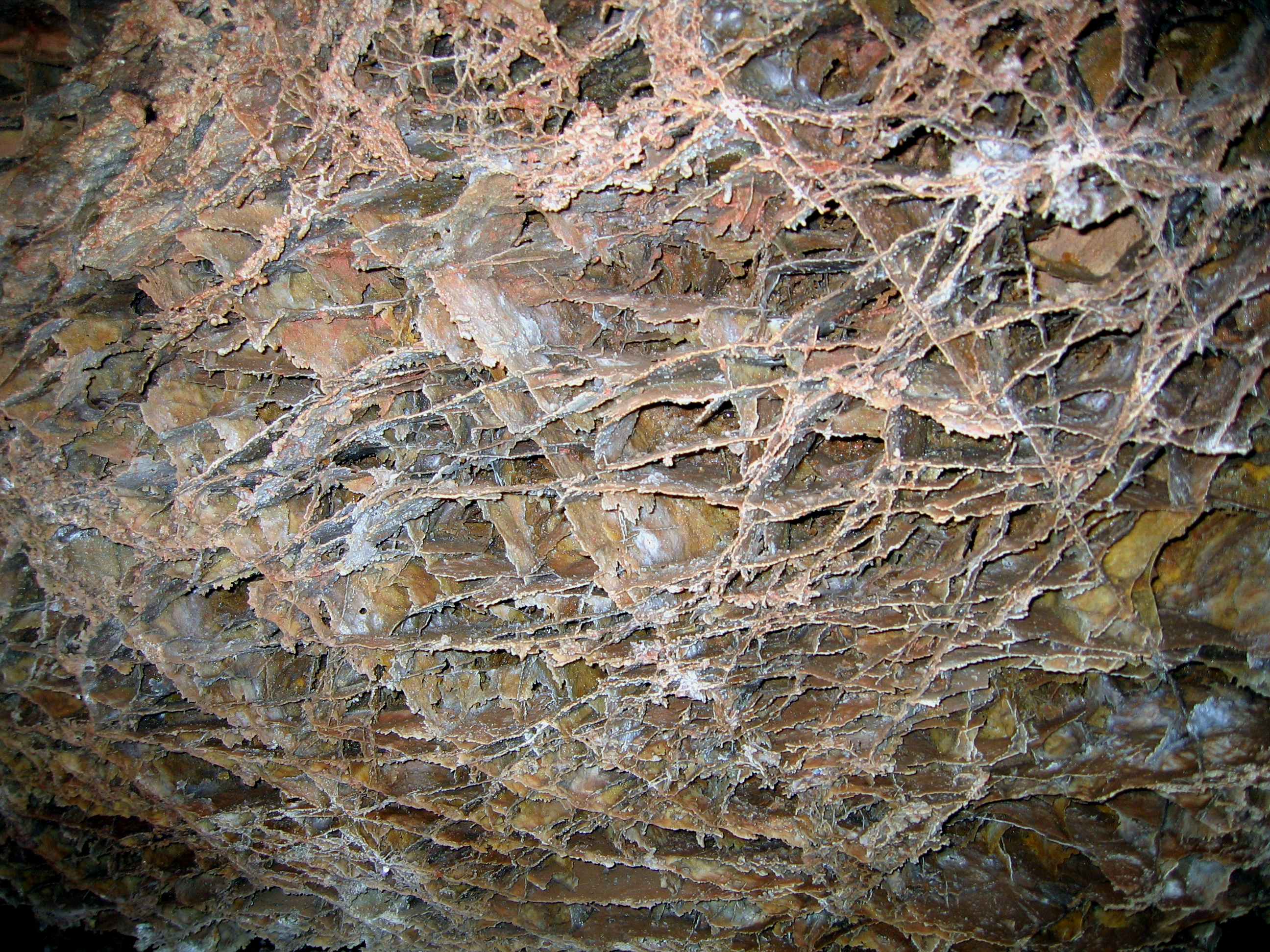
Wind Cave is a genuine two-for-one national park: above ground you get a functioning mixed-grass prairie ecosystem where bison, elk, pronghorn, and prairie dogs live in authentic density, and below ground you get access to one of the longest and most complex caves on Earth, famous for its boxwork calcite formations that are rare almost anywhere else.
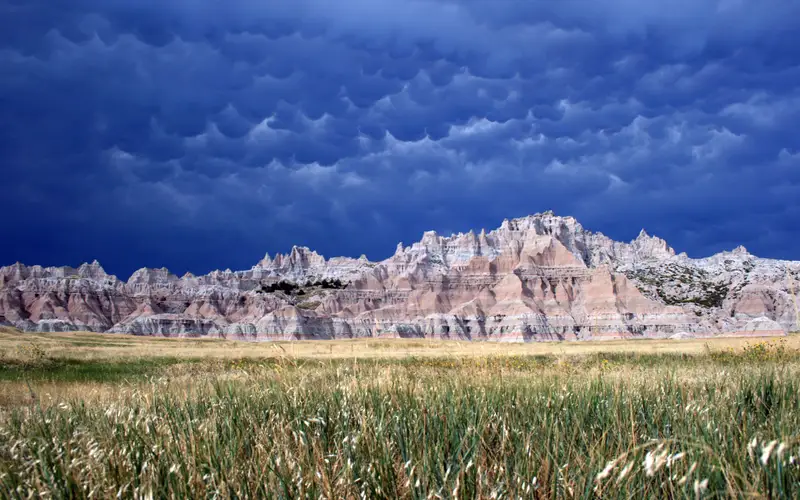
The cave itself is the centerpiece, and guided tours are the only way in, so your schedule bends around tour availability. The surface park is legitimately rewarding for wildlife watching and hiking without being a dramatic landscape showstopper. Entrance is free, which removes one barrier entirely. This is not a casual Instagram stop, it rewards people who actually want to go underground and who appreciate grassland ecology over canyon spectacle. For the right visitor, it punches well above its profile.
Why visit
This South Dakota park prioritizes its subterranean features. A morning cave tour offers a consistent, cool temperature, a welcome respite from summer heat. Above ground, park roads facilitate wildlife viewing, with bison herds and prairie dog towns readily visible from a vehicle. For the more adventurous, backcountry hiking through grassland and ponderosa pine provides solitude. Camping is available, both developed and primitive. The absence of an entrance fee means costs are limited to cave tour tickets. The park supports diverse interests: birders will appreciate the grassland-forest ecotone, and families can engage
Who it suits
Wind Cave National Park offers a compelling mix of underground exploration and prairie unique within the National Park System. Its free entry makes it an excellent budget-friendly option. This unit truly shines for cave enthusiasts and families seeking structured subterranean tours. Wildlife watchers will appreciate the grassland environment, while backcountry hikers can find genuine solitude in the Black Hills. However, those prioritizing dramatic scenic overlooks may be underwhelmed. Individuals averse to enclosed spaces should also consider other destinations.
Timing your visit
Fall offers dry conditions, warm days, and cool nights, alongside increased bison activity. This is the optimal season. Summer provides cool cave tours, a welcome contrast to surface heat, but daily afternoon thunderstorms are a significant factor. Spring is the wettest season, potentially limiting access due to mud.
What stands out
- Guided cave tours into one of the world's longest cave systems, featuring rare boxwork calcite formations
- Free-roaming bison and elk herds visible from park roads and trails year-round
- Backcountry hiking through intact mixed-grass prairie and ponderosa pine forest with genuine solitude
- Prairie dog towns that are accessible and active, especially in warmer months
- No entrance fee, making it one of the most accessible national parks in the region
- Front-country and backcountry camping options that serve both casual and serious overnight visitors
Good to know
Entry to the park is free. Cave tours require tickets and have limited capacity, particularly during summer. These should be booked in advance via recreation.gov or the visitor center. Confirm visitor center hours and tour schedules seasonally; they shift. Winter weather can close surface roads without warning.
Insider tipSummer visitors should prioritize booking the first cave tour. With an underground temperature of 53 degrees Fahrenheit, it offers significant relief before daily surface temperatures peak. These early slots sell out quickly.