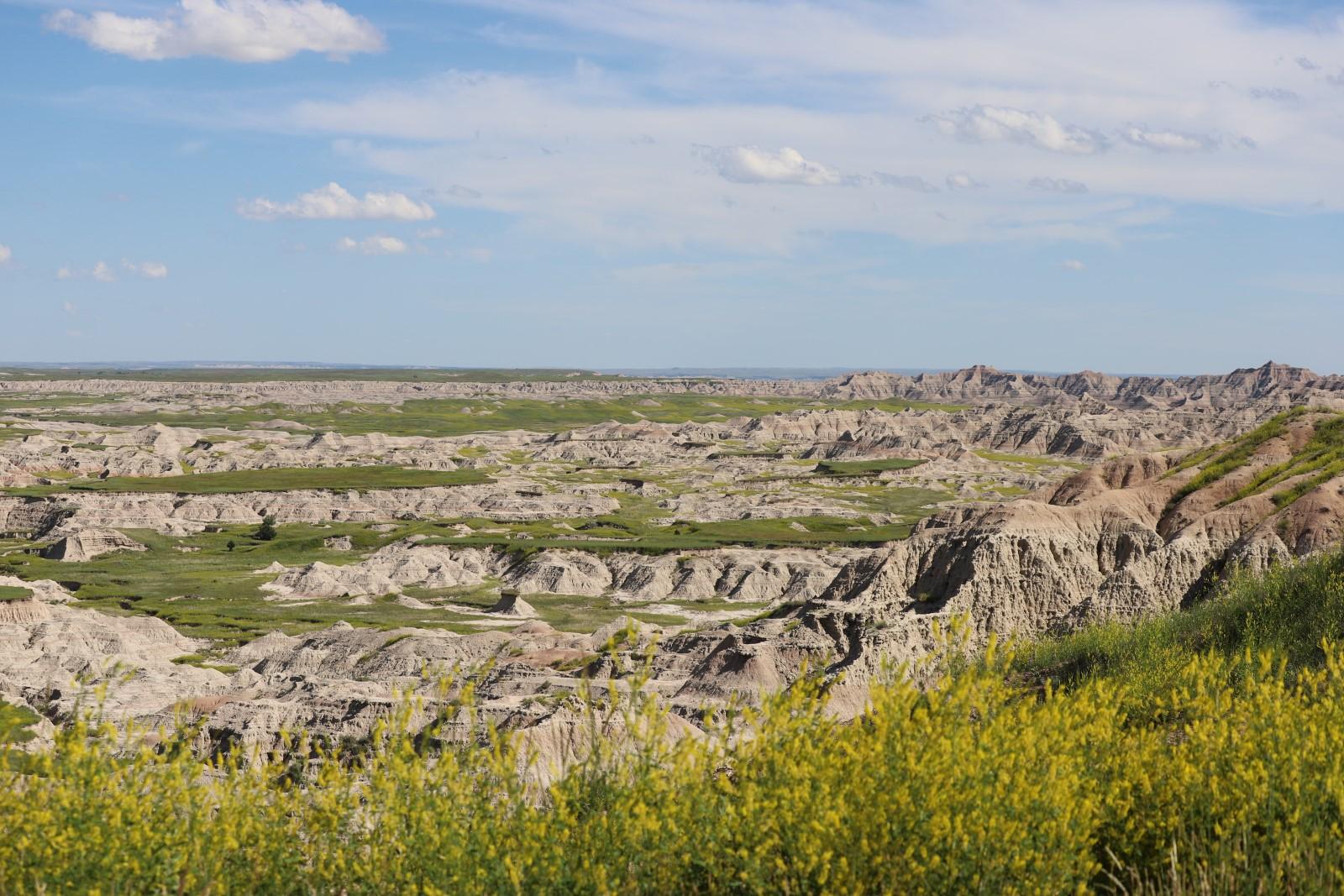
Should you visit Badlands National Park?
Badlands National Park, encompassing 244,000 acres, earns its high marks through a rare combination of accessibility and dramatic offerings.
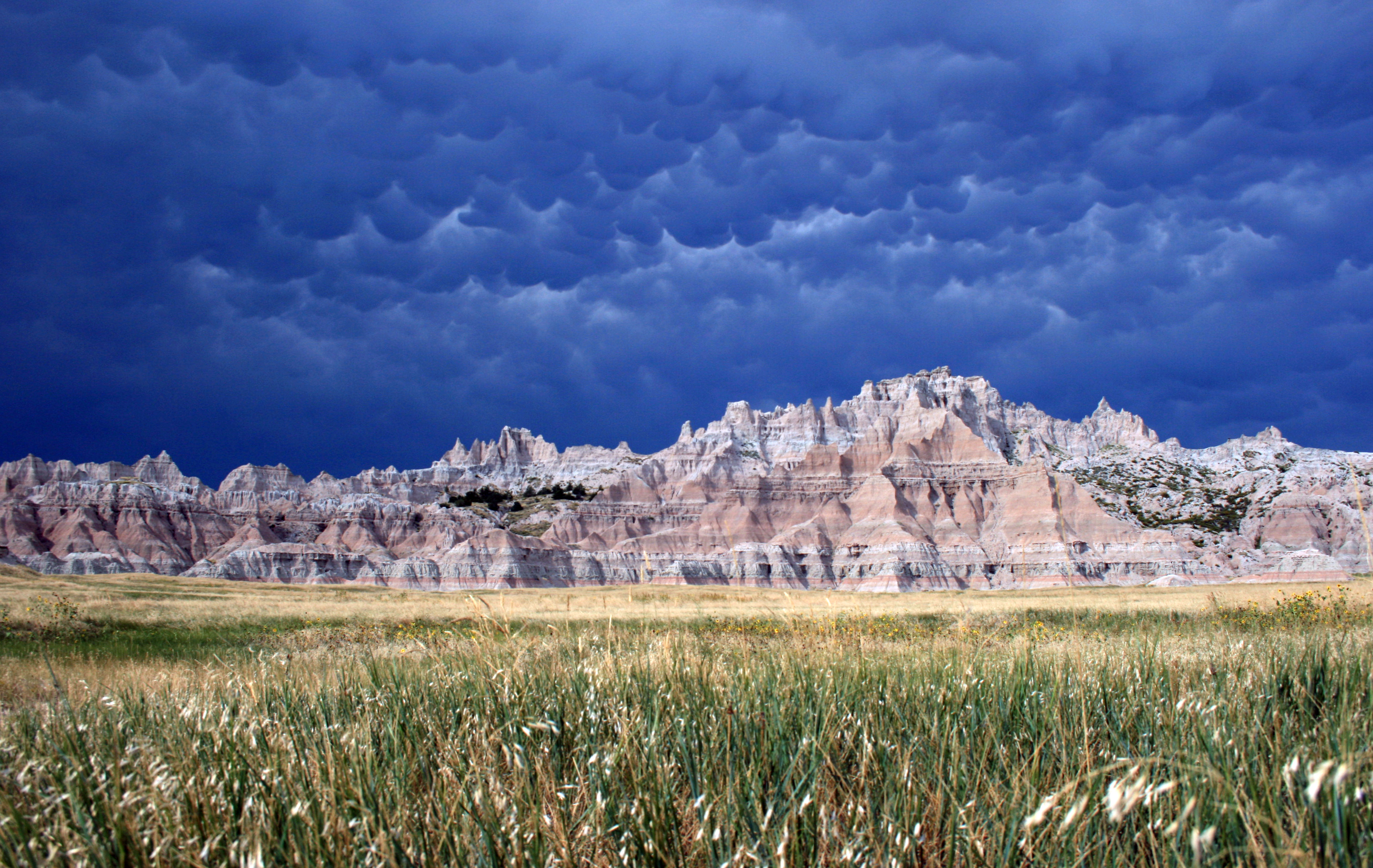
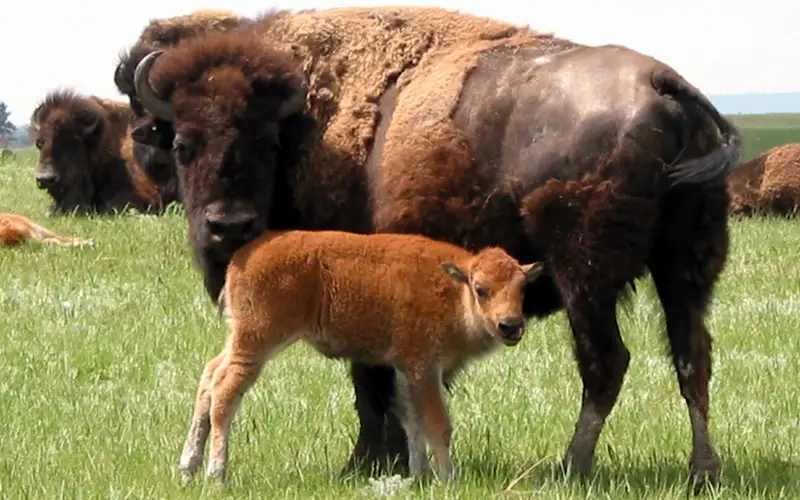
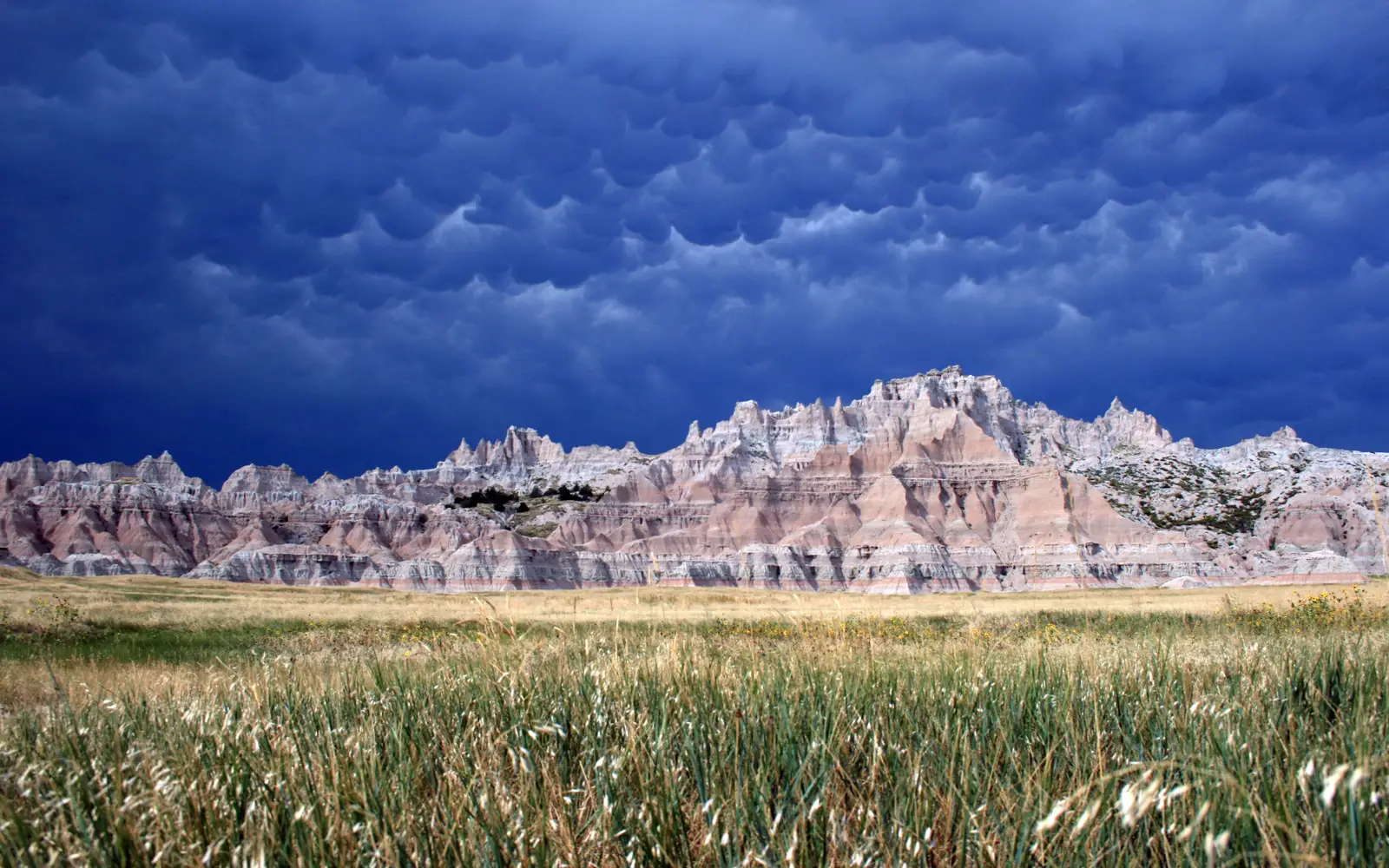
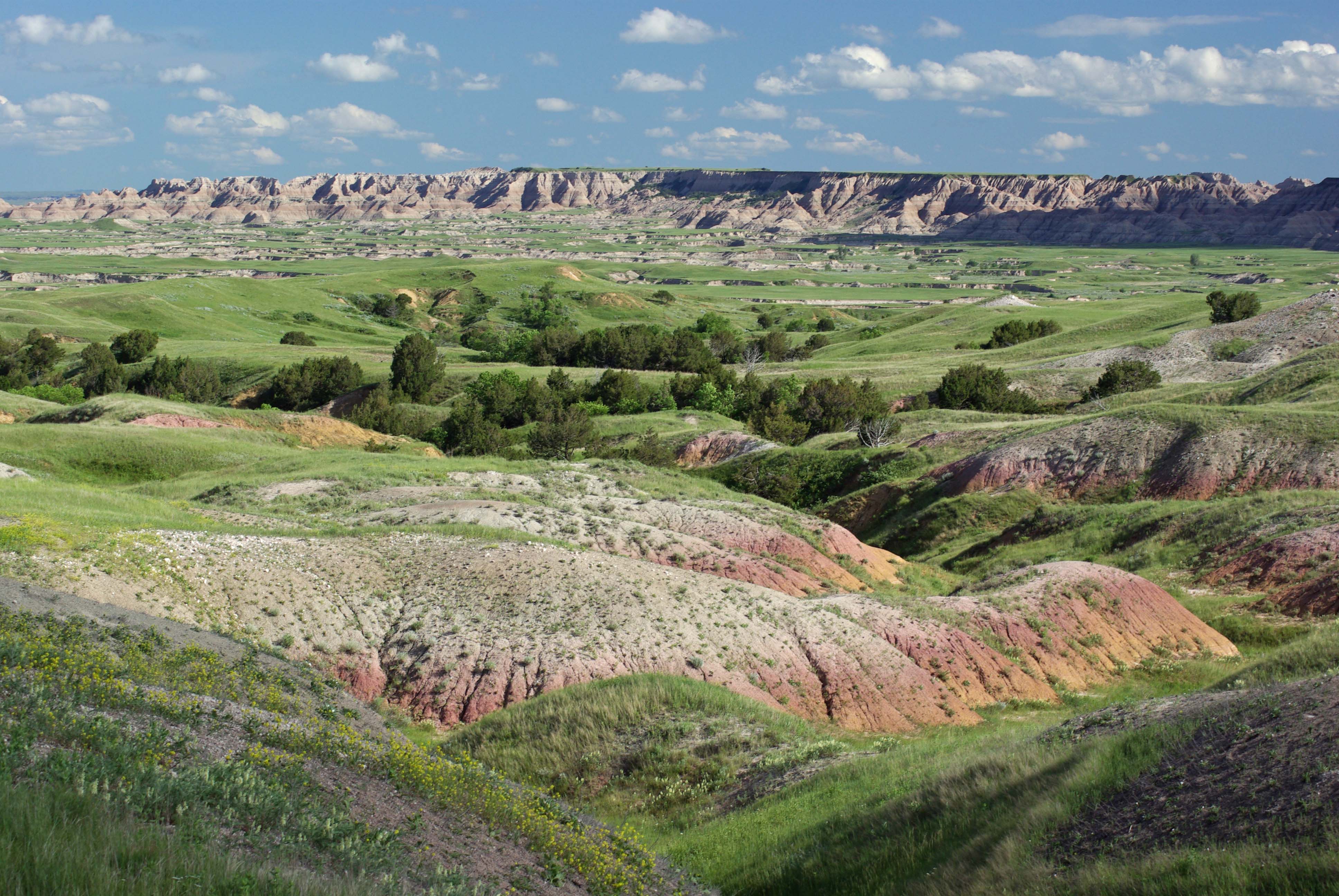
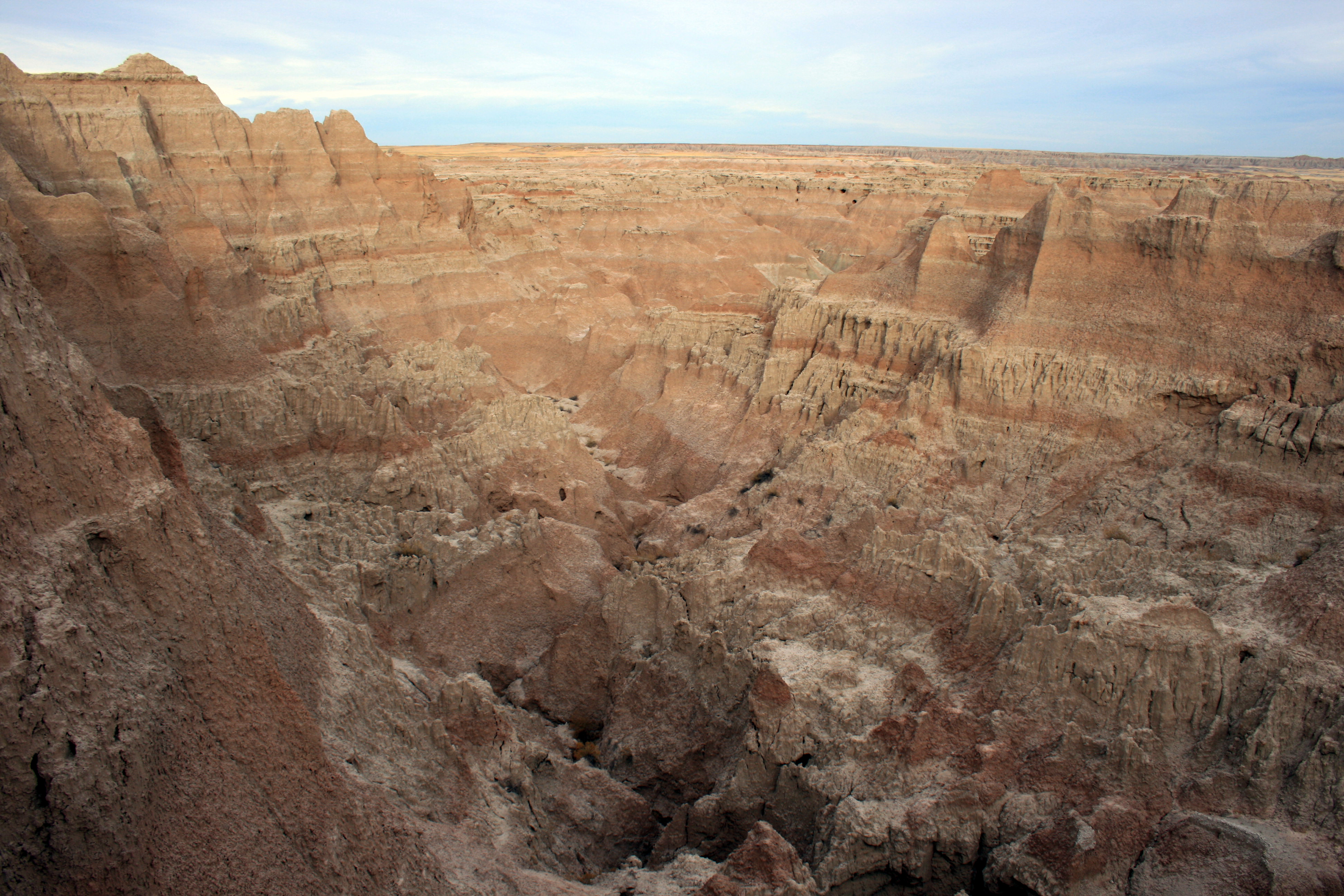
The park presents a genuinely arresting geologic canvas, alongside one of the world's densest fossil records. This is a living mixed-grass prairie, supporting bison, bighorn sheep, prairie dogs, and the rare black-footed ferret. Casual visitors can experience a substantive overview from a vehicle in two hours. More dedicated exploration allows for multiple days of hiking, camping under some of the Midwest's darkest skies, or horseback riding through the backcountry. Rewards here are not hidden behind difficult logistics. The park demands respect for its weather; conditions can swing from brutal summer heat to violent hailstorms with little warning. For visitors prepared for these shifts, Badlands delivers an experience well beyond its entrance fee.
What makes it worth it
A day spent on Badlands Loop Road offers a full spectrum of experiences. The eroded spires and layered sedimentary walls shift colors throughout the day, providing an ever-changing scenic drive. Short ridgeline walks and longer backcountry routes through the open prairie are accessible from the road. Prairie dog towns are active and visible from pullouts. Wildlife watching is best at dawn and dusk, when bison and bighorn sheep move across the grasslands. After dark, the park's certified dark-sky status makes the Milky Way visible to the naked eye. Ranger astronomy programs are offered seasonally. For those who stay overnight, the park delivers a complete experience, from dramatic geology to a sky full of stars.
Who should go
This park suits a wide demographic, from road-trippers and families with children to wildlife enthusiasts and stargazers. It delivers a quintessential western landscape experience without demanding strenuous commitment. The interior offers genuine solitude for backcountry hikers and horse trekkers. Those seeking alpine terrain or dense forest, neither of which are present, should look elsewhere.
When to go
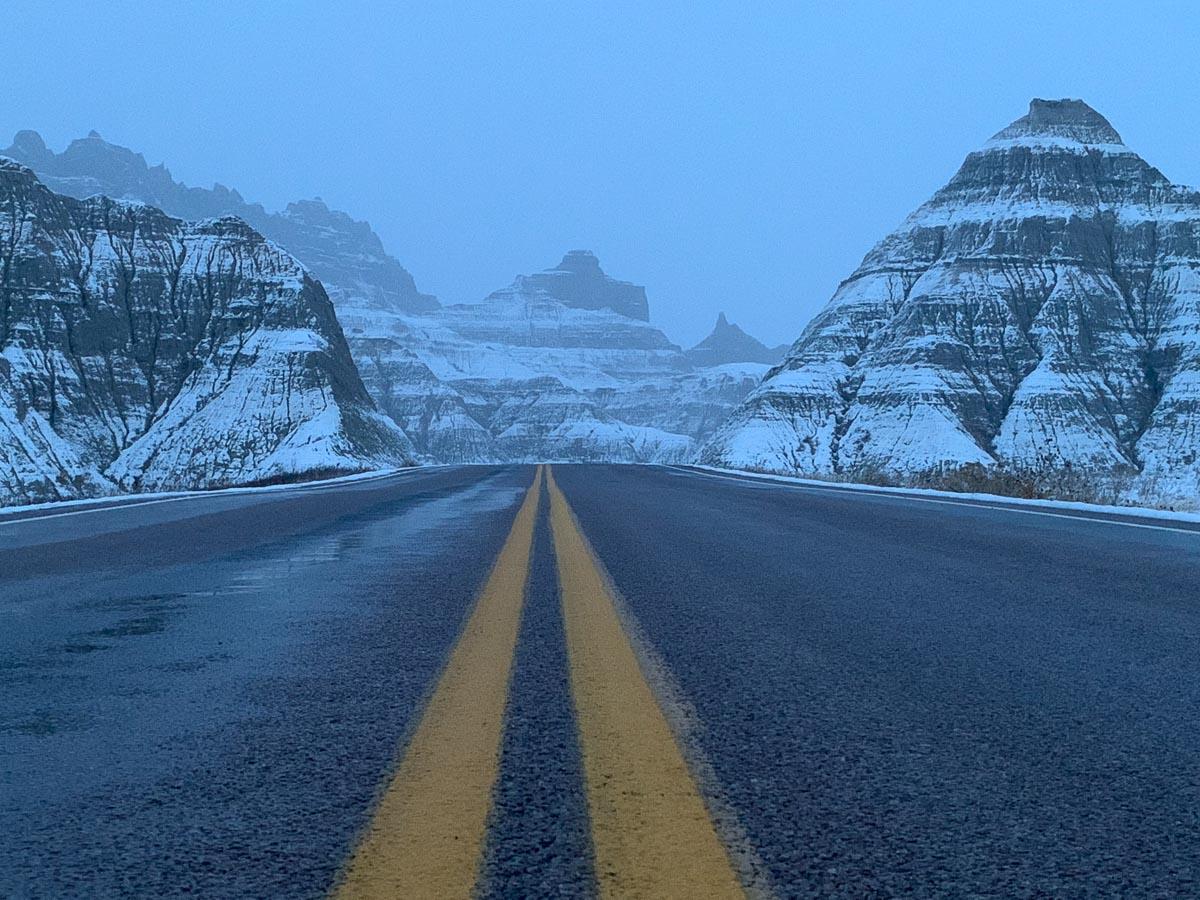
The best times to visit are clear. For comfortable temperatures and active wildlife, target late spring from May to early June, or fall between September and October. Summer brings crowds and significant heat, often exceeding 100 degrees, alongside sudden, violent thunderstorms. Midday hiking in July and August is best avoided. Winter provides a quiet, cold experience, with snow dramatically transforming the park's formations, though some facilities will be closed.
Highlights
- Scenic driving the Badlands Loop Road with layered geological formations at every pullout
- Wildlife watching for bison, bighorn sheep, and prairie dog colonies directly from the road or short trails
- Certified dark-sky stargazing and ranger-led astronomy programs after sunset
- Backcountry camping and horse trekking across open mixed-grass prairie with genuine solitude
- Junior Ranger Program giving kids structured engagement with fossils, geology, and wildlife
- Fossil-rich geology representing ancient horses and rhinos, visible in exposed sediment layers
Plan ahead
At $15 per person, or covered by the America the Beautiful pass, entry is reasonable. The park maintains year-round access, though weather frequently dictates closures. Summer heat is a significant factor. Strenuous hiking is restricted to early morning hours for safety. Essential planning includes carrying ample water; overestimate your needs. With limited cell service within park boundaries, downloading maps beforehand is a necessity. This is a park that demands preparation.
Editor's tipThis park favors the early riser. Optimal viewing occurs before sunrise, as the eastern light illuminates formations from a low angle. Crowds from Wall or Rapid City remain absent during these hours. Bison activity is also highest in the early morning grasslands. This unit rewards planning and promptness.