parkverdict
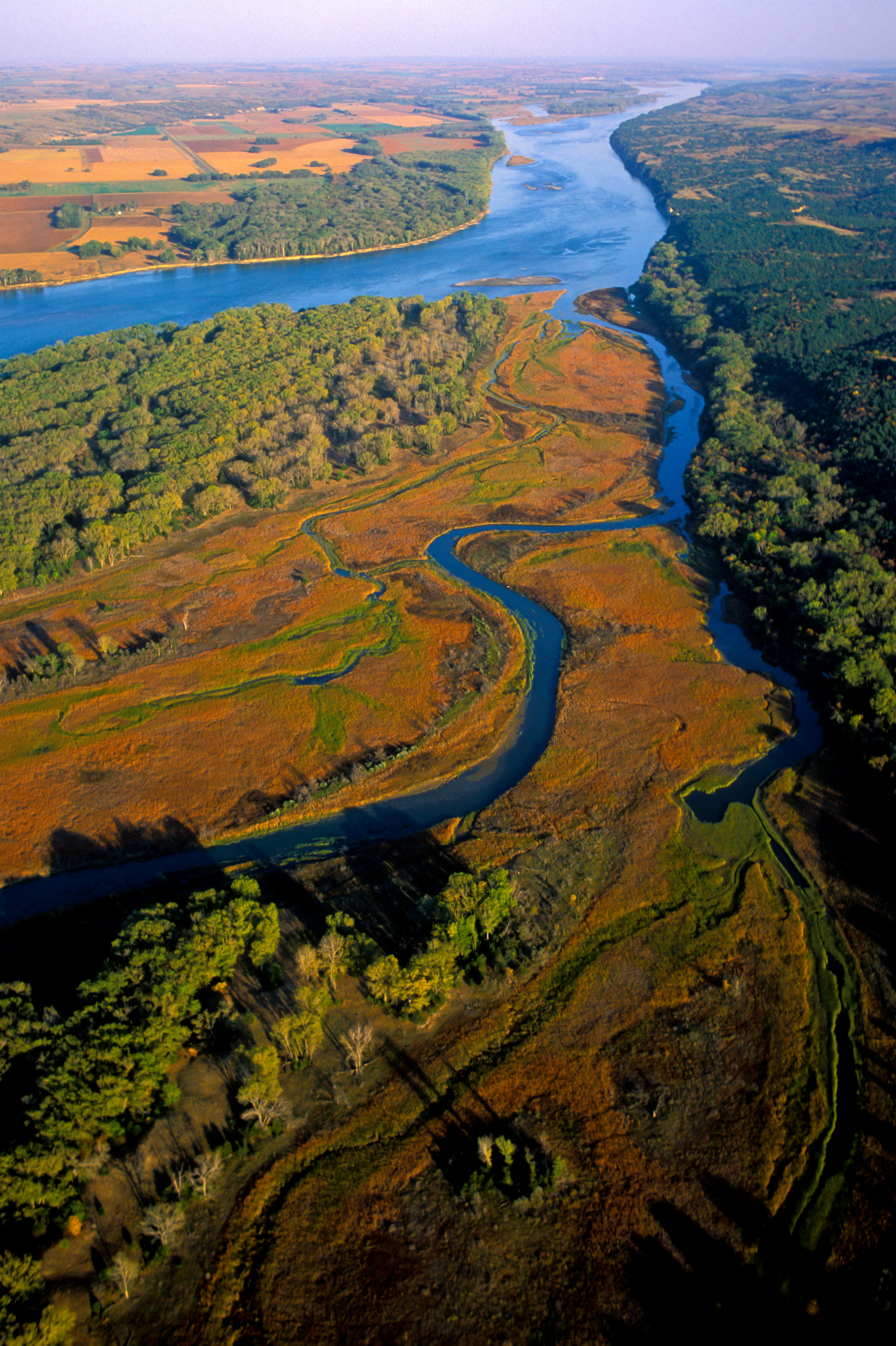
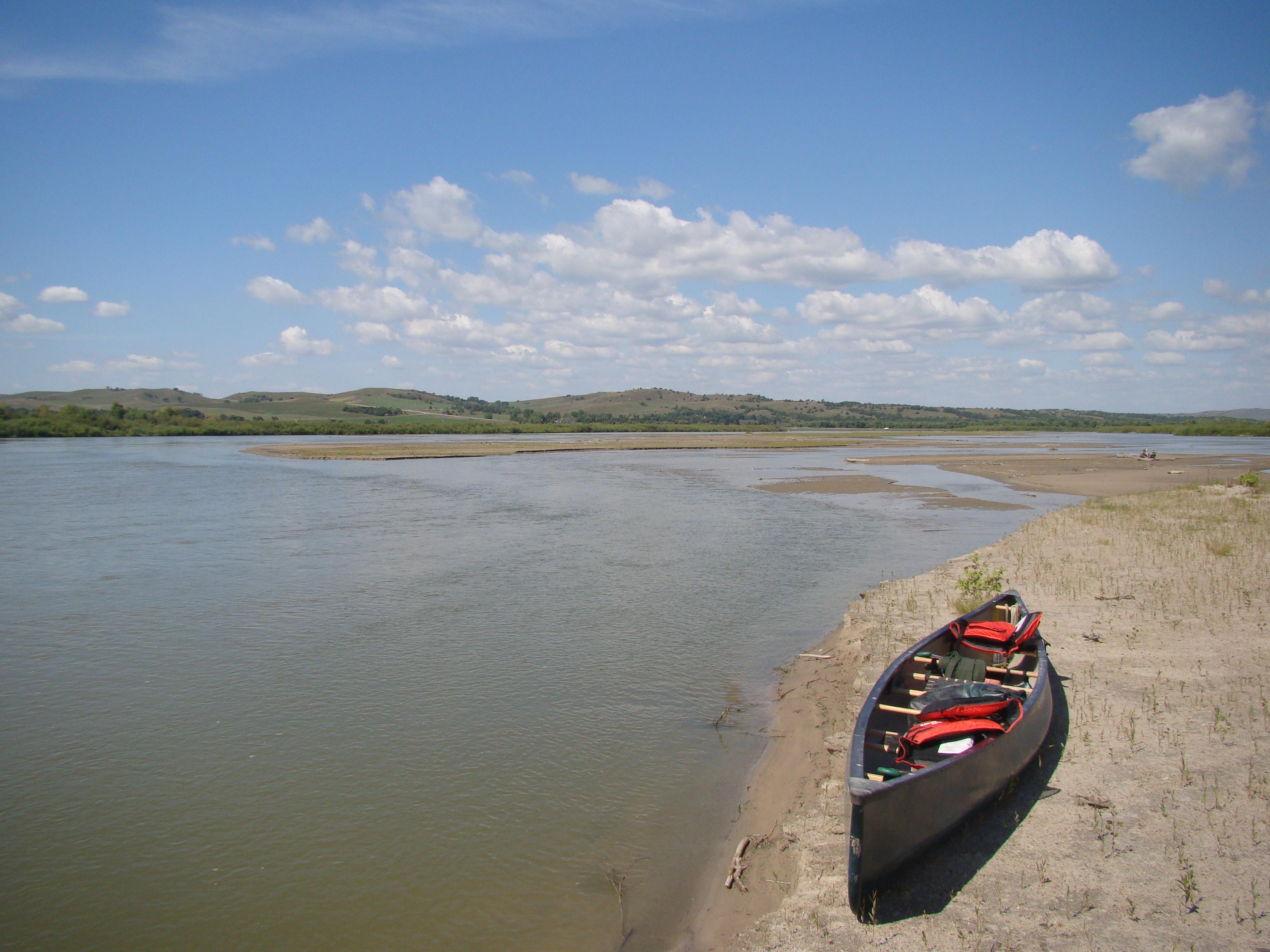
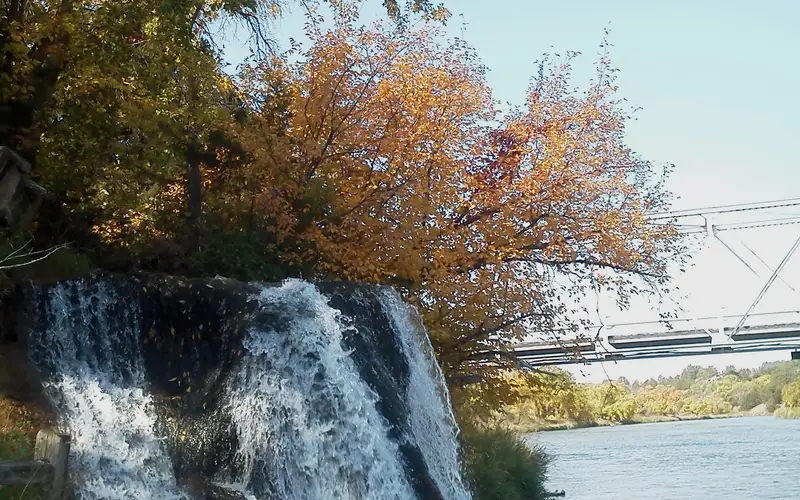
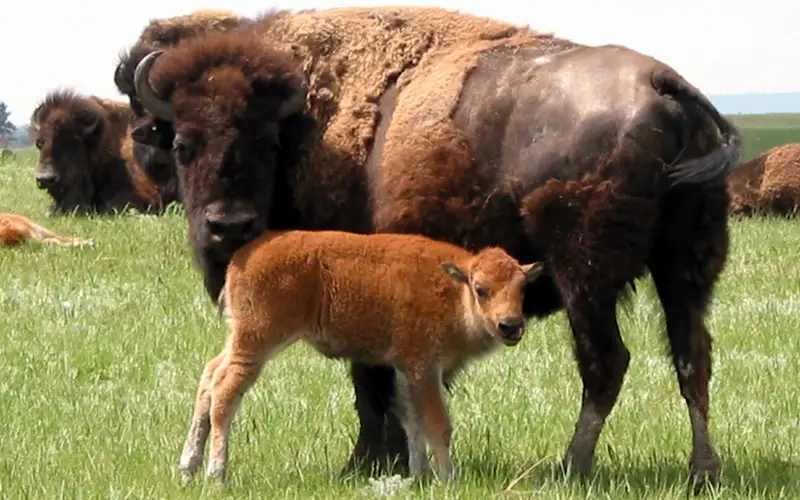
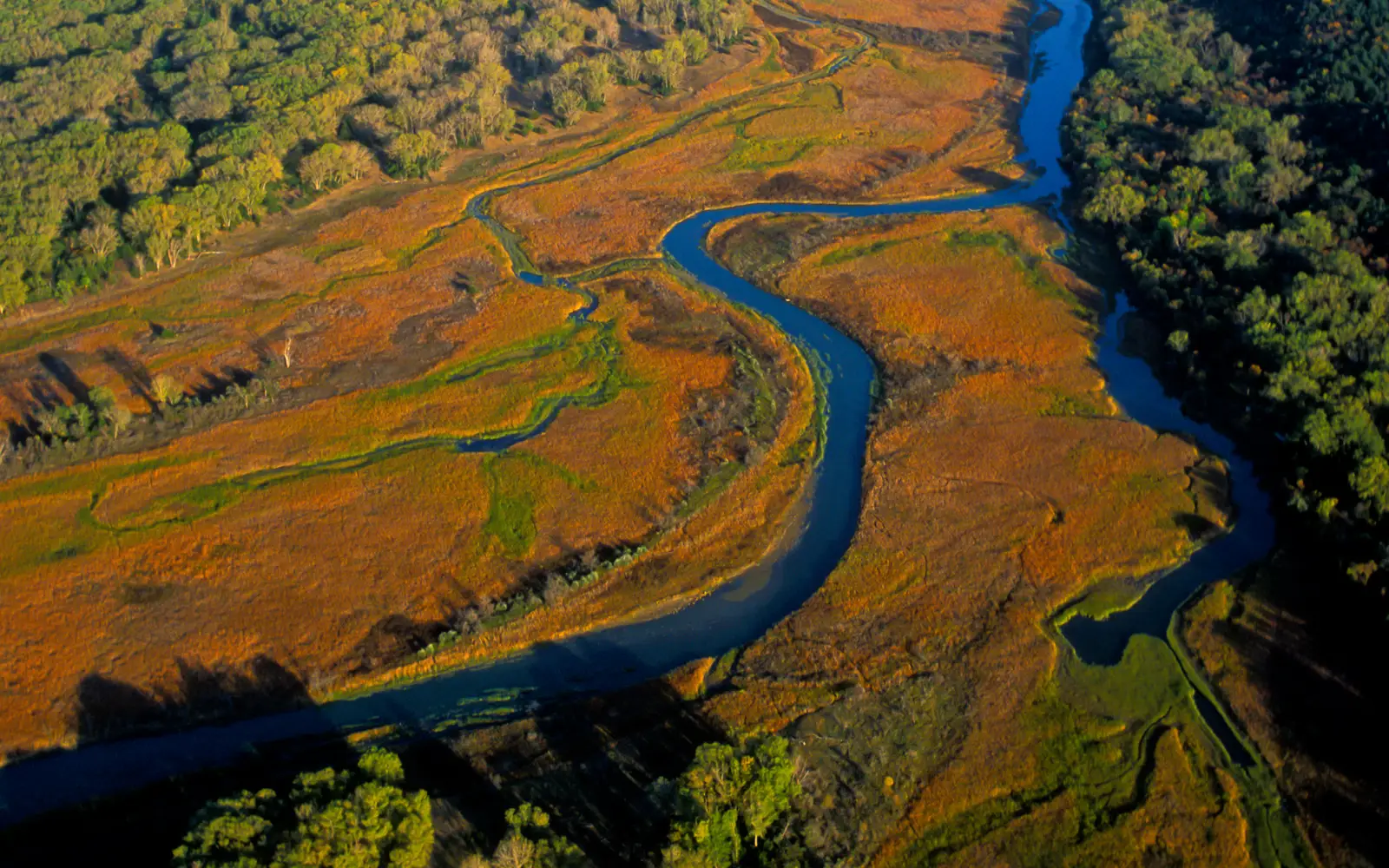
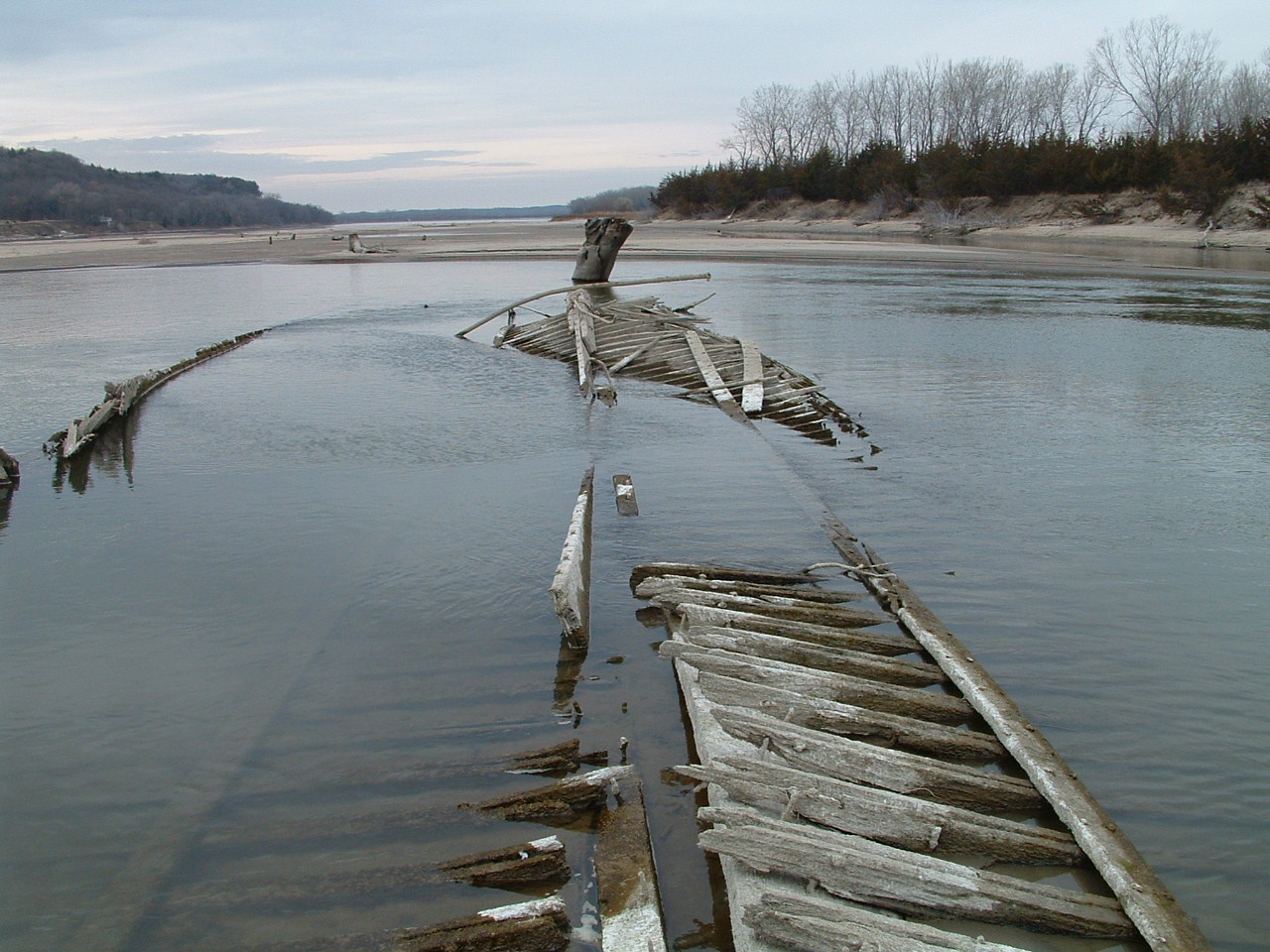
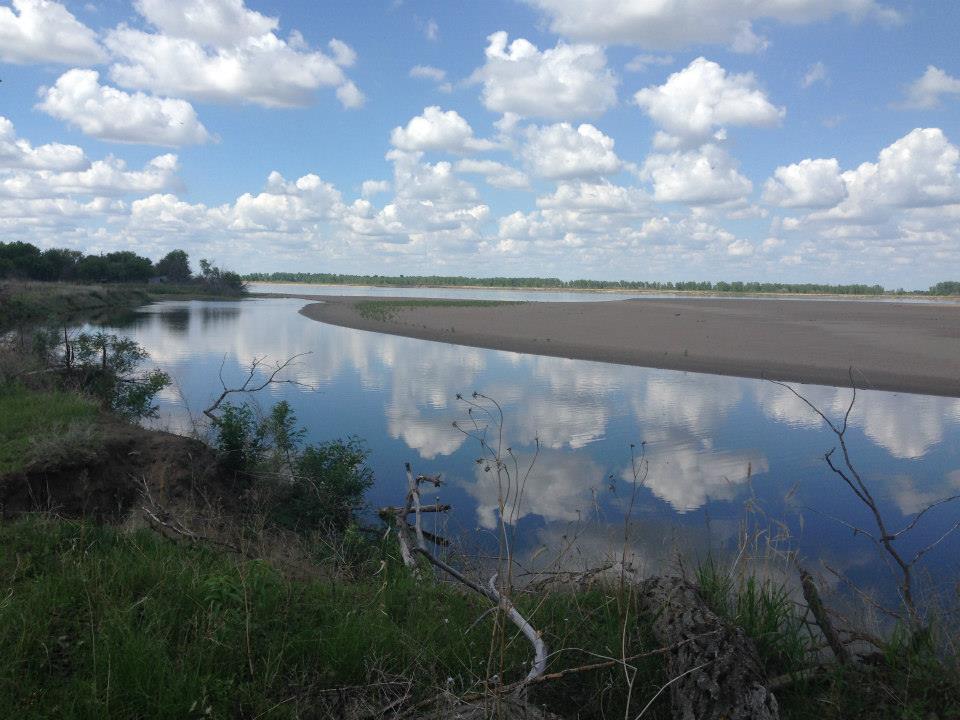
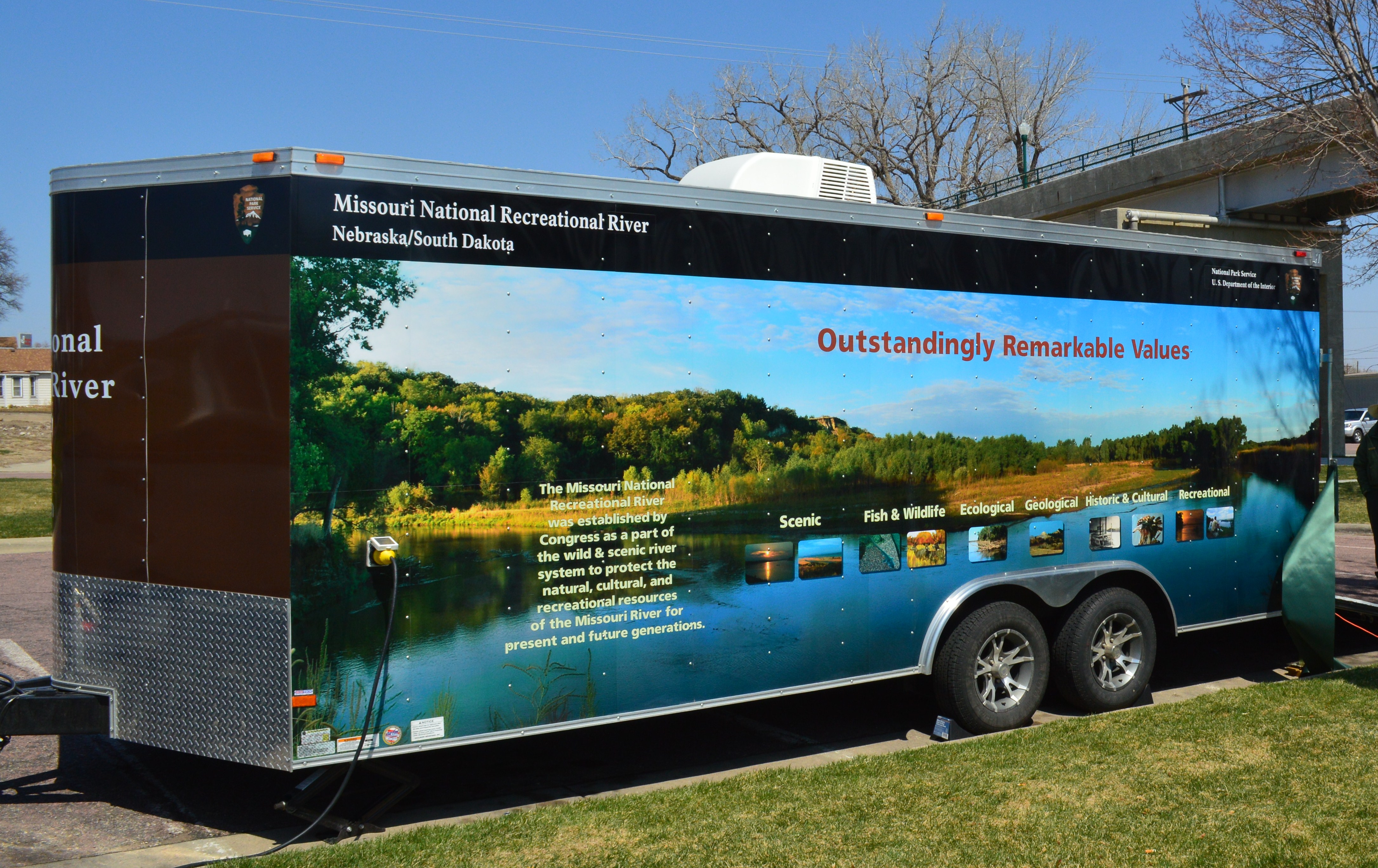
Aerial view of the Missouri River and surrounding landscape.Sunken remains of the North Alabama steamboat appears only when water is low.Scenic view of Missouri River on a sunny dayPark educational trailer
National Recreational RiverSD / NE

Missouri National Recreational River

NPS / NPS Photo
100/ 100DOES IT ALL
parkverdict Experience ScoreIndependent, not sponsored

100 of 100. Our independent breadth-and-access index. How we score

Our verdict

Should you visit Missouri National Recreational River?

The Missouri National Recreational River protects two free-flowing stretches of the Missouri River, totaling roughly 100 miles across South Dakota and Nebraska.

It is one of the last places where the river still behaves the way it did when Lewis and Clark paddled through. There is no single landmark to anchor a visit. The river itself is the draw, wide and braided, unpredictable, genuinely alive. That perfect Experience Score of 100 reflects real variety: multi-day canoe routes, bank fishing, camping under properly dark skies, migratory bird watching, and scenic drives through the Missouri valley. Admission is free and the area is open around the clock. Arrive expecting a tidy park with groomed trails and a visitor center, and you may find it disorienting. Arrive looking for a working, wild river with real solitude and room to wander, and it delivers.

What makes it worth it

A good weekend here starts on the water. Drop a canoe or kayak into either the 39-Mile stretch or the 59-Mile stretch and the river takes it from there. Sandbars appear and shift with the current, and you can camp directly on them, which is a real option worth taking. The fishing has a strong reputation, and the Missouri corridor runs along a major flyway, so birdwatching tends to turn up genuine sightings rather than lucky glimpses. On land, scenic drives follow the bluffs above the valley, and front-country camping with RV hookups keeps the place reachable without a wilderness permit. After dark, the thin population along this South Dakota and Nebraska corridor leaves the skies genuinely dark, and stargazing is worth planning a night around. Guided tours and living history programs put the river in context, both for what it has meant historically and for what it still supports in the ecosystem today.

Who should go

Paddlers, anglers, birders, and anyone who just wants a free, unhurried stretch of river to camp, fish, and move at their own pace will find plenty to like here. Families with kids have the Junior Ranger program and playground facilities in their corner. If dramatic scenery, maintained trail networks, or a visitor-center-anchored park experience is what you're after, this isn't the place.

When to go

Late spring through early fall offers the best conditions for paddling and camping, with long days and river levels that actually let you move. Summer gets hot but stays sunny. Spring and fall bring migratory birds through, so if wildlife is your thing, those shoulder seasons are worth considering. Winter is cold, and while people do cross-country ski here, the frozen months are genuinely quiet. Weather can shift fast any time of year, so check the forecast before you head out on the river.

Highlights

  • Multi-day canoe and kayak camping on free-flowing, largely undeveloped river stretches
  • Freshwater fishing along one of the Missouri River's last wild corridors
  • Birdwatching along a major migratory flyway with documented wildlife watching access
  • Dark-sky stargazing in a low-density rural corridor spanning South Dakota and Nebraska
  • Scenic driving above the Missouri valley bluffs with views of the river and bottomlands
  • Living history and guided tour programming that connects the river to its deep historical context

Plan ahead

Admission is free, and both the 39-Mile and 59-Mile districts are open around the clock, every day of the week. The park crosses two states, so sort out your put-in and take-out points before you head out on the water. The Missouri runs fast and unpredictably, and conditions can shift without much warning. If you are not doing an overnight paddle, the park also has car, RV, and group camping options.

Editor's tipBefore a multi-day paddle, check NPS resources for sandbar camping options. Sandbars move with the current, so a spot that was there last season might not exist by the time you show up. That unpredictability is honestly part of the appeal - it keeps this stretch of river feeling like one of the last genuinely wild experiences left on the Great Plains.

How we scored it

Why Missouri National Recreational River scores 100

We keep the math boring on purpose. The same handful of public-data inputs, capped so none of them dominates, decide every score. What they measure is breadth and access, not beauty and not crowd levels. For Missouri National Recreational River, they shook out like this:

  • Activity breadth44 documented activities
  • Topic breadth44 topics
  • Official imagery5 public-domain images
  • Camping on sitedocumented
  • Entry costfree

No number is hand-adjusted and no unit pays for placement. The full weights, the floor at 18 and a worked example are on how we score.

The honest limits

What the number leaves out

Worth saying plainly: this number only knows what the data shows, which is breadth and access. It has no idea whether the scenery is jaw-dropping, whether the lot is a zoo in July, what shape the trails are in, or how good the guided walks are. So do not read a lower score as a worse day out. A focused little site can beat a big all-rounder for the right person. Compare the numbers for what is on offer, then read the verdict for who each place actually suits.

Background

The short version

About 100 miles of the Missouri River, the longest river in North America, still runs the way it did before dams and channelization reshaped the rest of it. The Missouri National Recreational River protects two free-flowing segments of that water. Very few places let you watch this river move the way it always has, and this is one of them. Worth a visit.

On documented breadth and access, Missouri National Recreational River ranks 1st of 7 park and public-land units we score in South Dakota.

What the seasons are like

Weather along the Missouri National Recreational River corridor can change quickly, and the swings from one season to the next can be dramatic. Summers are hot, winters are cold, and the area sees plenty of sunshine, especially during summer months. Rainfall averages 25 inches a year.

What you can do

Activities

Auto and ATVScenic DrivingAstronomyStargazingBikingRoad BikingBoatingCampingCanoe or Kayak CampingCar or Front Country CampingGroup CampingRV CampingFishingFreshwater FishingFoodDiningPicnickingGuided Tours
Common questions

Missouri National Recreational River: quick answers

Is Missouri National Recreational River worth visiting?

The Missouri National Recreational River protects two free-flowing stretches of the Missouri River, totaling roughly 100 miles across South Dakota and Nebraska.

Is Missouri National Recreational River free to visit?

It is free to get in.

What is Missouri National Recreational River best for?

It leans hardest toward stargazing, hiking, camping, good with kids, going by the 44 activities it actually documents.

When is the best time to visit Missouri National Recreational River?

Late spring through early fall offers the best conditions for paddling and camping, with long days and river levels that actually let you move.

How is the Experience Score for Missouri National Recreational River calculated?

The 100 comes straight from public data on how much the place documents and how easy it is to reach, things like activities, topics, photos, camping and whether entry is free. It says nothing about scenery or how busy it gets.