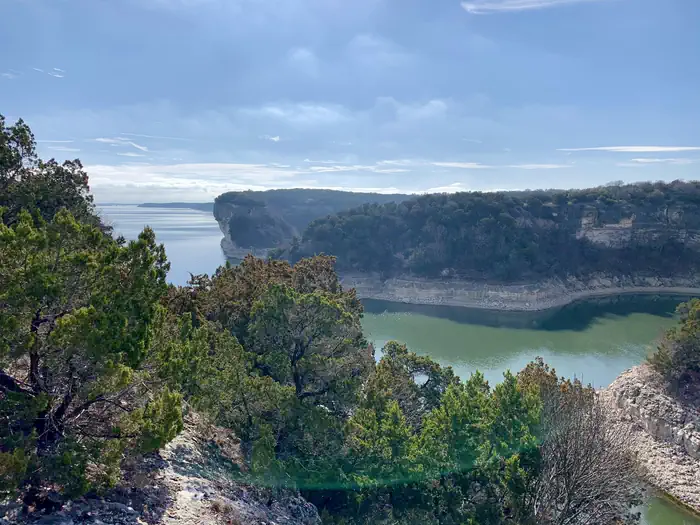
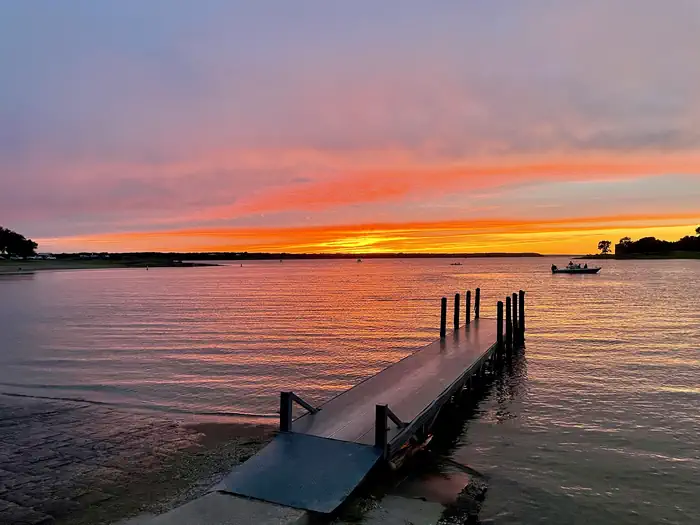
Is Whitney Lake worth your trip?
Whitney Lake is a U.S.
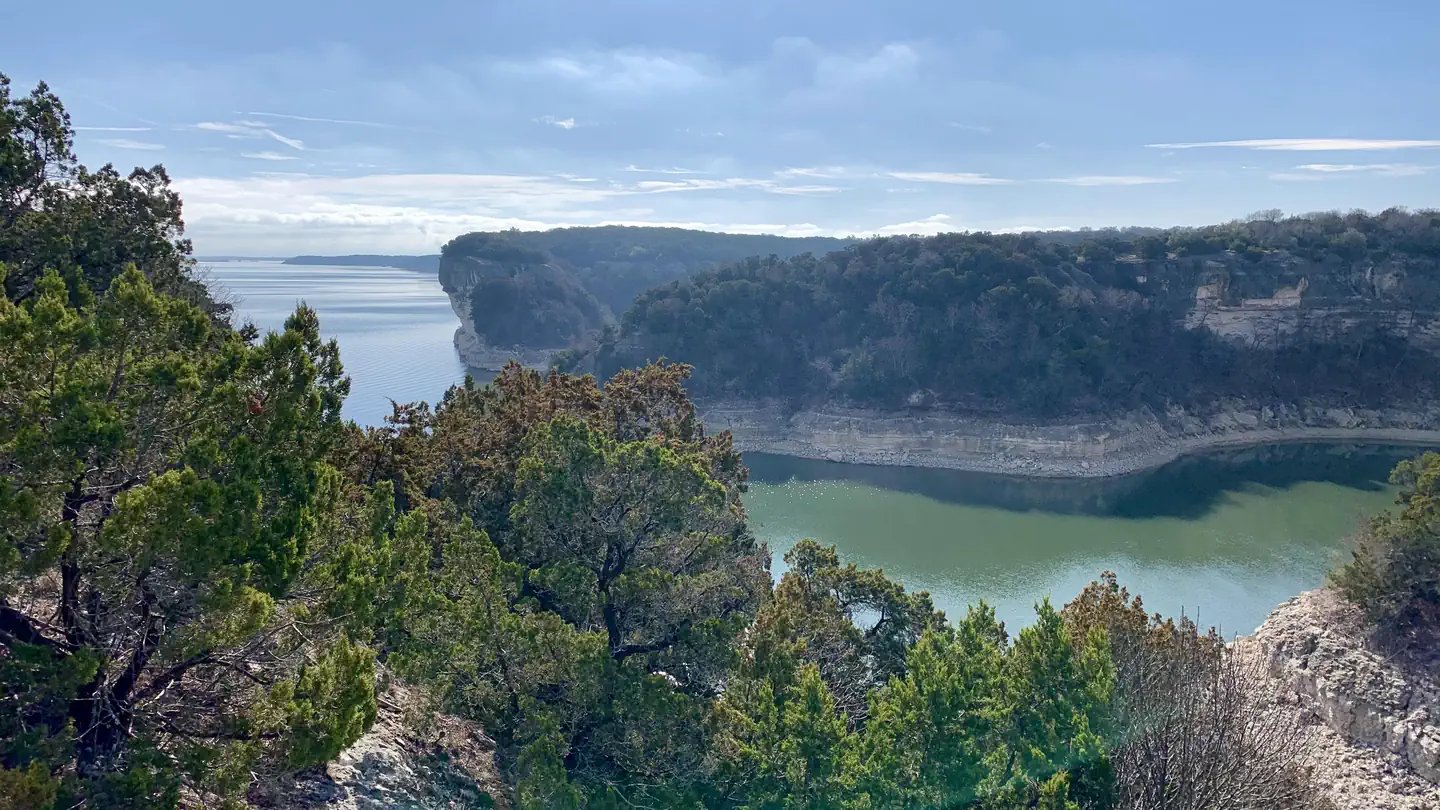
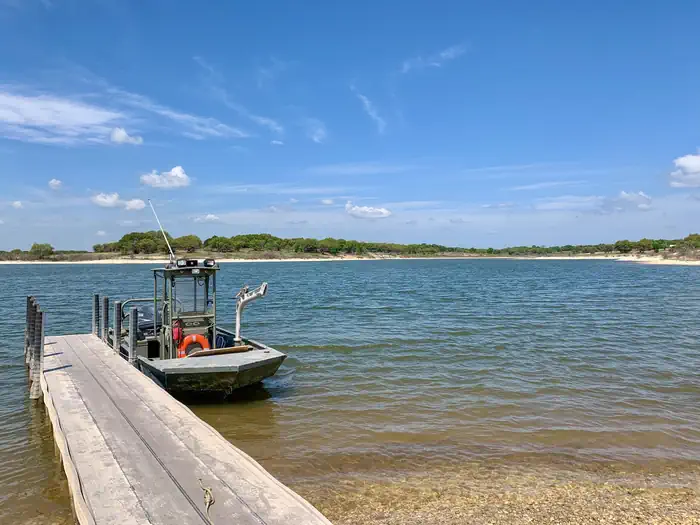
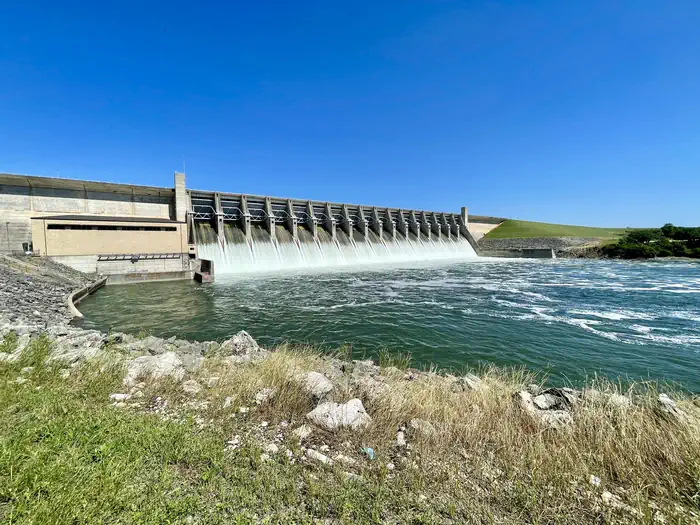
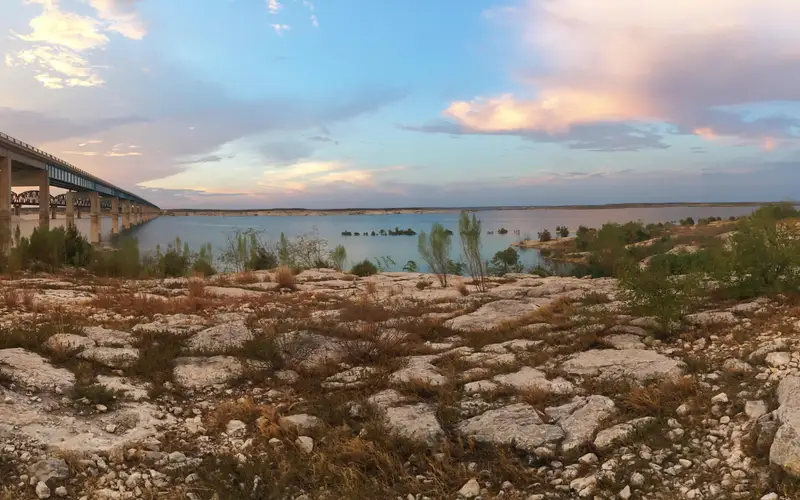
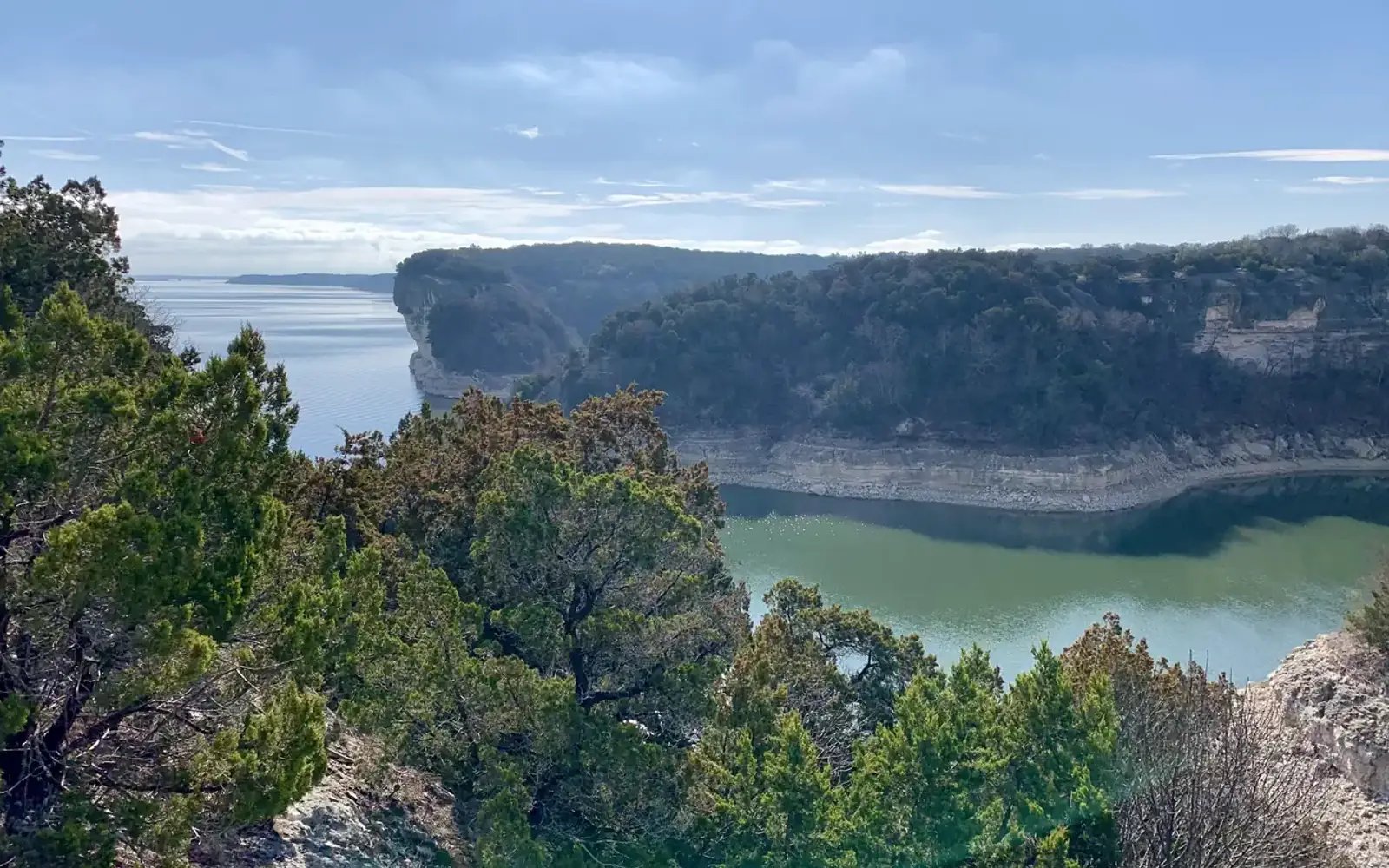
Army Corps of Engineers reservoir in central Texas that punches well above its name recognition. With 10 Corps-managed parks ringing the lake, plus a state park and several county or private operations, this is genuinely a multi-day destination rather than a quick stop. The breadth of activity here is real: you can arrive by boat, pitch a tent, saddle a horse, or pedal a trail all in the same weekend. It is not a wilderness experience, and the infrastructure leans recreational rather than scenic or interpretive. But for Texas families or outdoor enthusiasts within driving distance who want water access, camping, and trail mileage without paying an entrance fee, Whitney Lake delivers a legitimately full outdoor itinerary. The 12.5-mile Hopewell Trail alone separates this from the average Corps lake.
Why go
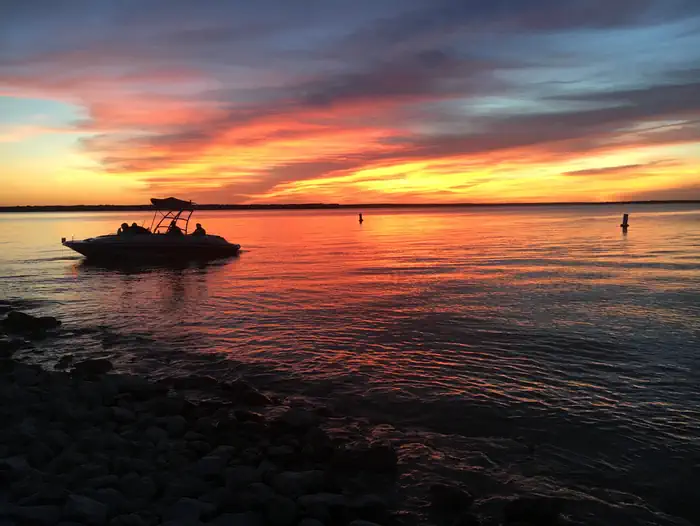
Whitney Lake centers on its expansive reservoir, delivering prime boating and fishing. The water is the main attraction here. Ashore, the Hopewell Trail offers a substantial 12.5 miles of varied terrain for hikers, bikers, and equestrians. This mileage represents a significant public investment. Equestrian campers are specifically catered to at Plowman Creek Park, a distinct advantage for horse owners. Beyond the water, wooded sections provide opportunities for wildlife viewing. The park also provides multiple picnic areas, a playground, and lodging concessions, making it broadly accessible for families and those preferring not to camp. For active water enthusiasts and long-distance trail users, Whitney Lake warrants attention. Casual sightseers may find its appeal more limited.
Best for
This lake destination offers a compelling option for Texas families, anglers, equestrians, and boaters seeking a free, activity-rich experience. The Hopewell Trail provides significant value for horseback riders and multi-use trail enthusiasts. The data makes a strong case for its recreational breadth. Those prioritizing dramatic scenery, interpretive history, or a true wilderness experience will find it less suitable.
Best season
Whitney Lake presents a seasonal paradox. Summer's extreme heat dictates water-centric activities as the only comfortable midday option from June through August. For those seeking terrestrial pursuits, spring and fall emerge as the clear sweet spots. Spring offers milder temperatures, ideal for exploring the Hopewell Trail and observing wildlife within the wooded corridors. Fall provides pleasant hiking and biking conditions, accompanied by diminished crowds. Winter camping is feasible and offers tranquility, though visitors should anticipate limited concession hours. This is a park best timed for optimal enjoyment.
The high points
- Hopewell Trail: 12.5 miles of multi-use trail for hikers, bikers, and equestrians winding along the lake and through wildlife areas
- McCown Valley Equestrian Area with dedicated overnight camping at Plowman Creek Park for trail riders with horses
- Boating and water sports on a full-sized reservoir with multiple park access points around the lake
- Fishing across a large lake managed by Corps of Engineers parks
- Wildlife viewing opportunities in the wooded sections along the trail corridor
- Free admission across all Corps-managed parks with lodging concessions available for non-campers
Know before you go
Free admission to this Corps of Engineers park offers a genuine advantage. With ten Corps parks and additional state, county, and private sites encircling the lake, access points present varied amenities. Visitors should identify the park best suited for their planned activities before arrival. Equestrian access, for instance, is exclusively accommodated at Plowman Creek Park. Cell coverage in rural Hill County can be inconsistent. Download maps in advance.
One more thingThe Hopewell Trail is best approached from the Plowman Creek equestrian area. This location offers dedicated infrastructure for trail users. For those intending to cover significant distances, it serves as the most logical base camp.