Guadalupe Mountains National Park: our verdict
Guadalupe Mountains offers a legitimately wild, underdeveloped experience in far west Texas.
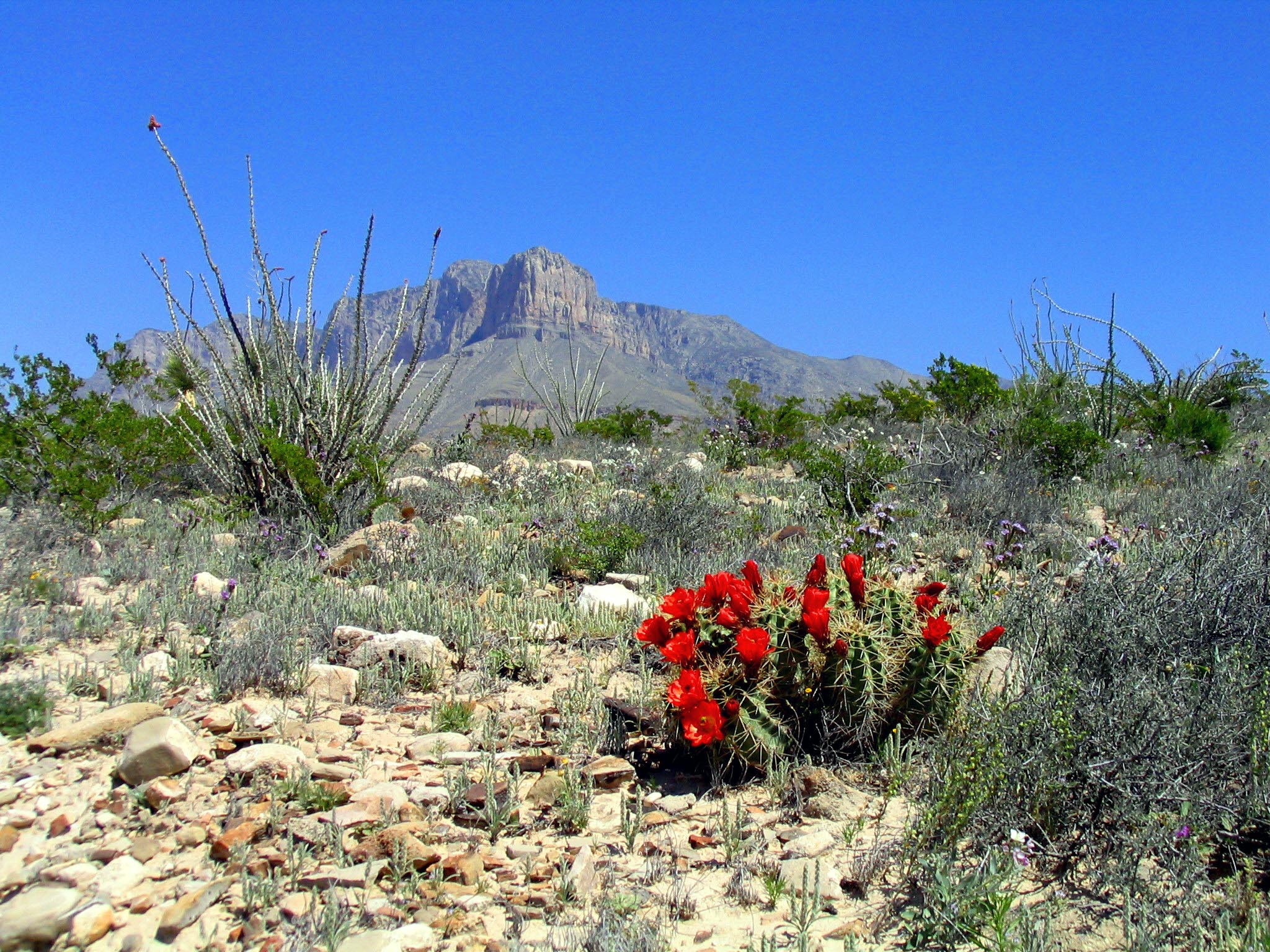
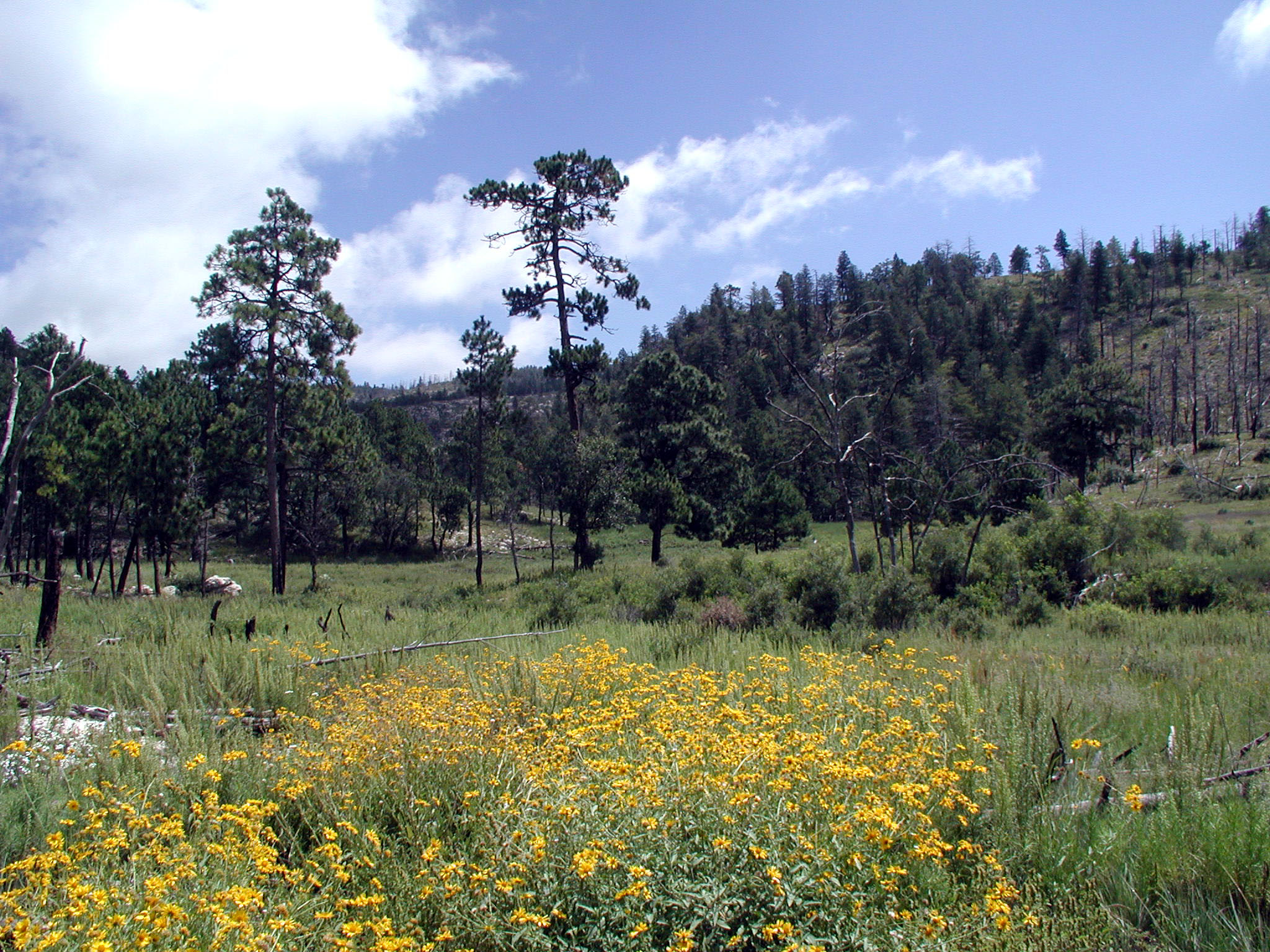
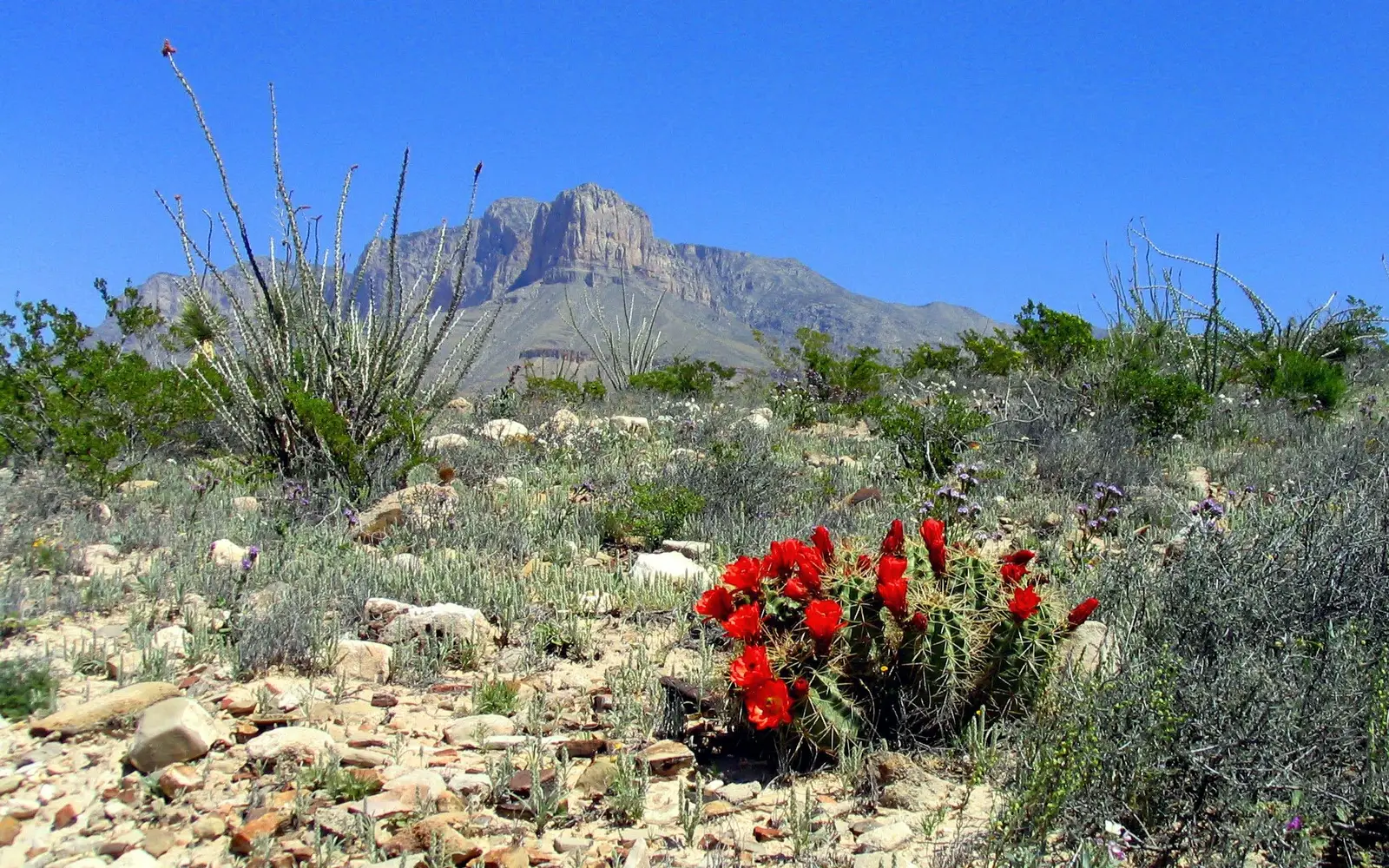
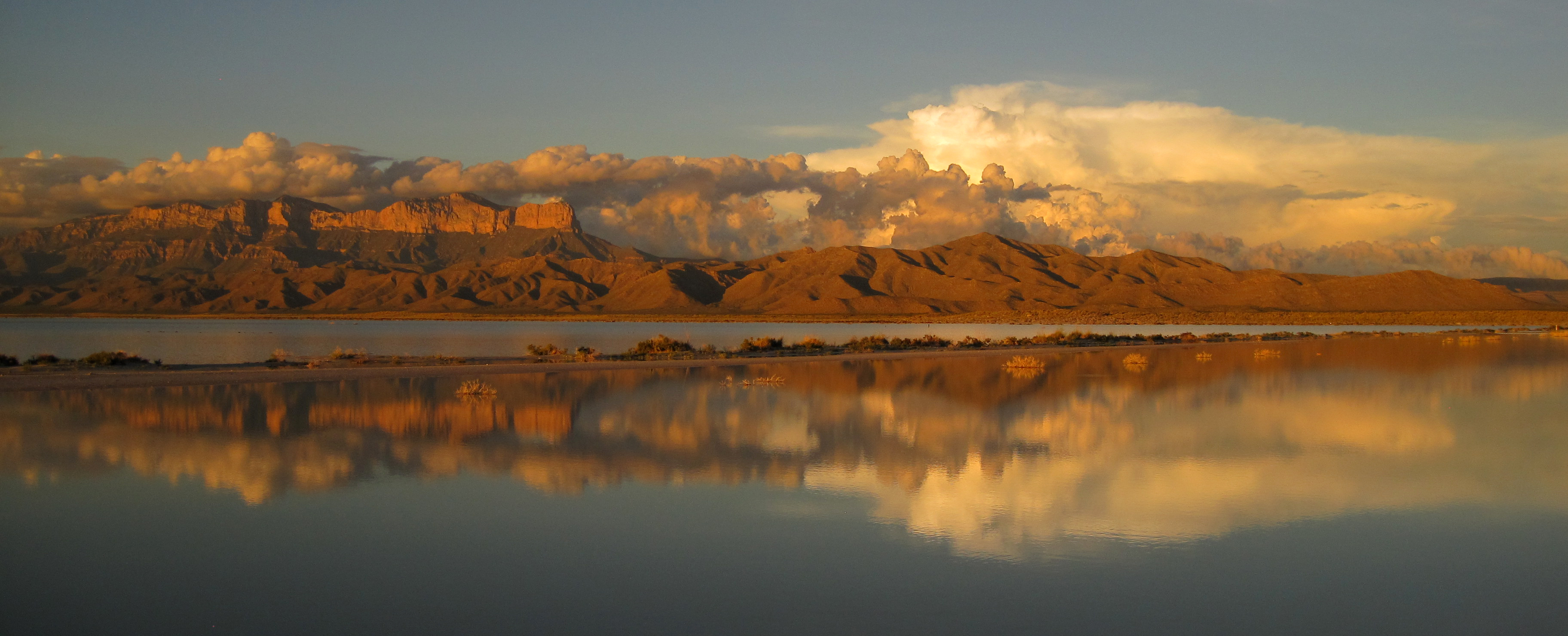
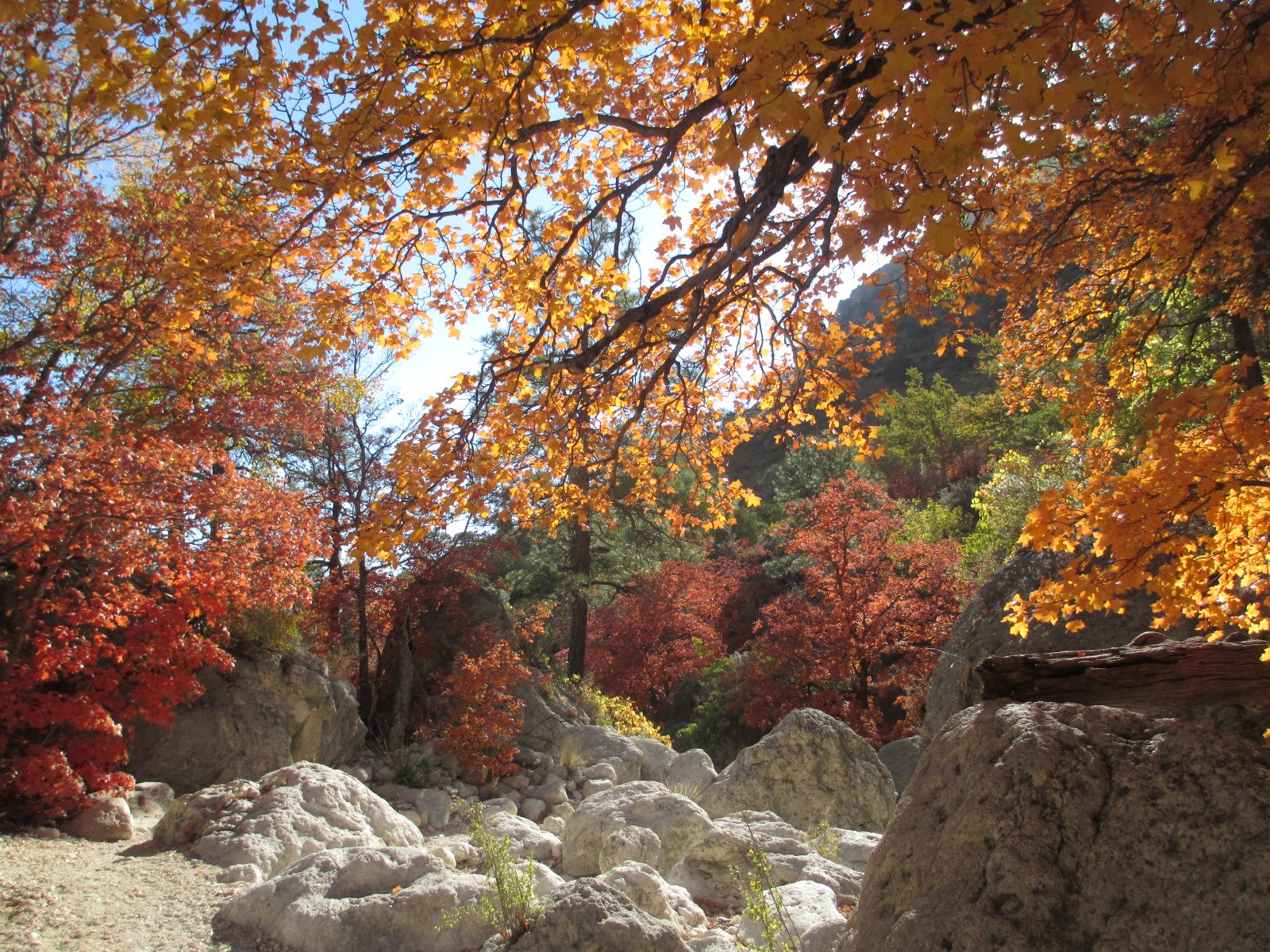
This park protects the four highest peaks in Texas, along with the world's most extensive exposed Permian fossil reef. Its surprisingly diverse landscape shifts from Chihuahuan Desert scrub to conifer forest within a single day's hike. There are no shuttle systems, no lodges, and no concessions. There is no entrance fee. The park provides honest wilderness and big skies. The trail network demands visitors carry their own water. This is not a windshield park; paved overlooks and easy payoffs are absent. Casual sightseers should look elsewhere. Those who embrace the challenge of its trails will find an underrated backcountry experience in the Southwest, offering solitude compared to more famous destinations.
Why visit
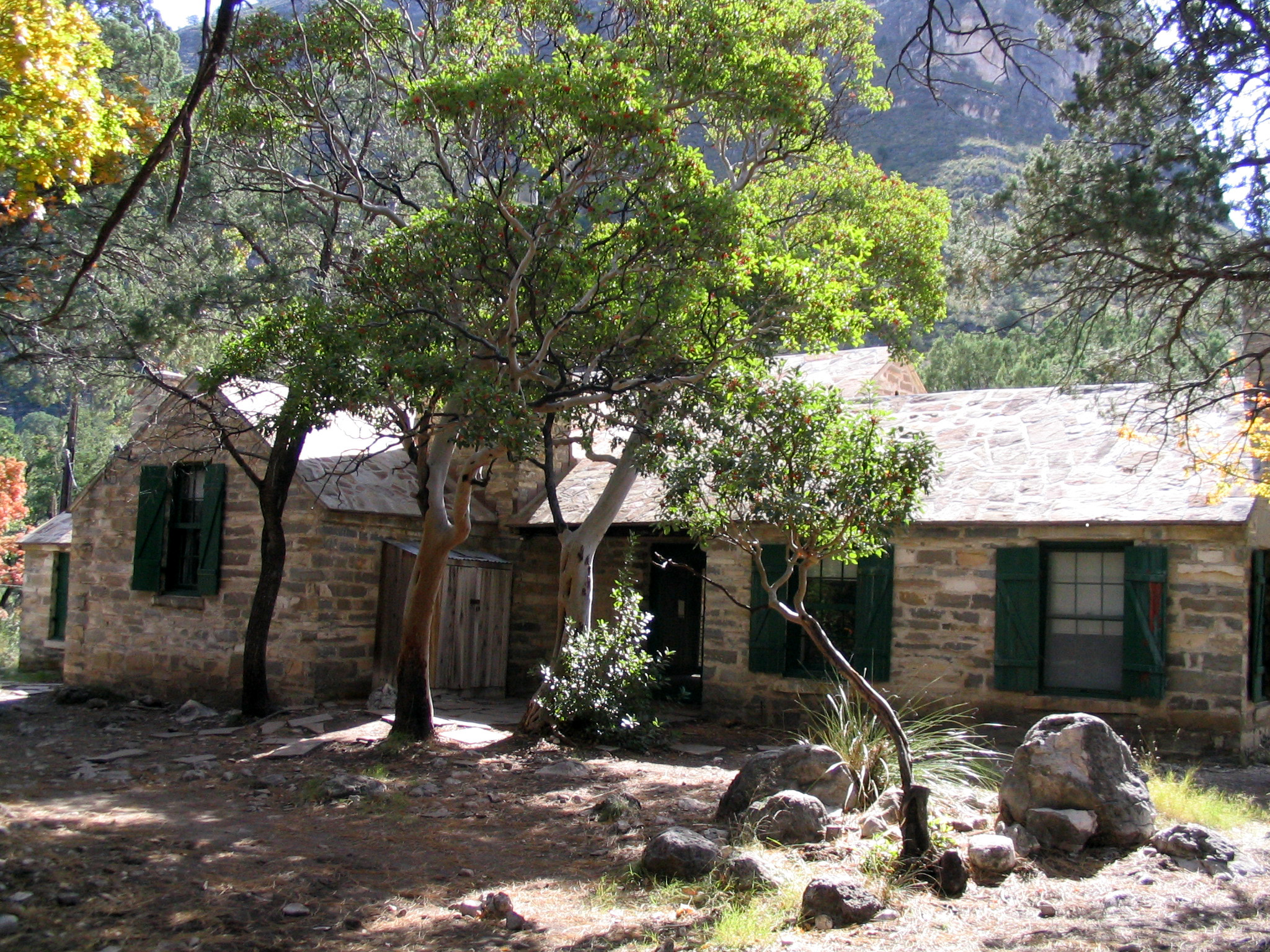
A good day here starts at the Pine Springs trailhead, where front-country hiking routes lead into canyon systems and up toward the high country, including Guadalupe Peak, the highest point in Texas. The park is free to enter, camping is accessible from the Pine Springs campground for both tent and RV users, and backcountry permits open up remote overnight routes through terrain that very few visitors ever reach. Birdwatchers benefit from the park's ecological diversity, since desert and montane species overlap here in ways unusual for Texas. Horseback riding and horse camping add a genuinely old-west dimension. The museum exhibits at the visitor center ground the whole experience in the park's Permian reef geology and ranching history before you head out.
Who it suits
This park caters to serious hikers, backpackers, and equestrians. It offers a free, uncrowded wilderness experience within a geologically exceptional landscape. Families with older children capable of significant elevation gain will find it rewarding. Casual visitors seeking drive-through scenery or extensive amenities will be underwhelmed. Resort infrastructure is absent here.
Timing your visit
Temperature considerations span the year. While November through April provides the most comfortable hiking, winter brings both occasional snow and sustained high winds, sometimes exceeding 60 mph. For optimal conditions, spring and fall offer a balance of mild temperatures and more manageable wind speeds. Summer visitors from May through October should anticipate highs over 100 degrees Fahrenheit in lower elevations, necessitating very early starts for any activity.
What stands out
- Climbing Guadalupe Peak, the highest point in Texas, via a strenuous front-country trail
- Backcountry camping in remote terrain that sees a fraction of the visitors of comparable Southwest parks
- Geological storytelling at the visitor center museum covering the ancient Permian reef now exposed as the Guadalupe range
- Birdwatching across a rare overlap of Chihuahuan Desert and montane forest habitats
- Horseback riding and horse camping on trails that connect to genuine backcountry routes
- Free admission with 24-hour access to Pine Springs, making spontaneous overnight trips practical
Good to know
Entrance is free and Pine Springs is accessible around the clock. There are no food or water services inside the park, so carry everything you need. Backcountry camping requires a free permit. Cell service is extremely limited. The nearest significant town for supplies is Van Horn, roughly 65 miles west, so fuel and provisions before arrival are essential.
Insider tipWind defines this park. Specifically, Guadalupe Pass forecasts are essential before any summit attempt. Exposed ridgeline trails become dangerous above 40 mph; the park regularly experiences much higher gusts. High-elevation hiking is best scheduled for early morning on a lower-wind day. This makes the difference between a triumphant summit and a miserable retreat.