Should you visit Big Thicket National Preserve?
Big Thicket National Preserve presents one of North America's most biologically diverse protected areas.
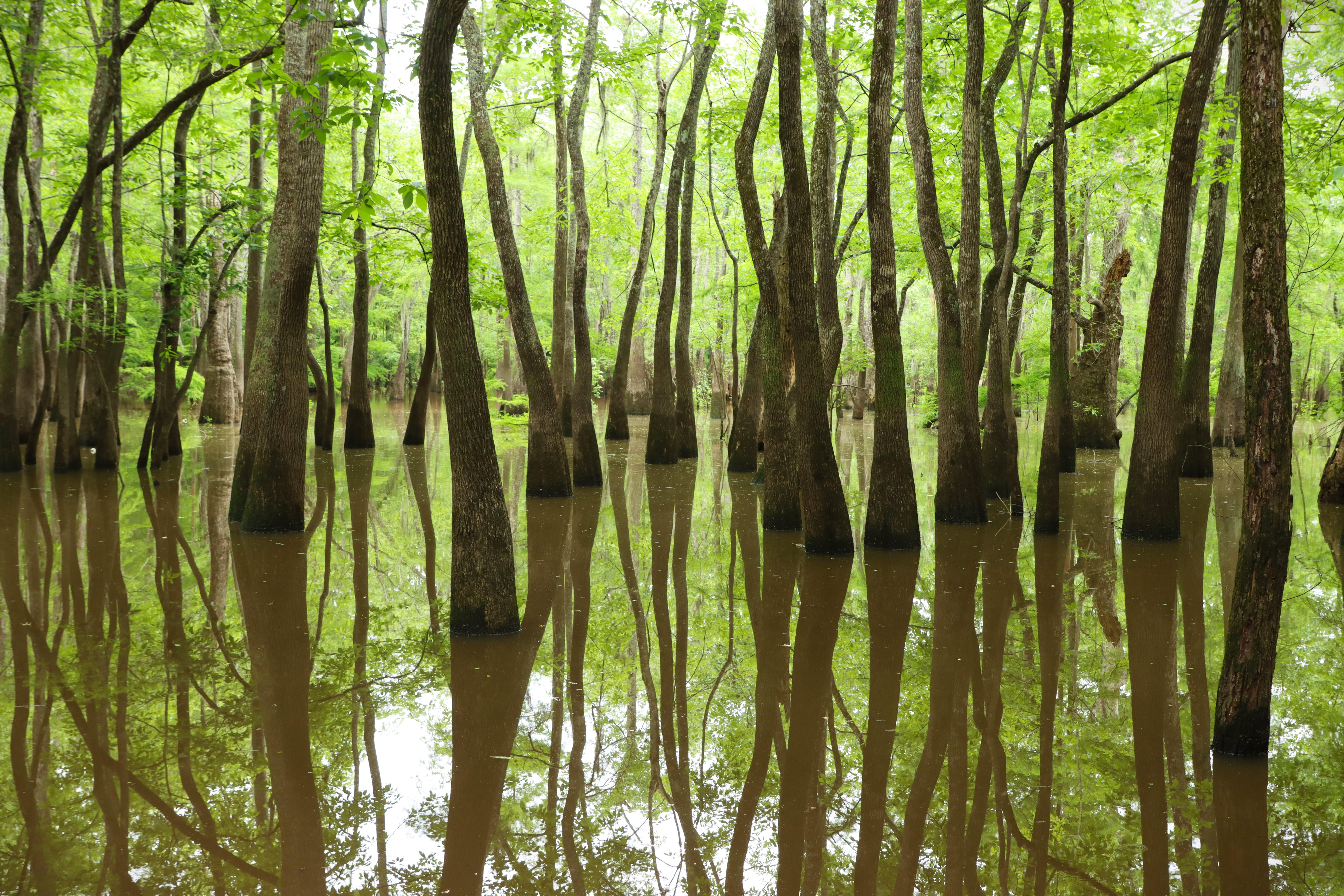
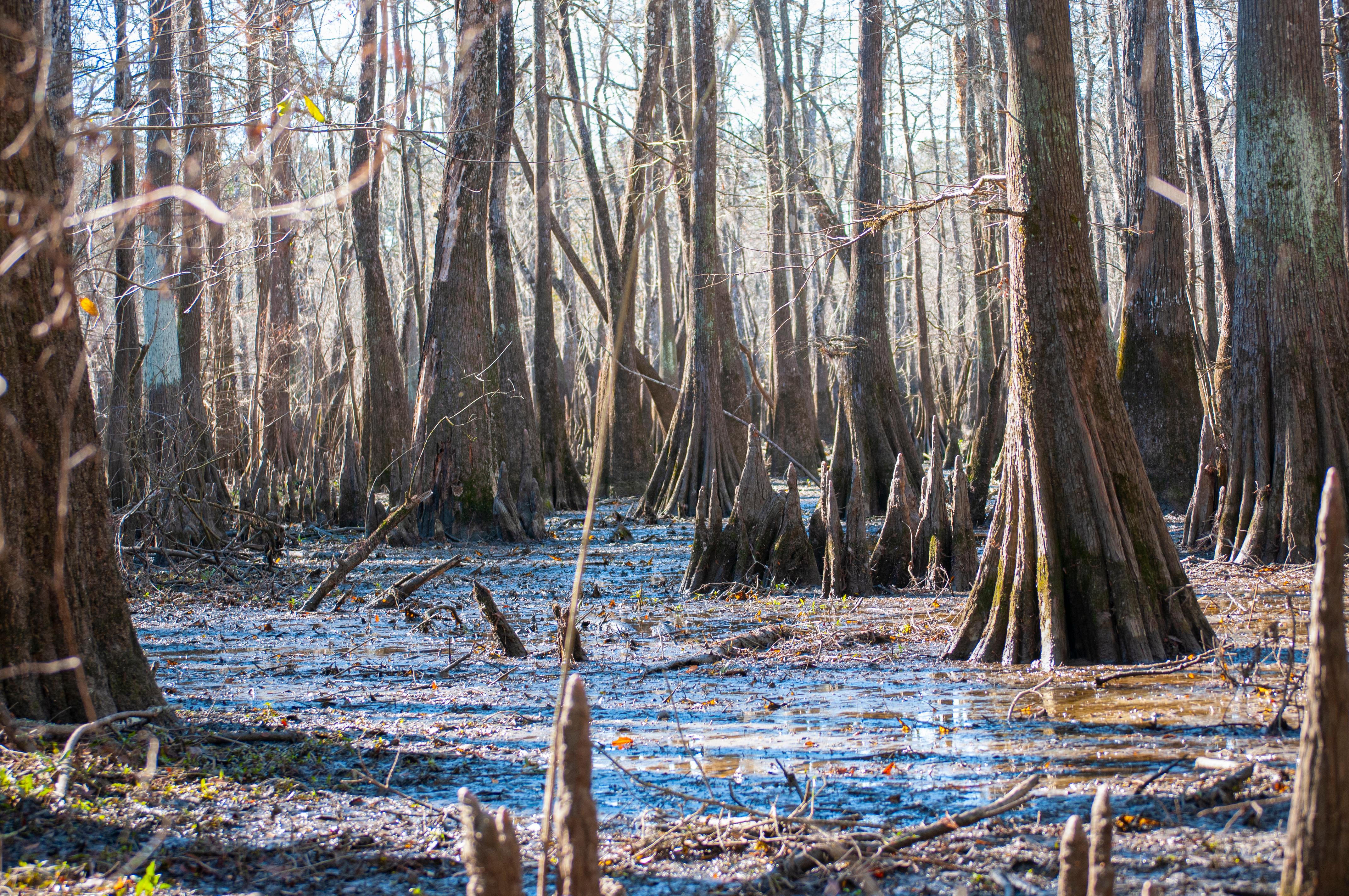
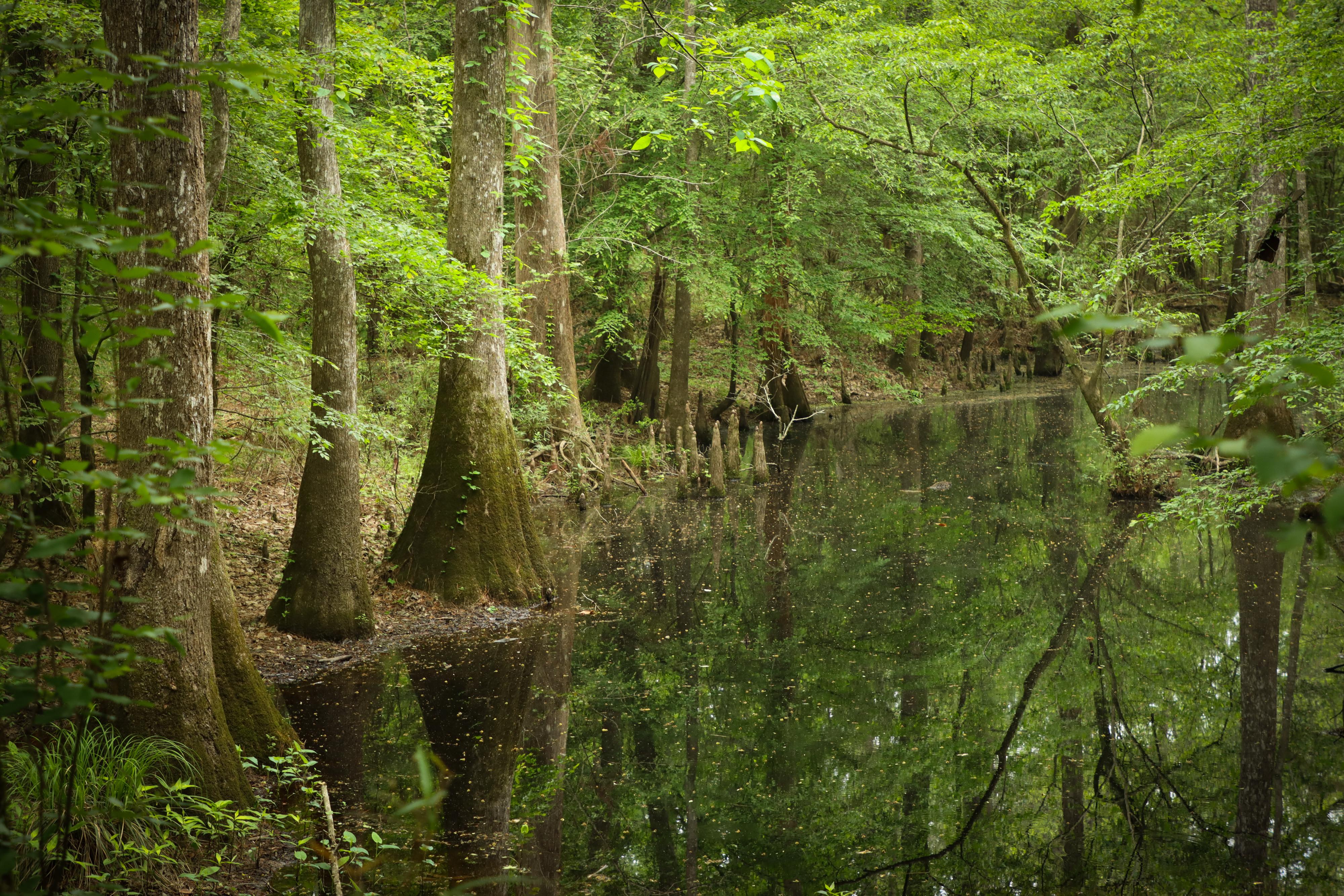
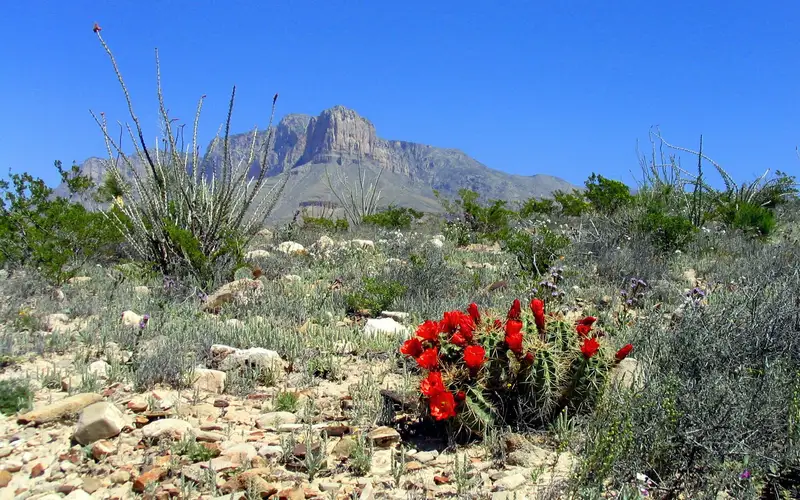
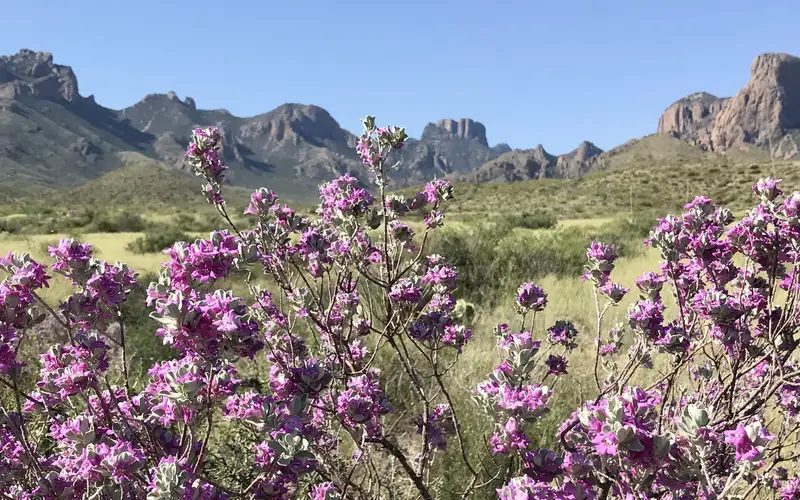
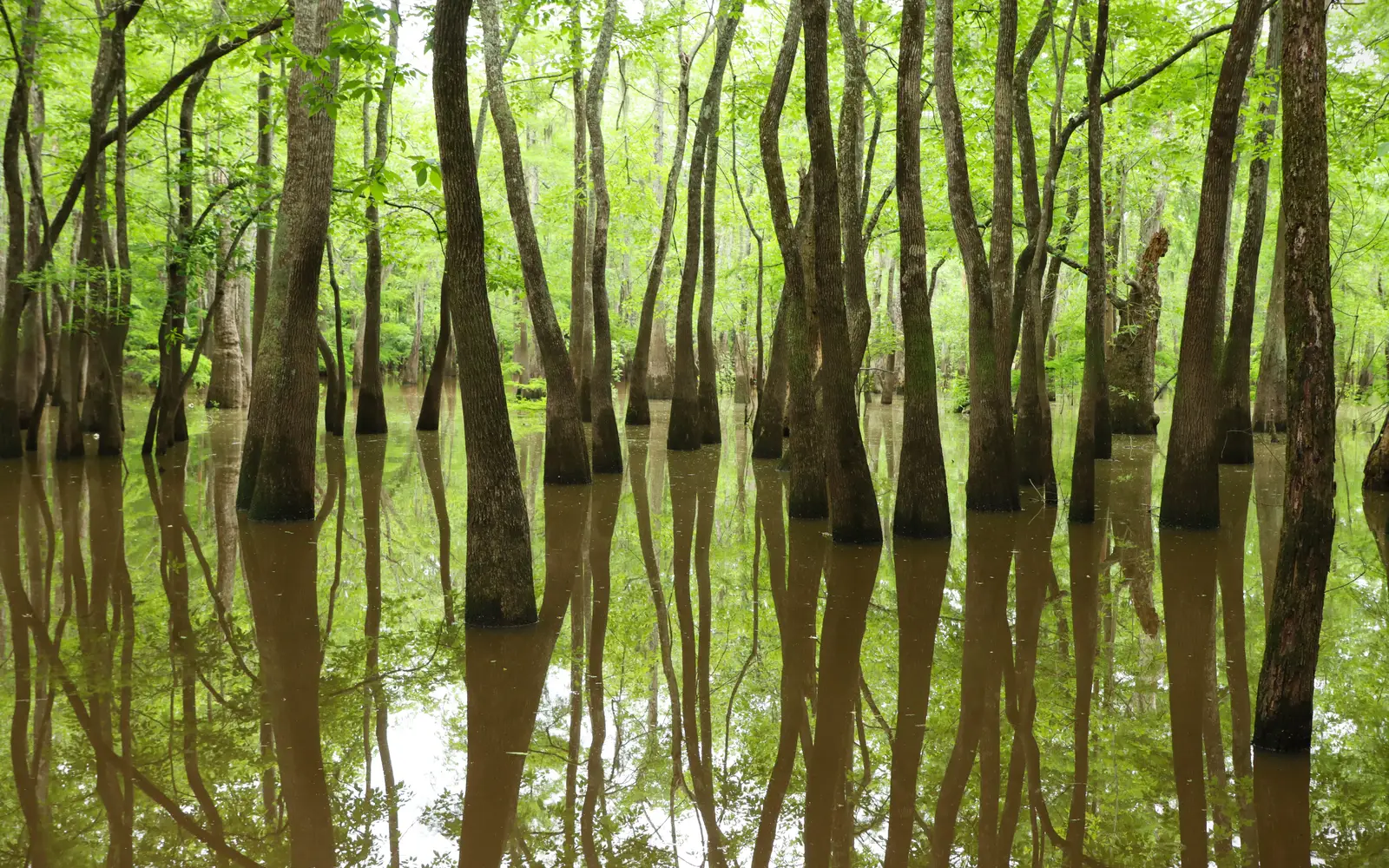
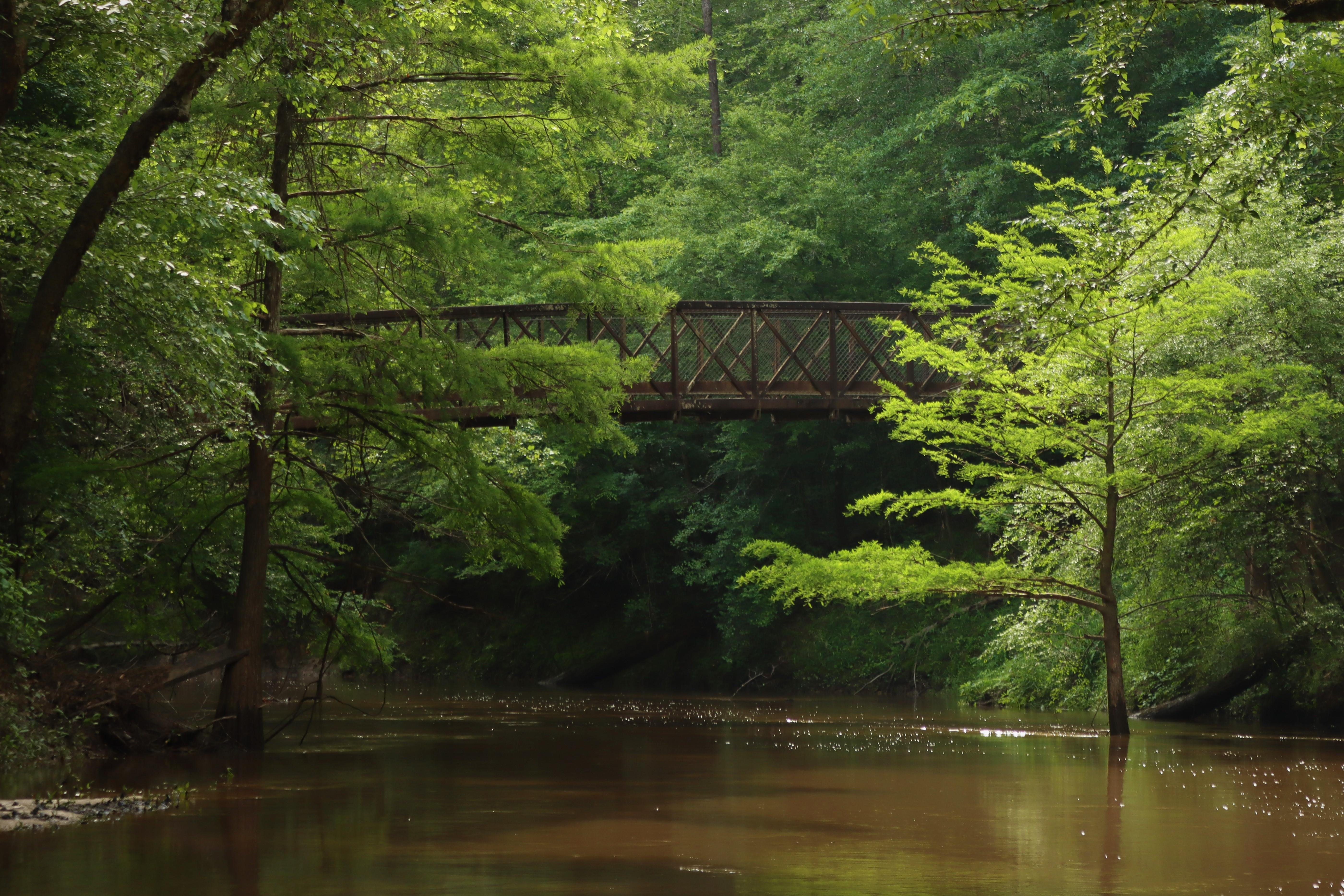
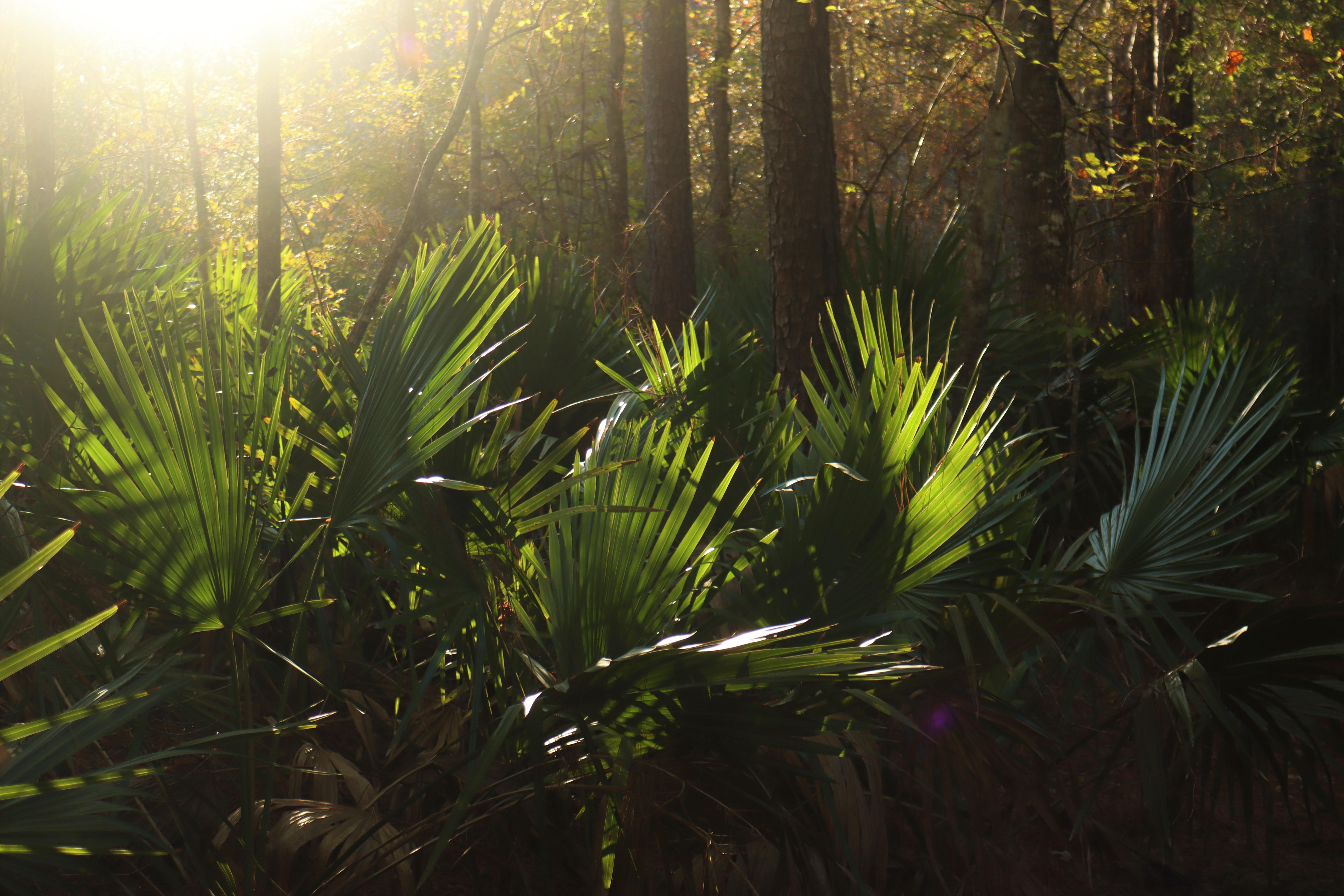
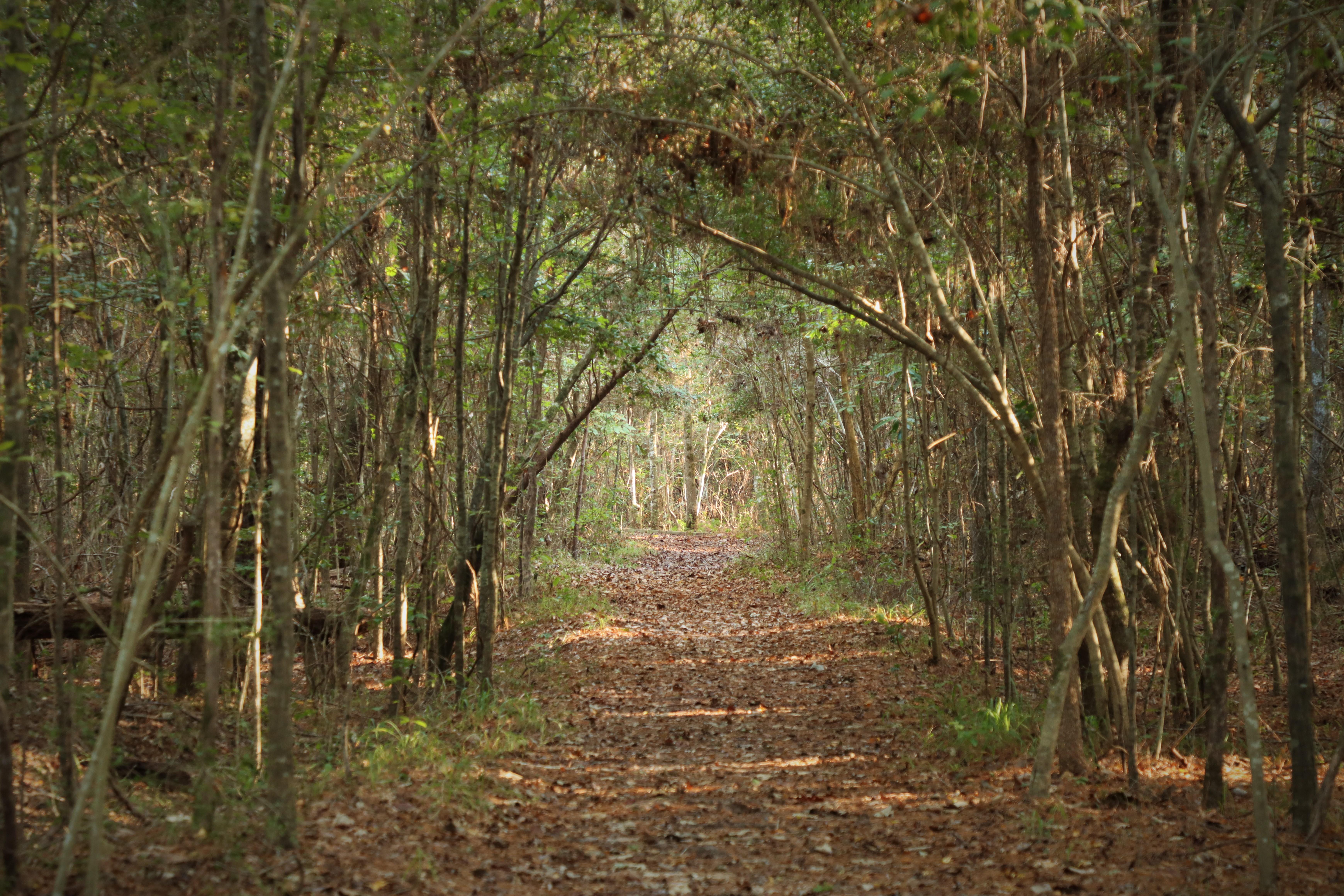
This southeast Texas preserve converges eastern hardwood forests, Gulf coastal plains, and Appalachian foothills across its sprawling landscape. It is not a single park with a central viewpoint or iconic summit; rather, it is a patchwork of separate units spread across multiple counties, connected by trails and waterways. Nine distinct ecosystems are represented, ranging from longleaf pine uplands to cypress-lined bayous. The experience rewards curiosity and patience. Visitors might hike into a carnivorous plant bog, then paddle a dark-water creek through a Spanish moss-draped canopy an hour later. Entry is free. The preserve operates around the clock. The activity menu is genuinely deep. This destination warrants a detour for anyone serious about nature, paddling, birding, or hunting. Casual sightseers expecting a conventional park layout may find the fragmented geography confusing.
What makes it worth it
Big Thicket National Preserve requires advance planning. The visitor center is the place to secure a backcountry camping permit and unit orientation. The preserve offers diverse experiences. Hikers navigate multiple habitat types. Paddlers can explore bayous and creek corridors, observing alligators, wood ducks, and various wading birds. Birders find a unique convergence of eastern and western species. Anglers and hunters have legal access. The Junior Ranger program and citizen science initiatives engage families. Free entry, 24-hour access, and camping options, combined with genuine ecological rarity, make Big Thicket a high-value destination.
Who should go
This destination caters to those seeking immersive outdoor experiences. Naturalists, birders, paddlers, hunters, and families will find substantial value. Hikers interested in varied ecosystems, rather than dramatic scenery, should also consider it rewarding. However, travelers prioritizing a single dramatic landmark, paved interpretive loops, or a conventional park layout should temper expectations; the fragmented unit structure demands significant navigational effort.
When to go
October and November stand out. The heat and humidity decline, biting insects diminish, and migratory bird traffic increases, establishing Big Thicket as a premier birding location. March and April also offer excellent conditions, preceding the May humidity surge. July and August are best avoided by most visitors; high humidity combined with potential tropical weather renders summer genuinely uncomfortable, sometimes dangerous.
Highlights
- Paddling cypress-lined bayous through canopy that feels completely isolated from southeast Texas suburbia
- Hiking across multiple distinct ecosystems - longleaf pine uplands to carnivorous plant bogs - within a single preserve
- Exceptional birdwatching at the convergence of eastern and western North American species ranges
- Legal hunting and fishing within a federally managed preserve, rare among NPS units
- Backcountry camping with a free permit system, keeping crowds minimal overnight
- Citizen science and hands-on programming that gives repeat visits a different purpose each time
Plan ahead
Entry is free, and the preserve operates 24 hours. Backcountry camping mandates a permit, obtainable at the visitor center during business hours. Arrive prepared if timing is tight. This is not a contiguous park, but rather a collection of units dispersed across southeast Texas. Guests should download a unit map and pre-select areas to match intended activities.
Editor's tipPaddle access here is subject to significant environmental variability. Smaller bayou corridors can become impassable during dry periods. Conversely, heavy rains create dangerously swift currents. Consulting visitor center staff for current waterway conditions is not merely advisable; it is essential for safe navigation.