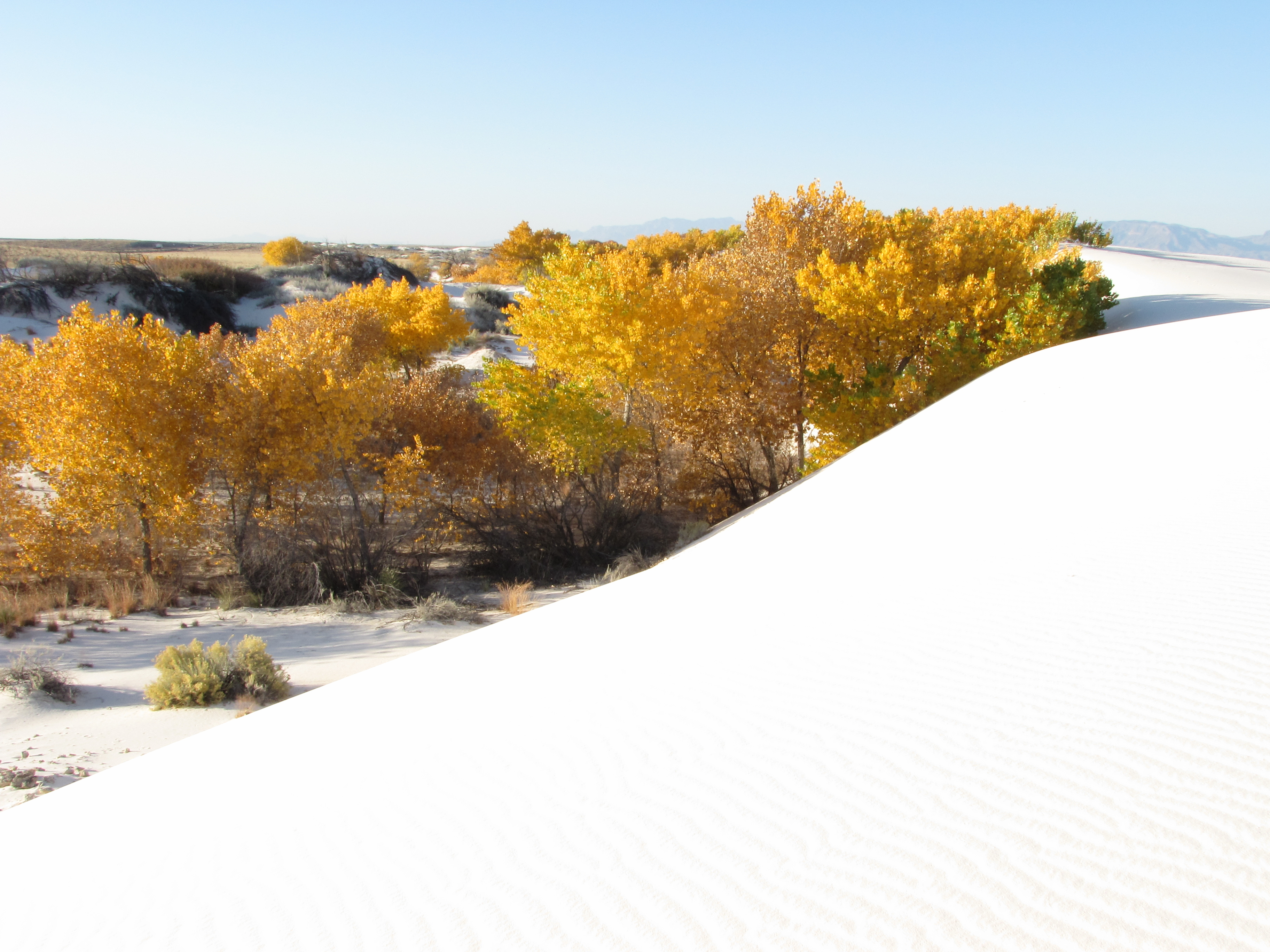
Should you visit White Sands National Park?
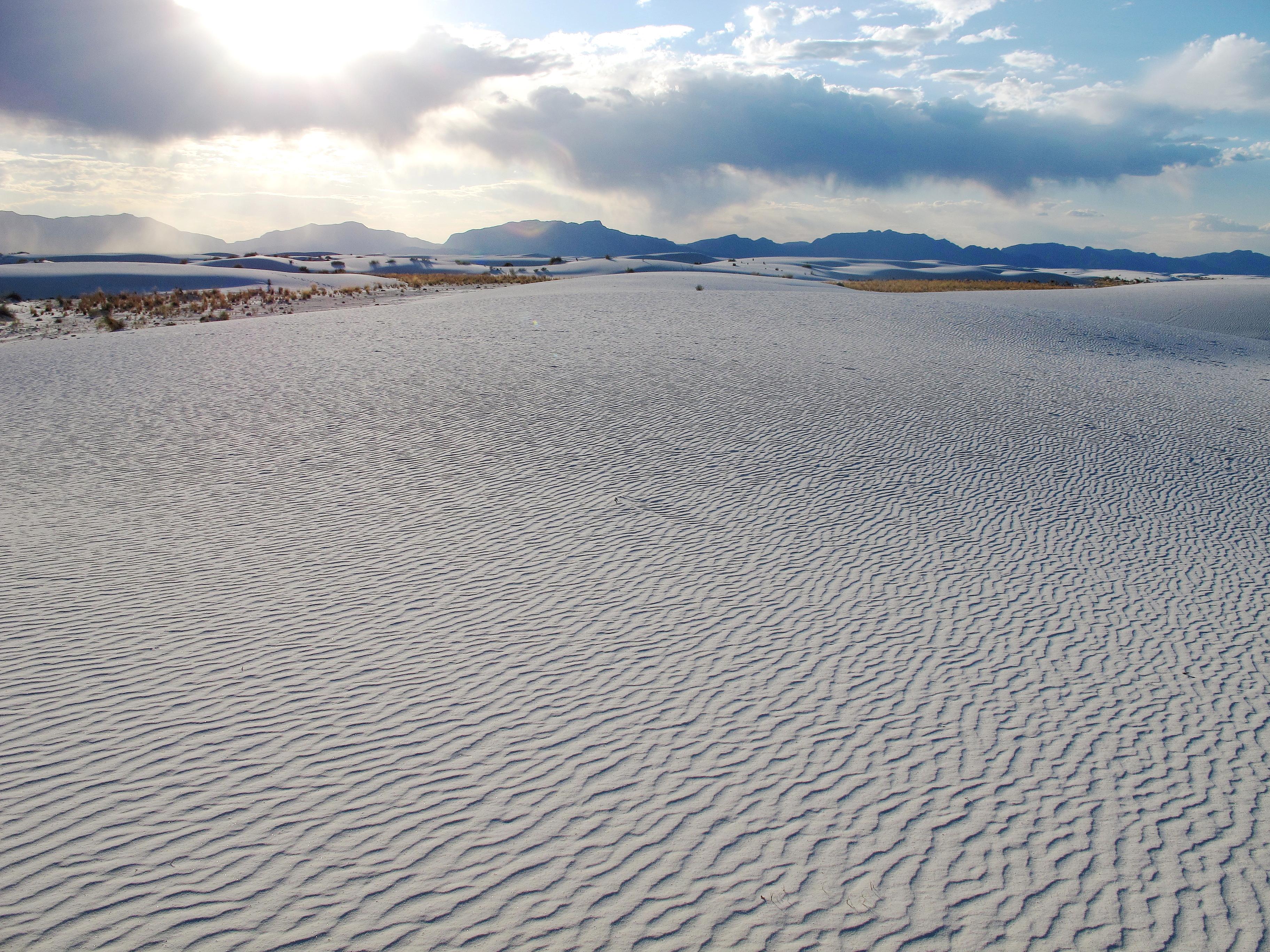
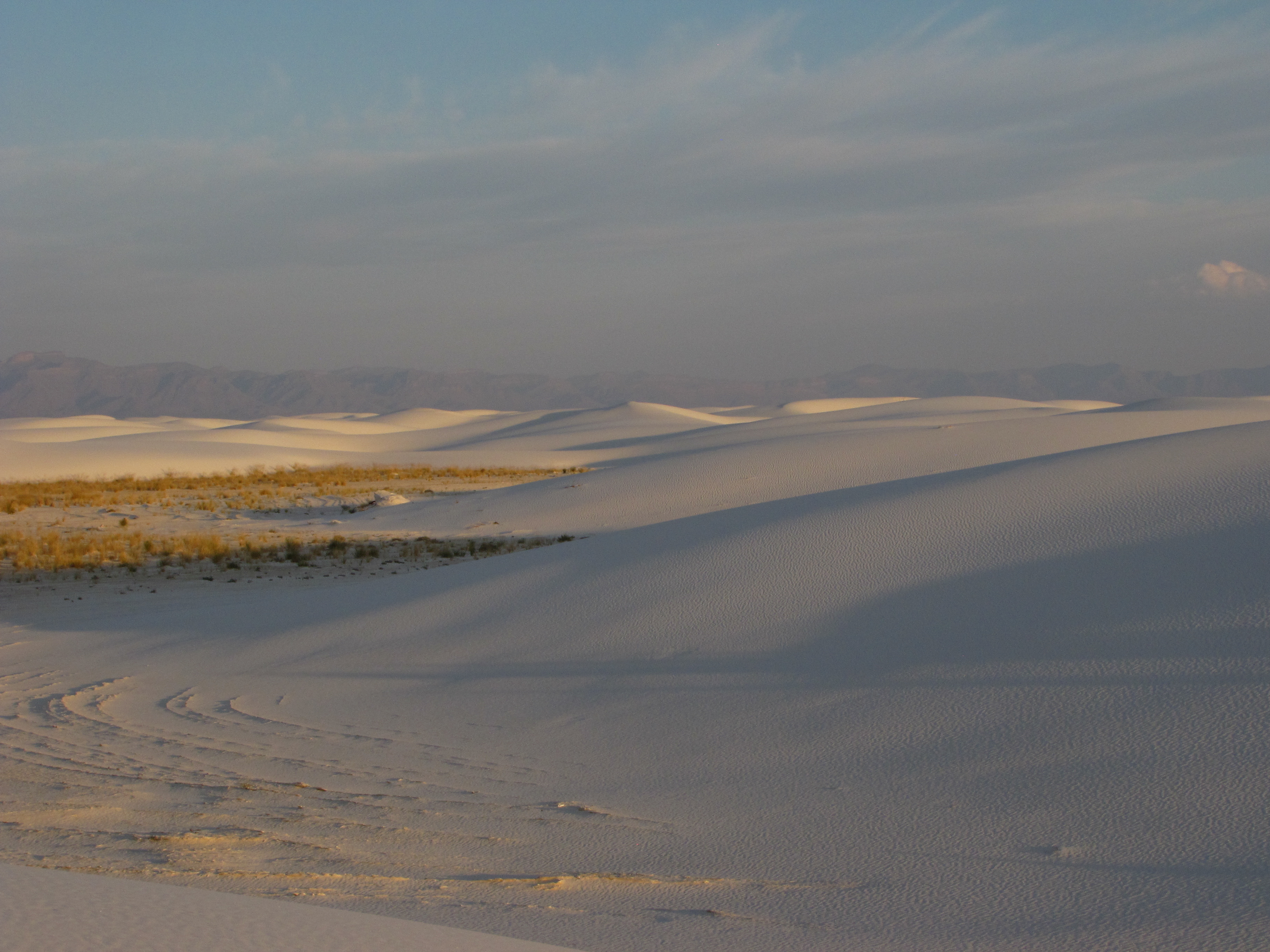
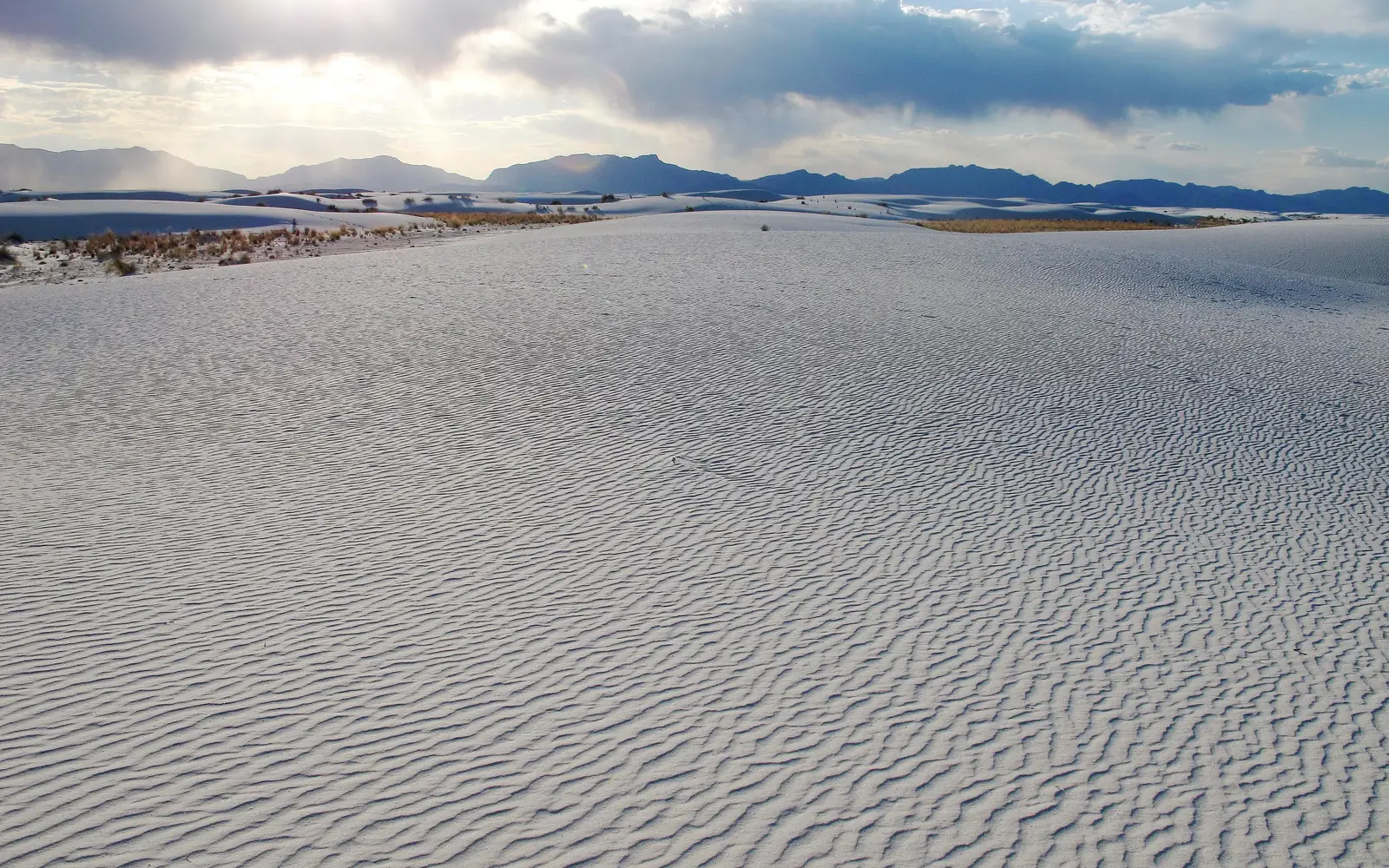
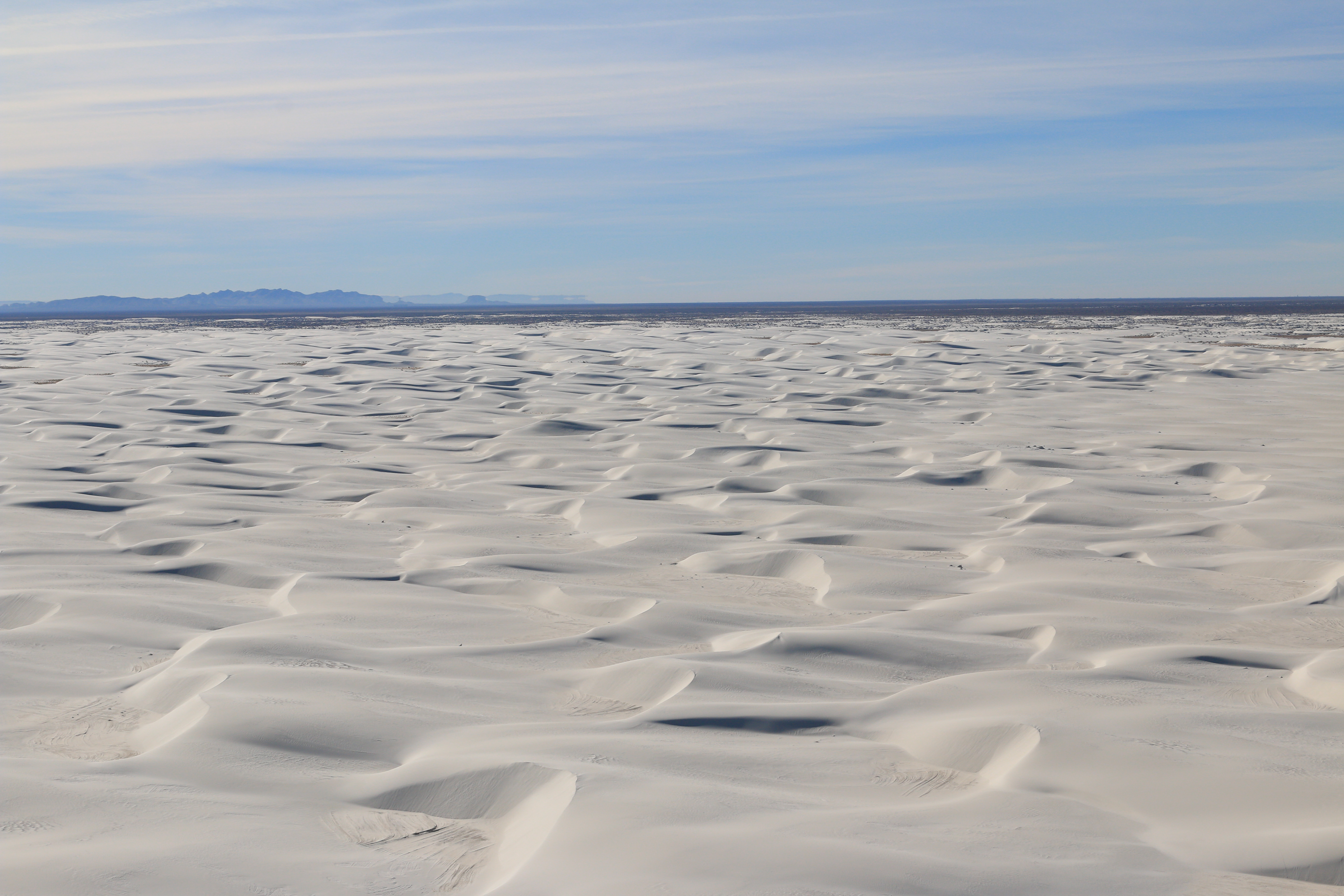
White Sands presents a genuinely surreal landscape: 275 square miles of gypsum dunes.
It evokes a frozen arctic sea more than a New Mexico desert. The experience score of 63 highlights a limitation: its activity menu is solid but not extensive. The park is compact. Most visitors will cover its core offerings in a single day. Yet, the visual payoff remains extraordinary and nearly
What makes it worth it
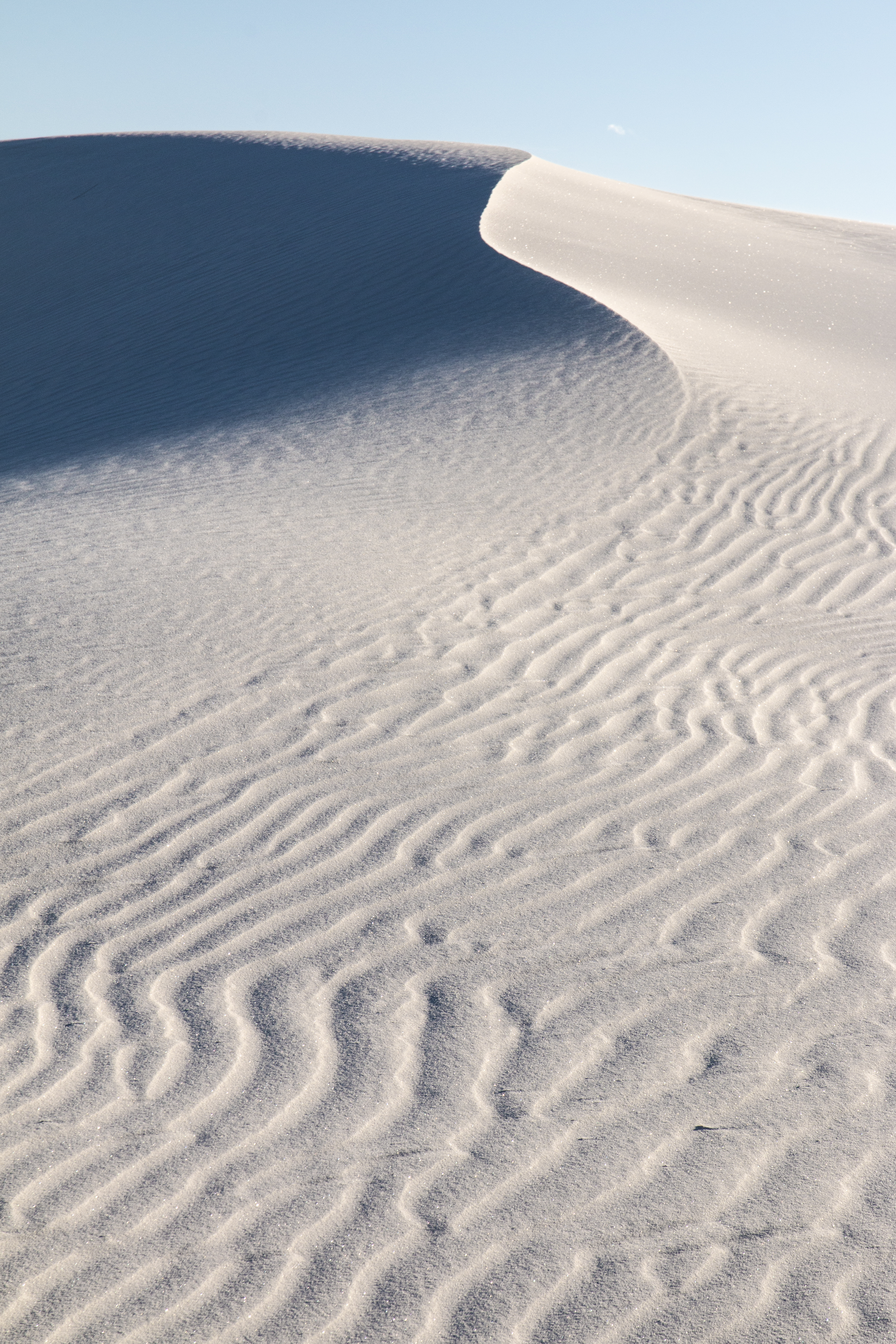
This park unit rewards early risers. Drive into the dunefield before the heat and crowds peak. Walking among the dunes reveals gypsum shifting color with the light. Hiking options vary from accessible short walks to extensive backcountry routes. Biking the main road through the dunes offers a distinctive experience. For photographers, a sunset visit, timed when the park remains open, captures the low-angle light on white gypsum. Families can enjoy a picnic within the dunes and complete the Junior Ranger Program, an activity well-suited to the park's unique geology and ecology.
Who should go
White Sands best suits photographers and families with young children. Road-trippers in southern New Mexico should consider it a mandatory stop. The park offers ideal conditions for a half-day or full-day visit. Dedicated backpackers seeking extensive technical wilderness may find its footprint too small. This is not a primary destination for a long flight.
When to go
Autumn offers the ideal conditions, with mild days and comfortable nights perfect for backcountry camping. Expect no brutal heat or high winds. Spring brings the year's windiest period; blowing sand can be a significant concern. Summer visits require strategy: arrive at opening and depart by noon, or return closer to sunset to avoid intense midday heat. Winter provides mild, uncrowded days and cool, pleasant evenings for camping.
Highlights
- Driving the scenic road deep into the world's largest gypsum dunefield
- Backcountry camping overnight inside the dunes - one of the more unusual camping experiences in the NPS system
- Sunset light on white gypsum, with the park staying open 30 minutes past local sunset
- Biking through the dunefield on the park road
- Guided tours that put the geology and wildlife of the basin in real context
- Junior Ranger Program built around a genuinely unique and teachable landscape
Plan ahead
At $15 per vehicle, the entry fee is reasonable. However, daily operating hours, from 7:00 am until 30 minutes after local sunset, demand careful planning. Sunset here occurs about eight minutes earlier than Alamogordo's posted times; verify closing each day to avoid being locked in. Limited cell service further isolates visitors. Carry extra water, particularly during summer months. This park rewards preparation.
Editor's tipFor visitors planning a sunset stay, the park's local sunset occurs 8 minutes earlier than Alamogordo's reported time. Confirm the precise closing time at the entrance station upon arrival. This prevents a hurried return in the dark.