Is Bandelier National Monument worth your trip?
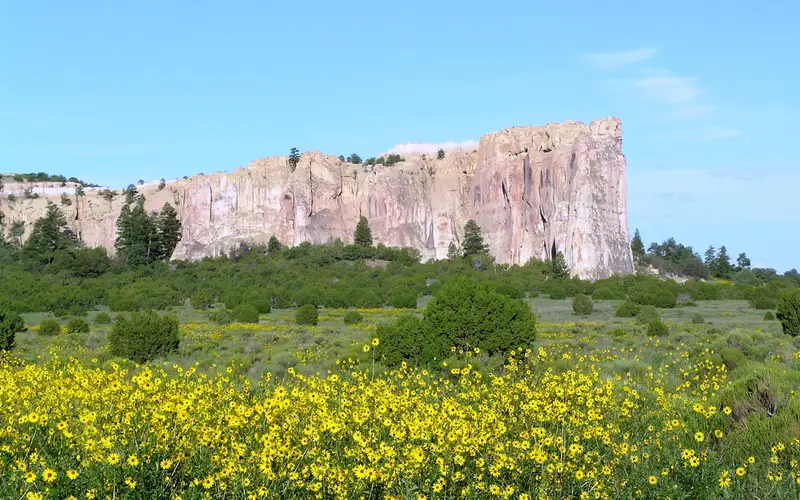
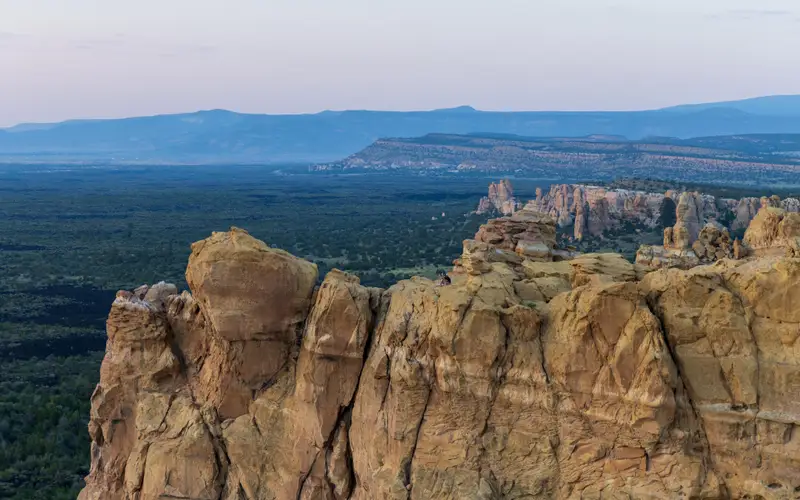
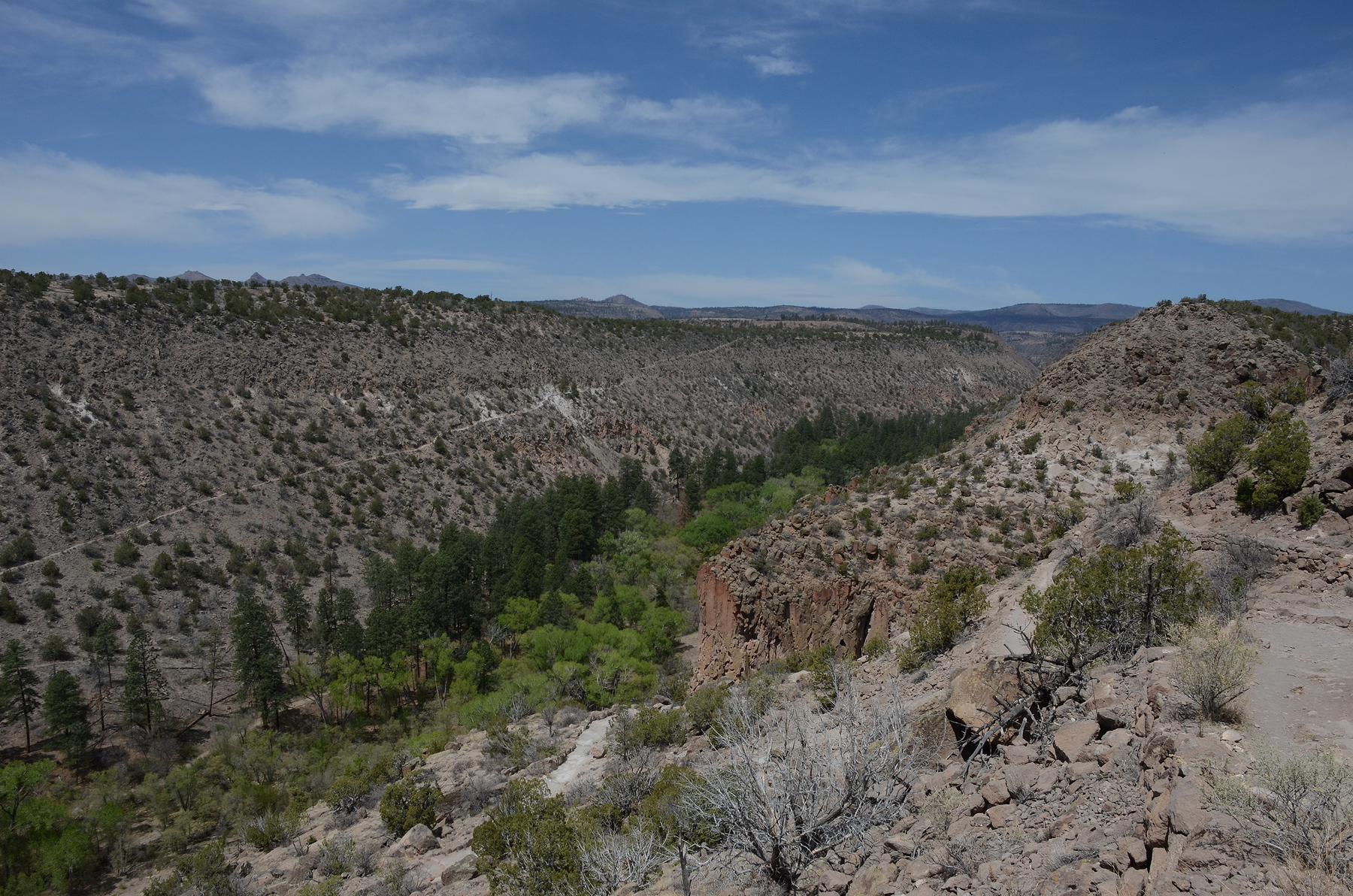
Bandelier National Monument offers a profound encounter with Ancestral Pueblo history, spanning more than 33,000 acres of New Mexico's canyon and mesa country.
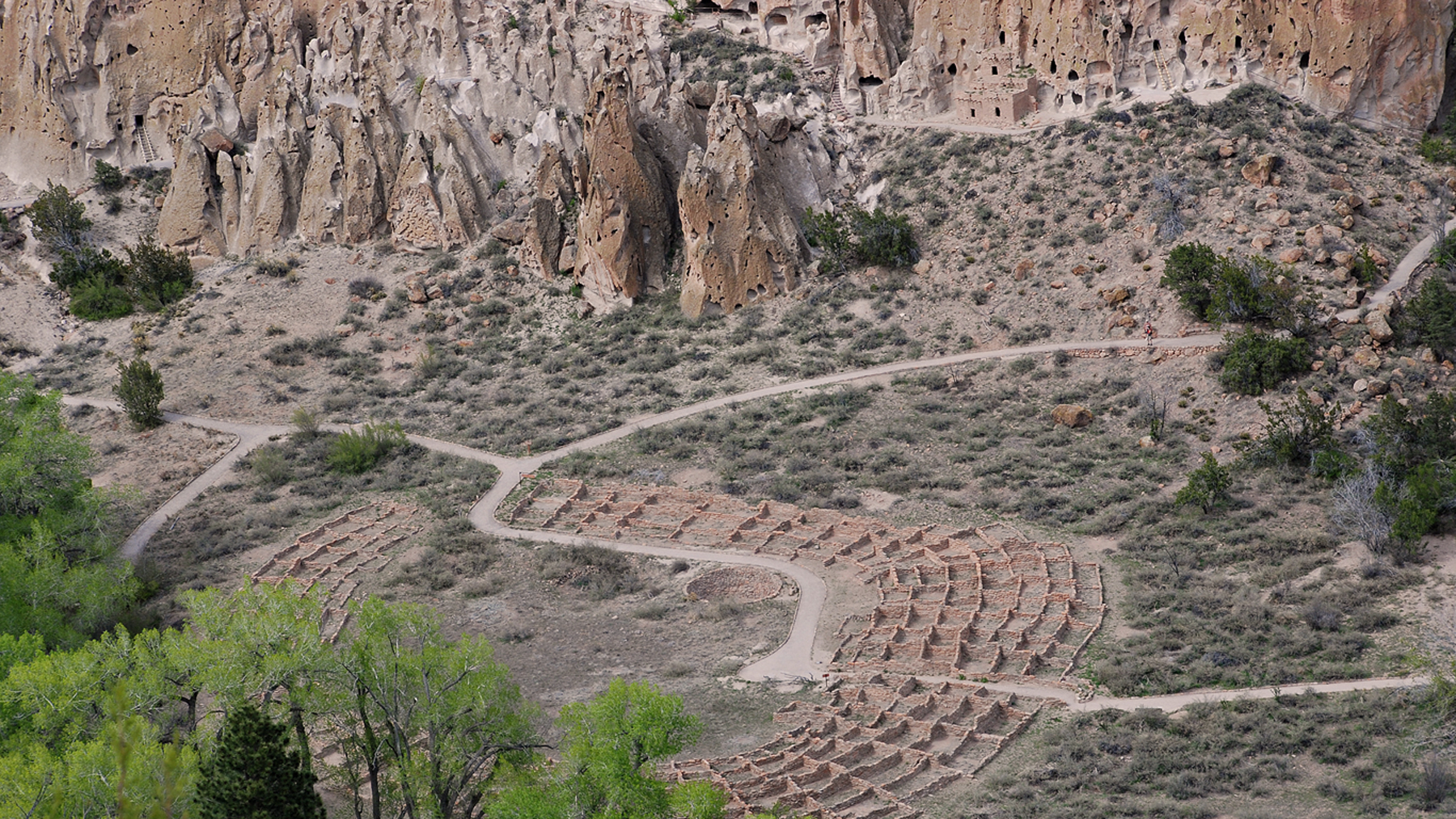
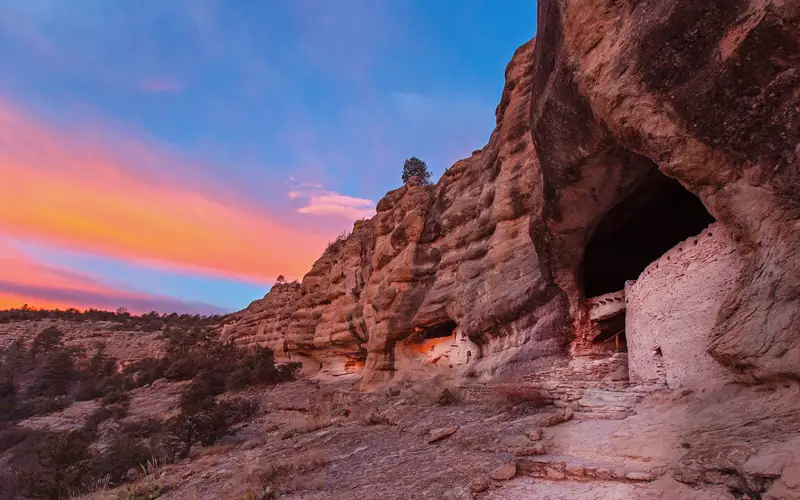
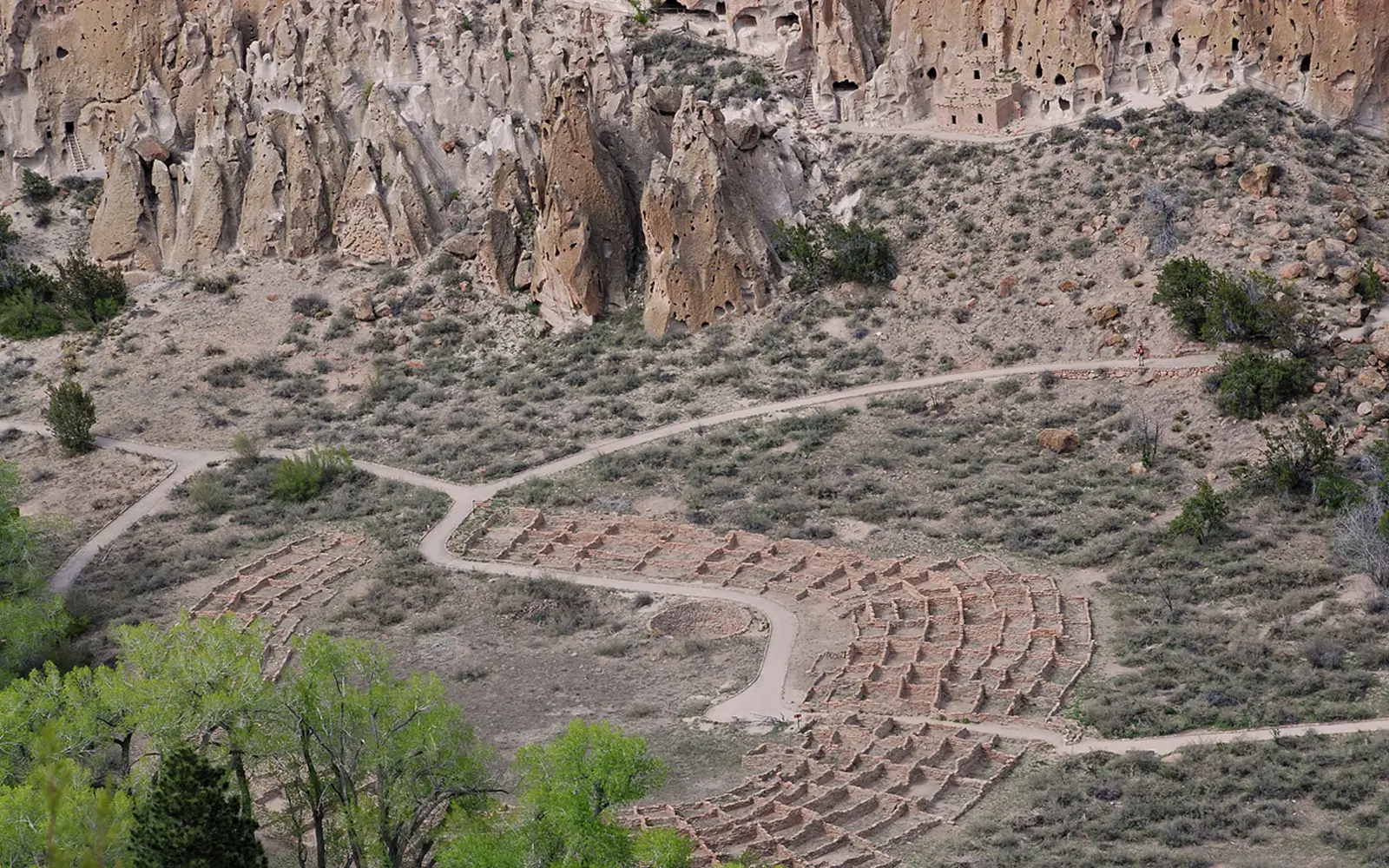
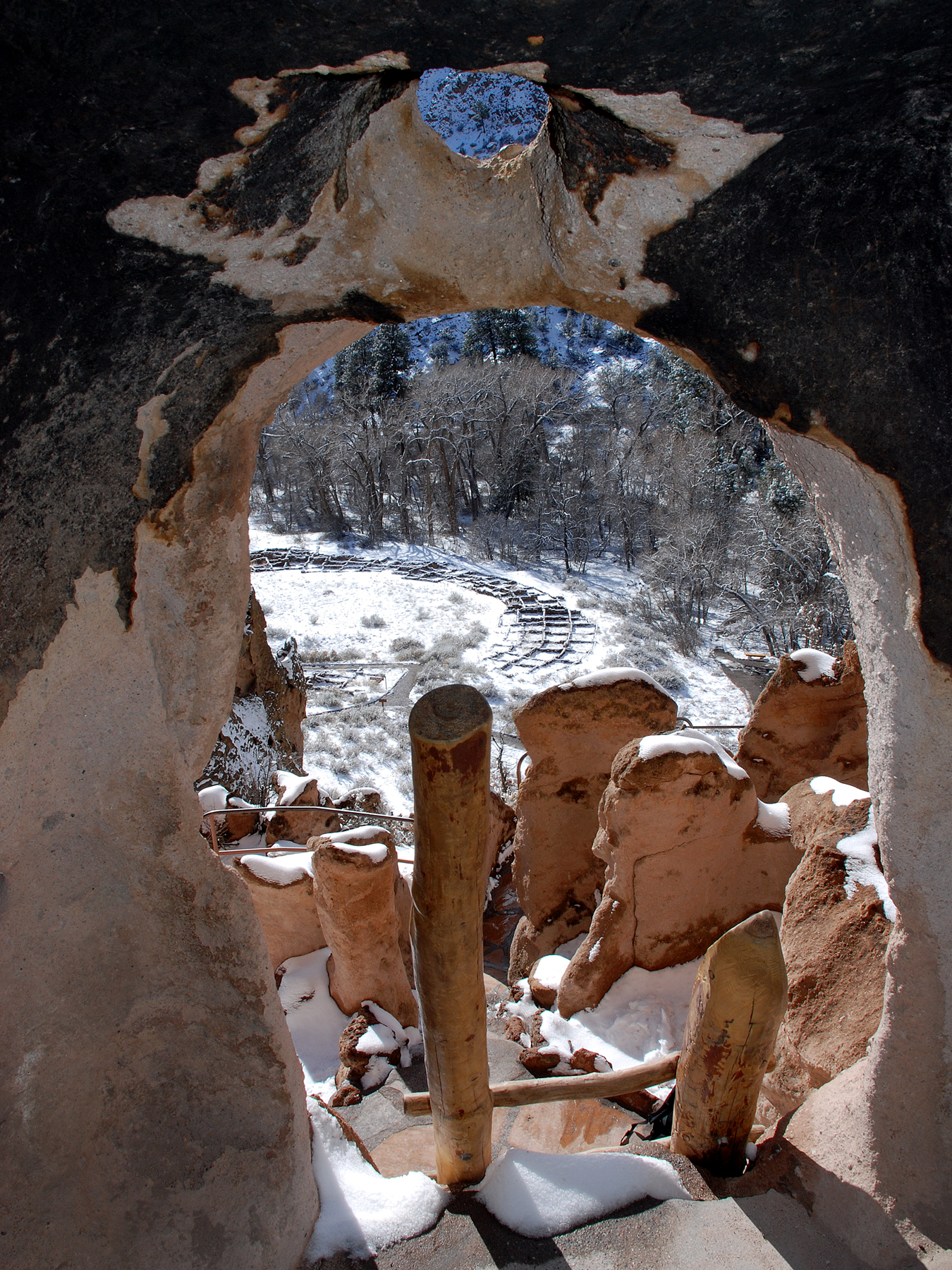
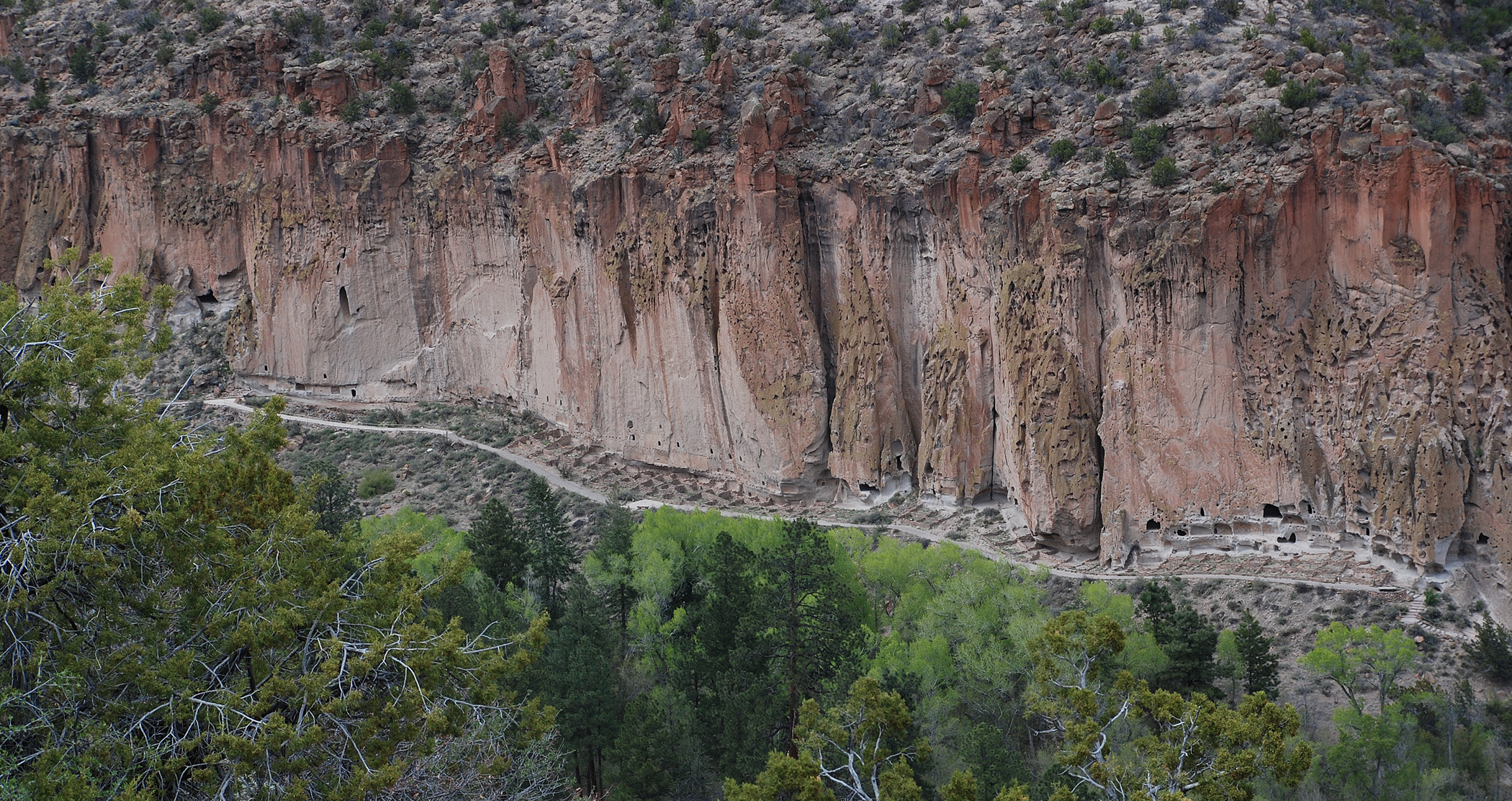
Its defining feature is the direct access it grants to ancient cliff dwellings carved into volcanic tuff. Visitors can enter these structures, an experience that elevates the visit beyond typical archaeological sites. The monument's Experience Score of 90 is well-earned, reflecting its diverse offerings. Beyond the cultural core, opportunities abound for backcountry hiking, family-friendly front-country trails, and winter snowshoeing or cross-country skiing. Dark-sky stargazing is also a notable draw. This is not a monument for a quick stop. Bandelier demands at least a full day, and an overnight stay in its camping facilities transforms the visit. History enthusiasts, serious hikers, and families with inquisitive children will find exceptional value here.
Why go
Bandelier National Monument presents a compelling destination. Its main canyon loop offers direct access to cavate rooms and alcove dwellings dating back a millennium. This self-guided option serves both family groups and serious history enthusiasts. Beyond the loop, an extensive trail network provides half-day or full-day backcountry excursions into the mesa and canyon. Evenings reveal dark skies, ideal for stargazing, with minimal light pollution from distant Albuquerque. Winter transforms the monument into a snowshoe and cross-country ski area, confirming its four-season appeal. Guided tours and cultural demonstrations further enrich the visitor experience, adding vital context to the ancient structures.
Best for
This unit distinguishes itself through interactive archaeological sites, offering more than passive observation. Its Junior Ranger program provides a significant draw for families with children capable of navigating ladders and undertaking short hikes. For those seeking solitude, the backcountry presents a quieter, wilder experience of the terrain. This destination is unsuitable for resort-focused travelers or individuals with limited mobility.
Best season
Optimal visiting conditions arrive in late spring and early fall, offering mild temperatures, fewer crowds, and predictable weather. June presents the hottest, driest conditions. From July through September, severe afternoon and evening thunderstorms are common; plan hikes for mornings. Winter provides a compelling option for snowshoeing, cross-country skiing, and solitude. Spring weather is highly variable, with 70-degree days capable of flipping to wet snowstorms; aggressive layering is essential.
The high points
- Climbing wooden ladders into actual cliff dwellings carved into volcanic tuff
- Petroglyph viewing and standing masonry ruins along the self-guided canyon trail
- Dark-sky stargazing from a monument with minimal nearby light pollution
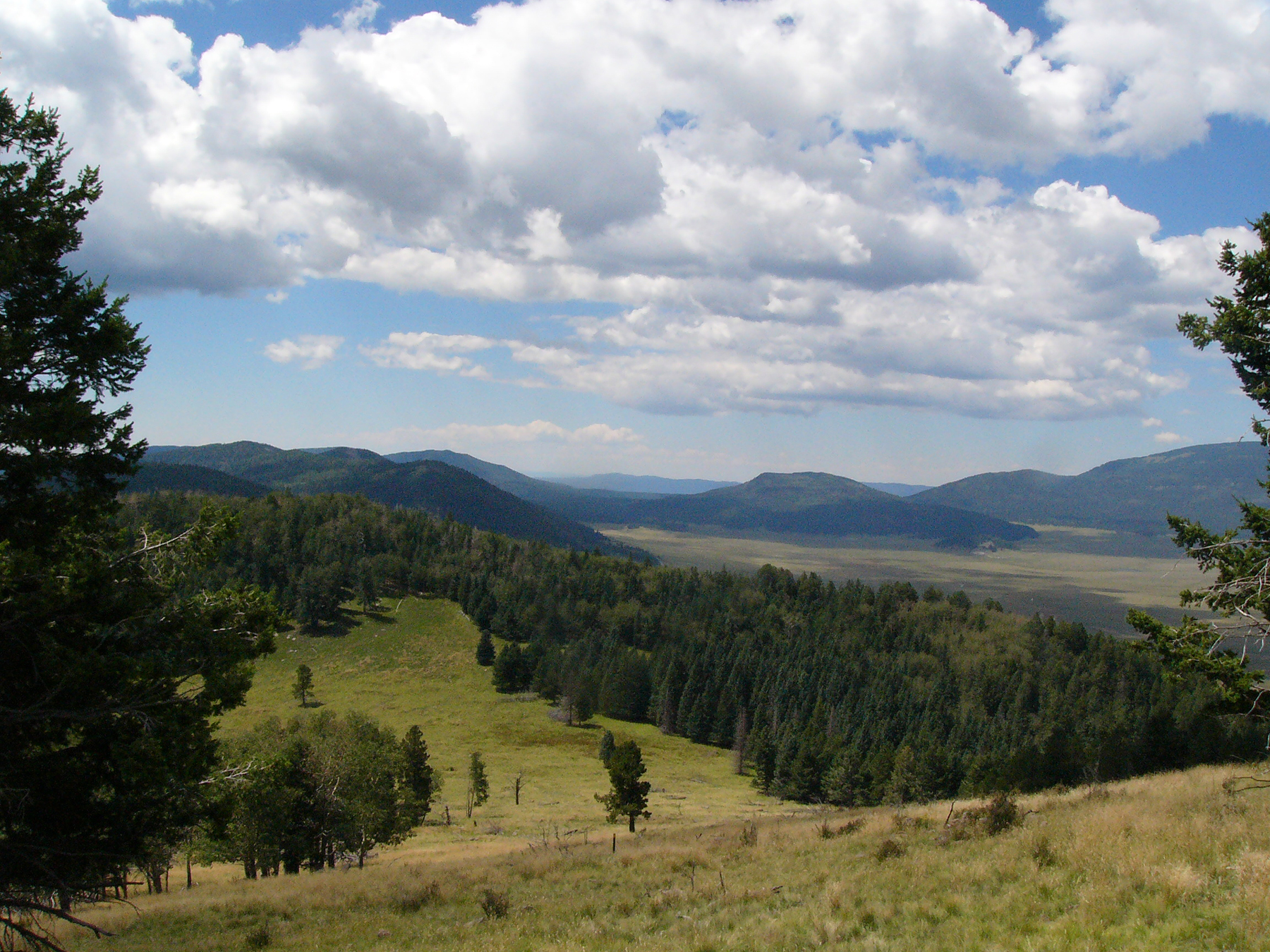
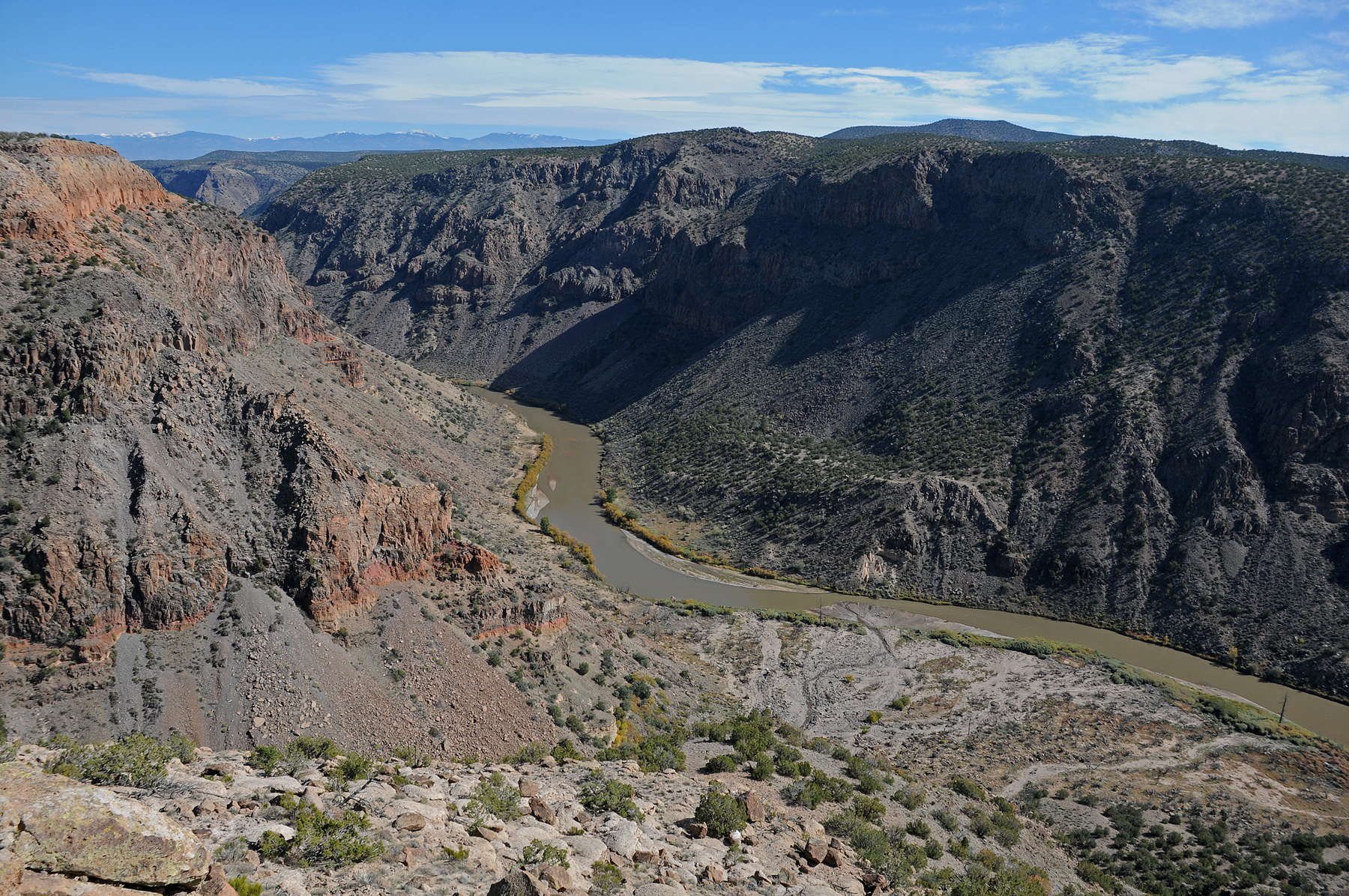
- Backcountry hiking and camping across 33,000 acres of canyon and mesa terrain
- Winter snowshoeing and cross-country skiing on the same trail network
- Cultural and craft demonstrations that connect the ancient sites to living Pueblo communities
Know before you go
Entry is $15 per vehicle. This monument opens at dawn and closes at dusk; these times shift significantly seasonally. Check specific times before any visit to avoid being caught on trail. Summer afternoon thunderstorms arrive quickly. Starting hikes early is therefore advisable. The visitor center offers a park film, museum exhibits, and a bookstore. Camping is available in both front-country and backcountry sites.
One more thingThe main canyon loop draws significant visitation, but the monument's backcountry offers considerable scale for this park type. For those with more than a day, or even an afternoon after touring cliff dwellings, a backcountry permit opens up mesa trails. This provides a distinct and notably quieter engagement with the landscape.