Is El Morro National Monument worth your trip?
El Morro offers a unique historical immersion.
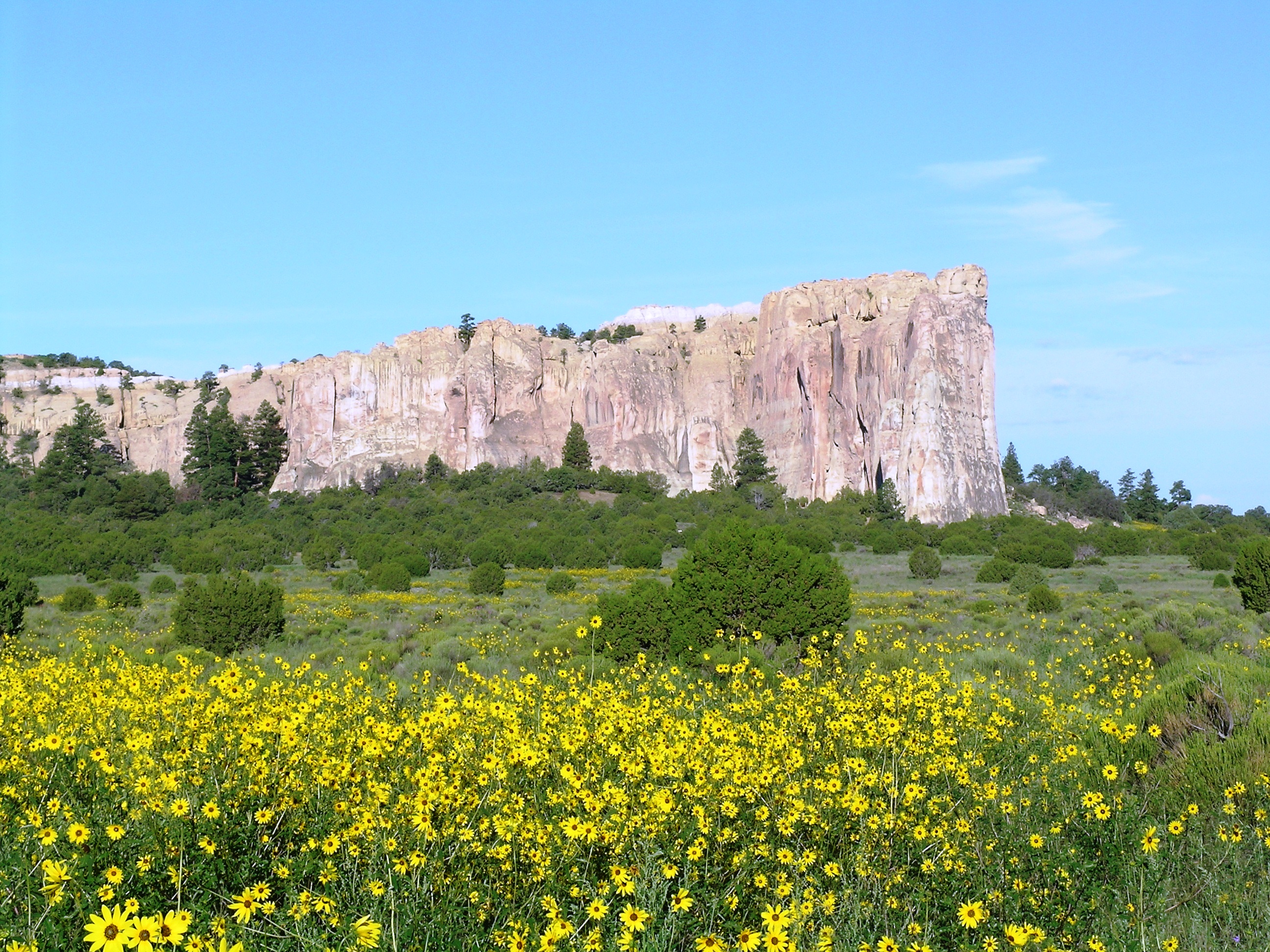
Its central feature, Inscription Rock, presents over 2,000 carved signatures, dates, petroglyphs, and messages. This dense layering of human record, from ancestral Puebloans to Spanish conquistadors and 19th-century American emigrants, is unparalleled within the National Park system. The monument itself is compact. A half-day visit allows full exploration. Entry is free. A small campground is available. Located at 7,219 feet, the night skies are exceptional. This destination is not for those seeking adrenaline. It caters instead to history enthusiasts and travelers who appreciate the profound weight of a 400-year-old carved name. El Morro provides significant historical depth for its size.
Why go
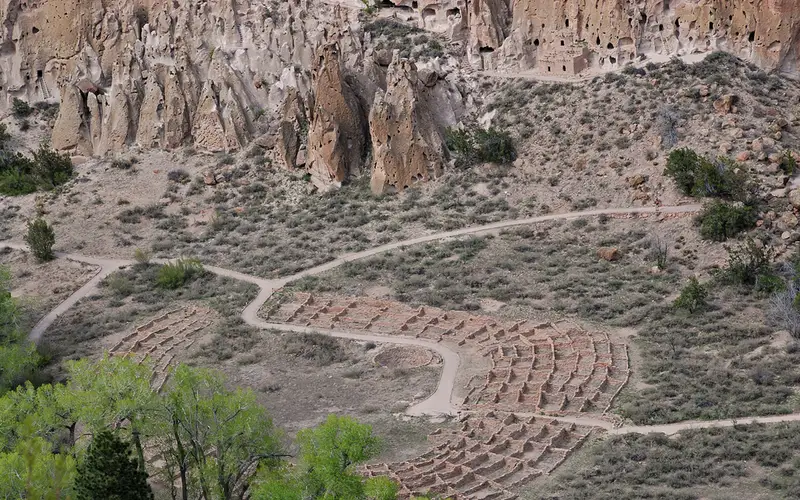
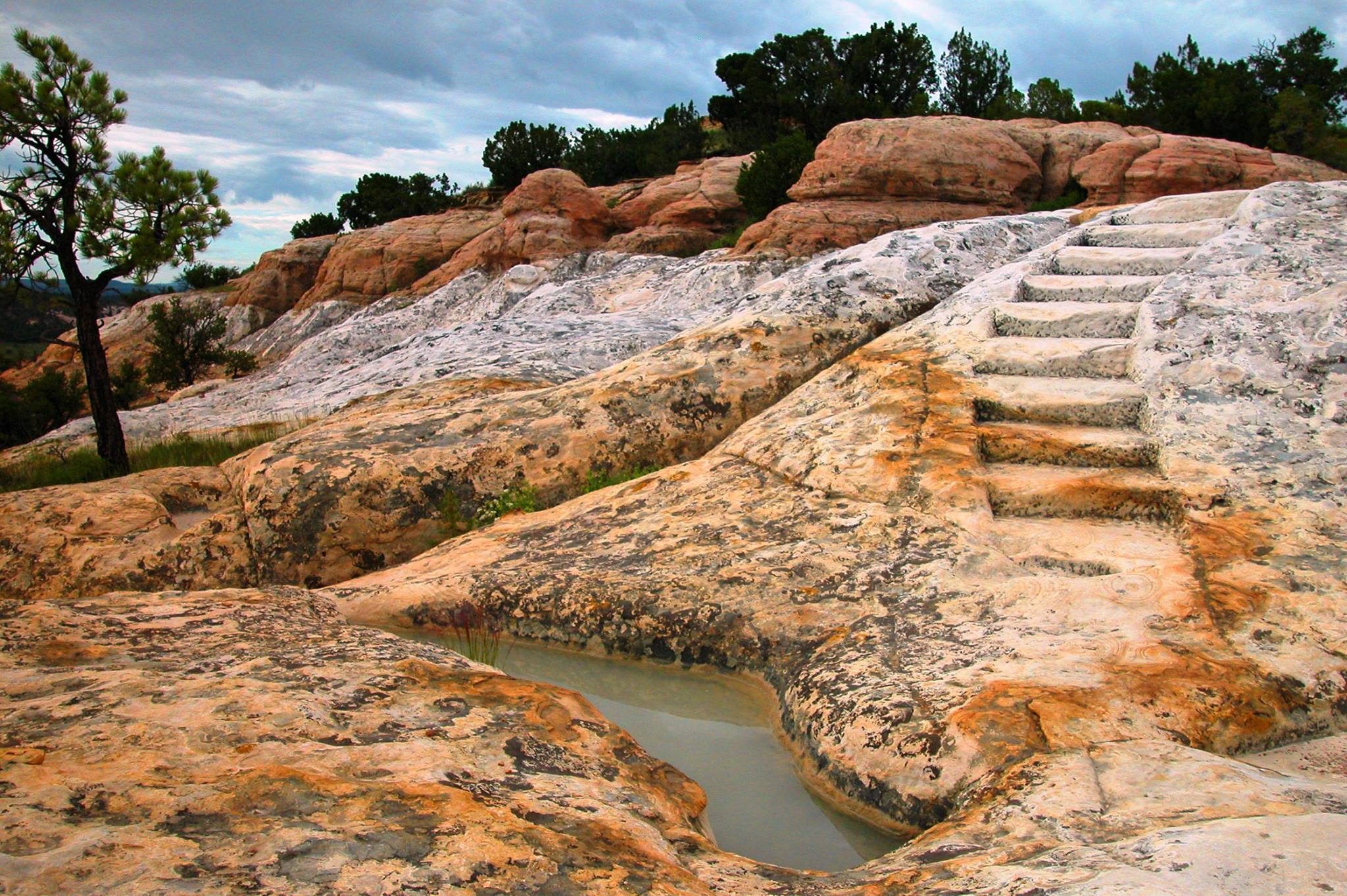
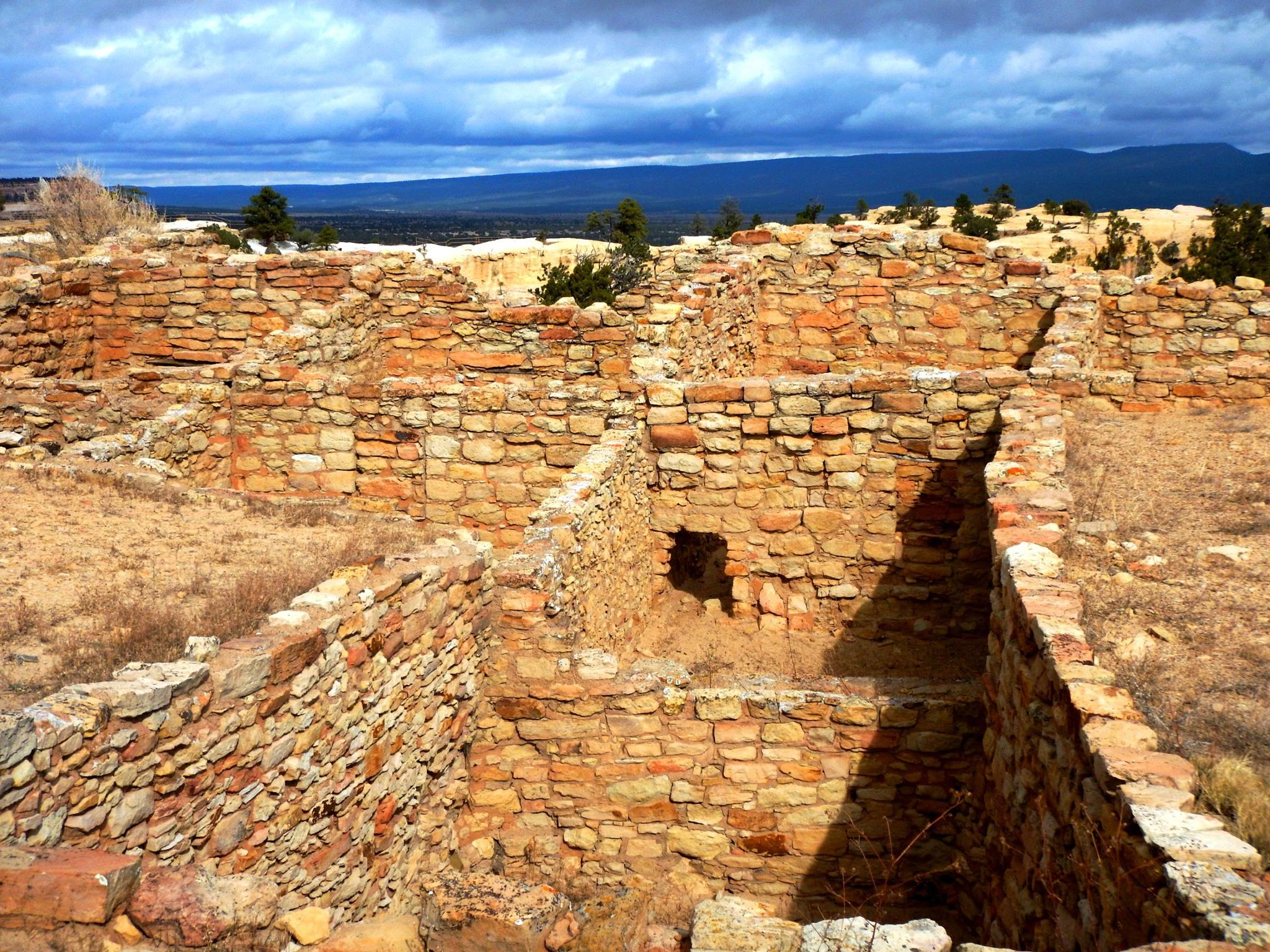
El Morro's compact appeal centers on its two self-guided trails. The shorter loop offers intimate access to the inscriptions: a rich palimpsest of pre-Columbian petroglyphs, Spanish colonial notations, and American frontier marks. The longer mesa trail ascends to ancestral Puebloan ruins, providing an archaeological context that enriches the historical narrative. Ranger programs and guided tours deepen this understanding. The visitor center museum and park film provide further historical background. For those staying in the small campground, the elevation and minimal light pollution create a legitimate stargazing opportunity. The astronomy and stargazing programs are a distinct advantage this historical monument offers.
Best for
This unit offers substantial rewards for history enthusiasts, archaeology buffs, and travelers traversing between Albuquerque and Arizona. The Junior Ranger program provides a tangible
Best season
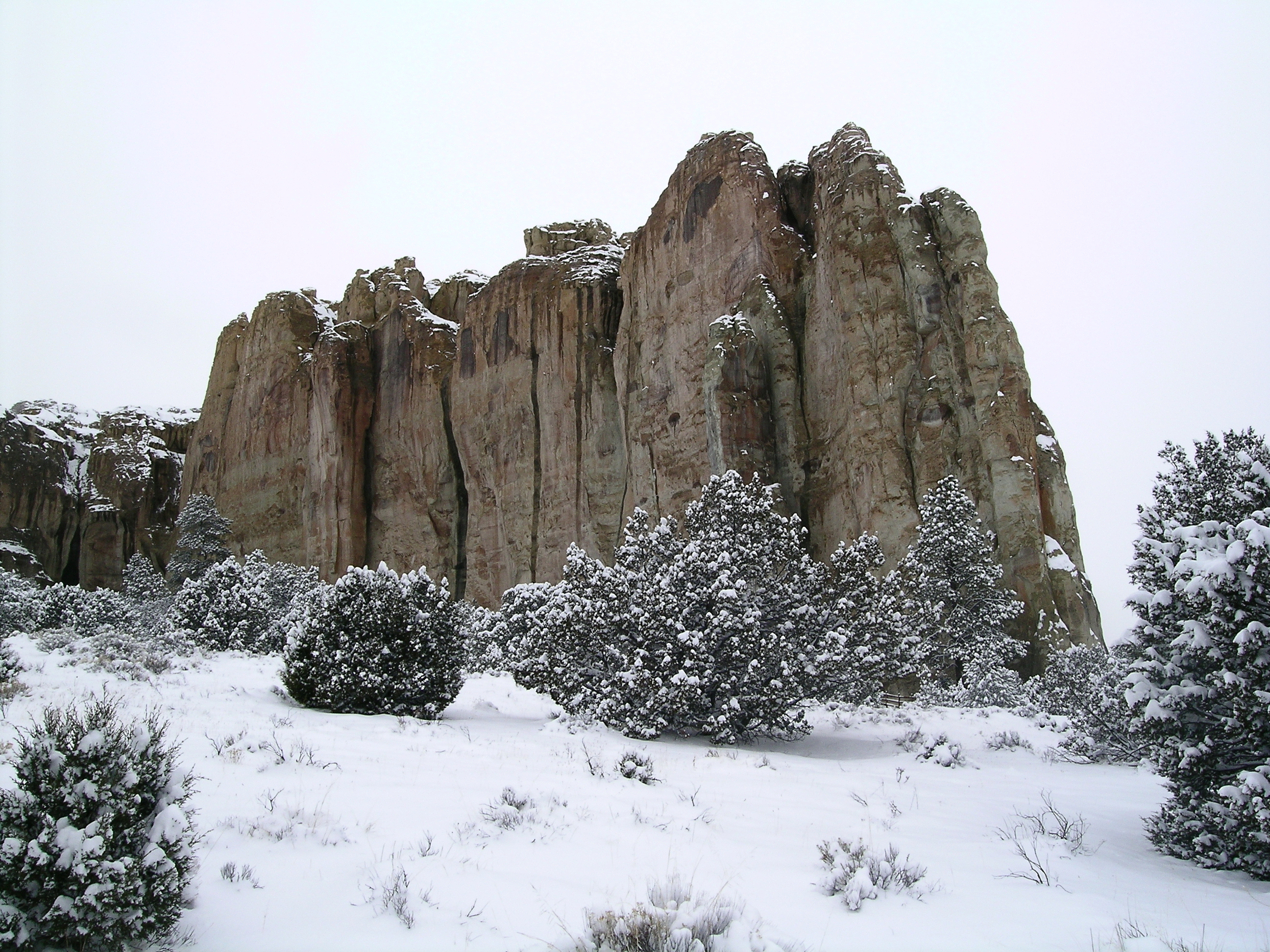
Peak visitation runs from late spring to early summer, roughly May through June, when mild temperatures prevail and all facilities are open. July brings summer monsoons and sudden trail closures. Fall offers cooler temperatures and aesthetic appeal. Winter hours contract significantly, with Tuesday and Wednesday closures beginning in mid-October. The average of 40 inches of winter snowfall guarantees a quiet and distinct experience for those prepared for cold.
The high points
- More than 2,000 historic inscriptions on Inscription Rock spanning centuries of human travel
- Ancestral Puebloan ruins accessible via the mesa top trail
- Free admission with a small, functional campground on-site
- Dark sky stargazing at 7,219 feet elevation with dedicated astronomy programming
- Guided tours that add historical depth to the carved inscriptions
- Junior Ranger program that makes the layered history accessible for children
Know before you go
Entry to this unit is free. The visitor center and trails reduce hours in winter; they close Tuesdays and Wednesdays from mid-October through late May. Consult the schedule before traveling. The campground is small; it fills rapidly on summer weekends. At 7,219 feet, afternoon thunderstorms are common in July and August. They can close trails without warning. Morning hikes are advised.
One more thingThis park unit offers a unique opportunity for introspection. It is an ideal destination for those seeking historical depth over natural grandeur or recreational pursuits. Casual sightseers should look elsewhere. The experience is significantly enhanced by prior research into the individuals whose inscriptions adorn the site. Understanding the context transforms simple carvings into resonant historical markers. This unit caters to a specific, contemplative visitor.