Should you visit Gila Cliff Dwellings National Monument?
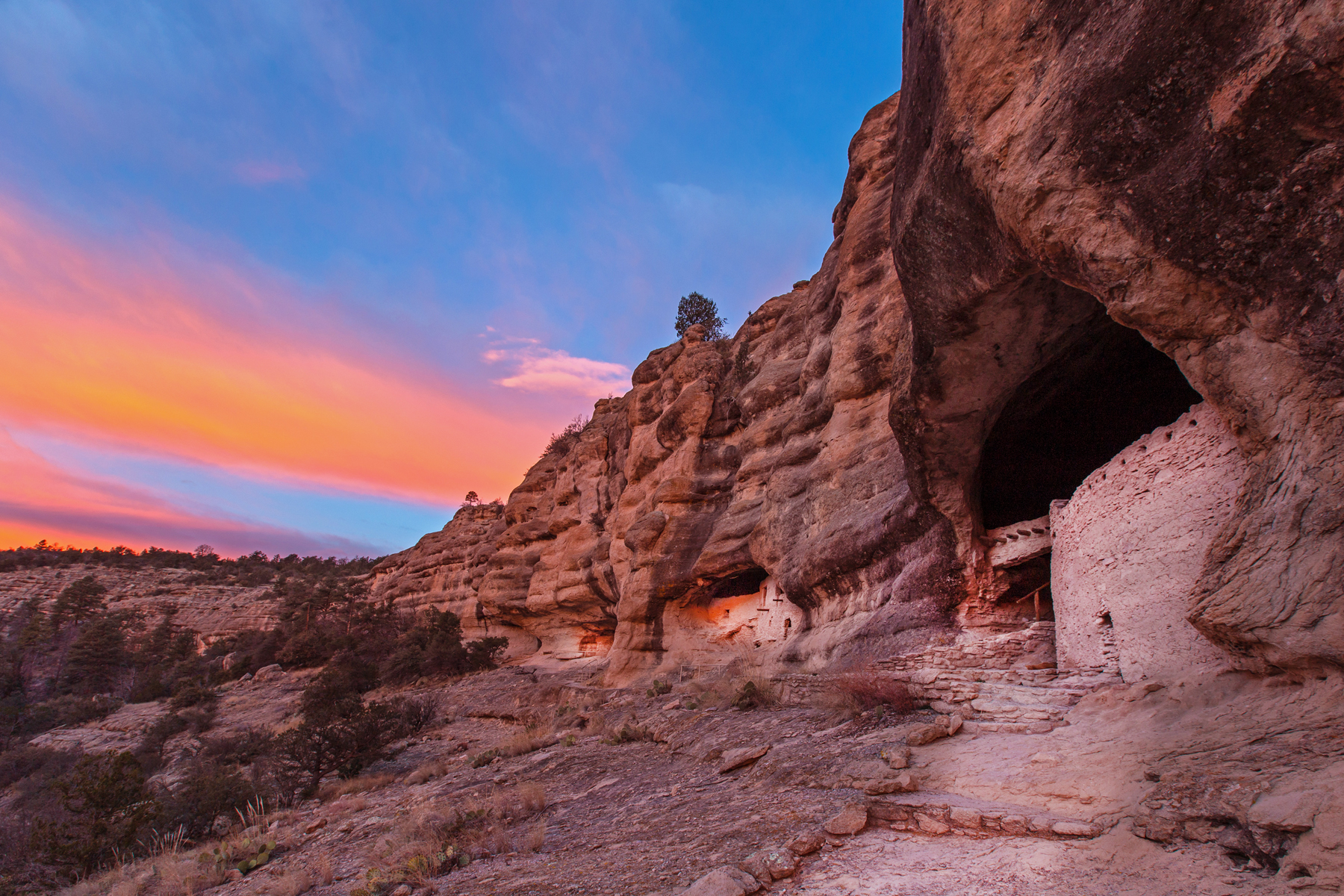
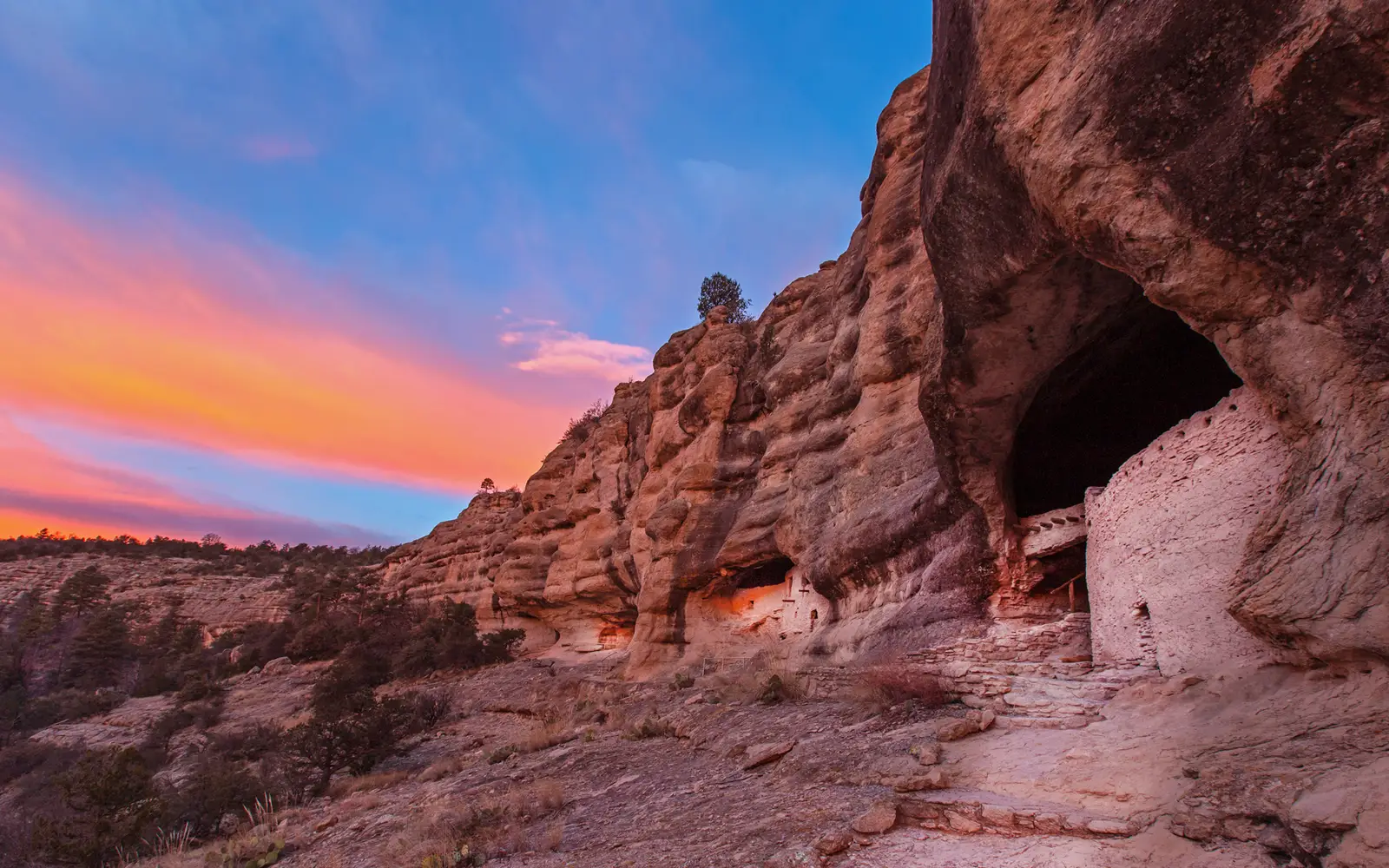
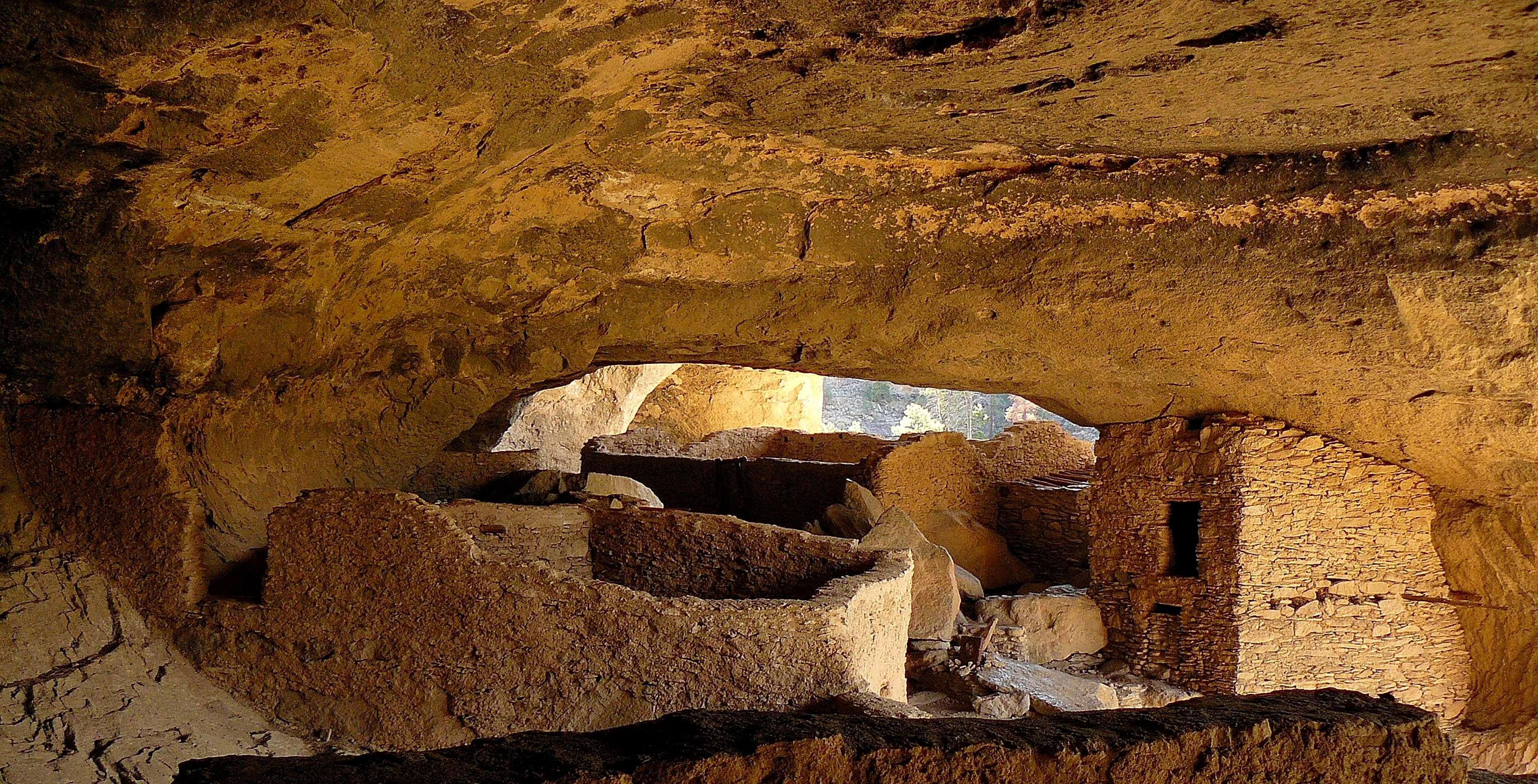
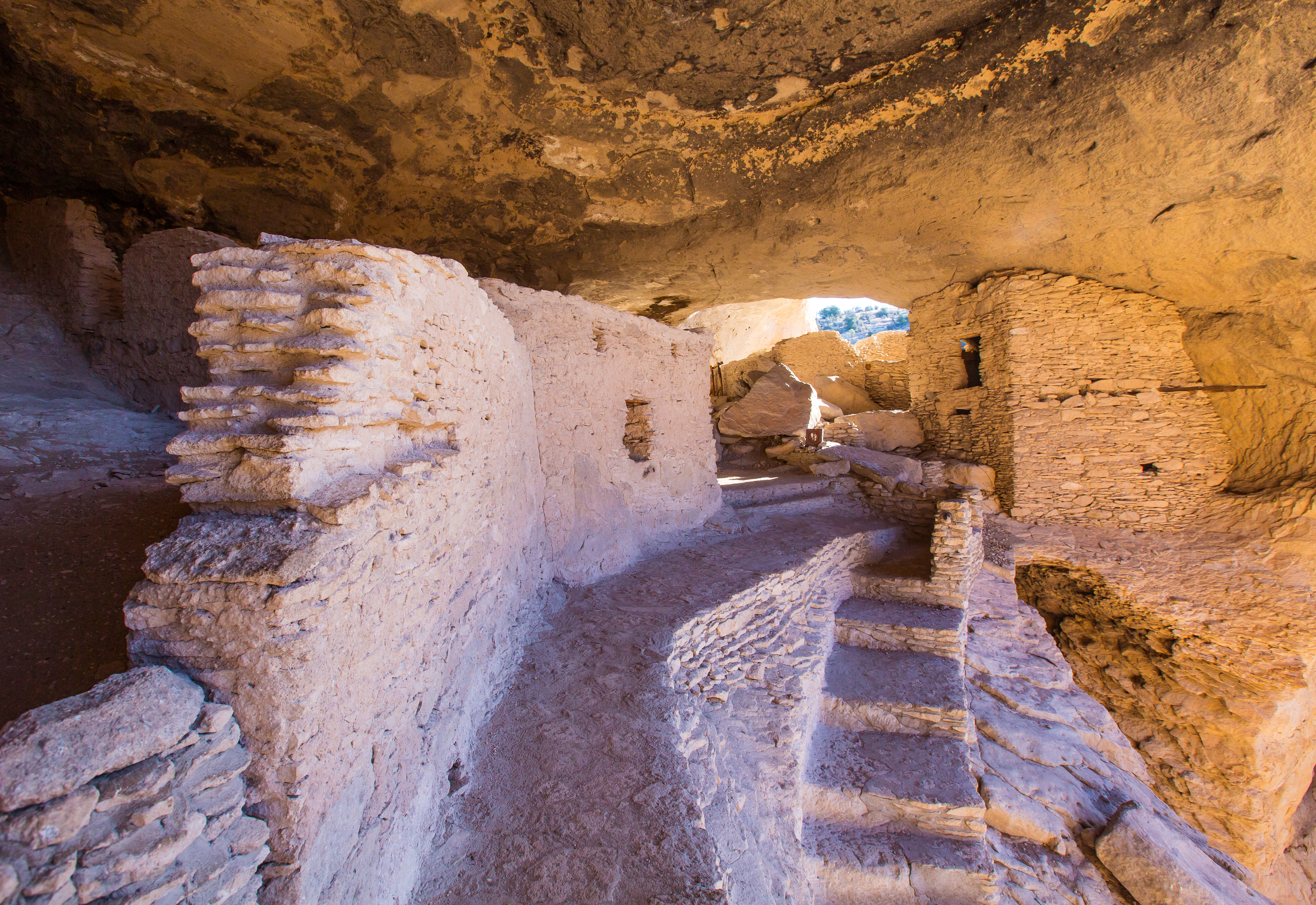
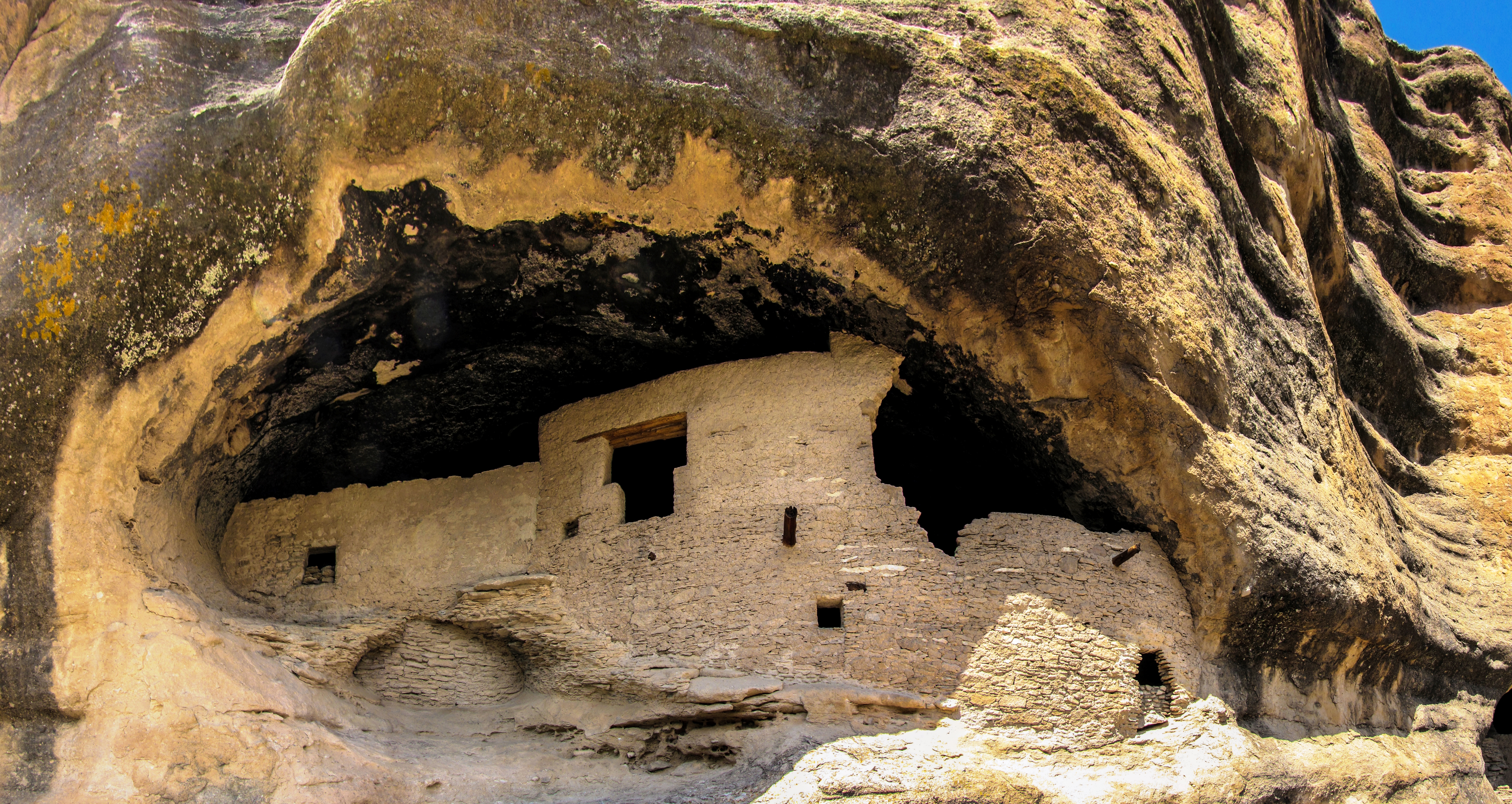
Gila Cliff Dwellings National Monument offers a rare, intimate look into 700-year-old Mogollon cliff rooms.
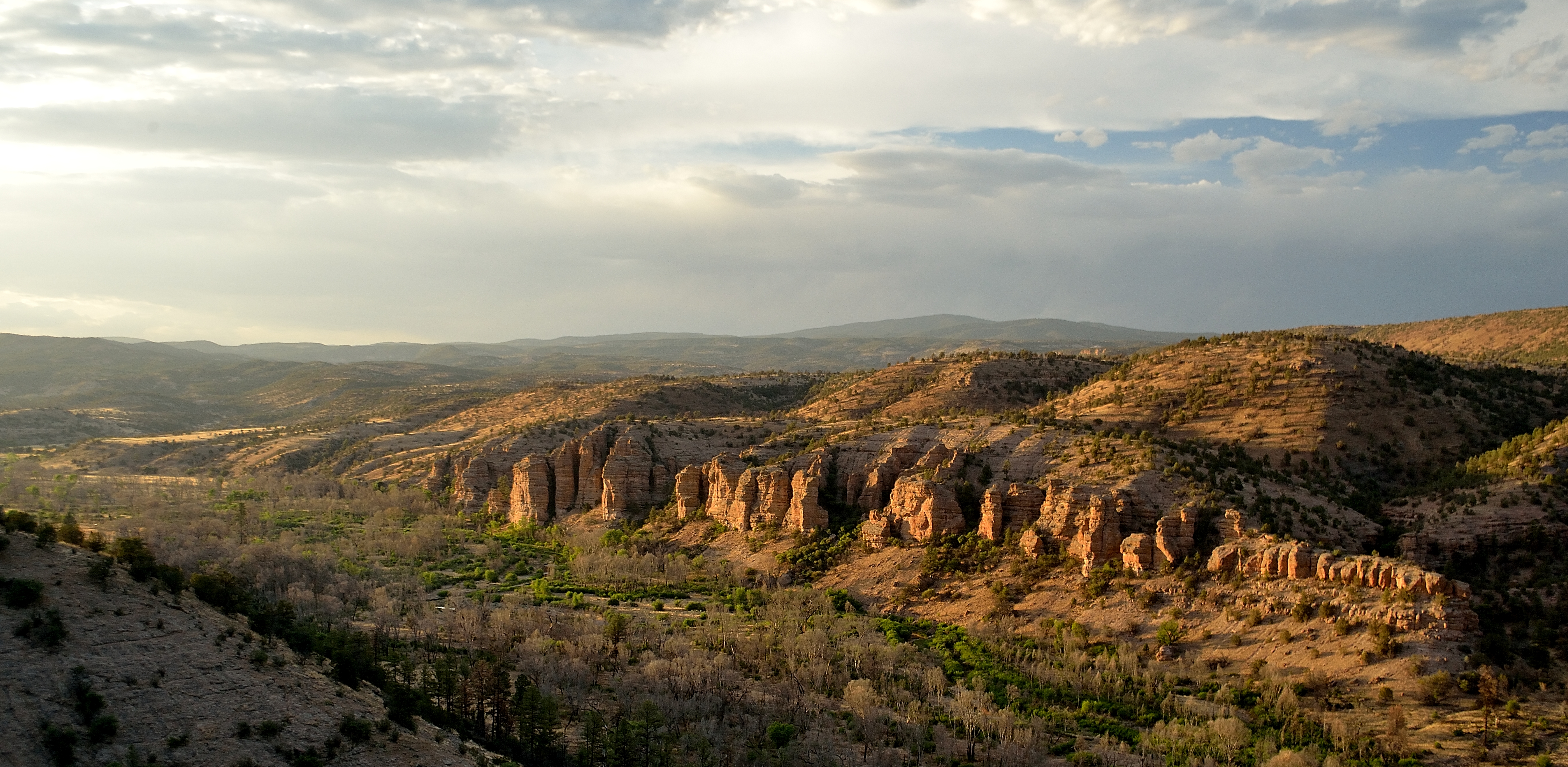
Direct access to the dwellings, rather than distant observation, is a significant draw. Entry is free. This is a remote destination, requiring a substantial drive on winding mountain roads. That isolation defines the experience. Beyond the archaeological site, the surrounding Gila Wilderness provides extensive backcountry hiking, prime birding opportunities, and dark skies for stargazing. Horse camping is available. This monument does not cater to casual day-trippers. It suits visitors who can commit at least one overnight stay and who possess a genuine interest in Mogollon culture and the rugged Gila landscape. History enthusiasts and hikers will find it particularly rewarding. This unit stands as an underrated option for those seeking a truly secluded experience.
What makes it worth it
The Gila Cliff Dwellings National Monument offers a unique, intimate encounter with history. Its self-guided walking tour leads directly into cliff dwellings occupied by the Mogollon people in the late 1200s, providing a tangible connection to daily life before their departure around 1300. Guided tours are available for additional context. Beyond the dwellings, the Gila Wilderness presents extensive opportunities. Front-country and serious backcountry options exist for hiking, horseback riding, and wildlife observation. The riparian canyon habitat supports excellent birdwatching. A significant draw is the evening sky: the monument's location in one of New Mexico's darkest areas ensures exceptional stargazing. For those who pair camping or horse camping with the cultural site, a full day's exploration is easily achieved. This monument is ideal for visitors seeking a direct historical experience complemented by rugged wilderness access and prime dark-sky viewing. Casual sightseers should look elsewhere.
Who should go
This park rewards dedicated visitors. Archaeology enthusiasts and birders will find ample opportunities. Its remote location makes it ideal for hikers seeking solitude and equestrians exploring vast landscapes. The Junior Ranger program offers substantial educational value for families. Additionally, dark skies provide a prime experience for amateur astronomers. Those seeking easy highway access, nearby amenities, or quick roadside stops should plan a different destination; this park demands a deliberate journey.
When to go
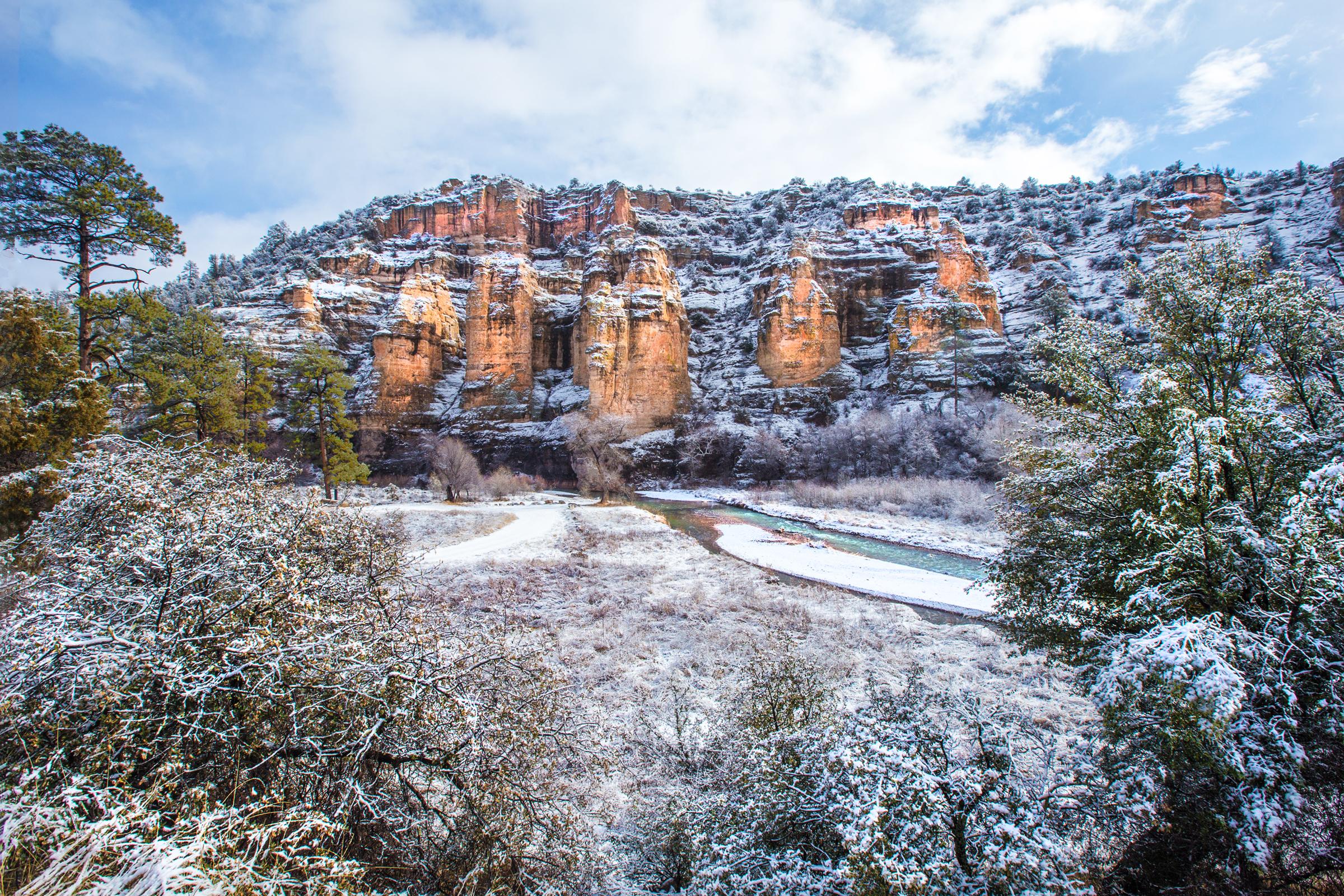
Optimal visiting conditions prevail from April to May and again from September to October. These periods offer mild temperatures and reduced storm risk. Summer months pose challenges, with temperatures frequently nearing 100 degrees and daily afternoon thunderstorms. Such conditions impede hiking and backcountry excursions. Winter visitation is possible but demands thorough preparation for snow and temperatures near zero. The monument maintains year-round accessibility, closing only for three holidays.
Highlights
- Walking inside the actual 13th-century Mogollon cliff rooms on the self-guided dwelling tour
- Free admission to one of the most intact and accessible cliff dwelling sites in the Southwest
- Backcountry hiking and horse camping in the adjacent Gila Wilderness
- Exceptional dark-sky stargazing in one of New Mexico's most remote corridors
- Birdwatching in the riparian canyon habitat around Cliff Dweller Creek
- Guided tours and museum exhibits that place the Mogollon culture in genuine regional context
Plan ahead
This monument offers free admission. Located approximately 44 miles north of Silver City via winding mountain roads, it demands significant drive time and a full fuel tank. The visitor center and monument maintain operations daily, closing only for Thanksgiving, Christmas, and New Year's Day. Summer and early autumn afternoons frequently bring thunderstorms; schedule dwelling walks for morning hours.
Editor's tipThe cliff dwelling loop is brief. Linger inside the individual rooms. The storage niches, soot-stained ceilings, and original masonry details are easy to miss if treated as a trail to complete rather than a space to read.