parkverdict
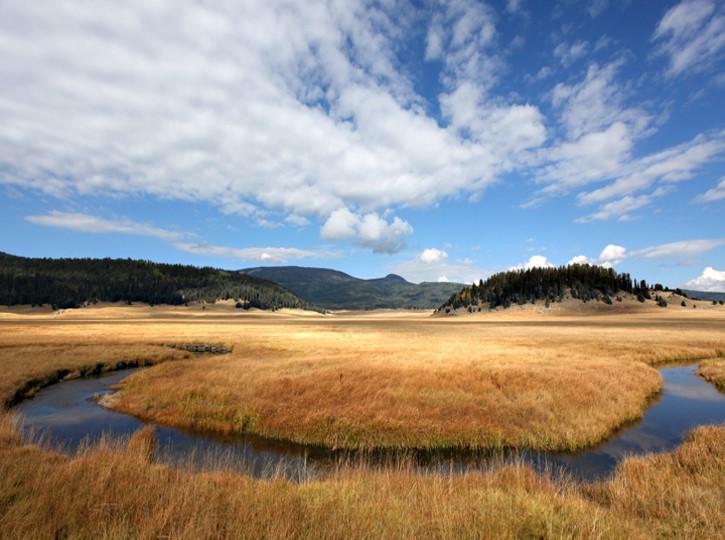
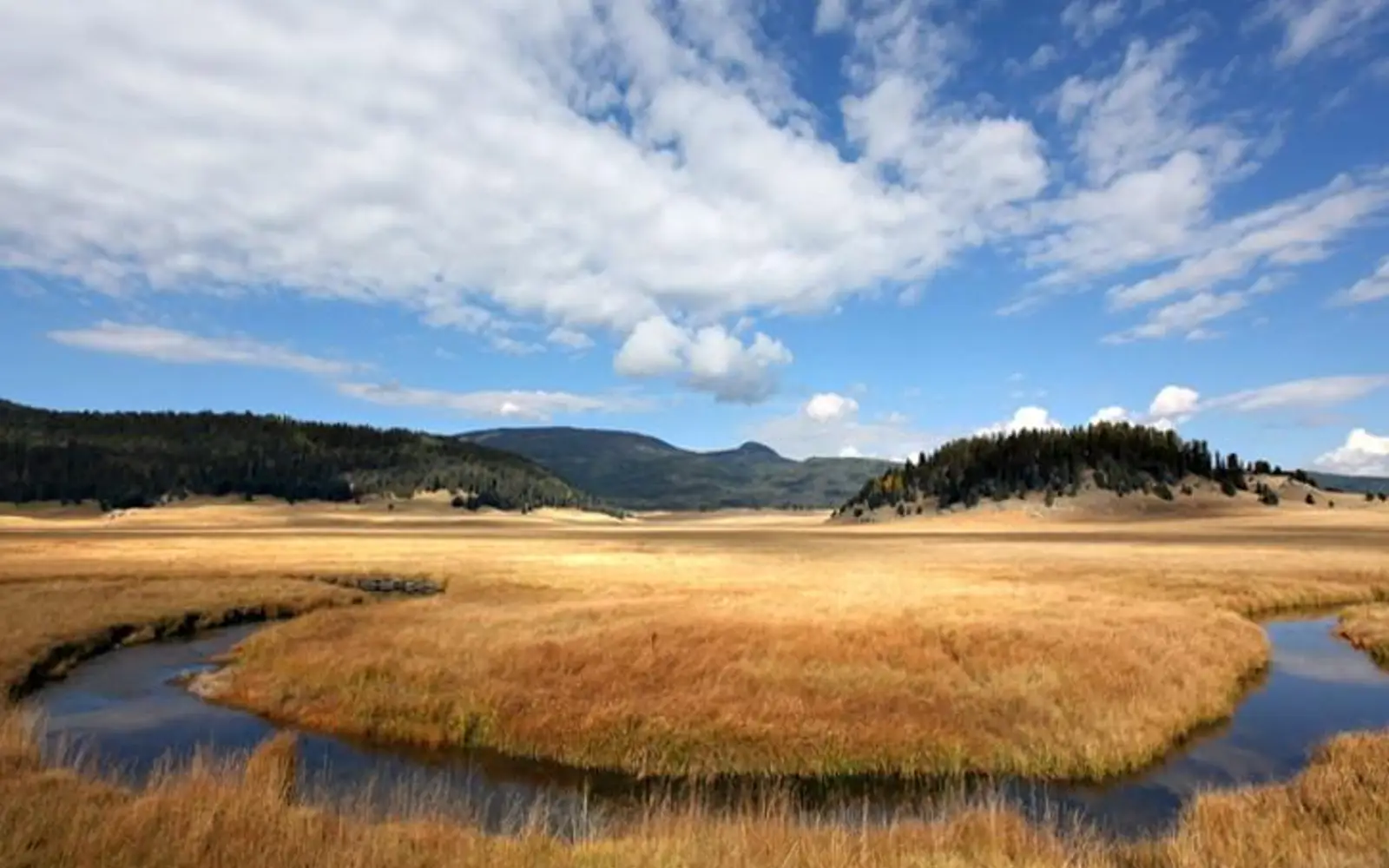
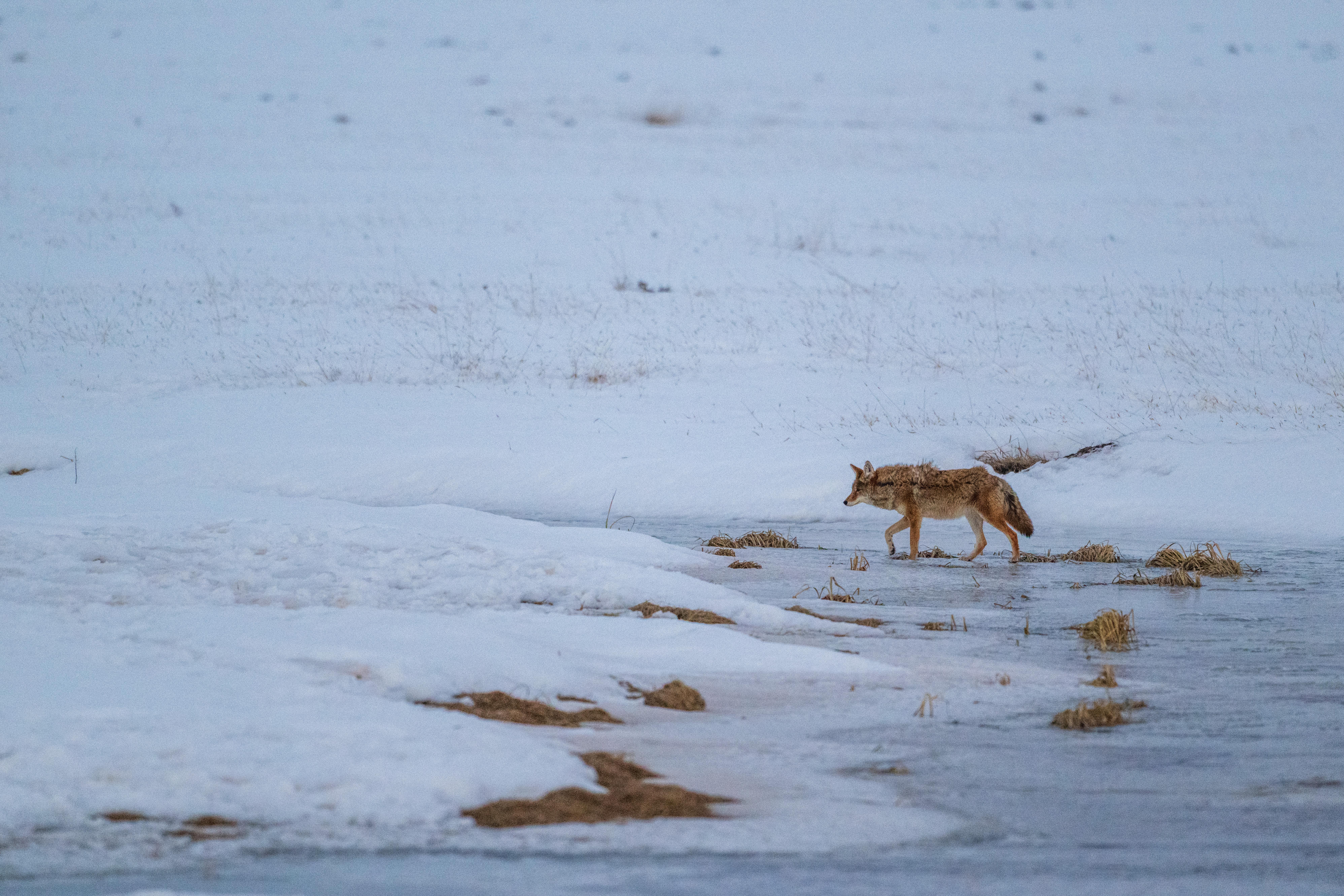
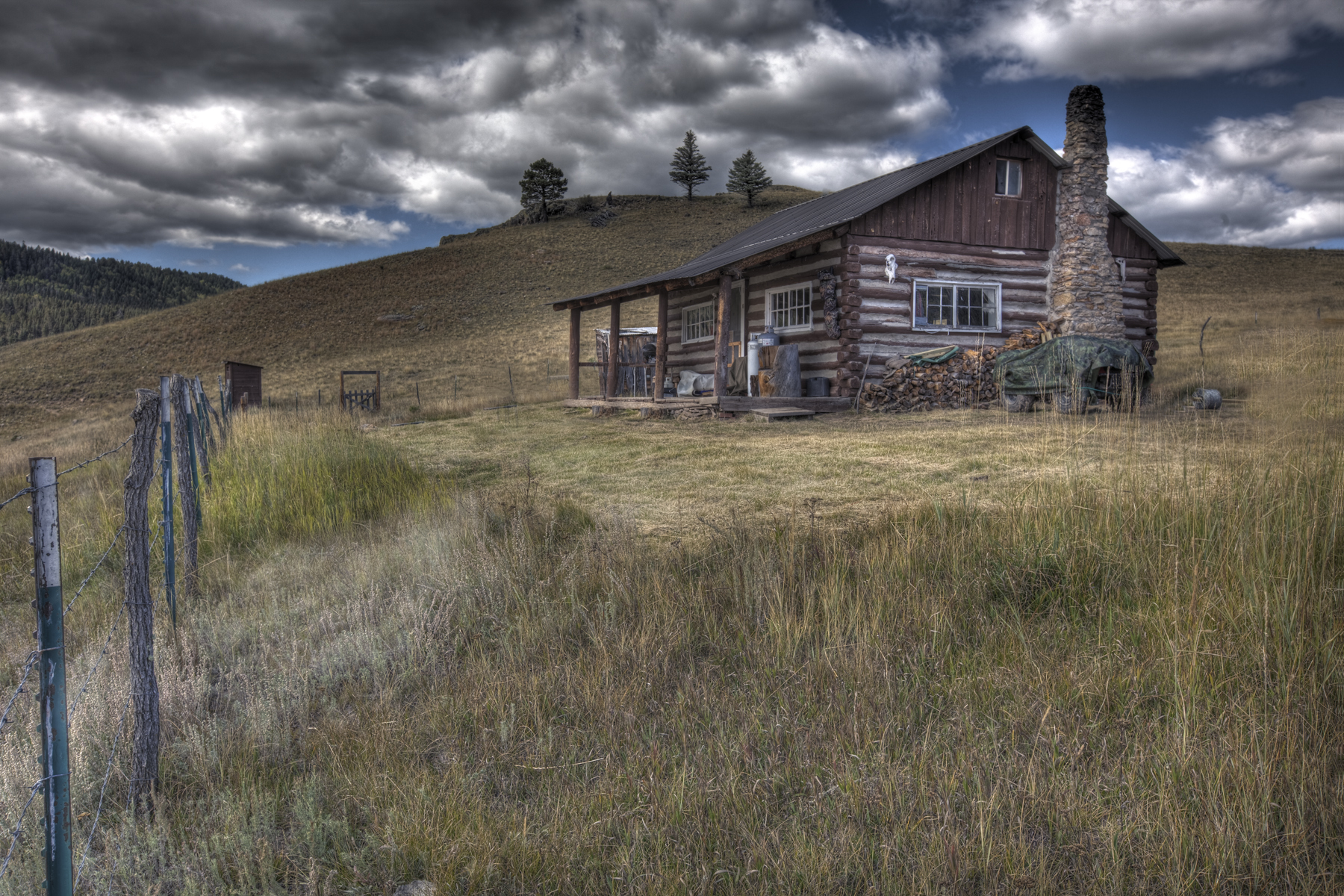
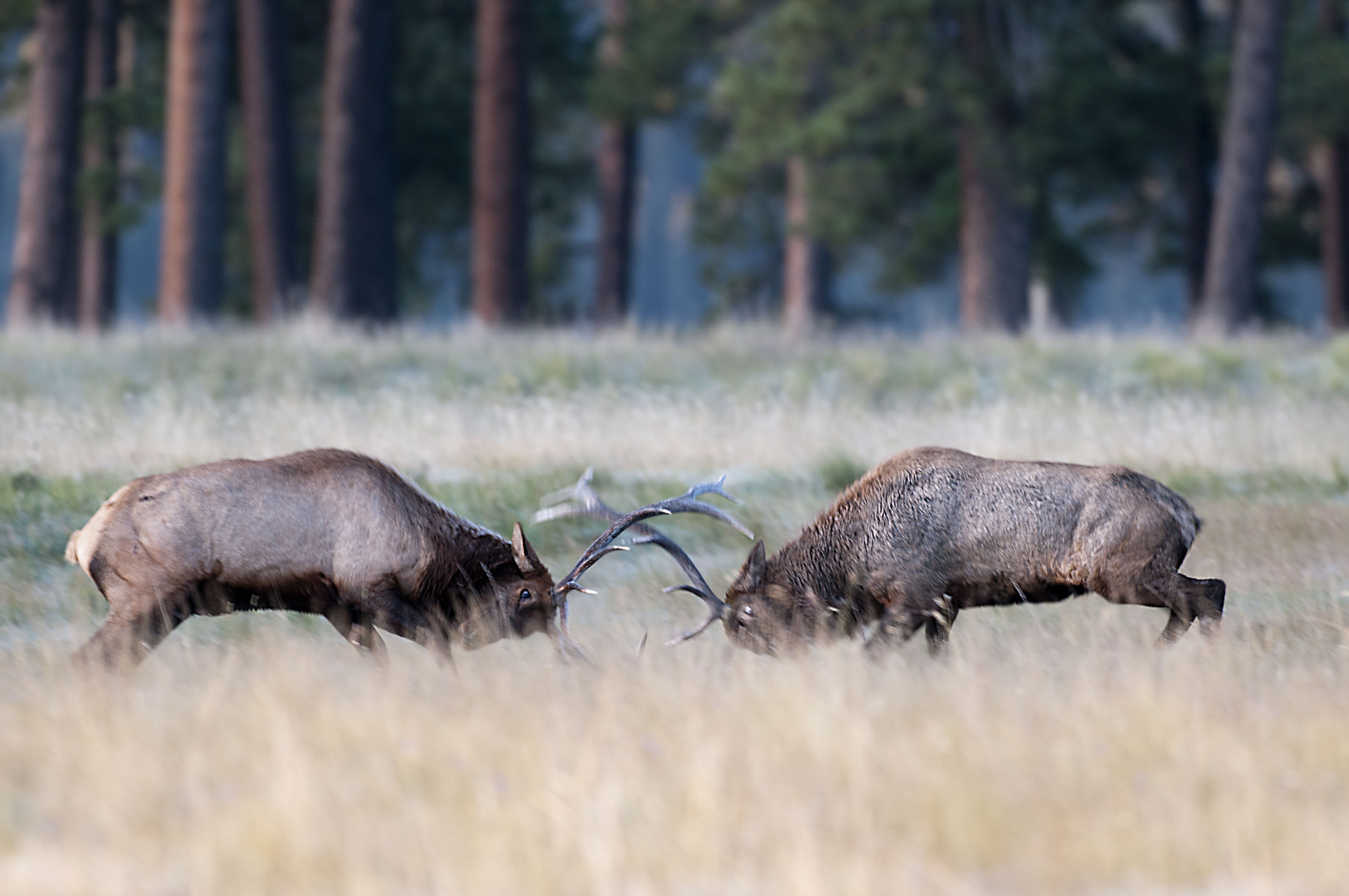
Scattered clouds over landscape view of winding river and brown grasslandsA coyote walks across a frozen stream in a snowy valley.San Antonio cabin under a mostly cloudy skyTwo bull elk fighting.
National PreserveNM

Valles Caldera National Preserve

NPS / NPS Photo
78/ 100WIDE RANGE
parkverdict Experience ScoreIndependent, not sponsored

78 of 100. Our independent breadth-and-access index. How we score

Our verdict

Should you visit Valles Caldera National Preserve?

Valles Caldera is a 14-mile-wide volcanic caldera in the American Southwest, with forested ridges wrapping around meadows so open they can feel almost surreal.

There is no single famous overlook, no crowded loop trail everyone does. What draws people here is scale, quiet, and the way the place shifts through the seasons. Elk work through the grasslands, the Jemez River and its tributaries hold trout, and the elevation combined with genuinely dark skies makes it worth staying awake on clear nights. At $15 entry and a score of 78, the park has real range: summer hiking, winter snowshoeing, fly fishing, guided tours. You get more out of it by moving slowly than by trying to check things off a list. It is a good fit for outdoors generalists, serious anglers, and anyone looking to put some distance between themselves and the tourist corridor.

What makes it worth it

Start early and take Highway 4 into the caldera basin, where elk are already moving through the meadows before the morning light fully settles in. From there the day can go several directions. You can fly fish the winding streams for trout, join a guided tour covering the volcanic geology and ranching history, or head out on foot into the backcountry. The preserve explicitly permits off-trail hiking, which gives experienced hikers real freedom to push toward the caldera rim and the surrounding forest. Mountain bikers have documented access as well. Winter changes the character of the place entirely, and skiing or snowshoeing across a snow-covered caldera floor is a genuinely rare thing to find anywhere in the NPS system. On a clear night, the high elevation and minimal light pollution make the astronomy here worth staying for on its own terms, not just something you notice on the way to the parking lot.

Who should go

Fly fishers, wildlife watchers, backcountry hikers, and winter recreationists will get the most out of Valles Caldera. Families with kids have real options too, through the Junior Ranger program and guided tours. That said, if you are expecting paved interpretive trails, a full visitor center, or a quick two-hour stop, you will probably leave disappointed. This place takes time. Budget at least a half-day, and honestly, a full day is better.

When to go

Late spring through early fall gives you the most time to explore. May and June bring wildflowers and lush meadows, July and August come with active elk and afternoon monsoon storms, and September and October deliver the golden aspen color that draws most photographers. Winter is genuinely cold, January averages around 22 degrees F, but the cross-country skiing and snowshoeing in the caldera make it worth the trip. Summer highs rarely top 84 degrees F, so midday hiking stays comfortable.

Highlights

  • Off-trail backcountry hiking permitted across the caldera and surrounding terrain
  • Fly fishing for trout in the Jemez River and caldera streams
  • Wildlife watching for elk herds in the open mountain meadows
  • Cross-country skiing and snowshoeing across the caldera floor in winter
  • Dark sky stargazing at high elevation with documented astronomy programming
  • Guided tours covering volcanic geology, ancestral Native history, and ranching heritage

Plan ahead

Entry runs $15 per vehicle. The main gate is at mile marker 39.2 on New Mexico Highway 4. Because the preserve sits at high elevation, afternoon thunderstorms are a regular summer occurrence and winter roads can turn dangerous quickly. Cell service inside the caldera is spotty, so download your maps and check road conditions before you leave the highway.

Editor's tipWildlife watching works best in that first hour after the gate opens. Elk graze across the open meadow floor in the early morning, then gradually move toward the forest edge as temperatures climb. The caldera's open layout means you can spot them from a good distance without spooking the herd.

How we scored it

How Valles Caldera National Preserve earned its 78

Where does a 78 come from? One formula, run the same on every place we cover, built only from public data on what a unit offers and how reachable it is. It says nothing about how pretty a spot is or how busy it gets. This is what fed it:

  • Activity breadth30 documented activities
  • Topic breadth47 topics
  • Official imagery4 public-domain images
  • Camping on sitenone recorded
  • Entry cost$15

No number is hand-adjusted and no unit pays for placement. The full weights, the floor at 18 and a worked example are on how we score.

The honest limits

What the number leaves out

Worth saying plainly: this number only knows what the data shows, which is breadth and access. It has no idea whether the scenery is jaw-dropping, whether the lot is a zoo in July, what shape the trails are in, or how good the guided walks are. So do not read a lower score as a worse day out. A focused little site can beat a big all-rounder for the right person. Compare the numbers for what is on offer, then read the verdict for who each place actually suits.

The basics

Valles Caldera National Preserve at a glance

Around 1.2 million years ago, a massive volcanic eruption carved out a circular depression 14 miles wide, which we now call Valles Caldera. The preserve that occupies it today holds sweeping mountain meadows, winding streams, and a wide variety of wildlife. It is also the ancestral homeland of native peoples and carries a long history of ranching.

On documented breadth and access, Valles Caldera National Preserve ranks 7th of 23 park and public-land units we score in New Mexico.

Weather and seasons

Spring brings thick greenery, summers stay mild, fall turns golden, and winters load up with snow. January averages 22°F (-6°C) and July averages 60°F (16°C). Temperatures can climb to 84°F (29°C) at the summer peak and drop to -30°F (-34°C) during the coldest stretches.

On offer

Documented activities

AstronomyStargazingBikingMountain BikingRoad BikingFishingFreshwater FishingFly FishingFoodPicnickingGuided ToursSelf-Guided Tours - WalkingSelf-Guided Tours - AutoHikingBackcountry HikingFront-Country HikingOff-Trail Permitted HikingHorse Trekking
Common questions

Valles Caldera National Preserve: quick answers

Is Valles Caldera National Preserve worth visiting?

Valles Caldera is a 14-mile-wide volcanic caldera in the American Southwest, with forested ridges wrapping around meadows so open they can feel almost surreal.

Is Valles Caldera National Preserve free to visit?

Not free. Getting in runs about $15.

What is Valles Caldera National Preserve best for?

It leans hardest toward stargazing, hiking, good with kids, water activities, going by the 30 activities it actually documents.

When is the best time to visit Valles Caldera National Preserve?

Late spring through early fall gives you the most time to explore.

How is the Experience Score for Valles Caldera National Preserve calculated?

The 78 comes straight from public data on how much the place documents and how easy it is to reach, things like activities, topics, photos, camping and whether entry is free. It says nothing about scenery or how busy it gets.