Trempealeau National Wildlife Refuge: our verdict
Trempealeau National Wildlife Refuge offers a genuine wildlife corridor along the Upper Mississippi River in western Wisconsin.
This unit is not defined by dramatic scenery or iconic landmarks. It functions primarily as a working refuge, with recreation a secondary but well-supported function. The refuge delivers serious birding, quiet paddling, a free auto tour route, and multi-season access that many comparable sites lack. The activity list is extensive for a unit of this size, encompassing pursuits from archery hunting to cross-country skiing. Visitors who prioritize wildlife and water recreation will find the experience rewarding. Casual sightseers or those expecting extensive visitor center amenities may be underwhelmed. With a 77 experience score and free admission, Trempealeau provides significant value for its specific audience.
Why visit
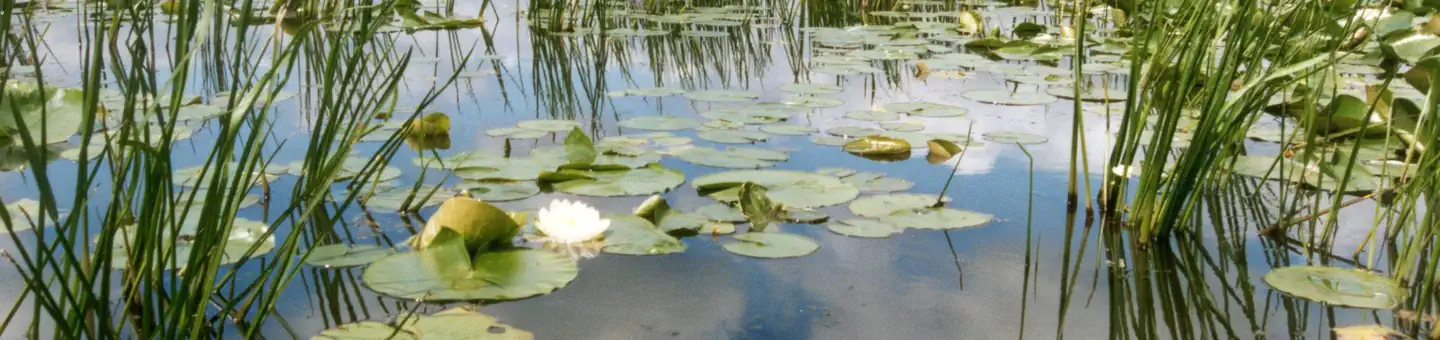
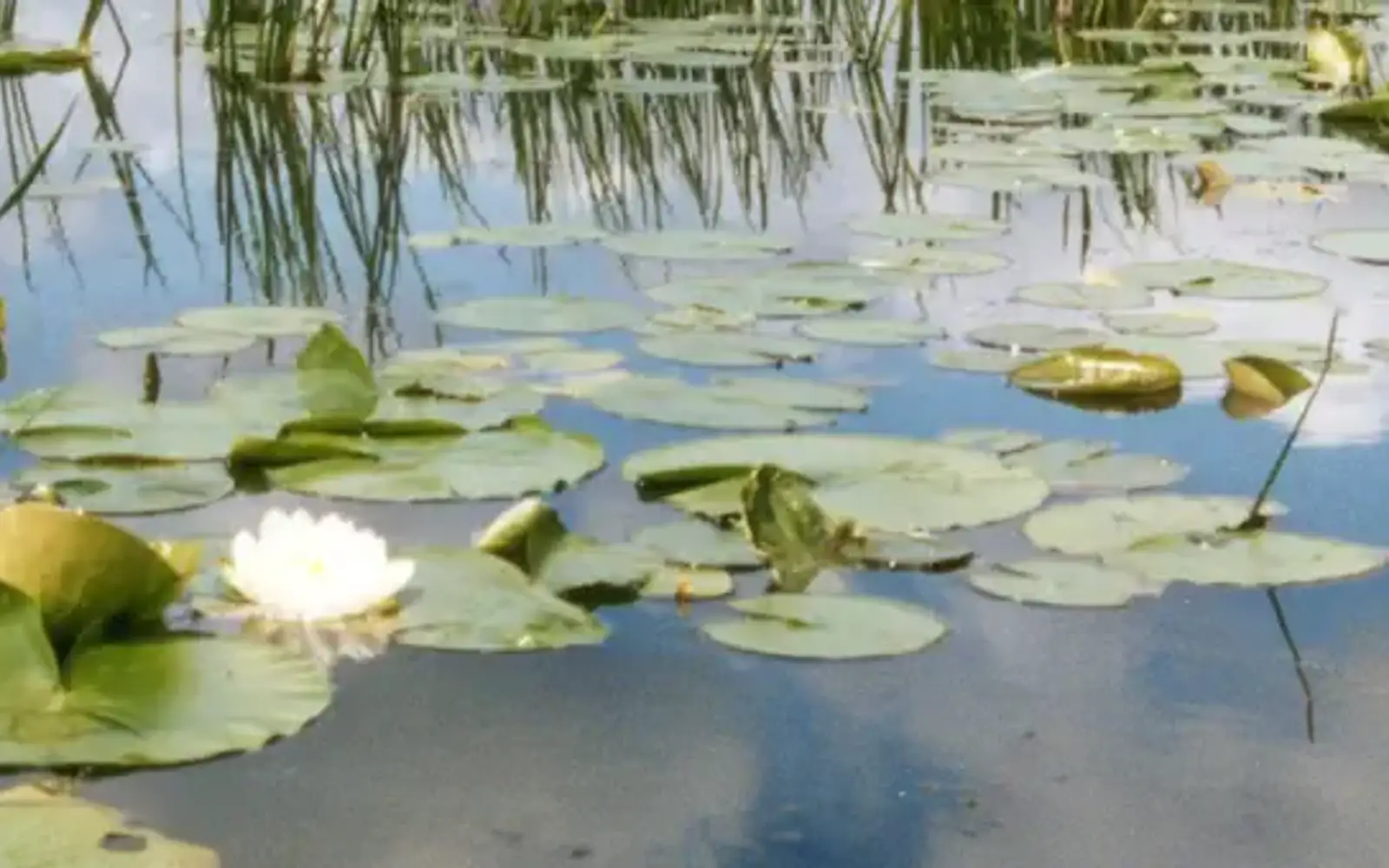
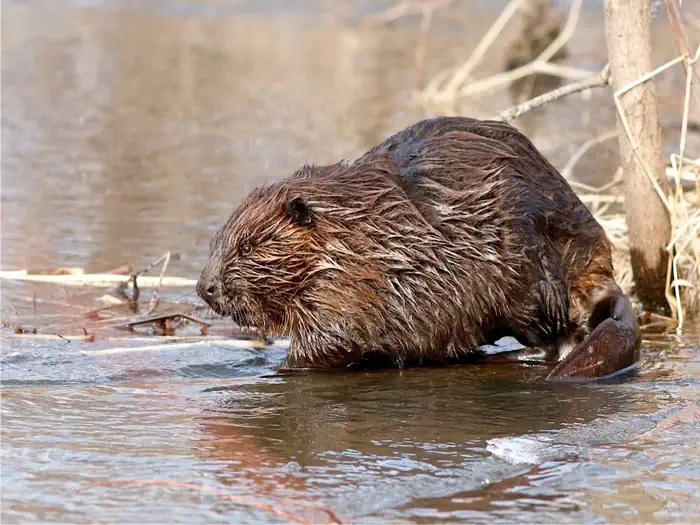
This refuge rewards varied exploration. An auto tour route offers wildlife viewing, including waterfowl, wading birds, and white-tailed deer, directly from a vehicle. Beyond the drive, an extensive trail system invites hikers and bikers into diverse terrain. Paddlers can launch non-motorized boats into the Mississippi River floodplain's backwater sloughs. Fishing in these Upper Mississippi River backwaters is a significant draw. The refuge provides genuine four-season programming; the trail network adapts for cross-country skiing and snowshoeing in winter. Spring and fall migration periods offer exceptional birding opportunities, thanks to its location on the Mississippi Flyway. Interpretive programs enhance understanding when scheduled.
Who it suits
Trempealeau primarily serves those seeking active, nature-based recreation. Birders, wildlife photographers, paddlers, and anglers will find ample opportunities here. Cyclists and hikers preferring quiet, natural settings over busy trails will also be well-served. Licensed hunters have access to archery and other hunting options. However, those seeking dramatic overlooks, extensive interpretive exhibits, or a full-day, structured itinerary will likely be disappointed. Its appeal is specific.
Timing your visit
This refuge distinguishes itself with genuine year-round viability, a rarity in its region. Spring and fall migration windows present the strongest justification for a visit, as the Mississippi Flyway directs substantial numbers of waterfowl and shorebirds through the refuge wetlands. Summer provides dependable wildlife viewing and paddling opportunities. Winter recreation is genuinely viable, with access for skiing and snowshoeing. However, prospective visitors should avoid spring if high water conditions lead to flooding of access roads.
What stands out
- Auto tour route through wetland and upland habitat for accessible wildlife viewing
- Paddling and non-motorized boating in Mississippi River backwater sloughs
- Birding along the Mississippi Flyway, especially strong during migration seasons
- Multi-use trail system open to hikers, bikers, cross-country skiers, and snowshoers
- Fishing access to Upper Mississippi River backwater areas
- Free admission with a documented activity list that covers four full seasons
Good to know
This refuge offers free admission, a notable distinction. Managed by the U.S. Fish and Wildlife Service, it operates outside the National Park System; therefore, America the Beautiful passes hold no currency. Visitors planning to hunt or cut wood must secure the relevant Wisconsin licenses and permits. Prospective spring visitors should verify current road and water access conditions. Floodplain units are susceptible to closures during periods of high water, a critical consideration for trip planning.
Insider tipFor birding or photography, an early morning arrival is essential. The auto tour route offers peak light and animal activity in the first two hours after sunrise. Wetland sections are demonstrably more productive then than at midday.