Is Apostle Islands National Lakeshore worth your trip?
Apostle Islands National Lakeshore presents a genuinely spectacular water-based park experience.
Its 97 experience score reflects its offerings. Twenty-one islands scatter across Lake Superior, complemented by a 12-mile mainland shoreline. This expanse supports diverse activities, from boat tours to multi-day backcountry kayak camping. The park's sea caves, historic lighthouses, and abundant birdlife represent world-class attractions. Access to the park's core features is largely water-dependent. Without a personal boat or kayak, visitation is primarily restricted to the mainland and commercial boat tours. Lake Superior demands respect; it is cold, its conditions change rapidly, and it offers no quarter to the unprepared. Prepared visitors, equipped for the water, will find this among their most rewarding National Park experiences. Casual sightseers, expecting roadside attractions, will find limited appeal.
Why go
This unit delivers a breadth of access and activity uncommon in the system. For a long weekend, Bayfield provides the ideal launch point. Guided boat tours visit sea caves and at least one lighthouse. The outer islands invite paddlers and sailors for day trips. Backcountry campers with fire permits can experience remarkable solitude on an island. Anglers will find abundant freshwater fishing. The mainland ice caves, accessible in winter when the lake freezes, present a singular attraction. Birdwatchers will note its importance as a migratory corridor. Divers can explore shipwrecks in cold, clear waters. Few units combine sailing, kayaking, SCUBA, snowshoeing, and guided touring opportunities like this one.
Best for
This park unequivocally caters to those with a deep affinity for water. Paddlers, sailors, and divers will find ample opportunity for exploration. For campers seeking true wilderness solitude, the islands offer an undeniable draw. Families comfortable with extensive water-based activity will also thrive here. A singular winter pursuit is access to the ice caves, offering a compelling reason for an off-season visit. However, those uninterested in aquatic pursuits or lacking island access should look elsewhere. The mainland shoreline, while present, does not warrant a significant journey on its own.
Best season
Mid-July through late August presents the most favorable conditions for water activities, with temperatures in the upper 80s supporting kayaking and island camping. May and early June offer a less
The high points
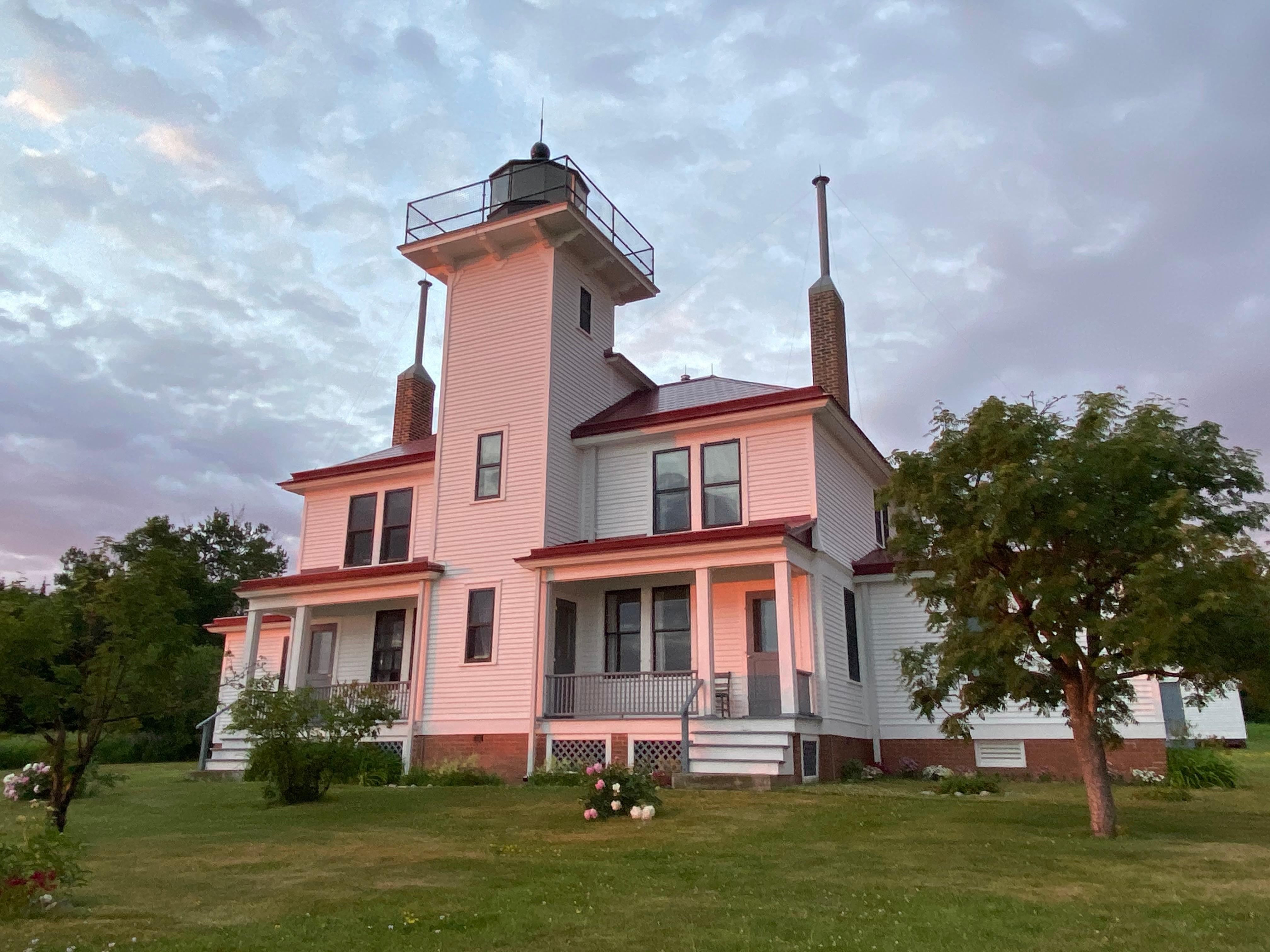
- The largest collection of historic lighthouses in the National Park System, accessible by boat tour
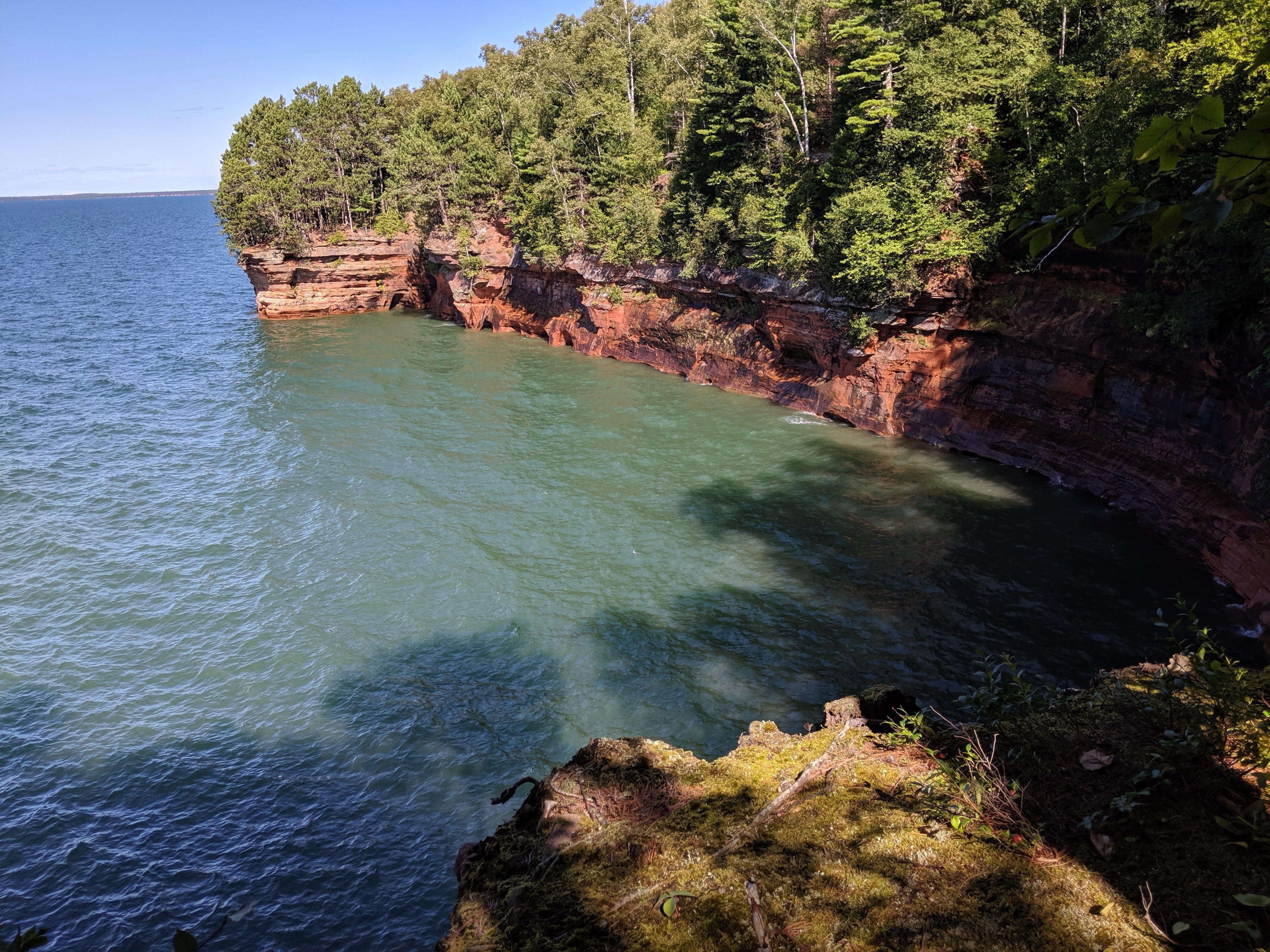
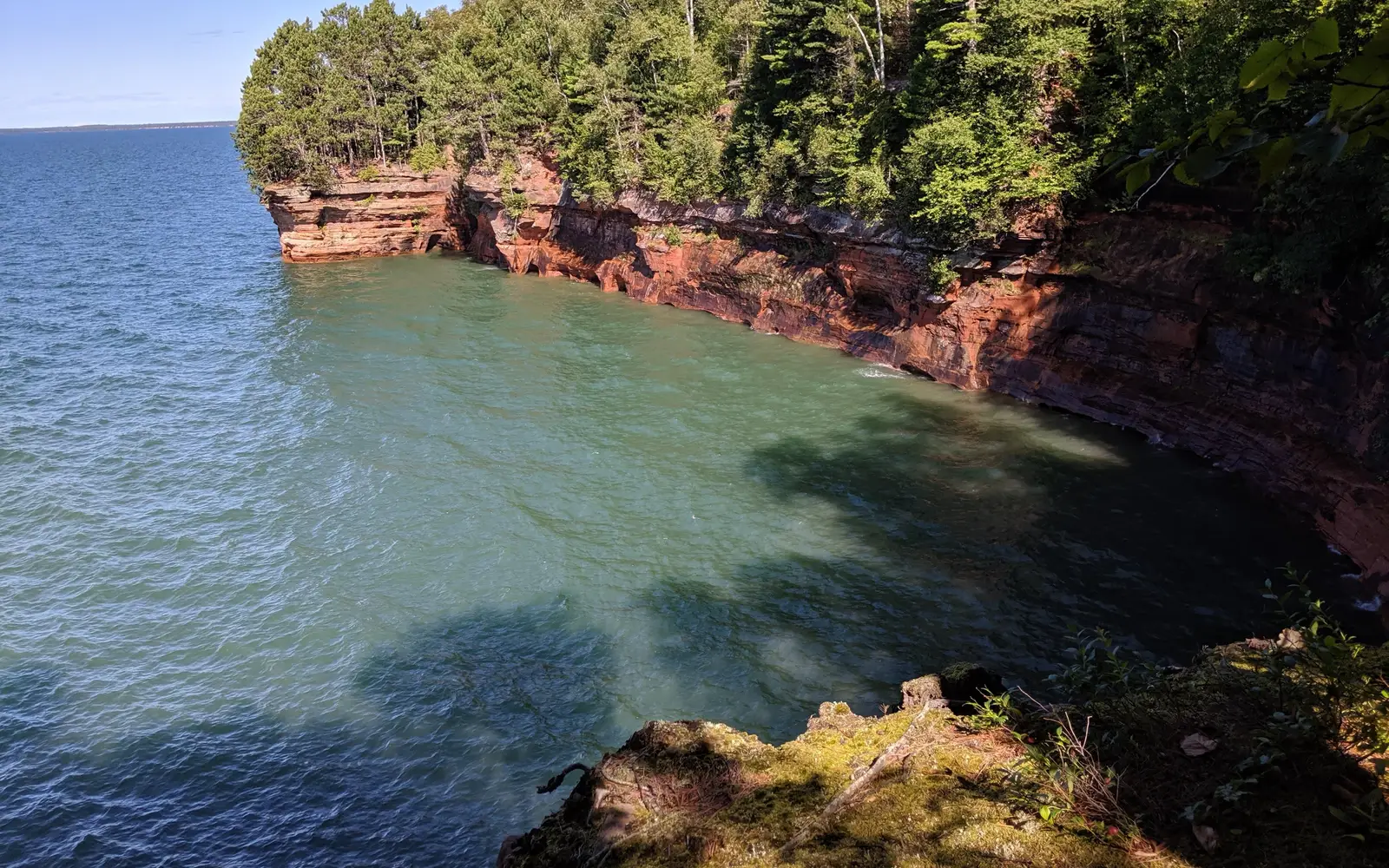
- Sea caves carved into the Lake Superior shoreline, dramatic by kayak or guided tour
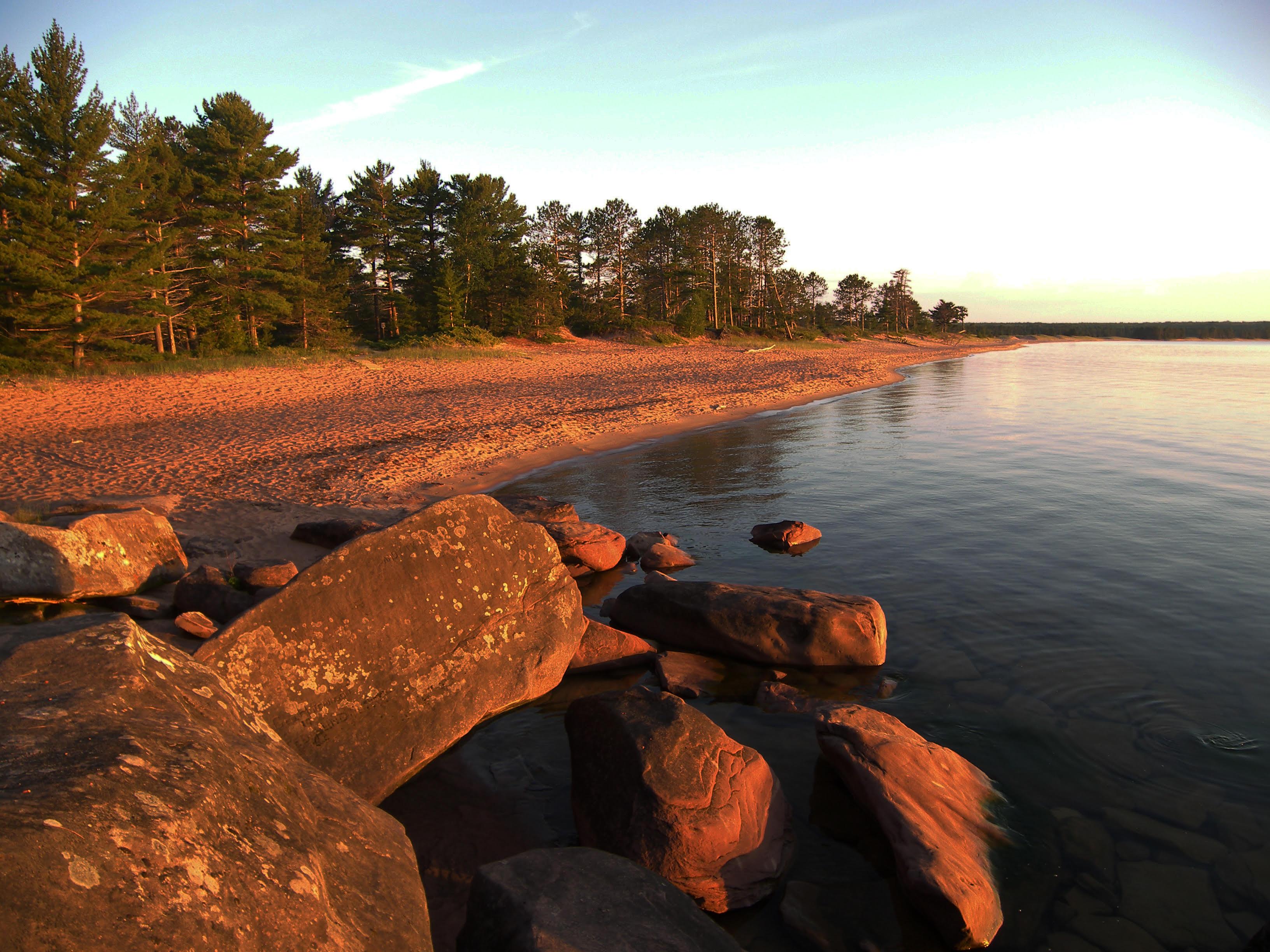
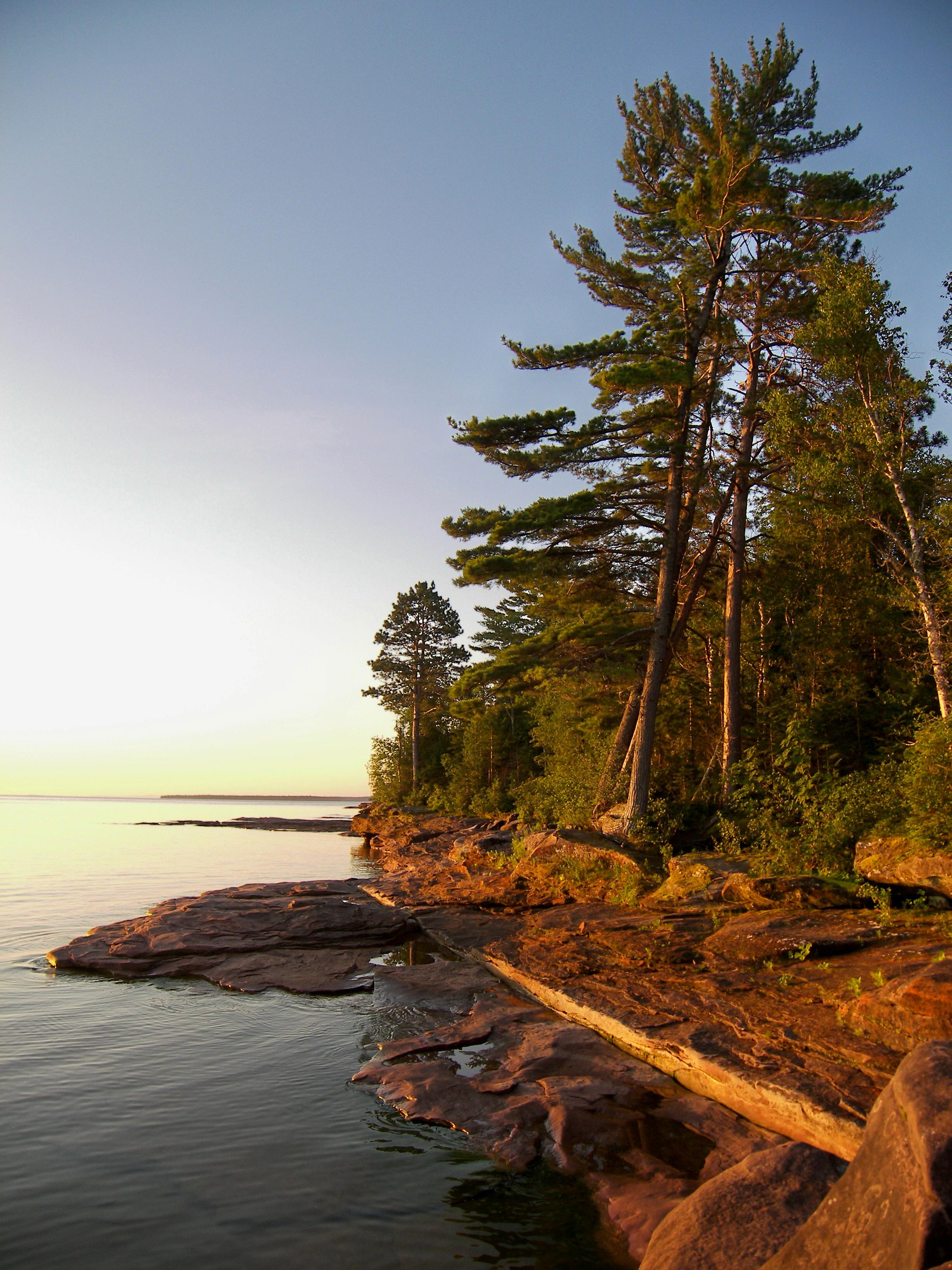
- Island backcountry camping with genuine solitude on Lake Superior
- SCUBA diving on preserved shipwrecks in cold, clear freshwater
- Winter ice caves along the mainland shore when Lake Superior freezes
- Birdwatching along a significant migratory corridor over open water
Know before you go
Entrance to this unit is free. The visitor center in Bayfield is an essential first stop for permits, current conditions, and orientation during its limited summer operating hours. Kayakers and boaters must consult marine weather forecasts before every outing. Lake Superior conditions are subject to rapid, dangerous changes. Island camping requires a permit.
One more thingWith only a single day and no personal boat, a commercial boat tour is essential. The mainland hiking trails offer a limited perspective. From the water, the sea caves and lighthouse exteriors, defining images of Apostle Islands, are accessible. This offers a more complete experience of the park's exceptional character.