
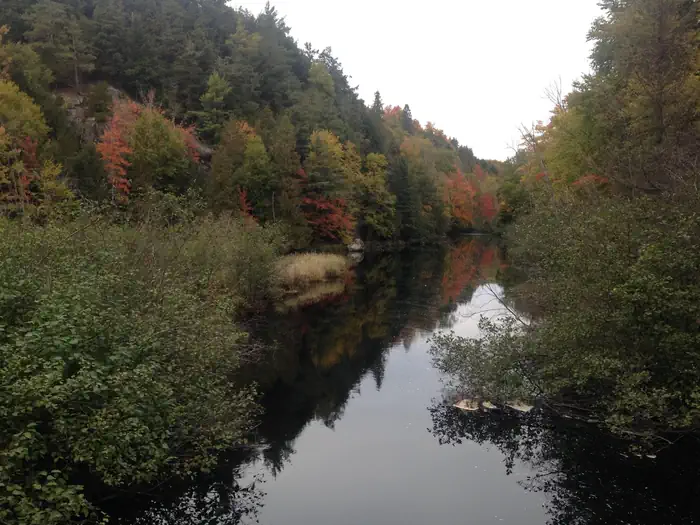
Is Chequamegon-Nicolet NF worth your trip?
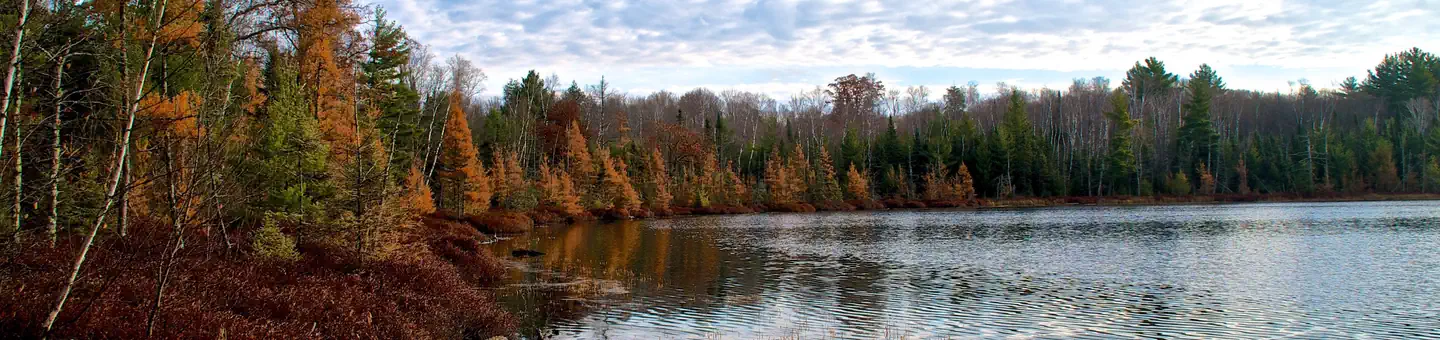
Chequamegon-Nicolet National Forest is not a singular destination but a 1.5-million-acre expanse of northern Wisconsin forest, lakes, and trails, unified from two historic national forests.
There is no central entrance, no single visitor center, and no iconic overlook. What it offers in genuine abundance is space: dispersed camping, hundreds of lakes for fishing and boating, and multi-use trail networks. These trails accommodate hikers, mountain bikers, horseback riders, and OHV users. Fire lookout cabins are available for overnight stays. The experience score of 99 reflects extraordinary documented breadth. This breadth is authentic. Here, visitors design their own trips from a deep menu of options. The forest does not present a scripted loop. For outdoors generalists seeking a long weekend with varied activities and minimal crowds, this destination consistently over-delivers.
Why go
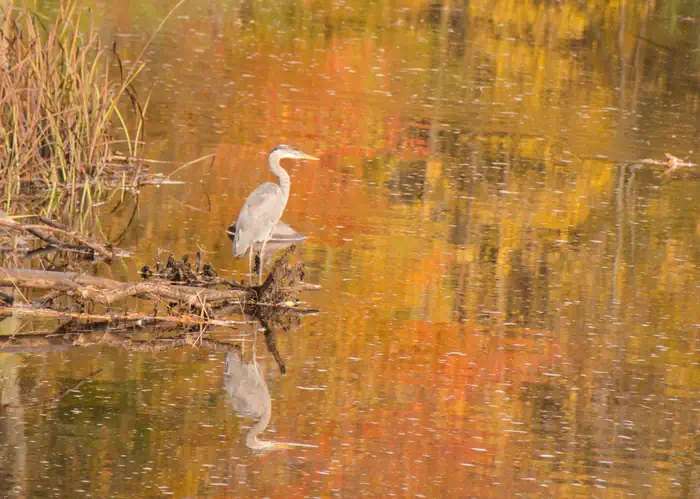
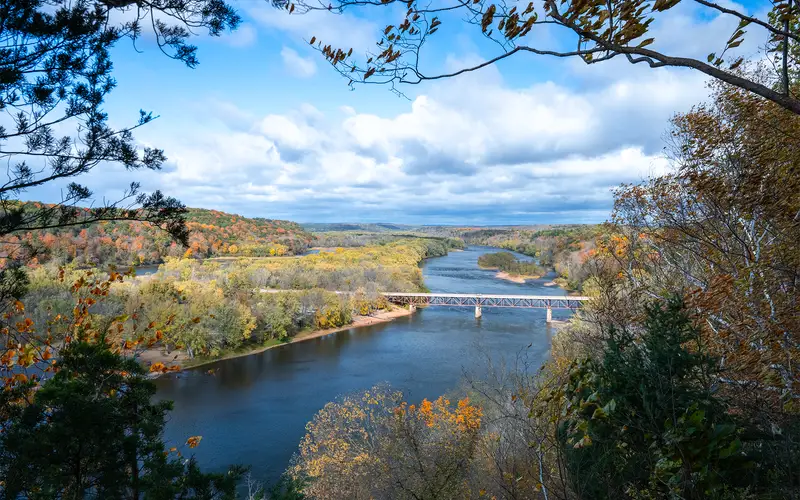
This national forest offers an exceptional, multi-faceted outdoor experience. For those seeking active engagement, the options are varied and compelling. Weekends can unfold with lakeside camping, paddling across numerous lakes, and then transitioning to an afternoon on hiking or mountain biking trails. Sunday provides choices from fishing to scenic auto tours through the diverse forest canopy, or even equestrian use on designated trails. A significant draw is the fire lookout and cabin overnight program, providing a unique high-elevation, historic lodging experience rarely found in similar systems. Wildlife viewing opportunities are abundant throughout the forest. With free and dispersed camping options, the value proposition is high. The cost-to-access ratio makes it an attractive destination for budget-conscious adventurers.
Best for
This destination is best suited to outdoor generalists. Anglers, mountain bikers, and OHV riders will find ample opportunity. It allows for multi-day, wilderness-adjacent trips without park entrance fees or significant crowds. Families comfortable with self-directed camping will also find it suitable. The data does not support a curated experience with interpretive programs or a single highlight destination. Visitors seeking such features should consider alternatives.
Best season
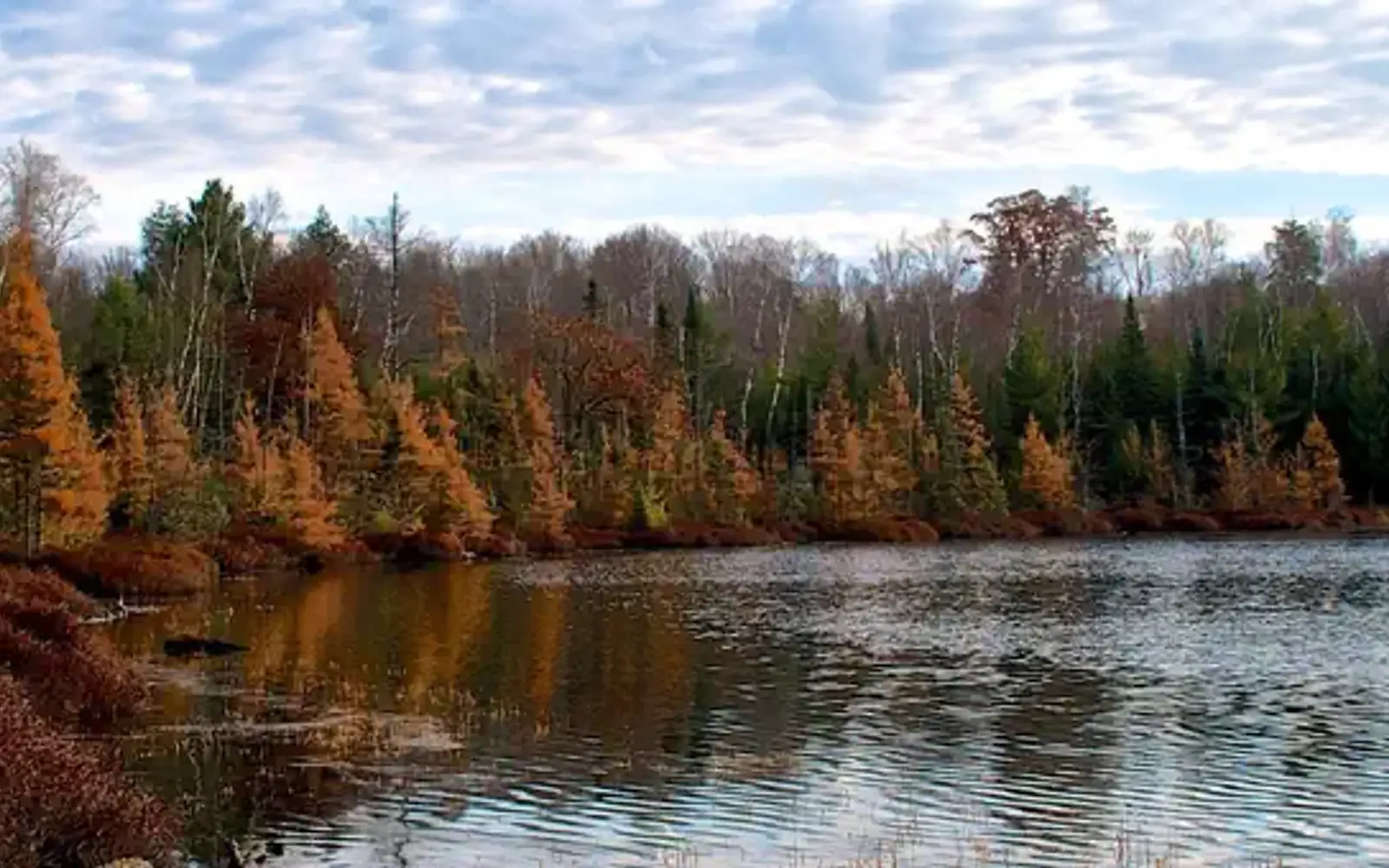
Summer offers full access for water activities, open campgrounds, and extended trail hours. While autumn provides peak foliage, typically in mid to late October, spring conditions often mean muddy trails and closed roads. Winter is ideal for snowmobiling and cross-country skiing, but many facilities close then.
The high points
- Fire lookout and historic cabin overnight rentals, a rare hands-on piece of forest history
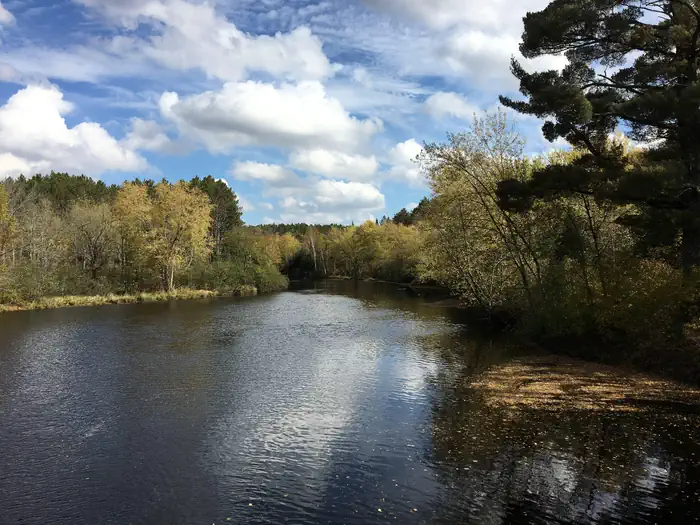
- Boating, fishing, and swimming access across a dense network of northern Wisconsin lakes
- Mountain biking on dedicated trail systems including the Rock Lake and Wintergreen areas
- OHV and motorized trail riding on one of the Midwest's largest public-land systems
- Horse camping with dedicated equestrian trail access, uncommon at this scale
- Free dispersed camping across 1.5 million acres with genuine solitude options
Know before you go
This is a challenging, dispersed park system for experienced visitors. Entrance is free, but certain campgrounds, cabin rentals, and fire lookouts require advance reservations and fees. With its geography split across multiple counties, visitors
One more thingThe singular experience of this forest is defined by its fire lookout cabins. Securing one is paramount for an overnight stay unmatched by other regional accommodations. These cabins, often booked six months in advance, are the defining feature of the area.