parkverdict
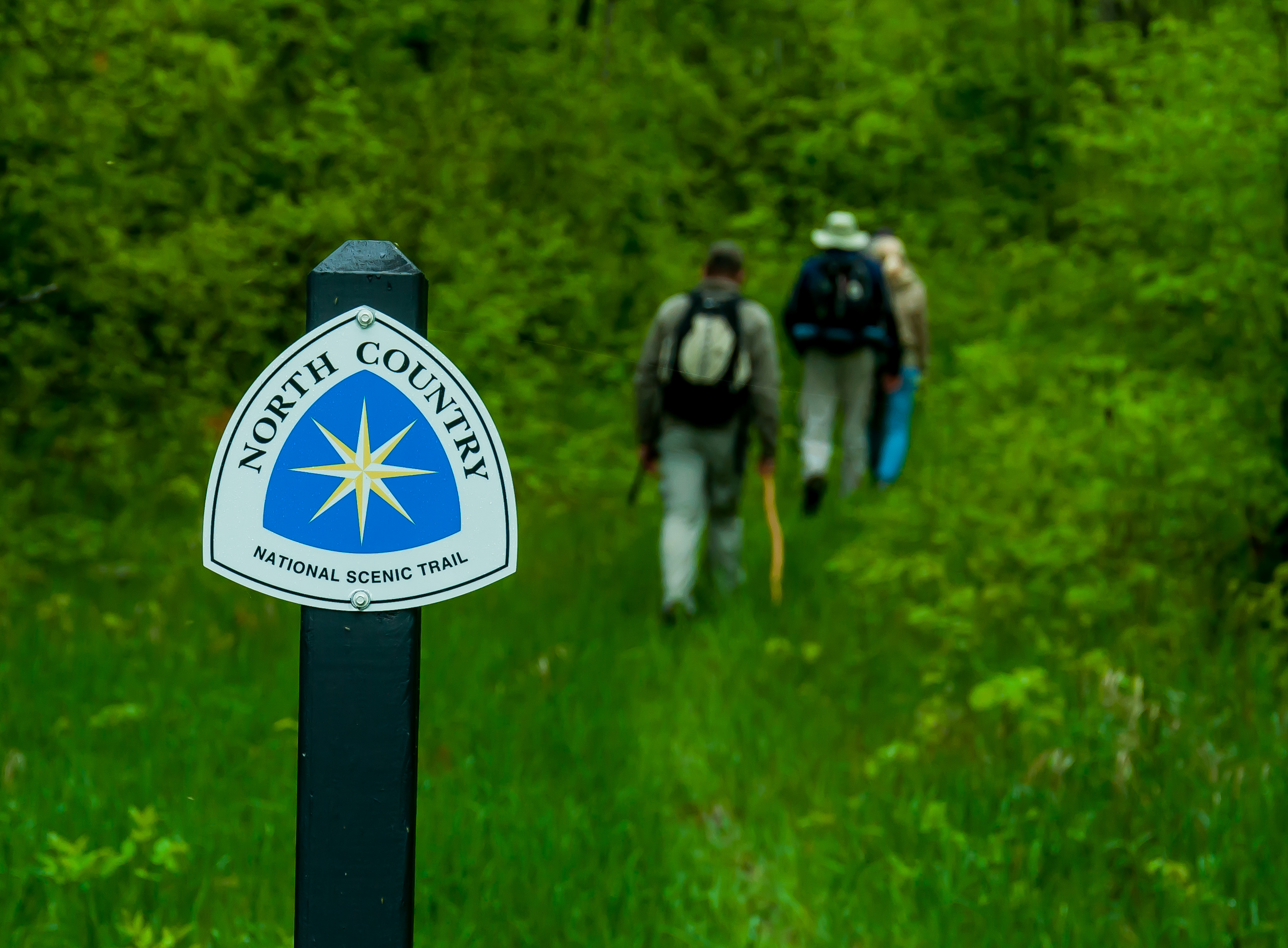
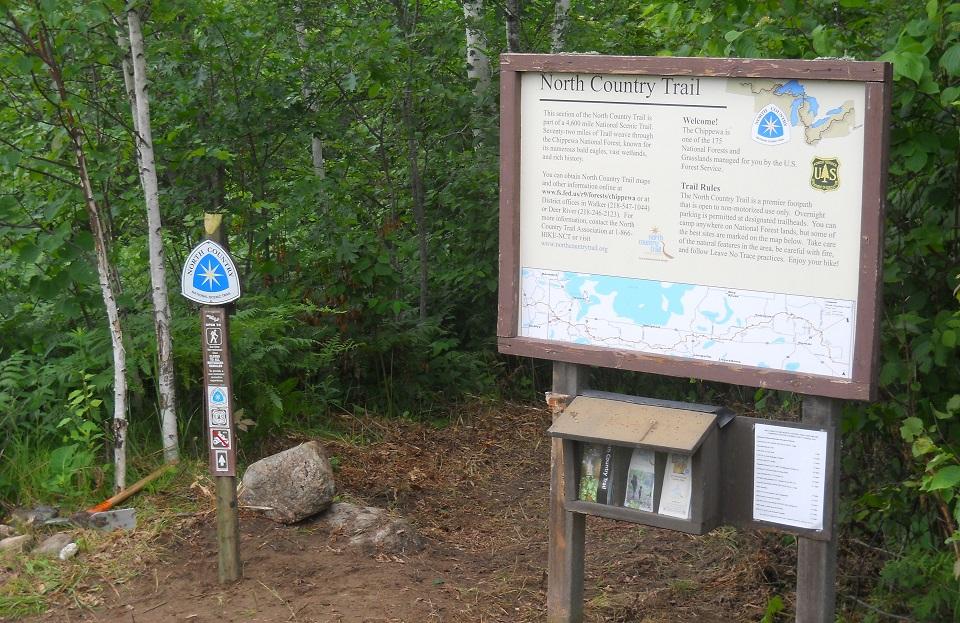
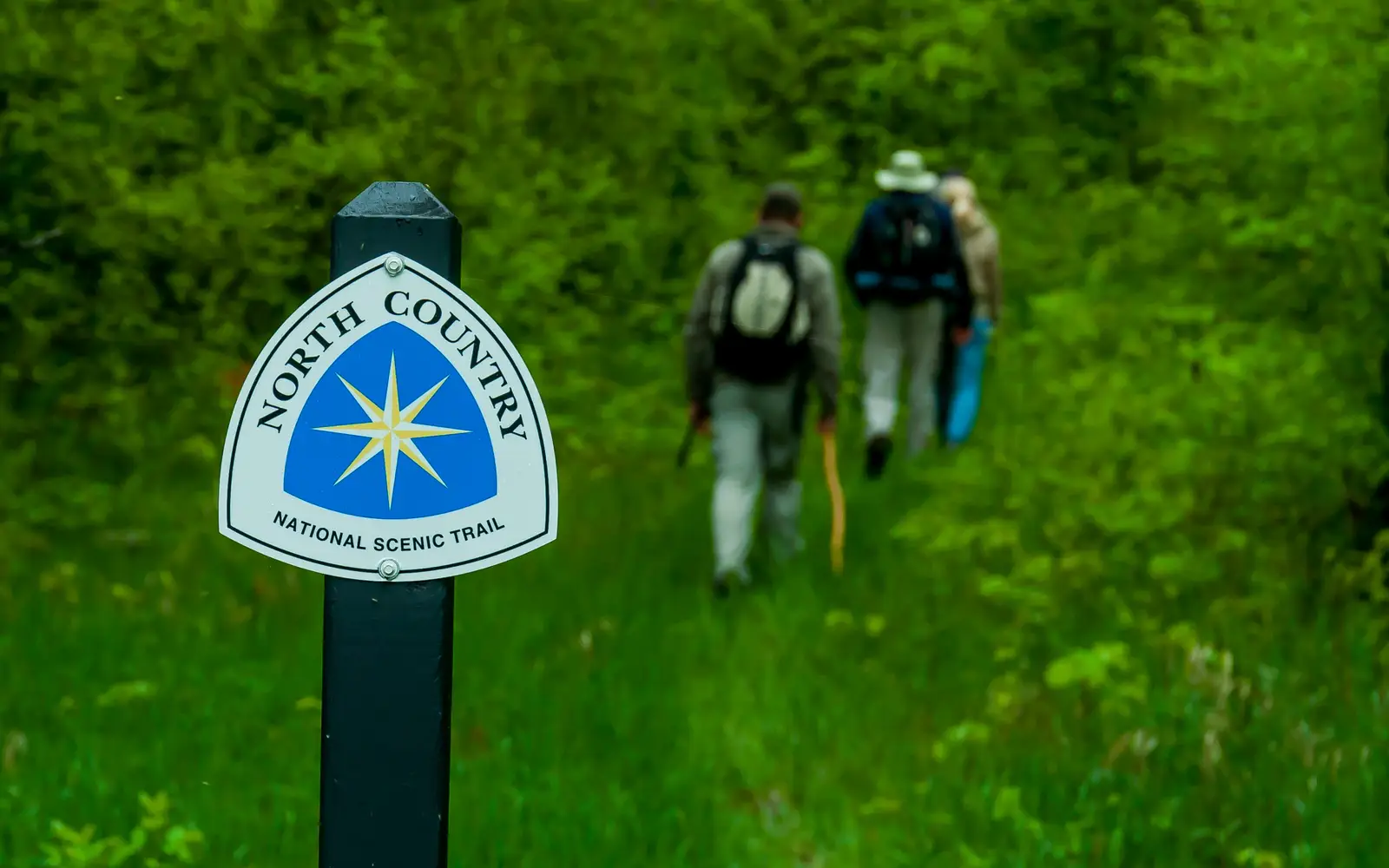
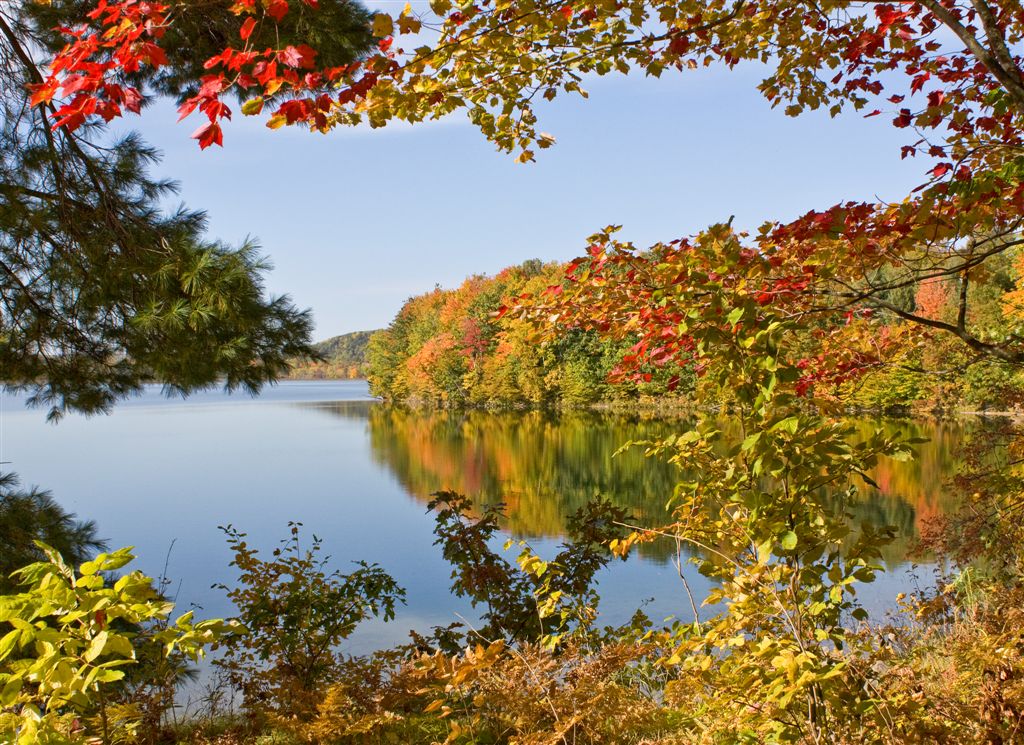
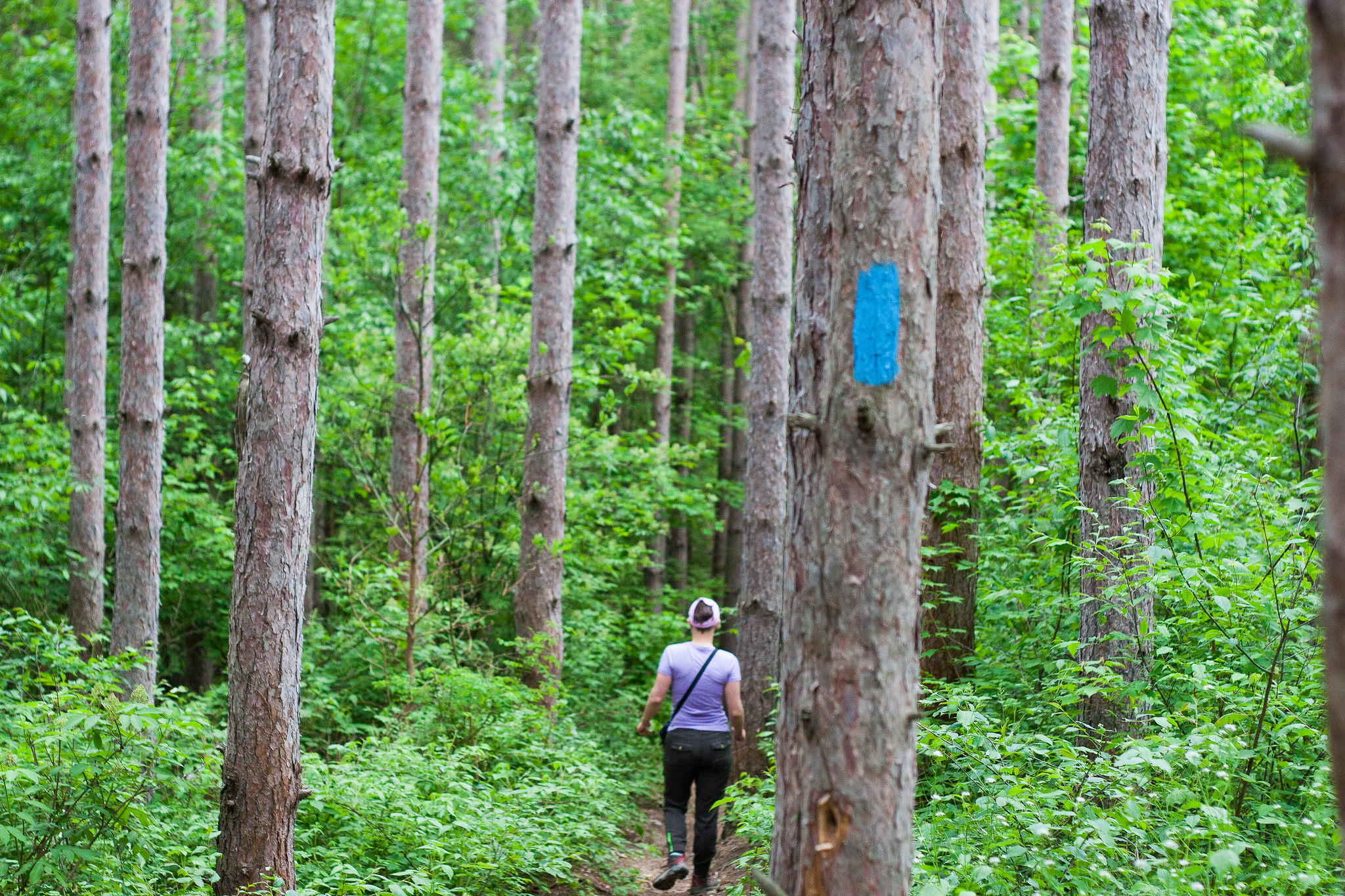
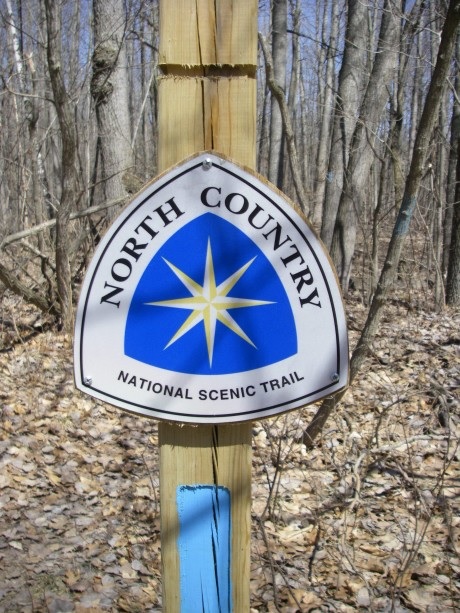
Hiking on trailFall colors along the trailHiking on the North Country TrailNorth Country trail sign
National Scenic TrailMI / MN / ND / NY / OH / PA / VT / WI

North Country National Scenic Trail

NPS / NCTA
95/ 100DOES IT ALL
parkverdict Experience ScoreIndependent, not sponsored

95 of 100. Our independent breadth-and-access index. How we score

Our verdict

Should you visit North Country National Scenic Trail?

Stretching more than 4,800 miles across eight states, the North Country National Scenic Trail runs from the plains of North Dakota all the way to the forests and farmland of Vermont.

That makes it the longest hiking trail in the United States, and the sheer length is both the draw and the headache when you sit down to plan a trip. Most people never attempt a thru-hike, which means the practical move is to choose one segment and build everything around it. The landscape changes considerably depending on where you go: you get Great Lakes shoreline through Michigan and Wisconsin, then glacially carved terrain once you hit New York. The trail costs nothing to use, stays open all year, and sees a mix of hikers, skiers, snowshoers, and horseback riders. Check local conditions before you head out.

What makes it worth it

A good day on the North Country Trail begins with picking a segment that fits what you actually want to do. The trail passes through genuinely varied country, and the activities reflect that. You can hike front-country or backcountry routes at almost any fitness level, ski or snowshoe the northern sections when snow arrives, ride horses on appropriate segments, and mountain bike where it's permitted. Wildlife watching and birdwatching draw people all along the corridor. The North Country Trail Association and local partners run guided tours, which gives first-timers a real advantage in unfamiliar terrain. A weekend might mean two nights of backcountry camping in Minnesota's hardwood forests, or a day hike along Lake Erie bluffs in Ohio. The trail itself is free to use, which makes multi-day trips far cheaper than most people expect.

Who should go

Long-distance hikers, section hikers, and anyone who likes stitching together a multi-state route will find plenty to pull them back. The northern segments also hold up well for snowshoers and cross-country skiers. If you want one iconic overlook or a tidy, well-groomed park experience, you should probably look elsewhere. This trail rewards people who plan and take initiative, and it asks for both.

When to go

Late spring through early fall works well for most of the route, and fall foliage is a real reason to visit the northern and eastern states in particular. Winter brings solid skiing and snowshoeing in Minnesota, Wisconsin, Michigan, and New York. Summer on the North Dakota and plains segments can get brutally hot, and the northern states often hold onto snow and mud well into May. Check local conditions before locking in any specific segment.

Highlights

  • Over 4,800 miles of continuous trail across eight states, the longest in the country
  • Year-round access with documented winter use including cross-country skiing and snowshoeing
  • Backcountry camping opportunities across multiple states and landscapes
  • Horseback riding and mountain biking permitted on designated segments
  • Wildlife watching and birdwatching across a wide ecological corridor
  • Guided tours available through the North Country Trail Association for structured entry points

Plan ahead

Entrance is free, but land management varies by segment since the trail crosses national forests, state lands, and private easements. Rules, closures, and camping regulations differ by section and local manager. Contact the North Country Trail Association or the relevant local land manager before your trip. Do not assume a single set of rules applies across all eight states.

Editor's tipThe North Country Trail Association publishes detailed segment maps and divides its membership into chapters by state. Those local chapters are where the real knowledge lives, covering current conditions, road access, and water sources. Before any trip, especially into backcountry segments where trailhead access and overnight permits vary by managing agency, reach out to the relevant chapter first.

How we scored it

How North Country National Scenic Trail earned its 95

Where does a 95 come from? One formula, run the same on every place we cover, built only from public data on what a unit offers and how reachable it is. It says nothing about how pretty a spot is or how busy it gets. This is what fed it:

  • Activity breadth18 documented activities
  • Topic breadth38 topics
  • Official imagery5 public-domain images
  • Camping on sitedocumented
  • Entry costfree

No number is hand-adjusted and no unit pays for placement. The full weights, the floor at 18 and a worked example are on how we score.

The honest limits

What the number leaves out

Worth saying plainly: this number only knows what the data shows, which is breadth and access. It has no idea whether the scenery is jaw-dropping, whether the lot is a zoo in July, what shape the trails are in, or how good the guided walks are. So do not read a lower score as a worse day out. A focused little site can beat a big all-rounder for the right person. Compare the numbers for what is on offer, then read the verdict for who each place actually suits.

The basics

North Country National Scenic Trail at a glance

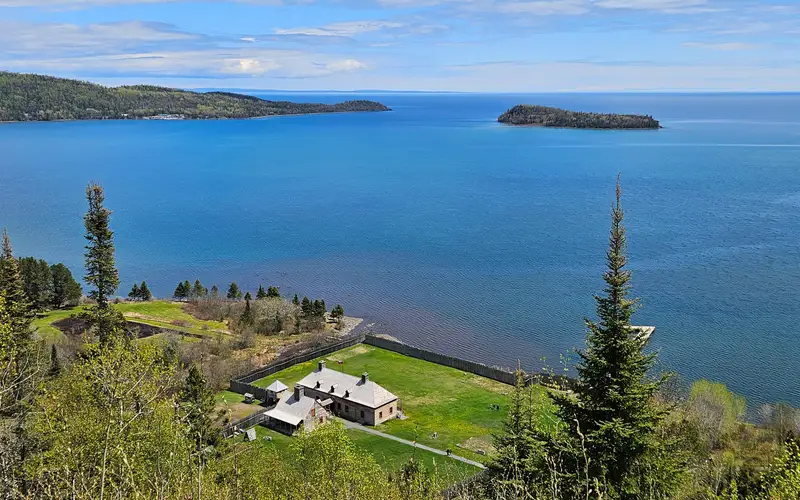
Come to the North Country. Trek its hills and valleys. Stand on the shores of lakes and streams that glaciers carved 10,000 years ago. Clear water, autumn reds and golds, snow-covered fields, open prairies, and distant horizons define this land. Historic sites along the way trace how America settled and grew. From North Dakota to Vermont, adventure stays close.

On documented breadth and access, North Country National Scenic Trail ranks 1st of 8 park and public-land units we score in Michigan.

Weather and seasons

The trail covers more than 4,800 miles across eight states, running from the Northeast to the Great Plains, so weather conditions shift dramatically depending on your location and the time of year. Heat exhaustion, hypothermia, and lightning are genuine dangers. To avoid heat-related illness, drink plenty of water and rest in shade during the hottest parts of the day. Layer your clothing so you can adjust when temperatures drop suddenly.

On offer

Documented activities

BikingMountain BikingCampingBackcountry CampingGuided ToursSelf-Guided Tours - WalkingHikingBackcountry HikingFront-Country HikingHorse TrekkingHorseback RidingSkiingCross-Country SkiingSnowshoeingWildlife WatchingBirdwatchingShoppingGift Shop and Souvenirs
Common questions

North Country National Scenic Trail: quick answers

Is North Country National Scenic Trail worth visiting?

Stretching more than 4,800 miles across eight states, the North Country National Scenic Trail runs from the plains of North Dakota all the way to the forests and farmland of Vermont.

Is North Country National Scenic Trail free to visit?

Yes, there is no entrance fee.

What is North Country National Scenic Trail best for?

It leans hardest toward hiking, camping, wildlife watching, winter sports, going by the 18 activities it actually documents.

When is the best time to visit North Country National Scenic Trail?

Late spring through early fall works well for most of the route, and fall foliage is a real reason to visit the northern and eastern states in particular.

How is the Experience Score for North Country National Scenic Trail calculated?

The 95 comes straight from public data on how much the place documents and how easy it is to reach, things like activities, topics, photos, camping and whether entry is free. It says nothing about scenery or how busy it gets.