589 units scored Refreshed on a schedule Independent, no sponsored rankings
Recreation AreaOR
South Slough National Estuarine Research Reserve
NPS / South Slough National Estuarine Research Reserve
46/ 100FOCUSED
parkverdict Experience ScoreIndependent, not sponsored
46 of 100. Our independent breadth-and-access index. How we score
Worth it?
Is South Slough National Estuarine Research Reserve worth it?
South Slough offers an undervisited slice of Oregon coast ecology.
Entry is free, anchored by a solid visitor center. This destination rewards patience over mileage, excelling in wildlife watching and paddling. The experience breadth, however, is narrow. Visitors seeking dramatic overlooks or a packed activity menu will not find them here. For those drawn to quiet paddles through eelgrass beds and a deep understanding of estuary function, South Slough delivers a focused, rewarding experience.
Who it is for
This destination caters to a specific visitor. Kayakers, birders, and photographers will find ample opportunity for coastal wetland immersion, free from crowds. Interpretive programs offer engaging experiences for families with curious children. Those seeking extensive hiking trails or the classic dramatic Oregon coastline will not find it here.
Worth seeing
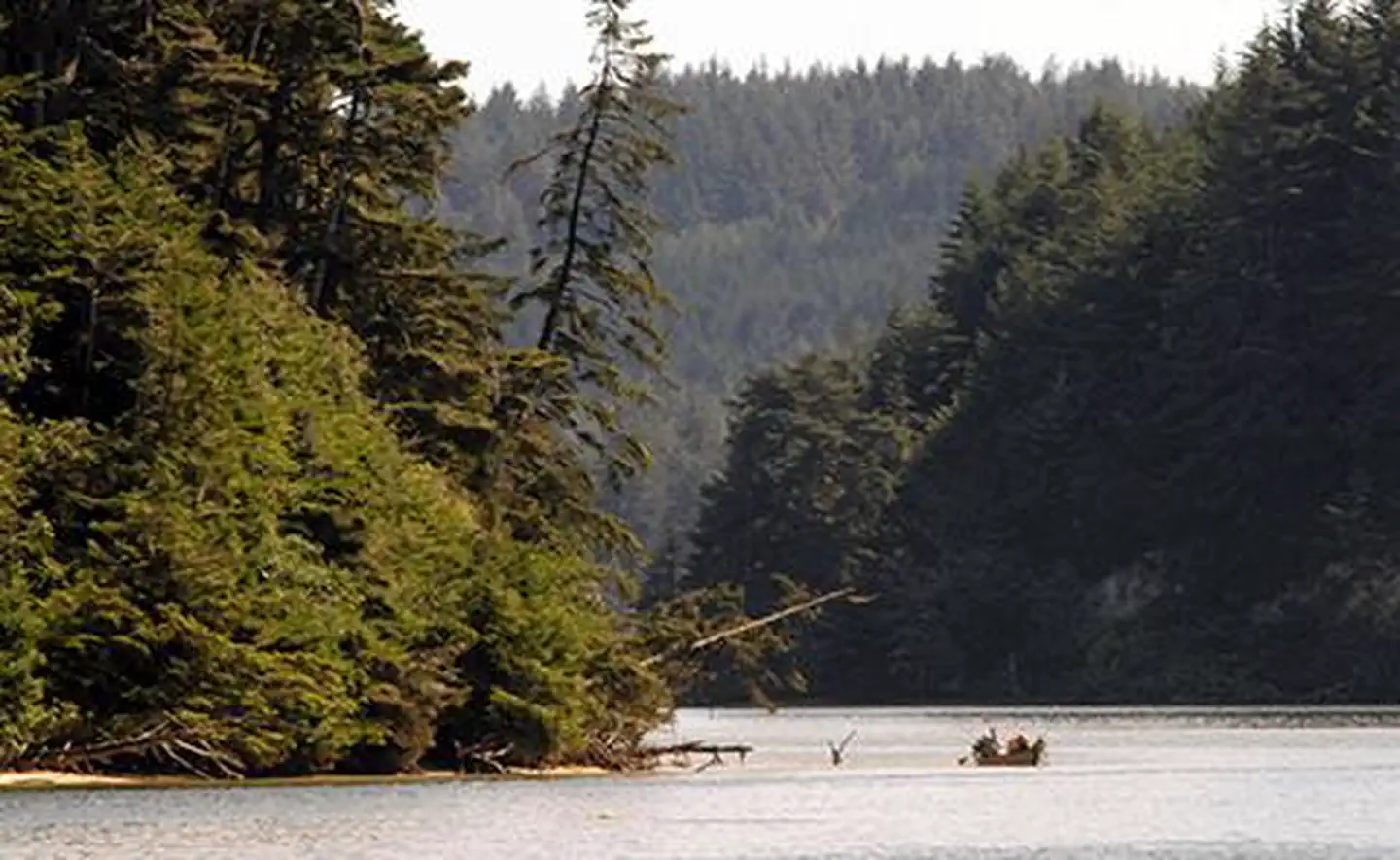
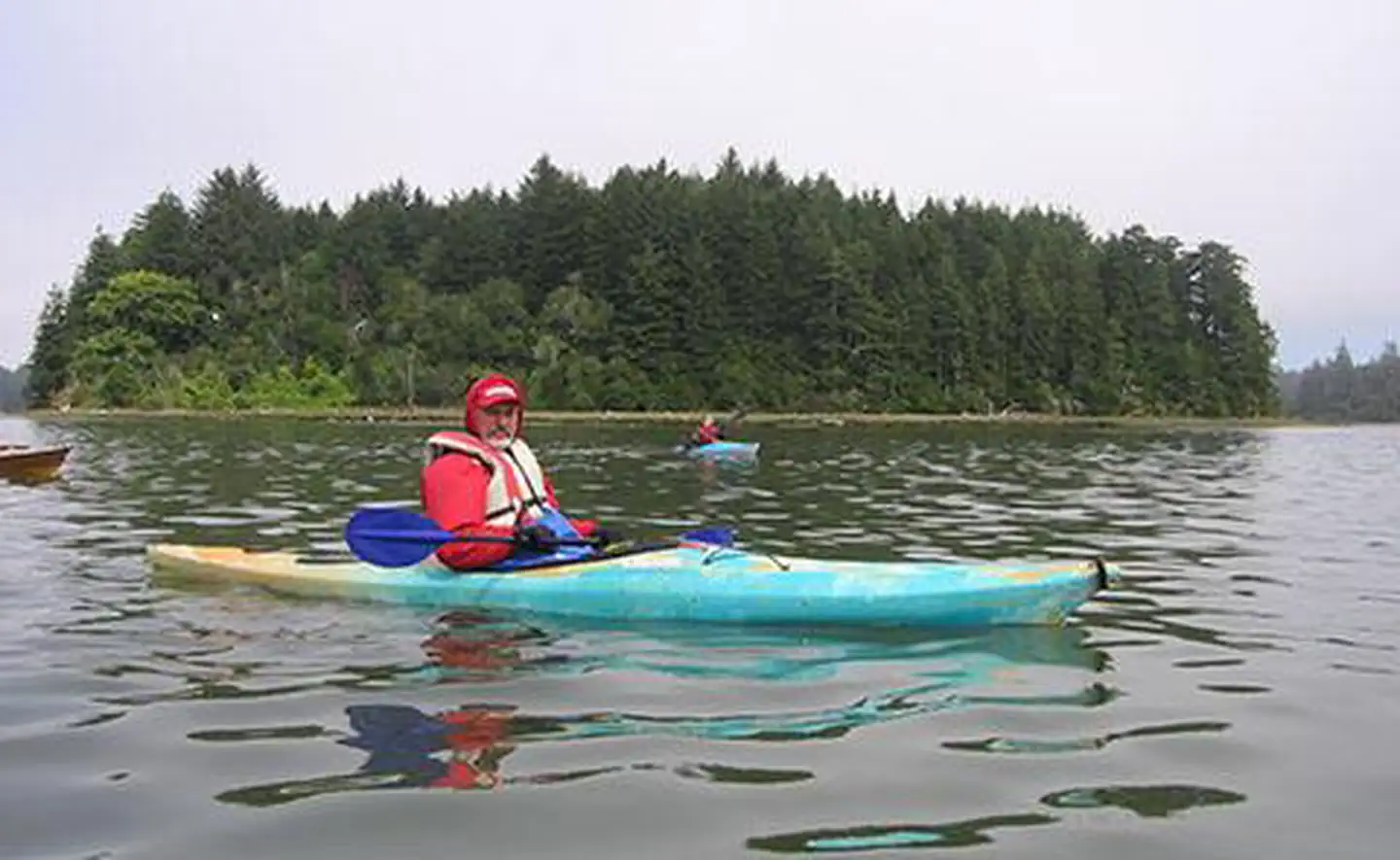
Paddling the slough channels through tidal marshes and eelgrass beds at the southern end of the Coos estuary
Wildlife viewing across layered habitats, from conifer uplands down to mudflats and emergent islands
Interpretive programs at the visitor center that genuinely explain estuarine ecology rather than just decorating it
Photography opportunities where freshwater wetlands meet salt marsh, especially during tidal shifts
Our tipTidal flow dictates the experience here. Consult with reserve staff at the visitor center for optimal tidal windows; this is essential information for navigating the inner channels.
How we scored it
Behind the 46
The number is not a mood. It is a few things we can actually check in public records, added up and capped so no single one runs away with the total. It tracks how much a place has going on and how easy it is to reach, and nothing about scenery or crowds. Here is what added up to 46:
Activity breadth5 documented activities
Topic breadth0 topics
Official imagery3 public-domain images
Camping on sitenone recorded
Entry costfree
No number is hand-adjusted and no unit pays for placement. The full weights, the floor at 18 and a worked example are on how we score.
The honest limits
What the score cannot tell you
A quick honest note. The score tracks how much a place has going on and how easy it is to reach, both pulled from public records. What it cannot see is the stuff that often makes or breaks a day: whether the views stop you cold, how packed it gets in season, what the trails are like after rain, or whether you catch a great ranger talk. A small, single-focus site can land below a sprawling park here and still be the better call for your trip. Use the number to compare what places offer on paper, and the verdict up top to tell if it is your kind of place.
About South Slough National Estuarine Research Reserve
South Slough National Estuarine Research Reserve lies in a sheltered arm. This arm forms the southern end of the Coos estuary in southwestern Oregon. The Reserve and its watershed protect a largely undisturbed area. This area represents coastal ecosystems in the Pacific Northwest.
Its uplands have steep slopes. These slopes support conifer forests. Stream systems in these forests supply fresh water to the estuary. The lowlands support freshwater wetlands and ponds. They also contain high and low salt marshes. These marshes have experienced different levels of disturbance and recovery.
Emergent islands, including Valino Island, are also present. Sand and mud flats exist here too. Beds of eelgrass, both native Zostera marina and introduced Zostera japonica, cover a significant portion of the Coos estuary substrate. The reserve provides important habitat for salmon, great blue herons, and bald eagles. Migrating ducks, elk, sea otters, oysters, and crabs also live here.
On documented breadth and access, South Slough National Estuarine Research Reserve ranks 44th of 45 park and public-land units we score in Oregon.
South Slough National Estuarine Research Reserve: quick answers
Is South Slough National Estuarine Research Reserve worth visiting?
South Slough offers an undervisited slice of Oregon coast ecology.
Is South Slough National Estuarine Research Reserve free to visit?
No charge at the gate.
What is South Slough National Estuarine Research Reserve best for?
It leans hardest toward water activities, wildlife watching, guided tours, going by the 5 activities it actually documents.
How is the Experience Score for South Slough National Estuarine Research Reserve calculated?
The 46 comes straight from public data on how much the place documents and how easy it is to reach, things like activities, topics, photos, camping and whether entry is free. It says nothing about scenery or how busy it gets.
Reviewed by Irene A. Taranina, founding editor/Checked against official public data/Published /Updated /Independent, no sponsored rankings
parkverdict is an independent digital publication. Not affiliated with the National Park Service.