Is Crater Lake National Park worth it?
Crater Lake offers one of the most visually arresting experiences in the national park system.
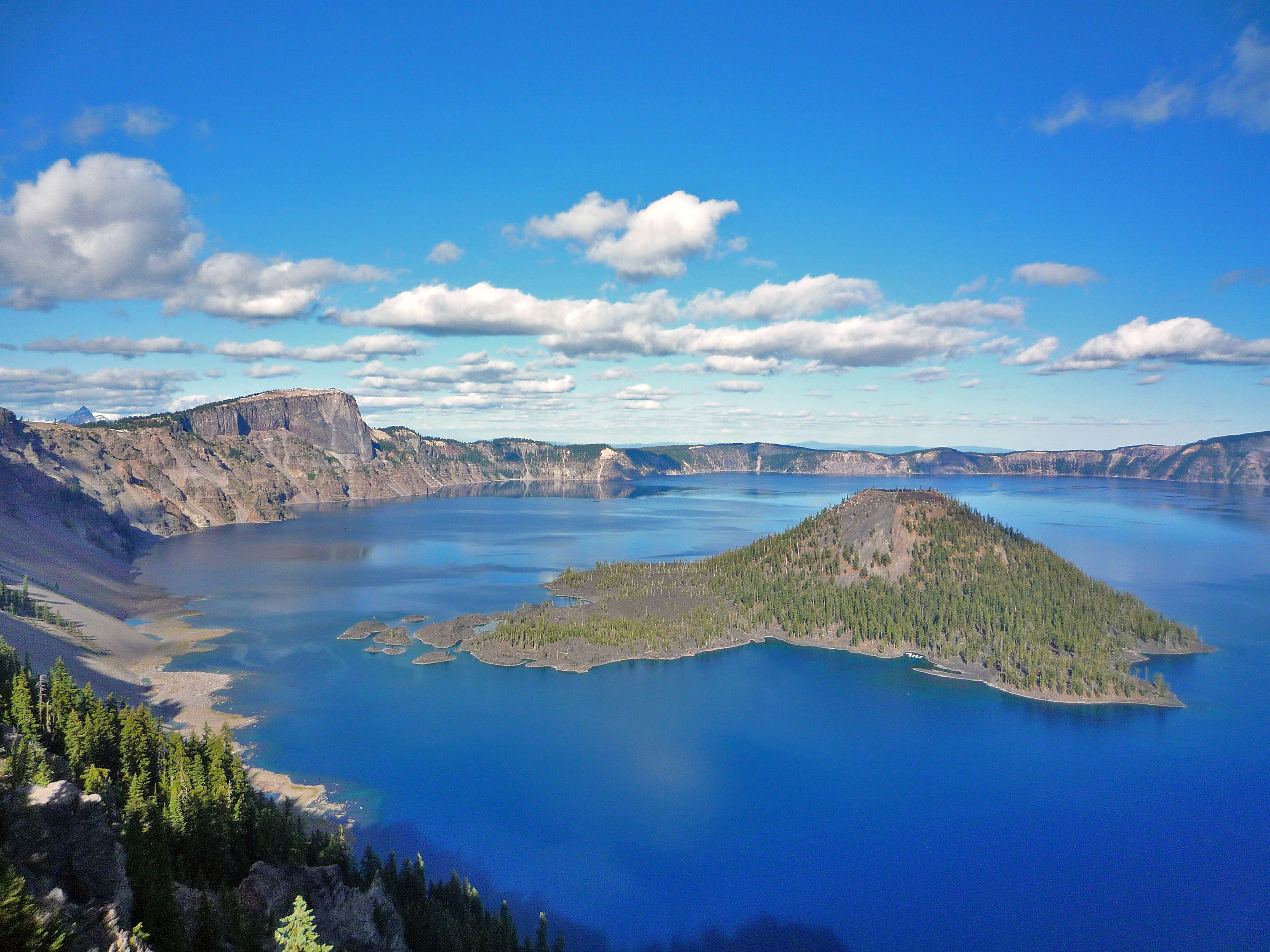
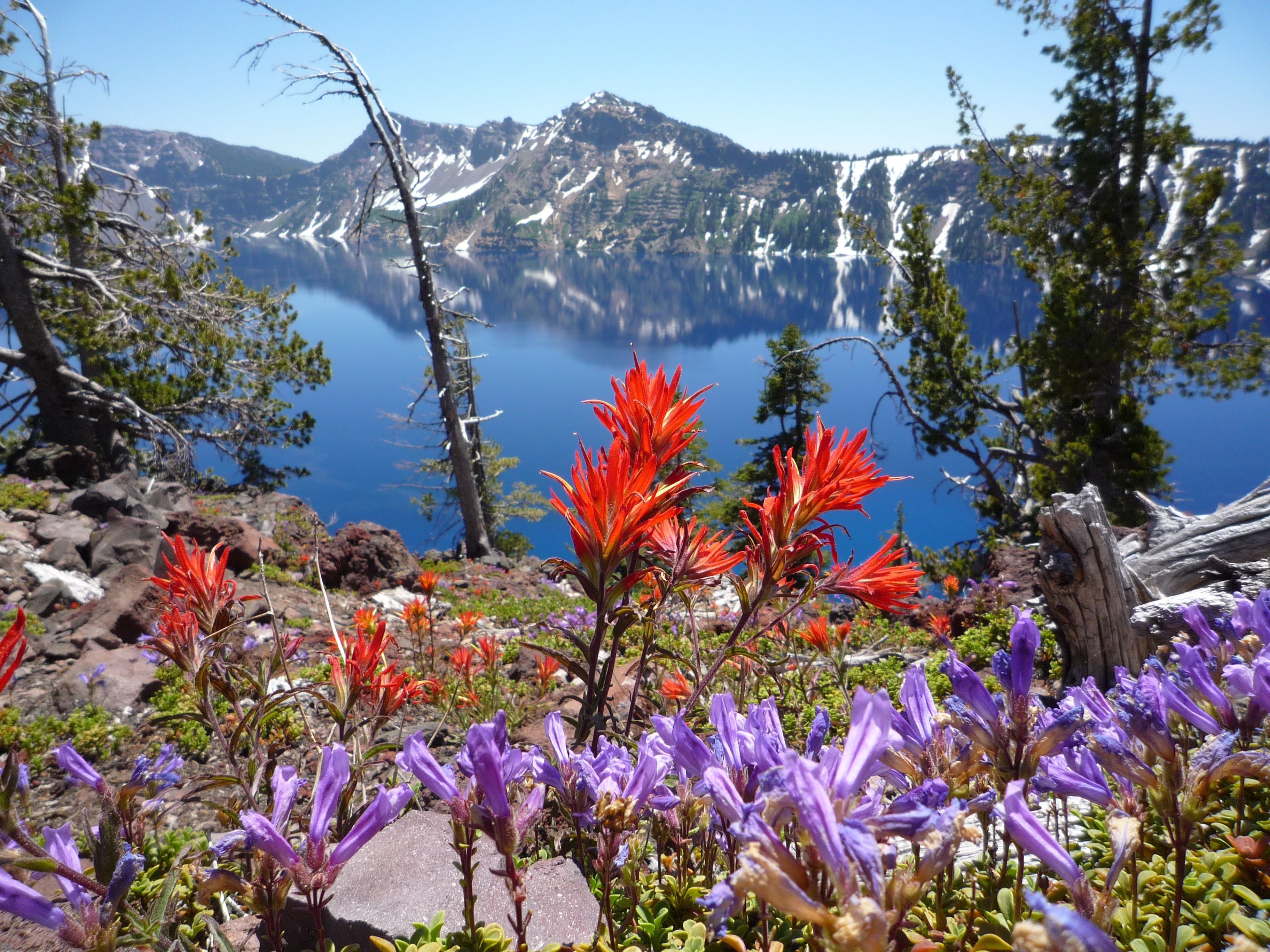
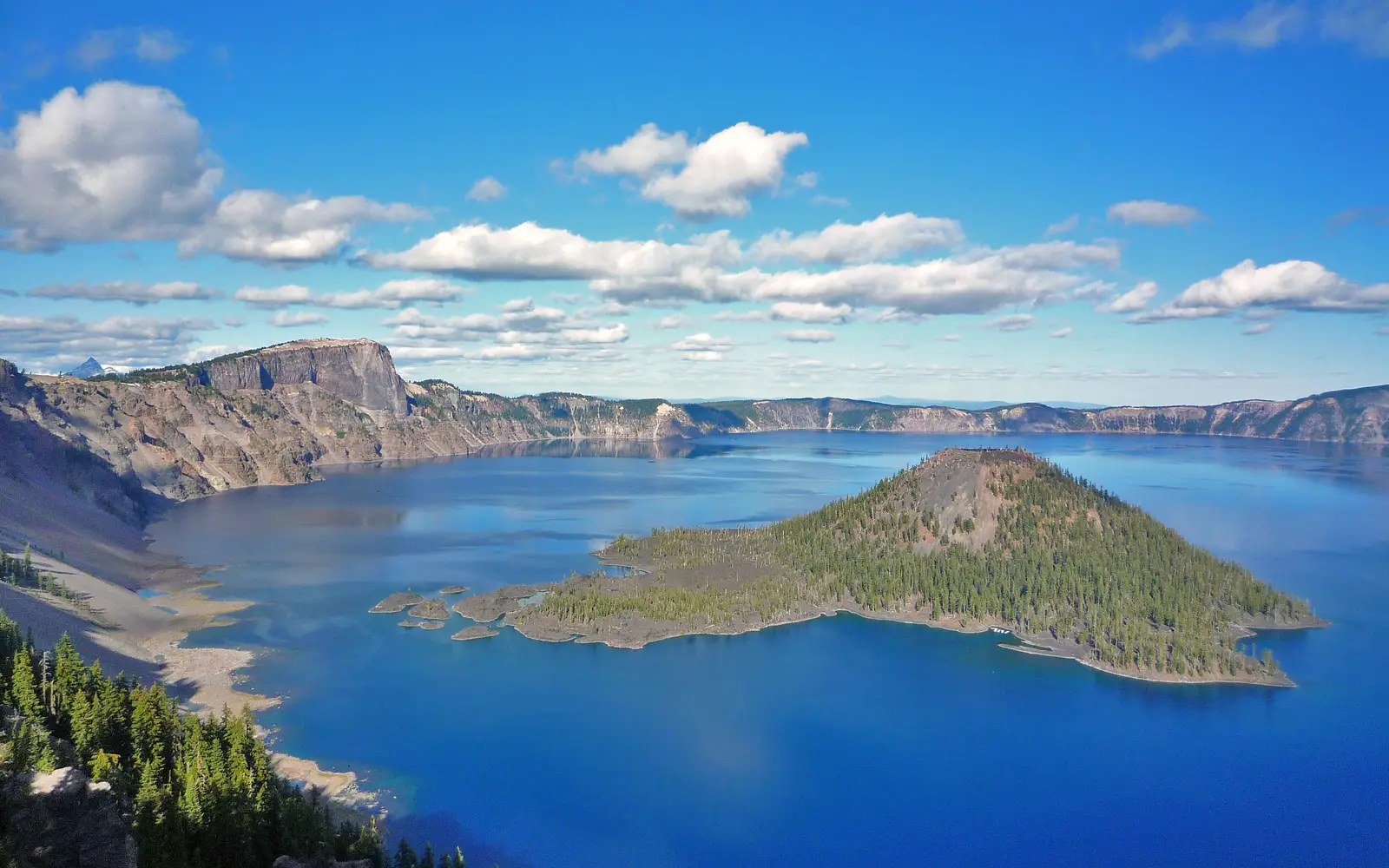
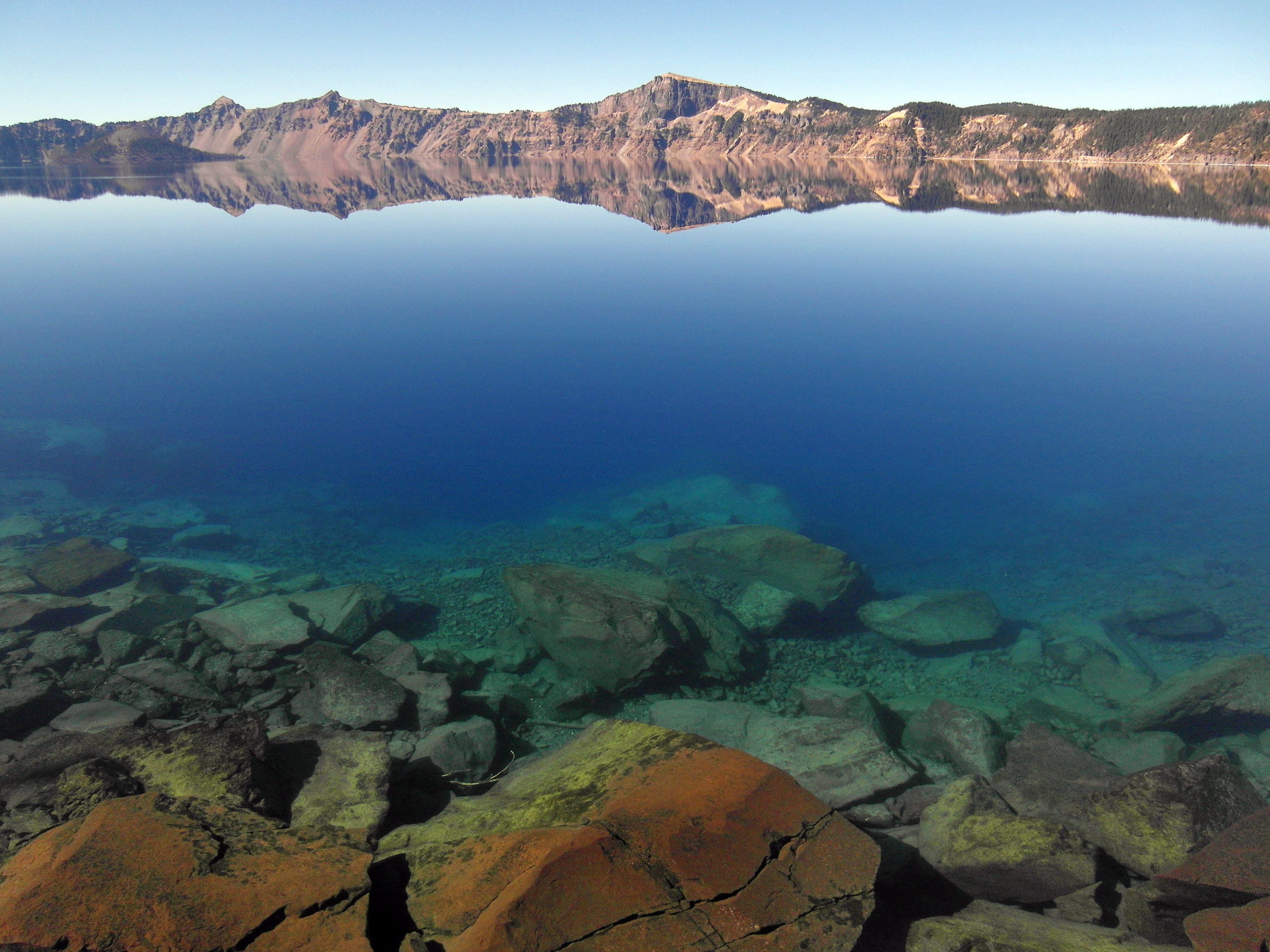
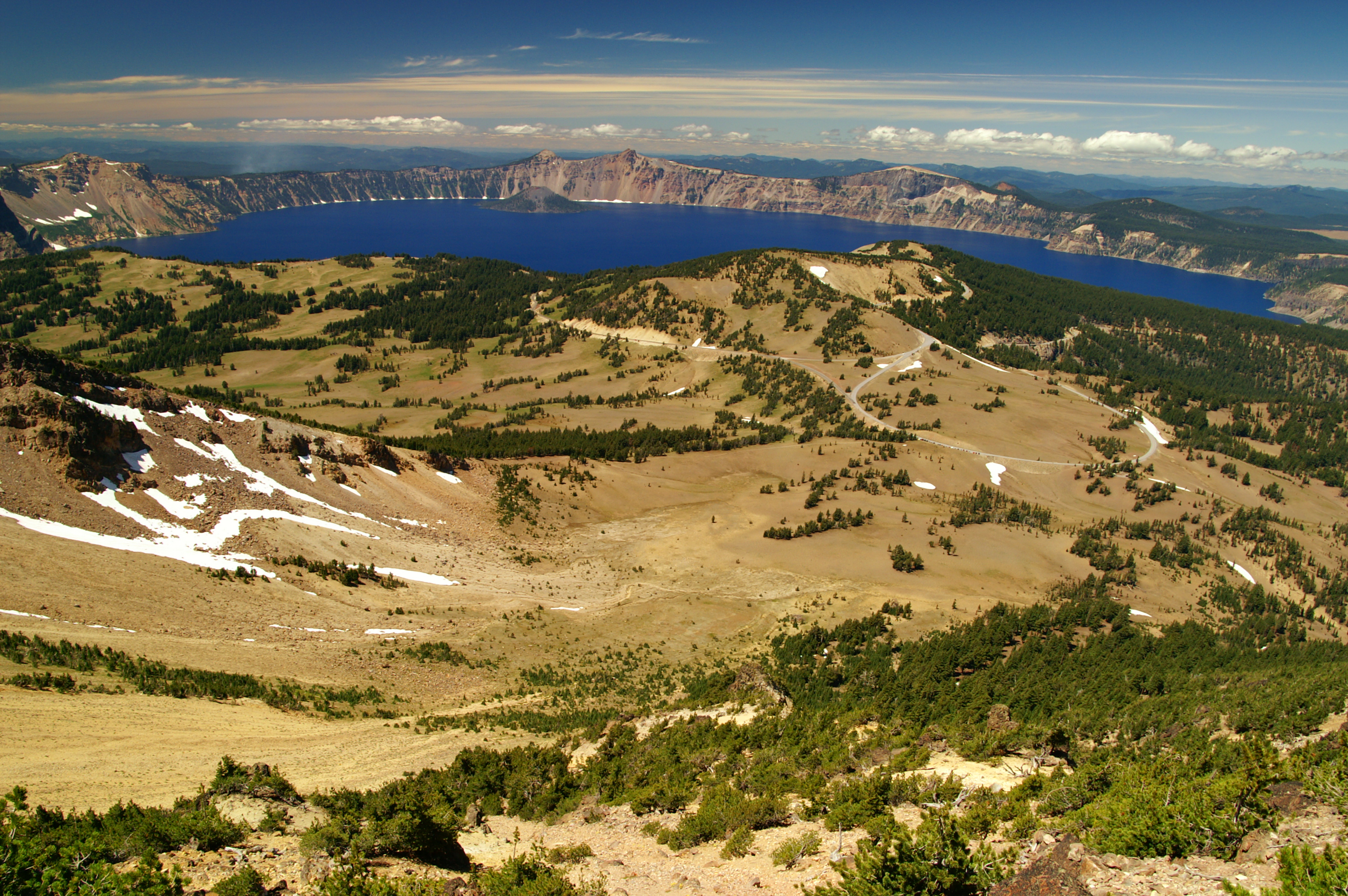
The caldera, formed by the collapse of Mount Mazama 7,700 years ago, cradles the deepest lake in the United States. Its cobalt blue water, fed purely by rain and snowmelt without inlets or outlets, presents a singular spectacle. This is not a niche destination. With an Experience Score of 90, the park provides genuine breadth: rim drives, boat tours, backcountry hiking, winter snowshoeing, stargazing, camping, and wildlife watching are all documented and accessible activities. The primary caveat is its heavy seasonality. The rim road closes from November through late spring, and summer weekends see significant crowds. Factoring in these seasonal limitations, Crater Lake justifies the detour for most travelers.
The case for it
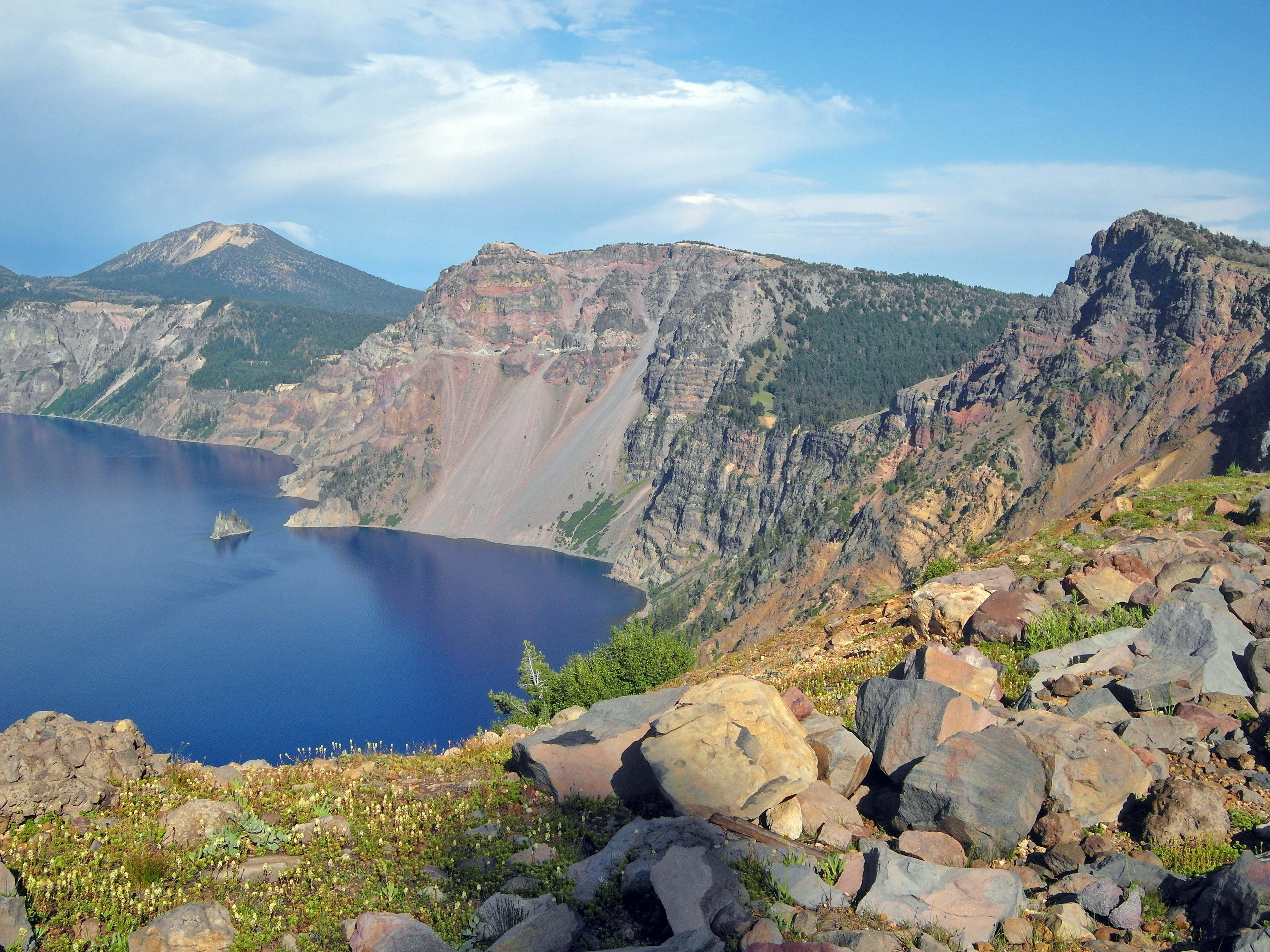
This park centers on the 33-mile Rim Drive, offering numerous caldera overlooks from varied angles. The experience gains dimension from hikes to the water's edge and available boat tours. Its remote Oregon location and high elevation also support significant stargazing opportunities. Winter transforms the park; the rim road closes, and activities shift to snowshoeing, cross-country skiing, and snow play. Camping within the caldera rim, above a remarkably pure body of water, represents a memorable overnight experience.
Who it is for
Crater Lake offers a compelling destination for a range of visitors, provided timing aligns with its seasonal access. Families, photographers, and hikers will find ample opportunities for engagement. It also serves as an excellent stop for those on Pacific Coast or Cascades road trips, and it is a notable draw for winter sports aficionados. Those seeking only beach or desert environments, or without an appreciation for volcanic geology or alpine vistas, however, may consider other options.
Best time to visit
The operational window for this park is clear: July through September offers reliable warmth, dry conditions, open rim roads, and active boat tours. Trails are snow-free. May, June, and October present a variable weather mix of sun, rain, and snow, compensated by fewer visitors. Winter access is significantly limited, precluding full rim views, yet it offers a compelling, if specialized, experience for snowshoers and cross-country skiers.
Worth seeing
- Driving the full Rim Drive with continuous caldera overlooks from multiple elevations
- Boat tours on the lake itself, reaching the water from the rim trail descent
- Stargazing from the caldera rim on clear summer nights at high elevation
- Snowshoeing and cross-country skiing the snow-covered rim in winter
- Backcountry and off-trail hiking with a caldera backdrop unlike anywhere else in the US
- Wildlife watching and birdwatching in the surrounding Cascade forest and rim environment
Before you visit
Entry is $15 per vehicle, a reasonable assessment for the documented breadth and access. The North Entrance Road and both Rim Drives face seasonal closure November 1 or earlier, dictated by snowfall; confirming current road status pre-arrival is essential. The park maintains year-round access. However, facilities, boat tours, and most trails operate on a summer-only basis. Limited cell service within the park dictates downloading offline maps prior to entry.
Our tipThis unit rewards careful planning. Arrive at the rim before 9 a.m. or after 5 p.m. during peak summer to avoid crowds. The light at these times enhances photographic opportunities. A midday visit on a clear day also offers distinct visual rewards, as direct sun intensifies the blue of the water.