Is Sleeping Bear Dunes National Lakeshore worth it?
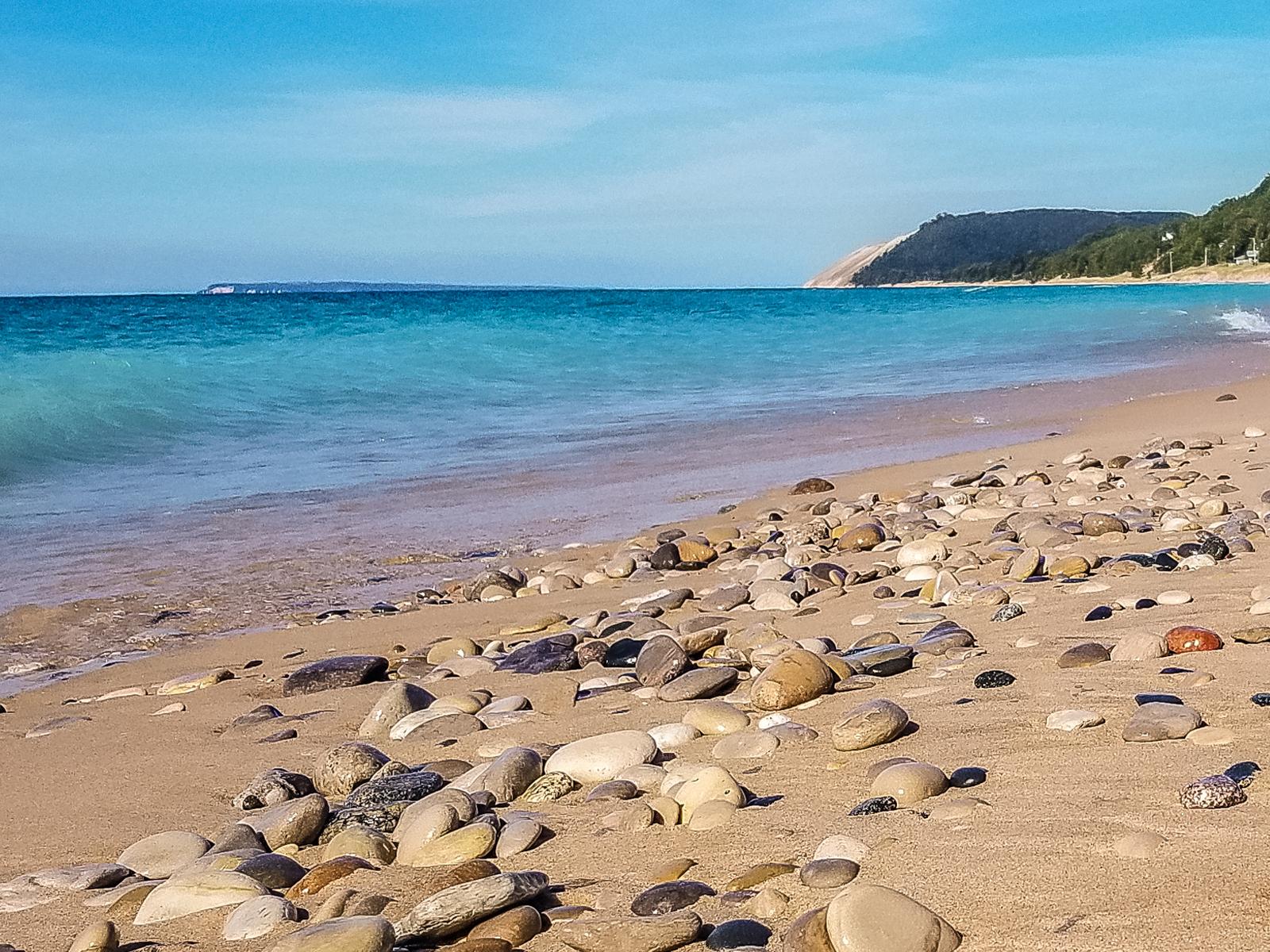
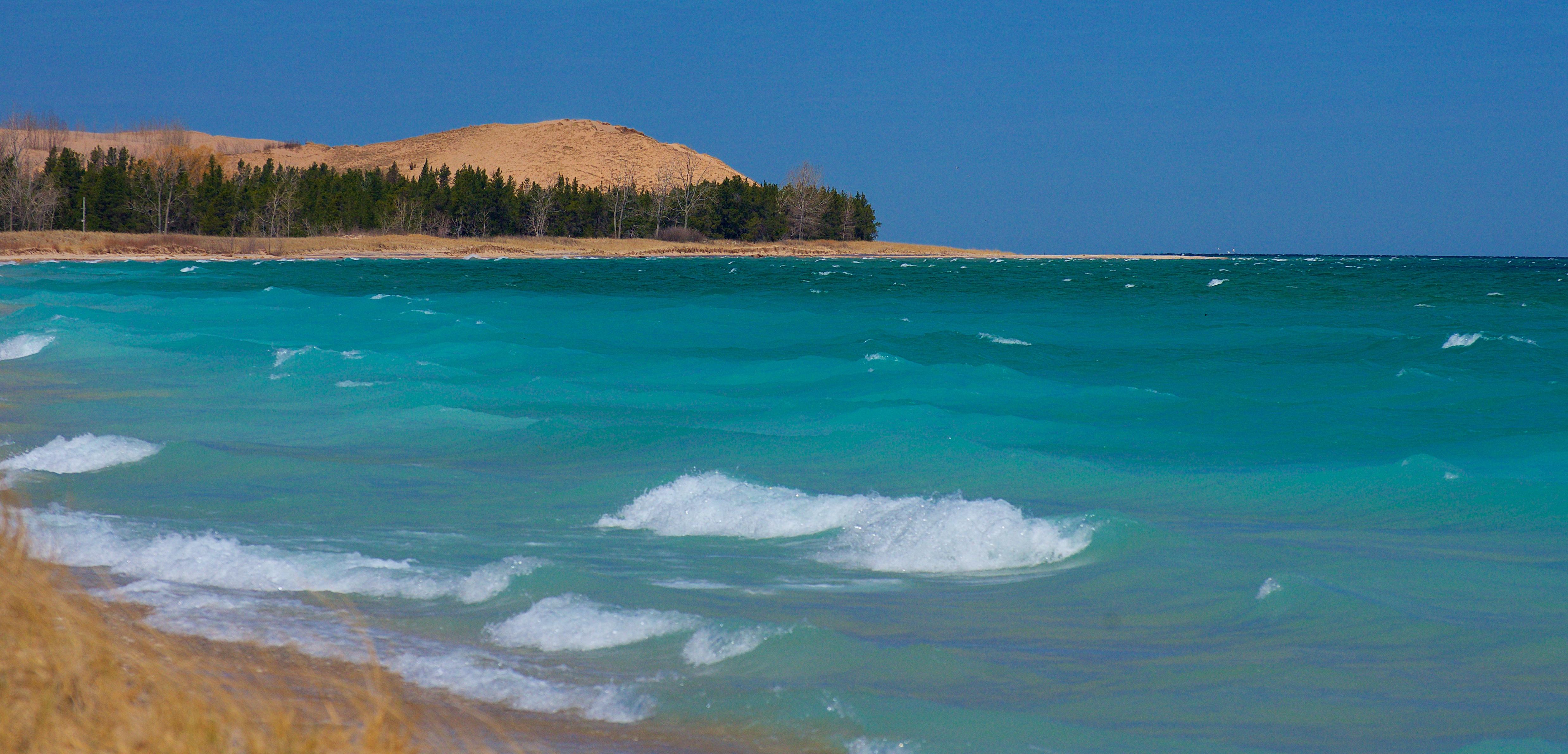
Sleeping Bear Dunes National Lakeshore is a genuinely spectacular freshwater coastal landscape.
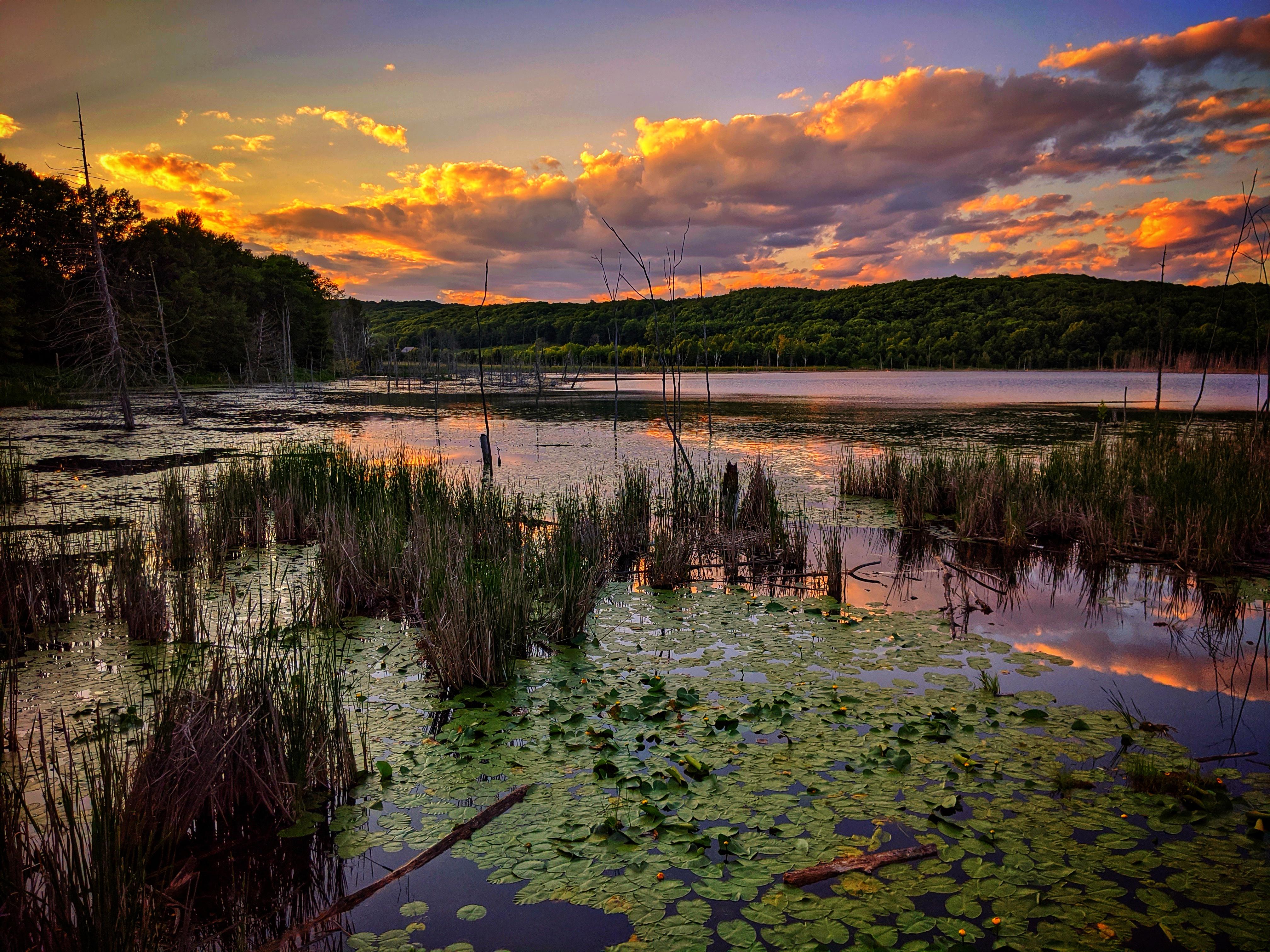
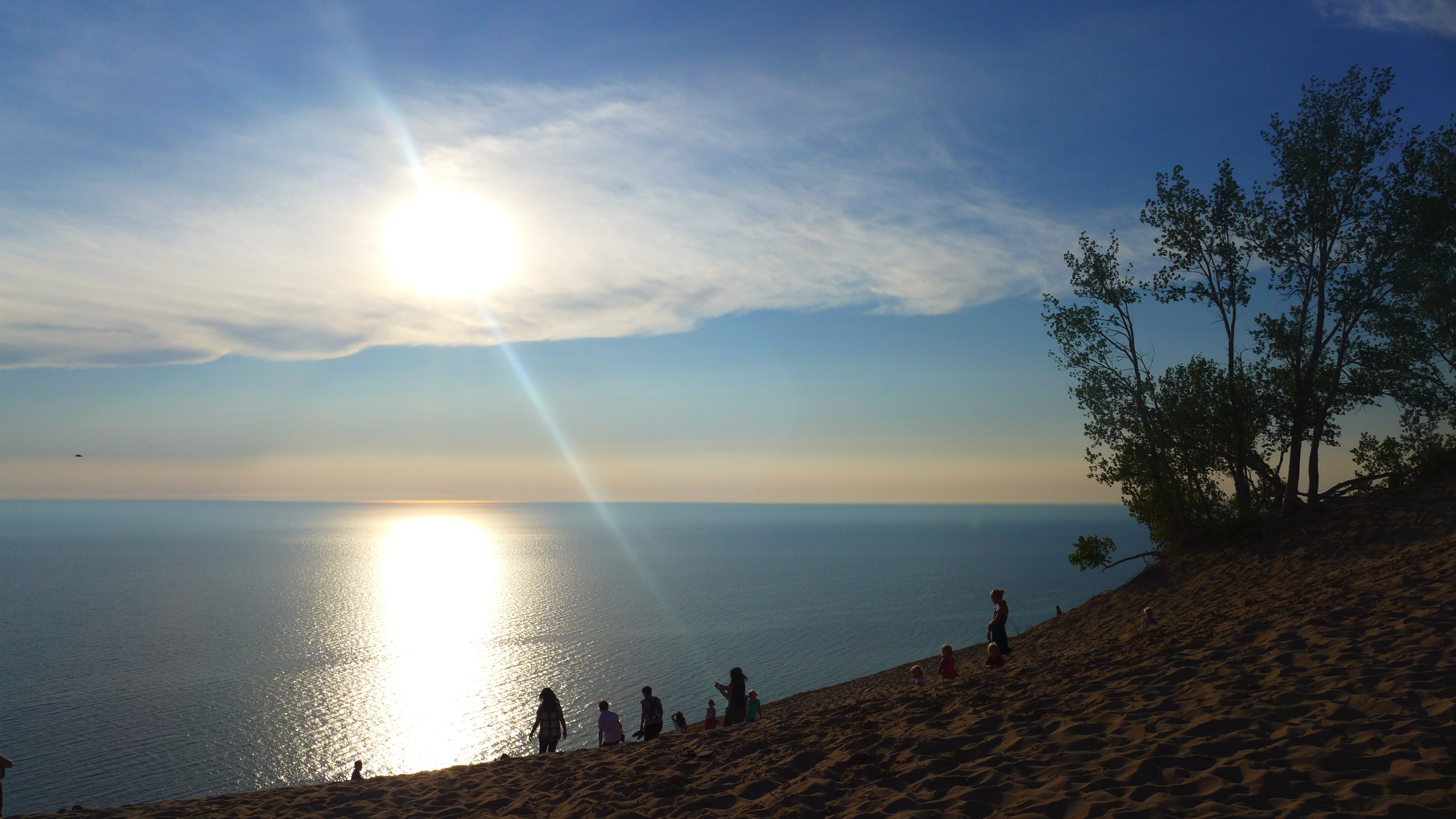
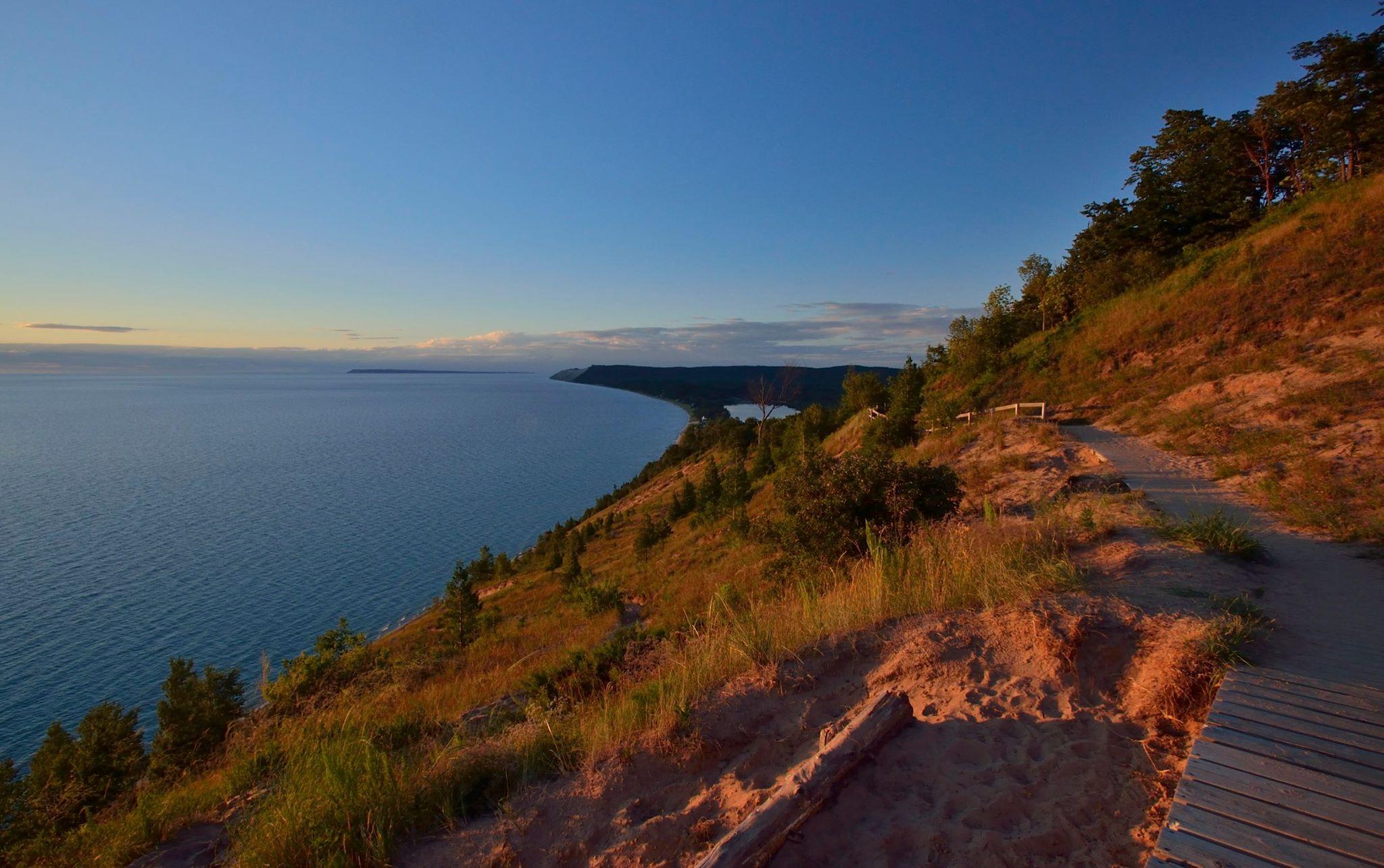
Its 90 Experience Score reflects a rare breadth of real activities across every season. The centerpiece is the dune complex, rising up to 450 feet above Lake Michigan and delivering views that feel oceanic. This is not a one-trick park. It pairs those dunes with inland lakes, forested hiking trails, paddleable rivers, and beaches for swimming. A documented dark sky environment is ideal for stargazing. The $15 entrance fee represents solid value. The park rewards families, serious hikers, paddlers, and winter recreationists equally. A main caution is heat exhaustion on the dunes in peak summer, which the park flags as a real hazard. Come prepared. This park exceeds expectations.
The case for it
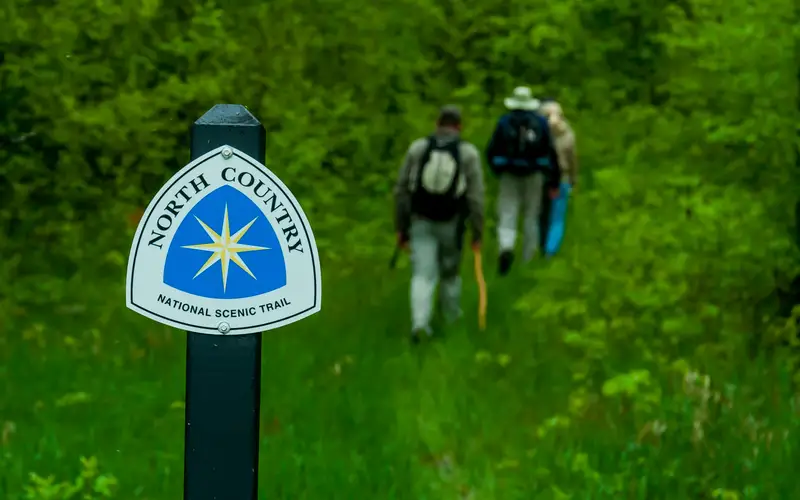
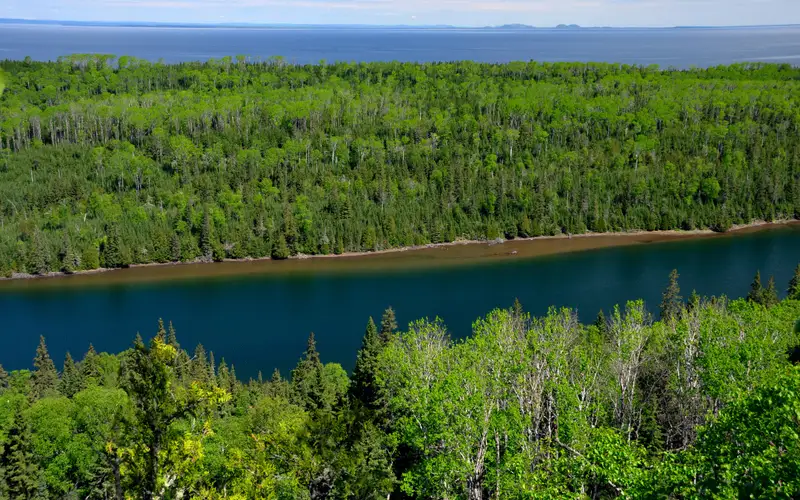
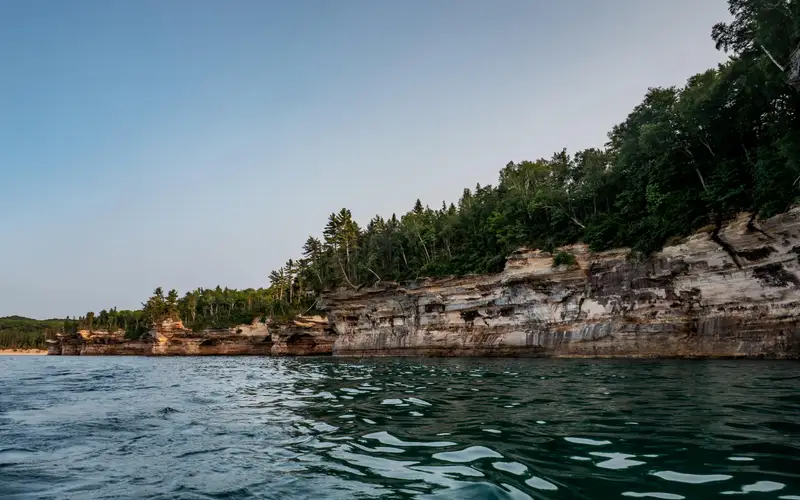
This park readily accommodates varied interests across its four documented seasons. The Pierce Stocking Scenic Drive provides immediate high-bluff panoramas of Lake Michigan. For those seeking physical engagement, the dune climb offers significant rewards. Inland lakes are available for freshwater swimming, kayaking, or canoeing. The park's documented dark skies support exceptional stargazing. Shaded, forested trails away from the dunes offer hiking and wildlife viewing, particularly birdwatching along the lakeshore. Winter transforms the landscape for cross-country skiing and snowshoeing. The documented infrastructure supports a consistent, year-round visitor experience.
Who it is for
This park delivers genuine variety for families, paddlers, hikers, and winter sports enthusiasts. A multi-day visit is easily justified. Stargazers and birders will also find exceptional opportunities. Only those strictly seeking mountain scenery or arid landscapes should look elsewhere. This is a freshwater coastal park. Its identity is defined by this unique environment.
Best time to visit
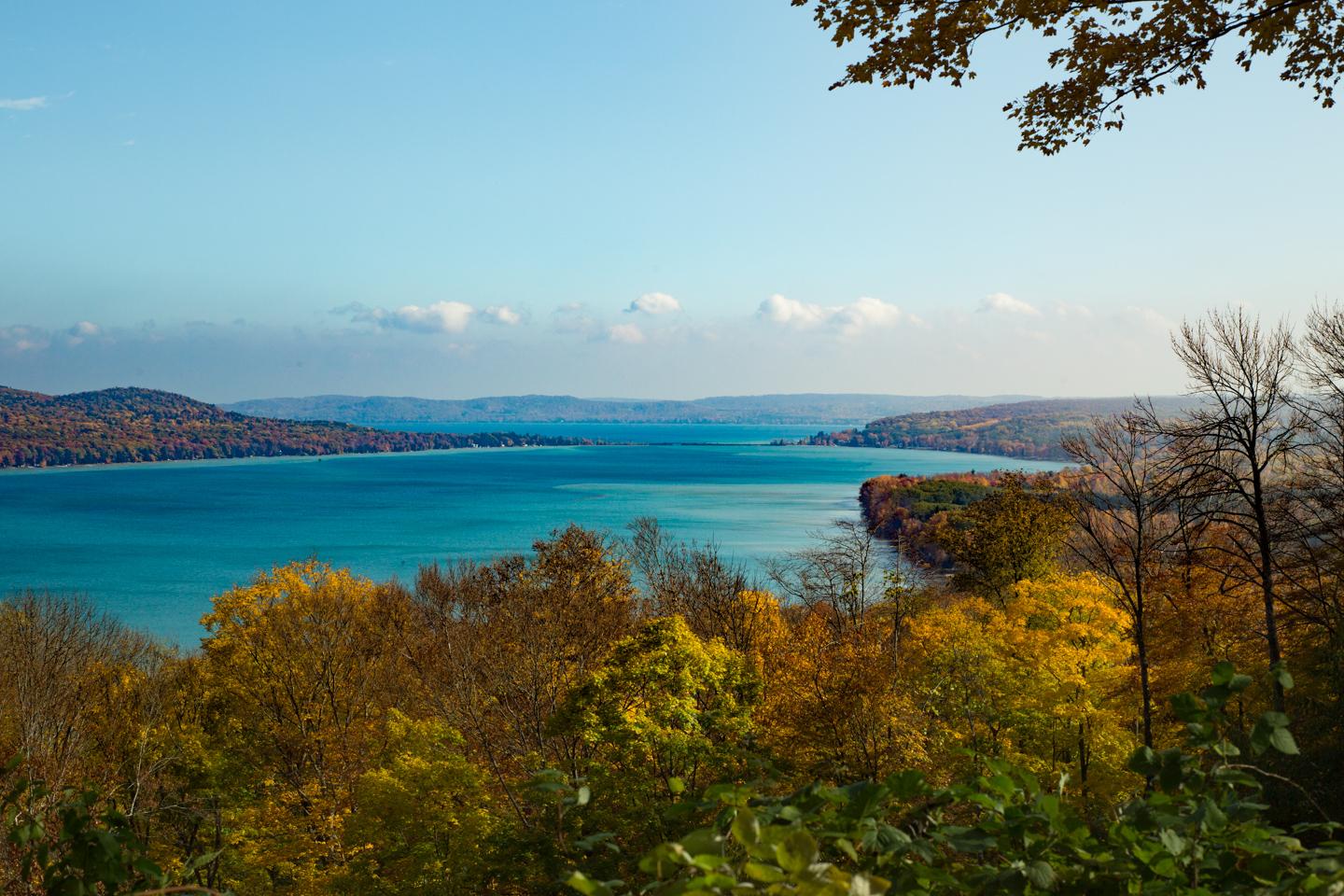
Peak season runs from late June through early September, ideal for water activities and dune hiking. Expect serious heat on open sand; water is essential. Cooler temperatures in the 40-70°F range arrive in late May and September, offering fewer crowds and better conditions for hiking and biking. Fall foliage enhances the forested sections. Winter presents a viable, if cold, option for cross-country skiing and snowshoeing.
Worth seeing
- Climbing the 450-foot dune bluffs for panoramic views across Lake Michigan
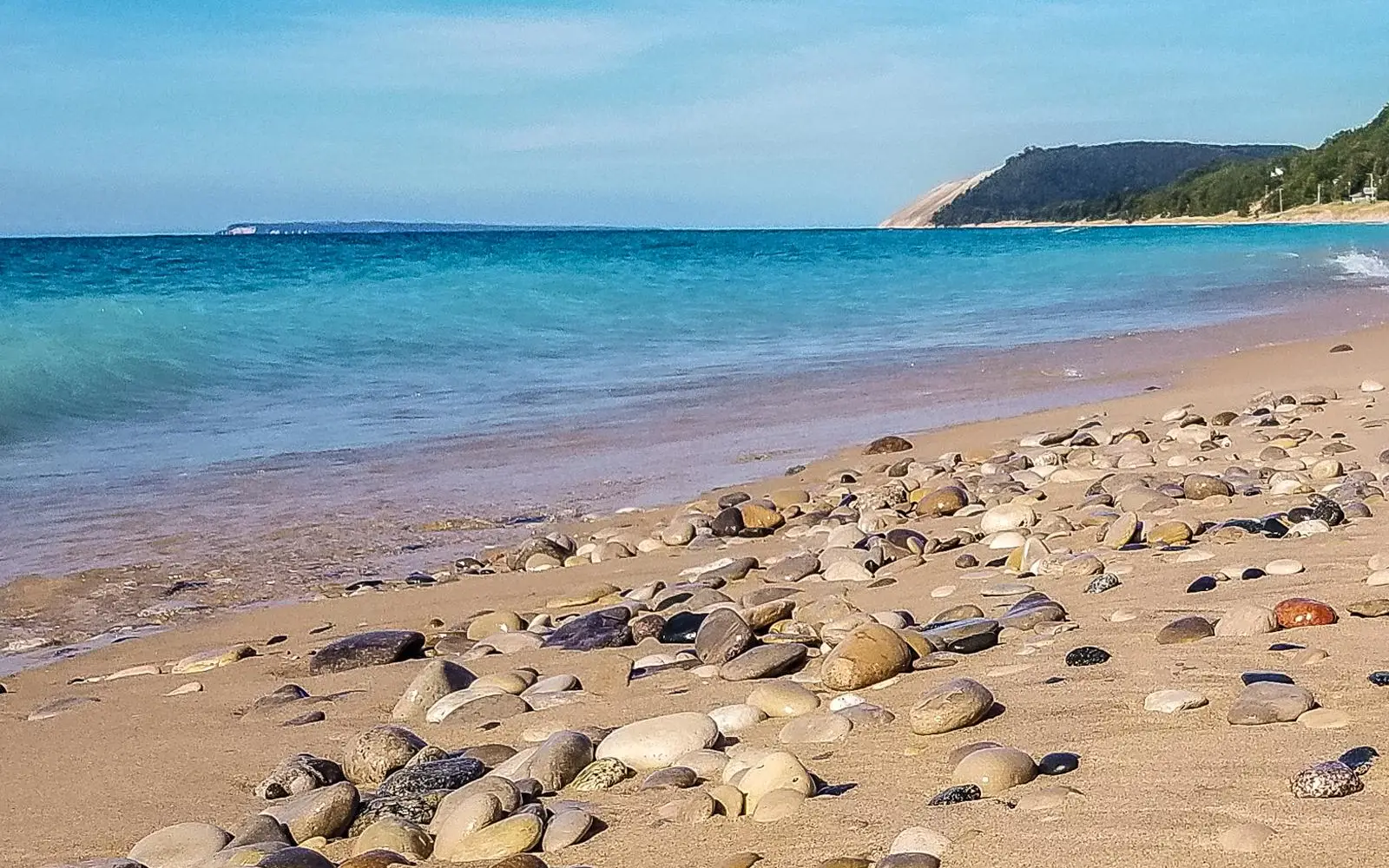
- Freshwater swimming and beach access along the lakeshore
- Kayaking and canoeing on inland lakes and waterways
- Stargazing in documented low-light-pollution conditions after dark
- Cross-country skiing and snowshoeing in winter across the same terrain
- Scenic driving route with high-bluff overlooks accessible by car
Before you visit
Entry to this lakeshore is $15 per vehicle. While the grounds remain open 24 hours, visitor centers and campgrounds operate on more limited schedules; confirm these in advance. For summer visits, heat exhaustion on the exposed dunes presents a genuine hazard; pack ample water. Camping options span developed sites to backcountry permits. Secure reservations well ahead for any peak season camping.
Our tipFor stargazing, a new moon visit with an overnight stay is essential. Low regional light pollution and an open lakeshore horizon create a legitimate dark-sky experience in the Midwest. Day visitors miss this entirely.