Is Isle Royale National Park worth your trip?
Isle Royale's low visitation figures reflect its remote nature, not its quality.
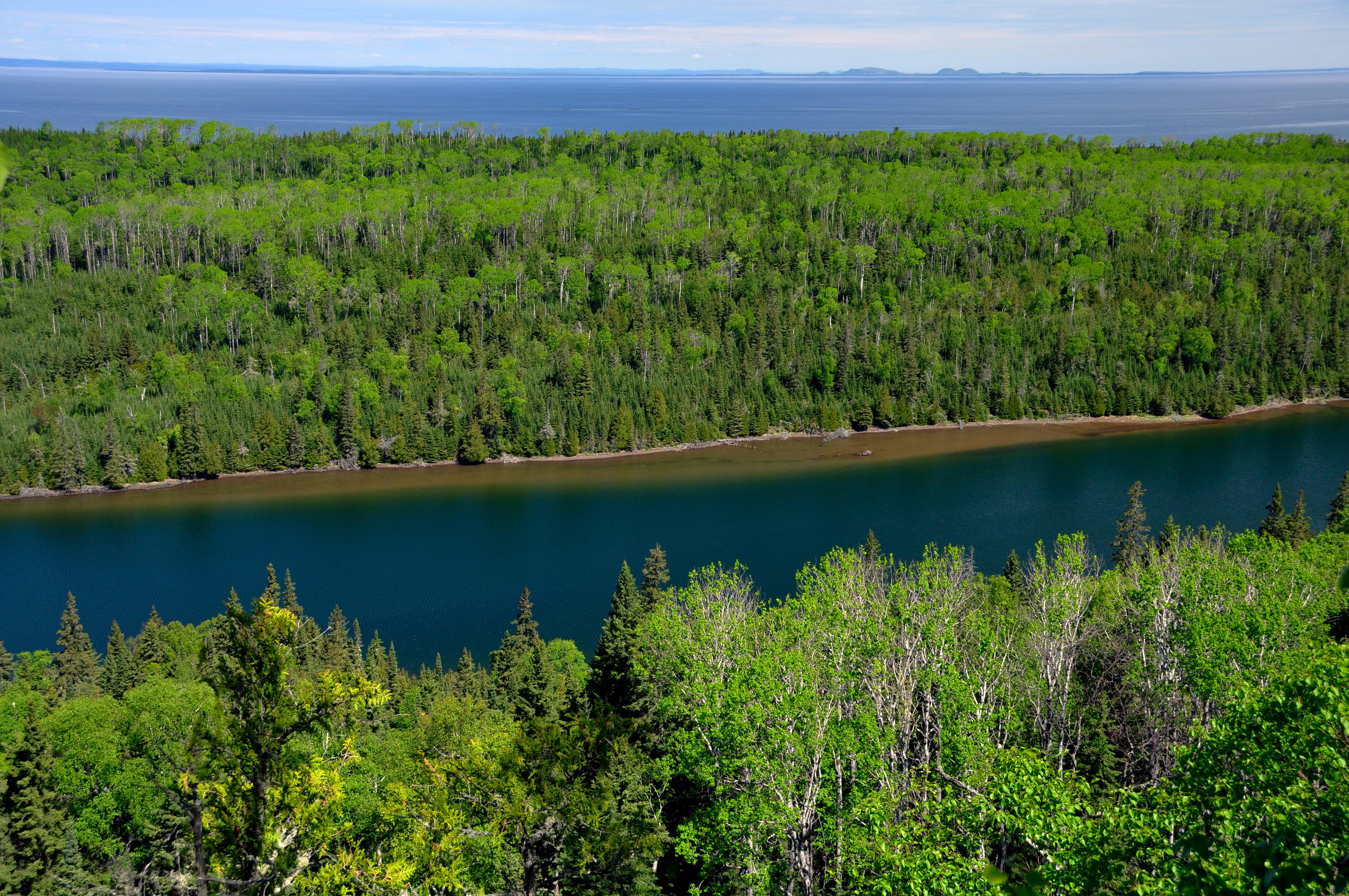
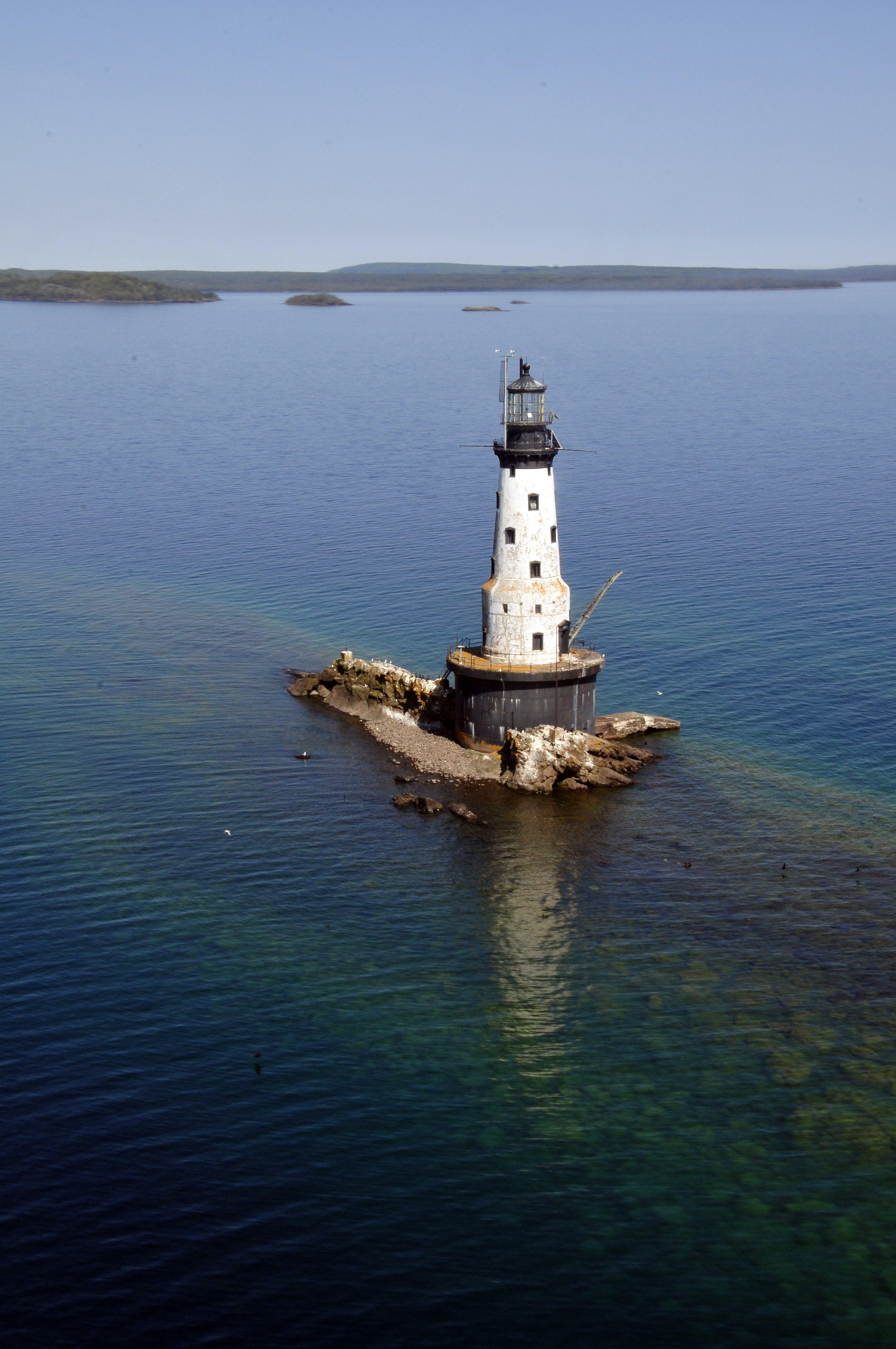
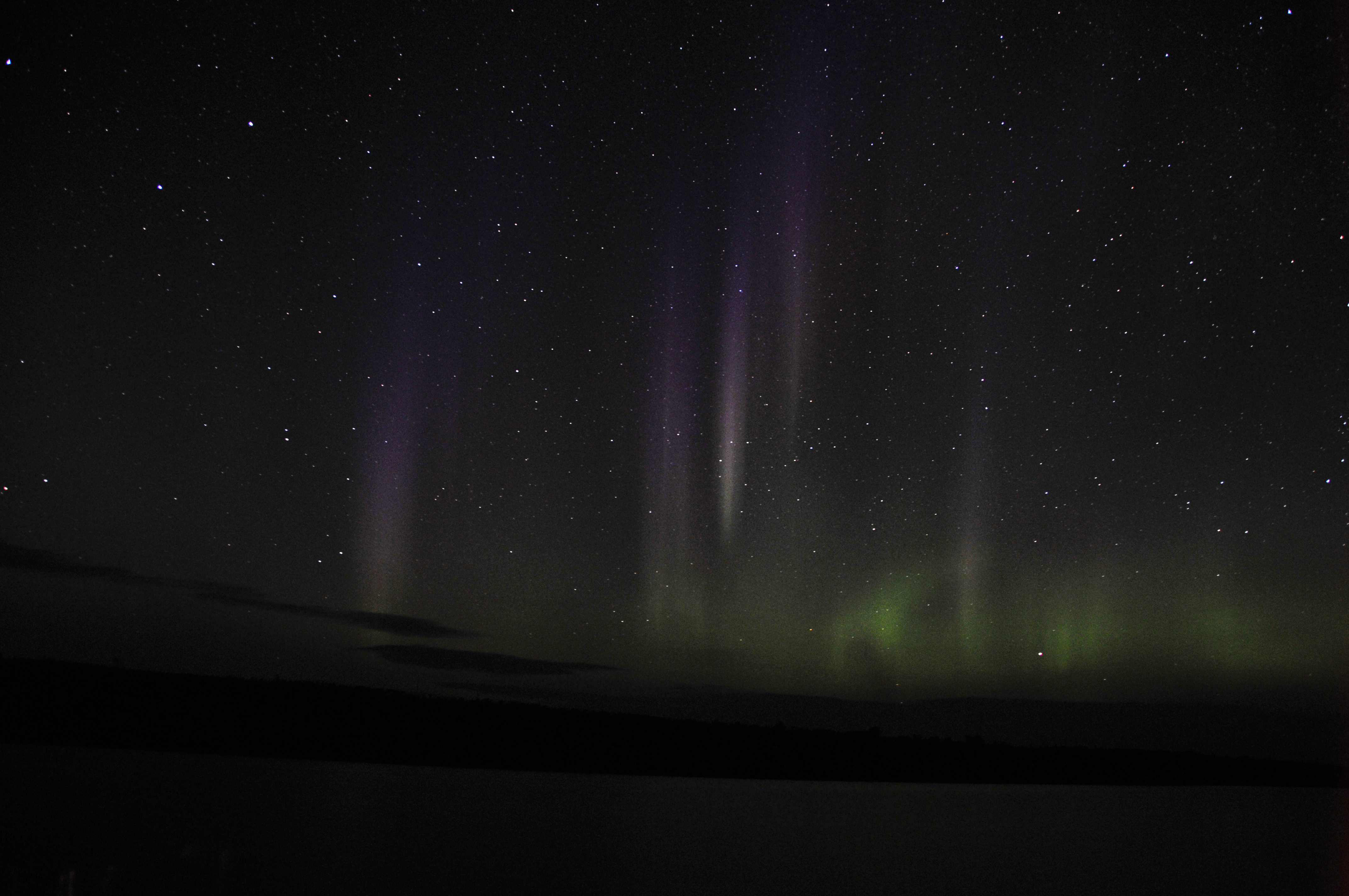
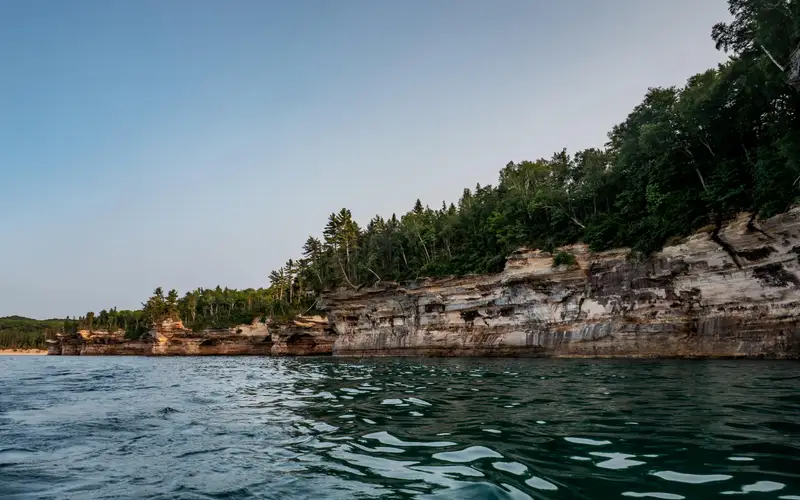
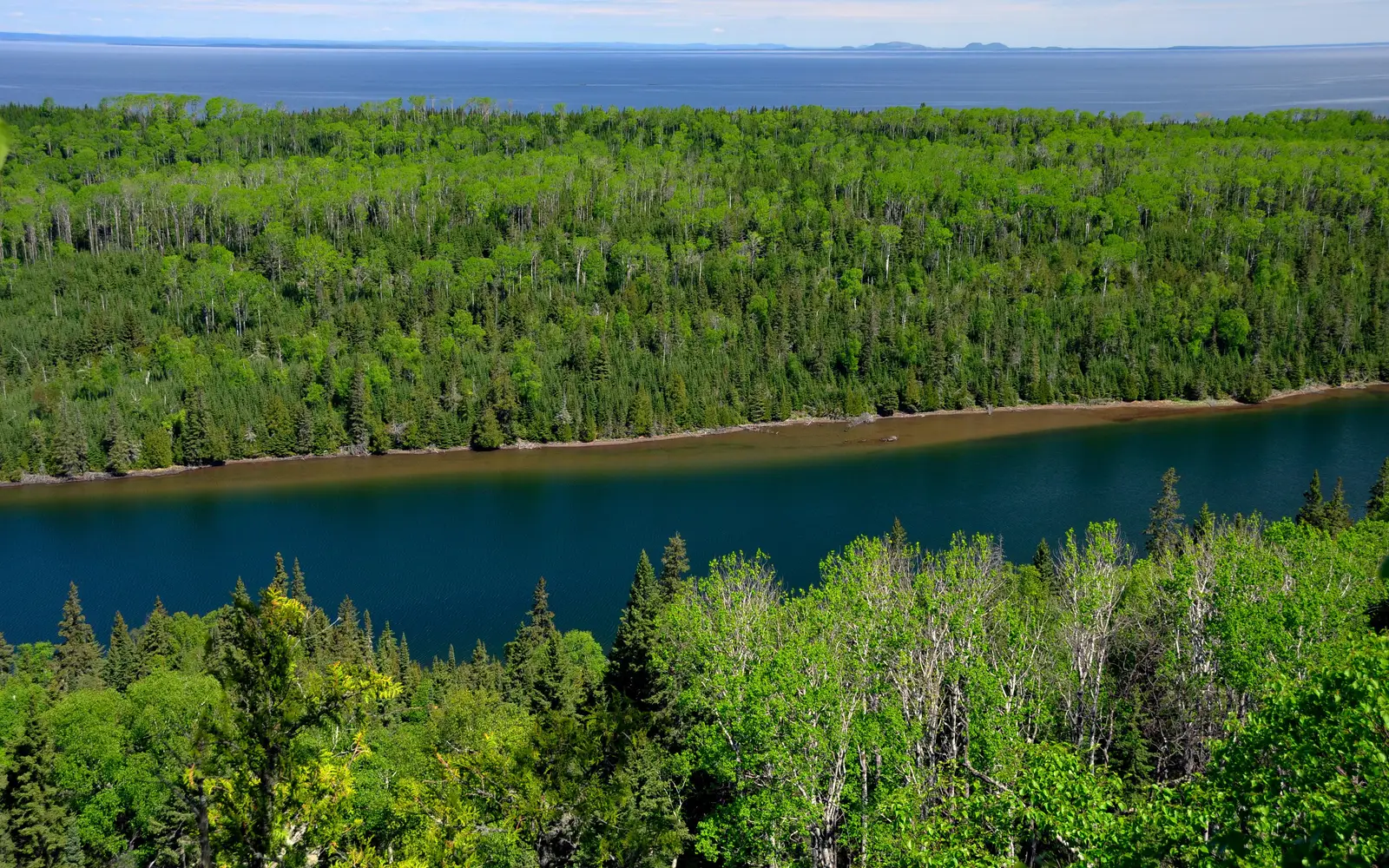
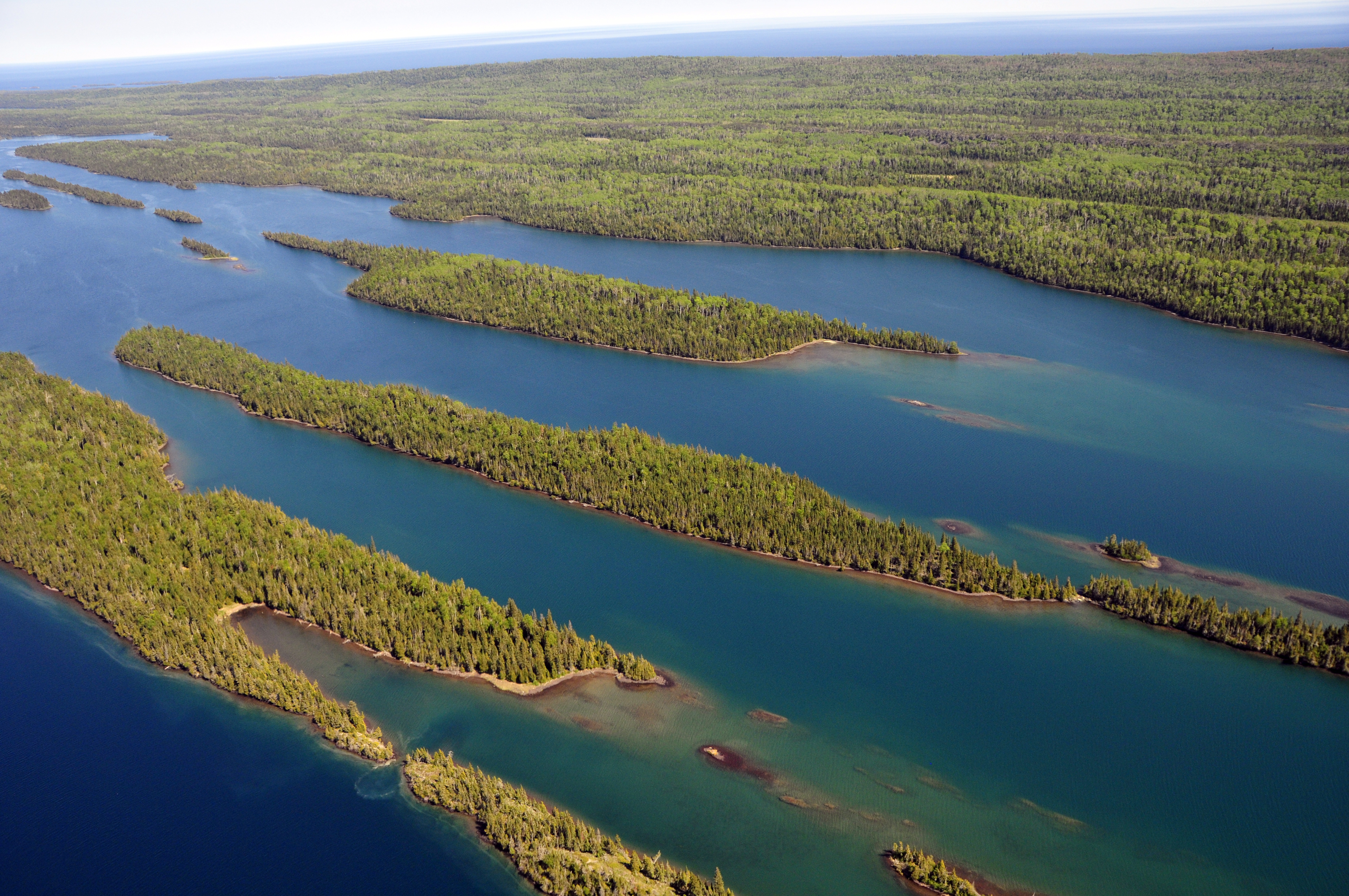
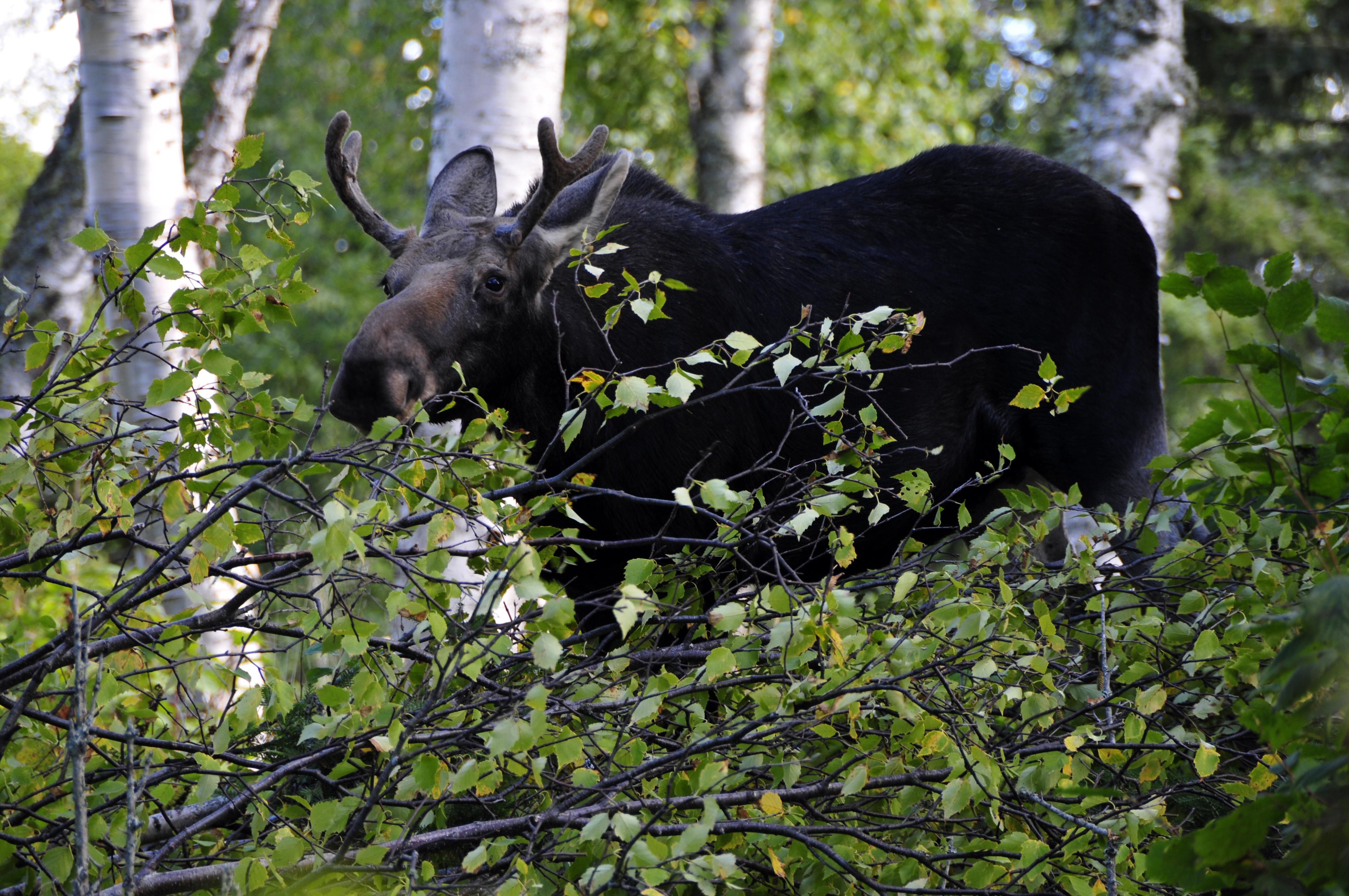
Access to this Lake Superior island is exclusively by ferry, floatplane, or private boat, ensuring no casual day visits. The park offers an untouched boreal forest, pristine inland lakes, and remarkably clear freshwater shipwrecks to those who make the journey. It is a destination for backpackers, paddlers, and divers. The island hosts a critical wolf and moose study, a significant scientific endeavor. Stargazing is exceptional due to complete lack of light pollution. The $7 entrance fee is a minimal cost for the depth of experience provided. With a 90 out of 100 experience score, Isle Royale stands as an activity-rich backcountry destination within the National Park System, but it strictly requires advance planning and self-sufficiency. Casual sightseers should look elsewhere.
Why go
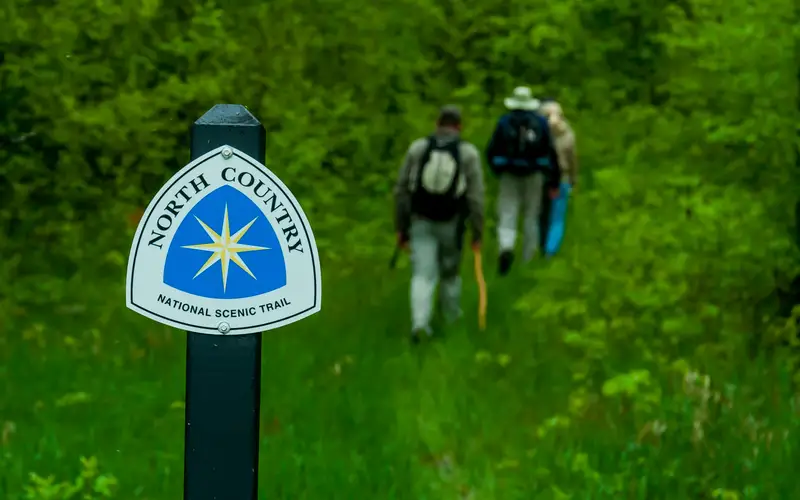
A good trip here looks like this: you book a ferry from Houghton or Copper Harbor weeks in advance, arrive at Rock Harbor or Windigo, and immediately commit to your mode of travel. Backpackers can string together multi-day loops on a well-developed trail network with backcountry campsites. Paddlers can canoe or kayak between island chains on inland waterways or protected coastal routes. Divers can explore multiple shipwrecks preserved in cold, clear Lake Superior water. Wildlife watchers have a genuine shot at moose sightings, particularly near wetlands. Evenings bring some of the darkest skies in the Midwest. Guided boat tours offer an accessible entry point for less experienced visitors. The museum exhibits at Rock Harbor add ecological context that sharpens the whole experience.
Best for
This park caters to committed backcountry travelers, paddlers, and divers. It is built for those willing to truly unplug. Multi-day backpacking trips, canoe camping, and serious wildlife observation are key activities. Casual sightseers should look elsewhere. Families with older children capable of backcountry conditions will find it exceptional. The data indicates that casual visitors will feel underprepared.
Best season
This park operates seasonally from April 16 through October 31. Practically, however, the season narrows to May through September, aligning with ferry and floatplane operations. Peak conditions for paddling and hiking occur in July and August, which provide the warmest and most stable weather. Those seeking fewer crowds will find September ideal, offering fall foliage and less visitation. Lake Superior's weather is notoriously unpredictable and can shift quickly; visitors must monitor conditions closely, as this will directly impact both transit to the island and activities once there.
The high points
- Multi-day backcountry backpacking on a roadless island wilderness
- Canoe and kayak camping through inland lakes and coastal passages
- SCUBA diving on historic Lake Superior shipwrecks in exceptionally clear water
- Moose and wolf wildlife watching in one of the most studied ecosystems in North America
- Stargazing under some of the darkest skies in the Midwest
- Guided boat tours providing an accessible way to explore the island's coastline
Know before you go
Isle National Park presents an uncommon proposition. The $7 per person entrance fee is negligible; transportation defines the true cost. Ferry service from Houghton or Copper Harbor, Michigan, along with floatplane options,
One more thingBooking ferry or floatplane travel early is essential, particularly for peak summer; reservations may be necessary months in advance. Incorporate at least one buffer day into travel plans for both arrival and departure. Lake Superior's unpredictable weather patterns can cause unannounced delays, and missed return crossings carry significant repercussions.