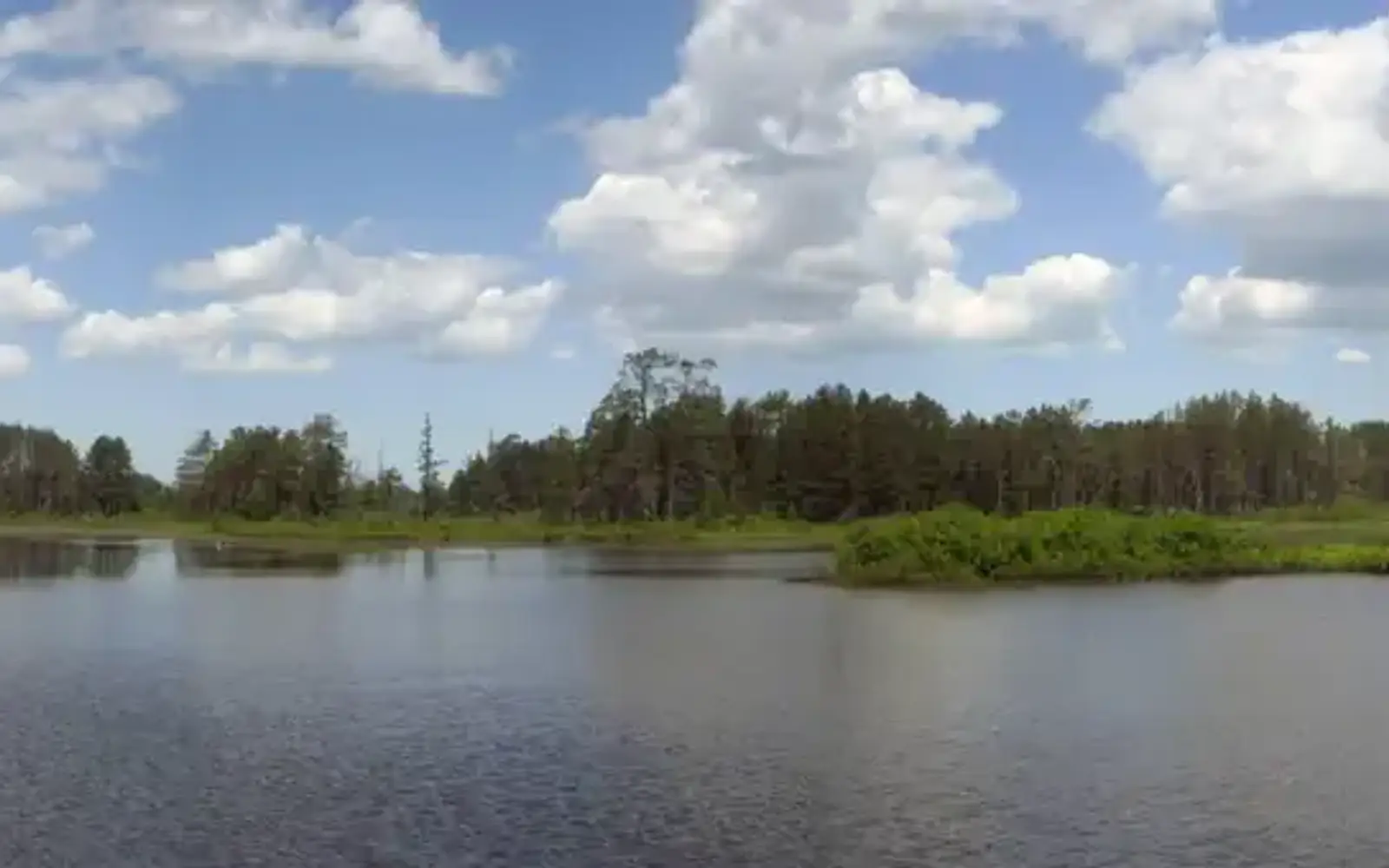

Is Seney National Wildlife Refuge worth your trip?
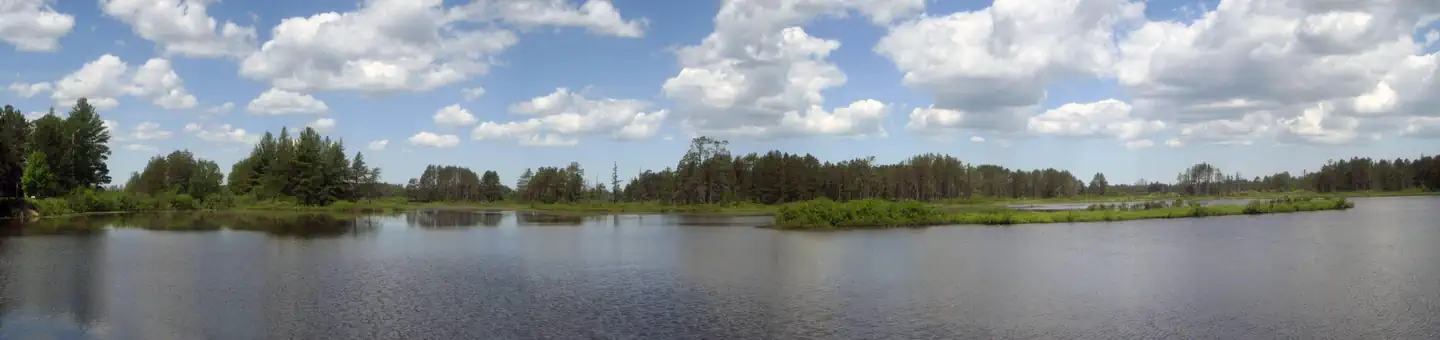
Seney National Wildlife Refuge, a 95,000-acre recovered wetland in Michigan's Upper Peninsula, offers a deep immersion in a working natural landscape.
Once clear-cut and drained, this land has transformed into a remarkably productive habitat. Loons call across still pools; bald eagles are a common sight. The experience prioritizes raw natural engagement over curated viewpoints. For the active visitor, the refuge provides extensive opportunities. Birding, biking, fishing, boating, and camping are all supported, alongside serious winter recreation. This is a free site with an unusually deep activity list. Casual sightseers should look elsewhere. The refuge rewards patience and demands a minimum half-day visit. Its offerings justify a significant detour for those exploring the Upper Peninsula.
Why go
Seney offers a compelling, if niche, experience. The visitor center provides context, then the auto tour route reveals managed pools and abundant waterfowl. This route converts to a quiet biking passage through marsh and boreal habitat. Anglers can access refuge waters with motorized or non-motorized boats. Paddlers will find genuine backcountry solitude. Birders will discover a premier Great Lakes site, with nesting common loons, sandhill cranes, and consistent raptor sightings. Winter transforms the roads into cross-country ski and snowshoe routes, confirming Seney as a four-season destination. This refuge clearly rewards those seeking specific, nature-focused recreation across all seasons. Casual sightseers should look elsewhere.
Best for
This destination offers significant rewards for specific visitor types. Birders, paddlers, anglers, and wildlife photographers will find its offerings align well with their interests. Families with older children capable of sustained biking or tranquil water activities will also discover value. However, those seeking dramatic, easily accessible vistas or a quick park visit should adjust their expectations. The park does not cater to casual sightseers.
Best season
This park's seasonal variations offer distinct experiences. Late May to early July provides prime birdwatching, with nesting loons and sandhill cranes, before insect populations peak. Fall delivers large migratory waterfowl gatherings and fewer visitors. Winter access is limited to skiing and snowshoeing, offering solitude within a boreal snowscape. Midsummer presents challenges with mosquitoes and biting insects, particularly in marshlands. The timing of a visit dictates the experience.
The high points
- Auto tour route through managed wetland pools with consistent wildlife sightings
- Biking the tour route for a slower, quieter wildlife experience than driving
- Motorized and non-motorized boating access into a large, lightly visited wetland system
- Among the best common loon and sandhill crane viewing in the Great Lakes region
- Cross-country skiing and snowshoeing on the same routes in winter
- Free admission with a staffed visitor center offering interpretive and educational programs
Know before you go
This refuge offers free entry, but planning is essential for a rewarding visit. Cell service is unreliable across the eastern Upper Peninsula; offline maps are critical for navigation. The visitor center provides necessary current wildlife reports and maps. Boaters and anglers must confirm refuge-specific regulations, as zone and seasonal access restrictions apply. Camping is available, but advance verification of designated sites and permit requirements is necessary. This is a destination for the prepared visitor.
One more thingThe auto tour route offers a predictable experience. However, a bicycle changes the dynamic entirely. It minimizes engine noise and places visitors at eye level with the marsh. Early morning departures on this route maximize wildlife viewing opportunities.