parkverdict
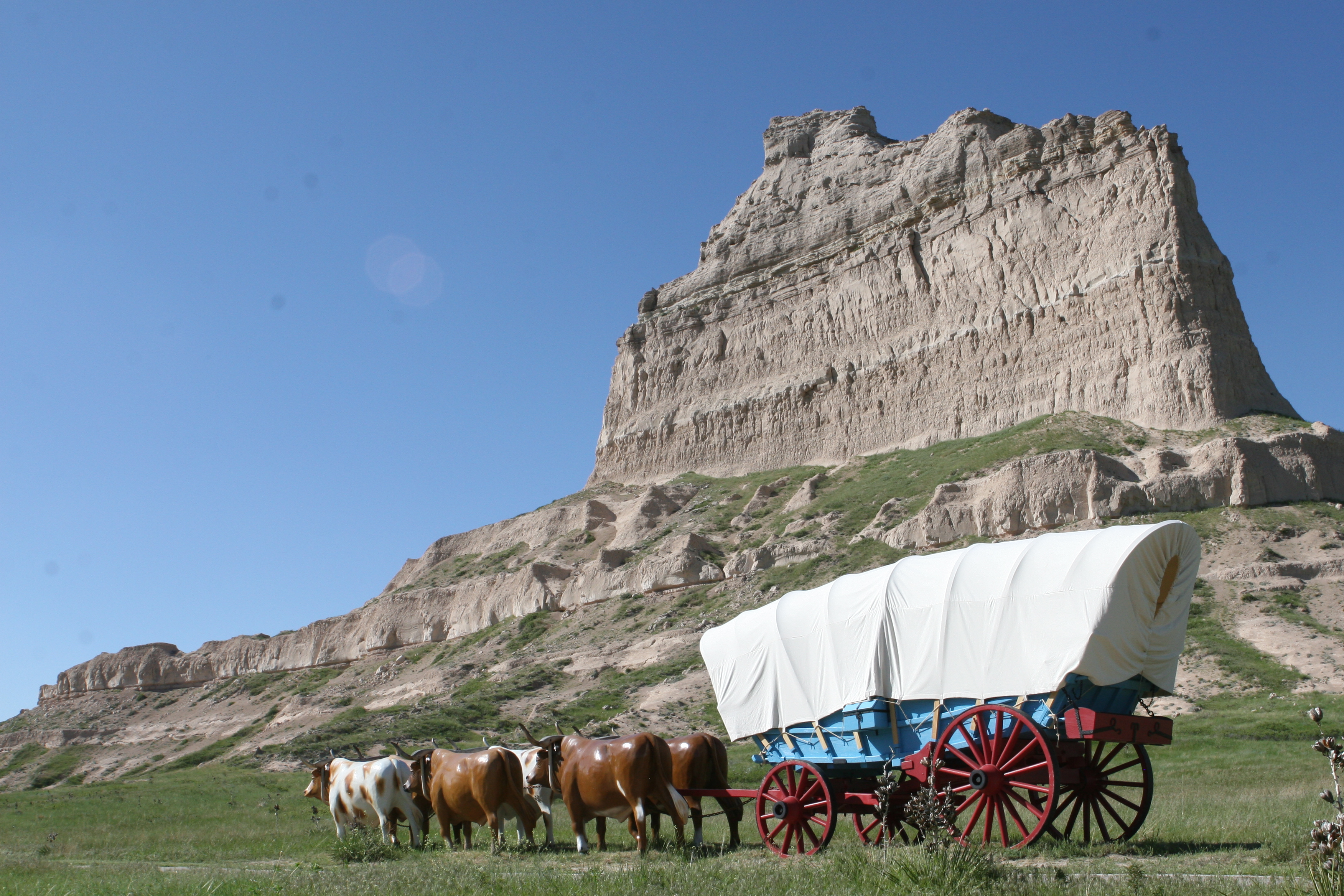
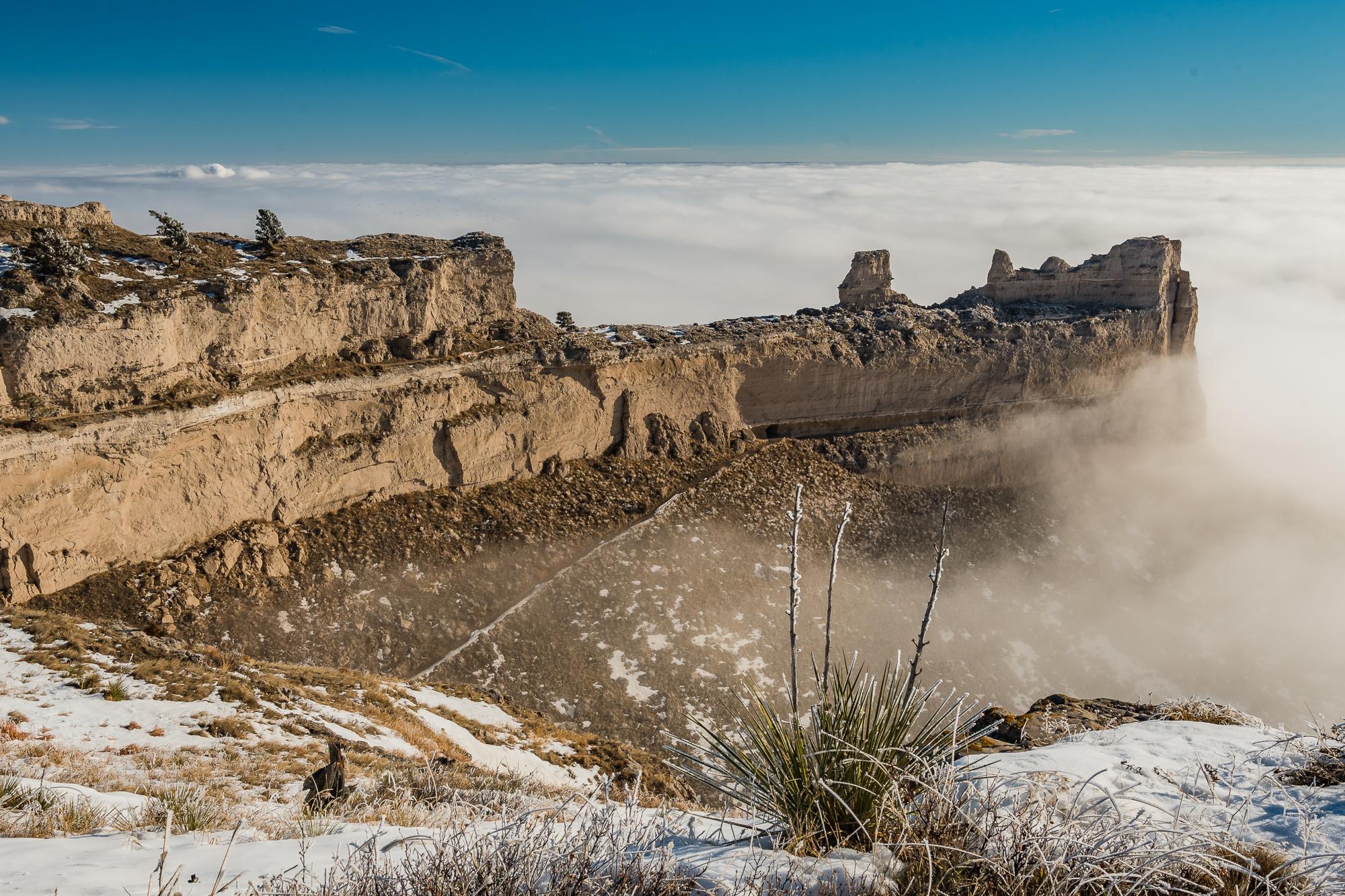
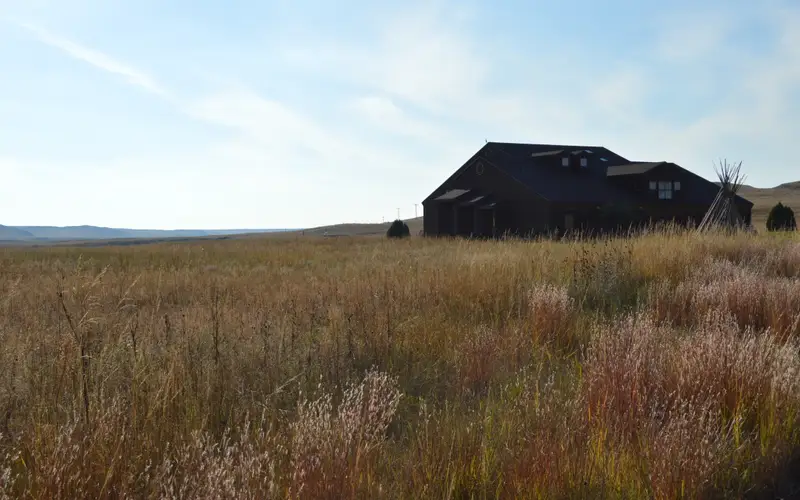
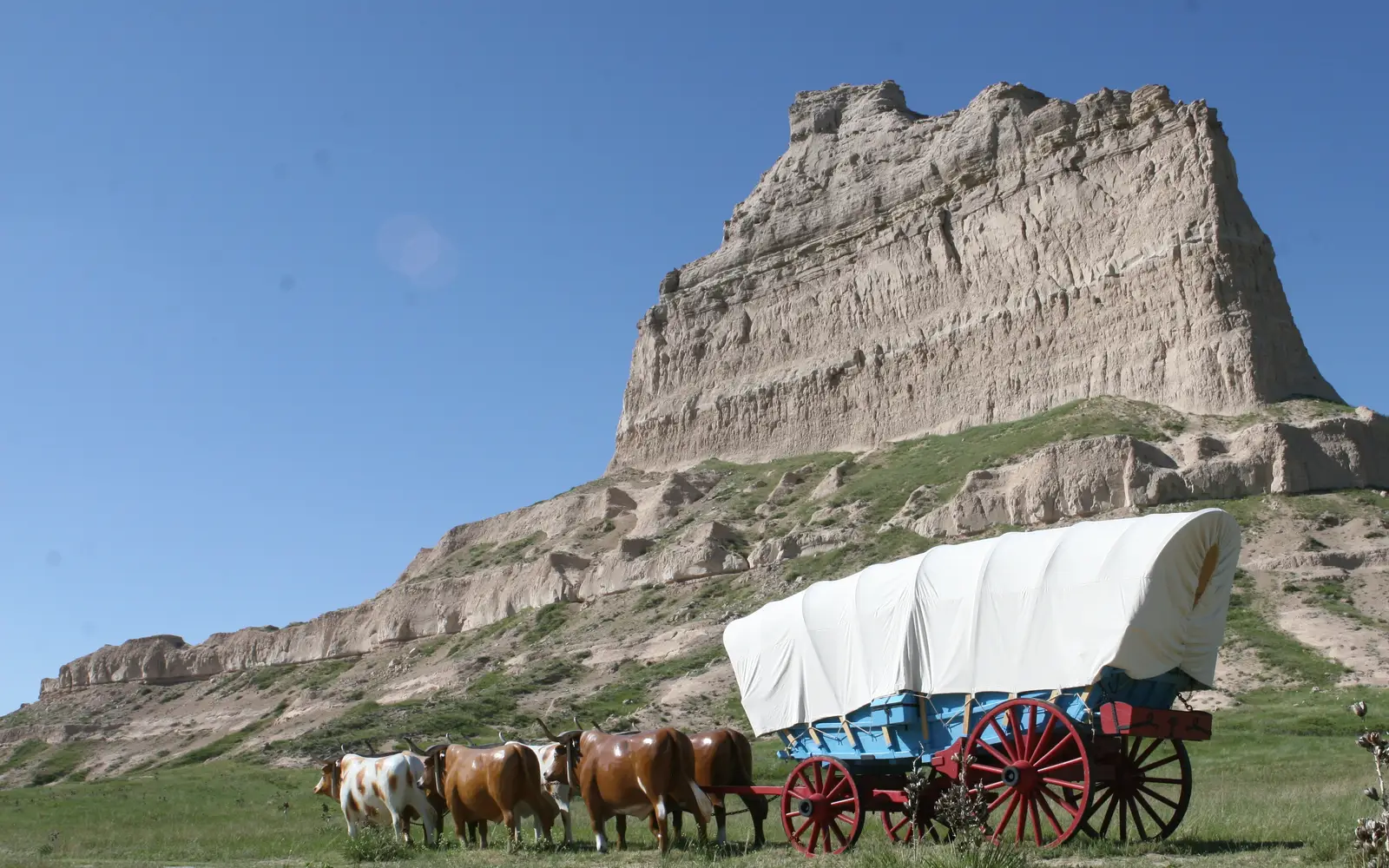
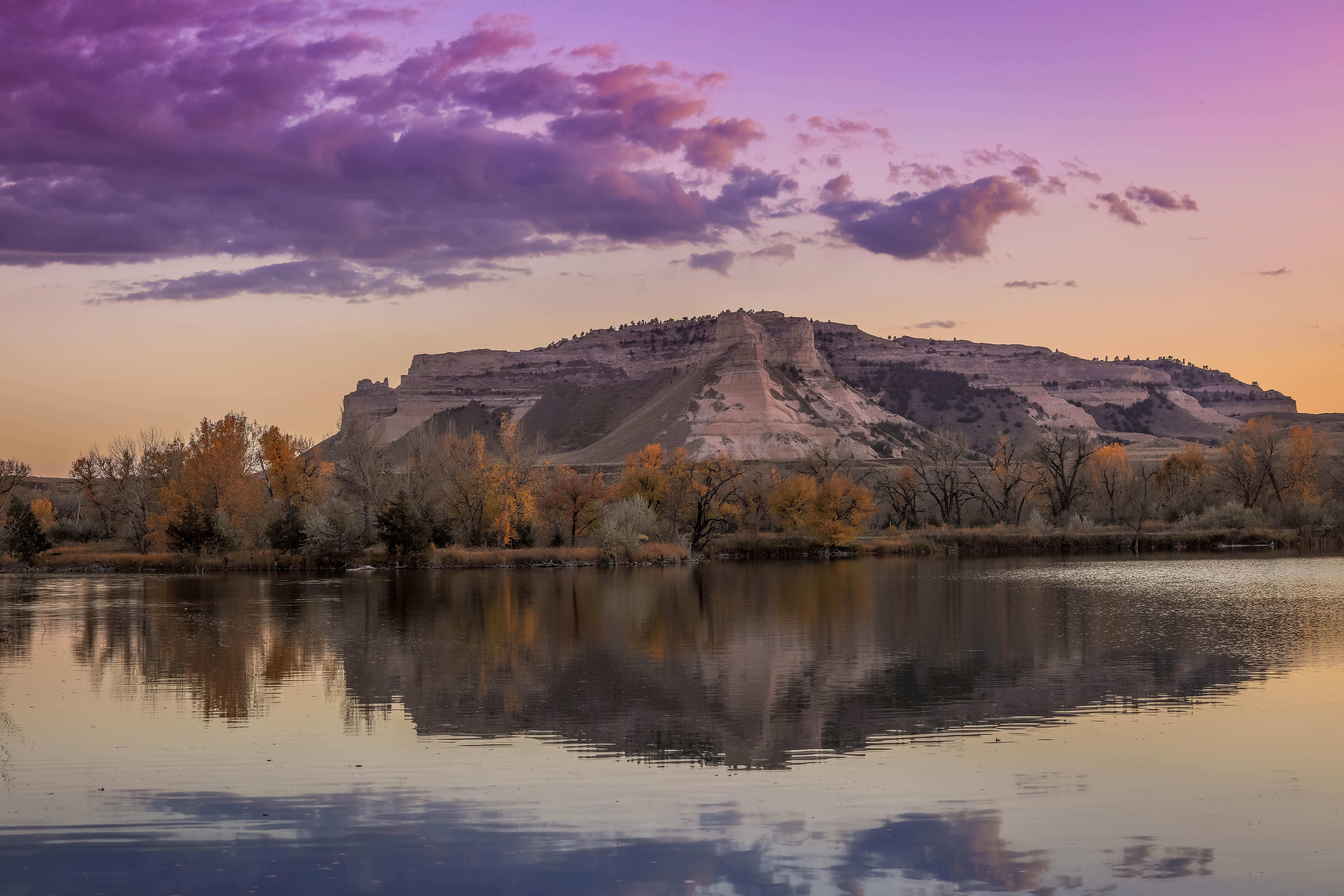
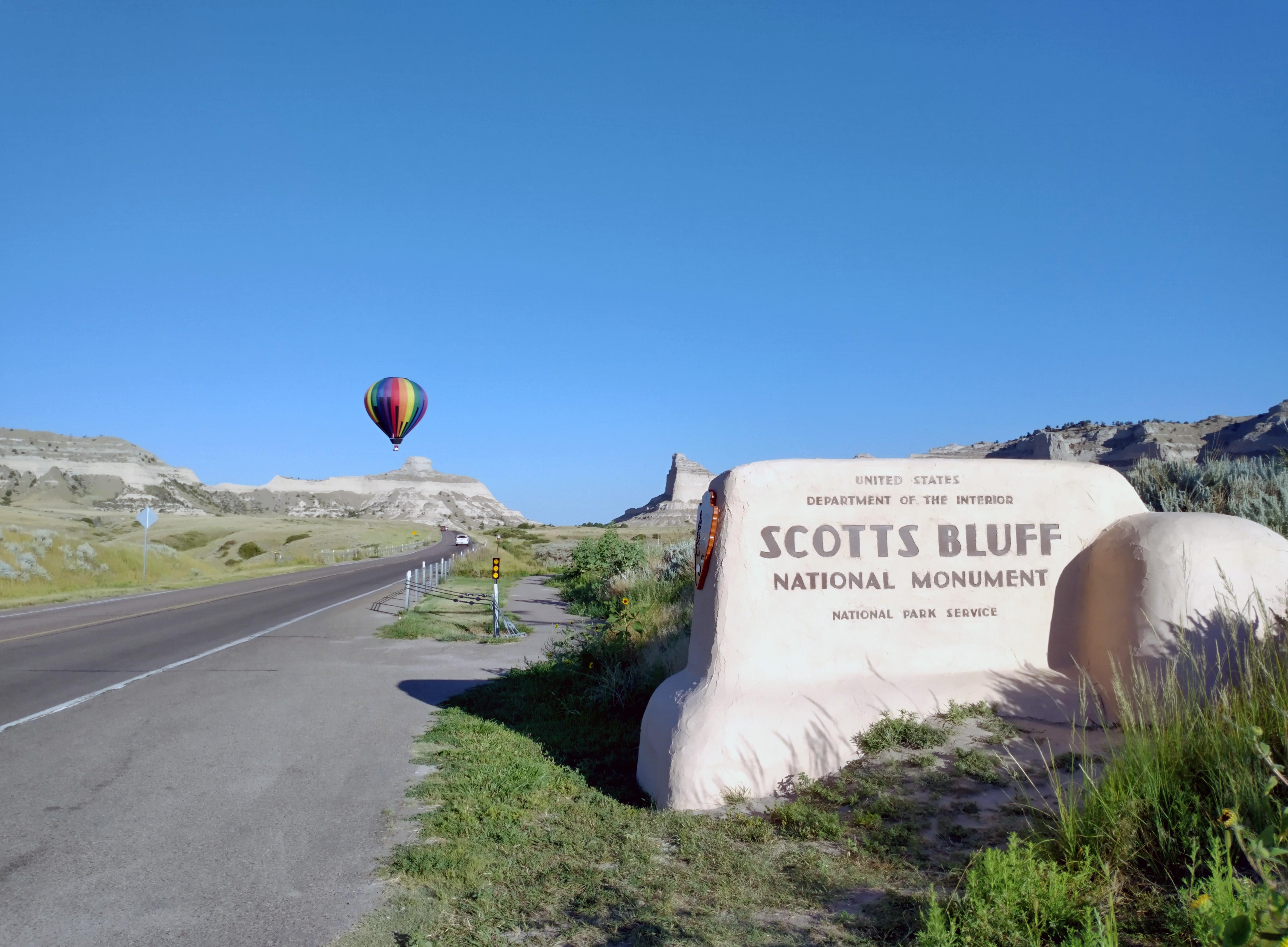
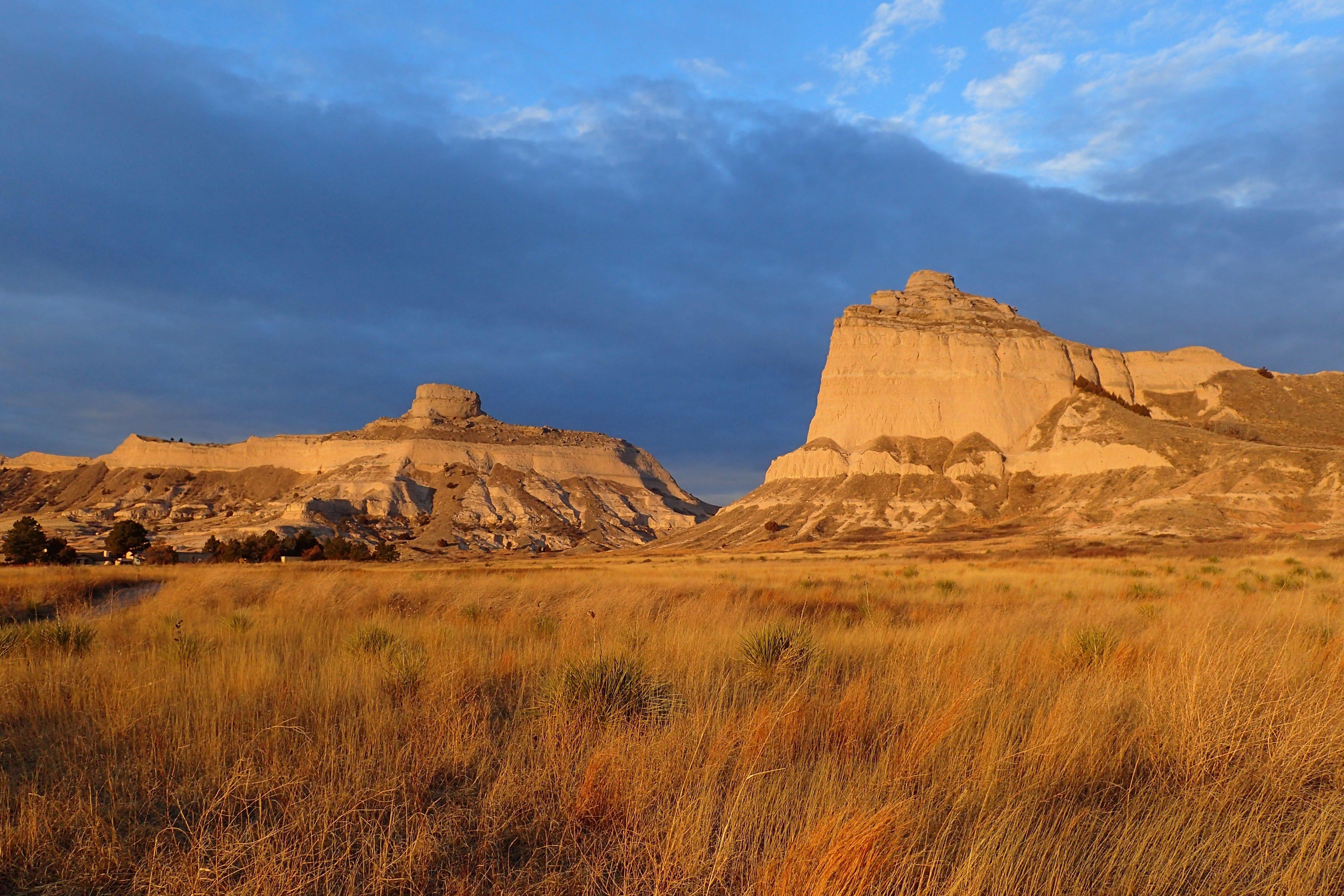
Conestoga wagon in front of Eagle RockA pink sky and dramatic bluff are seen reflected in water.A colorful hot air balloon is seen in the distance with the Scotts Bluff entrance sign.The distinctive rock formations of Mitchell Pass glow with early morning light.
National MonumentNE

Scotts Bluff National Monument

NPS / NPS Photo / Wesley Gant
83/ 100WIDE RANGE
parkverdict Experience ScoreIndependent, not sponsored

83 of 100. Our independent breadth-and-access index. How we score

The bottom line

Scotts Bluff National Monument: our verdict

Scotts Bluff National Monument earns the word "landmark" in the most literal sense.

This 800-foot sandstone and clay bluff rising above the North Platte River valley guided hundreds of thousands of emigrants along the Oregon, California, and Mormon Trails, and it still stops people cold today. The monument covers 3,000 acres and gives you more than most visitors expect: drive to the summit or hike up on foot, walk through a museum holding actual emigrant artifacts and period artwork, then follow ruts pressed into the ground by real wagon wheels. Entry is free. Kids and adults both find their footing here, since history, geology, and paleontology each pull in a different direction. Plan it as a destination rather than a roadside stop on a drive through western Nebraska, because it holds up as one. The Experience Score of 83 reflects genuine breadth, and the monument earns every point of it.

Why visit

Begin at the visitor center. The museum exhibits and a short park film give you enough background on the emigrant trail that the landscape actually makes sense once you walk out the door. After that, you have a genuine decision to make: drive Summit Road for sweeping views across the North Platte valley, or take the hiking trails and work for those same views on foot. The front-country routes suit most visitors fine, and backcountry options are there if you want some breathing room away from other people. The wagon ruts pressed into the ground here are about as close as you can get to the overland trail era anywhere in the country. Ranger-led tours and living history programs fill in what the signs leave out, and the junior ranger program gives younger kids something concrete to work toward. Bring a picnic and plan on at least three to four hours.

Who it suits

History buffs following the Oregon, California, or Mormon Trails will find this one of the most rewarding stops in the region. Families with kids do well here too - a junior ranger program, living history demonstrations, and the option to drive to the summit when young legs give out. Casual hikers and cyclists will feel right at home. If you want deep wilderness or serious wildlife sightings, though, this probably is not your spot.

Timing your visit

Most trails, Summit Road, and ranger programs become available from late spring through early fall. Summer highs regularly hit the 80s and 90s, sometimes breaking 100 degrees, so get out early and carry more water than you think you will need. Fall is the most comfortable time to visit, with cooler temperatures and noticeably thinner crowds. In winter, access shrinks considerably and overnight temperatures drop well below freezing.

What stands out

  • Summit Road scenic drive with panoramic views of the North Platte River valley
  • Visible historic wagon ruts from the Oregon, California, and Mormon Trails
  • Museum exhibits covering emigrant trail history, geology, and paleontology
  • Front-country and backcountry hiking options for varied fitness levels
  • Living history and cultural demonstrations that bring the trail era to life
  • Junior Ranger Program making the history accessible and interactive for kids

Good to know

Getting in costs nothing, which puts this among the better deals in the NPS system. One thing worth knowing before you head out: the visitor center, Summit Road, and the general grounds all keep different hours in the Mountain Time Zone, so pull up the current schedule first or you might show up for the summit drive and find the gate closed. Pack water if you're hiking in summer.

Insider tipStart your hike at first light. The sandstone bluff face bakes under the afternoon July sun, and the early morning light gives you far better photographs of the valley below.

How we scored it

Why Scotts Bluff National Monument scores 83

We keep the math boring on purpose. The same handful of public-data inputs, capped so none of them dominates, decide every score. What they measure is breadth and access, not beauty and not crowd levels. For Scotts Bluff National Monument, they shook out like this:

  • Activity breadth18 documented activities
  • Topic breadth19 topics
  • Official imagery5 public-domain images
  • Camping on sitenone recorded
  • Entry costfree

No number is hand-adjusted and no unit pays for placement. The full weights, the floor at 18 and a worked example are on how we score.

The honest limits

Where the score goes quiet

One limit to keep in mind. Everything here comes from public records on what a unit documents and how reachable it is, so the score cannot judge beauty, crowds, trail conditions, weather, or how good any single program is. That is exactly why a small, specific place can score below a sprawling park and still be your better trip. Take the number as a like-for-like look at what is on paper, and lean on the verdict for the human read.

What you can do

Activities

Arts and CultureCultural DemonstrationsAuto and ATVScenic DrivingBikingFoodPicnickingGuided ToursSelf-Guided Tours - WalkingHikingBackcountry HikingFront-Country HikingLiving HistoryJunior Ranger ProgramPark FilmMuseum ExhibitsShoppingBookstore and Park Store
Background

The short version

Scotts Bluff rises 800 feet above the North Platte River, and it has guided travelers for centuries - from Native Americans to emigrants pushing west on the Oregon, California, and Mormon Trails, all the way to the visitors who show up today. The monument's 3,000 acres pack in geological, paleontological, and human history that genuinely repays a careful look.

On documented breadth and access, Scotts Bluff National Monument ranks 3rd of 10 park and public-land units we score in Nebraska.

What the seasons are like

Summers at Scotts Bluff are dry and hot, with highs usually in the 80s and 90s and occasional spikes above 100 degrees Fahrenheit. Carry water. Winter days hover in the 40s or low 50s, nights fall below freezing, and temperatures sometimes drop below 0 degrees Fahrenheit. Wind is a factor in every season, but spring gets the worst of it.

Common questions

Scotts Bluff National Monument: quick answers

Is Scotts Bluff National Monument worth visiting?

Scotts Bluff National Monument earns the word "landmark" in the most literal sense.

Is Scotts Bluff National Monument free to visit?

It is free to get in.

What is Scotts Bluff National Monument best for?

It leans hardest toward hiking, good with kids, biking, scenic drives, going by the 18 activities it actually documents.

When is the best time to visit Scotts Bluff National Monument?

Most trails, Summit Road, and ranger programs become available from late spring through early fall.

How is the Experience Score for Scotts Bluff National Monument calculated?

The 83 comes straight from public data on how much the place documents and how easy it is to reach, things like activities, topics, photos, camping and whether entry is free. It says nothing about scenery or how busy it gets.