Niobrara National Scenic River: our verdict
The Niobrara National Scenic River is a standout within the National Park System.
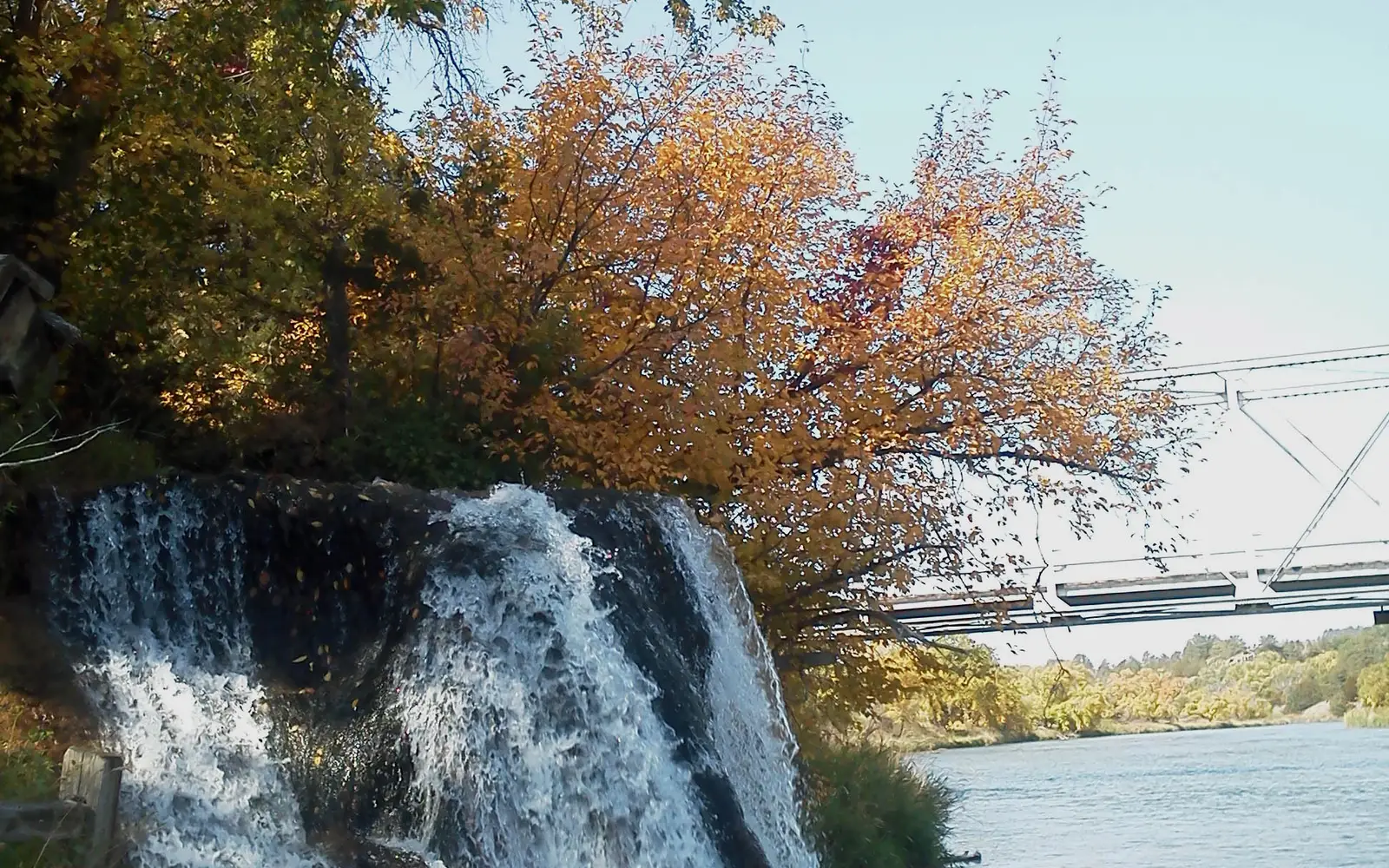
Its Experience Score attests to an exceptional breadth of activities. The clear, spring-fed river anchors the unit, drawing paddlers, tubers, and anglers. Beyond water recreation, the corridor offers significant wildlife watching and dark-sky stargazing, unmarred by light pollution. Hikeable terrain and biking opportunities expand its appeal. The waterfalls along the canyon walls provide unexpected visual drama. With free entrance, repeat visits are frictionless. This unit genuinely accommodates diverse interests: families, solo adventurers, birders, and paddlers will each discover substantive engagement here.
Why visit
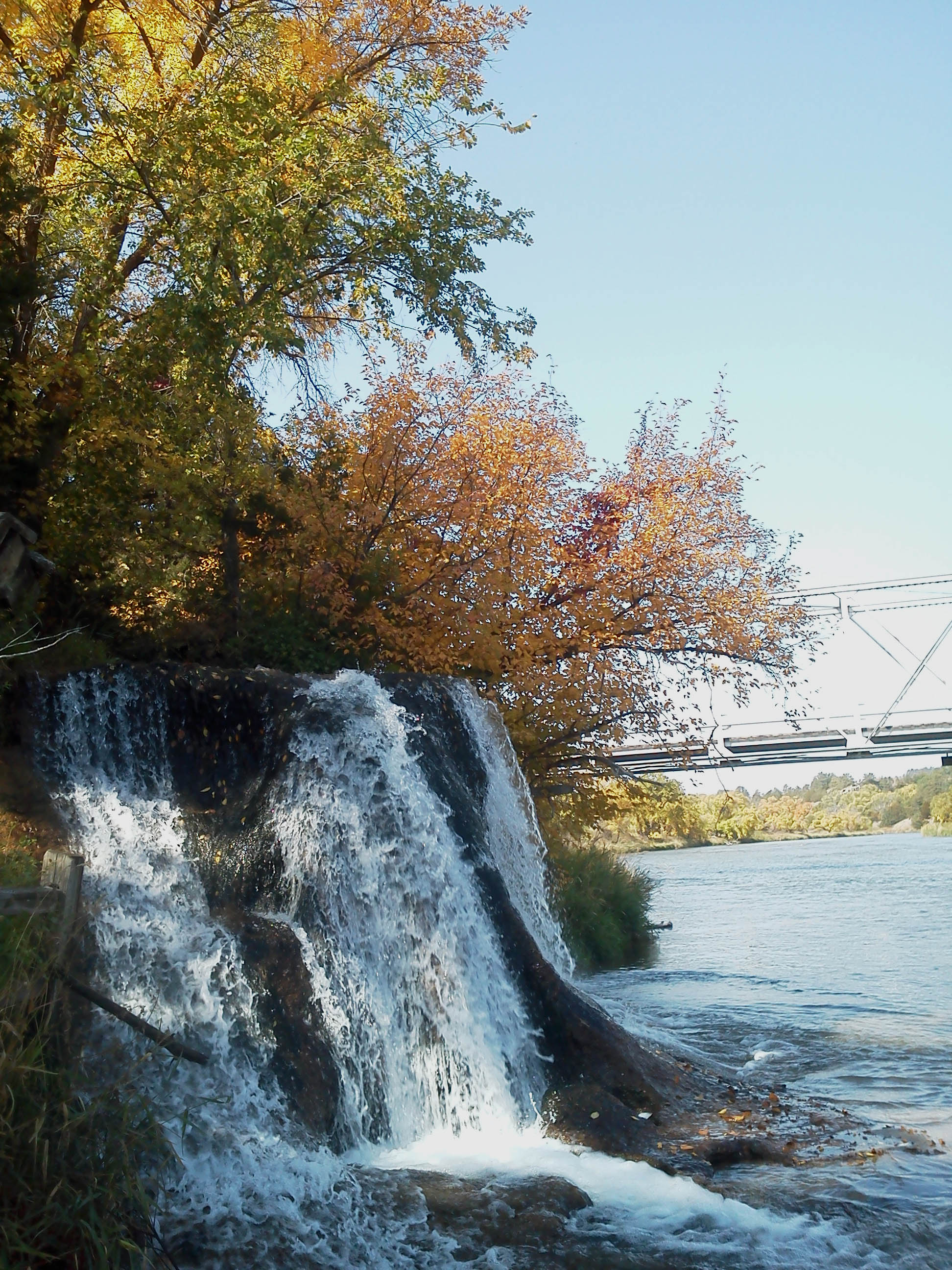
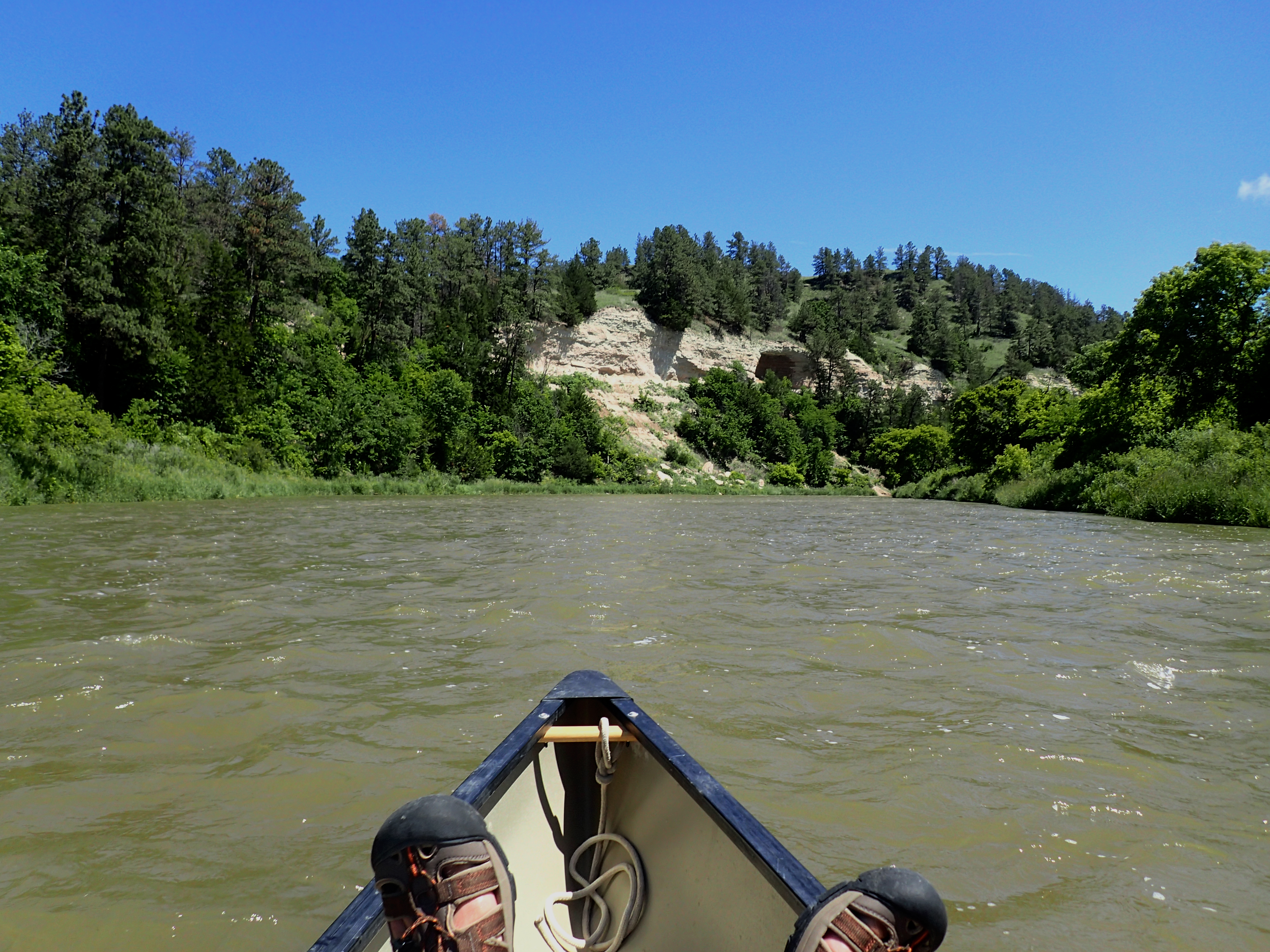
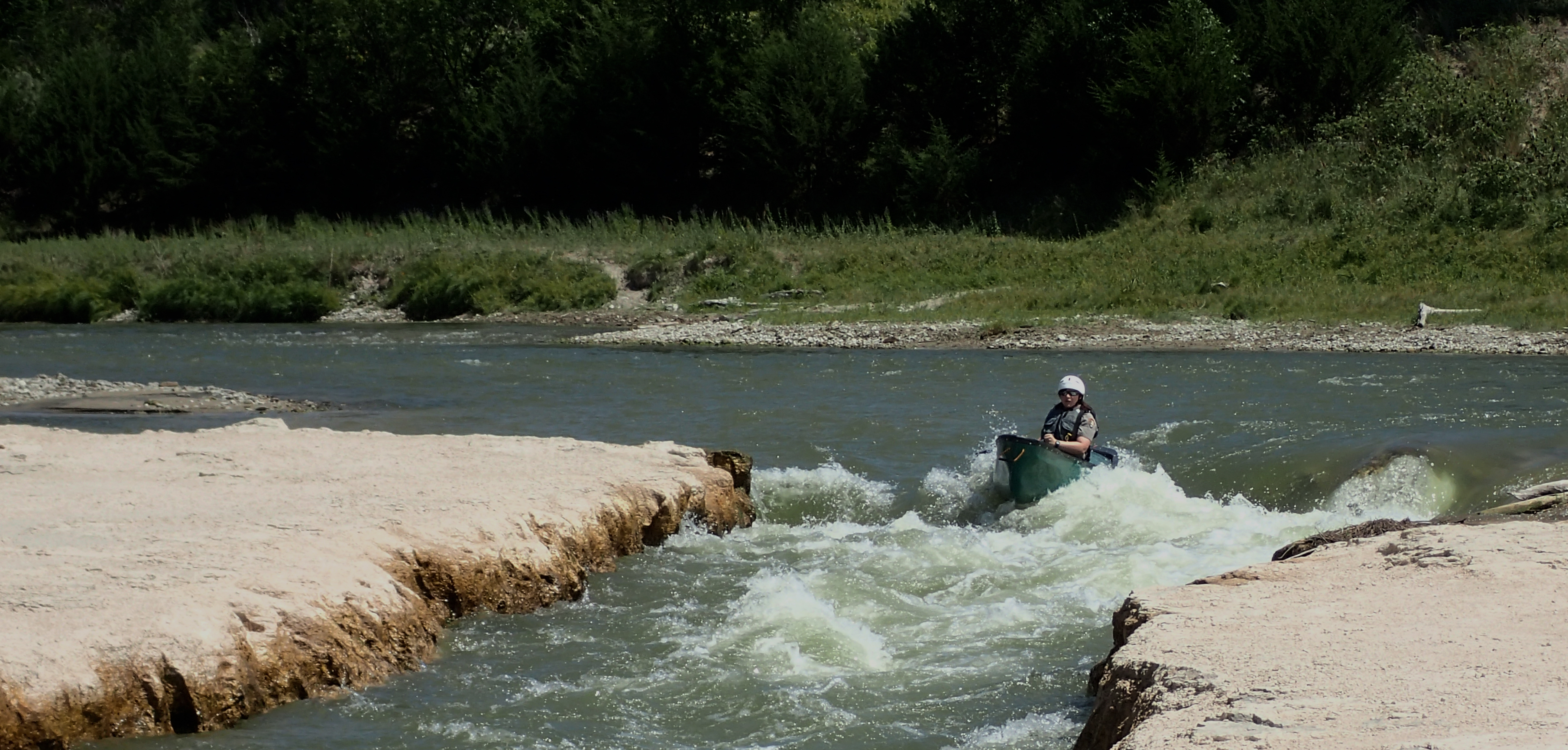
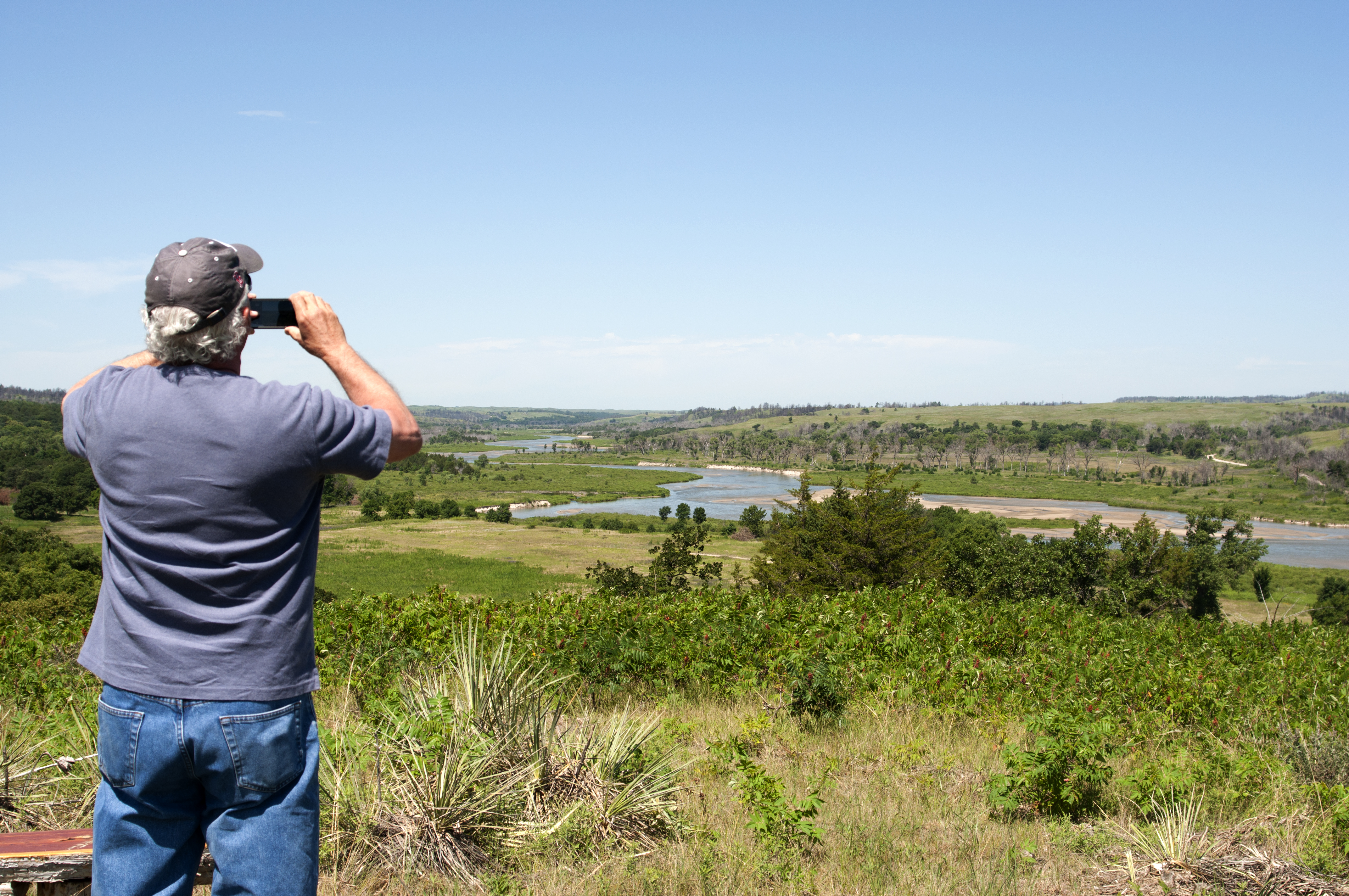
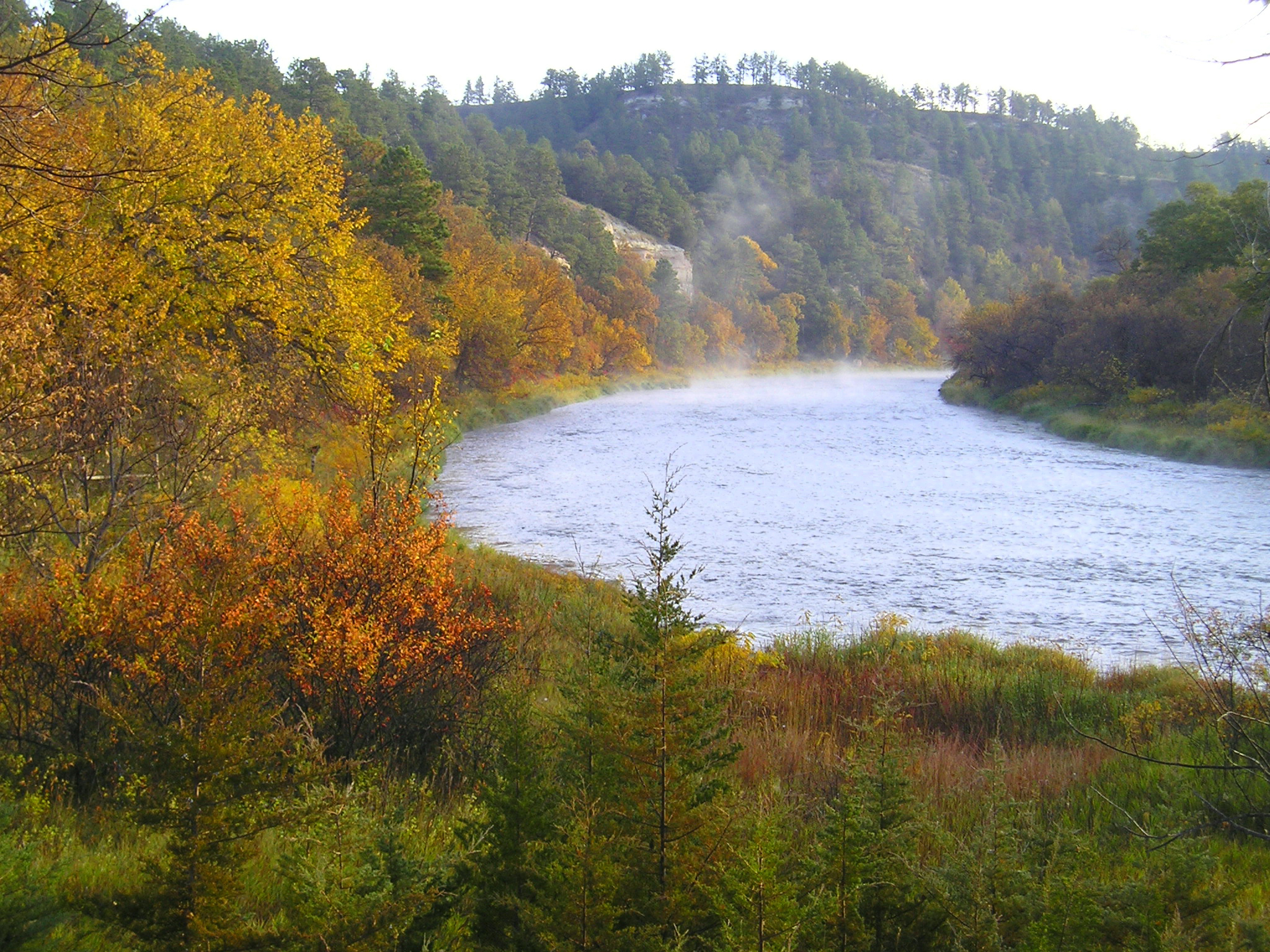
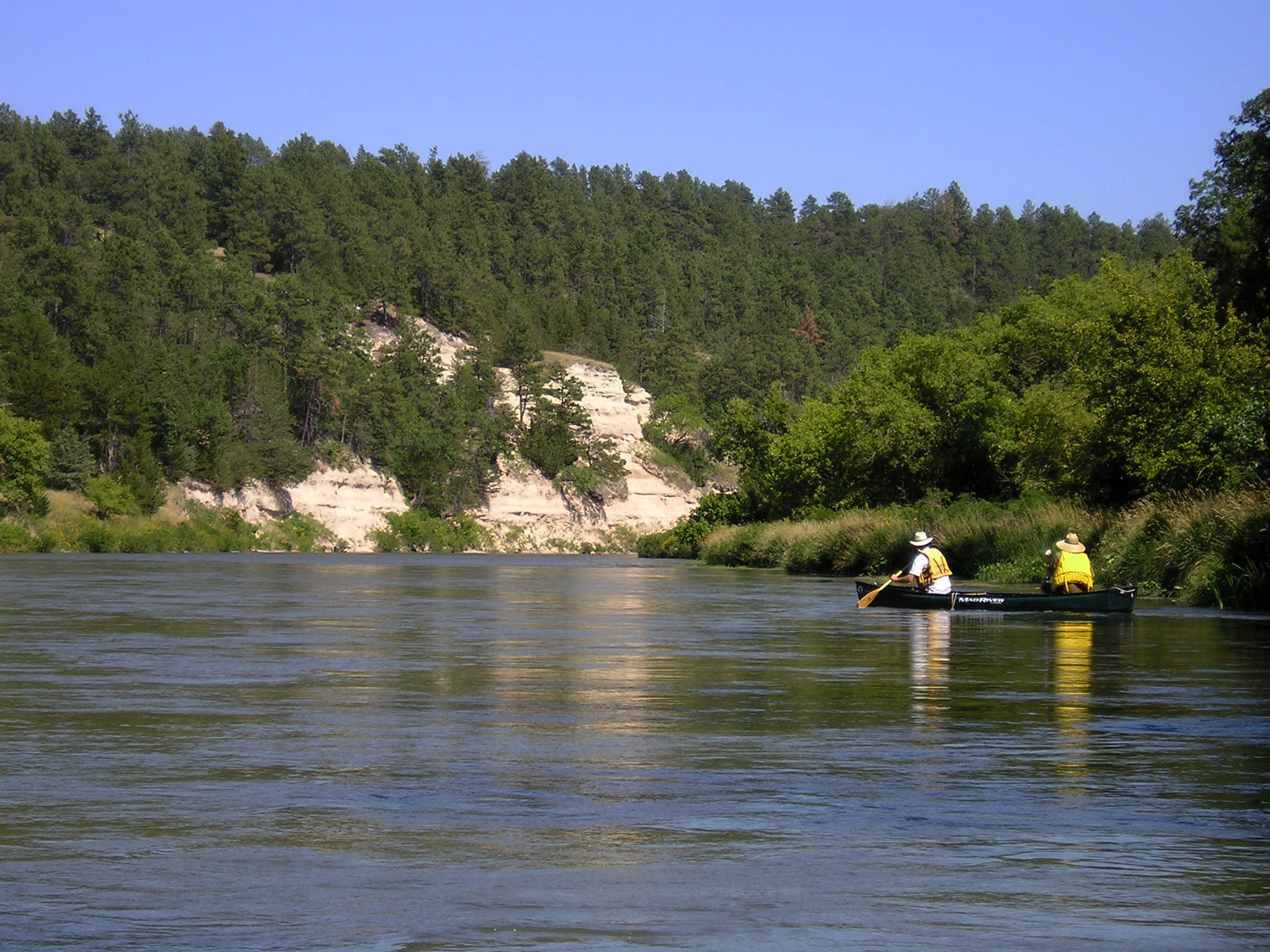
This National Park Service unit is defined by its river. A summer day here is best spent on the water, whether by canoe, kayak, or tube. The river's course passes spring-fed waterfalls and canyon walls, unusual for Great Plains topography. This riparian environment supports a mixed forest, offering diverse wildlife and birdwatching. Evenings deliver truly dark skies, presenting stargazing as a primary activity, not a mere supplement. Multi-day trips are feasible with riverside camping. Guided tours offer an enhanced contextual understanding of the area.
Who it suits
This unit presents a compelling draw for paddlers of all proficiencies. The river's beginner-friendly nature belies its length, which accommodates extensive trips for experienced canoeists. Its appeal extends broadly to families, birders, and dark-sky enthusiasts. Campers will find suitable accommodations. However, those anticipating dramatic western landscapes or substantial visitor infrastructure will need to adjust their expectations. This is fundamentally a rural, river-focused destination.
Timing your visit
This park's seasonal appeal is sharply defined. Peak visitation from late May through early September offers fully runnable river conditions, with tubing a popular option in warm waters. Midsummer temperatures frequently reach the low 100s; planning morning river activities is advisable to avoid the afternoon heat. Spring brings rising water levels and significant bird migration, adding ecological interest. However, winter is a formidable deterrent. From November through March, subzero lows and heavy snow render much of the river inaccessible. Casual sightseers should look elsewhere. This is a destination primarily for dedicated warm-weather river enthusiasts.
What stands out
- Floating the spring-fed river by canoe, kayak, or tube past canyon walls and waterfalls
- Exceptional dark-sky stargazing in one of Nebraska's most remote corridors
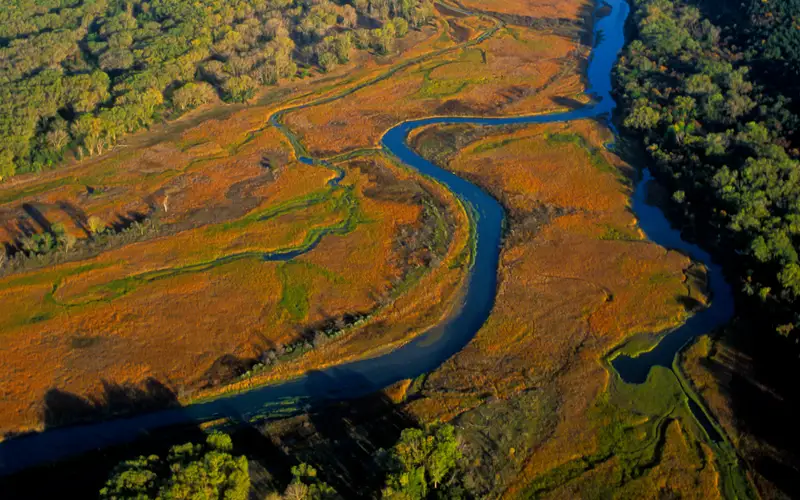
- Wildlife watching and birdwatching in a biologically rich Great Plains transition zone
- Hiking and biking the river corridor beyond the water
- Camping directly within the scenic river unit for multi-day immersion
- Free entrance with 24-hour river access on most stretches
Good to know
Fort Niobrara National Wildlife Refuge offers free admission, a critical point for budget-conscious travelers. The Niobrara River's segment within the refuge operates on strict sunrise-to-sunset hours, necessitating careful float planning. This is rural Nebraska; services are notably limited. Visitors must arrive provisioned. The primary concern here is safety on the water: summer thunderstorms manifest rapidly, bringing strong, dangerous winds. This park demands preparation and respect for its natural conditions.
Insider tipStargazing here depends heavily on the lunar phase. While clear skies are important, the low ambient light means a new moon transforms a good sky into an extraordinary one. Plan accordingly.