Is Agate Fossil Beds National Monument worth your trip?
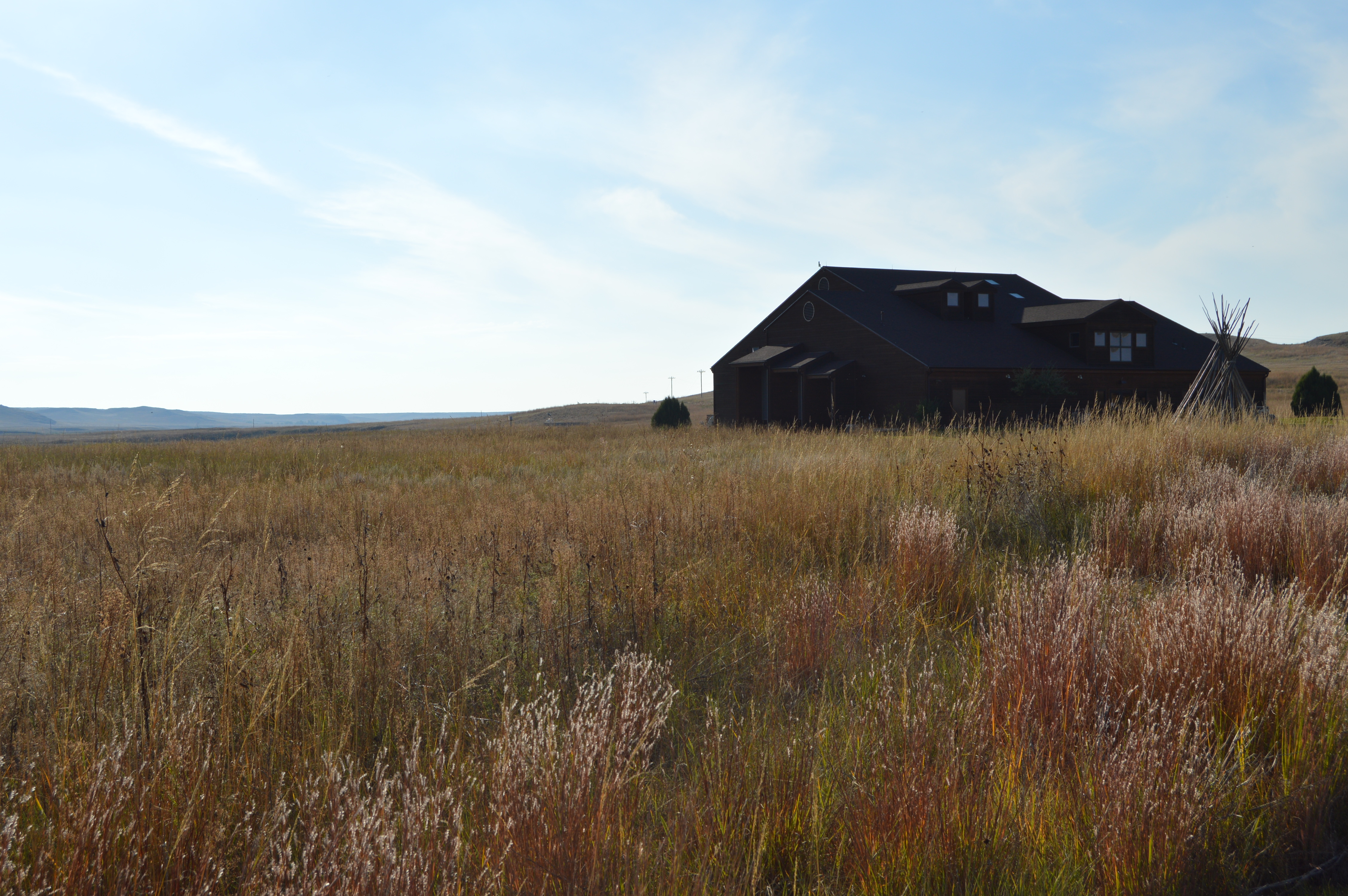
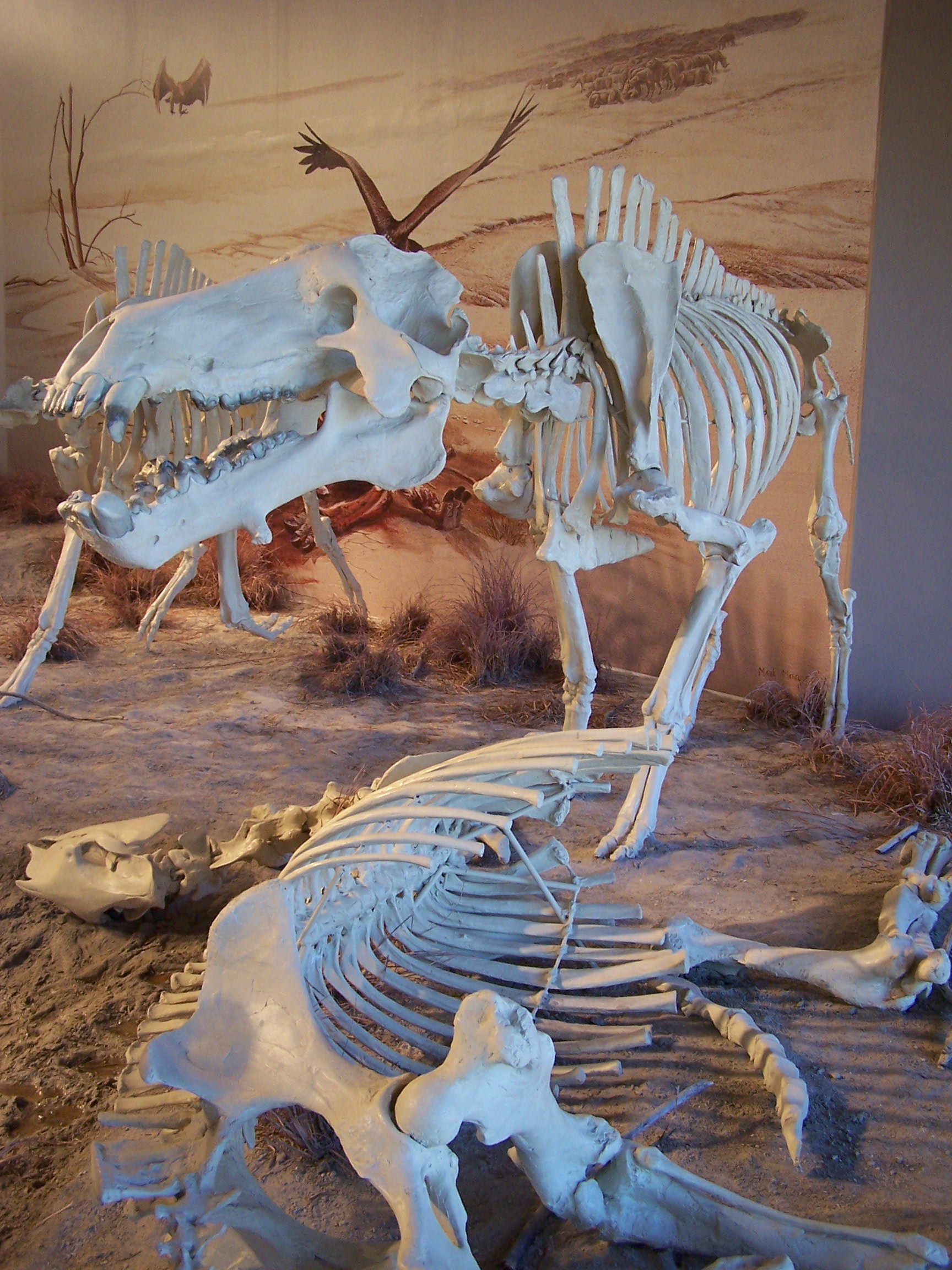
Agate Fossil Beds in the Nebraska panhandle presents a compelling dual offering: a pivotal Miocene mammal fossil site and a poignant collection of American Indian artifacts.
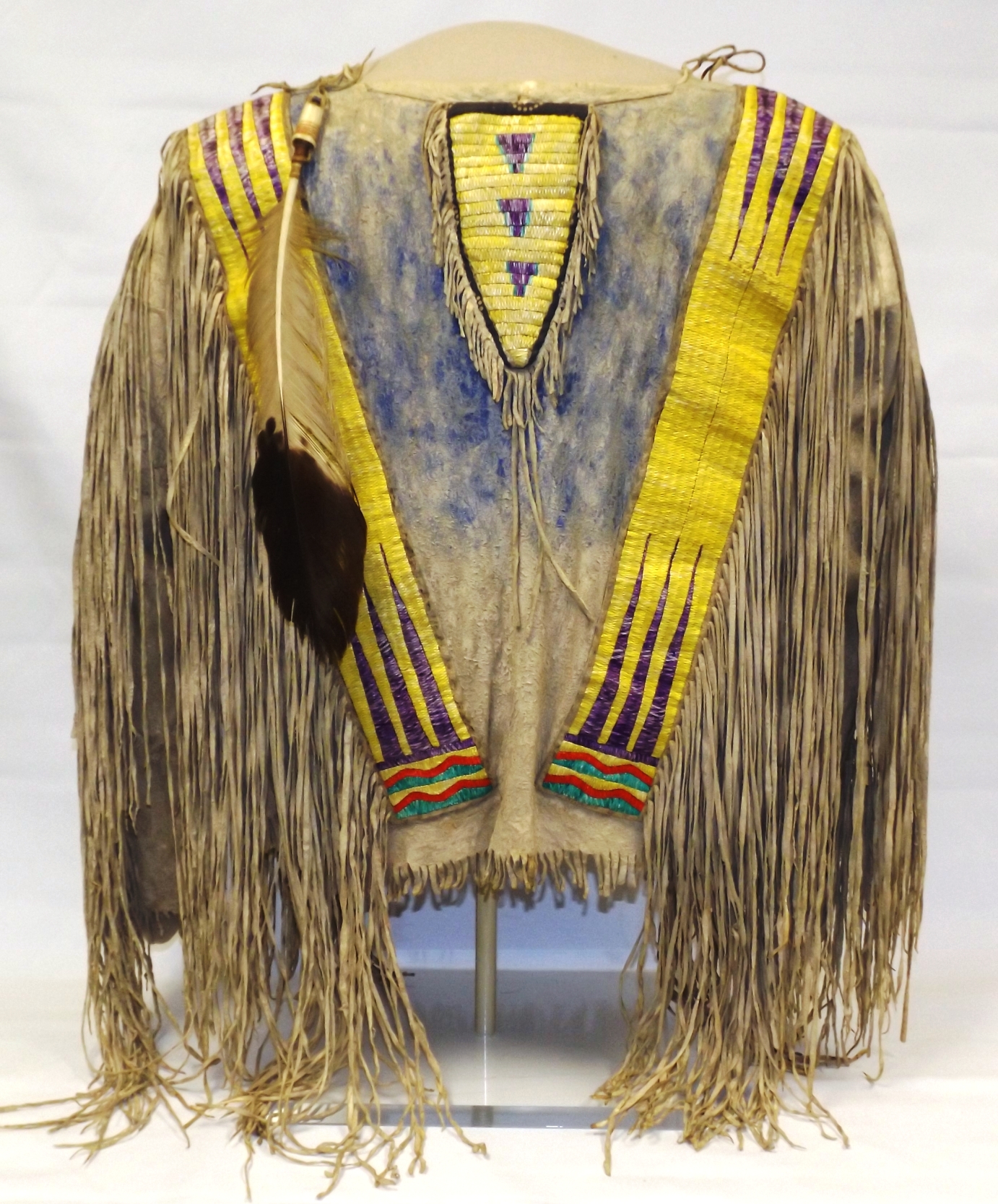
While the fossils themselves remain subsurface, the visitor center effectively conveys their scientific significance. The James H. Cook Collection, featuring gifts from Lakota leaders like Red Cloud, offers an unexpected cultural depth. Two walking trails provide landscape context. Entry is free. This is a niche destination of high substance, best suited for curious visitors who engage with interpretive materials rather than those seeking dramatic vistas or strenuous activity.
Why go
This park is ideal for those seeking a profound historical and scientific experience, less so for casual recreation. The 12-minute park film is essential viewing, efficiently framing both paleontological and human history. Two self-guided trails lead directly into the fossil-bearing hills, where Miocene mammal skeletons were excavated, reshaping scientific understanding of a geological epoch. The James H. Cook Collection presents a rare documented record of friendship between a Nebraska rancher and Lakota leadership through tangible artifacts. Birdwatching and wildlife observation offer a living counterpoint to the ancient landscape. Remote dark skies provide excellent stargazing opportunities on clear nights. Junior Ranger materials are available for younger visitors. This destination offers a serious engagement with history and science.
Best for
This park offers documented breadth and access for those interested in history, paleontology, and Indigenous cultures. Families with inquisitive children will find suitable engagement. However, the park does not cater to hikers seeking significant mileage or elevation changes. For travelers passing through the Nebraska panhandle, it presents as an accessible, free, and worthwhile stop rather than a primary destination.
Best season
The park’s season runs from late spring through early fall. Summer brings high heat, with temperatures peaking at 90 to 100 degrees Fahrenheit, and fast-developing afternoon thunderstorms. Start trail hikes early in the morning during this period. Fall provides cooler temperatures and the most comfortable conditions. Winter visits are feasible, but visitors should prepare for lows of -20 degrees, high winds, and heavy snow, which persists into late spring.
The high points
- Visitor center fossil exhibits featuring complete Miocene mammal skeletons, not just fragments
- The James H. Cook Collection of Lakota artifacts, a historically significant and rarely discussed cultural record
- Two self-guided walking trails through the actual fossil-bearing landscape
- Free entrance with no reservation required
- Dark-sky stargazing in a remote, low-light-pollution setting
- Birdwatching and wildlife watching along the trail corridors
Know before you go
Entry is free. The visitor center, with its museum, film, and bookstore, serves as an essential first stop before trail access. Trails operate from dawn to dusk daily. Services are limited in this Nebraska panhandle location; visitors should arrive with water, snacks, and a full fuel tank. Cell coverage may prove unreliable.
One more thingThe James H. Cook Collection warrants attention equal to the park's paleontological displays. Its artifacts and documentation of the friendship between Cook and Red Cloud illuminate a unique chapter of Plains history. This exhibit has no regional equivalent. Visitors consistently highlight this detail after their visit.