Should you visit San Antonio Missions National Historical Park?
San Antonio Missions National Park, a UNESCO World Heritage Site, stands as Texas's sole such designation.
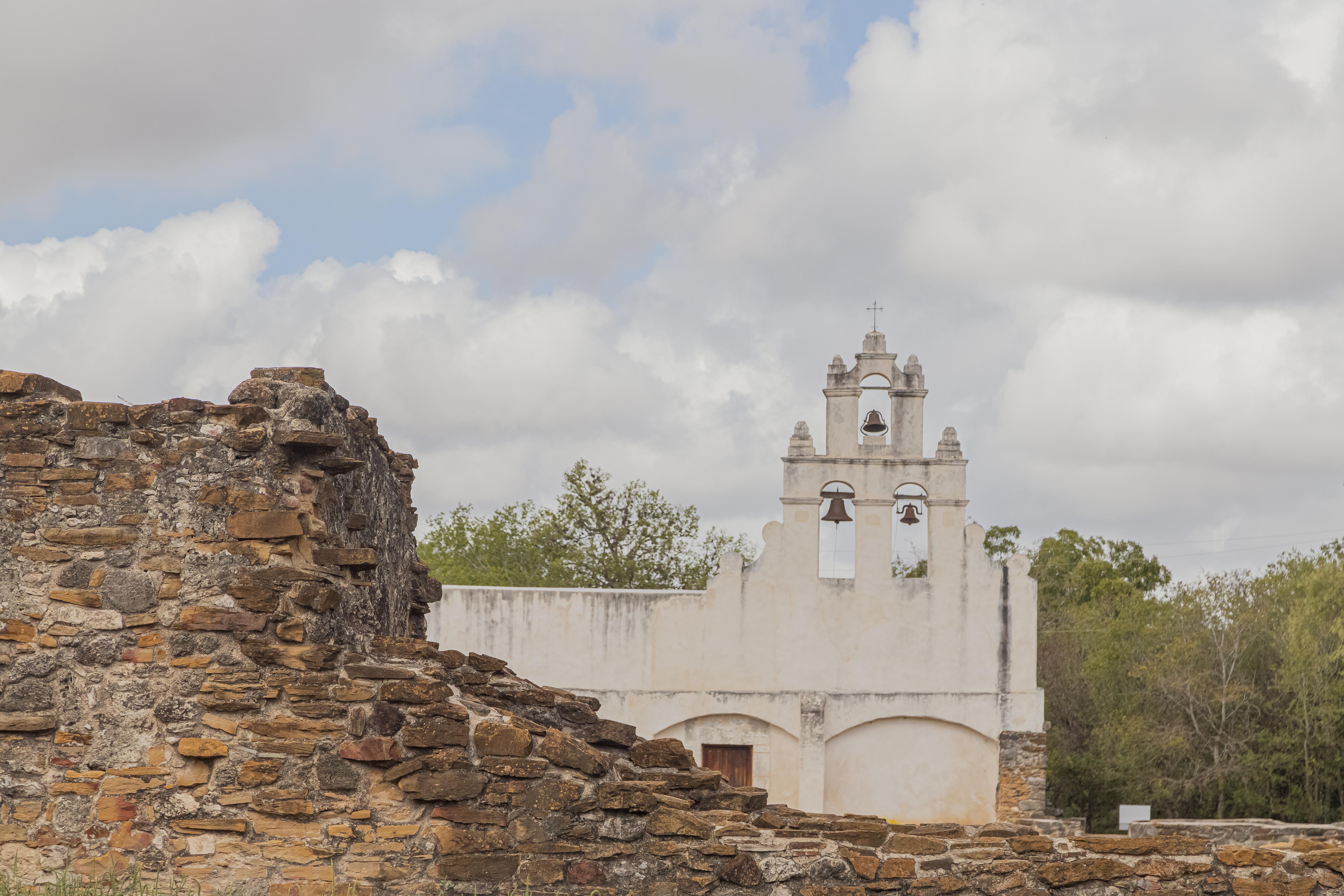
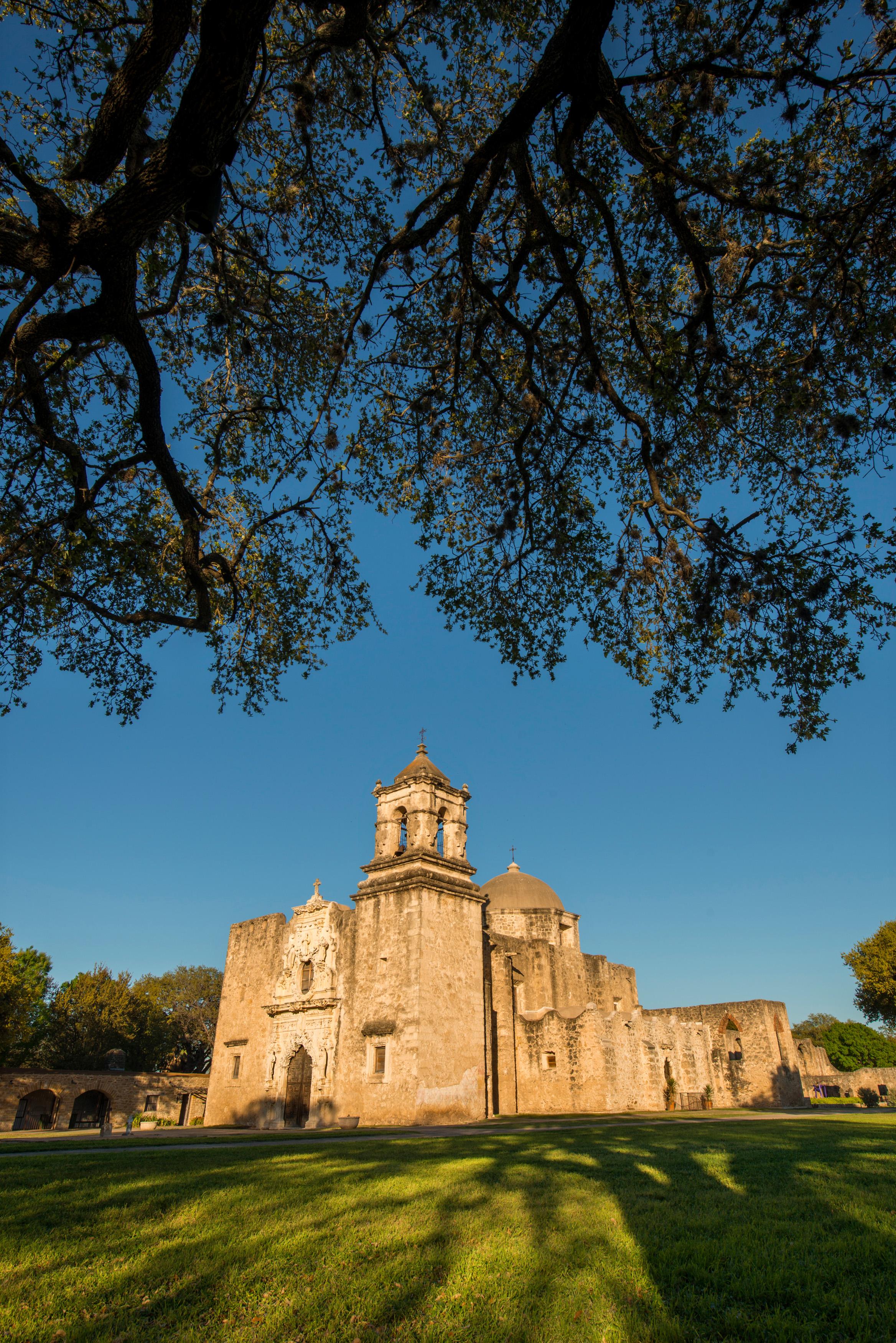
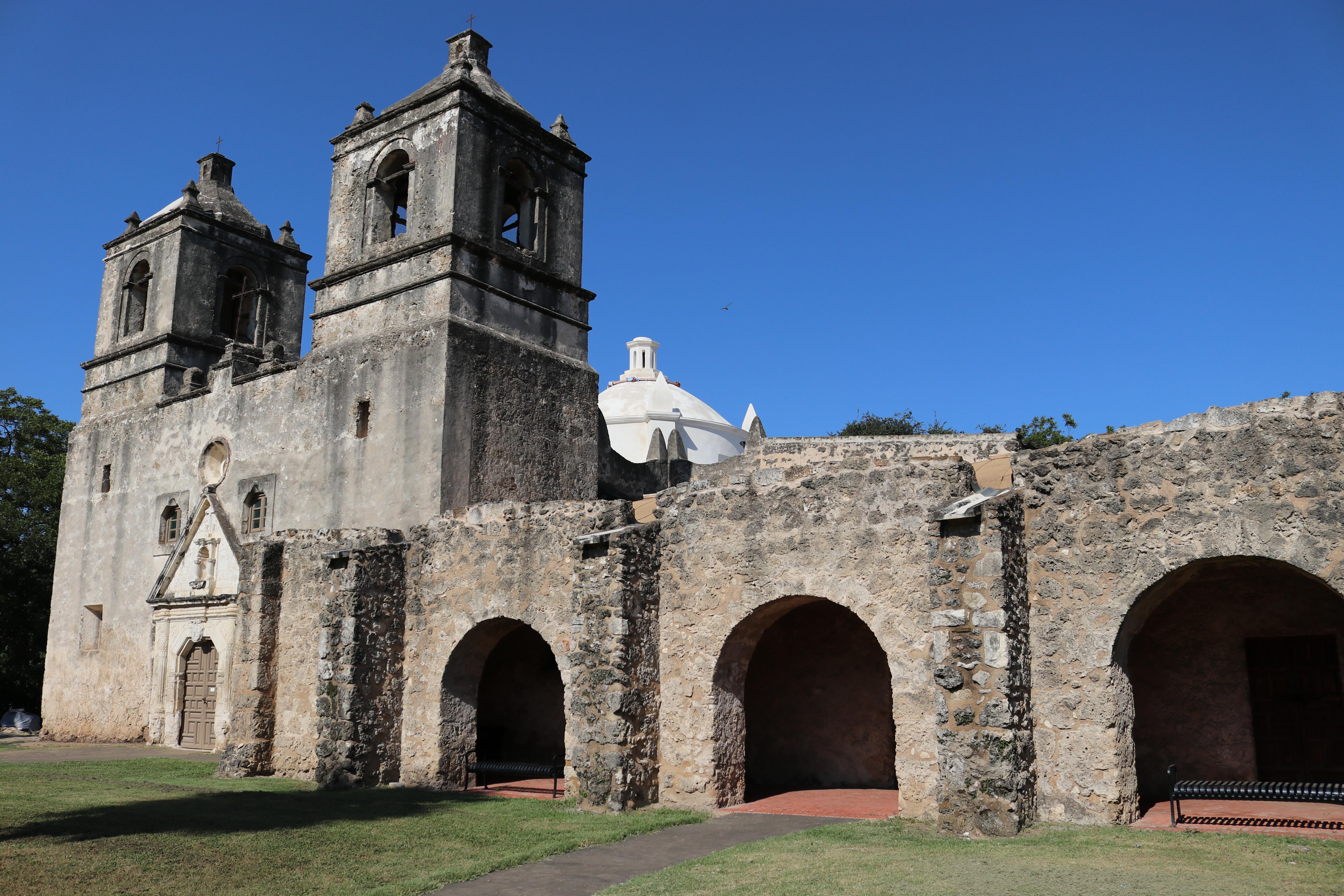
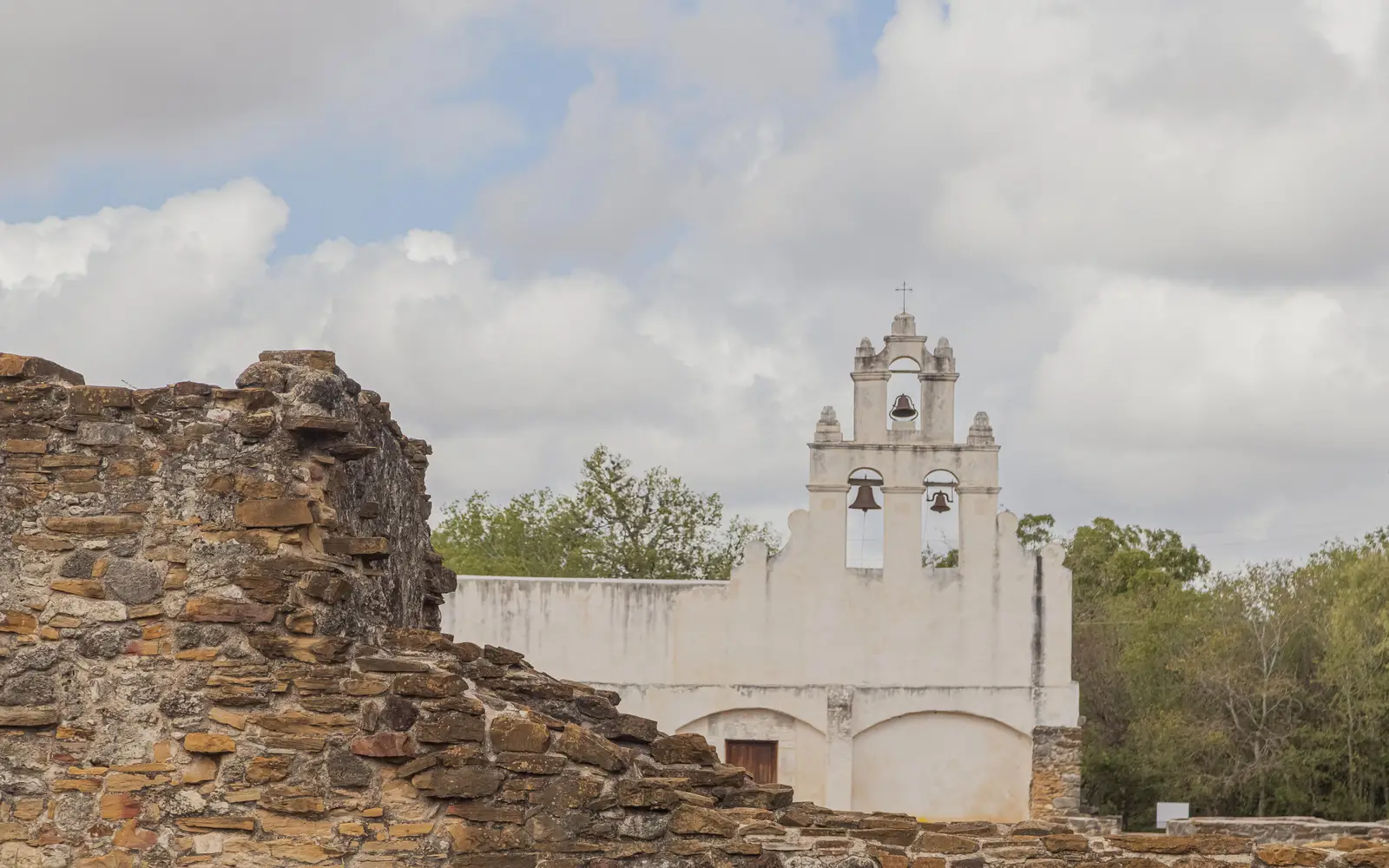
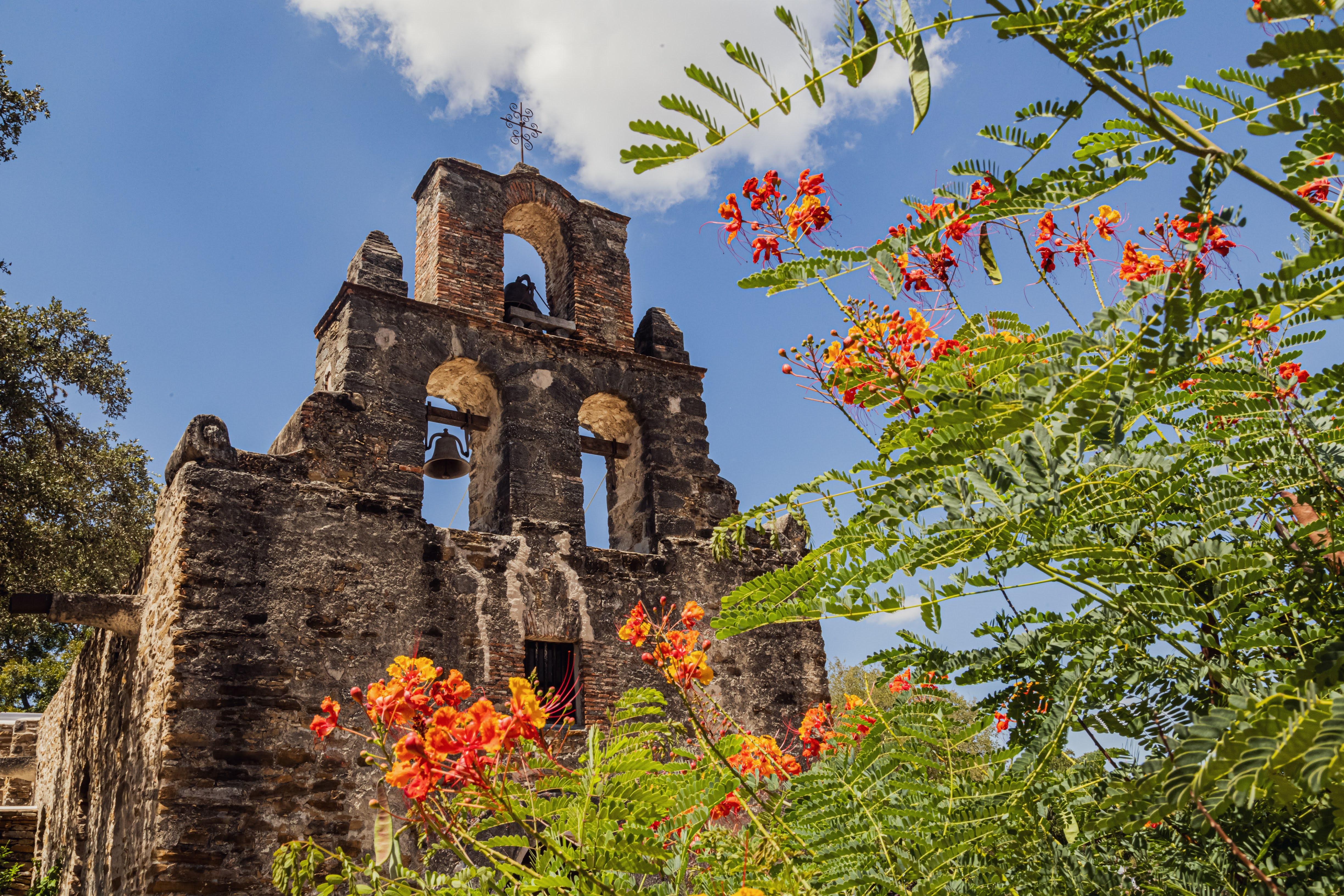
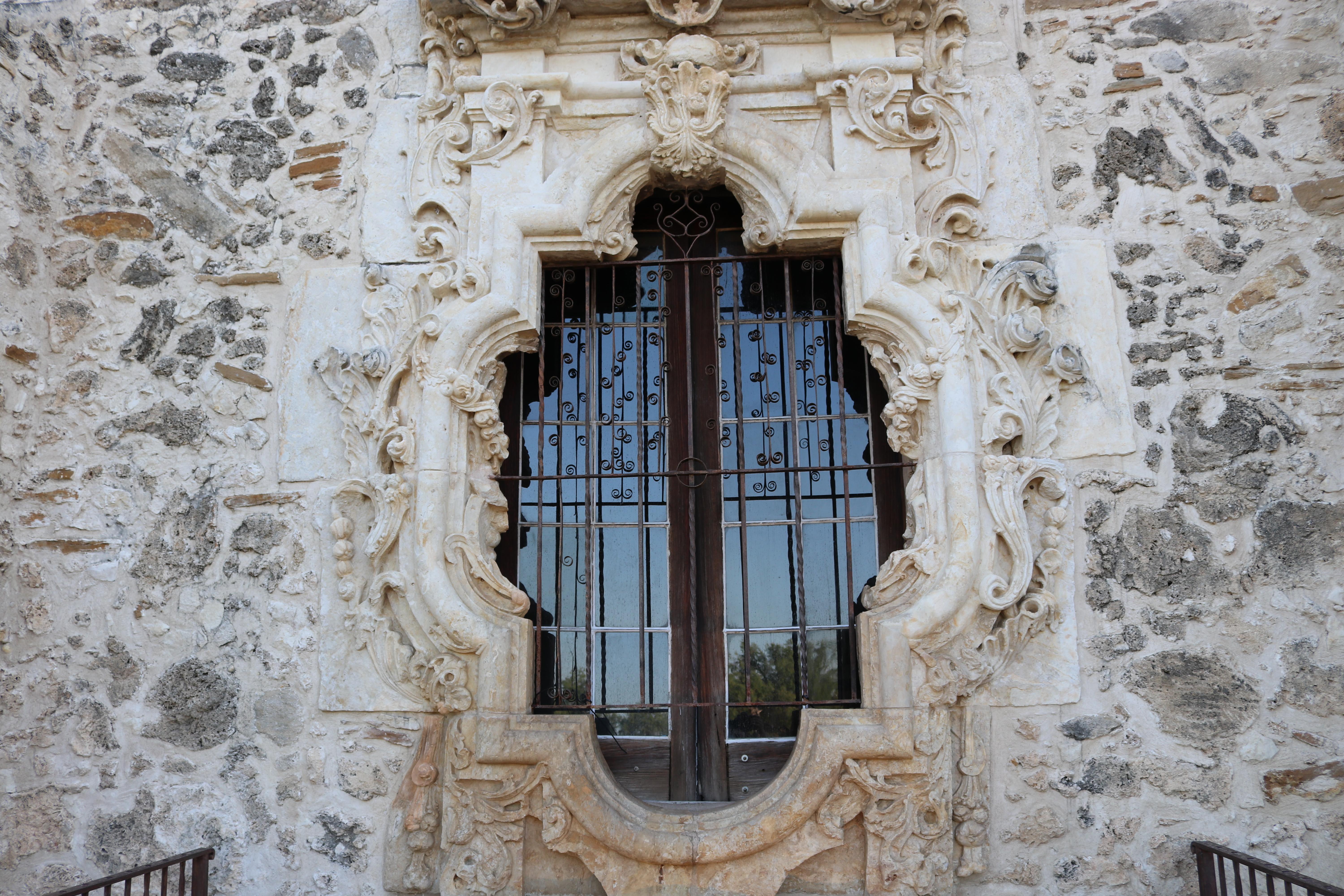
It encompasses four active Spanish colonial missions: Concepcion, San Jose, San Juan, and Espada. Established in the early 1700s, these are not reconstructions. They remain intact stone complexes. The park provides a corridor of living history. Access is free. The experience emphasizes 300 years of layered history. It explores the intersection of Indigenous peoples, Spanish colonizers, and the resulting communities. The park is urban-adjacent and remarkably rich. Those who absorb the context and move deliberately between sites will find it rewarding. Enthusiasts of history, cycling, and birding will find substantial engagement. Families with curious children will also benefit. Casual tourists seeking a single dramatic landmark, however, may find the experience too diffuse across the expansive corridor.
What makes it worth it
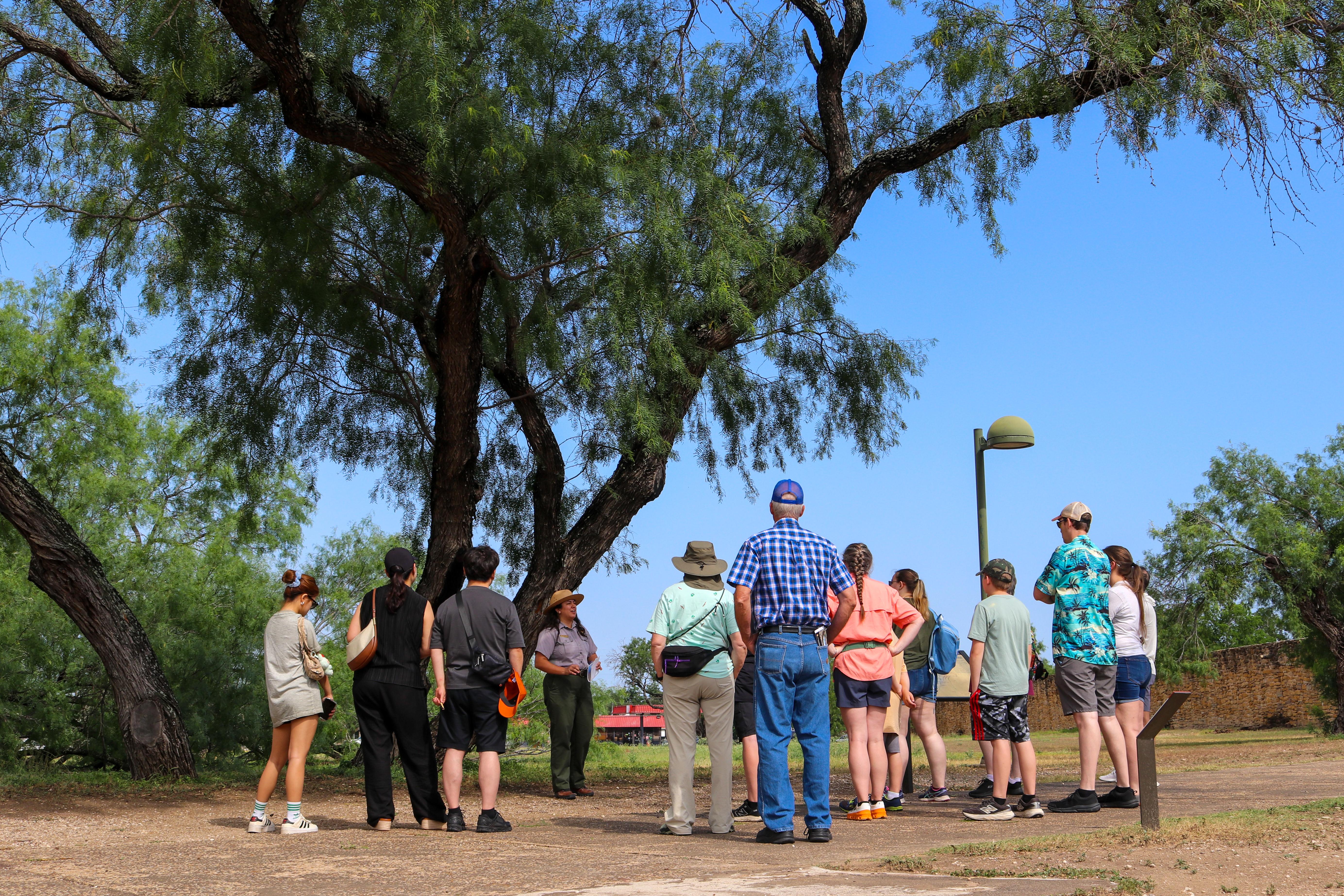
The verdict is clear: this unit provides an exceptional blend of depth and accessibility, a rarity for a fee-free National Park Service site. Visitors can cycle or drive the mission trail, linking all four historic locations. Ranger-led tours at Mission San Jose deliver the colonial and Indigenous narrative. Explore the grounds at your own pace. Museum exhibits at the visitor center contextualize the UNESCO designation and cultural significance. Wildlife and birdwatching opportunities along the acequia channels introduce a natural dimension to this predominantly cultural experience. The Junior Ranger program offers structured engagement for families across multiple sites. A full day moving deliberately among the missions proves genuinely rewarding. Parking is the only cost. This park unit delivers substantial value.
Who should go
This park delivers most for history and architecture enthusiasts, cyclists seeking a meaningful urban trail, families with kids, and birders. Its riparian habitat along the old acequia system is a highlight. Casual sightseers should look elsewhere. It is not for those primarily seeking backcountry hiking, dramatic scenery, or a single concentrated attraction. This multi-site corridor rewards patience over spectacle.
When to go
The optimal period for a visit spans October through April. San Antonio's summer, from May to September, brings daily temperatures frequently exceeding 90 degrees. This heat significantly impacts the mission experience, which relies heavily on outdoor, exposed stone grounds. Fall and winter offer comfortable temperatures, typically in the 50s and 60s, ideal for cycling or walking between locations. Spring introduces colorful wildflowers, enhancing the grounds before the onset of extreme heat.
Highlights
- Guided ranger tours at Mission San Jose, the largest and most intact of the four missions
- Biking or driving the full mission trail connecting all four UNESCO-designated sites
- Museum exhibits contextualizing Spanish colonial history and Indigenous displacement
- Birdwatching along the historic acequia irrigation channels between missions
- Self-guided walking tours through active parish grounds occupied since the 1700s
- Junior Ranger program structured across multiple mission sites, ideal for school-age kids
Plan ahead
Entry is free across all sites. Park grounds open from sunrise to sunset, but Mission San Jose and the visitor center maintain a 9 AM to 5 PM schedule. The missions span several miles within urban San Antonio. Visitors should plan transportation between sites accordingly, choosing between biking, driving, or rideshare. Parking is available at each mission.
Editor's tipBegin the day at the Mission San Jose visitor center, promptly at its 9 AM opening. A ranger-led tour offers an informed start before the midday heat becomes a factor. Use the remaining morning hours to access the missions of San Juan and Espada. These southern sites are notably quieter, offering a more contemplative experience.