Is Salinas Pueblo Missions National Monument worth your trip?
Salinas Pueblo Missions National Monument offers a deep dive into centuries of history.
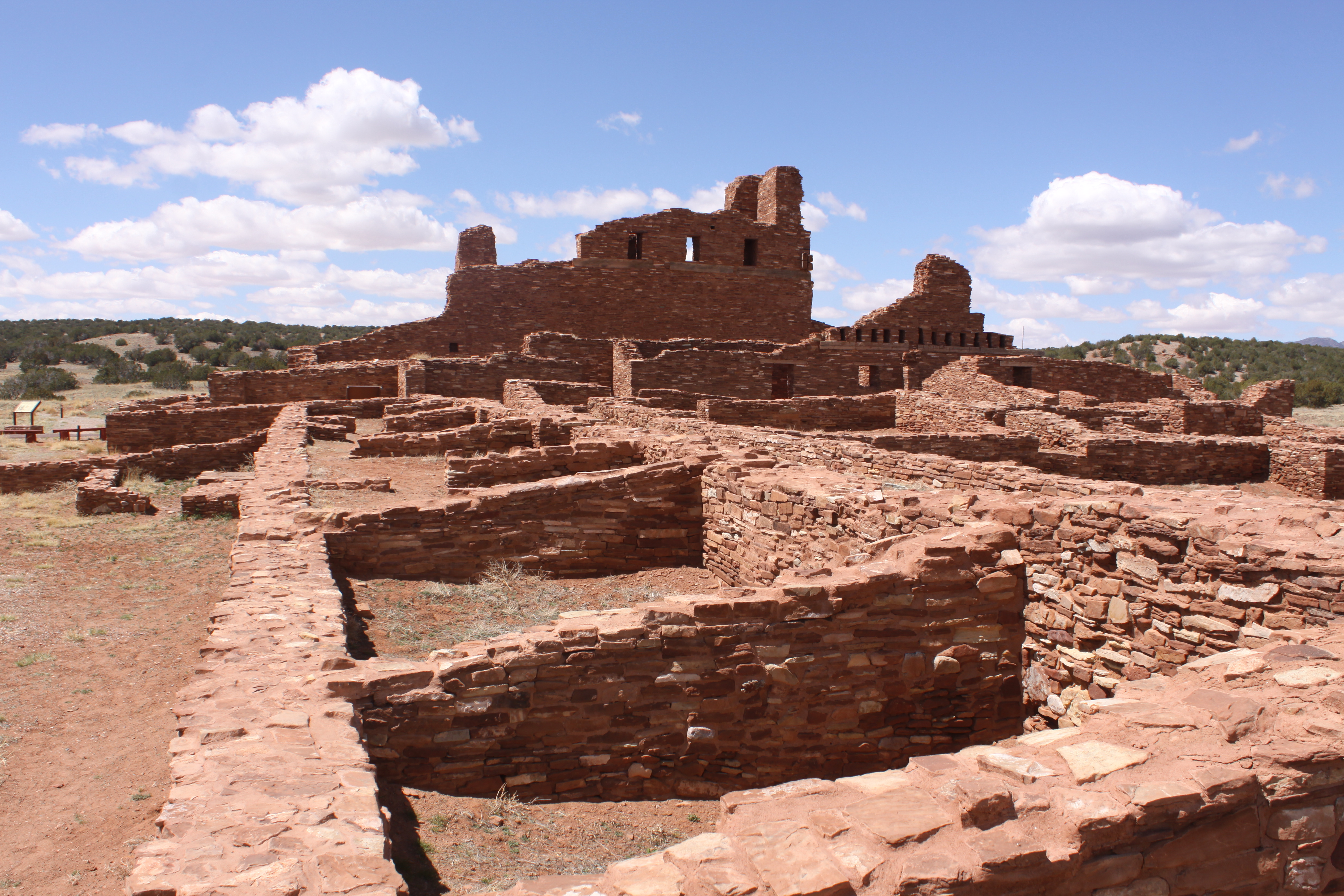
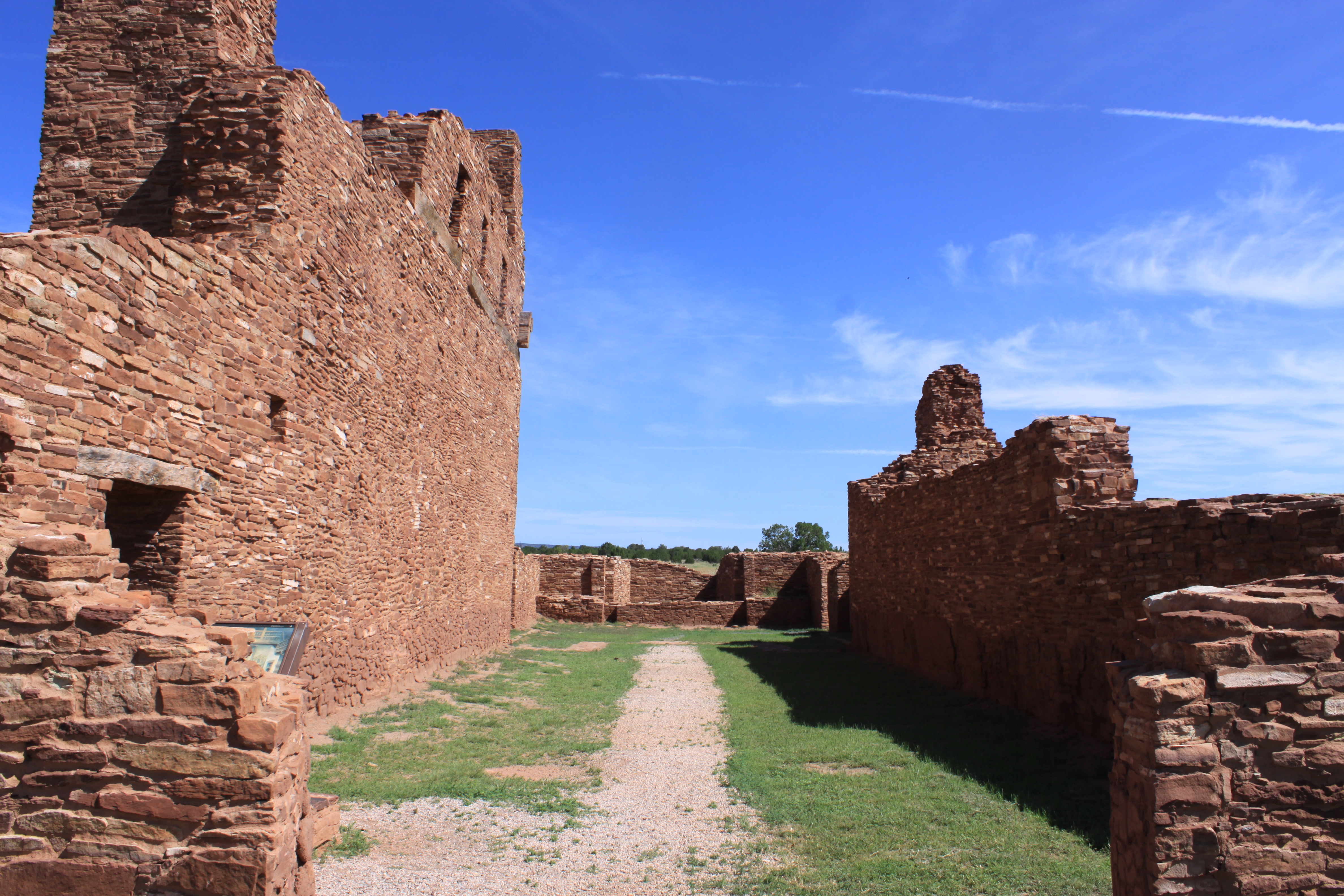
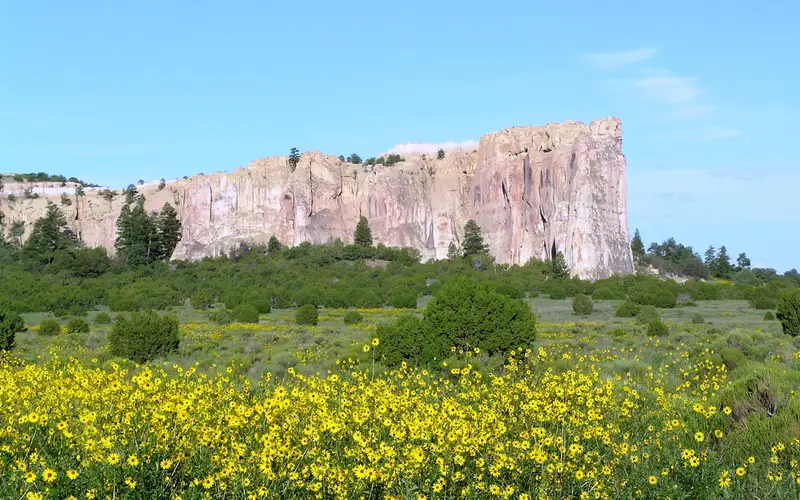
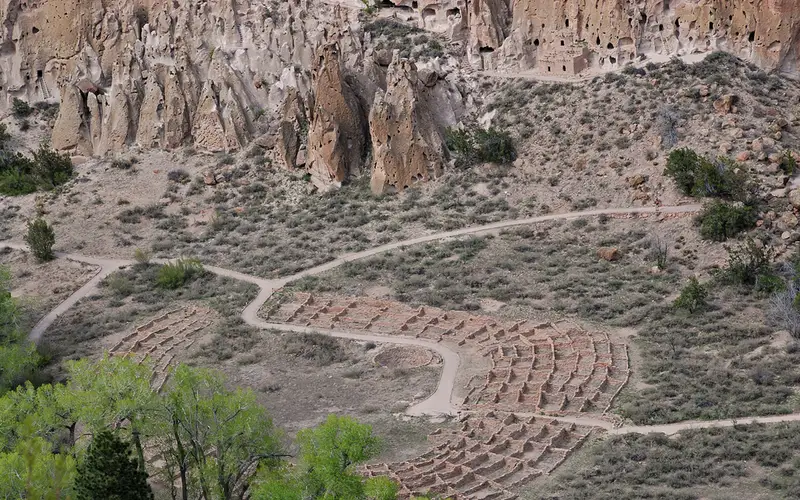
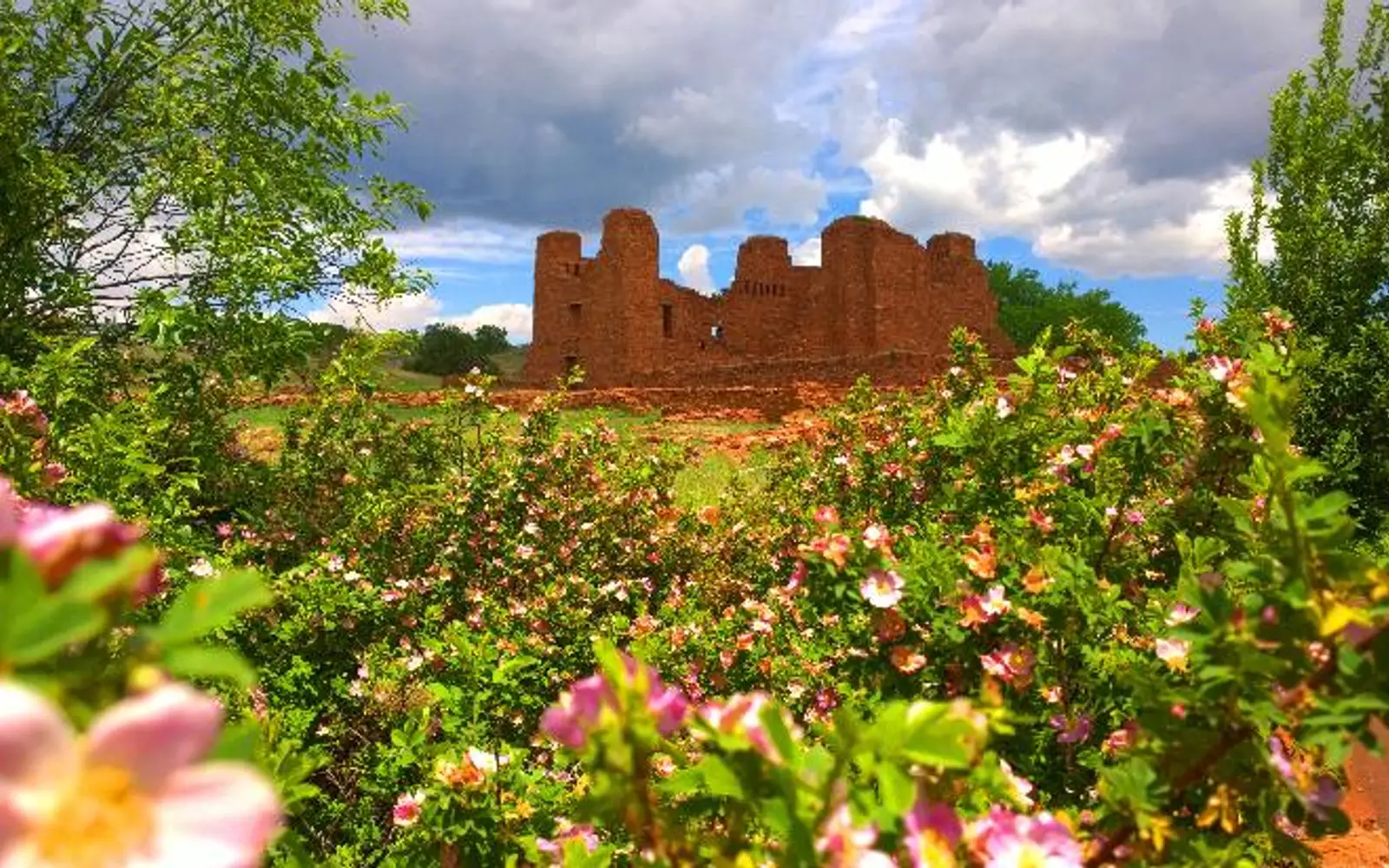
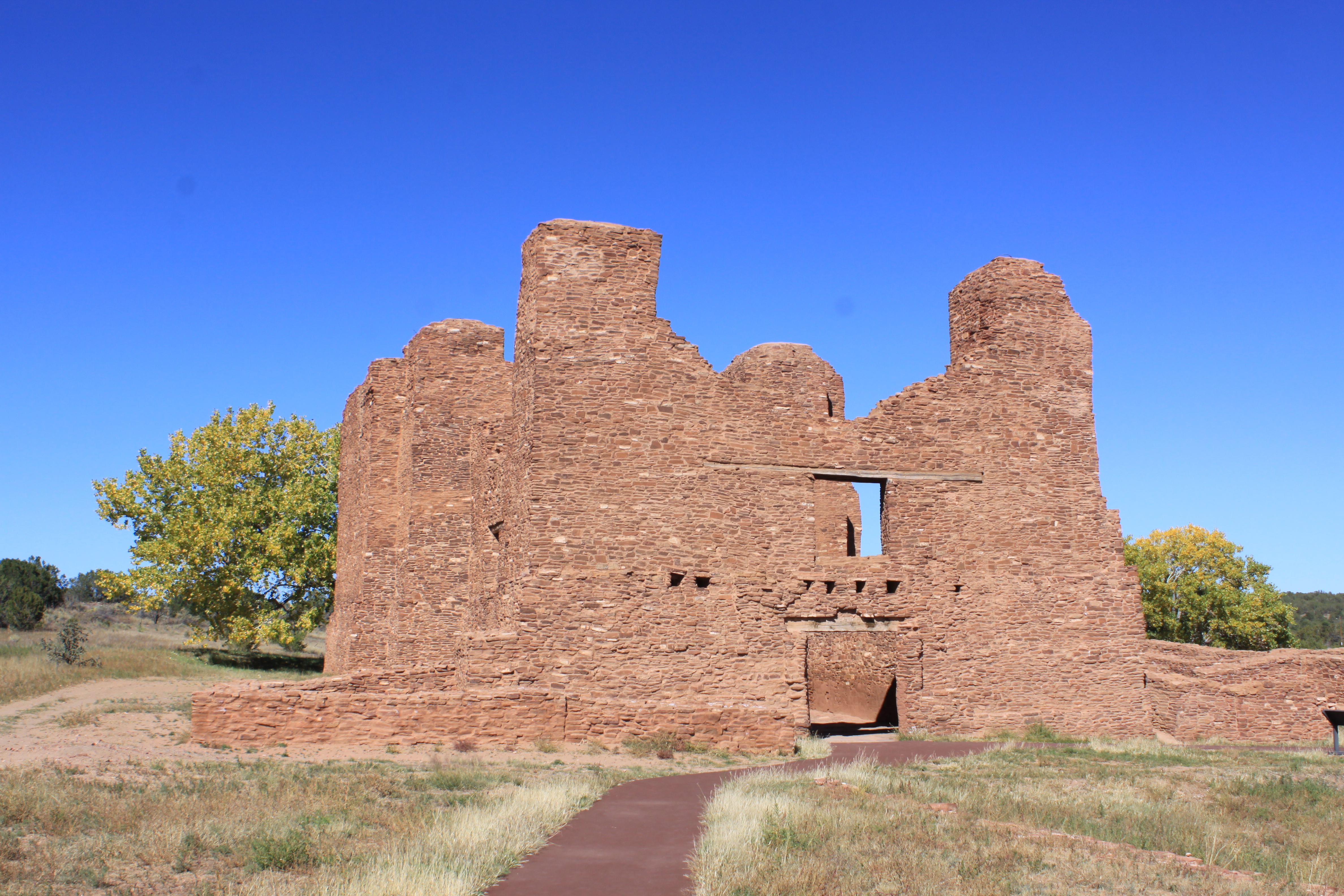
This monument, split into three distinct units near Mountainair, New Mexico, preserves 17th-century Spanish mission ruins constructed over ancestral Pueblo sites. The stone architecture impresses with its scale. It tells a complex story of colonial impact, cultural clash, and ultimate abandonment. This is not a destination for adventure sports or extensive hiking. Visitors come to engage with the past. Reviewing interpretive materials and watching park films is key. The high desert setting, between 6,100 and 6,500 feet, provides exceptional stargazing. Free admission makes it an accessible cultural stop for those exploring central New Mexico.
Why go
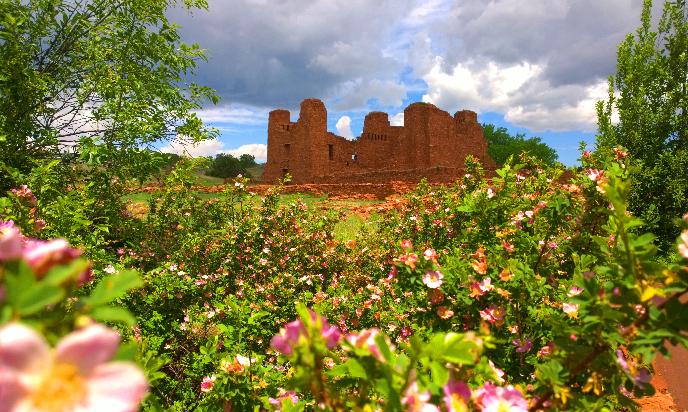
This park offers a split experience. The Mountainair Headquarters Visitor Center provides vital orientation before visiting the three distinct sites: Abo, Quarai, and Gran Quivira. Self-guided walking trails explore the ruins at each. Ranger-led tours, when staffed, enhance this archaeological journey. Quarai, unusually situated in a riparian zone for this arid region, presents notable birding opportunities. All sites offer picnic facilities. For those staying into the evening, the high desert and minimal light pollution create optimal stargazing conditions, a feature actively highlighted by the park. The Junior Ranger program engages younger visitors with the park's history and archaeology. For history buffs and stargazers, this park delivers. Casual sightseers may find the dispersed nature of the sites demanding.
Best for
This monument excels for those seeking historical and archaeological insight, particularly regarding Spanish-Pueblo colonial contact in the Southwest. Road-trippers traversing central New Mexico and families with children will find substantial educational value. Dedicated hikers or wildlife photographers, however, may find the offerings fall short of expectations for dramatic scenery or rare species.
Best season
Optimal visiting conditions occur in late spring (April through May) and early fall (September through October), due to comfortable temperatures. Summer, from June through September, brings highs exceeding 90 degrees Fahrenheit. Afternoon thunderstorms are frequent, posing a significant flash flood risk. Winter access is possible, but expect cold conditions and occasional snow. Fall evenings provide ideal stargazing opportunities.
The high points
- Three distinct archaeological sites, each with a different character and history, all free to enter
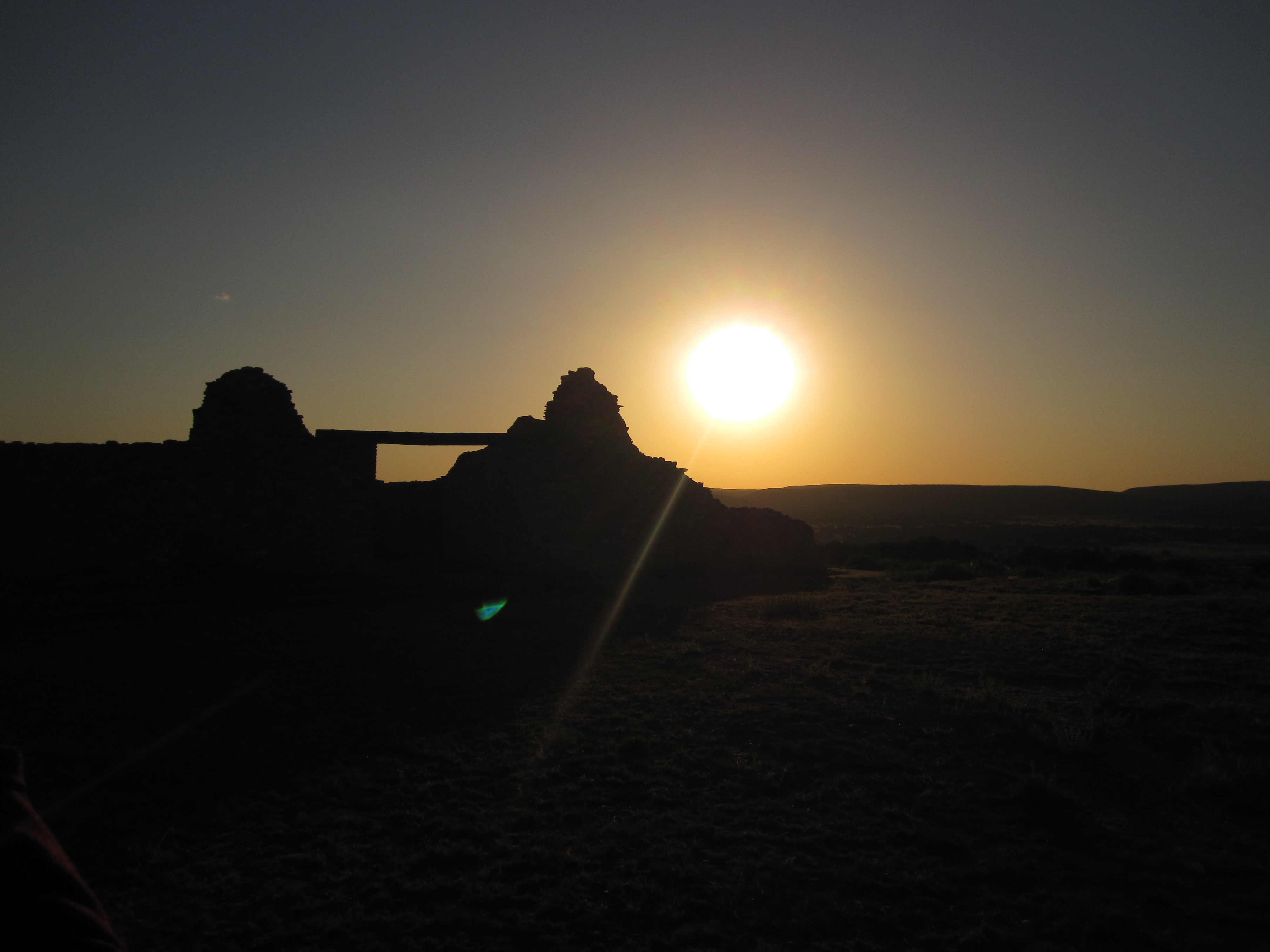
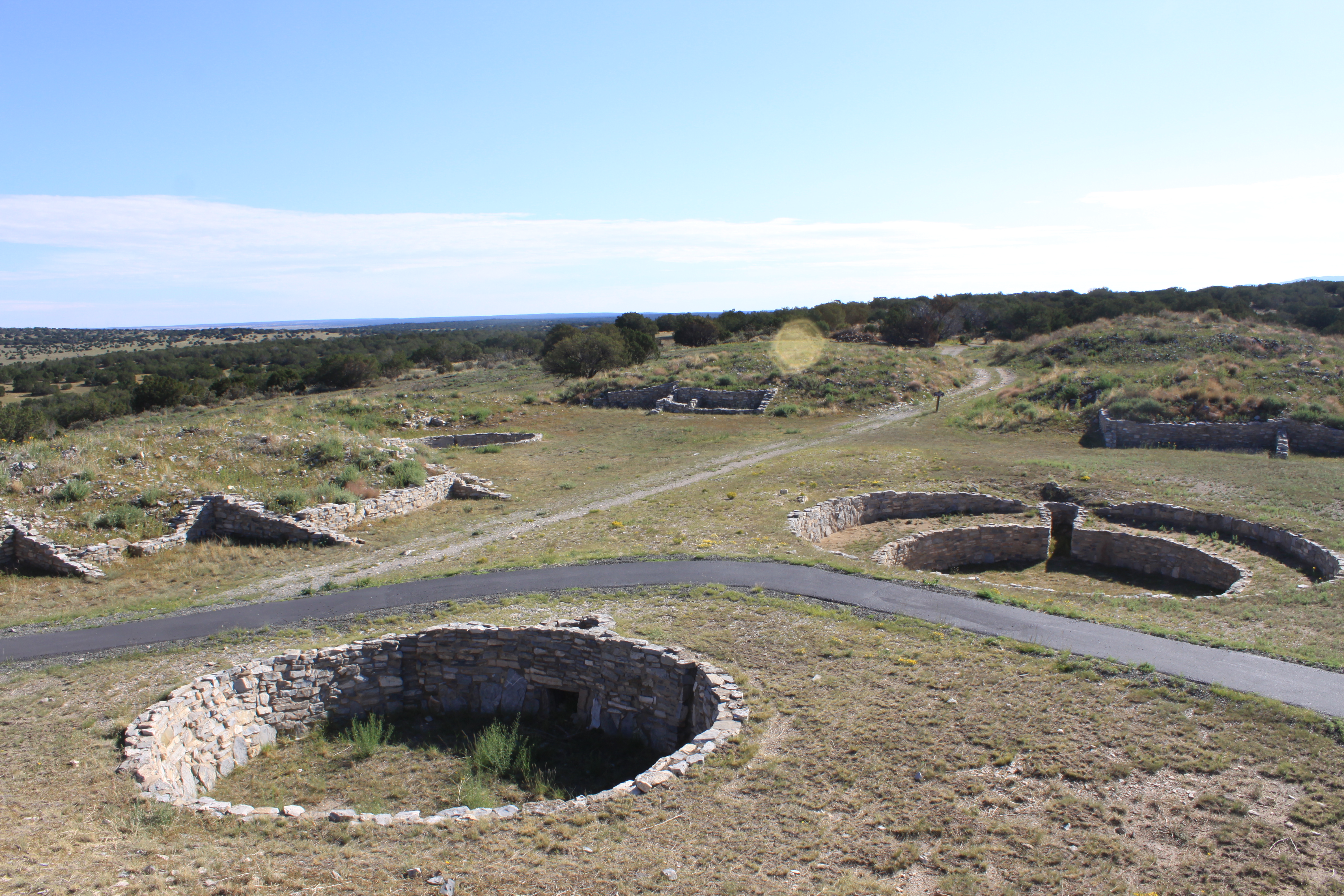
- Standing mission ruins with walls that convey genuine scale and ambition
- Ranger-guided tours that contextualize the complex Spanish-Pueblo cultural encounter
- Documented dark-sky stargazing at elevations above 6,100 feet
- Birding at Quarai, set in an unusually lush riparian microhabitat for the region
- Junior Ranger program that makes the archaeology accessible and engaging for children
Know before you go
This monument presents an unusual dispersed model, demanding visitors travel to three distinct sites. Admission is free at all three. The expectation should be a half to full day commitment to see them all; these are not clustered. Begin at the Mountainair Visitor Center for essential orientation. The monument maintains a year-round operational schedule, closing only for Thanksgiving, Christmas, and New Year's Day. Extended summer hours are in effect from April through October. This is a destination for those who prioritize historical depth over a singular, concentrated park experience.
One more thingGran Quivira, the largest and most remote of the three sites, offers significant architectural reward. While most visitors stop at Abo due to its highway proximity, Gran Quivira presents a fraction of the foot traffic. Its scale and the density of its ruins make it the most architecturally striking of the three. For those willing to travel further, the data makes a clear case for its appeal.