parkverdict
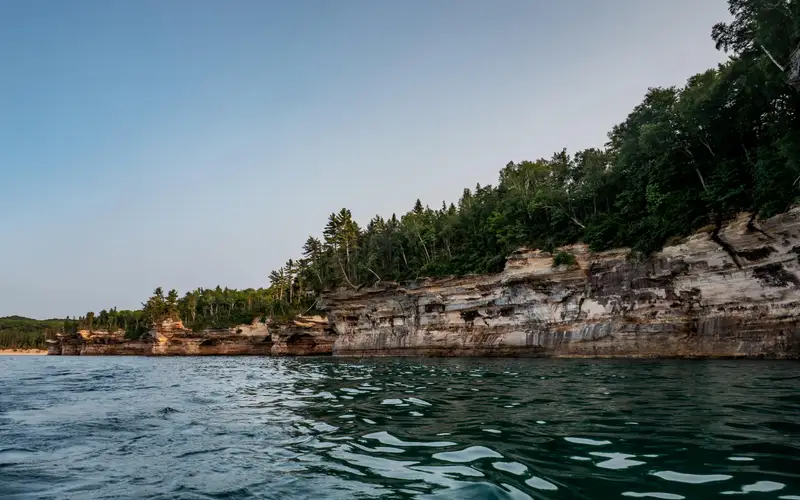
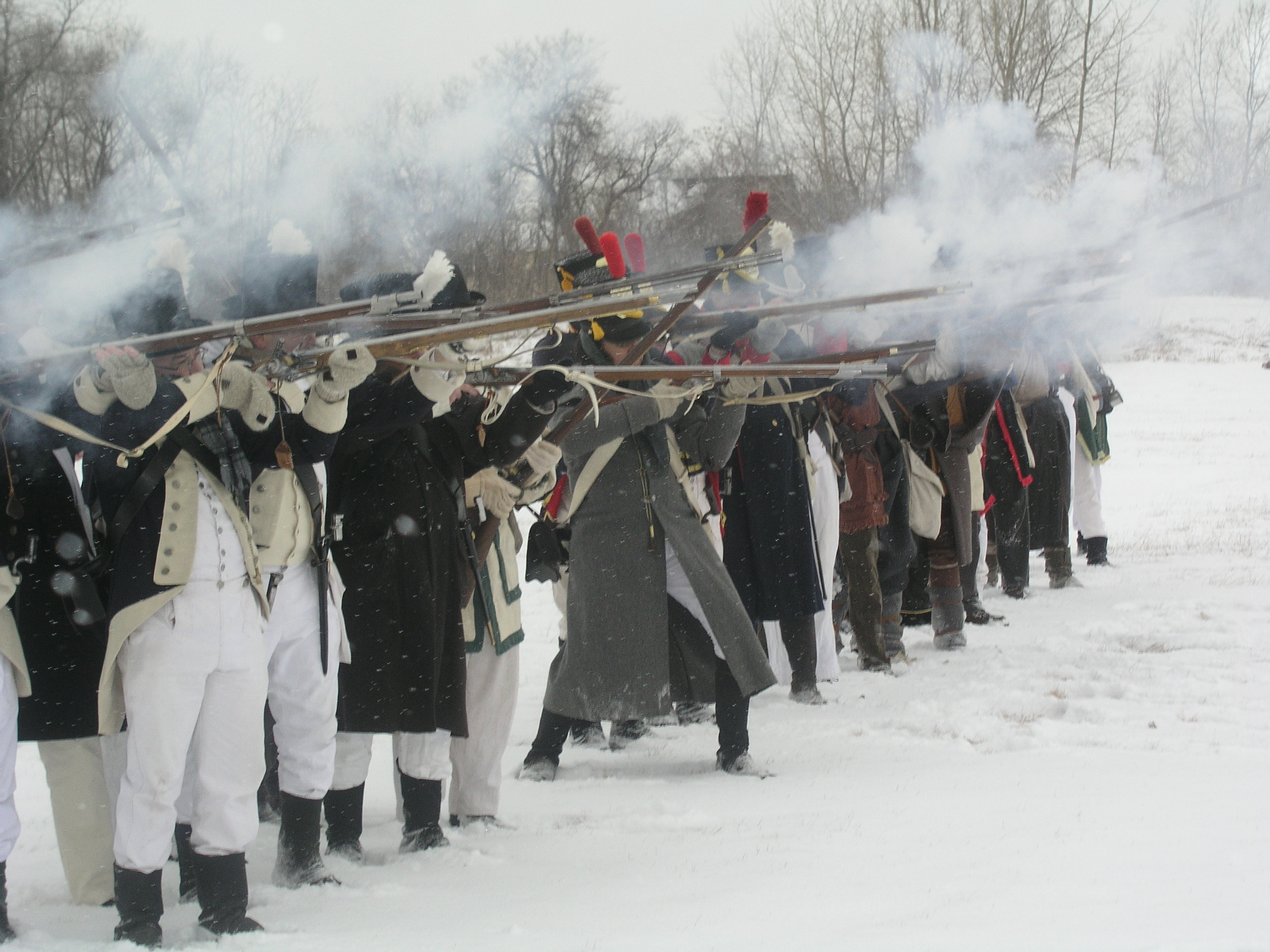
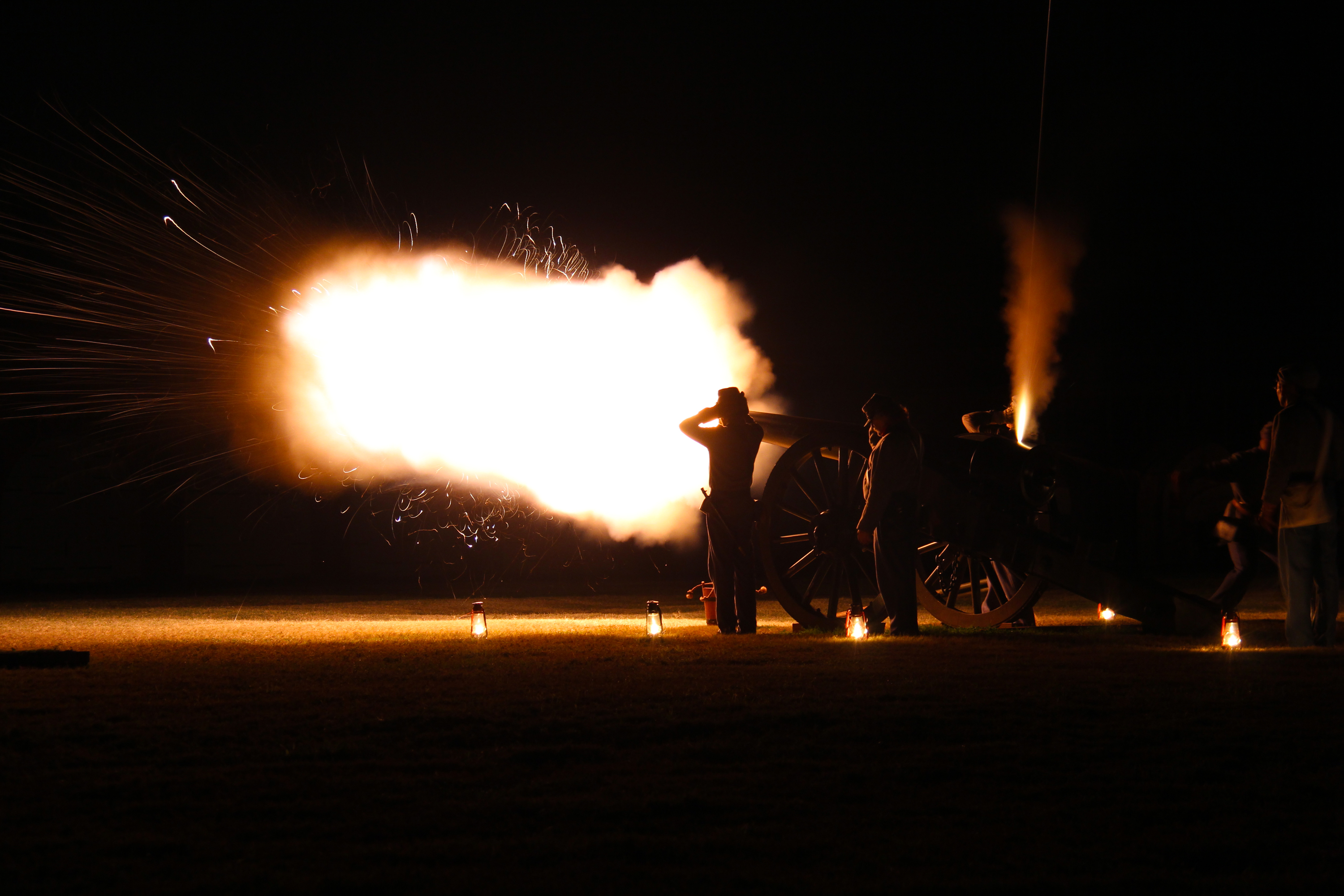
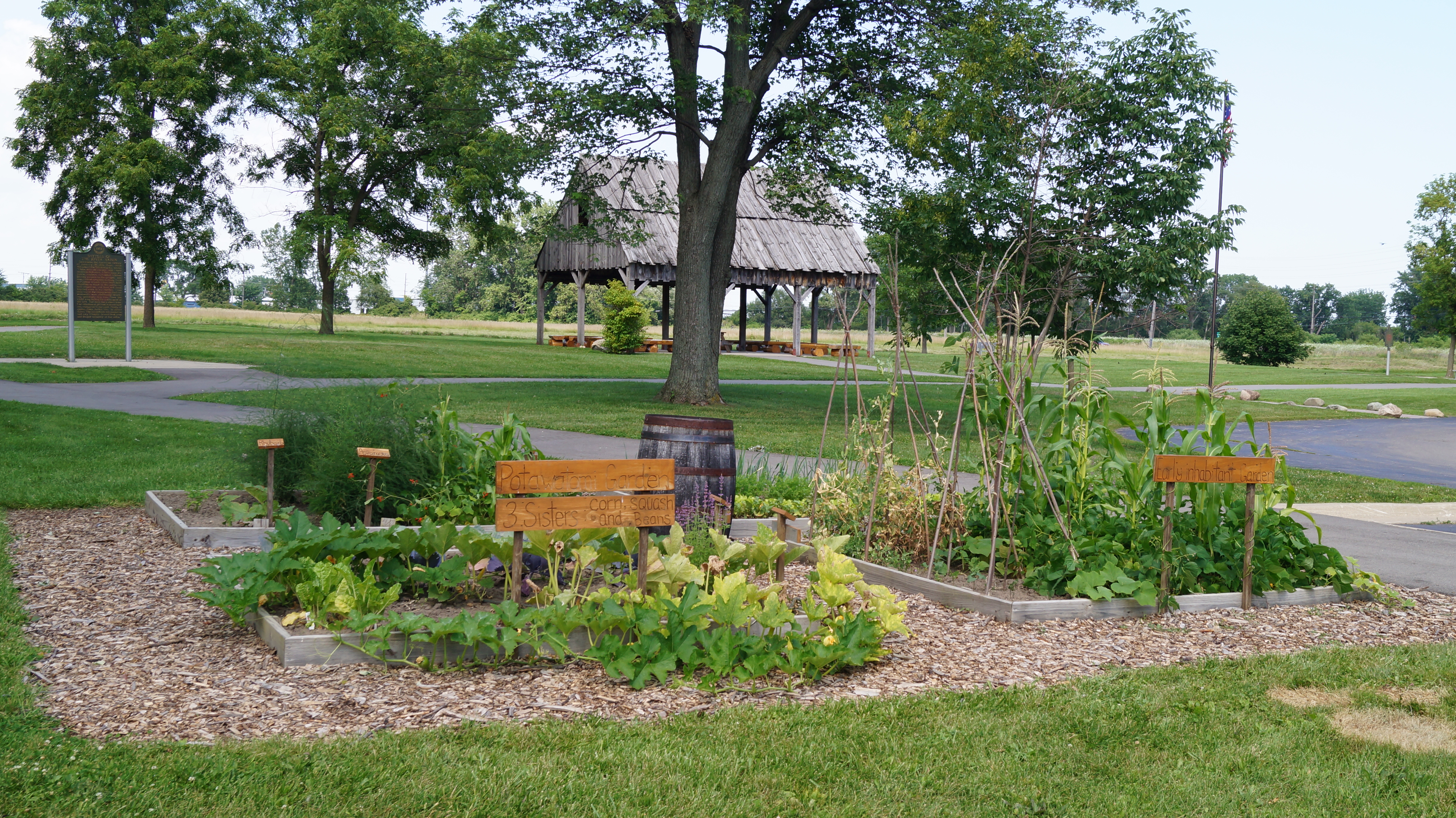
Painting of the Battle of the River Raisinre-enactors firing in a battle linea sled cannon in the snowperiod gardens
National Battlefield ParkMI

River Raisin National Battlefield Park

NPS / Painting by Tim Kurtz
88/ 100DOES IT ALL
parkverdict Experience ScoreIndependent, not sponsored

88 of 100. Our independent breadth-and-access index. How we score

Worth it?

Is River Raisin National Battlefield Park worth it?

River Raisin National Battlefield Park in Monroe, Michigan costs nothing to visit and stays open all year.

The ground here is where the January 1813 battles gave American forces their worst defeat of the entire War of 1812 and handed Tecumseh's Confederation a decisive victory. That history matters more than most people realize, and the park doesn't soften it, including what the long aftermath meant for Native nations. With an experience score of 88, this is a working site, not a plaque bolted to a post. The visitor center is built around a 24-foot diorama, and beyond that you have living history events, paddling on the River Raisin, birdwatching, and biking. There are actual reasons to stay for a while. The battlefield sits inside an urban area in Monroe, so don't come expecting open wilderness. What you get instead is serious, layered history told without jargon, plus enough outdoor activity to fill a solid half-day, or a full day if you time your visit around an event weekend.

The case for it

Start at the visitor center, where a 24-foot diorama of the River Raisin Settlement and a short park film walk you through the tactical situation and the human story before you ever set foot outside. From there, self-guided walking and auto tours let you move through the battlefield at your own pace. Rangers run programs throughout the season, and periodic living history reenactments bring the January 1813 fighting and its aftermath to life in ways no roadside sign can manage, with historic weapons demonstrations and first-person interpretation putting you right in the middle of it. The River Raisin itself is worth slowing down for. Bring a kayak or canoe, try the freshwater fishing, or just spend some time watching the birds along the bank. The Junior Ranger program gives kids something to work toward and keeps them engaged, and on event days, craft and cultural demonstrations round out the visit nicely.

Who it is for

If the War of 1812 or Native American history interests you, this stop is worth the detour. Families driving between Toledo and Detroit get a free, hands-on break that kids will actually engage with. Paddlers or hikers looking for a purely outdoor fix will walk away disappointed, but if you can pair a short walk with some real historical weight, you will leave with more than you came with.

Best time to visit

Late spring through early fall offers the best combination of outdoor activity and event programming, with summer temperatures typically comfortable for paddling, biking, and walking tours. Fall brings pleasant weather and fewer crowds. Winter is viable because the visitor center is open year-round, but outdoor programming thins out. Michigan weather is genuinely unpredictable in any season, so layer up and check the forecast.

Worth seeing

  • 24-foot diorama of the River Raisin Settlement inside the visitor center, a rare and detailed interpretive centerpiece
  • Living history reenactments and historic weapons demonstrations recreating the January 1813 battles
  • Canoeing and kayaking on the River Raisin, connecting outdoor recreation directly to the historic landscape
  • Self-guided walking and auto tours that let you pace your own exploration of the battlefield
  • Birdwatching and wildlife watching along the river corridor
  • Free admission with a passport stamp, park film, and Junior Ranger program all included

Before you visit

Admission is free. Begin at the visitor center, which stays open year-round, though the hours shift by season, so check the NPS site before heading out. The park sits inside the city of Monroe, roughly 35 miles south of Detroit, which makes it a natural stop on a regional road trip rather than a detour worth planning around.

Our tipCheck the park's event calendar before you go. Living history weekends and reenactment events are free, and they can turn a routine visit into something actually worth planning your trip around.

How we scored it

Behind the 88

The number is not a mood. It is a few things we can actually check in public records, added up and capped so no single one runs away with the total. It tracks how much a place has going on and how easy it is to reach, and nothing about scenery or crowds. Here is what added up to 88:

  • Activity breadth40 documented activities
  • Topic breadth49 topics
  • Official imagery6 public-domain images
  • Camping on sitenone recorded
  • Entry costfree

No number is hand-adjusted and no unit pays for placement. The full weights, the floor at 18 and a worked example are on how we score.

The honest limits

What the score cannot tell you

A quick honest note. The score tracks how much a place has going on and how easy it is to reach, both pulled from public records. What it cannot see is the stuff that often makes or breaks a day: whether the views stop you cold, how packed it gets in season, what the trails are like after rain, or whether you catch a great ranger talk. A small, single-focus site can land below a sprawling park here and still be the better call for your trip. Use the number to compare what places offer on paper, and the verdict up top to tell if it is your kind of place.

Overview

About River Raisin National Battlefield Park

The park preserves and interprets the January 1813 battles of the War of 1812 and what came after them. Those battles were the greatest victory Tecumseh's Confederation and the British ever achieved in that war, and the worst defeat the United States suffered in it. What followed shaped the U.S. Indian laws that forced the removal, relocation, and assimilation of native nations, and the effects of that are still felt today.

On documented breadth and access, River Raisin National Battlefield Park ranks 6th of 8 park and public-land units we score in Michigan.

Climate note

Michiganders like to say: "If you don't like the weather, wait five minutes and it will change." Monroe follows that pattern closely. Winter highs run 30 F to 45 F, with lows from 15 F to 30 F. Spring highs climb from 40 F to 70 F, and lows range from 25 F to 55 F. Summer highs settle between 70 F and 85 F, with lows from 50 F to 65 F. Fall highs swing widely, from 40 F to 80 F.

Things to do

What it offers

Arts and CultureCraft DemonstrationsCultural DemonstrationsLive MusicTheaterAuto and ATVScenic DrivingBikingRoad BikingCompass and GPSGeocachingFishingFreshwater FishingFoodPicnickingGuided ToursSelf-Guided Tours - WalkingSelf-Guided Tours - Auto
Common questions

River Raisin National Battlefield Park: quick answers

Is River Raisin National Battlefield Park worth visiting?

River Raisin National Battlefield Park in Monroe, Michigan costs nothing to visit and stays open all year.

Is River Raisin National Battlefield Park free to visit?

No charge at the gate.

What is River Raisin National Battlefield Park best for?

It leans hardest toward hiking, good with kids, water activities, wildlife watching, going by the 40 activities it actually documents.

When is the best time to visit River Raisin National Battlefield Park?

Late spring through early fall offers the best combination of outdoor activity and event programming, with summer temperatures typically comfortable for paddling, biking, and walking tours.

How is the Experience Score for River Raisin National Battlefield Park calculated?

The 88 comes straight from public data on how much the place documents and how easy it is to reach, things like activities, topics, photos, camping and whether entry is free. It says nothing about scenery or how busy it gets.