Rio Grande Wild & Scenic River: our verdict
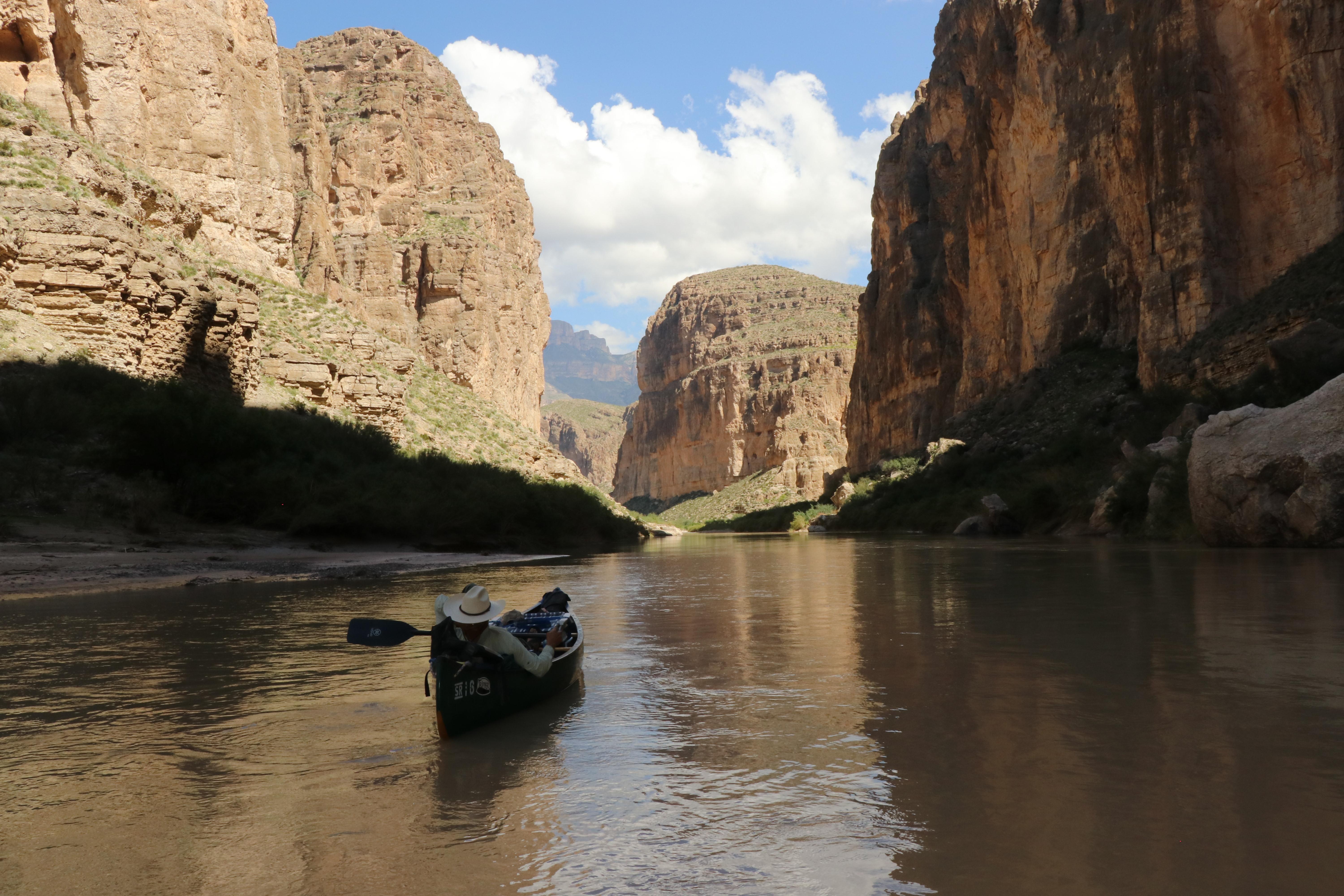
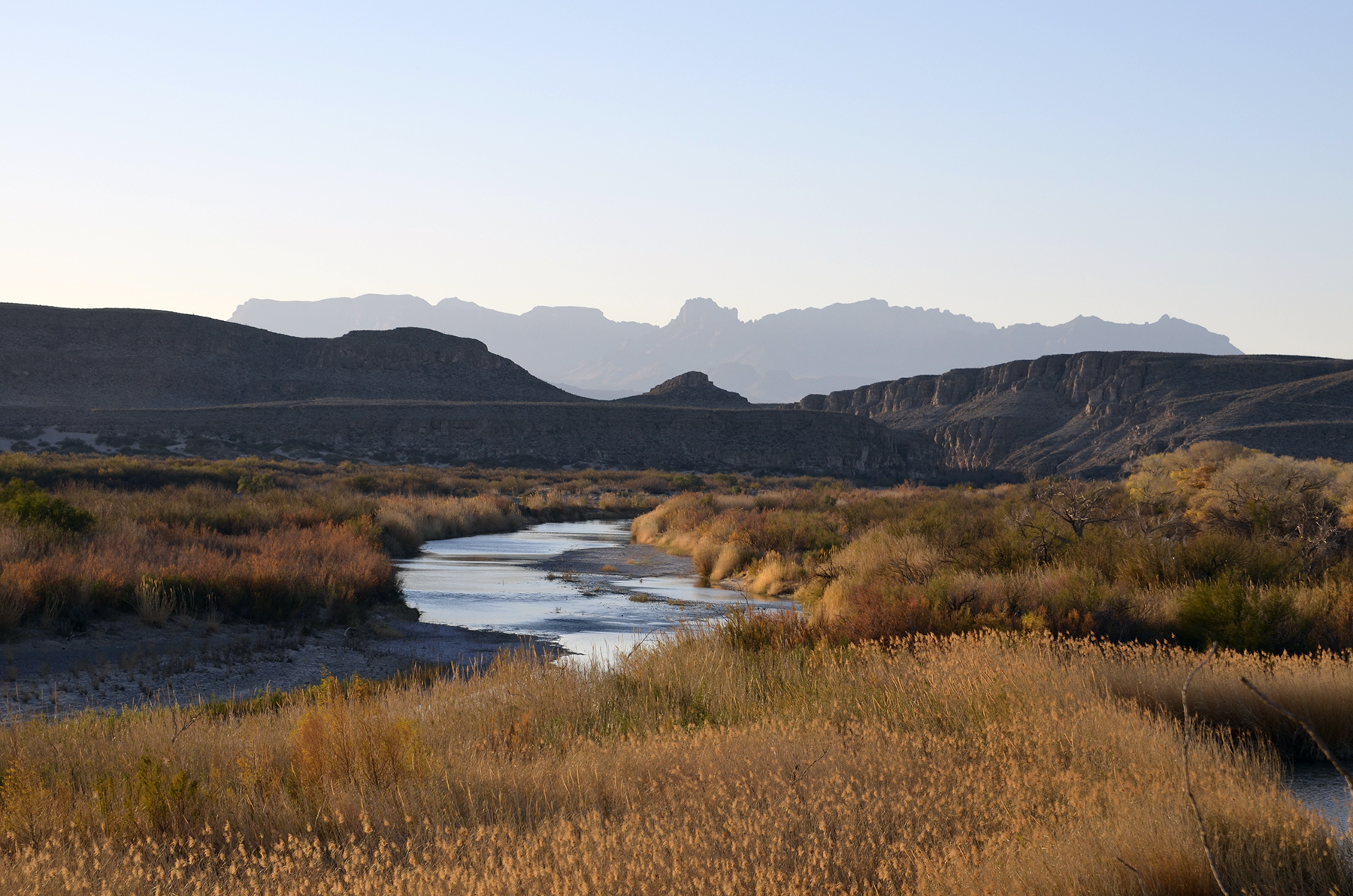
The Rio Grande Wild & Scenic River, a 196-mile stretch administered with Big Bend National Park, offers a profound desert river experience in far West Texas.
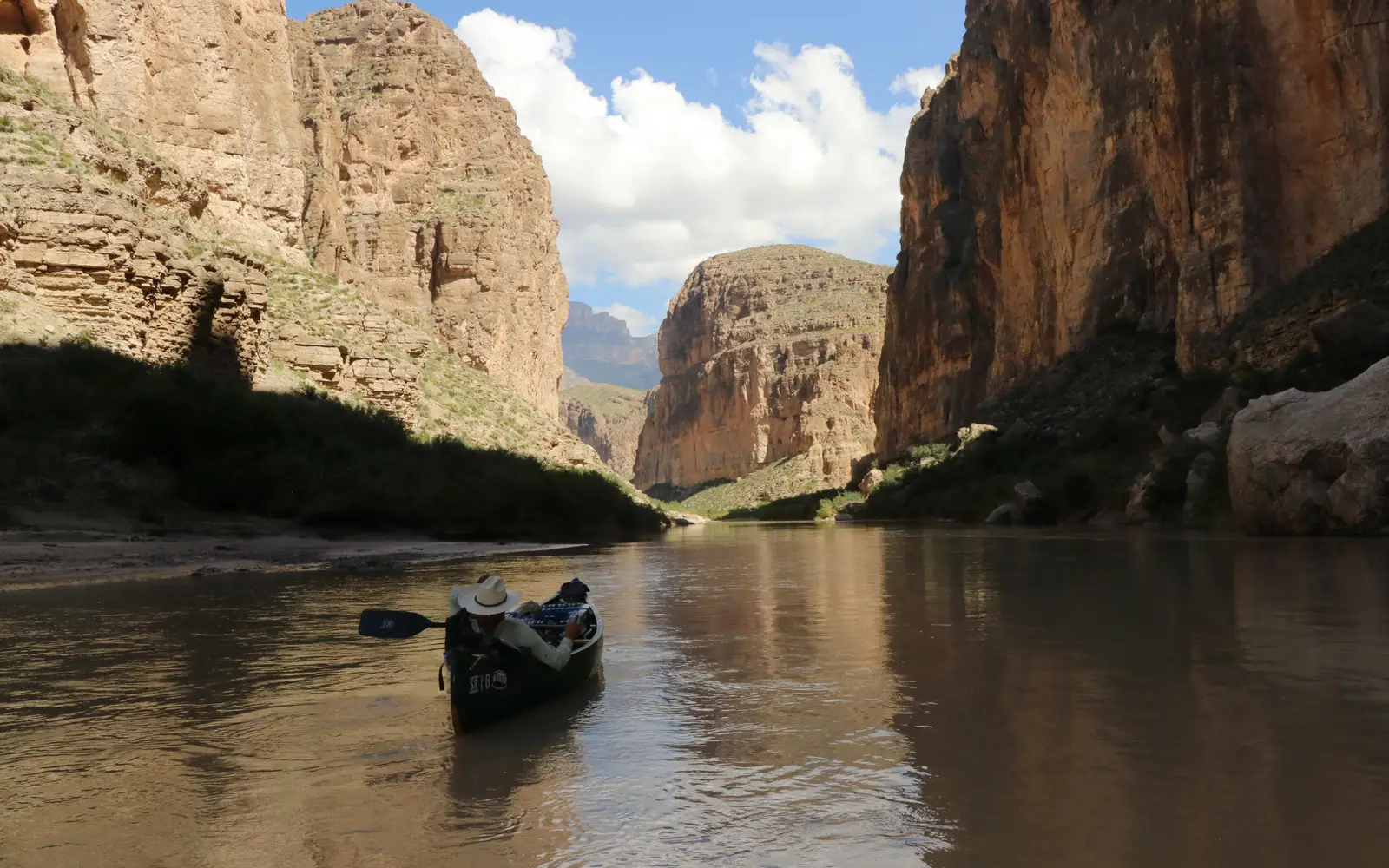
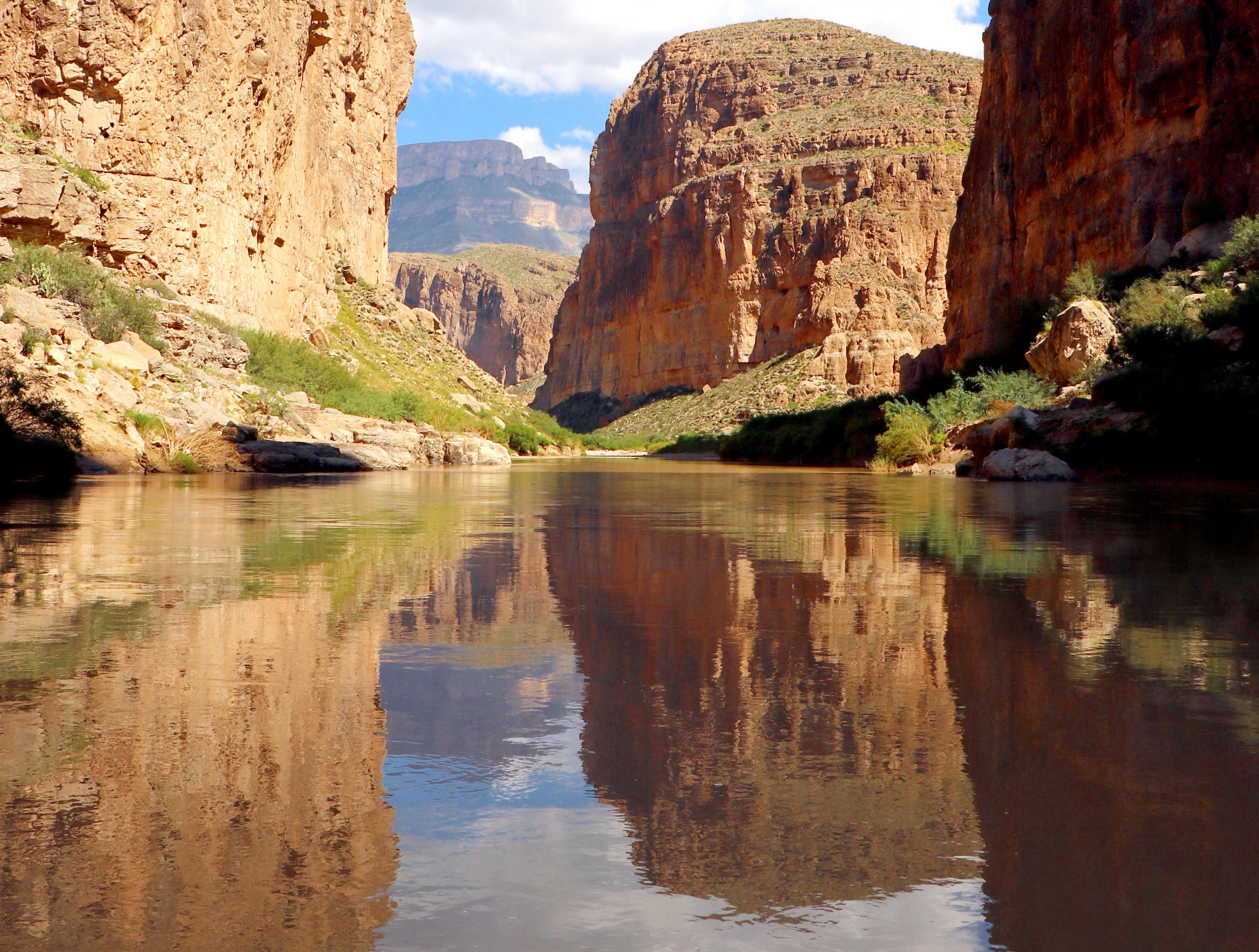
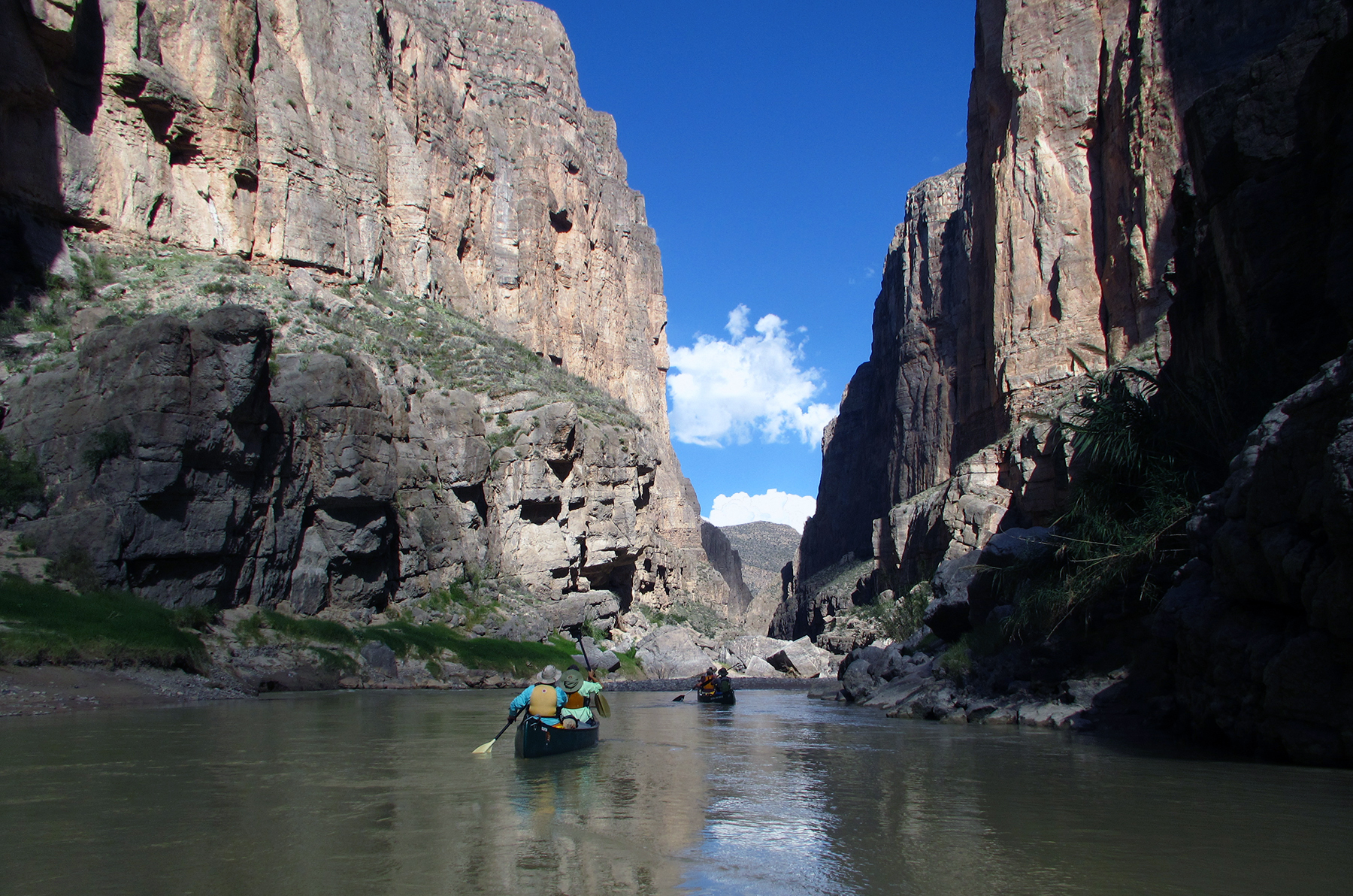
This is not a destination for casual sightseeing. Its score of 73 reflects a substantial breadth of active outdoor opportunities, but these remain largely inaccessible without considerable effort. The true engagement here demands multi-day paddling trips, with backcountry camping on gravel bars. Self-sufficiency is paramount in these isolated canyons. Stratified rock walls and ample wildlife viewing reward patient and prepared visitors. For those seeking a curated, low-effort national park visit, this unit will disappoint. For a raw, authentic desert river wilderness, however, the data makes a compelling case.
Why visit
This unit is for the paddler and the serious birder. Extended float trips through deep canyon corridors define the core experience here. Expect primitive camping on gravel bars beneath exceptionally dark skies. The riparian corridor promises excellent birdwatching, hosting species absent from the surrounding Chihuahuan Desert. Fishing offers further inducement to linger. Hikers will find canyon access points leading to terrain few Texas visitors encounter. The documented combination of paddling, camping, wildlife observation, and remoteness provides a singular Texas experience. Its 24-hour, year-round access allows for optimal weather planning. Casual sightseers should look elsewhere.
Who it suits
This park unit is best suited for experienced paddlers, backcountry campers, and birders. Visitors must be comfortable with remote logistics, heat management, and self-rescue. Families with strong outdoor skills and teenagers may thrive here, given careful planning. Casual day-trippers and those expecting developed amenities should instead prioritize the more accessible facilities at nearby Big Bend National Park.
Timing your visit
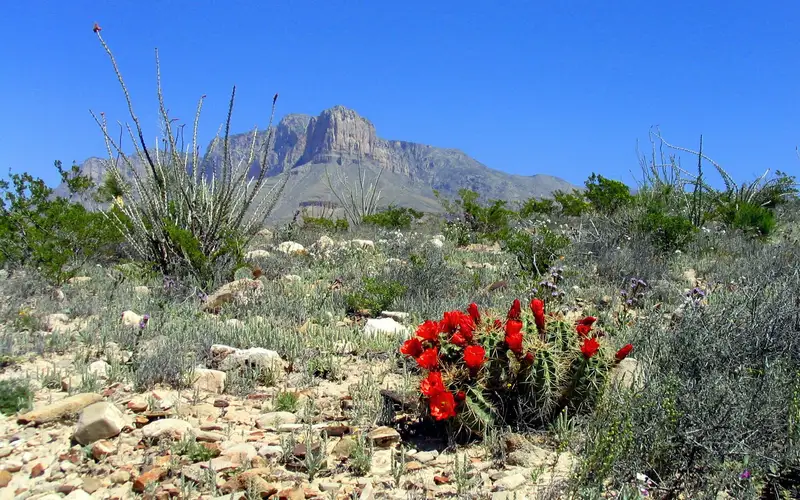
The clearest window for a visit is February through April. Temperatures are manageable for paddling and camping. Wildflowers are active then. Cold fronts, while possible, are easier to plan around than summer heat. Avoid May through August if possible; triple-digit heat on an exposed river with no shade is genuinely dangerous. Fall brings cooling temperatures and stands as a solid secondary option.
What stands out
- Multi-day canoe or kayak camping through remote desert canyons with stratified rock walls
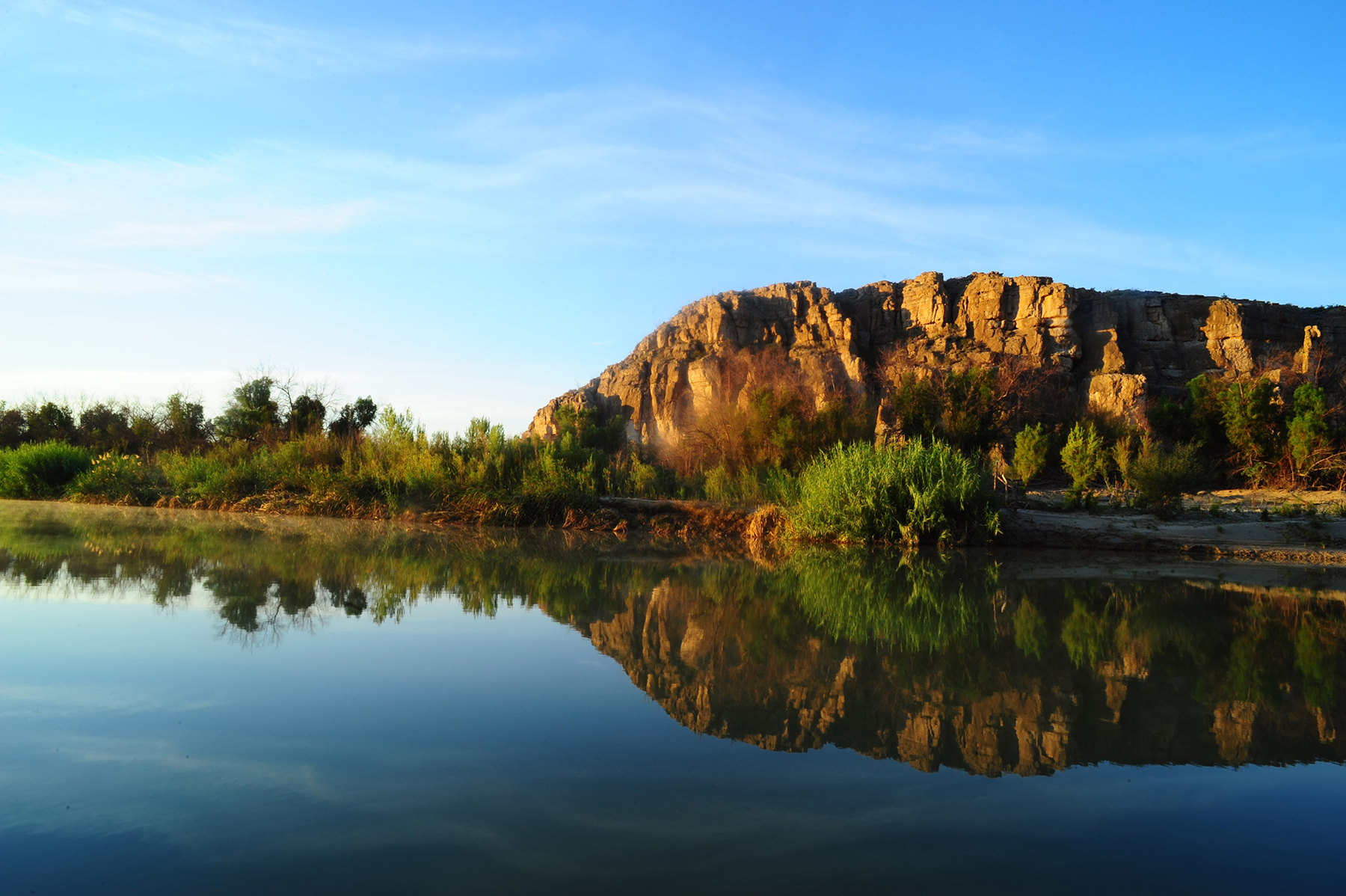
- Riparian birdwatching in a corridor that supports species absent from the surrounding desert
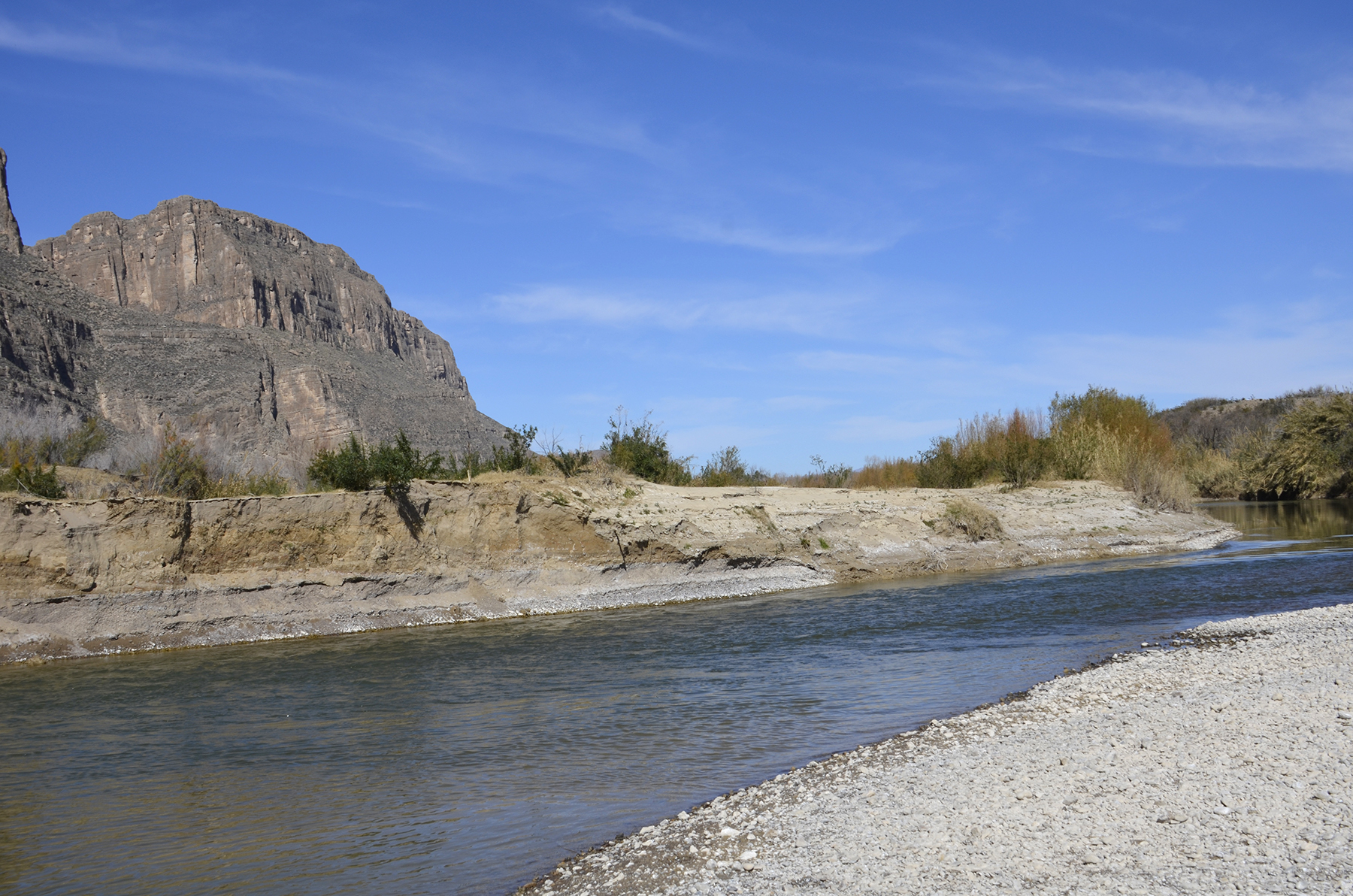
- Backcountry camping on river gravel bars under some of the darkest skies in Texas
- Fishing in a free-flowing river system with year-round access
- Canyon hiking accessible from river launch points
- Wildlife watching in one of the most isolated corners of the lower 48 states
Good to know
This unit's $30 entrance fee supports an experience for the self-sufficient. Permits are mandatory for overnight river trips; secure these well in advance for spring. No services exist on the river. Visitors must pack in all water, food, and emergency supplies. Cell coverage is unreliable. Nearest towns are small, making resupply difficult. Arrive fully equipped. This is a destination for experienced, prepared adventurers. Casual sightseers should look elsewhere.
Insider tipPrepare for severe temperature swings. Even following warm days, spring cold fronts can cause overnight temperatures to plummet. Pack a sleeping bag rated for temperatures significantly colder than the forecast indicates. A gravel bar camp at 3 AM in an unexpected cold snap with wet gear will end a trip. Consult the National Weather Service Alpine TX office for frontal forecasts before departure.