parkverdict
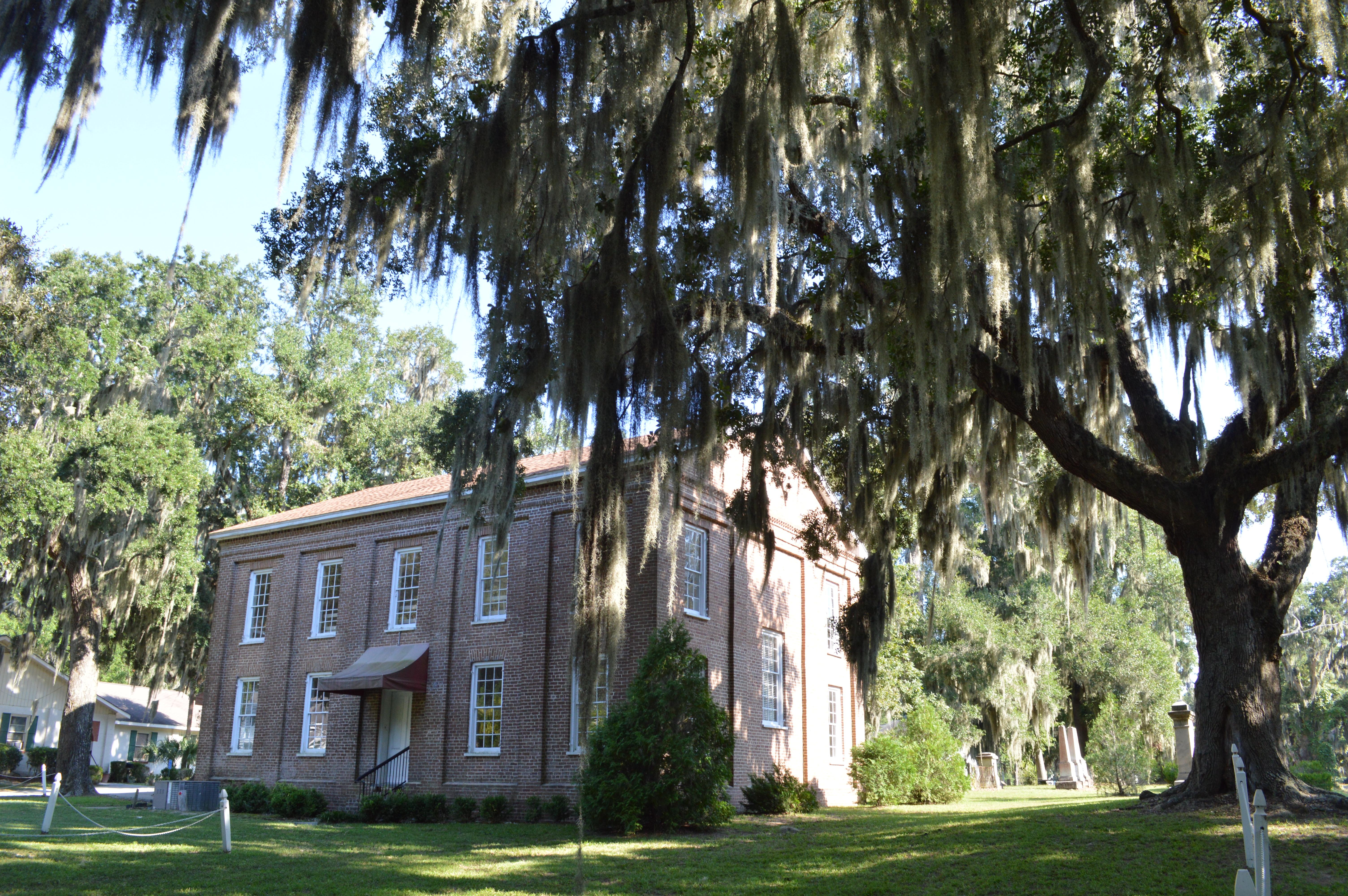
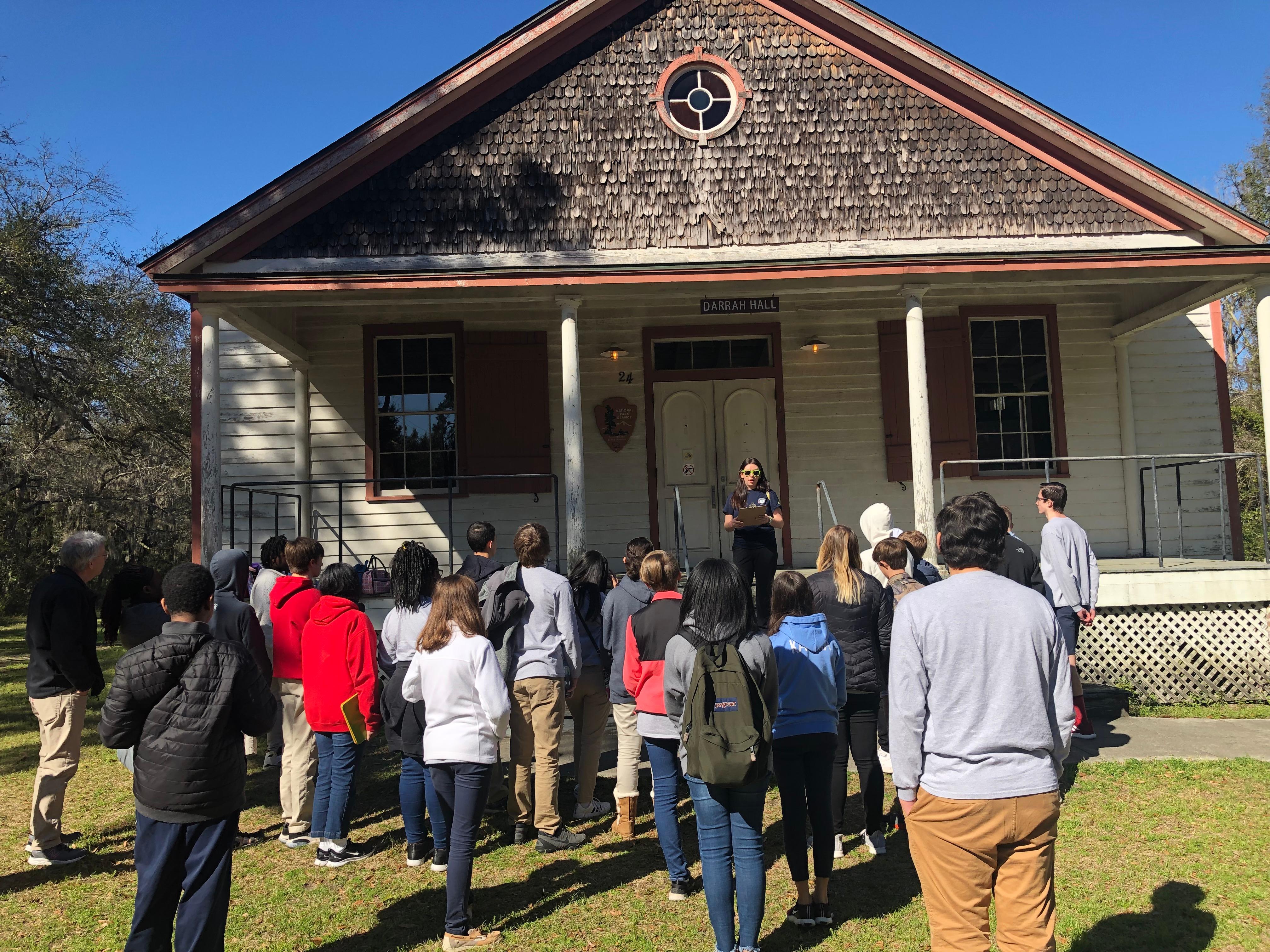
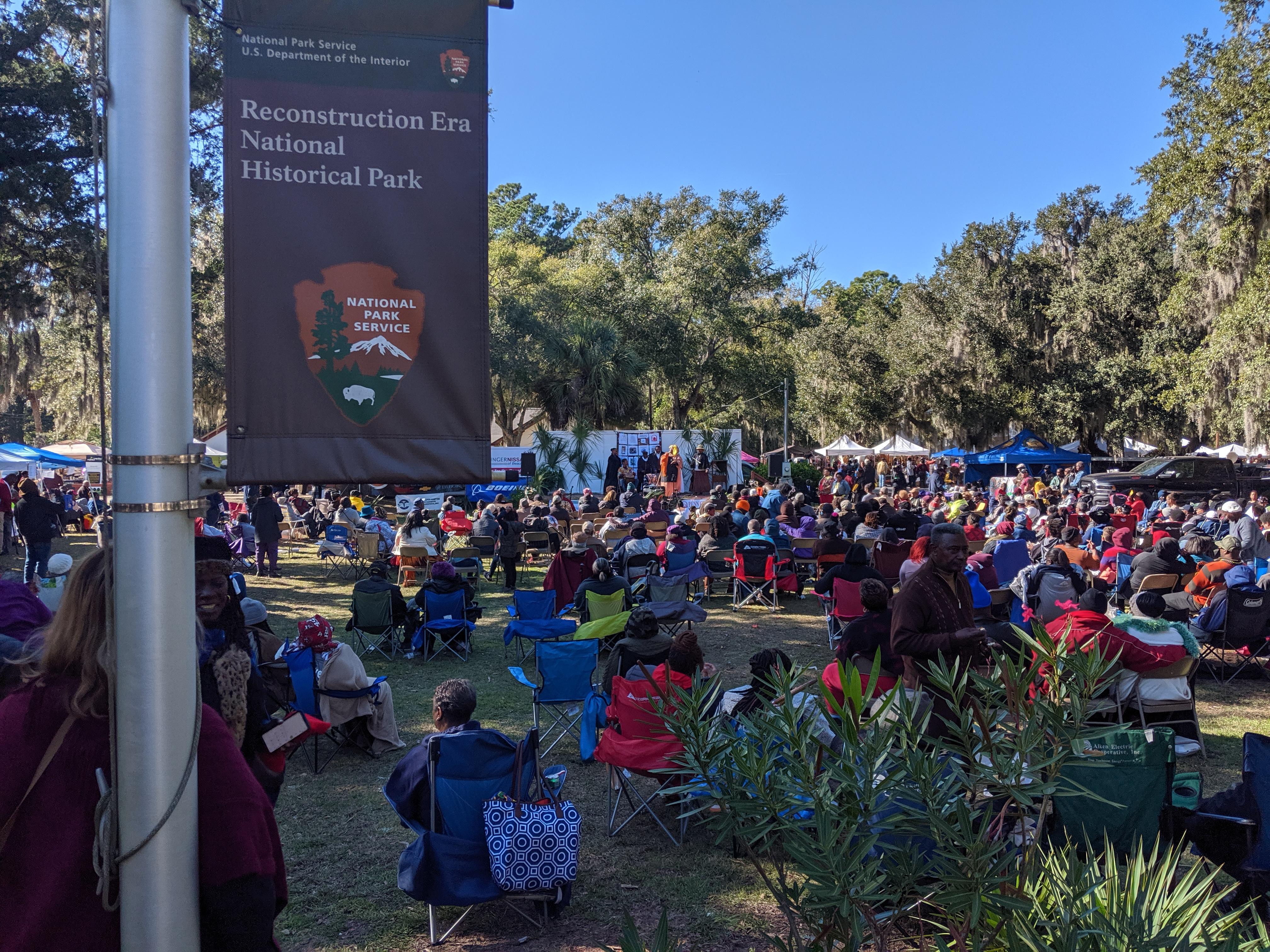
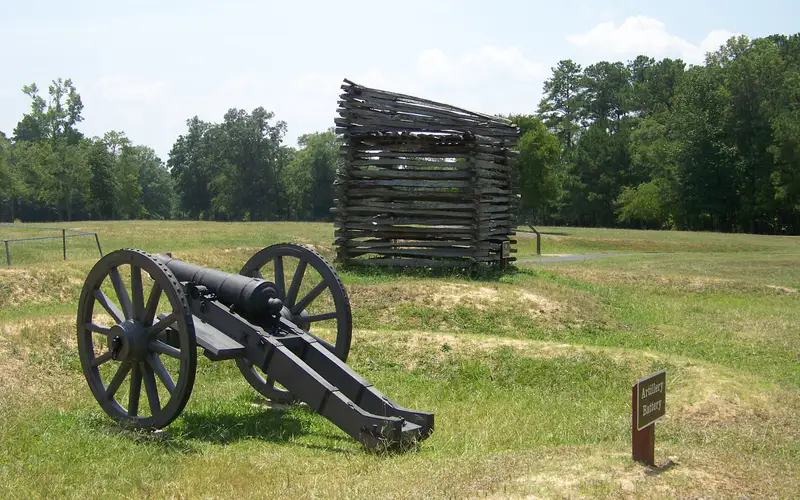
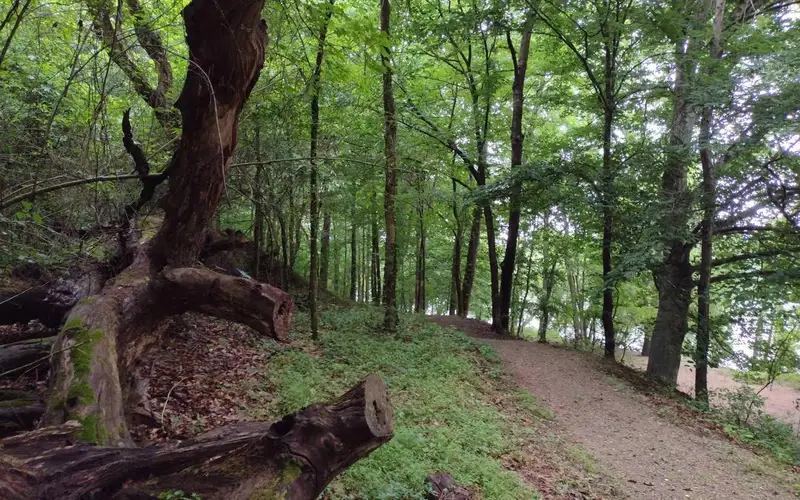
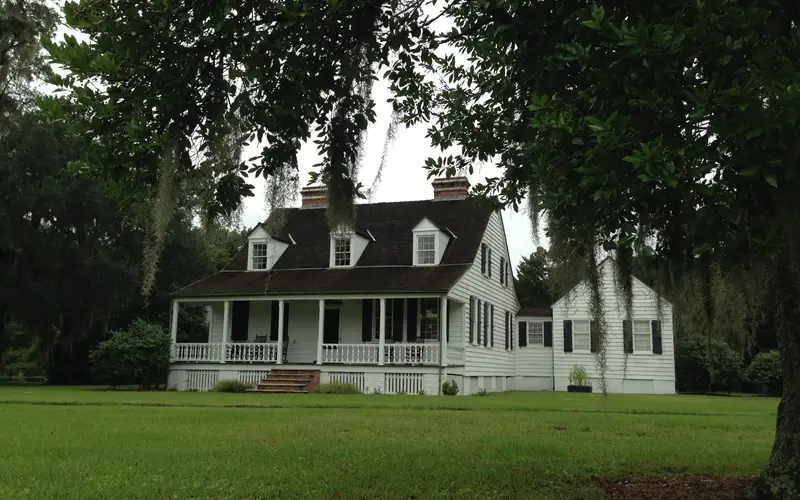
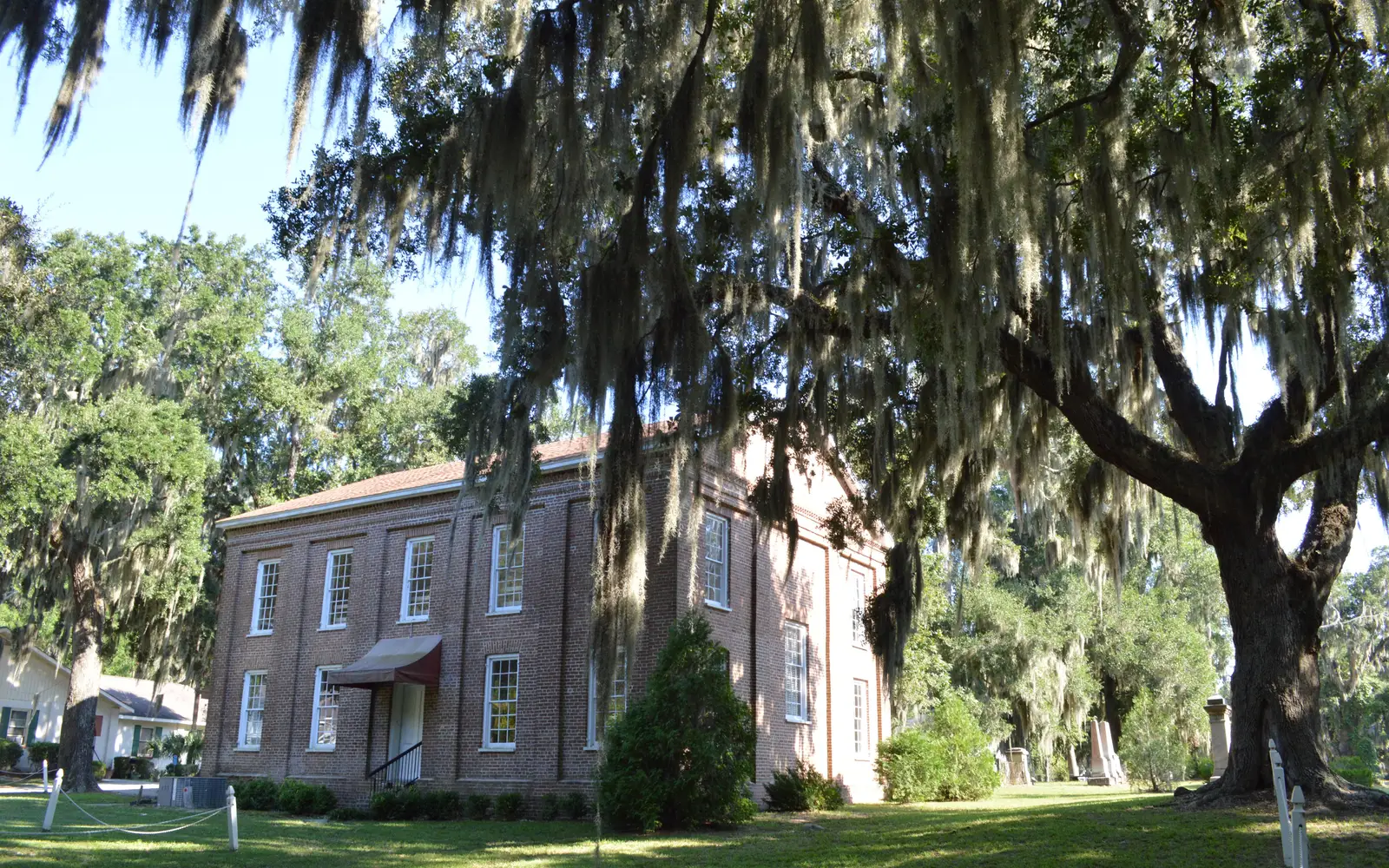
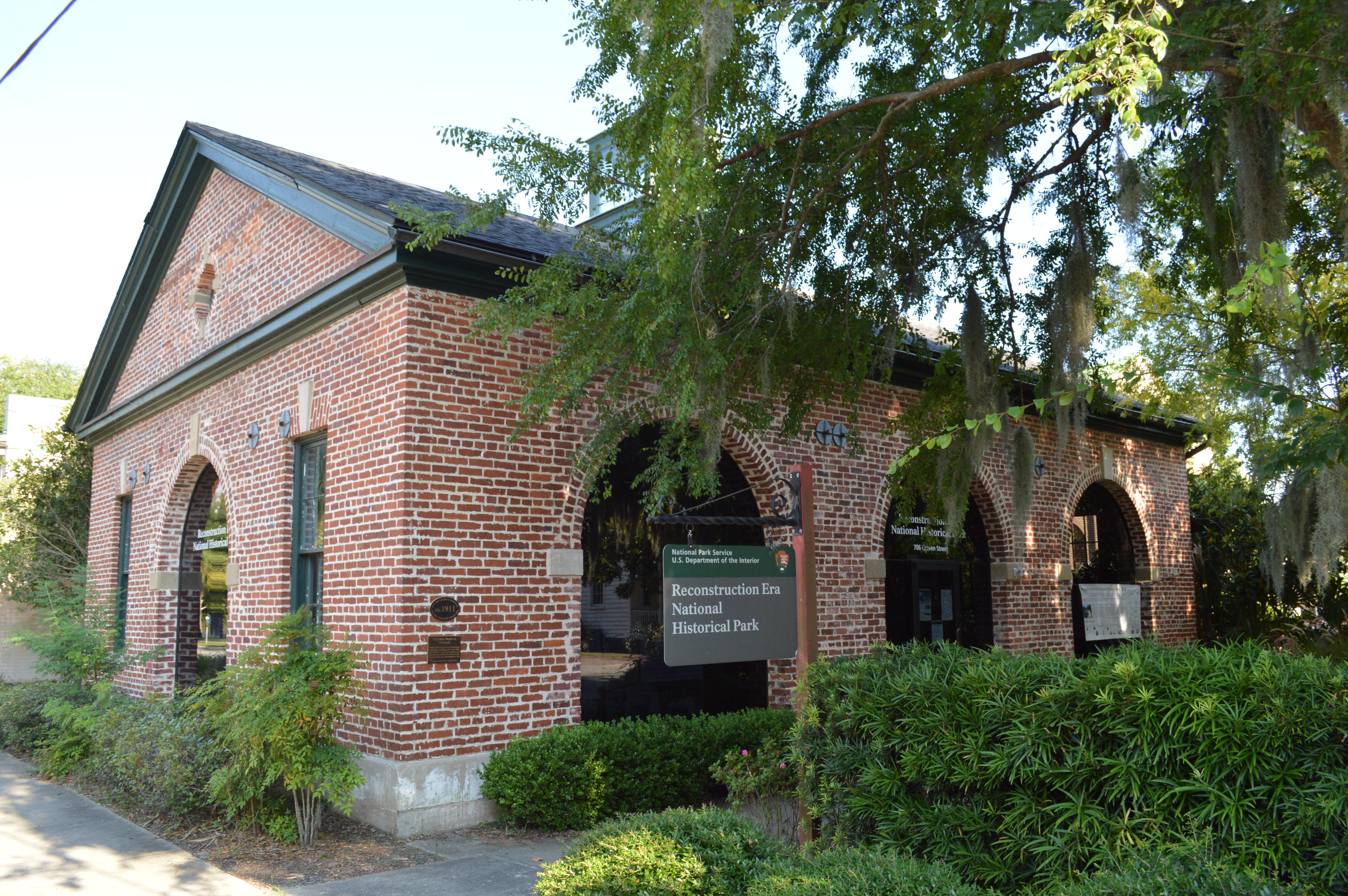
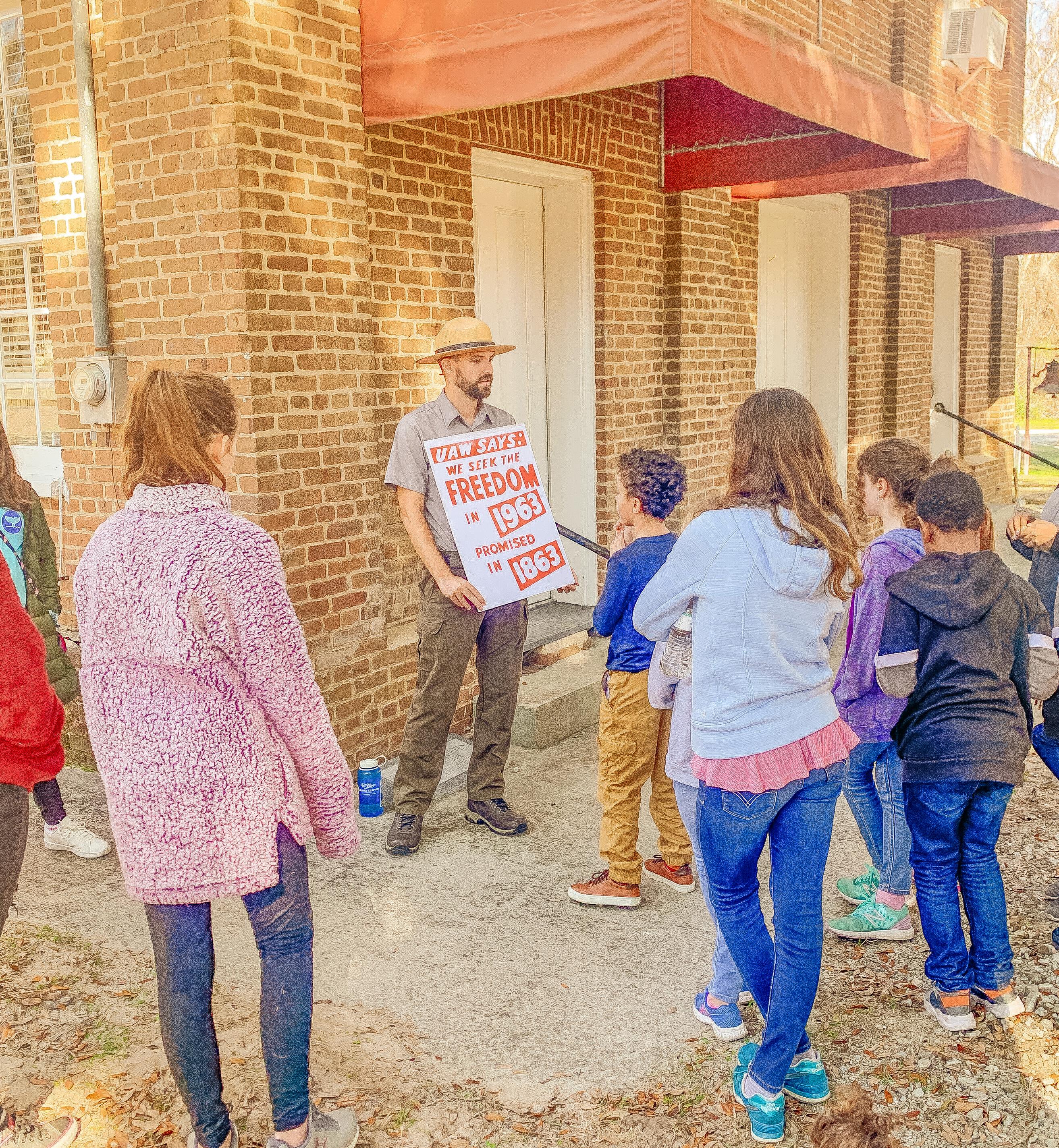
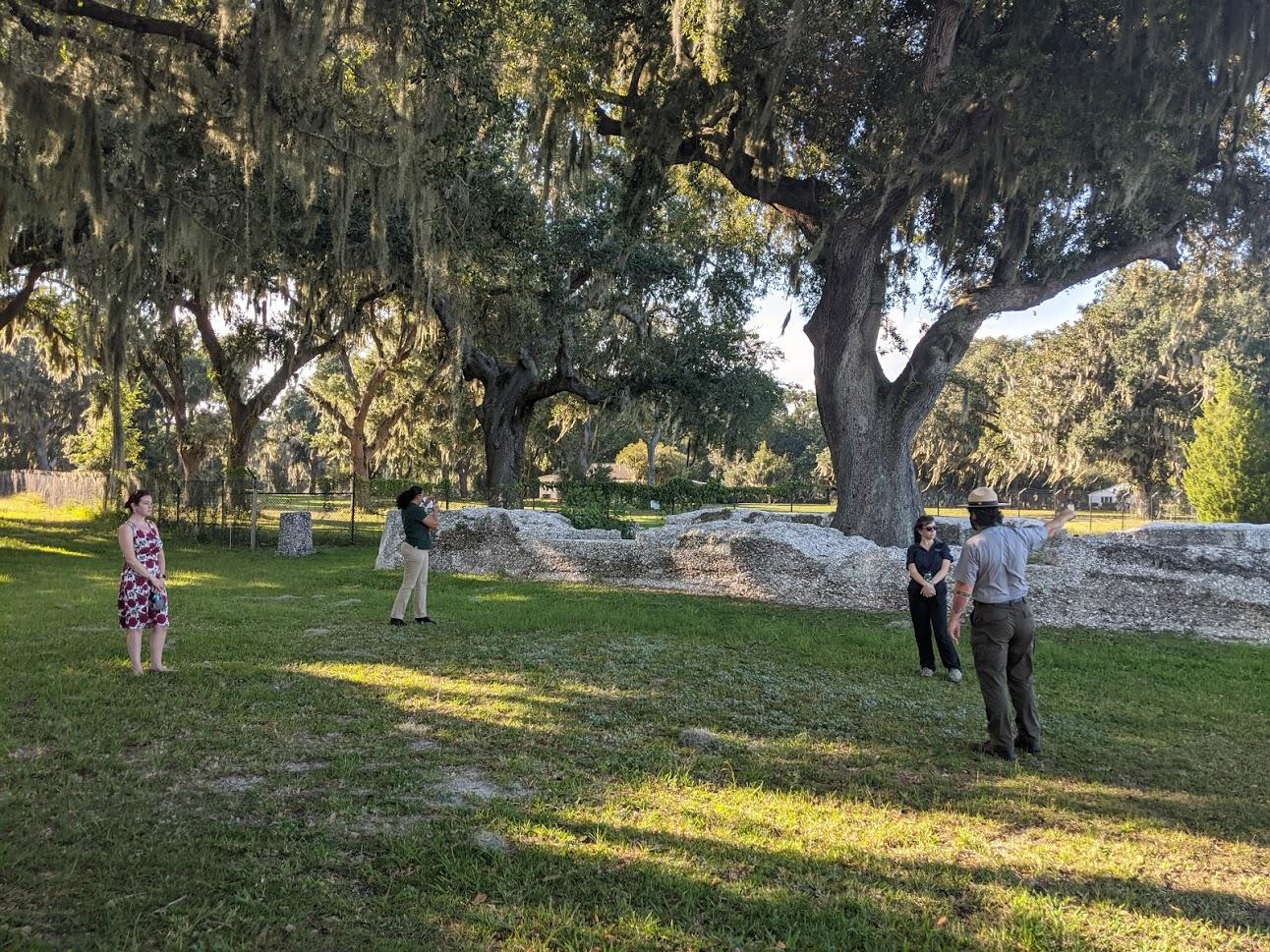
A two story brick building flanked by large live oak treesA one story brick building with large arched windowsA park ranger holds a sign while talking to young people.A Park Ranger points at the ruins of a tabby wall with three people looking on
National Historical ParkSC

Reconstruction Era National Historical Park

NPS / NPS Photo
45/ 100FOCUSED
parkverdict Experience ScoreIndependent, not sponsored

45 of 100. Our independent breadth-and-access index. How we score

Worth it?

Is Reconstruction Era National Historical Park worth it?

Reconstruction Era National Historical Park sits in Beaufort County, South Carolina, and focuses on one of the most consequential and least-documented stretches of American history: the post-Civil War decades when millions of newly freed Black Americans fought to define their place in this country.

There is no marquee trail here, no famous overlook, no single dramatic landscape. The park is a dispersed, multi-site unit spread across the Beaufort region, built around guided and self-guided walking experiences at historic places. Its experience score of 45 reflects a narrower activity range, not the historical weight, which is genuinely significant. If you care about Reconstruction history, the Gullah Geechee community, or the political and social struggles of the late 19th century, this is a rare stop worth making. Visitors who come mainly for outdoor adventure will find the options limited.

The case for it

The guided tours are the main reason to come here. Beaufort County was an early center of Reconstruction-era politics, land ownership by freed people, and community institution-building, and the tours make that history feel real by walking you through the actual sites where it happened. If you prefer setting your own pace, self-guided walking tours cover the same ground. The park store and bookstore are worth browsing, with materials that go well beyond what a typical park shop carries. Families can put kids through the Junior Ranger program, which frames Reconstruction in age-appropriate terms. For a half-day or full day of historically grounded exploration along the South Carolina coast, this place is genuinely hard to find elsewhere.

Who it is for

History enthusiasts, educators, and anyone serious about African American history, civil rights origins, or the Reconstruction era will find this place genuinely rewarding. Families with curious kids tend to get a lot out of the Junior Ranger program too. That said, if you are coming for strenuous hiking, wildlife watching, or scenic outdoor recreation, look elsewhere - the broader Lowcountry has plenty of options for that.

Best time to visit

Spring and fall are the sweet spots, with temperatures in the 70s and 80s that keep walking around genuinely pleasant. Midsummer is rough if you can avoid it, because coastal South Carolina heat and humidity will grind a walking tour down to a miserable shuffle. Winter is mostly fine, with mild temperatures, though cold snaps do show up without much warning. Whatever time of year you go, keep an eye on forecasts in summer and fall, when hurricanes are a real possibility.

Worth seeing

  • Ranger-led guided tours that place Reconstruction history in its specific Beaufort County context
  • Self-guided walking tours through historically significant sites at your own pace
  • Junior Ranger program that makes Reconstruction history accessible for children
  • Park bookstore with curated materials on Reconstruction, Gullah Geechee culture, and related history
  • Free admission across a multi-site unit in one of South Carolina's most historically layered regions
  • Multiple visitor centers and contact stations spread across the Beaufort area for flexible entry points

Before you visit

Admission is free, but keep in mind that the park is spread across several separate sites throughout Beaufort County. Before you go, check the NPS website to confirm which visitor centers and contact stations will be open on the day you plan to visit. Indoor facilities often run on different hours than the grounds themselves, which are generally open from sunrise to sunset. Sort out your route before you arrive.

Our tipBook your guided tour ahead of time rather than counting on walk-in availability. It is genuinely the best thing the site has to offer, and the context you pick up along the way makes the self-guided walk afterward far more rewarding.

How we scored it

Behind the 45

The number is not a mood. It is a few things we can actually check in public records, added up and capped so no single one runs away with the total. It tracks how much a place has going on and how easy it is to reach, and nothing about scenery or crowds. Here is what added up to 45:

  • Activity breadth6 documented activities
  • Topic breadth5 topics
  • Official imagery6 public-domain images
  • Camping on sitenone recorded
  • Entry costfree

No number is hand-adjusted and no unit pays for placement. The full weights, the floor at 18 and a worked example are on how we score.

The honest limits

What the score cannot tell you

A quick honest note. The score tracks how much a place has going on and how easy it is to reach, both pulled from public records. What it cannot see is the stuff that often makes or breaks a day: whether the views stop you cold, how packed it gets in season, what the trails are like after rain, or whether you catch a great ranger talk. A small, single-focus site can land below a sprawling park here and still be the better call for your trip. Use the number to compare what places offer on paper, and the verdict up top to tell if it is your kind of place.

Overview

About Reconstruction Era National Historical Park

The Reconstruction era stretched from 1861 to 1900, a period when the United States had to figure out how to bring millions of newly freed African Americans into its social, political, economic, and labor systems. Few places put those questions in sharper relief than Beaufort County, South Carolina, where the people, places, and events of that turbulent time still speak directly to the hardest problems of the age.

On documented breadth and access, Reconstruction Era National Historical Park ranks 7th of 8 park and public-land units we score in South Carolina.

Climate note

Winters are mild overall, though cold snaps do roll through. Spring and fall are the sweet spot, with highs typically in the 70s and 80s. Summers get hot and humid. Because the park sits in a coastal region, hurricanes are a genuine threat from summer through fall.

Things to do

What it offers

Guided ToursSelf-Guided Tours - WalkingHikingJunior Ranger ProgramShoppingBookstore and Park Store
Common questions

Reconstruction Era National Historical Park: quick answers

Is Reconstruction Era National Historical Park worth visiting?

Reconstruction Era National Historical Park sits in Beaufort County, South Carolina, and focuses on one of the most consequential and least-documented stretches of American history: the post-Civil War decades when millions of newly freed Black Americans fought to define their place in this country.

Is Reconstruction Era National Historical Park free to visit?

No charge at the gate.

What is Reconstruction Era National Historical Park best for?

It leans hardest toward hiking, good with kids, guided tours, history & culture, going by the 6 activities it actually documents.

When is the best time to visit Reconstruction Era National Historical Park?

Spring and fall are the sweet spots, with temperatures in the 70s and 80s that keep walking around genuinely pleasant.

How is the Experience Score for Reconstruction Era National Historical Park calculated?

The 45 comes straight from public data on how much the place documents and how easy it is to reach, things like activities, topics, photos, camping and whether entry is free. It says nothing about scenery or how busy it gets.