Should you visit Ninety Six National Historic Site?
Ninety Six National Historic Site offers a concentrated historical experience in the South Carolina backcountry.
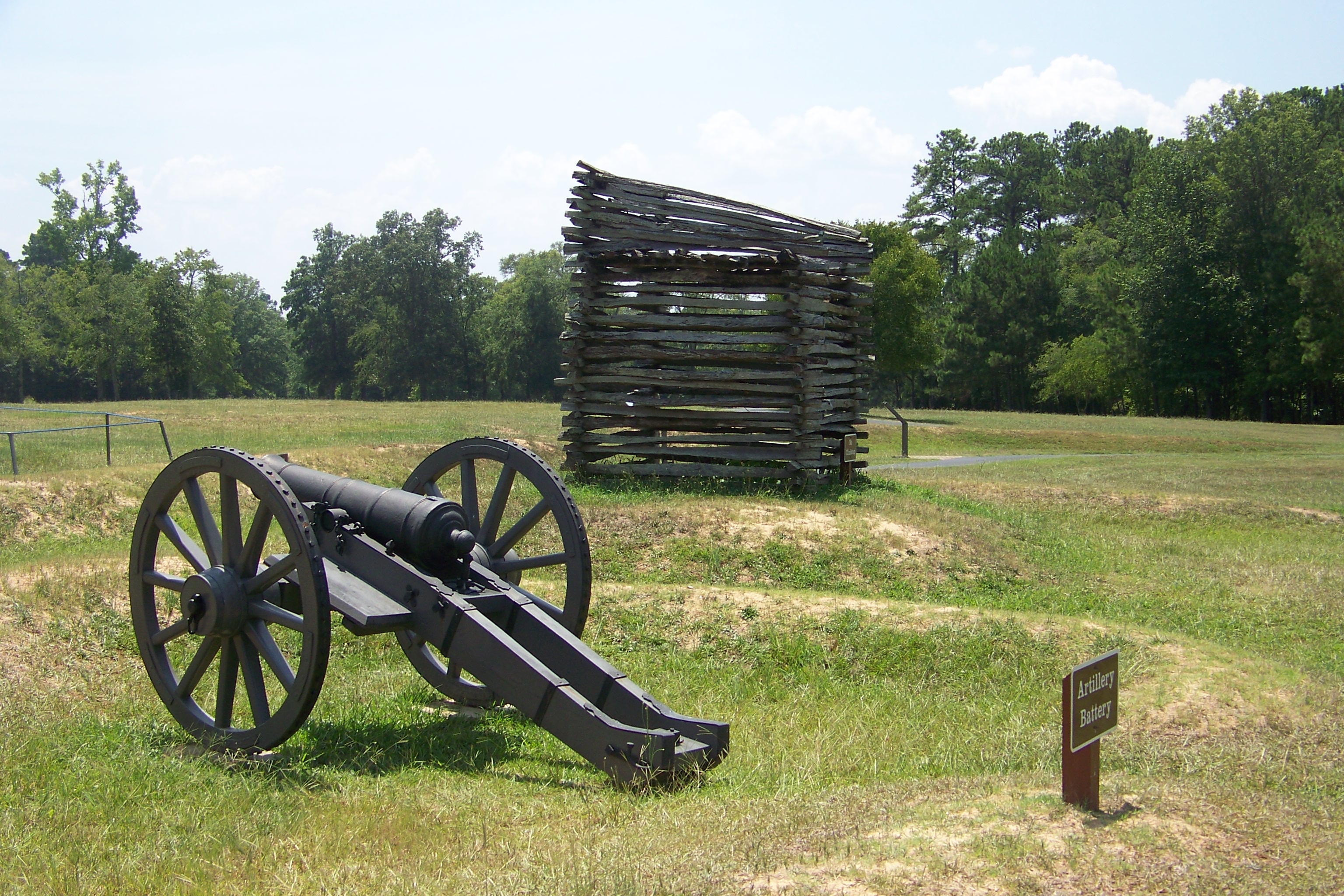
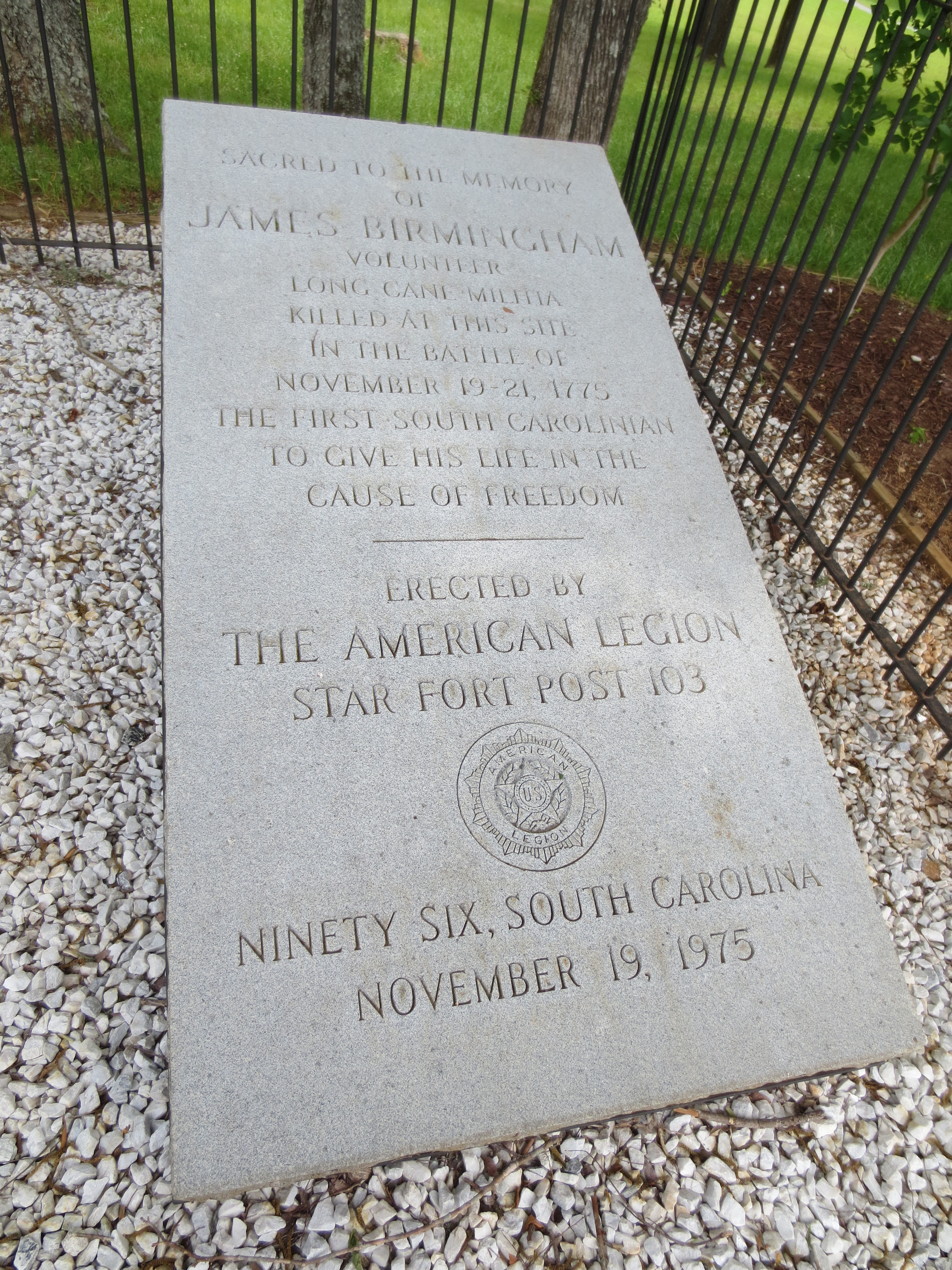
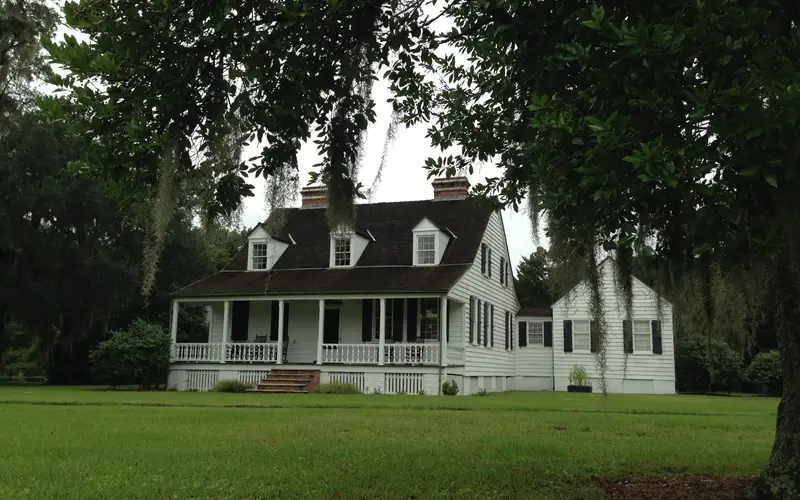
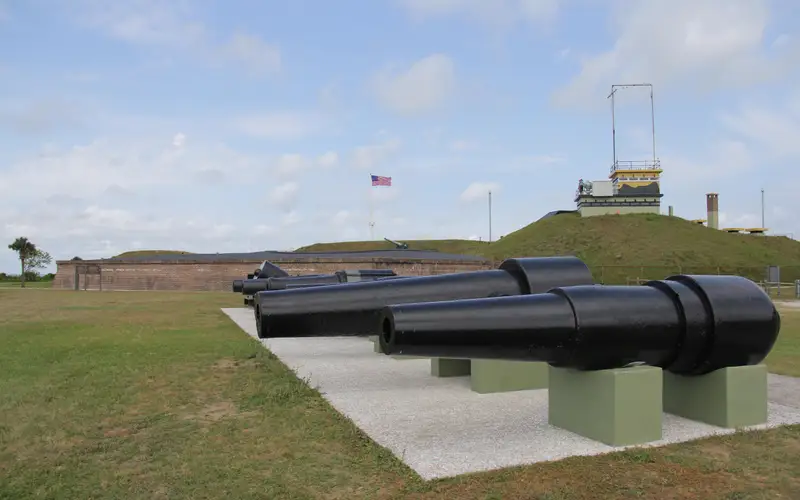
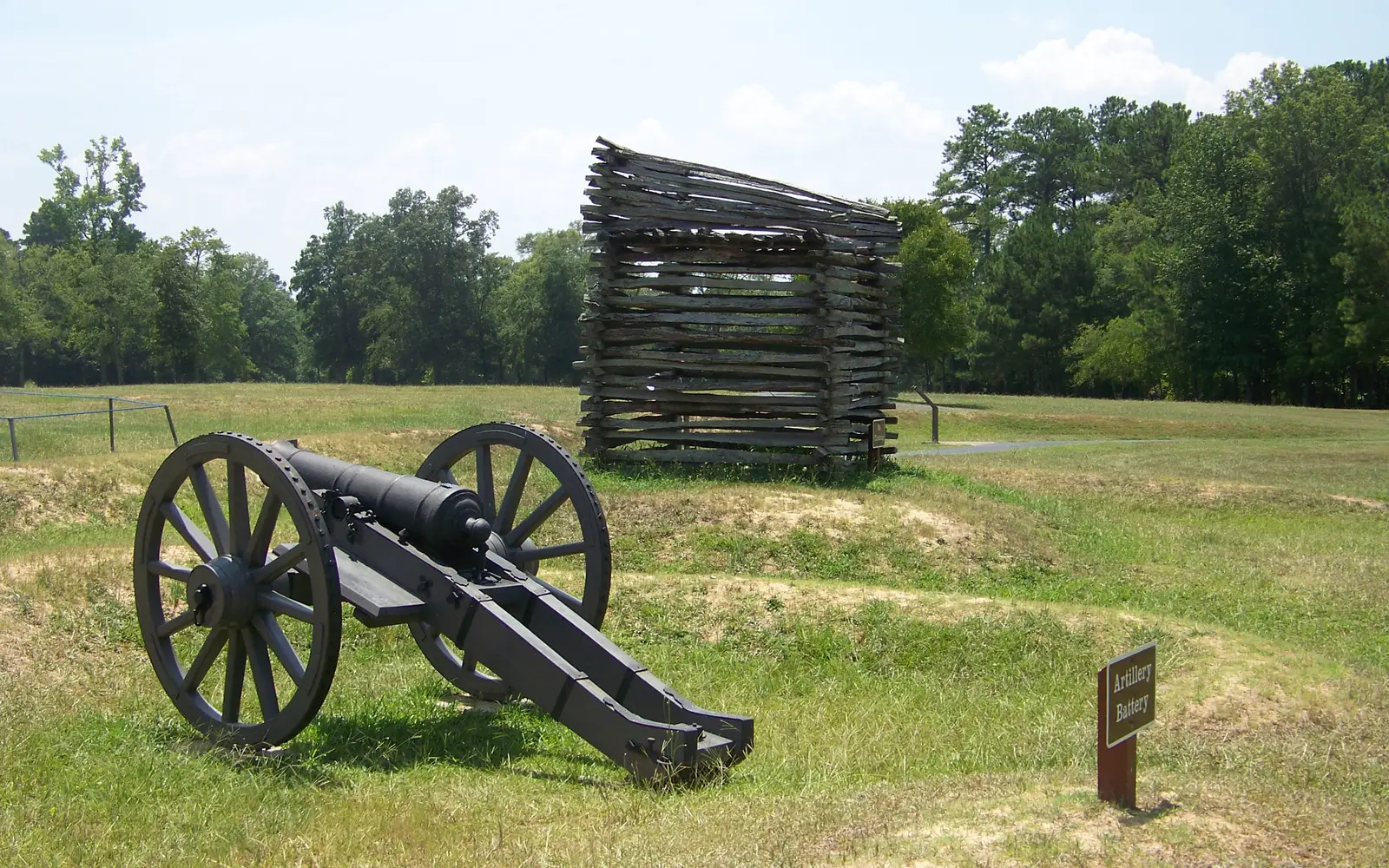
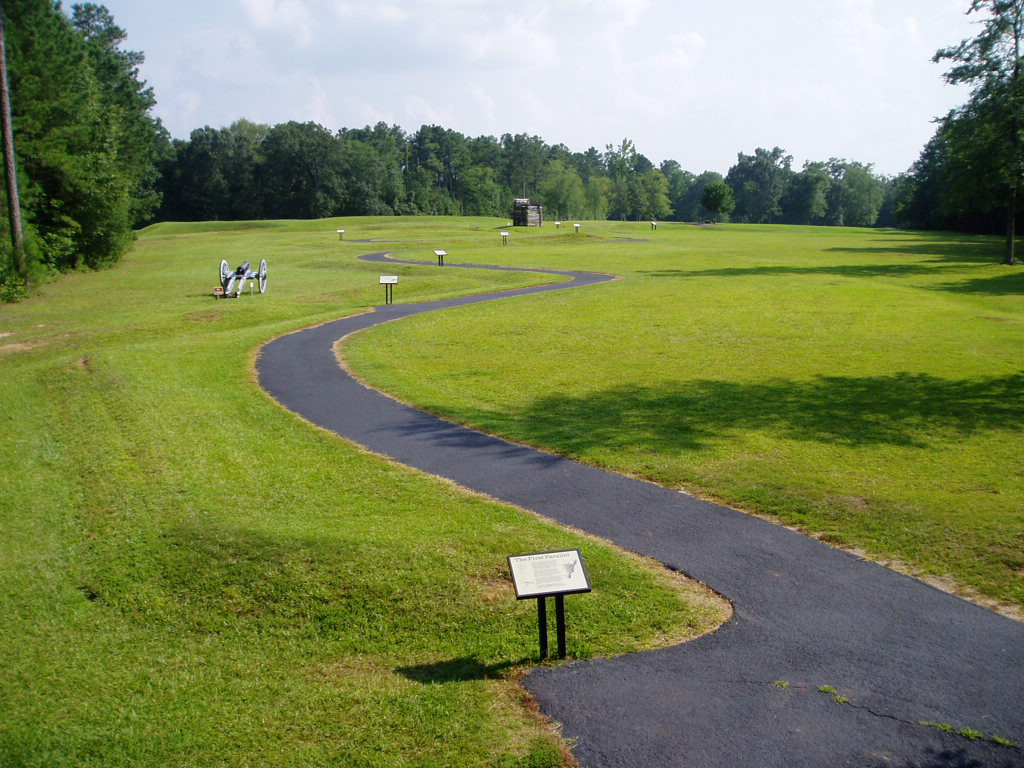
Its main feature is a preserved Revolutionary War siege site, notable as one of the war's longest. Earthworks, a reconstructed fort, and a star-shaped redoubt mark the 1781 confrontation between Patriot forces and British fortifications. Beyond the battlefield, the site encompasses the remnants of two colonial-era towns and a trading post, all now abandoned. This gives the landscape a sense of deep, accumulated history. Trails connect these historical layers. Water access provides recreational opportunities atypical for battlefield parks. Free admission makes it an accessible stop. This site serves as a strong recommendation for history enthusiasts in the Carolinas. It stands as a legitimate surprise for those who believe significant Revolutionary War sites are limited to New England.
What makes it worth it
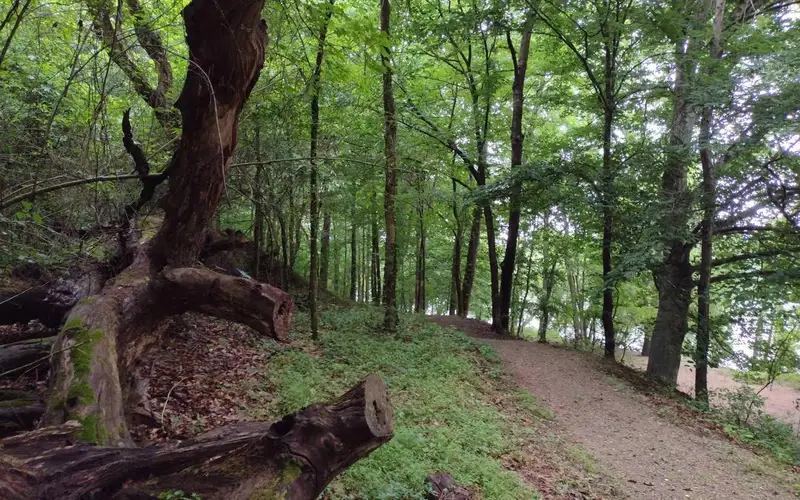
A good day at Ninety Six starts with the park film and museum exhibits to frame the sequence of Cherokee conflict, colonial settlement, and Revolutionary War siege before heading outside. Self-guided walking trails connect the star redoubt, the siege trenches, and the ghost-town remnants, while ranger-led guided tours add context that the signage alone cannot fully deliver. Living history programming brings the 18th-century backcountry to life in a way that works especially well for kids working toward a Junior Ranger badge. The water access, supporting canoeing, kayaking, stand-up paddleboarding, and fishing, makes a half-day here easy to extend into a full outdoor day. Horseback riding and birdwatching round out the recreational menu, so non-history travelers in a group still have genuine reasons to be here.
Who should go
This park offers deep rewards for enthusiasts of the Revolutionary War's southern campaign. Families benefit from the Junior Ranger program and the walkable, open grounds. Paddlers and anglers gain a bonus recreational layer. Visitors seeking dramatic landscapes, famous vistas, or strenuous backcountry should look elsewhere.
When to go
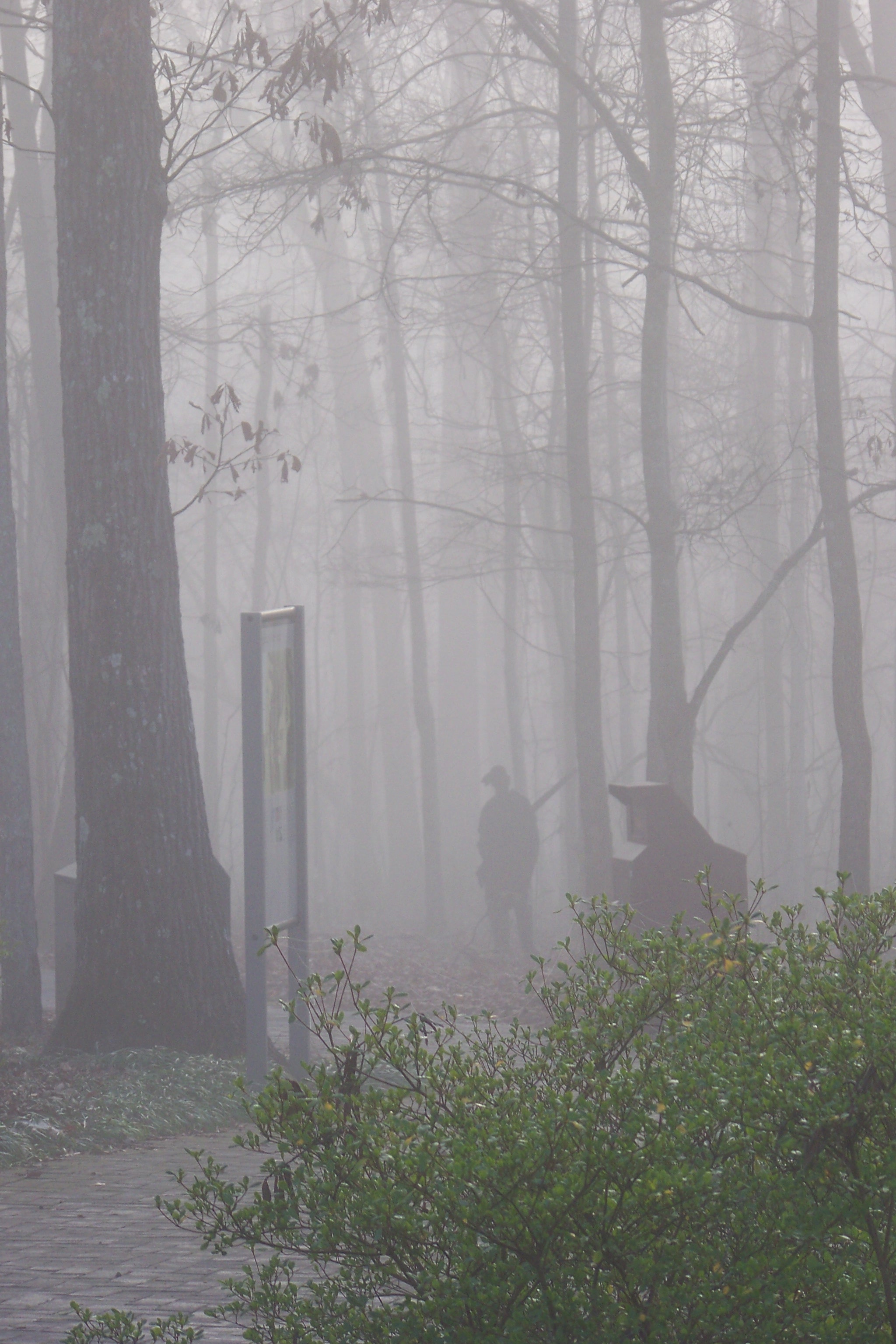
For those prioritizing comfort and fewer crowds, spring and fall present the optimal window. These seasons offer mild temperatures, ideal for the walking trails and water-based recreation. Summer's intense heat and humidity pose a significant challenge, making extensive outdoor activity arduous, particularly for families with young children. Conversely, winter provides a cool, moderate climate. The leafless trees enhance views of the earthworks, offering a distinct advantage for visitors focused on historical interpretation. This makes winter an unexpectedly rewarding period for a specific kind of visitor.
Highlights
- The star-shaped redoubt, one of the best-preserved Revolutionary War earthworks in the American South
- Guided tours that connect the Cherokee, colonial, and Revolutionary War layers of the site's history
- Water recreation including kayaking, canoeing, and stand-up paddleboarding at a site most visitors treat as purely historical
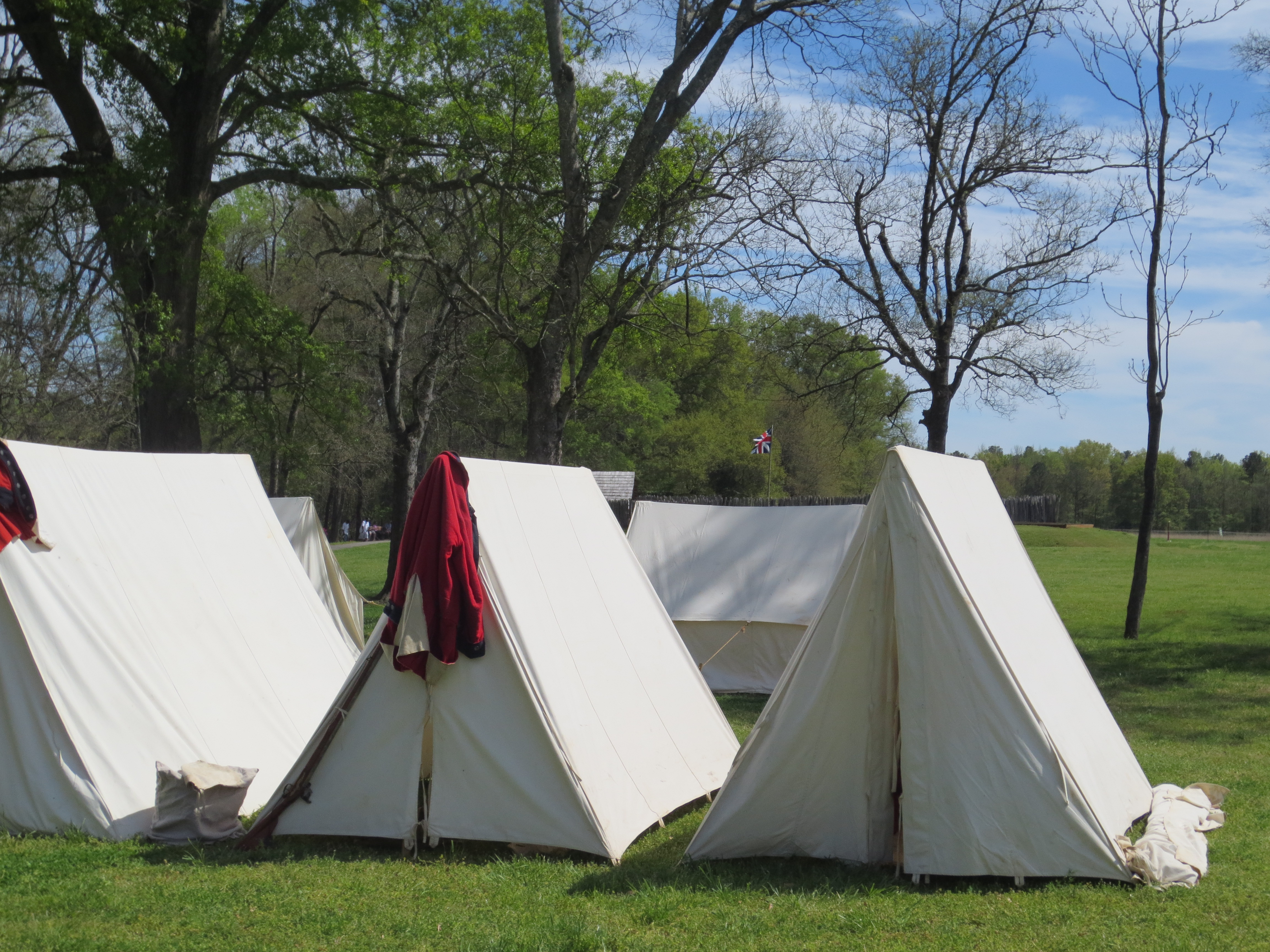
- Living history programming that animates 18th-century backcountry life
- Free admission with no reservation required, and grounds open from sunrise to sunset
- Junior Ranger program that gives younger visitors a structured, engaging way to experience the site
Plan ahead
Admission is free, with grounds open sunrise to sunset. Eight parking spots outside the main gate serve early and late visitors. Plan to begin at the visitor center for the park film, museum exhibits, and bookstore before accessing trails. Water activities are available, so pack gear for paddling or fishing.
Editor's tipFor visitors prioritizing depth over crowds, a weekday visit is advisable. Weekends, particularly during living history events, can draw larger numbers, altering the visitor experience from an intimate guided tour to a more general overview. Consult the NPS event calendar for specific scheduling to align your visit with your preferred level of engagement.