parkverdict
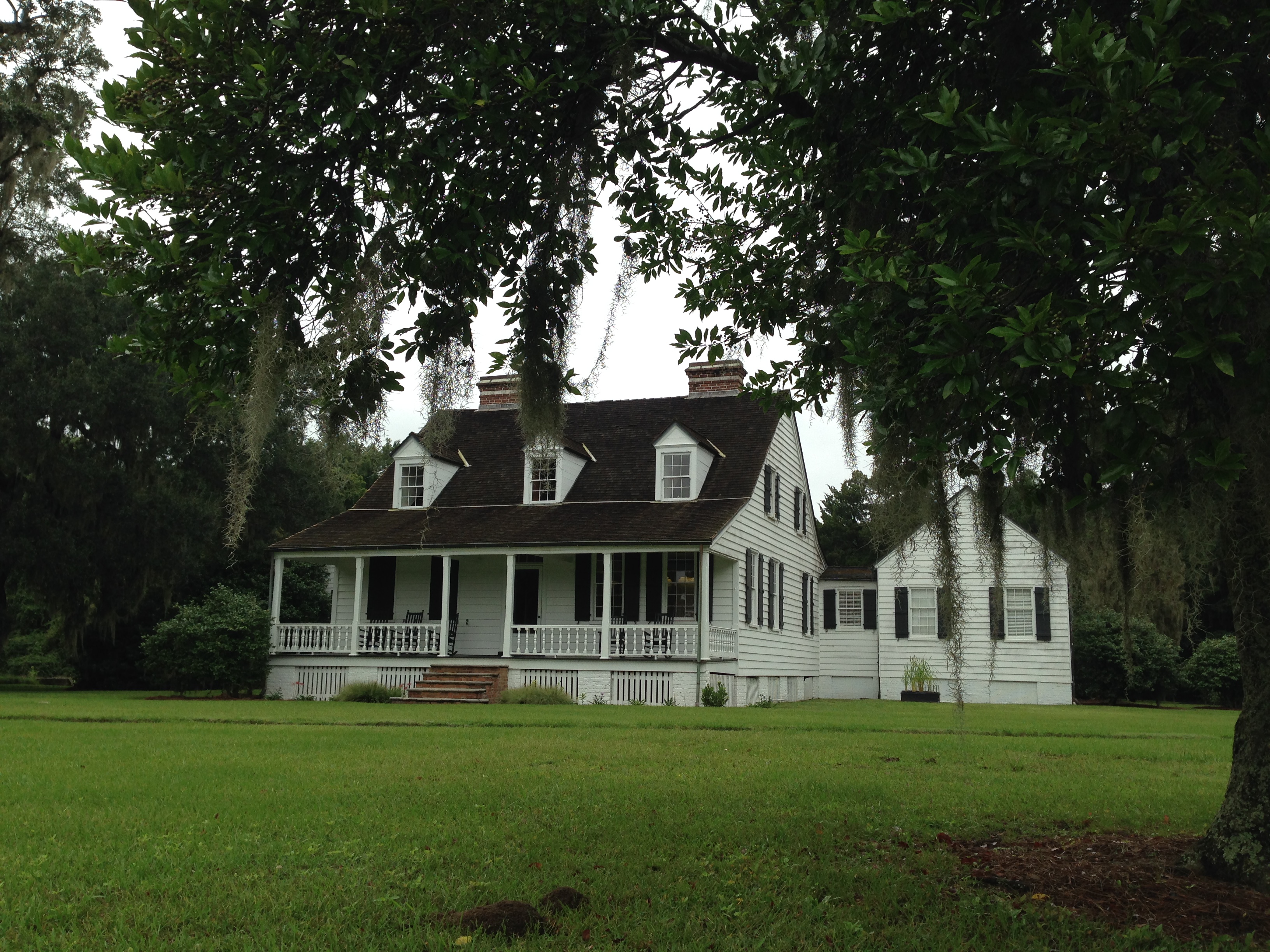
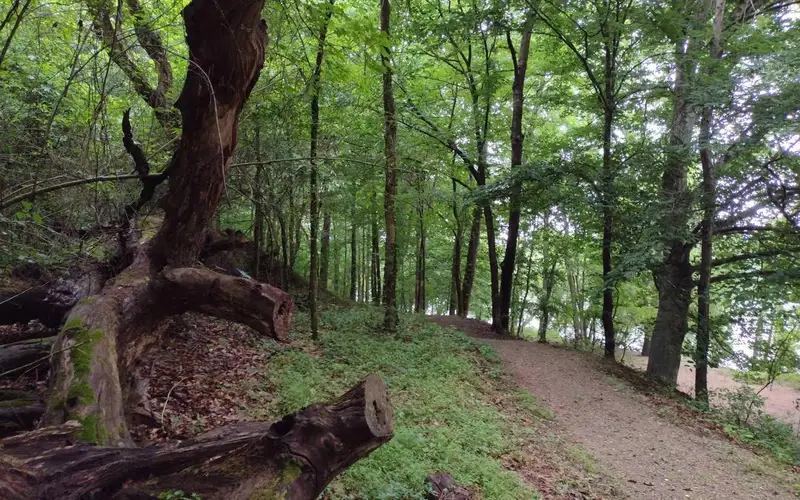
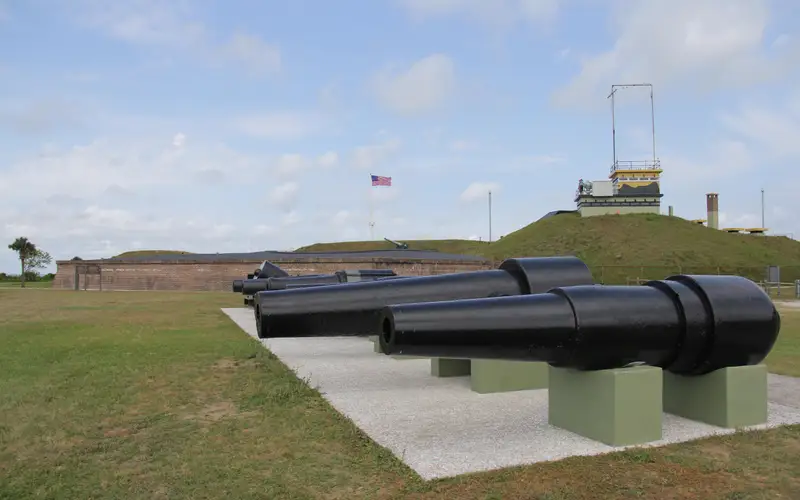
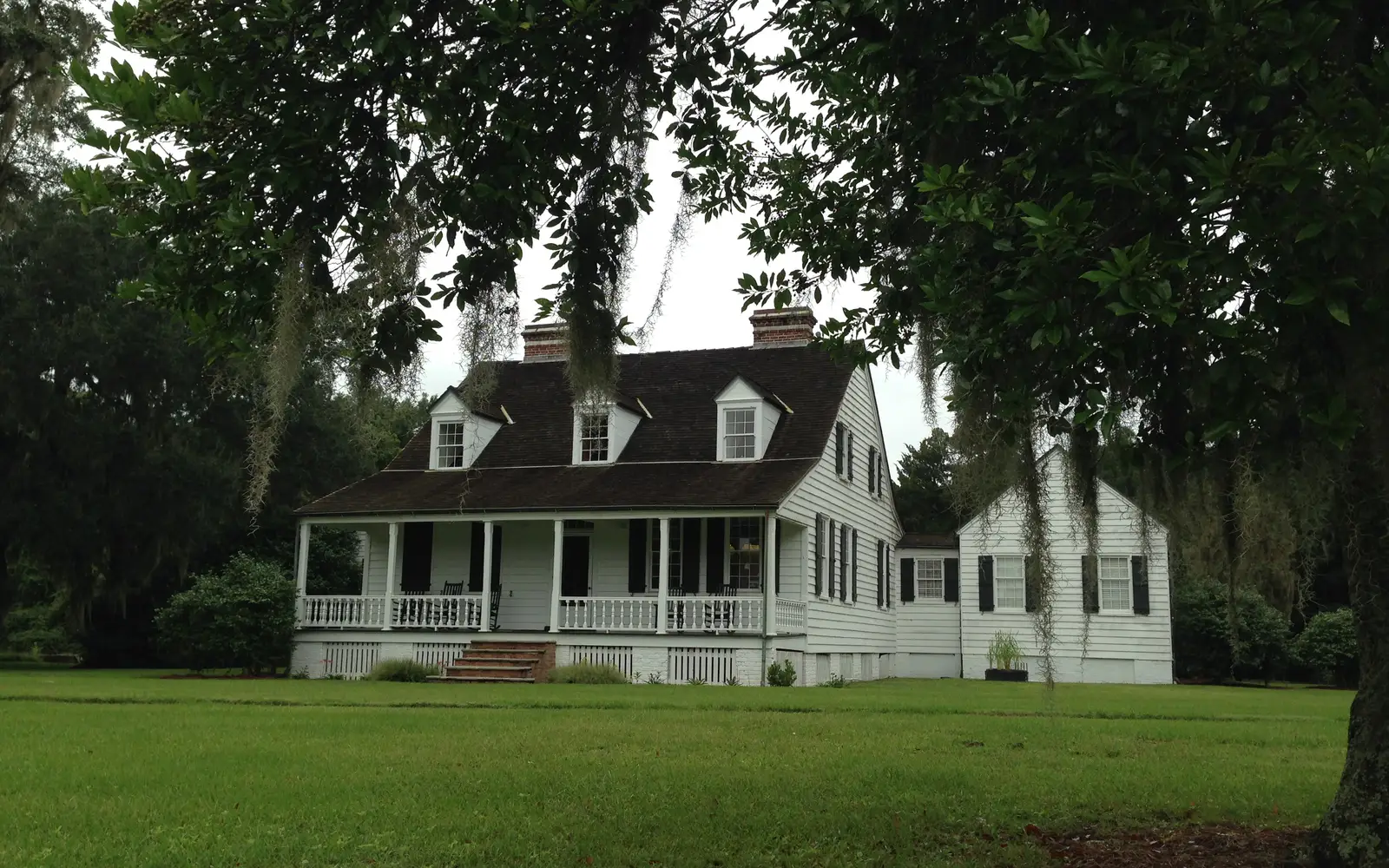
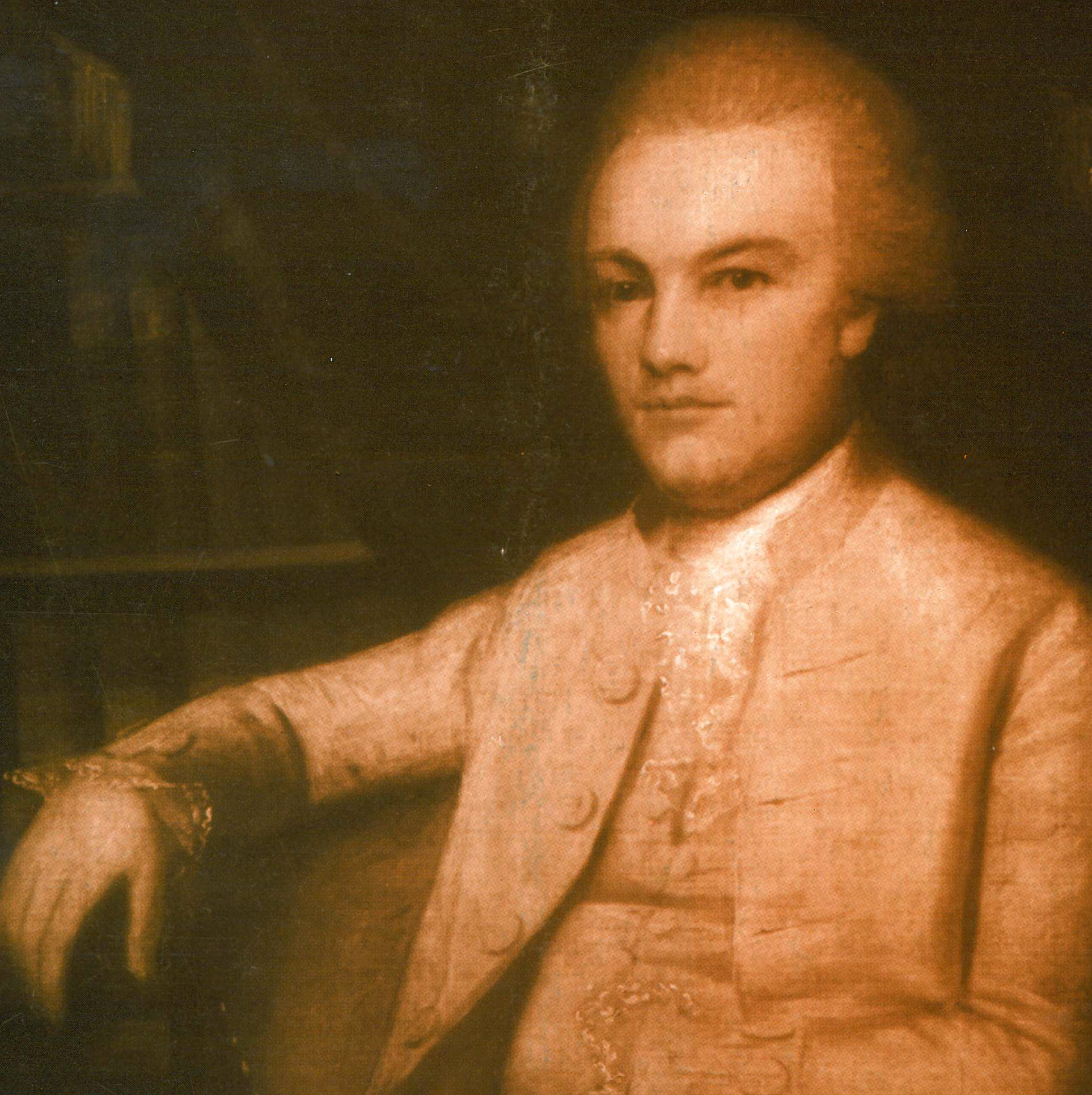
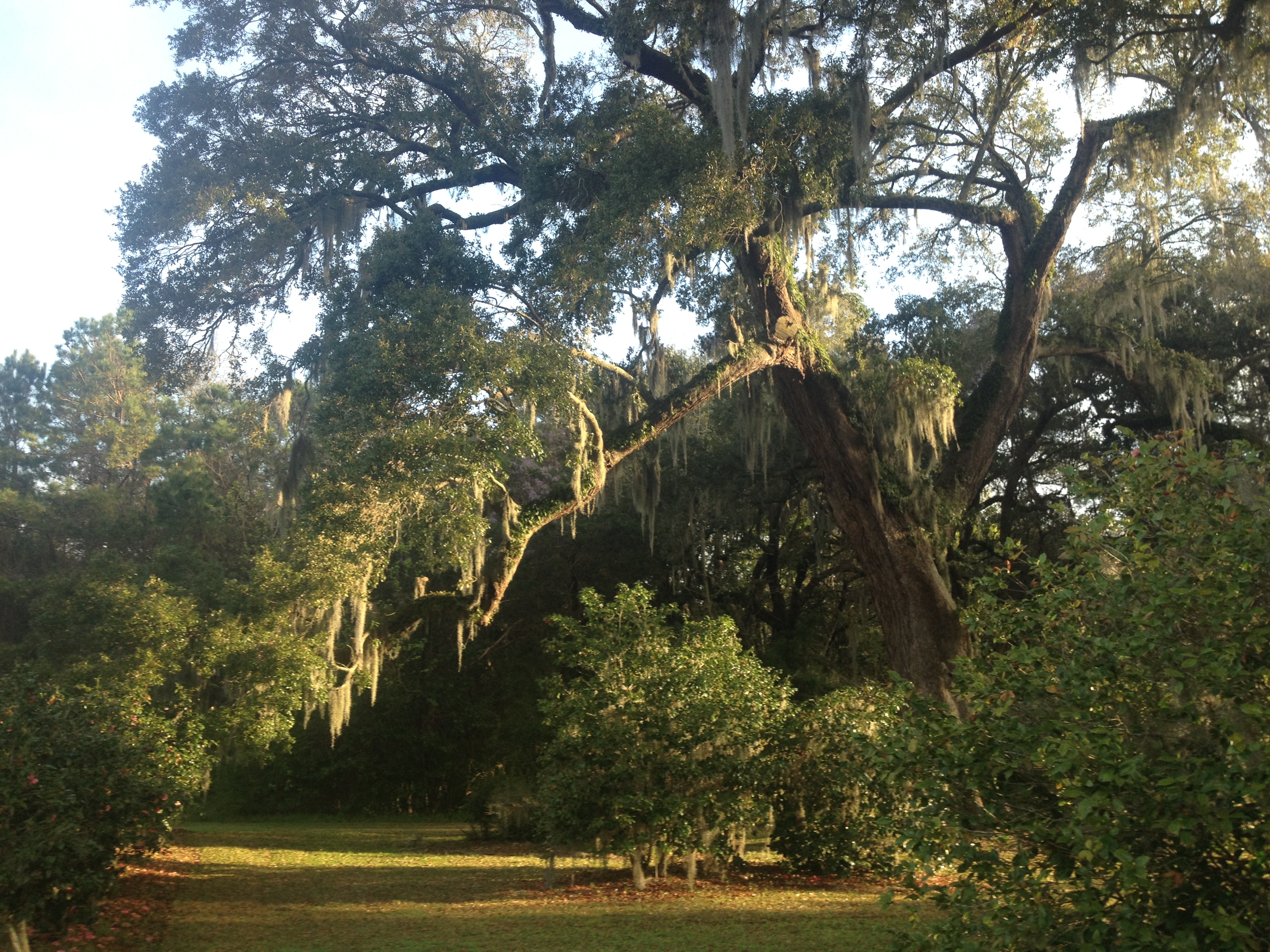
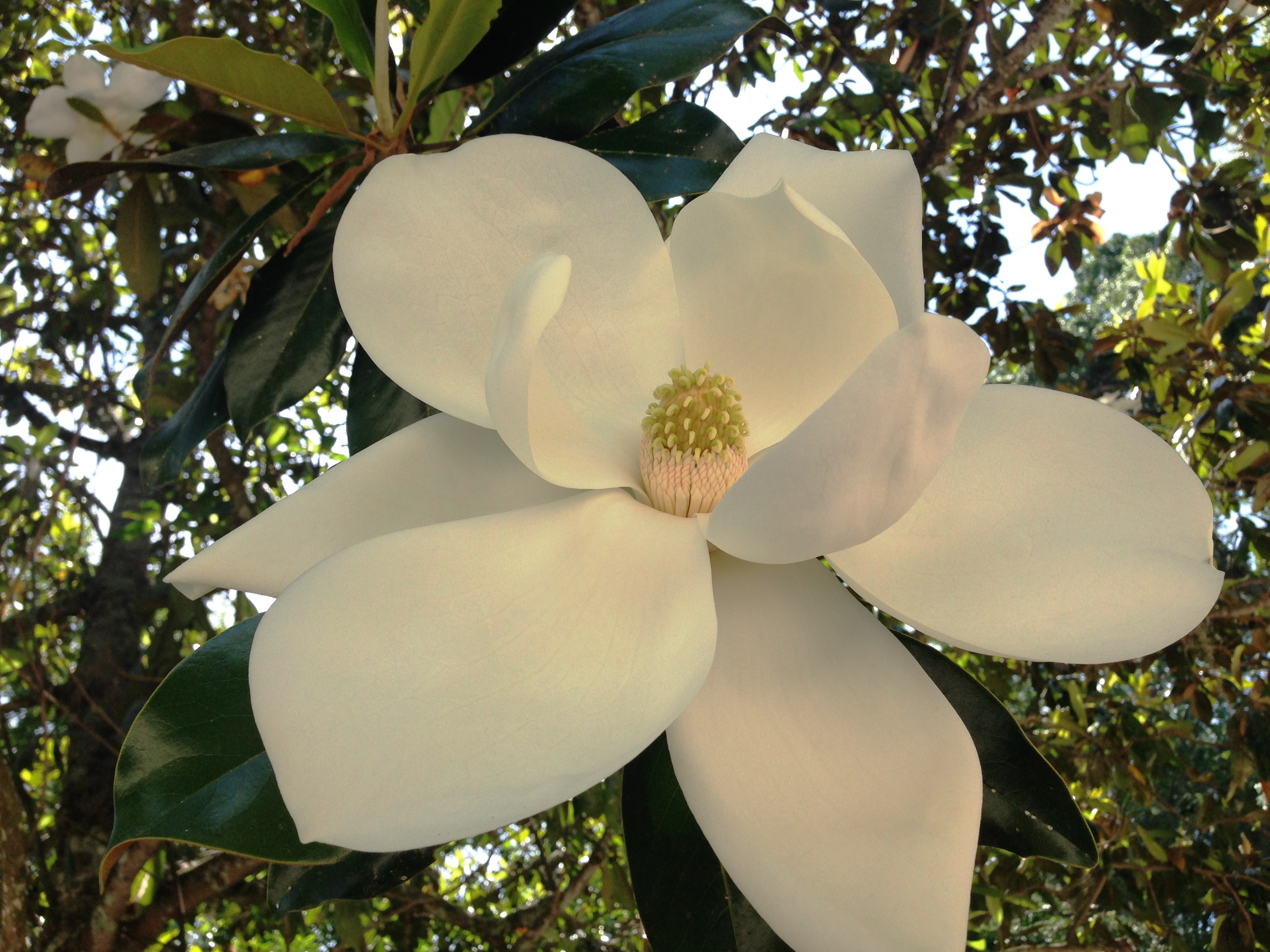
1828 Lowcountry cottage and groundsCharles Pinckney portraitLive OakSouthern Magnolia (Magnolia grandiflora)
National Historic SiteSC

Charles Pinckney National Historic Site

NPS / NPS Photo
78/ 100WIDE RANGE
parkverdict Experience ScoreIndependent, not sponsored

78 of 100. Our independent breadth-and-access index. How we score

The bottom line

Charles Pinckney National Historic Site: our verdict

Charles Pinckney National Historic Site protects what survives of Snee Farm, the colonial plantation belonging to the South Carolina statesman who helped write the U.S.

Constitution. The site is small and does not try to be anything else. What makes it worth visiting is the quality of its interpretation: the exhibits and tours take both Pinckney's constitutional role and the lives of the enslaved African people who worked this land seriously, treating neither as an afterthought. That combination holds up. With a 78 experience score and free admission, the site gives you more than its footprint would lead you to expect, provided you actually care about history. Two to three hours is enough to cover it comfortably, which means it slots into a Charleston-area itinerary fairly easily rather than requiring a dedicated trip on its own.

Why visit

Watch the park film before you go outside. It covers both Pinckney's political career and the plantation's broader history, and the grounds make more sense once you've seen it. The exhibits inside the historic house go further than most sites do on this subject, treating the enslaved community's experience with real specificity rather than a passing mention. You can walk the grounds at your own pace, but a guided tour will surface details and context you would probably miss otherwise. The lowcountry setting makes it a good stop for birdwatchers and casual wildlife watchers as well. Families with kids can grab a Junior Ranger Program booklet for a more structured way to move through the site, and the bookstore carries titles worth browsing if you want to keep reading after you leave.

Who it suits

History buffs with a focus on the Constitutional era, American slavery, and South Carolina's political legacy will find a visit here genuinely worthwhile. Families with kids have the Junior Ranger Program and hands-on activities to keep younger visitors engaged. Birdwatchers and lowcountry nature fans get a bonus reason to show up. That said, if you want a full day outdoors or dramatic scenery, pair this with other Charleston-area stops rather than making it your only one.

Timing your visit

Spring and fall are your best bets. The visitor center opens for the season on May 1, 2026, so arriving in early May means you catch mild temperatures before the South Carolina lowcountry heat and humidity take hold. Fall is just as good once things cool off. Summer can work if you get there early in the morning, but the humidity is genuinely brutal. Winter is harder to plan around because the visitor center runs on a seasonal schedule.

What stands out

  • Museum exhibits addressing both Pinckney's constitutional influence and the lives of the people he enslaved
  • Guided tours that provide interpretive context not available through self-guided walking alone
  • Birdwatching and wildlife watching on lowcountry plantation grounds
  • Park film offering a strong orientation before exploring the site
  • Junior Ranger Program structured for meaningful family engagement
  • Free admission with a well-stocked bookstore for deeper historical reading

Good to know

Admission is free. The visitor center opens May 1, 2026, and runs Wednesday through Sunday, 9 a.m. to 4:30 p.m. Outside those hours, the exhibits, film, and guided tours are all unavailable. The site is near Mount Pleasant, just outside Charleston, which makes it an easy add-on to other stops in the area without eating up a full day.

Insider tipSkip the self-guided route if you can and wait for a ranger-led tour instead. What makes Snee Farm worth the visit is the history of the enslaved community there, and that story lands very differently when a ranger is telling it rather than when you are reading it off exhibit panels.

How we scored it

Why Charles Pinckney National Historic Site scores 78

We keep the math boring on purpose. The same handful of public-data inputs, capped so none of them dominates, decide every score. What they measure is breadth and access, not beauty and not crowd levels. For Charles Pinckney National Historic Site, they shook out like this:

  • Activity breadth16 documented activities
  • Topic breadth40 topics
  • Official imagery6 public-domain images
  • Camping on sitenone recorded
  • Entry costfree

No number is hand-adjusted and no unit pays for placement. The full weights, the floor at 18 and a worked example are on how we score.

The honest limits

Where the score goes quiet

One limit to keep in mind. Everything here comes from public records on what a unit documents and how reachable it is, so the score cannot judge beauty, crowds, trail conditions, weather, or how good any single program is. That is exactly why a small, specific place can score below a sprawling park and still be your better trip. Take the number as a like-for-like look at what is on paper, and lean on the verdict for the human read.

What you can do

Activities

FoodPicnickingGuided ToursSelf-Guided Tours - WalkingHands-OnCitizen ScienceVolunteer VacationHikingFront-Country HikingJunior Ranger ProgramWildlife WatchingBirdwatchingPark FilmMuseum ExhibitsShoppingBookstore and Park Store
Background

The short version

Charles Pinckney helped write and sign the United States Constitution and went on to lead South Carolina politics for more than 40 years. The park protects Snee Farm, one of his plantation properties. Visitors can learn about his political influence on Charleston, the lives of the African people he enslaved, how the plantation ran from day to day, and the legacy he left behind.

On documented breadth and access, Charles Pinckney National Historic Site ranks 3rd of 8 park and public-land units we score in South Carolina.

What the seasons are like

Winters are generally mild. Summers are hot and humid.

Common questions

Charles Pinckney National Historic Site: quick answers

Is Charles Pinckney National Historic Site worth visiting?

Charles Pinckney National Historic Site protects what survives of Snee Farm, the colonial plantation belonging to the South Carolina statesman who helped write the U.S.

Is Charles Pinckney National Historic Site free to visit?

It is free to get in.

What is Charles Pinckney National Historic Site best for?

It leans hardest toward hiking, good with kids, wildlife watching, guided tours, going by the 16 activities it actually documents.

When is the best time to visit Charles Pinckney National Historic Site?

Spring and fall are your best bets.

How is the Experience Score for Charles Pinckney National Historic Site calculated?

The 78 comes straight from public data on how much the place documents and how easy it is to reach, things like activities, topics, photos, camping and whether entry is free. It says nothing about scenery or how busy it gets.