Potomac Heritage National Scenic Trail: our verdict
The Potomac Heritage National Scenic Trail is a sprawling, multi-state network, not a singular destination park.
It spans DC, Maryland, Pennsylvania, and Virginia, connecting river corridor adventures across hundreds of miles. Experience varies dramatically based on segment and local management. The trail offers excellent infrastructure for paddlers, hikers, and cyclists seeking a historically rich landscape. However, the patchwork of managing partners means inconsistent conditions, signage, and access points. This trail rewards self-sufficient, motivated users who plan ahead. Casual visitors expecting a unified park experience with clear wayfinding and visitor services will likely feel disoriented. Free entry is a significant advantage. Visitors are largely responsible for their own adventure planning.
Why visit
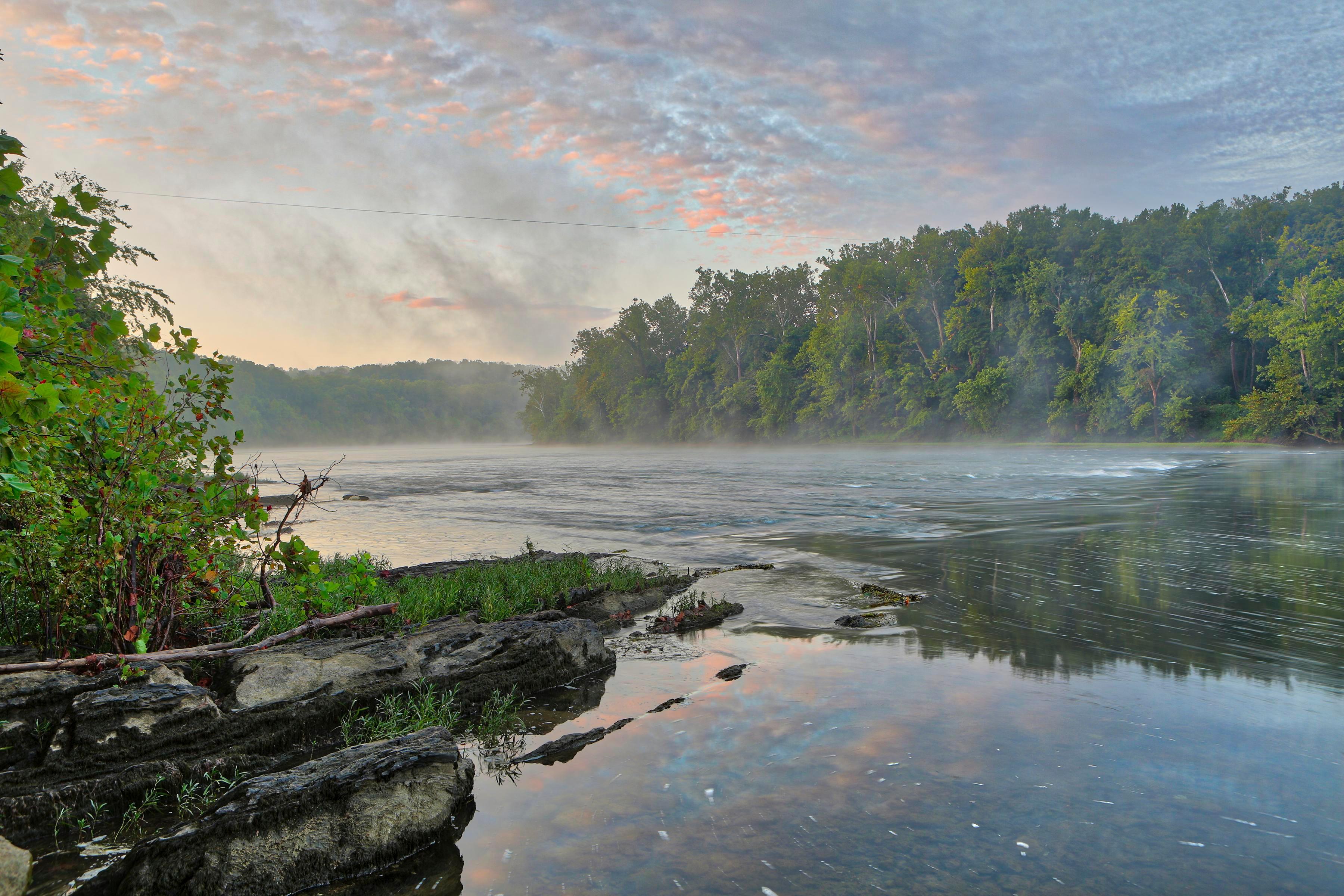
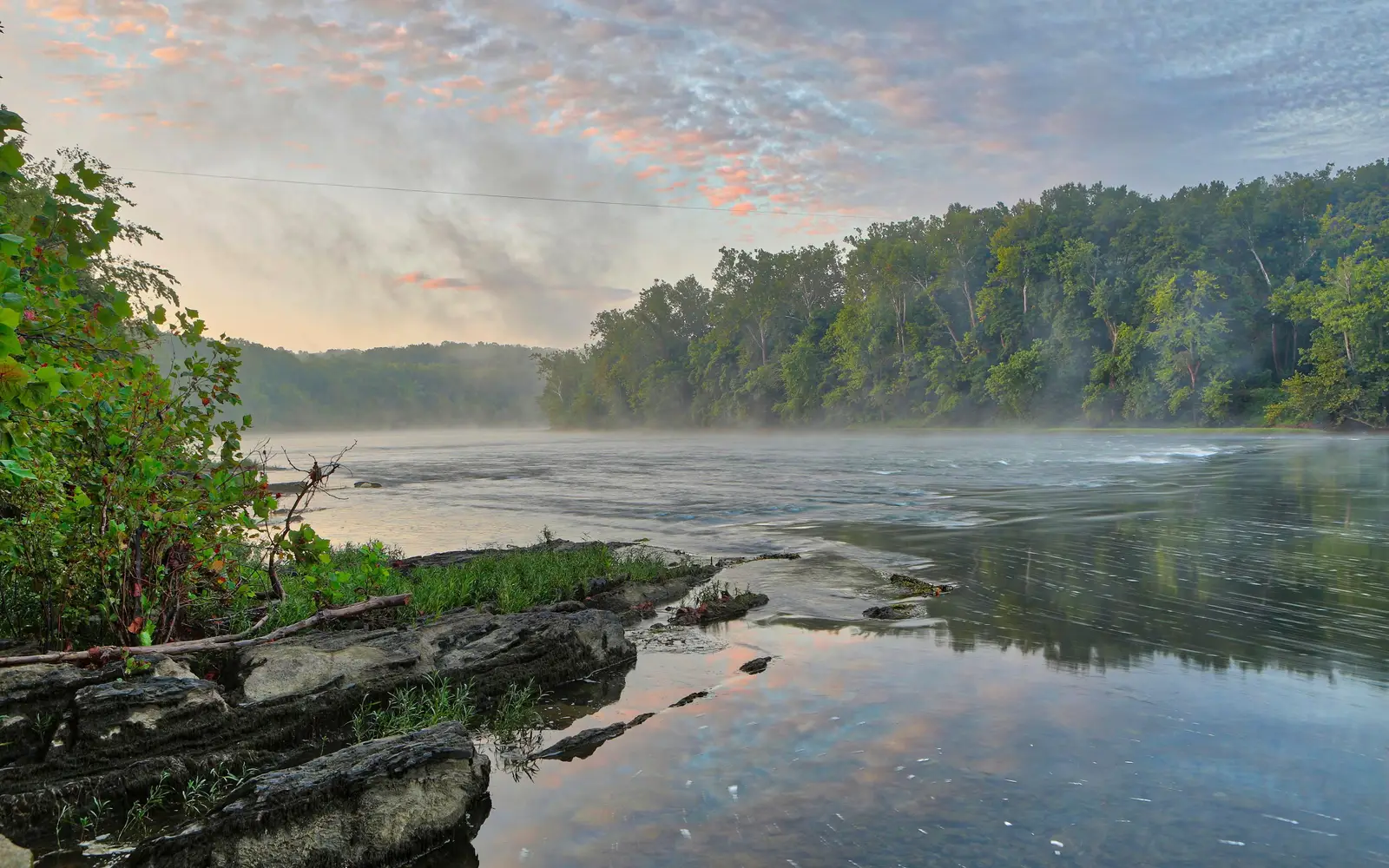
The Potomac Heritage Trail network offers a rich mix of activities for the prepared visitor. Paddlers gain access to the Potomac River corridor for multi-day or day trips through varied terrain. Hikers and cyclists can piece together routes through a region dense with American history, wildlife habitat, and river scenery. Camping is documented along the network, making overnight trips feasible for those who plan ahead. Wildlife watching along the river corridor is a legitimate draw. The riparian habitat supports diverse bird and animal populations. Families can engage children through the Junior Ranger Program. This adds structure to what might otherwise feel like a loosely defined experience. A successful weekend here means selecting one well-defined segment and committing to it. The broader network serves as a long-term project for return visits.
Who it suits
This destination favors the self-directed. Paddlers, long-distance hikers, and cyclists will find ample opportunity for building itineraries across a multi-state region. History-minded travelers seeking physical activity will also find the corridor rewarding. Families with active children can certainly make a visit work with sufficient advance planning. However, those expecting a conventional park experience, with centralized amenities, clearly marked trails, and reliable signage, should adjust their expectations or consider other options.
Timing your visit
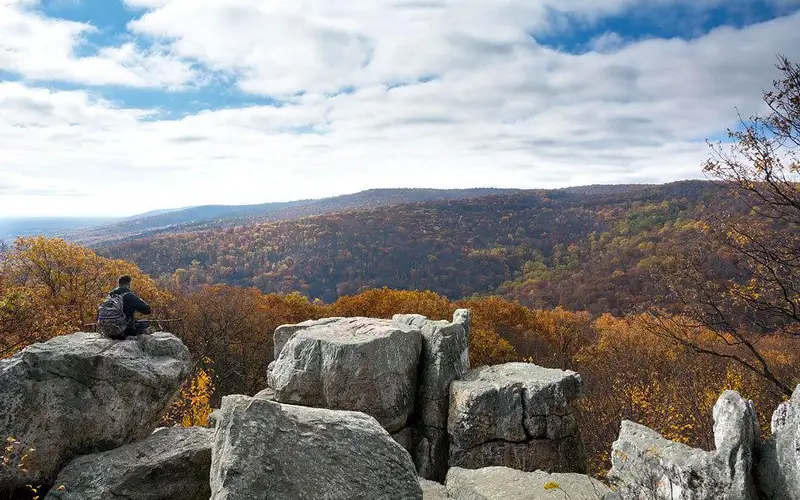
Reliable conditions for paddling, hiking, and camping run from late spring through early fall, with longer daylight hours and accessible water levels. Summer heat, which can reach 100 degrees Fahrenheit, mandates early morning starts from June through August. Fall offers cooler temperatures and foliage that enhances hiking and biking. Winter access is variable, highly dependent on the specific segment and its managing partner.
What stands out
- Multi-day paddling opportunities along the Potomac River corridor
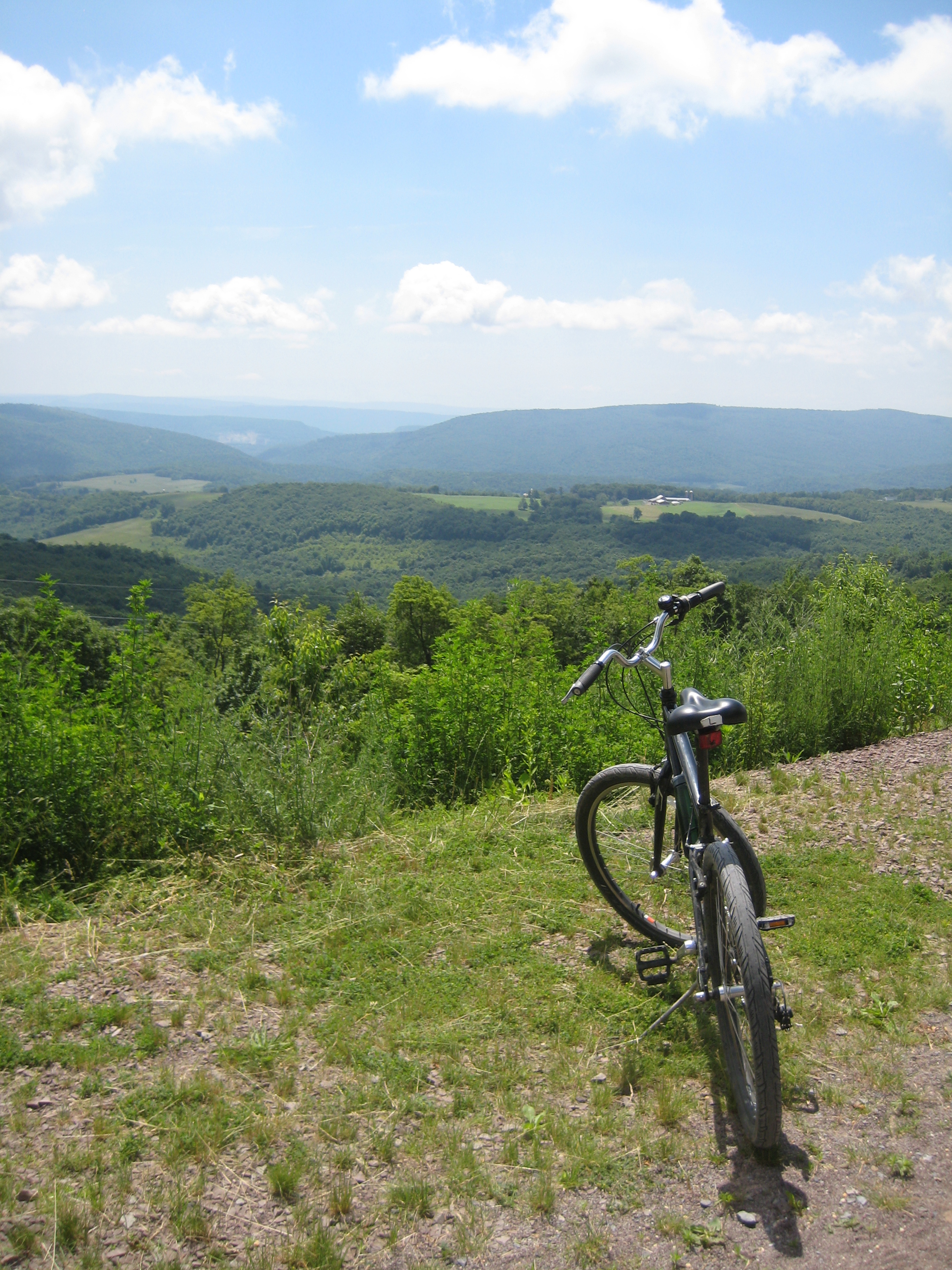
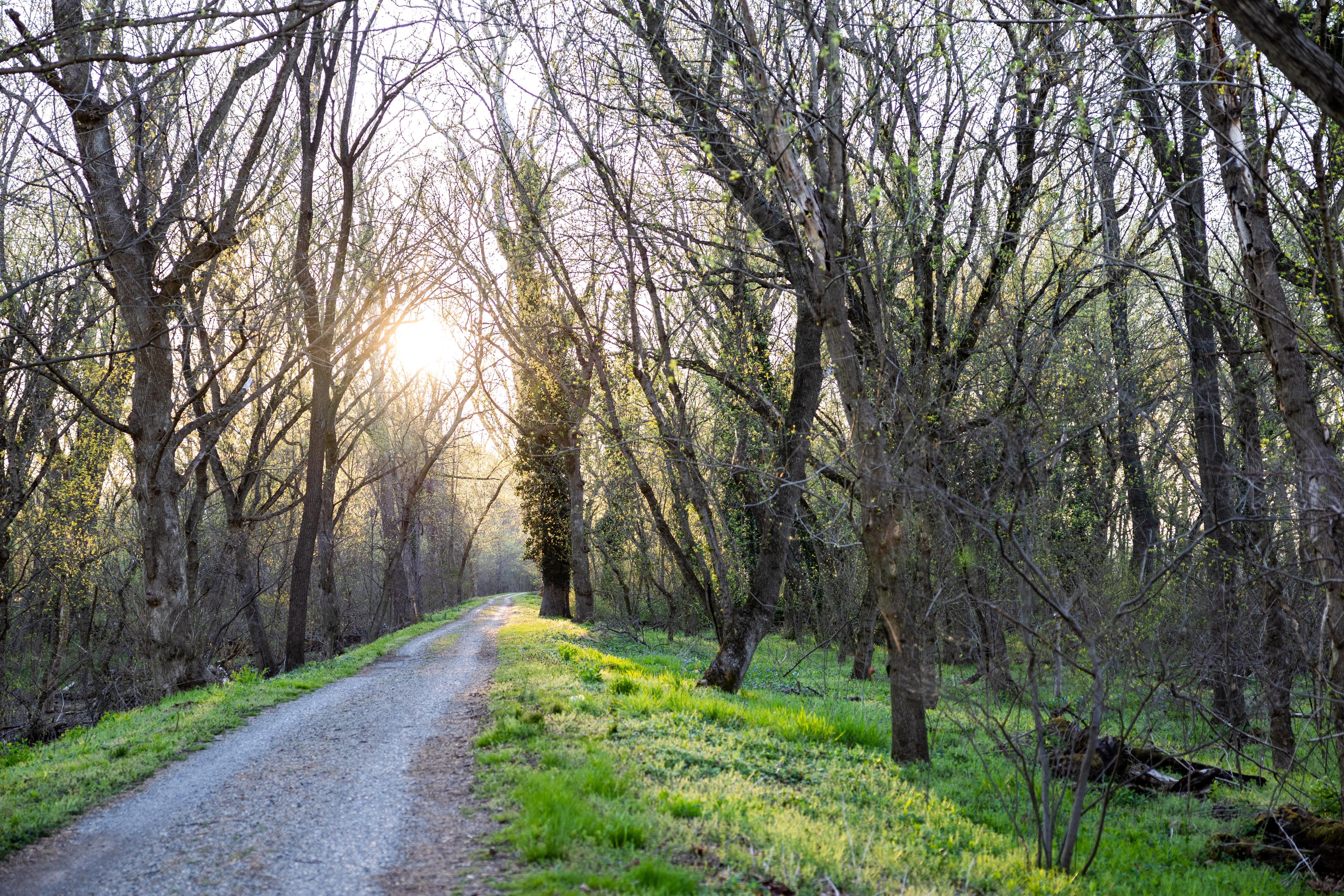
- Hiking and biking routes spanning four states from DC to Pennsylvania
- Dispersed camping options for overnight backcountry trips
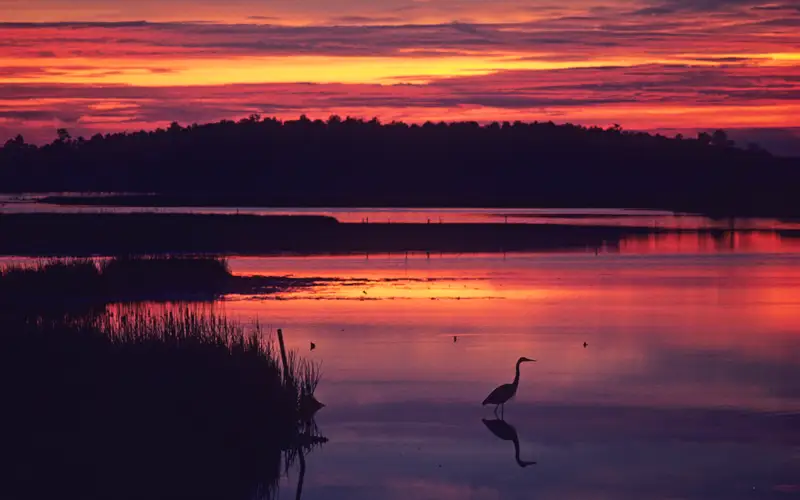
- Wildlife watching in a rich riparian habitat along the river
- Junior Ranger Program to keep kids engaged across segments
- Free access to a historically significant American landscape
Good to know
Entry requires no fee across the network. Because diverse sections fall under various partner organizations, hours, conditions, and access points differ significantly by segment. Consult the NPS Operating Hours and Seasons page before
Insider tipNational Park Service unit pages serve as a general introduction. For critical details such as parking, camping permits, and current trail conditions, consult the specific managing partner's website. On-the-ground realities are best understood through these local organizations.