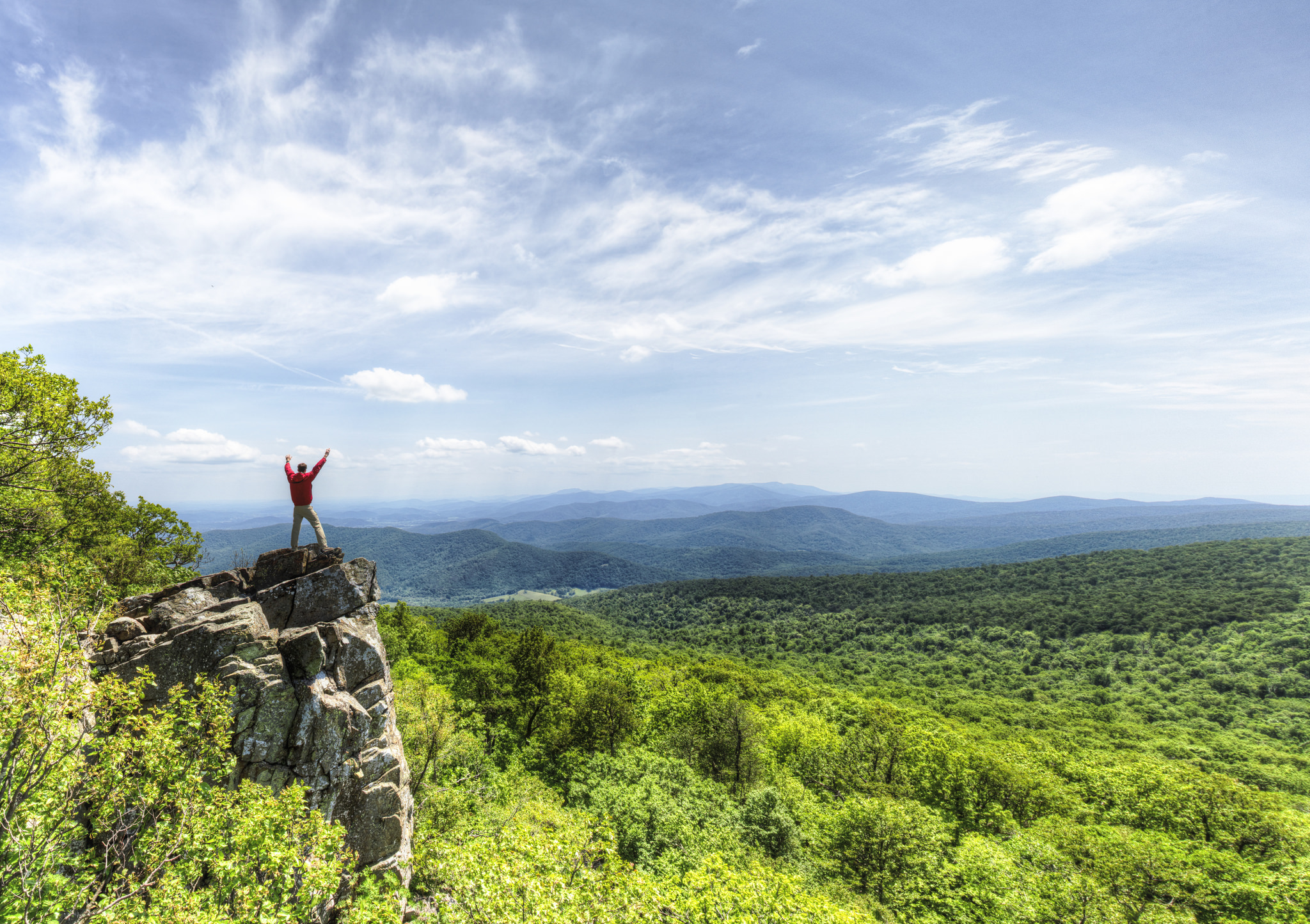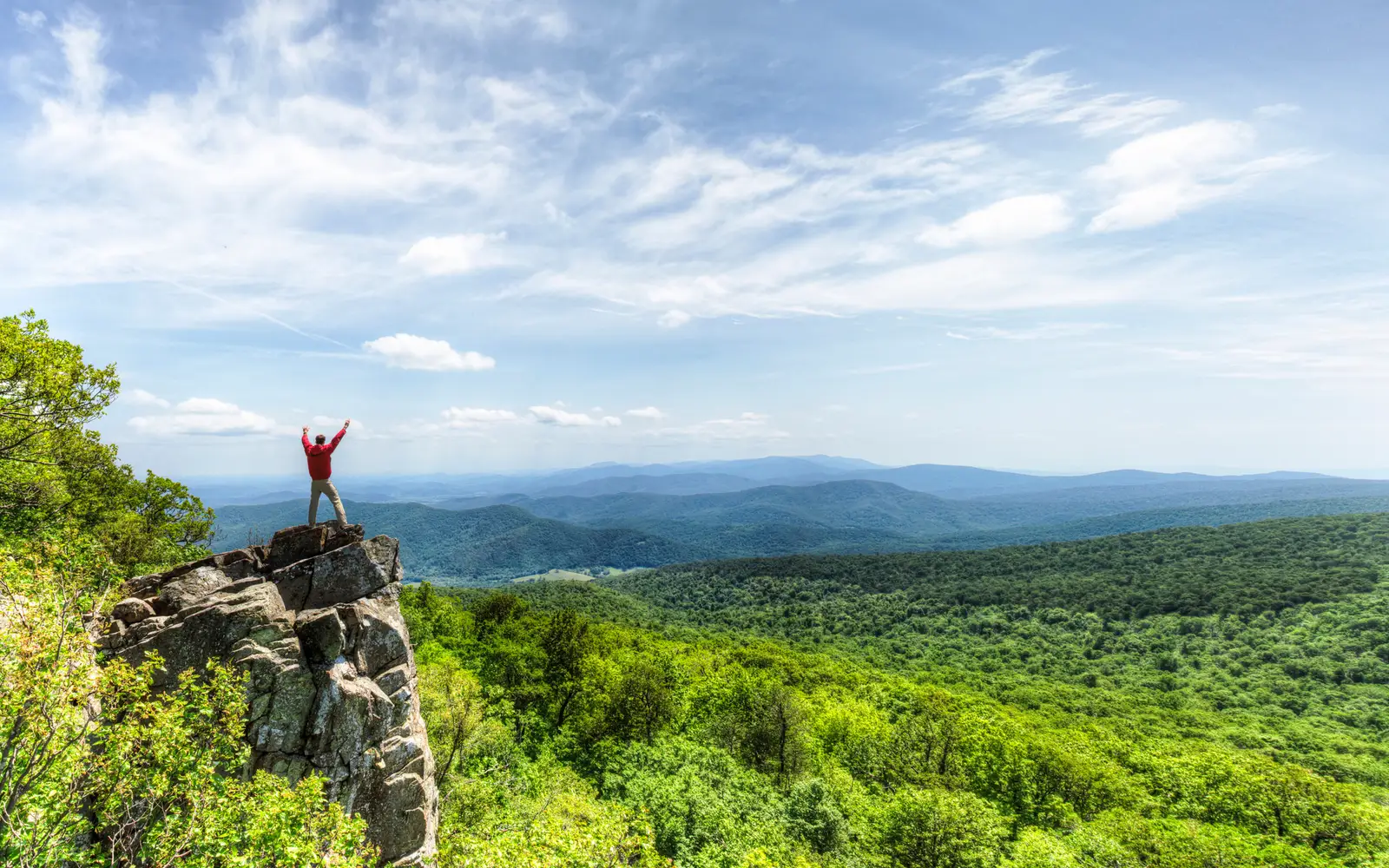


Is Shenandoah National Park worth it?
Shenandoah presents one of the East Coast's most accessible wilderness experiences.
Located within a two-hour drive of millions, it offers genuine backcountry solitude for those willing to venture beyond overlooks. Skyline Drive spans approximately 100 miles along the Blue Ridge spine. It connects trailheads, campgrounds, and scenic viewpoints, serving both casual motorists and serious backpackers. The park earns its perfect Experience Score through a vast activity list and year-round road access. There is no entrance fee. Though not a hidden gem and often crowded on autumn weekends, its immense scale of over 200,000 acres ensures solitude for visitors willing to walk a mile from a parking area. For East Coast travelers, this destination merits a clear and strong recommendation.
The case for it
This park rewards varied interests. Drive Skyline Drive at sunrise; its overlooks fill quickly. Waterfall hikes and ridge-top climbs offer excellent morning options. Anglers can fish mountain streams. Birders and wildlife watchers have legitimate chances to spot black bears, white-tailed deer, and diverse songbirds. Dark skies away from the road provide real stargazing opportunities. The park permits backcountry camping across a huge area, making multi-night loops achievable for experienced hikers. Families can enjoy the Junior Ranger program, front-country camping, and picnic areas, all integral park experiences.
Who it is for
This park caters strongly to East Coast hikers, road-trippers, and families seeking multi-day outdoor experiences without air travel. Backpackers will find extensive opportunities. Cyclists on road bikes can challenge
Best time to visit
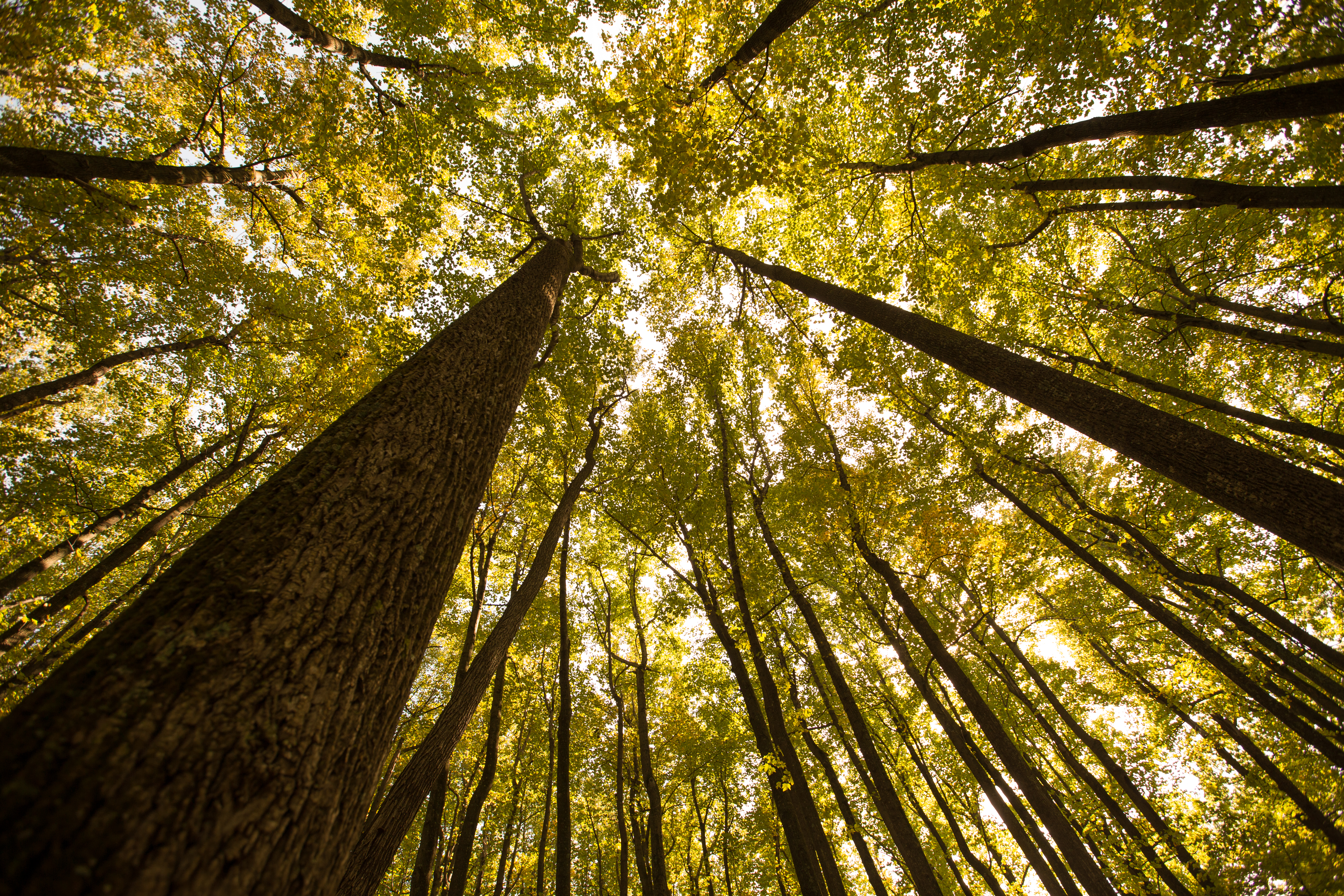
Optimal visiting seasons dictate varied experiences. Autumn brings peak foliage and cooler temperatures, a primary draw. Spring offers wildflowers and reduced visitation. Summer's lushness is often marred by humidity and haze, impairing scenic vistas. Winter delivers snow and ice, resulting in periodic road closures along Skyline Drive; however, foot access persists, revealing the forest's skeletal structure and expanded views.
Worth seeing
- Skyline Drive: a roughly 100-mile scenic road running the full length of the park with frequent pull-offs and trailhead access
- Backcountry camping across a vast protected wilderness reachable from dozens of trailheads
- Wildlife watching with documented black bear, deer, and diverse birdlife throughout the forest
- Stargazing potential well above what the mid-Atlantic typically offers, especially on weeknights away from the main developed areas
- Rock climbing opportunities in the park for those seeking vertical terrain
- Fishing in mountain streams combined with foraging and horseback riding for a genuinely multi-discipline outdoor trip
Before you visit
This park offers exceptional value, with no entrance fee. Skyline Drive provides the sole vehicular access, which means weather closures are a real factor; however, hiking access persists. Autumn weekends, particularly September through October, see high demand. Secure campground or backcountry permits well ahead of time.
Our tipThis park demands an early start. Popular overlooks along Skyline Drive fill by 10 a.m. on autumn weekends. For a tranquil experience, visitors should aim to reach their first viewpoint before sunrise. This strategy reveals a distinct park atmosphere, one unavailable to the midday visitor.