
Should you visit Catoctin Mountain Park?
Catoctin Mountain Park in northern Maryland offers a versatile, four-season recreational experience.
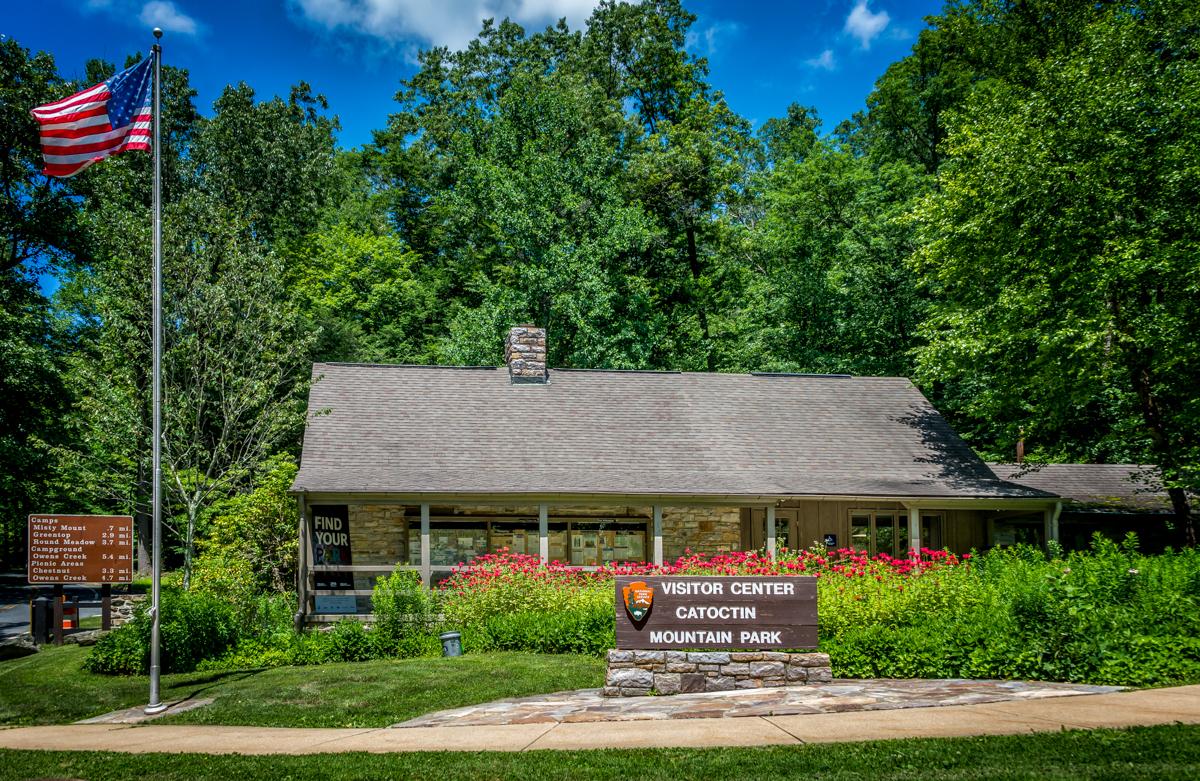
Approximately 60 miles from Washington D.C., this unit of the National Park System is free to enter, a notable advantage for its activity breadth. It caters to active visitors: hiking, camping, fishing, horseback riding, and rock scrambling are all supported. Winter snowshoeing is also possible. The park holds significant historical value, with its landscape developed by the CCC and WPA during the New Deal era. This history is well-documented at the visitor center. While its proximity to a major metropolitan area means weekend crowding is common, the diverse range of activities disperses visitors effectively. Catoctin Mountain Park provides substantial recreational opportunities for its location.
What makes it worth it
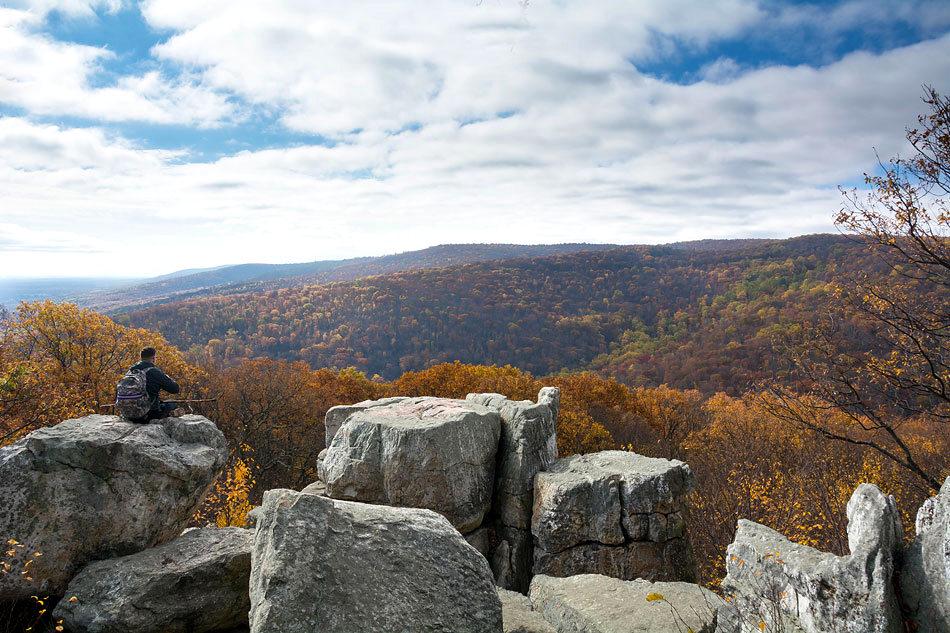
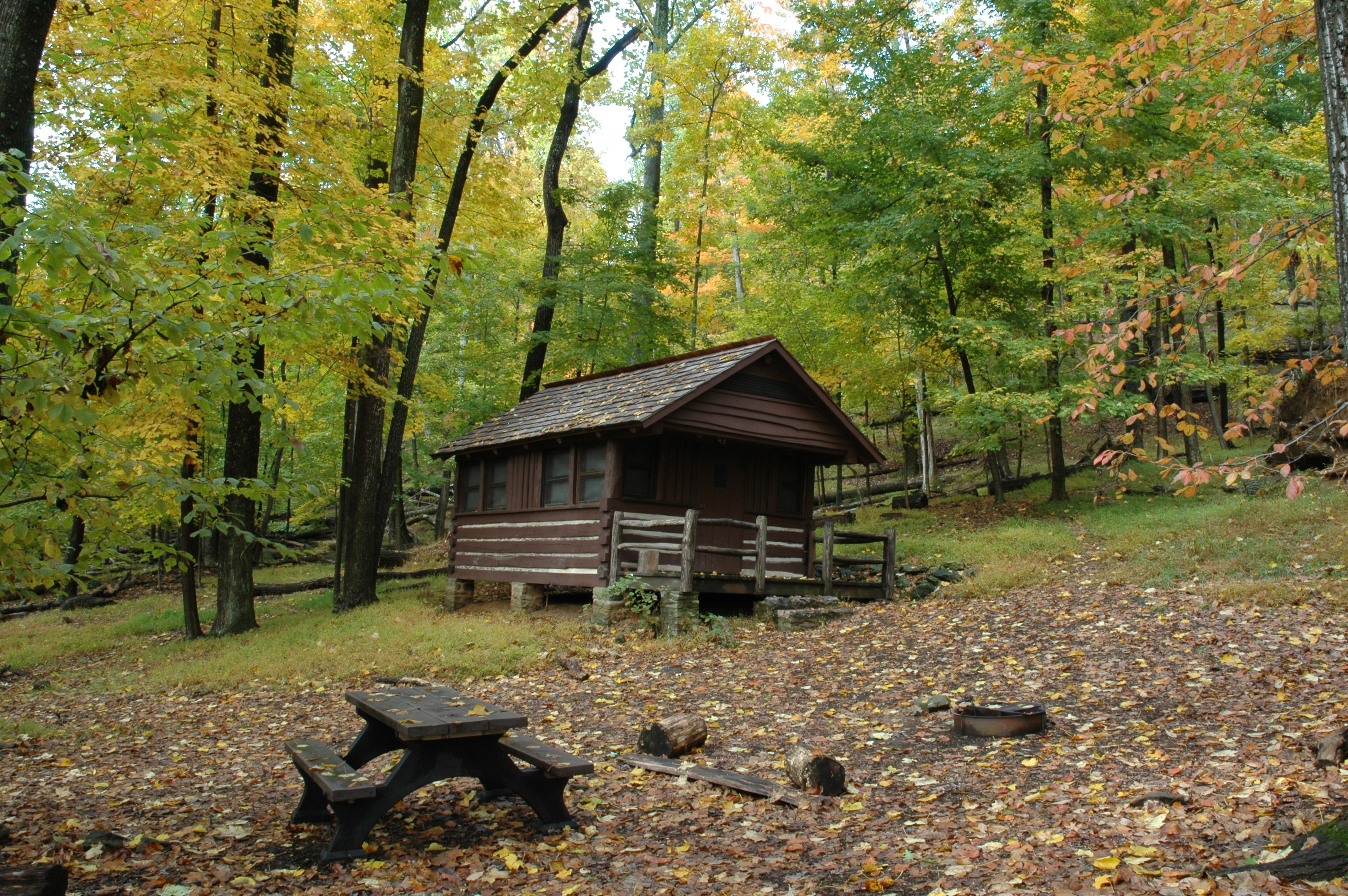
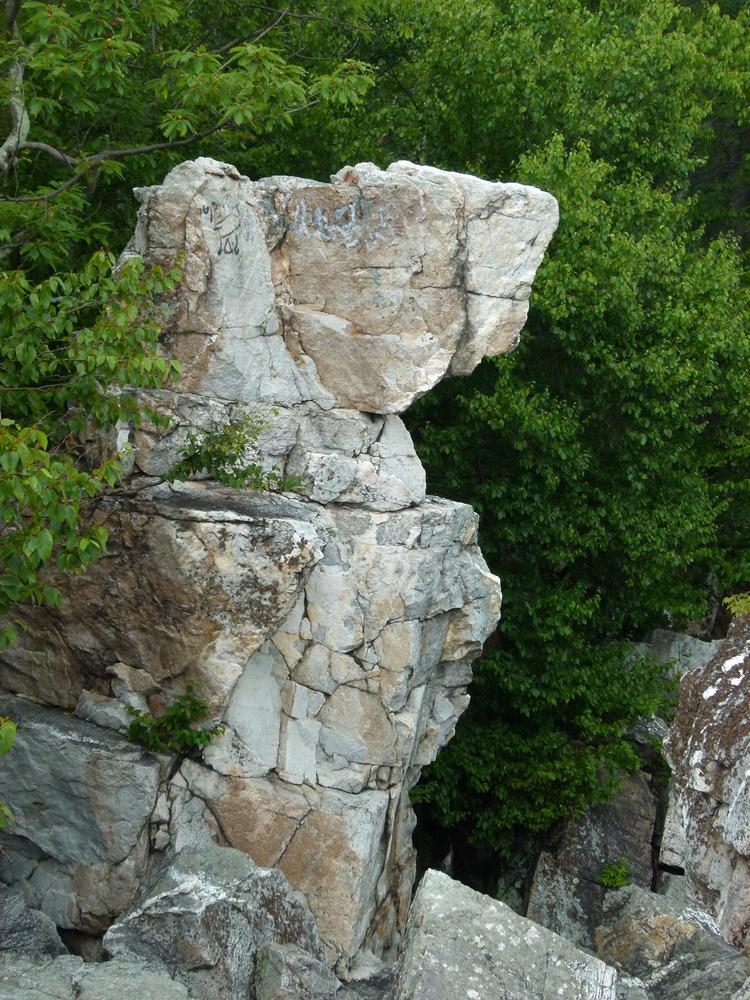
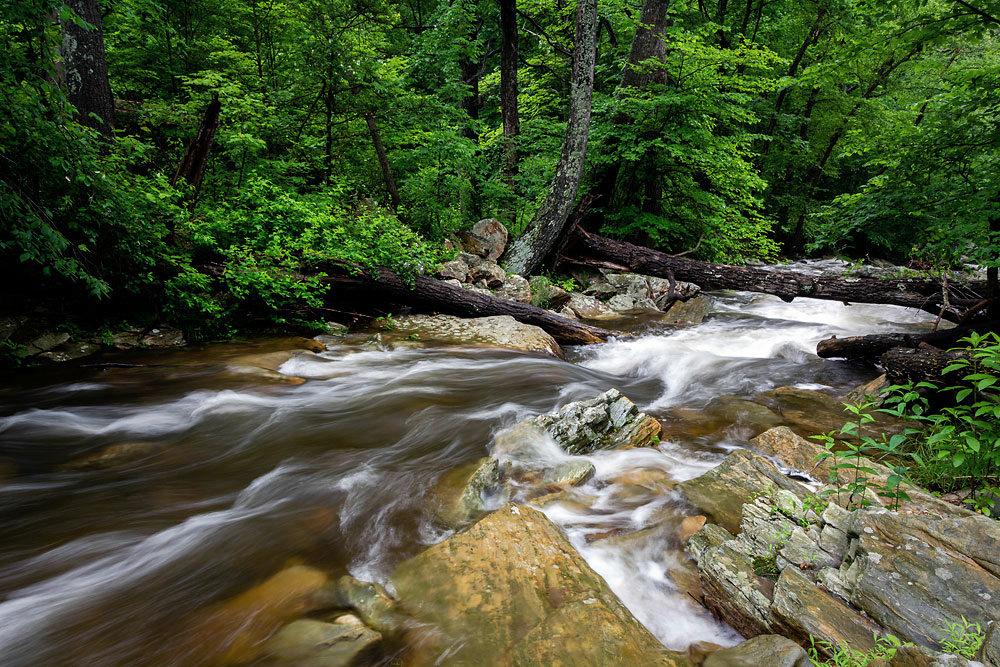
Catoctin offers a diverse palette of activities for its size. The forested ridgeline trails invite morning hikes, with winter months transforming them into cross country skiing and snowshoeing routes, typically from December to February, snowfall permitting. Fly fishing in the park's streams provides another focused pursuit. A rare offering among National Park Service units, orienteering routes are available for adults, utilizing either compass or GPS. Families can engage with the Junior Ranger program. Rock climbing access is documented, a notable feature for those combining climbing with camping. The park store and bookstore provide a cultural element, focusing on the CCC and New Deal history that shaped the park. This unit rewards active engagement.
Who should go
Catoctin offers a multi-activity outdoor experience without an entrance fee. It caters well to active families and D.C.-area day-trippers. Horse riders, fly fishers, and winter sports enthusiasts will find specialized options here. This is a woodland recreation park. Those seeking dramatic Western scenery or iconic wildlife should look elsewhere.
When to go
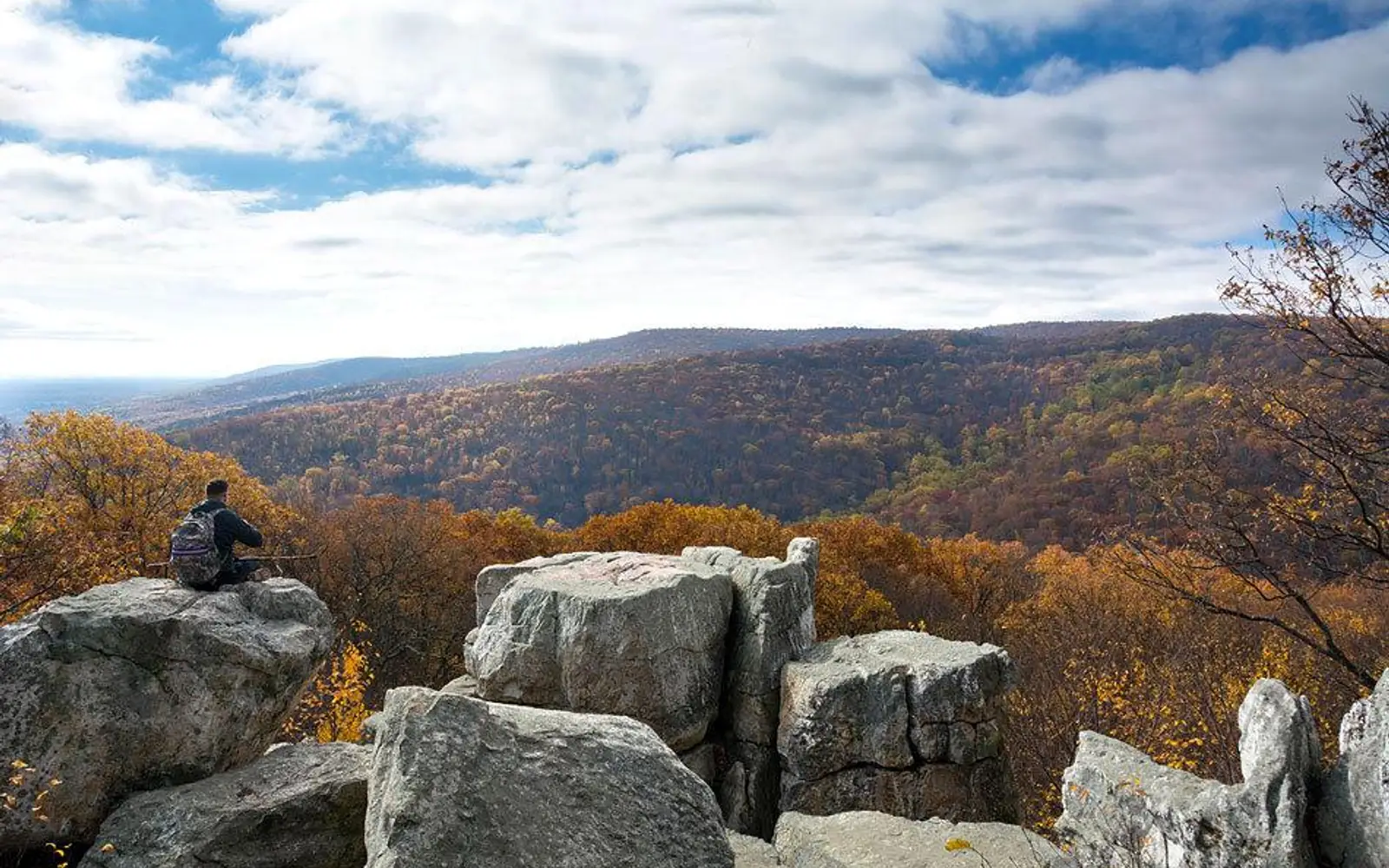
Mid-October presents the clearest opportunity for fall foliage, with temperatures between 45 and 64 degrees. Summer, with its 61 to 81 degree range, attracts the largest crowds due to the park's proximity to D.C. Winter offers possibilities for skiing or snowshoeing, but monthly snowfall of 5 to 12 inches is variable; conditions require checking. Spring is historically a time for wildflowers and lighter crowds.
Highlights
- Free entry to a full-service NPS unit with camping, climbing, and equestrian access
- Fly fishing on park streams, a relatively rare and specifically documented activity here
- Winter cross-country skiing and snowshoeing on the same trail network used for summer hiking
- Rock climbing access, uncommon for a free NPS unit this close to a major metro area
- Orienteering and GPS navigation activities for those who want a skill-based outdoor challenge
- CCC and WPA interpretive history accessible through museum exhibits at the visitor center
Plan ahead
Free entry makes the unit broadly accessible. While trails and parking are officially open dawn to dusk year-round, its proximity to Camp David means unannounced security closures are a regular feature. Prospective visitors should consult the park website immediately prior to any trip, as access patterns, particularly on weekdays, are subject to abrupt change. This is not a destination for spontaneous outings.
Editor's tipThe proximity to Camp David introduces a notable variable: security-related closures can affect specific areas with minimal advance notice. Visitors must build flexibility into their itinerary. A backup trailhead is a prudent consideration. This is not a destination for rigid planning.