Should you visit Petroglyph National Monument?
Petroglyph National Monument, on Albuquerque's western edge, preserves one of North America's largest rock carving concentrations.
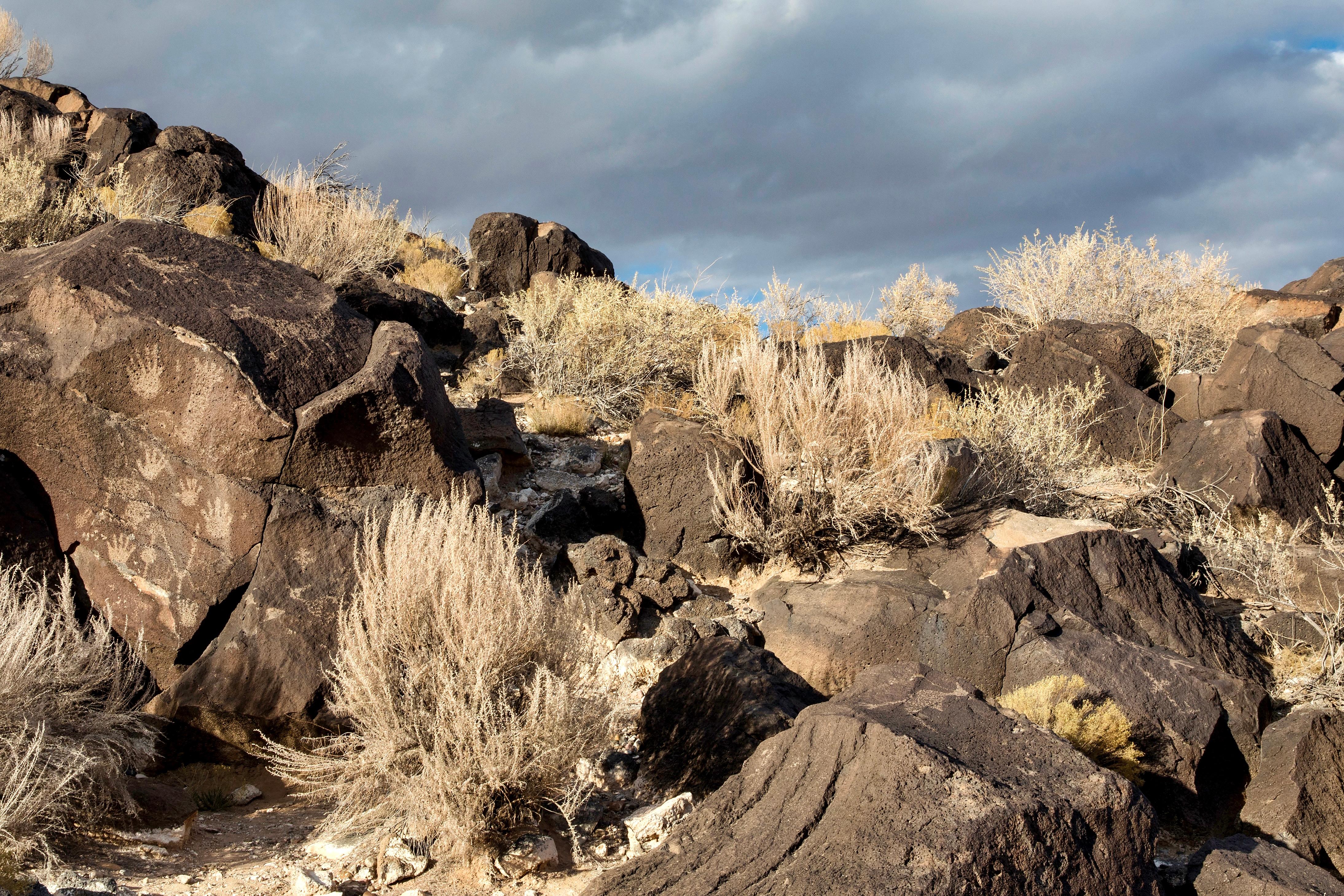
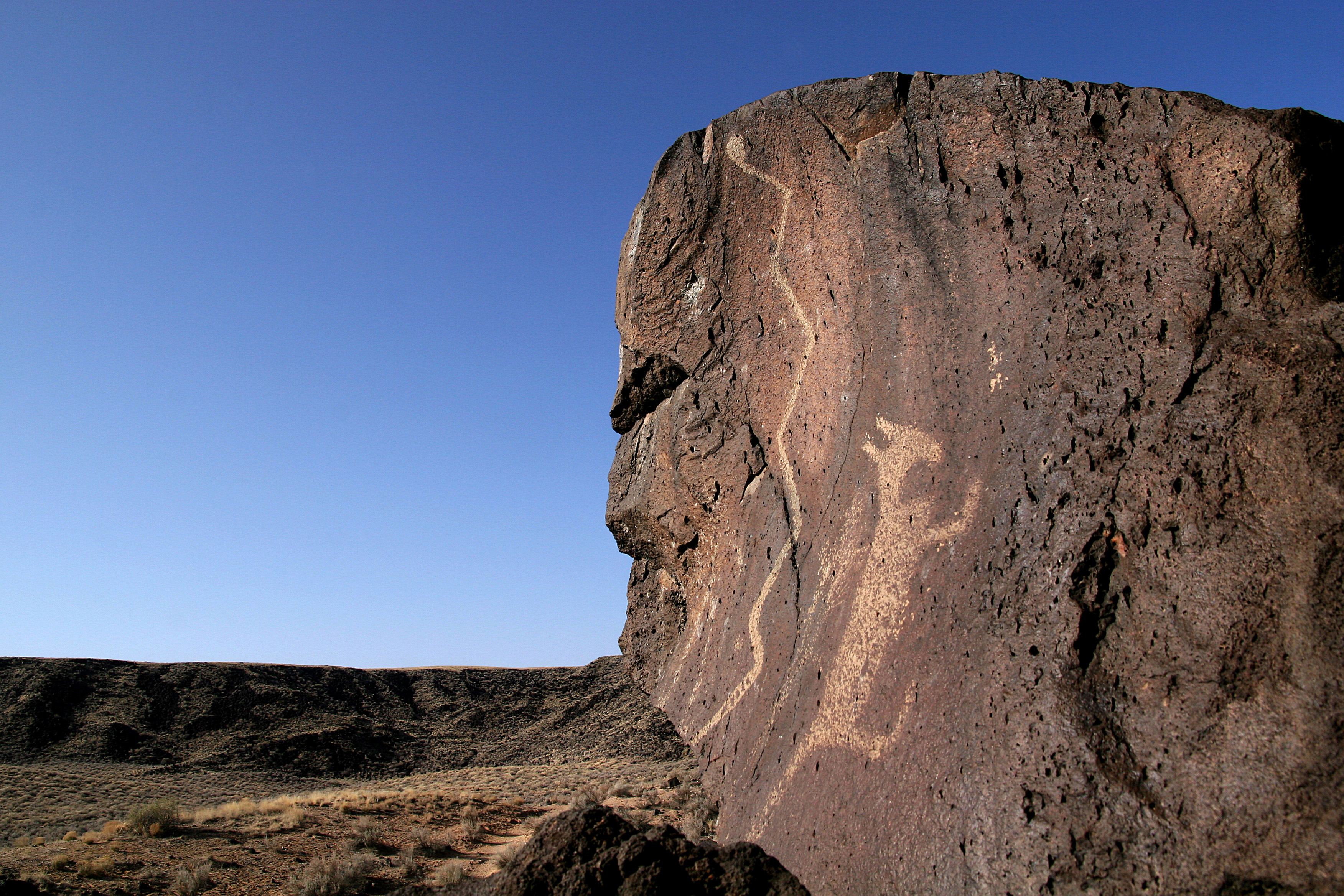
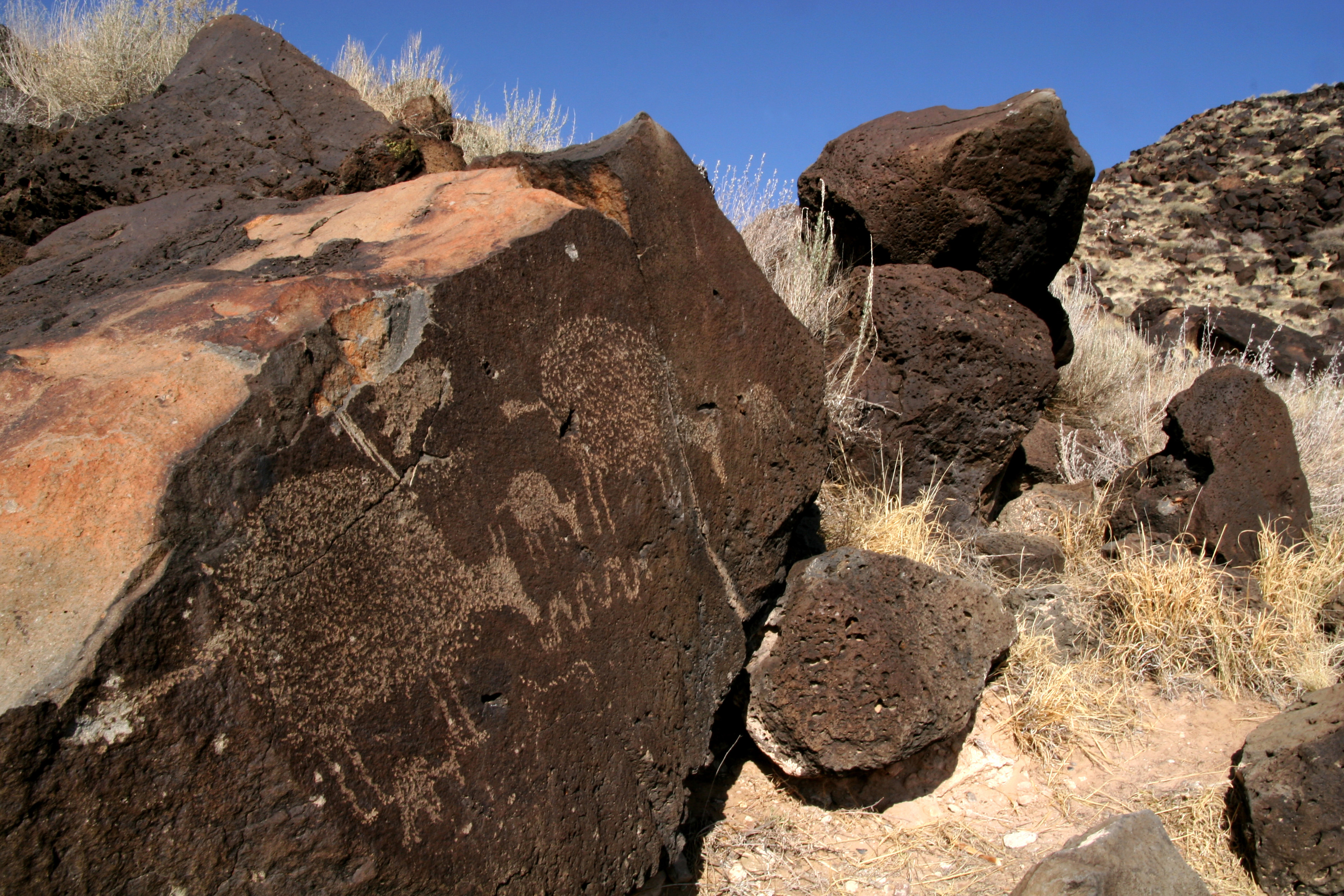
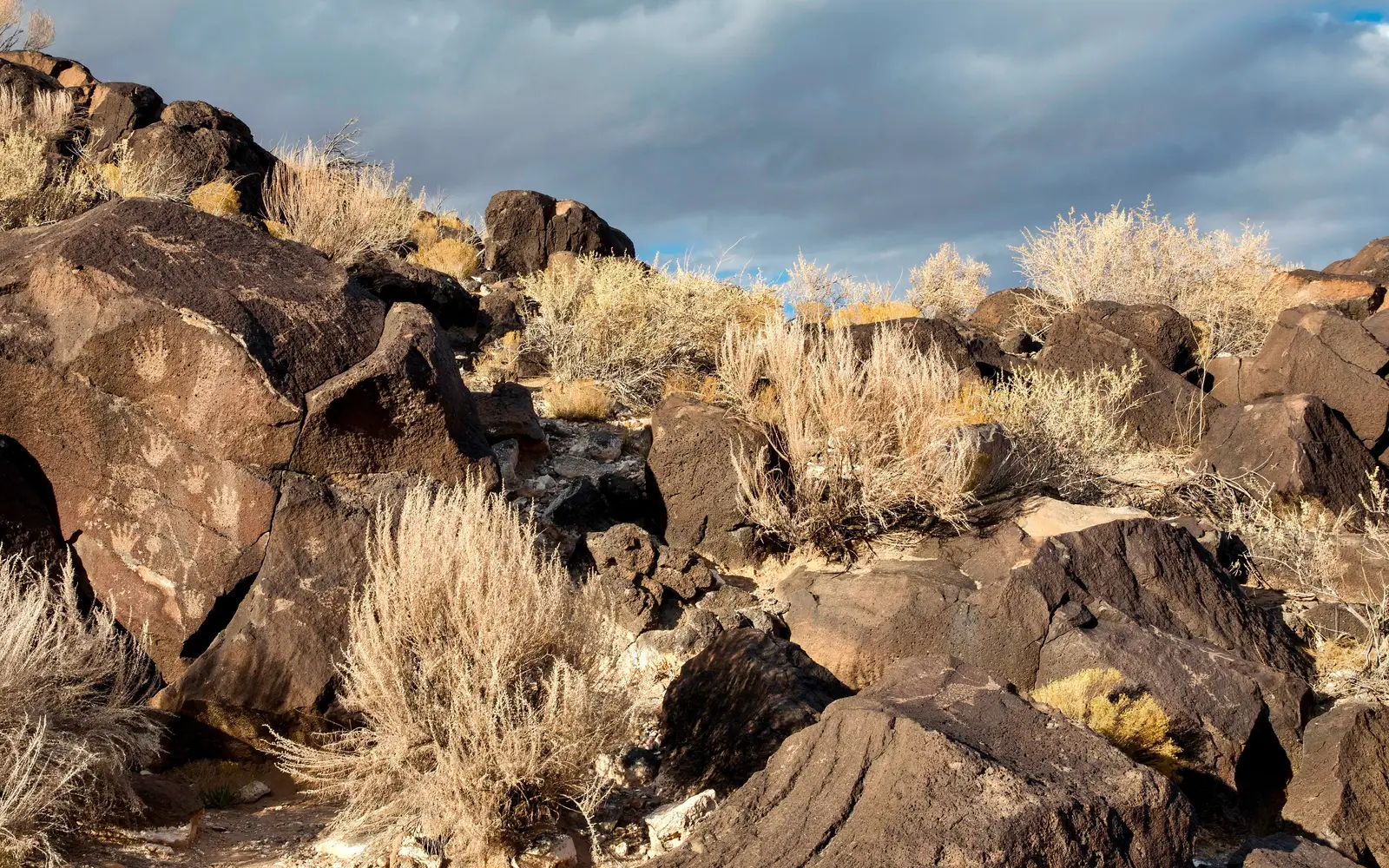
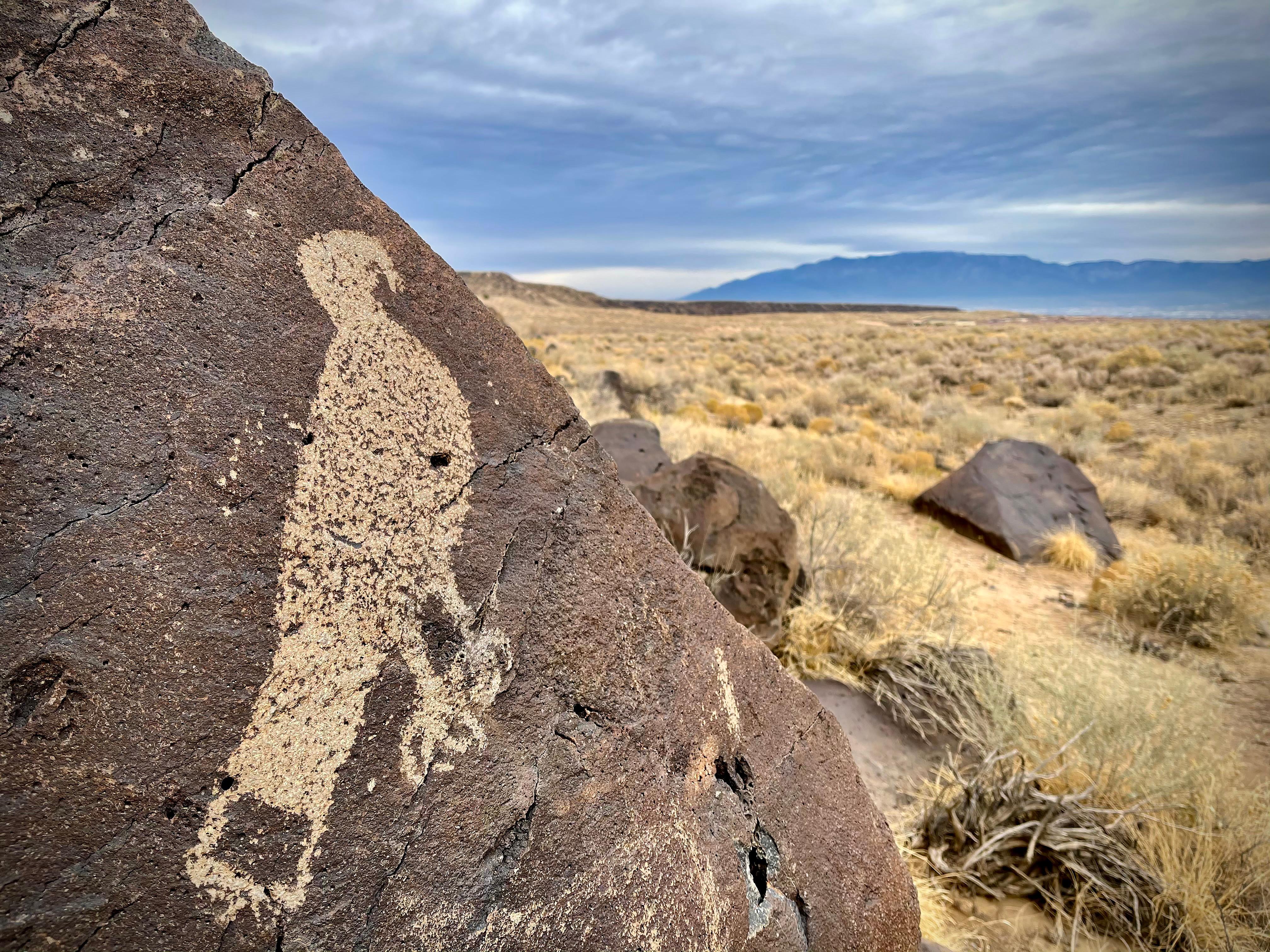
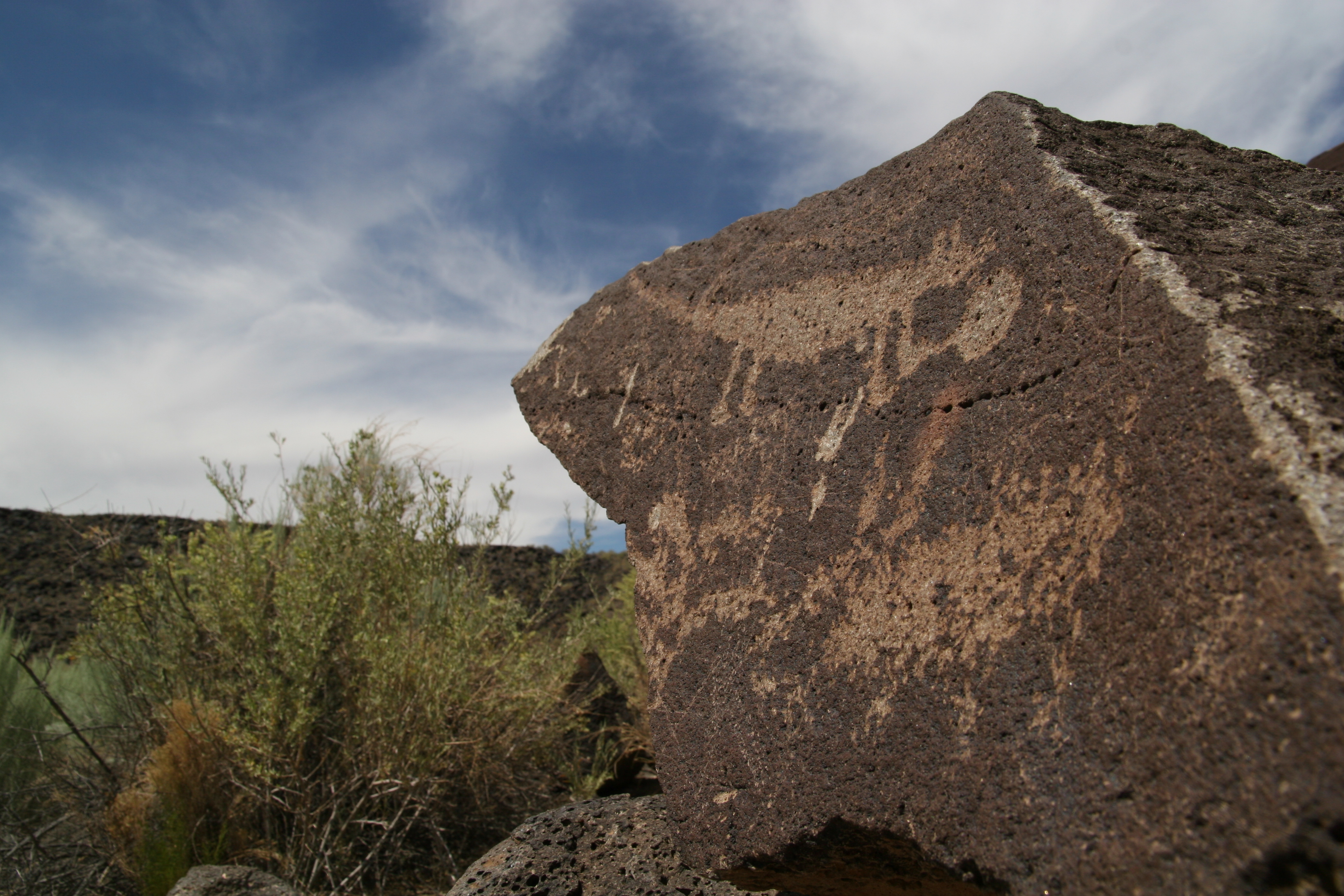
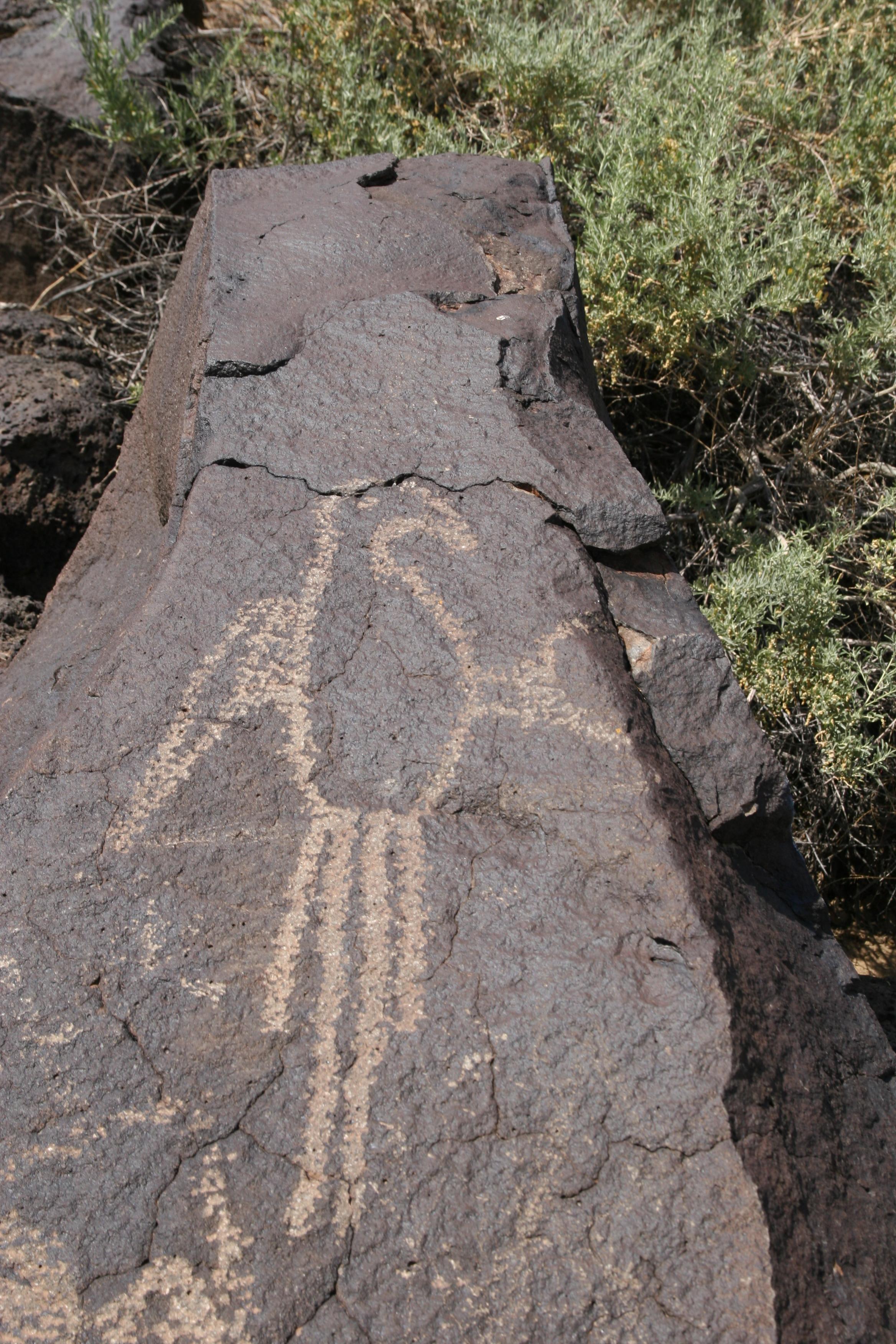
Hundreds of petroglyphs, etched by Native Americans and Spanish settlers 400 to 700 years ago, line the volcanic basalt escarpment. This is a site for contemplation, not adventure. Short, flat trails offer a relaxed pace past the carvings. The monument scores 47 on our experience scale, reflecting its compact footprint and limited trail variety, not a weakness in its core offering. For a half-day of cultural depth and easy walking, this monument delivers. Those seeking multi-day backcountry adventure should look elsewhere. Free admission and proximity to Albuquerque make it an accessible stop for visitors to New Mexico.
What makes it worth it
This monument offers a unique concentration of ancient petroglyphs. Its primary appeal lies in accessing these carvings on volcanic rock, a feature difficult to find elsewhere in the American Southwest. A visit centers on the educational context provided by the visitor center and park film. Then, front-country trails allow direct viewing of the spiral, animal, and human figures. Birding opportunities and wildlife viewing along the escarpment provide additional interest. For families, the Junior Ranger program encourages detailed observation of the carvings. The entire experience can be completed in two to three hours. This makes it an ideal complement to a larger Albuquerque itinerary, rather than a primary destination.
Who should go
This destination caters to those interested in Indigenous and Spanish colonial heritage in the Southwest. Its short, paved trails suit casual walkers and families with young children. The documented breadth and access make it particularly rewarding for history buffs and archaeology enthusiasts. Those desiring elevation, solitude, or a backcountry challenge will find this offering insufficient. They should instead consider alternatives like the Sandia Mountains.
When to go
Autumn presents optimal conditions. Spring, however, brings sustained winds of 20 to 30 mph, leading to significant blowing sand and dust; this severely impacts visitor comfort and the enjoyment of features like petroglyphs. Summer mornings are viable for early arrivals. Winter offers clear, cold conditions and generally fewer visitors.
Highlights
- Hundreds of petroglyphs carved by Native Americans and Spanish settlers over the past 400 to 700 years
- Free admission with easy access from Albuquerque, making it a no-cost cultural stop
- Short, paved front-country trails accessible to most fitness levels and ages
- Junior Ranger Program that gives kids a concrete, structured way to engage with the carvings
- Birdwatching and wildlife watching along the volcanic escarpment
- Visitor center with a park film and bookstore for cultural and historical context before hitting the trails
Plan ahead
This unit offers a rare urban natural experience, freely accessible with well-maintained amenities. Full restrooms, picnic tables, and shaded seating provide comfort. Trail access is segmented; visitors must select their trailhead carefully. Given its urban location, cellular service is reliably present. This destination caters to those seeking convenient outdoor access within an urban framework.
Editor's tipSerious photographers will want to time their visit to capture the petroglyphs in optimal light. Early morning or late afternoon offers the best conditions. At these times, the low-angle sun illuminates the basalt, making the carved lines prominent. Midday light, however, flattens the images. Many carvings become nearly invisible in photographs taken during these hours.