parkverdict
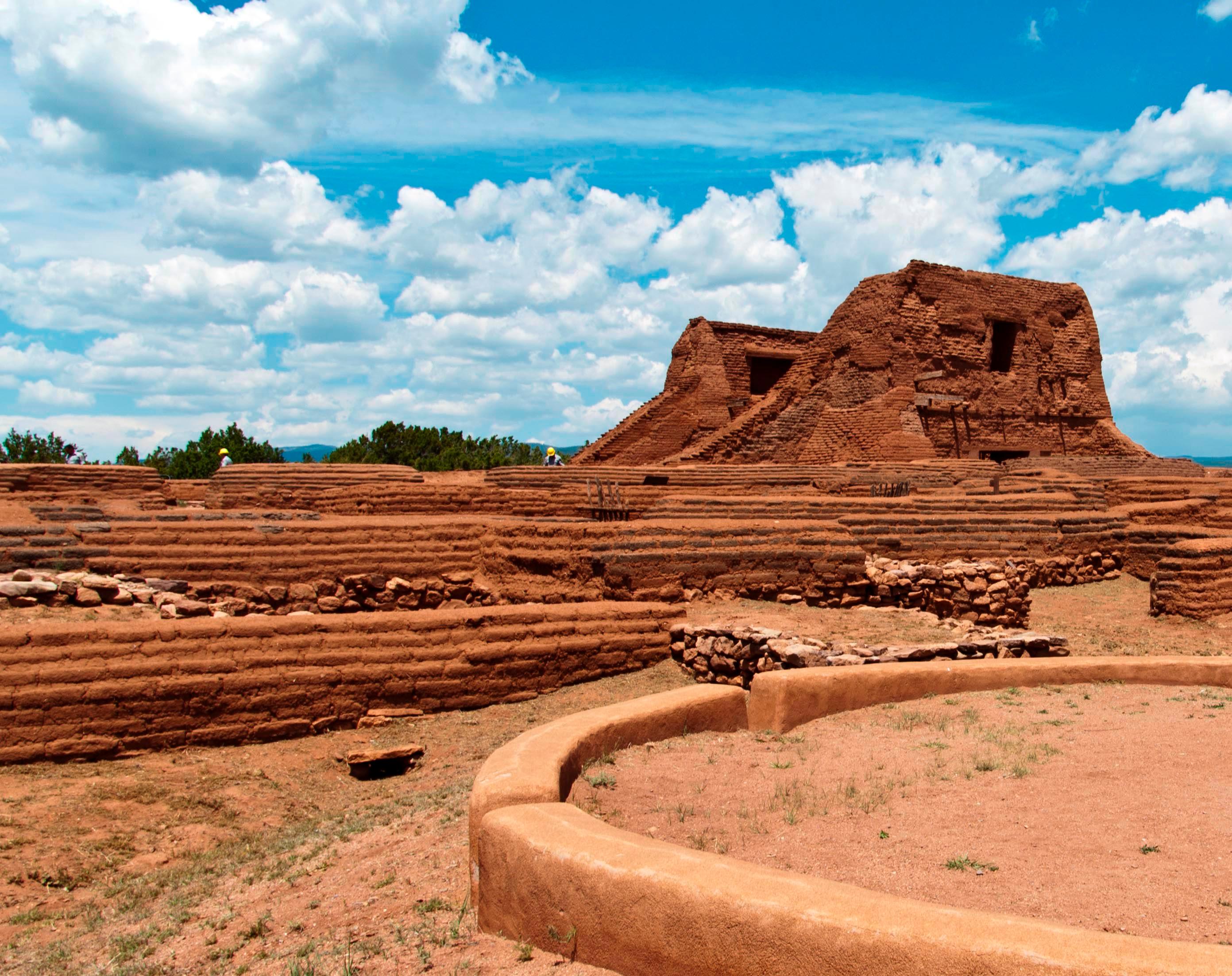
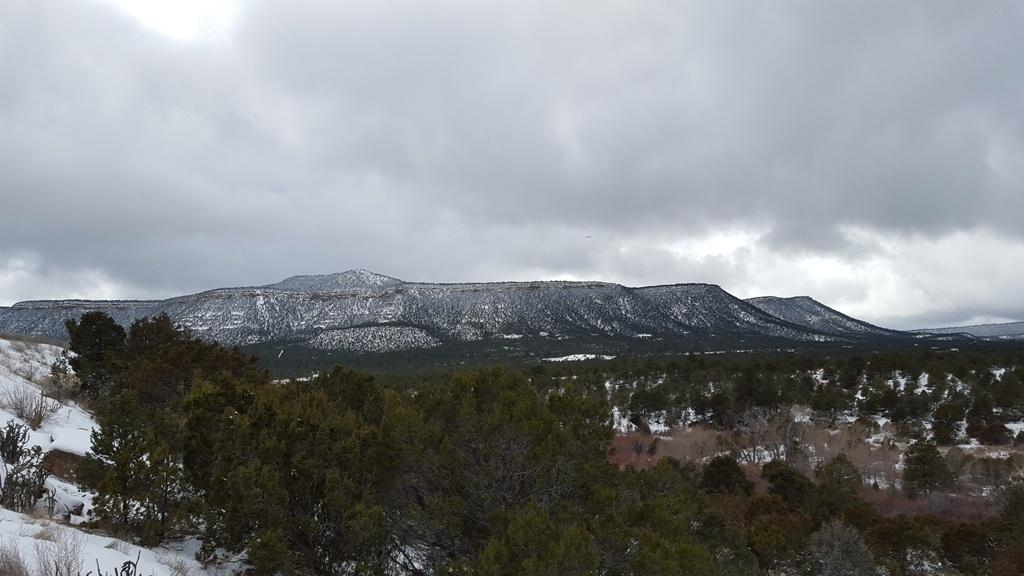
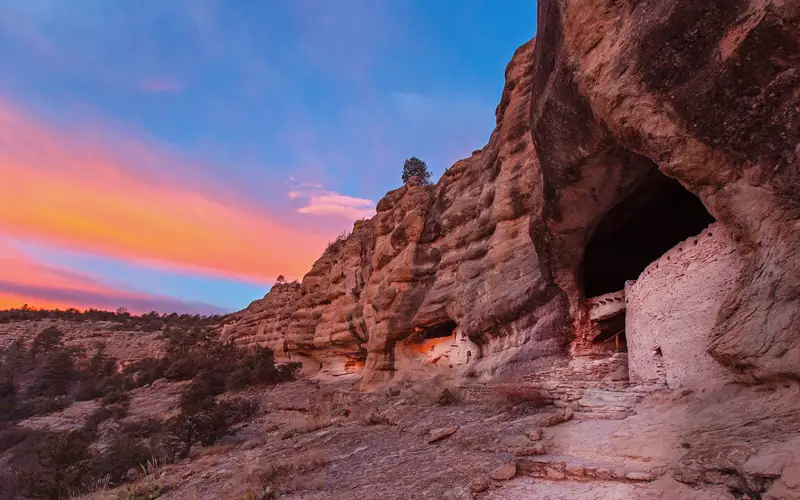
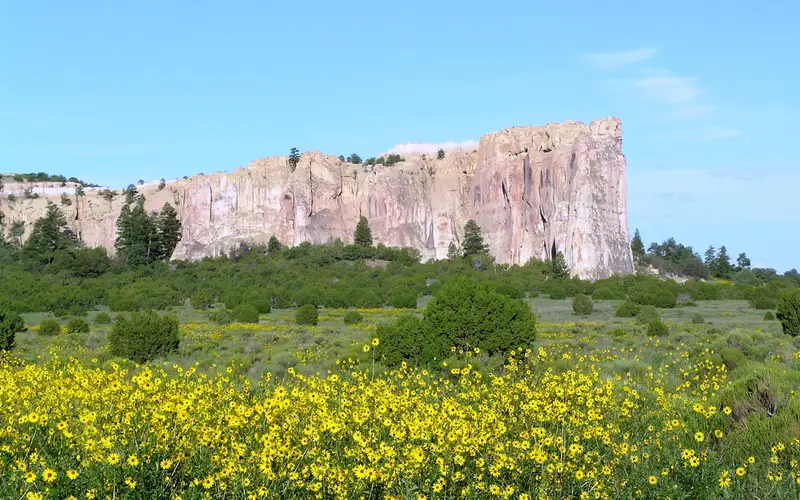
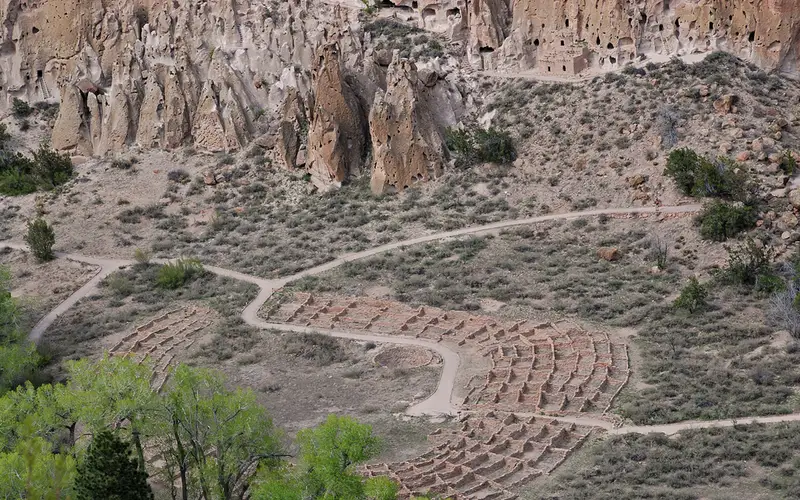
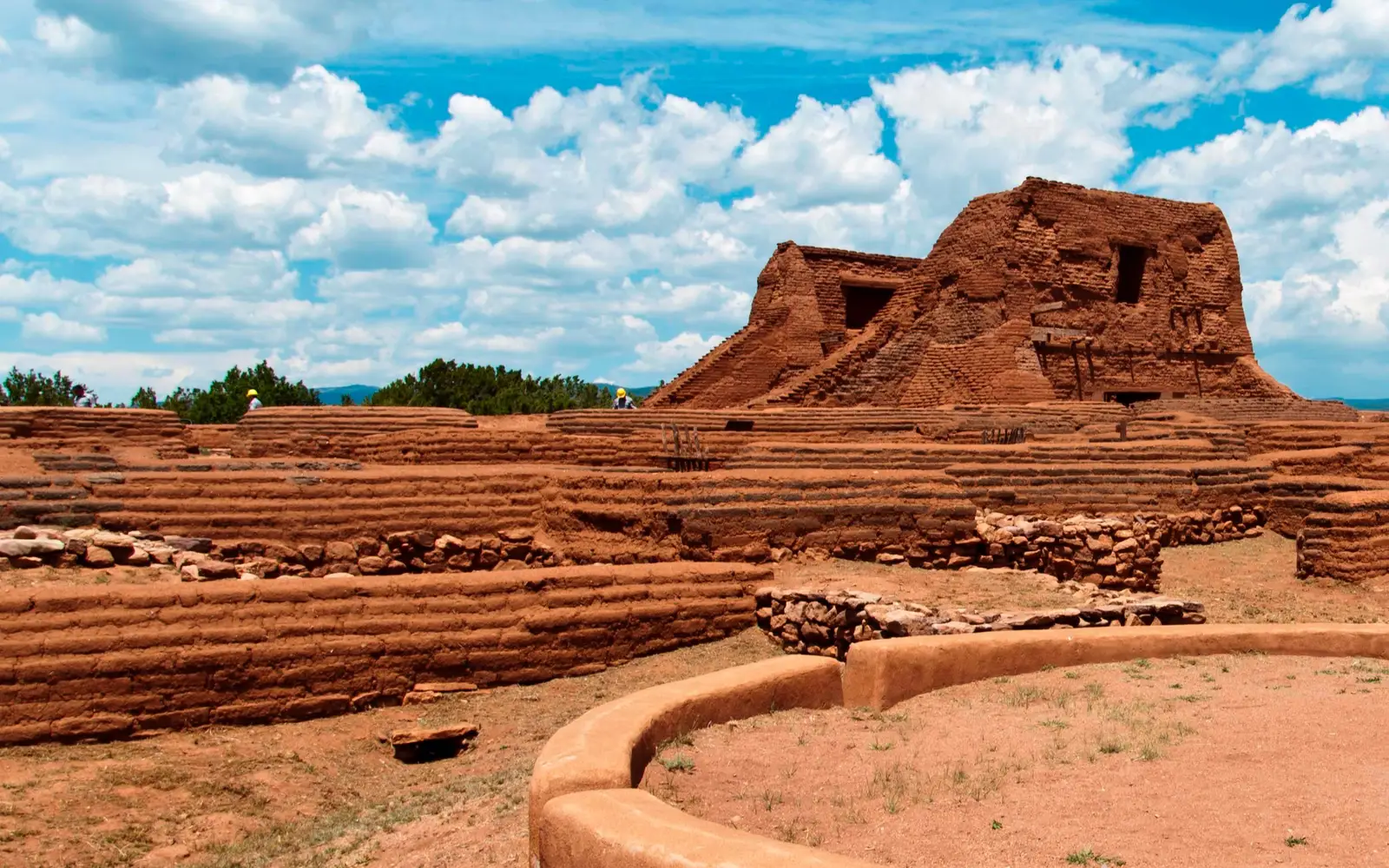
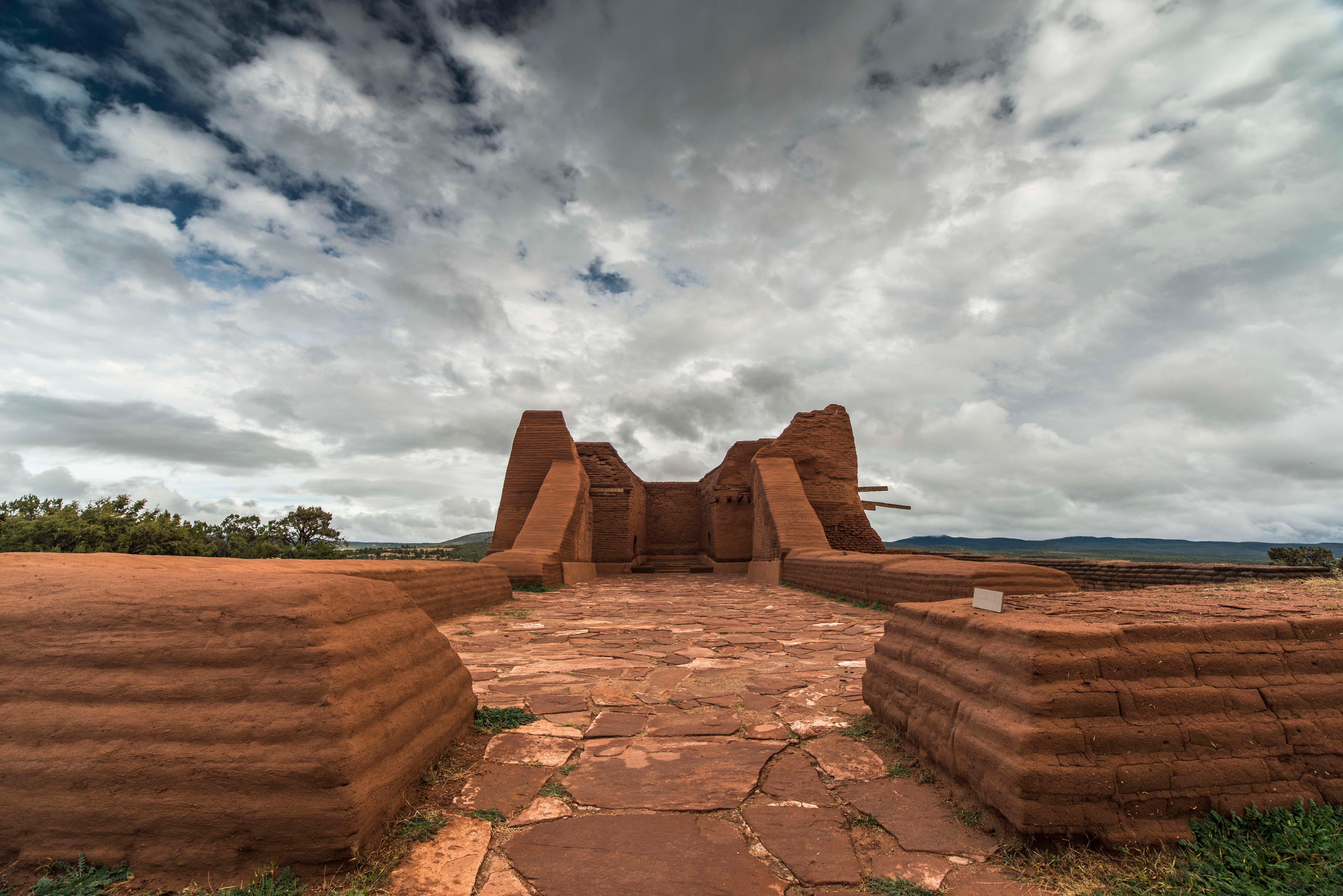
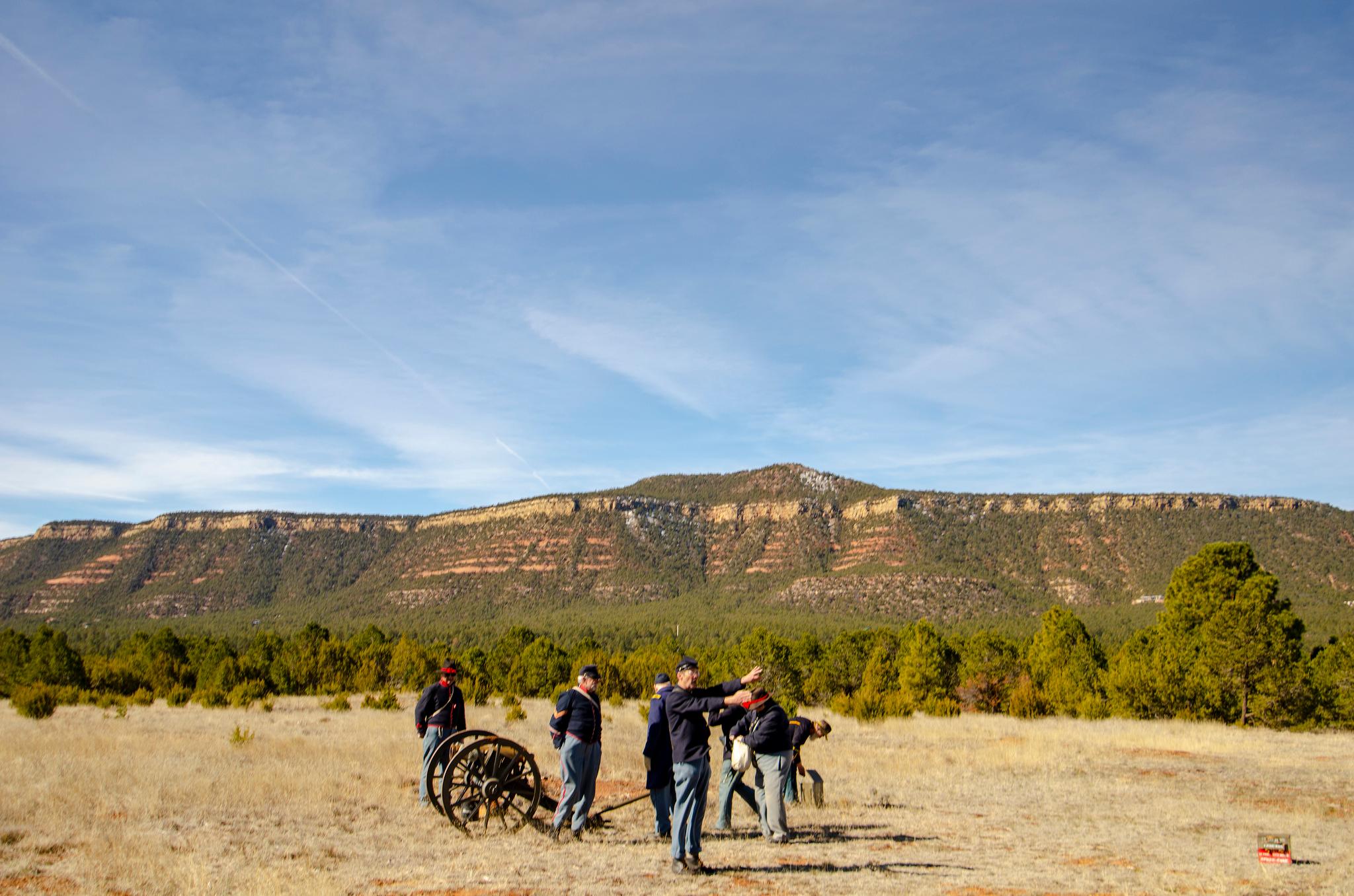
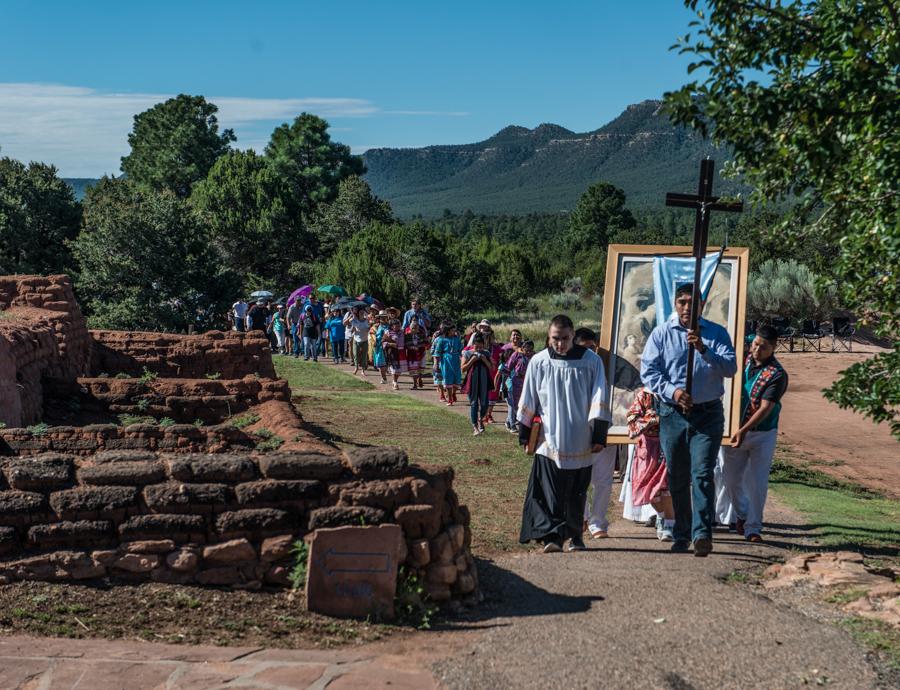
Church and preservation workers in distance, kiva in foreground.jpg (943 kb)An adobe building under cloudy skies.Reenactors prepare a cannon under a mesa and blue skies.A line of people walk past adobe bricks, trees, and the road.
National Historical ParkNM

Pecos National Historical Park

NPS / NPS Photo
74/ 100WIDE RANGE
parkverdict Experience ScoreIndependent, not sponsored

74 of 100. Our independent breadth-and-access index. How we score

Our verdict

Should you visit Pecos National Historical Park?

Pecos National Historical Park sits in northern New Mexico at nearly 7,000 feet, and for such a compact site it carries a remarkable amount of history.

The main draw is the ruined Pueblo and the Spanish colonial mission built beside it, together tracing centuries of cultural collision, trade, and survival. That high desert elevation gives the place an atmosphere most larger, more polished parks simply do not have. This is not a sprawling wilderness destination. A thorough visit runs somewhere between half a day and a full day, which makes it easy to fold into a road trip without rearranging anything. In that time you can walk among the ruins, spend a while in the museum, and come away with a genuine feel for what happened here. Considering its historical weight, Pecos draws surprisingly few visitors, and that relative quiet is a big part of what makes it worth stopping for. Admission is free, so there is really no good reason to drive past.

What makes it worth it

A good day at Pecos starts at the visitor center museum, which provides essential context before you step outside. From there, self-guided walking trails lead directly through the pueblo ruins and mission remnants, making the history tangible rather than theoretical. Guided tours add interpretation that the ruins alone cannot fully convey. Cultural demonstrations occasionally bring traditional practices to life on-site. If you have kids, the Junior Ranger program gives them a structured way to engage. The park also sits near the Pecos River, and fishing and fly fishing are documented activities, meaning a visit can be paired with time on the water for a more complete outdoor experience. Picnic facilities make a relaxed midday stop easy to plan.

Who should go

History-focused travelers, especially those drawn to Pueblo cultures and Spanish colonial New Mexico, will find this deeply satisfying. Families with children benefit from the Junior Ranger program and walkable ruins. Road-trippers moving between Santa Fe and the eastern plains should absolutely stop here. Visitors seeking big wilderness hiking or dramatic scenery should look elsewhere, like nearby Pecos Wilderness.

When to go

Late spring through early fall is the sweet spot at 7,000 feet, where temperatures run noticeably cooler than most of New Mexico's lower-elevation areas. July and August afternoons bring reliable monsoon storms, so mornings are the better bet those months. Fall means crisp air and thinner crowds. Winter visits can work on days the park stays open, but the cold at high desert elevation bites hard, so dress in real layers and confirm the park isn't closed for a major holiday.

Highlights

  • Walking the ruins of one of the largest pre-Columbian pueblos in the Southwest
  • Exploring the Spanish colonial mission site alongside the pueblo remains
  • Guided tours that provide layered interpretation of centuries of cultural exchange
  • Fly fishing and fishing access near the Pecos River
  • A well-curated museum that sets the historical stage before you hit the trail
  • Junior Ranger program that keeps kids actively engaged throughout the visit

Plan ahead

Getting in is free, which makes it a simple stop to work into any northern New Mexico trip. The park is open every day from 8:00 am to 4:30 pm, except on Thanksgiving, Christmas, and New Year's Day. The elevation sits at nearly 7,000 feet, and that catches some people off guard, so drink plenty of water and take it slow if you're arriving from sea level.

Editor's tipPecos falls almost exactly on the natural line between Santa Fe and places like Carlsbad Caverns or the Texas panhandle, by way of I-25 and Highway 63. Folding it into your drive instead of treating it as a side trip adds almost nothing to your time, and you come away with one of the more overlooked historical sites in the whole Southwest.

How we scored it

Why Pecos National Historical Park scores 74

We keep the math boring on purpose. The same handful of public-data inputs, capped so none of them dominates, decide every score. What they measure is breadth and access, not beauty and not crowd levels. For Pecos National Historical Park, they shook out like this:

  • Activity breadth14 documented activities
  • Topic breadth36 topics
  • Official imagery5 public-domain images
  • Camping on sitenone recorded
  • Entry costfree

No number is hand-adjusted and no unit pays for placement. The full weights, the floor at 18 and a worked example are on how we score.

The honest limits

What the number leaves out

Worth saying plainly: this number only knows what the data shows, which is breadth and access. It has no idea whether the scenery is jaw-dropping, whether the lot is a zoo in July, what shape the trails are in, or how good the guided walks are. So do not read a lower score as a worse day out. A focused little site can beat a big all-rounder for the right person. Compare the numbers for what is on offer, then read the verdict for who each place actually suits.

Background

The short version

People have been moving through Pecos for centuries - hunters, gatherers, traders, missionaries, immigrants, soldiers, ranchers - some passing through, others staying. You can walk the same ground they did. A handful of sites still hold cultural demonstrations and traditional practices, carried on by descendants of the people who actually lived here. The past has a way of sticking around in this place.

On documented breadth and access, Pecos National Historical Park ranks 10th of 23 park and public-land units we score in New Mexico.

What the seasons are like

Pecos National Historical Park is perched at nearly 7,000 feet in the high desert of Northern New Mexico, and that altitude is no joke. Know your limits before you go. Dress for the season, drink plenty of water, and get sunscreen on before you step out of the car. The terrain here is uneven enough that comfortable shoes make a real difference. If you want to stop for lunch or a snack, there are picnic tables available.

What you can do

Activities

Arts and CultureCultural DemonstrationsFishingFly FishingFoodPicnickingGuided ToursSelf-Guided Tours - WalkingHikingFront-Country HikingJunior Ranger ProgramMuseum ExhibitsShoppingBookstore and Park Store
Common questions

Pecos National Historical Park: quick answers

Is Pecos National Historical Park worth visiting?

Pecos National Historical Park sits in northern New Mexico at nearly 7,000 feet, and for such a compact site it carries a remarkable amount of history.

Is Pecos National Historical Park free to visit?

It is free to get in.

What is Pecos National Historical Park best for?

It leans hardest toward hiking, good with kids, water activities, guided tours, going by the 14 activities it actually documents.

When is the best time to visit Pecos National Historical Park?

Late spring through early fall is the sweet spot at 7,000 feet, where temperatures run noticeably cooler than most of New Mexico's lower-elevation areas.

How is the Experience Score for Pecos National Historical Park calculated?

The 74 comes straight from public data on how much the place documents and how easy it is to reach, things like activities, topics, photos, camping and whether entry is free. It says nothing about scenery or how busy it gets.