Is Palo Alto Battlefield National Historical Park worth it?
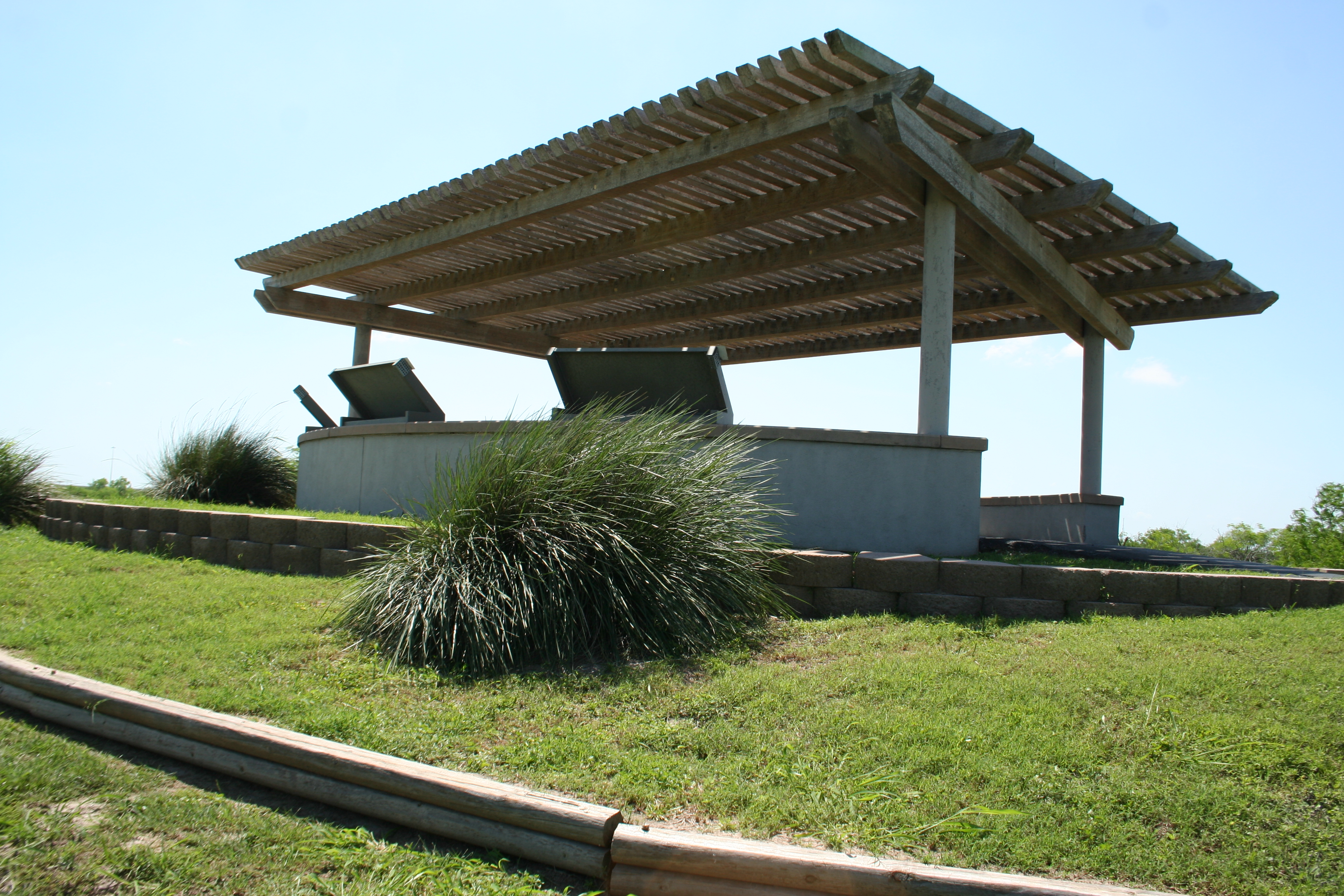
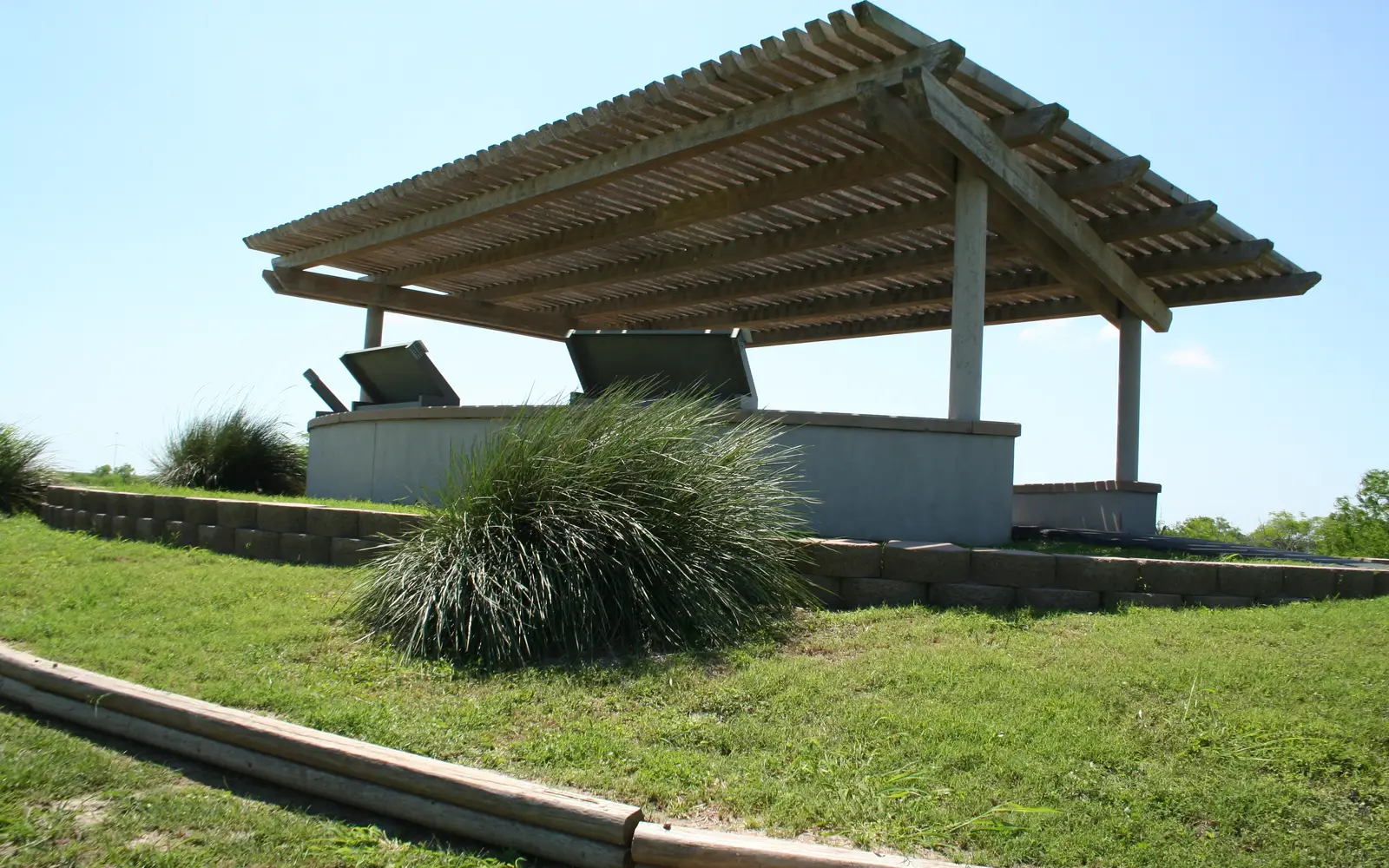
Palo Alto Battlefield is a compact but substantive historical park on the flat coastal prairie just north of Brownsville, Texas, preserving the site of the opening engagement of the Mexican-American War on May 8, 1846.
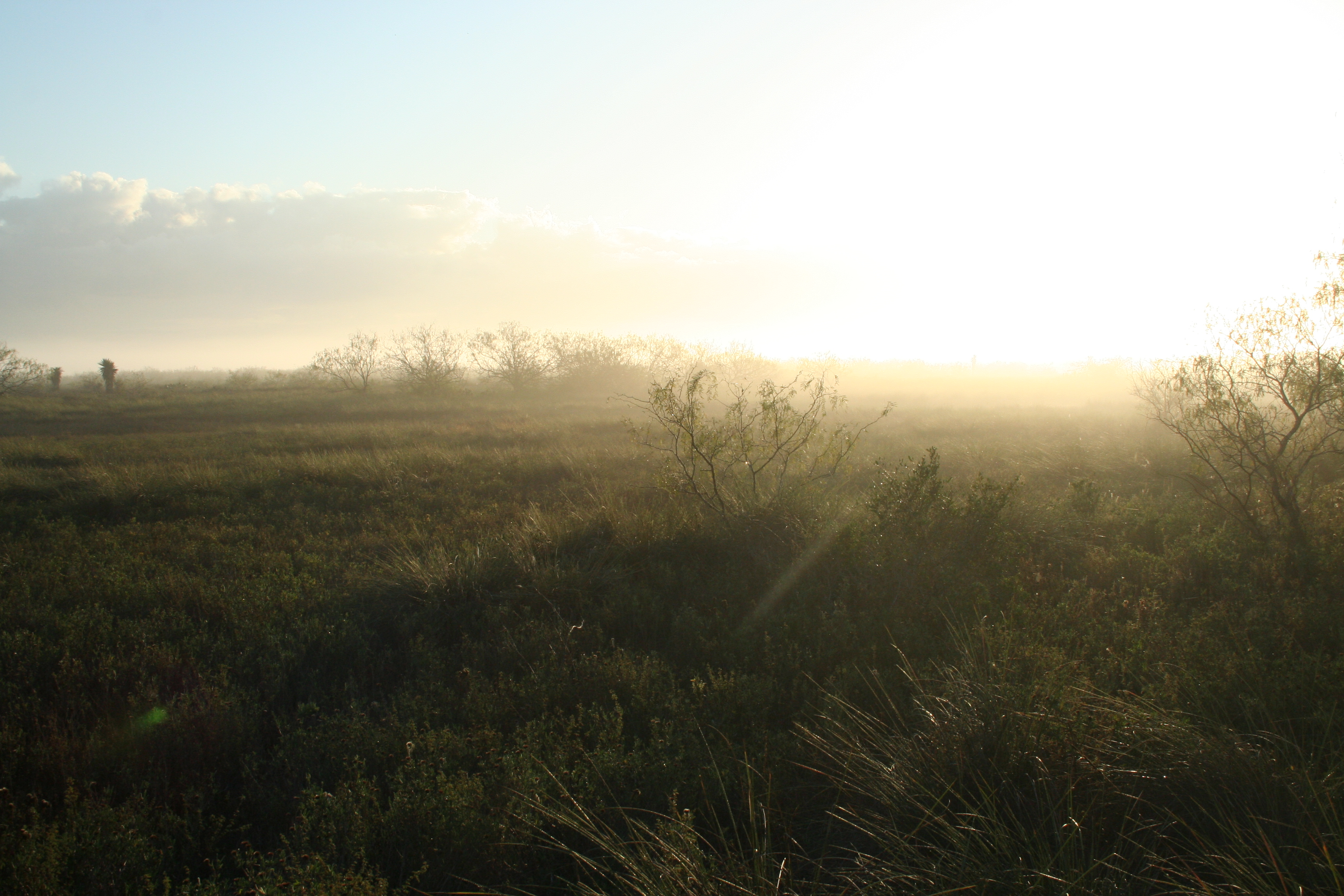
This was not a minor skirmish - it was the first battle of a conflict that ultimately redrew the map of North America and set the boundary of the United States at the Rio Grande. The physical landscape is largely unchanged prairie, which is both the point and the limitation. There are no dramatic vistas or towering monuments. What you get instead is a layered interpretive experience: a strong visitor center with museum exhibits and a park film, living history and historic weapons demonstrations when staffed, and walking trails across the actual ground where artillery fire shaped a continent. For history-focused travelers in the Rio Grande Valley, this is a genuinely rewarding stop.
The case for it
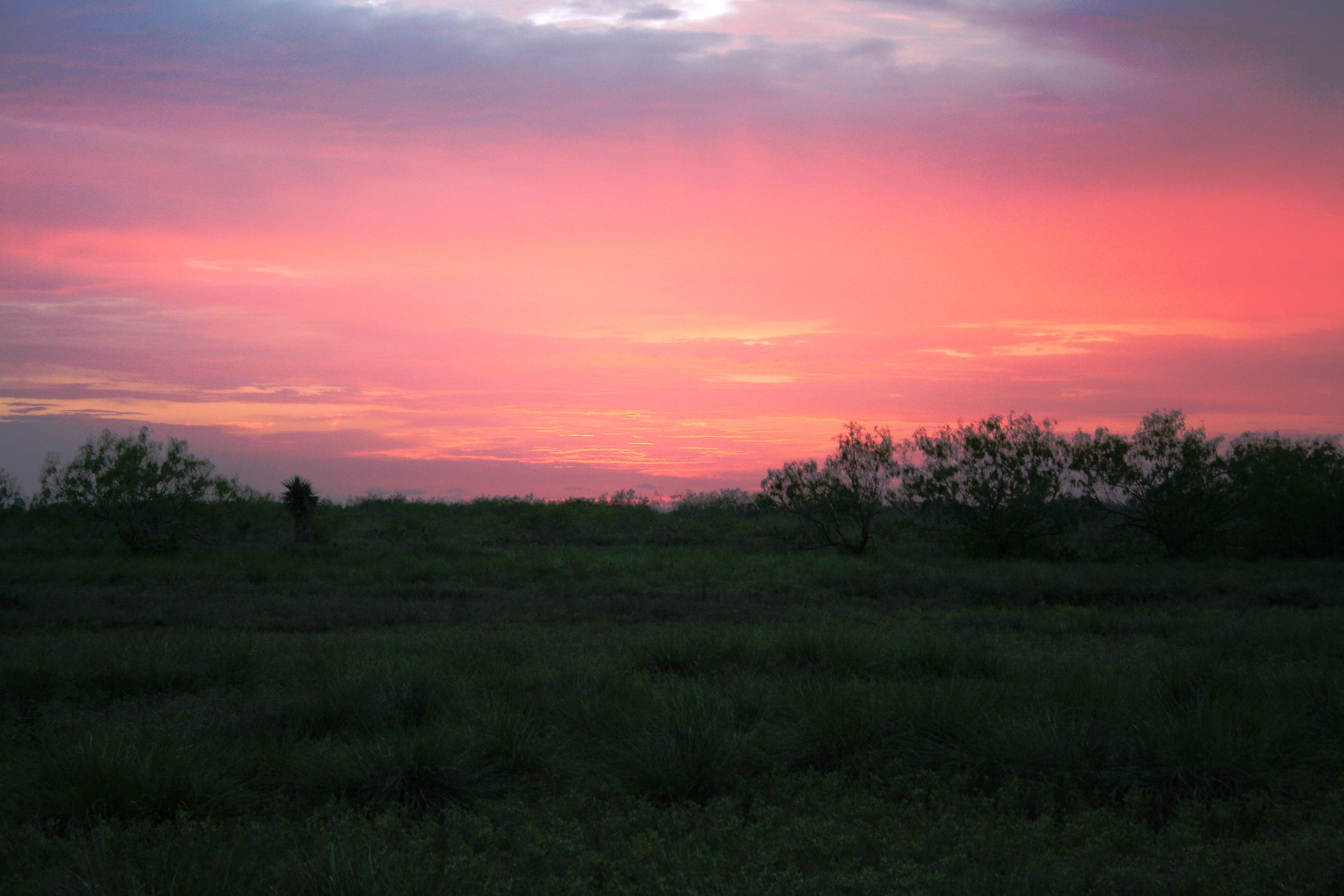
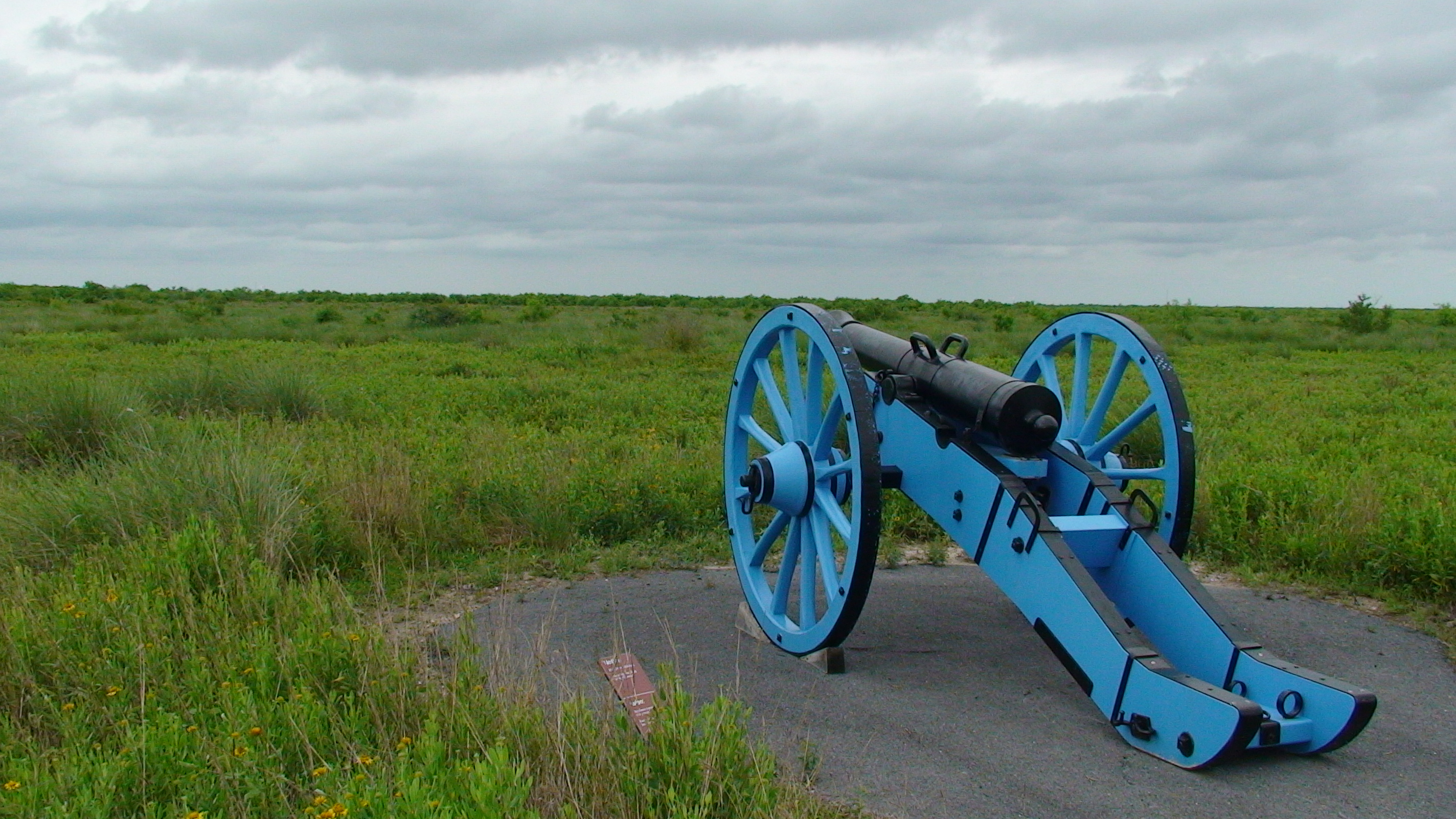
This unit offers more than a simple battlefield walk. The visitor center provides essential context, exploring the 1846 battle and the Mexican-American War with a binational perspective. Self-guided trails cross the preserved prairie, revealing the battlefield's original character. When staffed, living history and weapons demonstrations illuminate artillery tactics. Birdwatchers will appreciate the productive South Texas coastal prairie. The trail system welcomes both bikers and walkers. With its Junior Ranger program, this park makes a strong case as a family destination, rather than merely an adult history lesson.
Who it is for
This park serves a niche audience well. History enthusiasts, especially those focused on U.S.-Mexico relations, 19th-century military history, or the Southwest's origins, will find it deeply rewarding. South Texas birders should consider it a priority. Travelers passing through Brownsville, whether to Mexico or South Padre Island, can justify a two-hour visit. However, if dramatic scenery or extensive trail networks are your goal, look elsewhere.
Best time to visit
Optimal visiting conditions are in spring, from March through May, with mild temperatures and active birdlife on the prairie. Fall presents a risk of heavy rain from August through October due as tropical systems move through the area. Summer is difficult due to heat, humidity, and sun exposure on trails. Winter is generally pleasant, but subject to sudden, dramatic temperature drops from fast-moving cold fronts.
Worth seeing
- Walking the preserved 1846 battlefield prairie on self-guided trails, one of the few intact sites from the Mexican-American War
- Museum exhibits and park film providing honest binational context on a conflict most Americans know little about
- Historic weapons demonstrations that illustrate the artillery tactics that defined the battle's outcome
- Living history and first-person interpretation programs when staffed
- Birdwatching on South Texas coastal prairie, a productive region for species diversity
- Free admission with a well-stocked bookstore and park store for deeper reading on the war and its legacy
Before you visit
Entry to the grounds is free, open daily from 8 am to 5 pm. The visitor center's schedule varies based on staffing; confirm hours for living history programs or guided tours before your visit. Situated near Brownsville, the park's proximity to the U.S.-Mexico border means potential traffic delays. Factor this into travel plans when driving from elsewhere in the Valley.
Our tipChecking the park's event calendar is essential. Historic weapons demonstrations and living history programs elevate this site. These offerings are not daily occurrences; advance knowledge of the schedule is critical. It