Is Padre Island National Seashore worth your trip?
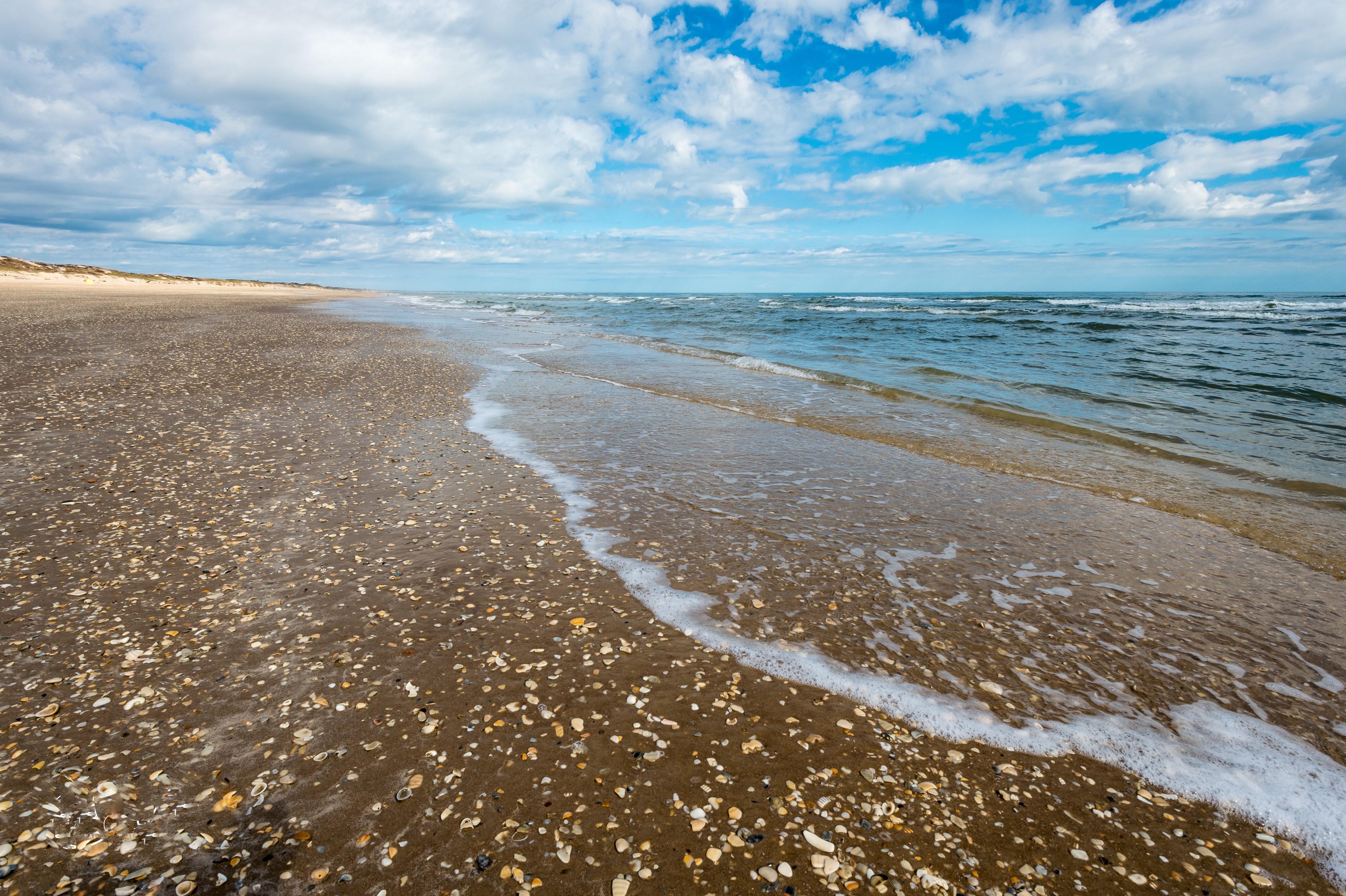
Padre Island National Seashore offers 66 miles of undeveloped Gulf Coast barrier island in South Texas.
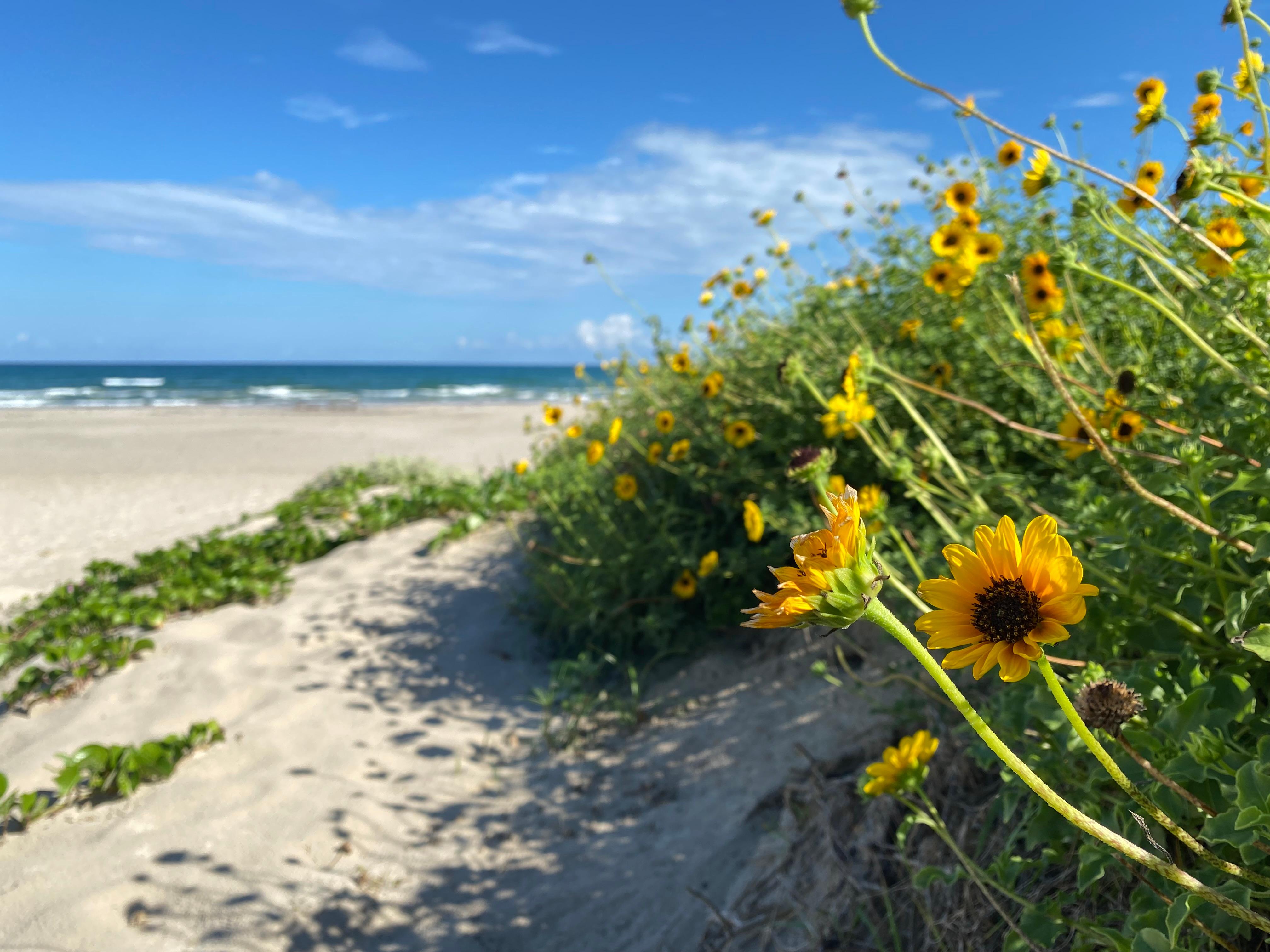
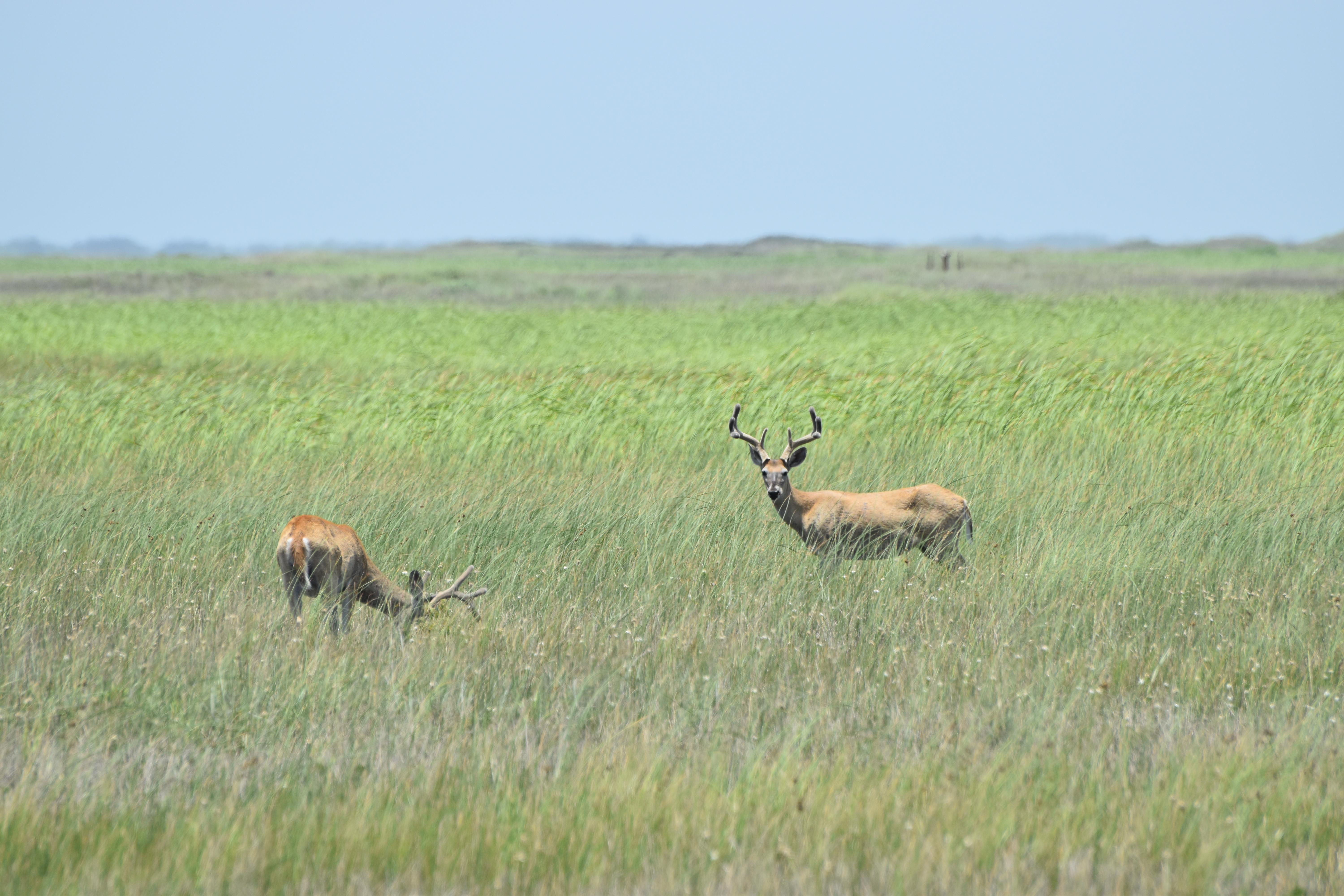
This sheer scale defines the experience. It is not a manicured resort. The initial paved road quickly transitions to open beach driving. Beyond this, the territory is genuinely backcountry. The Laguna Madre side presents a distinct environment. This hypersaline lagoon attracts extraordinary concentrations of shorebirds and wading birds. A 90 out of 100 experience score indicates the documented breadth here is significant. Beach camping, paddling, fishing, and stargazing away from urban light pollution are all present. Off-road driving is a primary activity. Serious birdwatching is well-supported. For a coastal wilderness experience within driving distance of the Texas interior, this is one of the most accessible and genuinely wild options in the national park system.
Why go
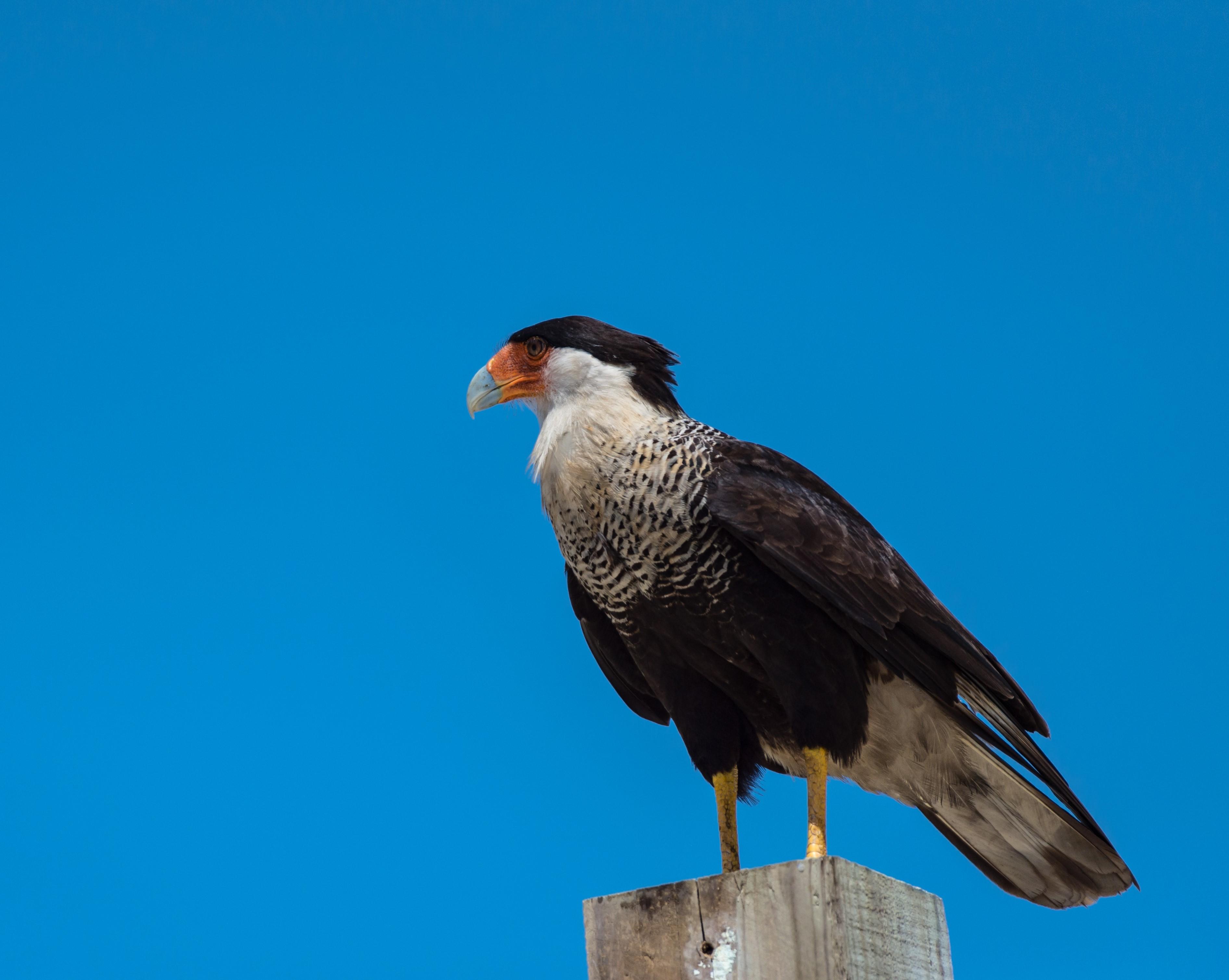
This barrier island unit offers a compelling weekend. Driving directly onto the beach to camp brings the waves within earshot. Days here fall into a pattern of saltwater swimming, surf fishing, and observing brown pelicans and other shorebirds. The lack of significant development ensures genuinely dark skies for stargazing. Kayakers and canoeists will find the Laguna Madre, a shallow hypersaline lagoon, particularly rewarding. It serves as a critical stopover on the Central Flyway, hosting bird species uncommon elsewhere. Birders during migration periods can expect extensive lists. The Junior Ranger program suits families. With 24-hour access, sunrise on the beach is readily achievable without gate concerns.
Best for
This park caters to specific interests: beach camping, surf angling, birding, and paddling. Its appeal lies in wild coastlines, not extensive amenities. Families seeking genuine outdoor experiences, rather than theme-park diversions, will find ample opportunity. Conversely, those prioritizing developed trails, forested landscapes, or dramatic geological landmarks should consider other destinations. Urban visitors expecting a brief afternoon excursion may find its scale demands a more significant time commitment.
Best season
Spring, from March through May, provides the most comfortable conditions, with temperatures in the high 70s to low 80s. This period also aligns with peak shorebird and migratory bird activity along the Laguna Madre flyway. Fall offers a second migratory wave, presenting similar avian diversity. Summer brings heat, humidity, and the fringes of hurricane season; however, beach camping and swimming maintain popularity. Winter fronts can generate gale-force winds, making tent camping genuinely difficult.
The high points
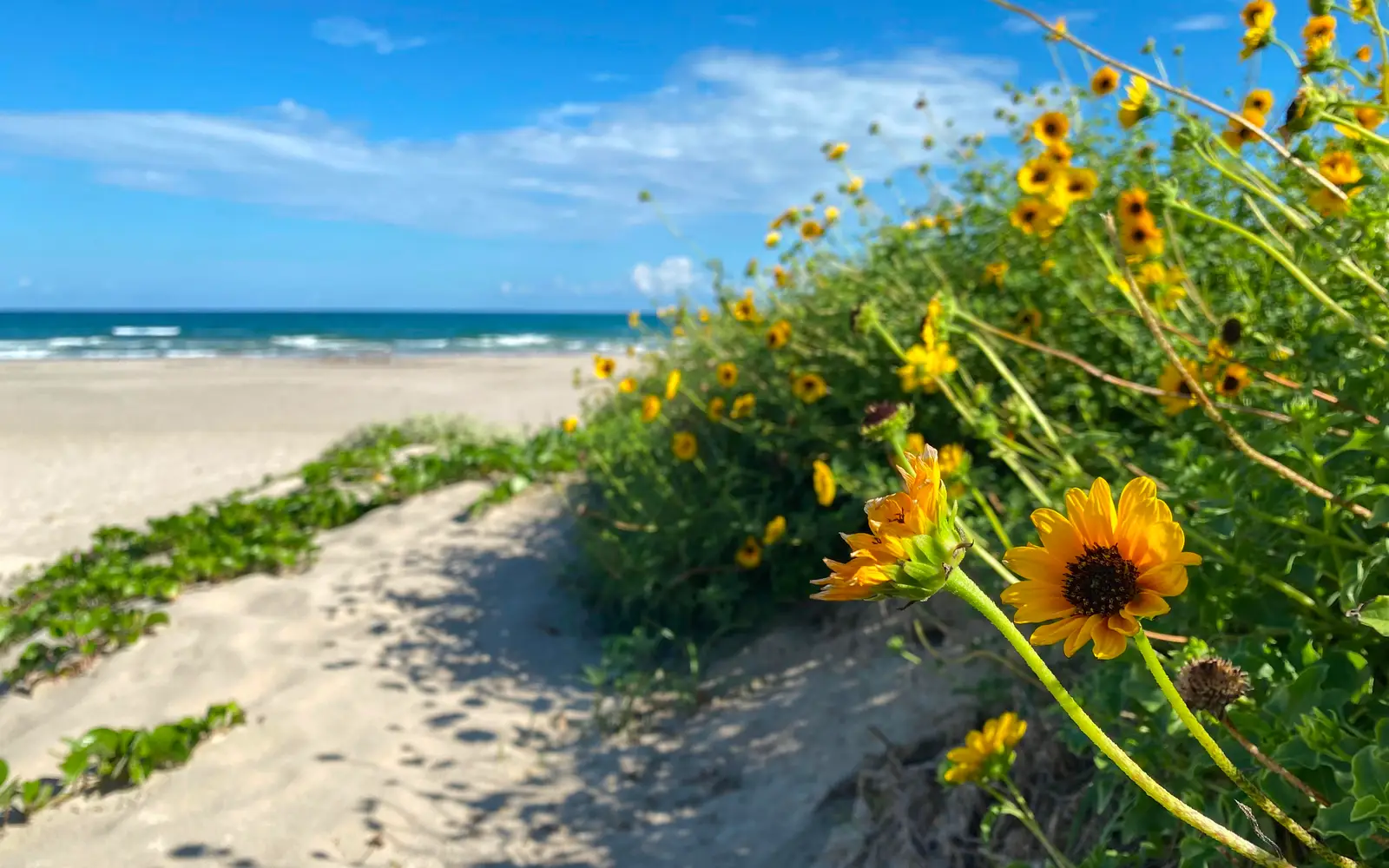
- Beach driving and backcountry camping directly on 66 miles of undeveloped Gulf Coast shoreline
- Saltwater fishing from the surf or by boat in productive Gulf and Laguna Madre waters
- Birdwatching along the hypersaline Laguna Madre, one of only two such lagoons in the world
- Dark-sky stargazing from a remote barrier island with minimal light pollution
- Kayaking and canoeing the shallow tidal flats and lagoon on the island's bay side
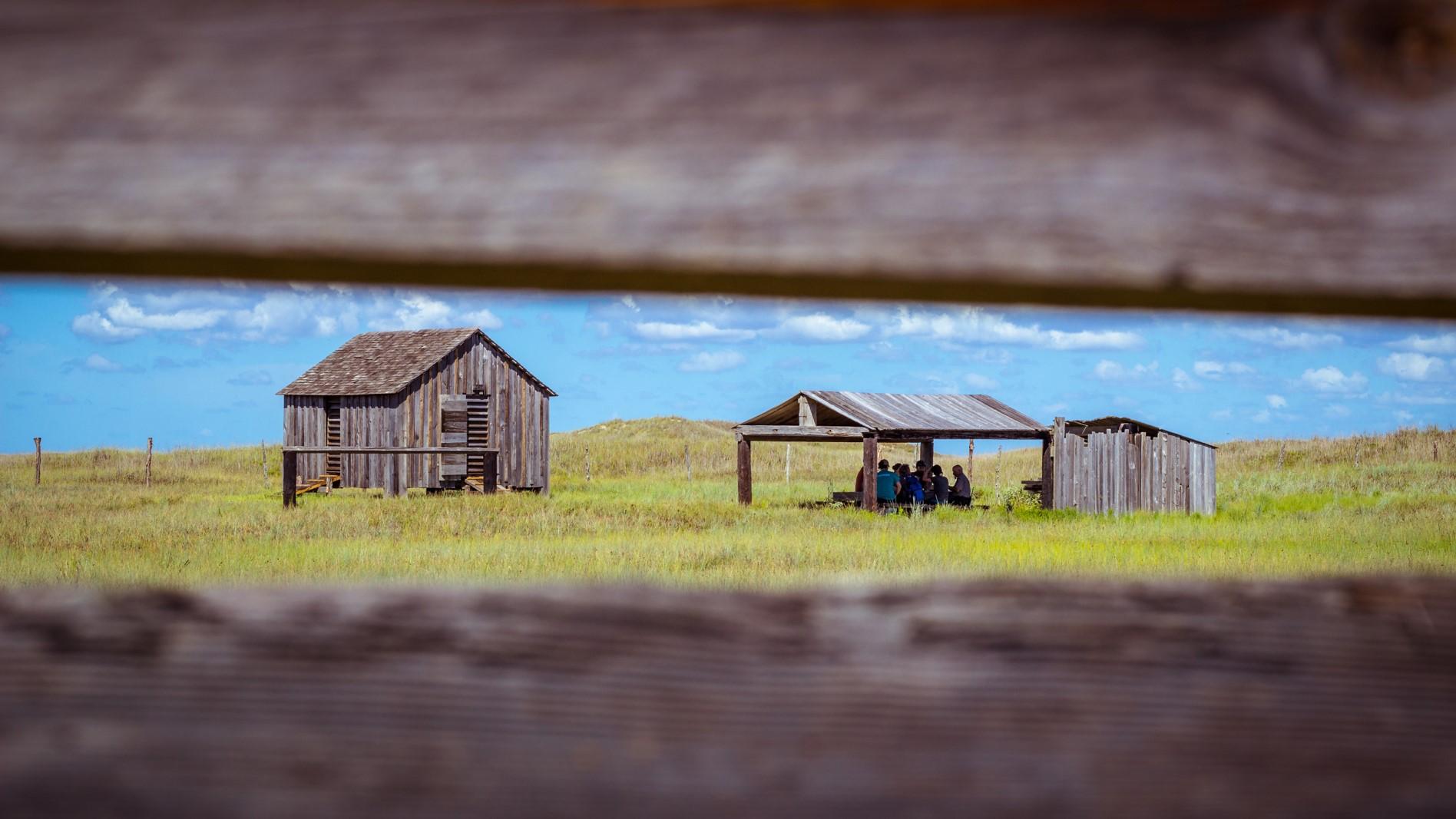
- Museum exhibits and a park film providing context on the island's Native American, Spanish, and ranching history
Know before you go
Access here is a key consideration. The $15 per vehicle entrance fee is standard, but the varying hours of the entrance station complicate on-site pass purchases. Acquire an America the Beautiful pass or confirm operating hours before arrival. For those intending to explore beyond the paved sections, a four-wheel drive vehicle is not merely suggested, it is strongly recommended for beach driving. Crucially, the island offers no services outside the visitor center vicinity. Provision all food, water, and fuel requirements in advance. This is not a destination for the unprepared.
One more thingDriving beyond the paved Malaquite area demands preparation. The park specifically recommends deflating tires to approximately 20 PSI for beach driving. Failure to do so risks becoming stuck on a remote stretch of barrier island. Reinflate tires before returning to paved surfaces.