Should you visit Orilla Verde Recreation Area?
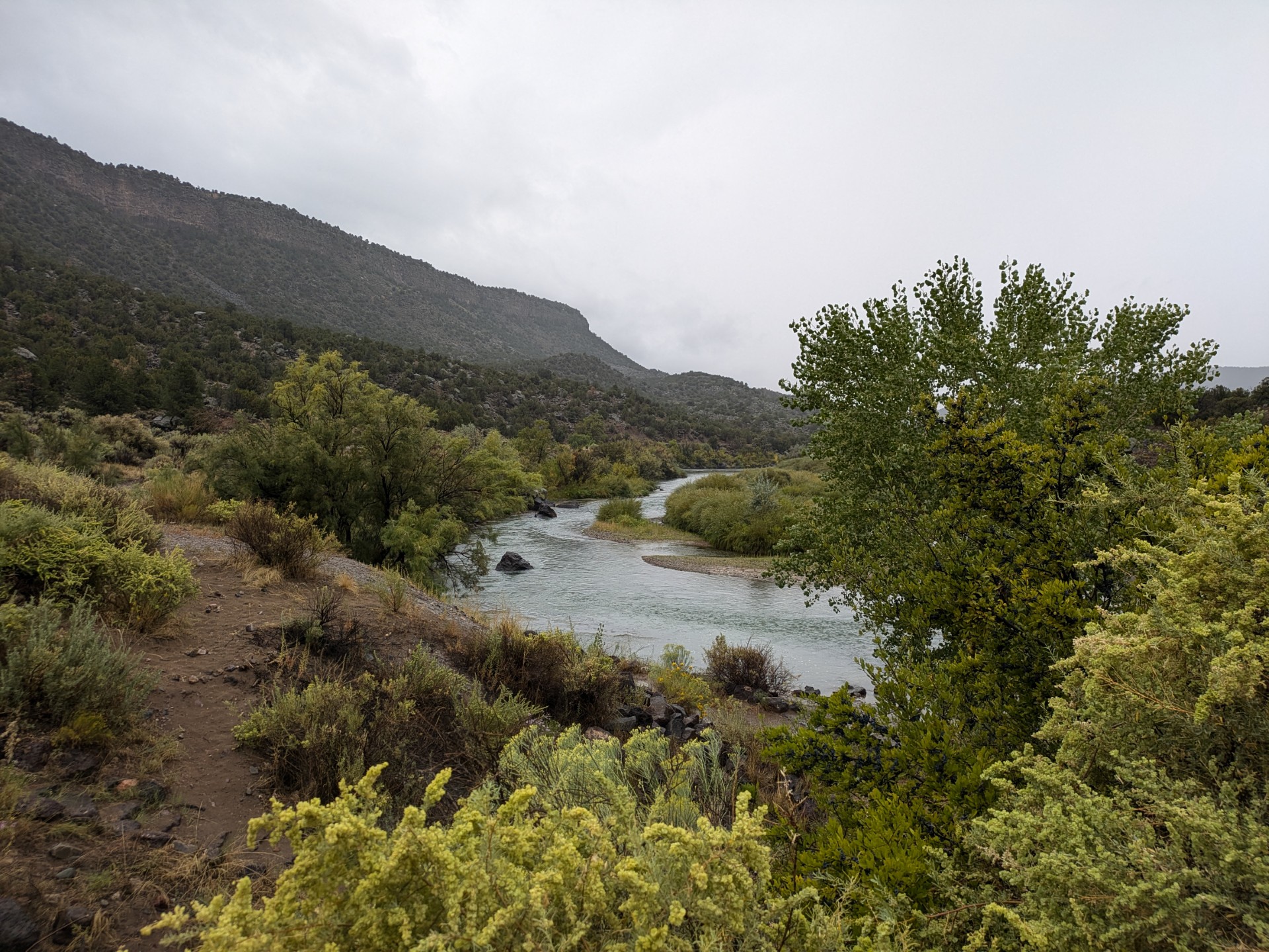
Orilla Verde Recreation Area, a unit of Rio Grande Del Norte National Monument, offers a high-desert river experience in northern New Mexico.
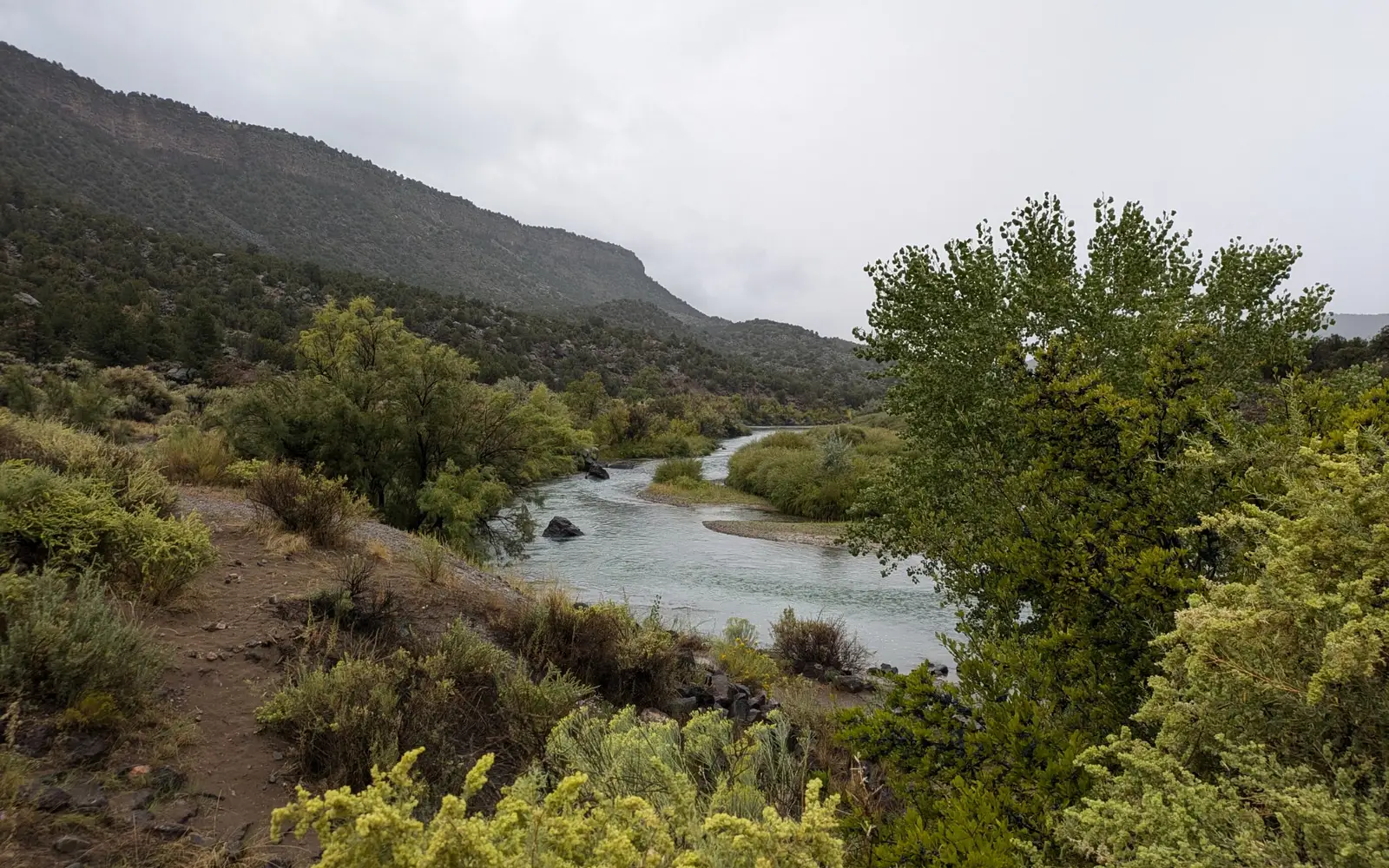
At 6,100 feet elevation, the Rio Grande carves an 800-foot-deep gorge. This is not a destination defined by a single major attraction. It functions as a multi-day activity hub centered on the river. Camping is available directly on the banks. The waters accommodate diverse pursuits, from calm stretches for kayaking and swimming to whitewater suitable for rafting. The canyon ecosystem supports raptors, waterfowl, beaver, and mule deer. Dark skies above the gorge rim enhance nighttime visitation. An Experience Score of 83 reflects documented access to hiking, biking, fishing, birding, paddling, and stargazing. This location suits those seeking a flexible, active long weekend in the Southwest, particularly those wishing to avoid crowds.
What makes it worth it
Orilla Verde offers a compelling case for diverse outdoor recreation. Its stretch of the Rio Grande provides gentle waters for kayaking and swimming, with sufficient rapids for mild whitewater rafting. Camping directly on the riverbank enables immediate access to fishing and birding, where eagles and hawks are documented along the canyon walls. The elevation change to the gorge rim, reaching 800 feet, supports hiking opportunities. For photographers, two distinct compositions emerge: the canyon walls reflected in the river, and the expansive high desert sky. New Mexico's low light pollution makes stargazing genuinely exceptional here. Documented access for bikers and RV travelers confirms this as a versatile destination.
Who should go
This destination caters to active outdoor travelers seeking water-based recreation amid desert canyon scenery. Paddlers, anglers, birders, and campers who favor riverside sites will find it particularly appealing. Families with children will discover calmer stretches suitable for swimming. However, visitors anticipating a polished interpretive experience or a singular, iconic viewpoint will be disappointed. Those averse to variable fees or dispersed camping logistics should conduct thorough research before committing.
When to go
This park serves a clear constituency. Kayakers and rafters will find ideal conditions in spring and early summer, when river flows crest. Anglers and birdwatchers should plan summer morning excursions before daily temperatures rise. Fall offers cooler weather and lighter visitation, suitable for hiking the canyon walls or stargazing. Winter travel requires careful planning: conditions at 6,100 feet can be severe, and river access is not guaranteed. Confirm current conditions before any winter visit.
Highlights
- Kayaking and swimming on the Rio Grande's gentle canyon stretches
- Riverside camping directly on the banks of a Wild and Scenic River
- Raptor watching in the gorge, including eagles and hawks riding canyon thermals
- Whitewater rafting on sections with light to moderate rapids
- Dark-sky stargazing above the gorge rim with minimal light pollution
- Wildlife diversity driven by the canyon's dramatic 800-foot elevation gradient
Plan ahead
The Rio Grande Del Norte National Monument offers a distinctive experience, managed by the BLM rather than the NPS. Fees vary by specific site and campground; consult the BLM Taos Field Office fee schedule. Cell service within the gorge is notably limited. Prudent visitors will download maps and confirm campsite availability ahead of time, particularly for weekend visits in spring and summer. This is an area for the prepared, where digital reliance gives way to self-sufficiency.
Editor's tipThe data suggests a clear preference for midweek visits. Campgrounds, especially near Taos, experience heavy weekend use. For optimal paddling conditions and fewer crowds, a Tuesday or Wednesday arrival in late spring is indicated. This timing offers the best chance to experience the canyon and river without significant congestion.