North Umpqua Wild and Scenic River: our verdict
The North Umpqua Wild and Scenic River corridor in Oregon scores an 83 for its activity density, a true reflection of its offerings.
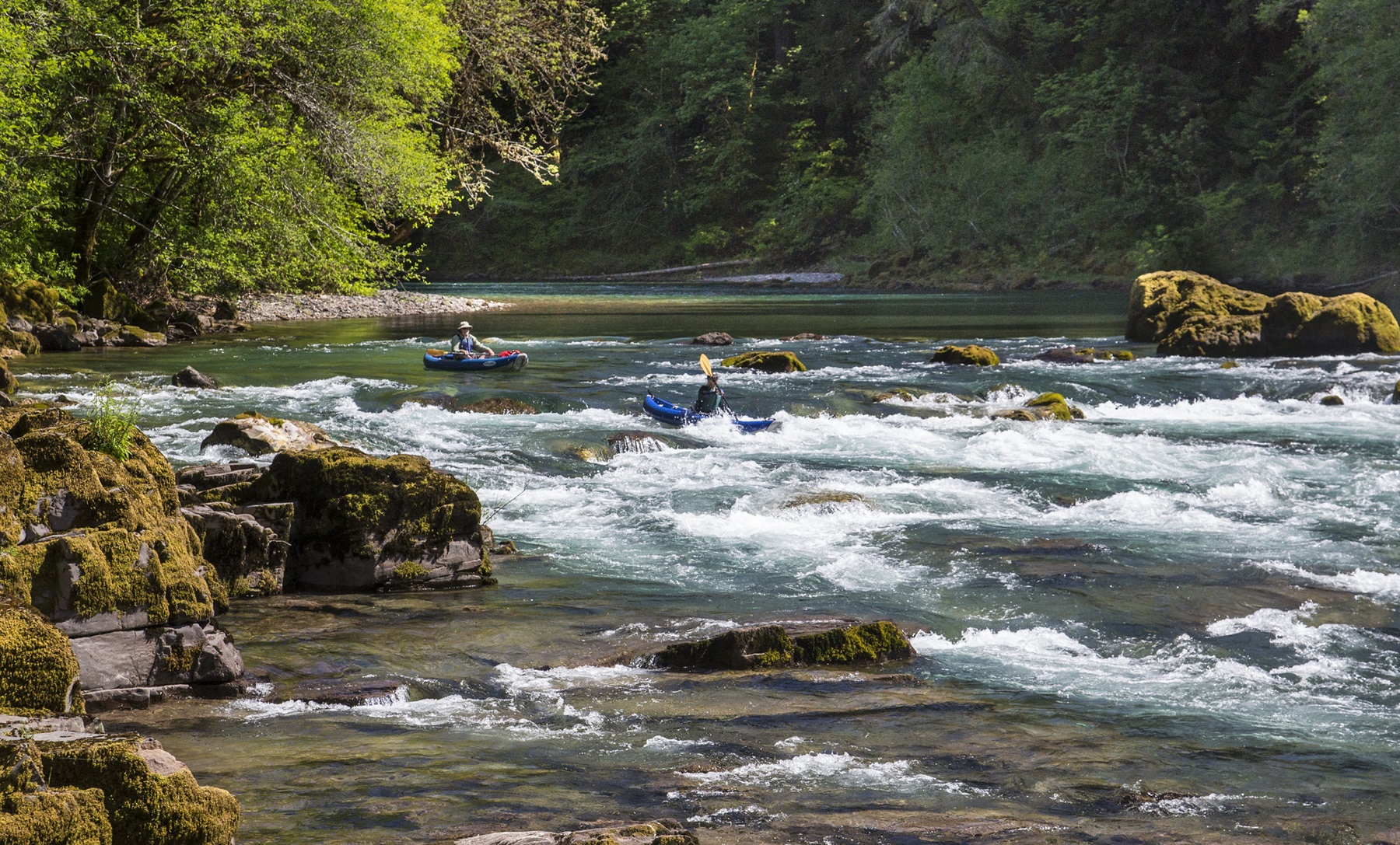
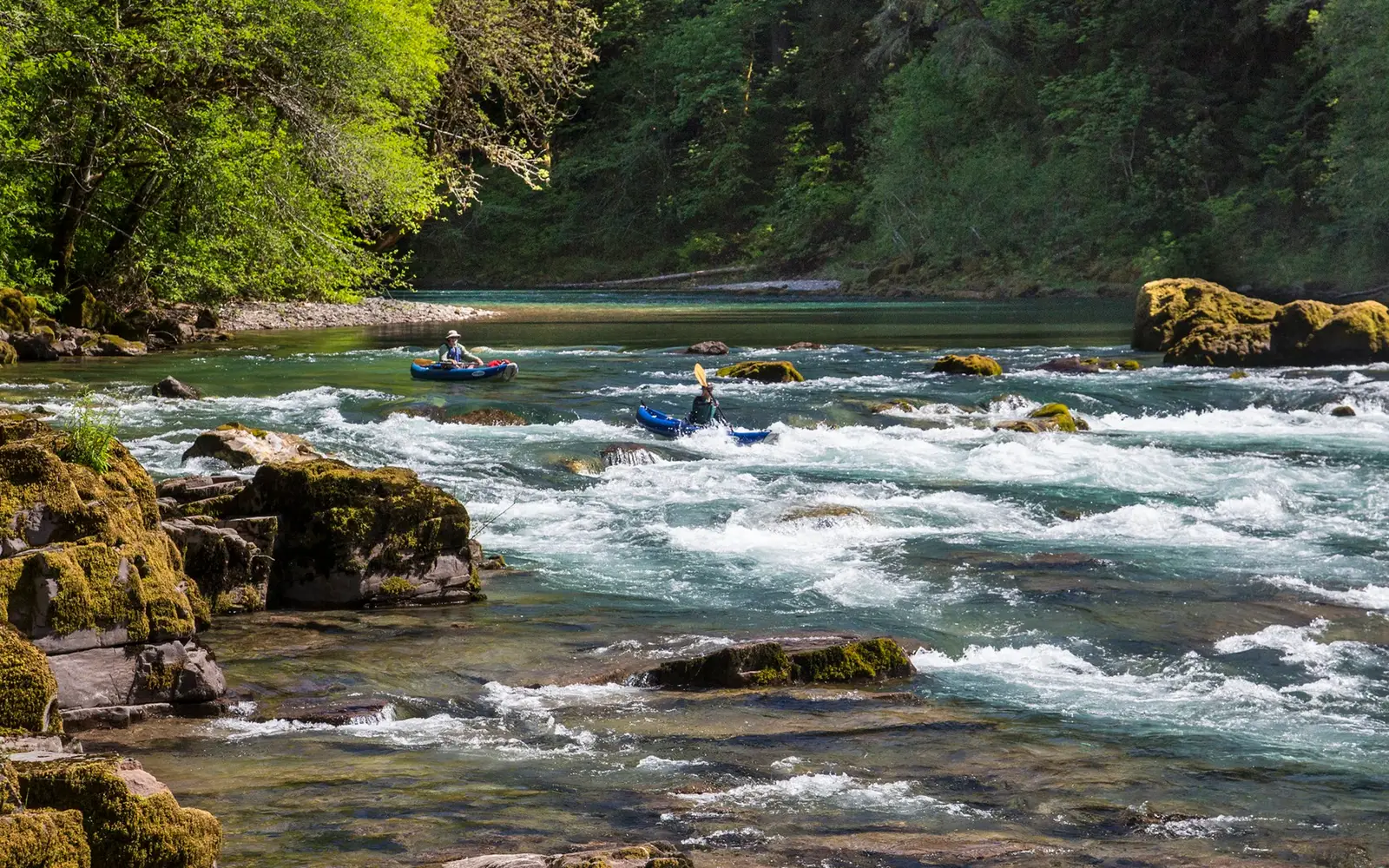
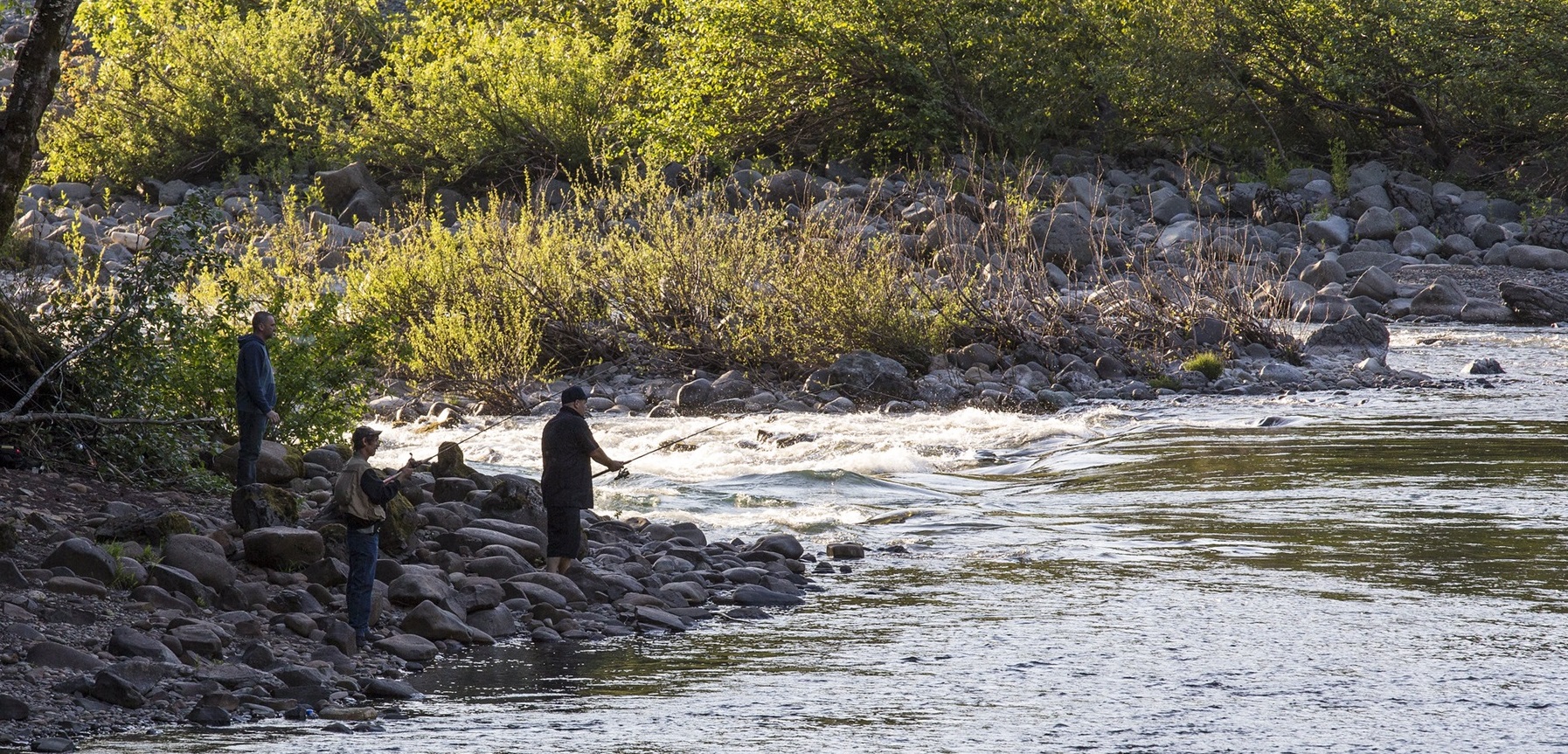
This 79-mile stretch of emerald water, carving through old-growth Douglas fir, caters to active visitors. It is not a single viewpoint destination. Fly-fishing for salmon and steelhead attracts a national following. The river's wild designation ensures pristine water quality and scenery. Documented infrastructure supports paddlers, mountain bikers, hikers, climbers, swimmers, and horse riders. Families will find day-use areas and campgrounds along the corridor practical for multi-day visits. The corridor's linear nature means experiences are dispersed; first-time visitors without a plan may underutilize it. Arrive with a specific activity in mind. Satisfaction is contingent on preparation.
Why visit
The North Umpqua offers a focused experience. This is a river corridor for active users. Anglers will find premier fly-fishing for steelhead in emerald runs. Paddlers have ample opportunity for rafts and kayaks. The 79-mile North Umpqua Trail provides a backbone for hikers and mountain bikers, with routes ranging from quick trips to Susan Creek Falls to multi-hour explorations through old-growth forest. Overnight stays at Susan Creek Campground immerse visitors directly in the corridor. Interpretive programs deepen understanding of the ecosystem. Wildlife viewing and photography are well supported by reliable river access and the old-growth canopy. This is a destination for those seeking sustained engagement with a wild river.
Who it suits
This destination delivers for dedicated outdoors enthusiasts. Fly-fishing for steelhead and salmon is a primary draw, justifying the journey for anglers. Those seeking an active multi-day itinerary will find ample opportunity. The area offers significant appeal for mountain bikers, paddlers, and hikers. However, casual sightseers or those expecting a single iconic vista will be disappointed. This corridor demands participation.
Timing your visit
This unit is seasonal. Peak use runs from late spring through early fall, when Susan Creek Campground is fully open. For most, summer is the ideal time to visit, with warm weather enabling the full range of water sports, swimming, and paddling. Anglers seeking steelhead and salmon should consult seasonal run data, as these shift through fall and winter. Experienced paddlers will find prime conditions in spring, when high, fast water carves through lush old-growth forests. This destination rewards those who time their visit to their preferred activity.
What stands out
- Fly-fishing for wild steelhead and salmon in nationally recognized emerald-green river runs
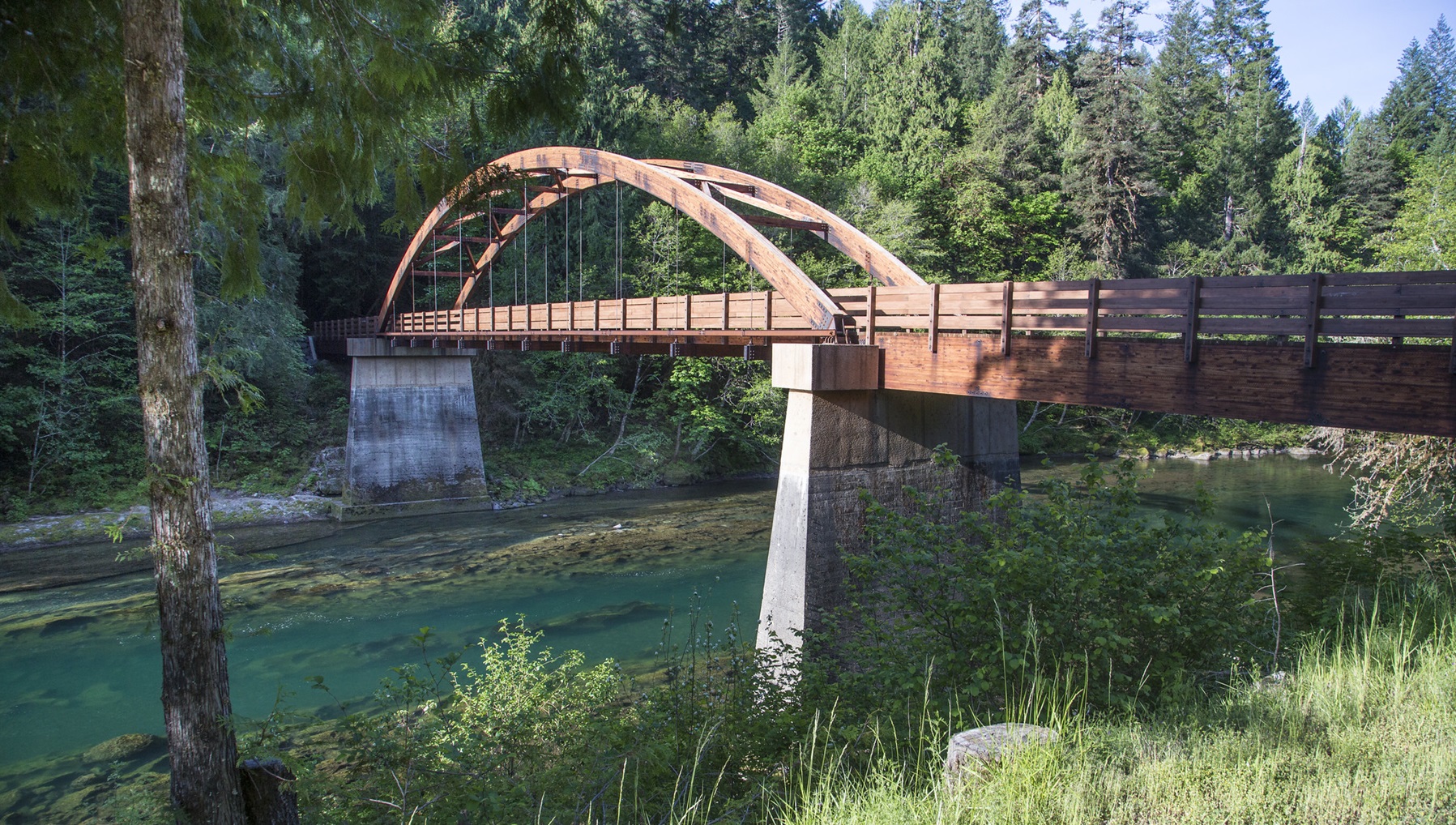
- 79 miles of the North Umpqua Trail open to both hikers and mountain bikers through old-growth forest
- Paddling and rafting a federally designated Wild and Scenic River corridor
- Susan Creek Falls, a 50-foot waterfall reachable via a short trail from the campground
- Riverside camping at Susan Creek Campground nested among old-growth trees
- Swimming sites and day-use areas with direct river access for families
Good to know
Entrance fees vary by specific site and activity. Consult the fee schedule for campgrounds and day-use areas. Susan Creek Campground operates from late April through late October. The park's linear, river-focused layout demands a vehicle for inter-site travel.
Insider tipThe 79-mile North Umpqua Trail offers varied terrain and old-growth scenery. Its length supports a point-to-point shuttle, enhancing a single outing. This avoids out-and-back repetition.