parkverdict
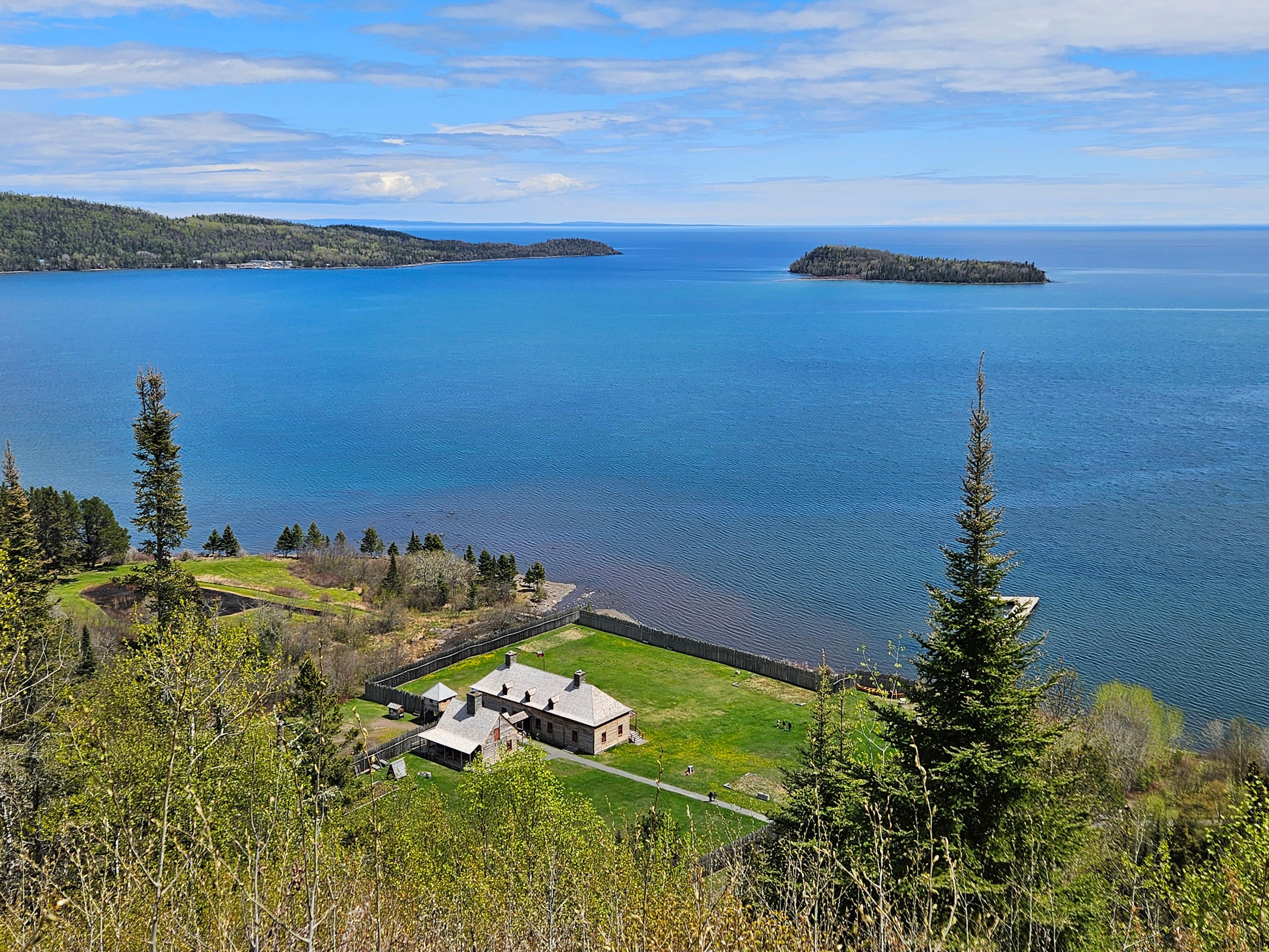
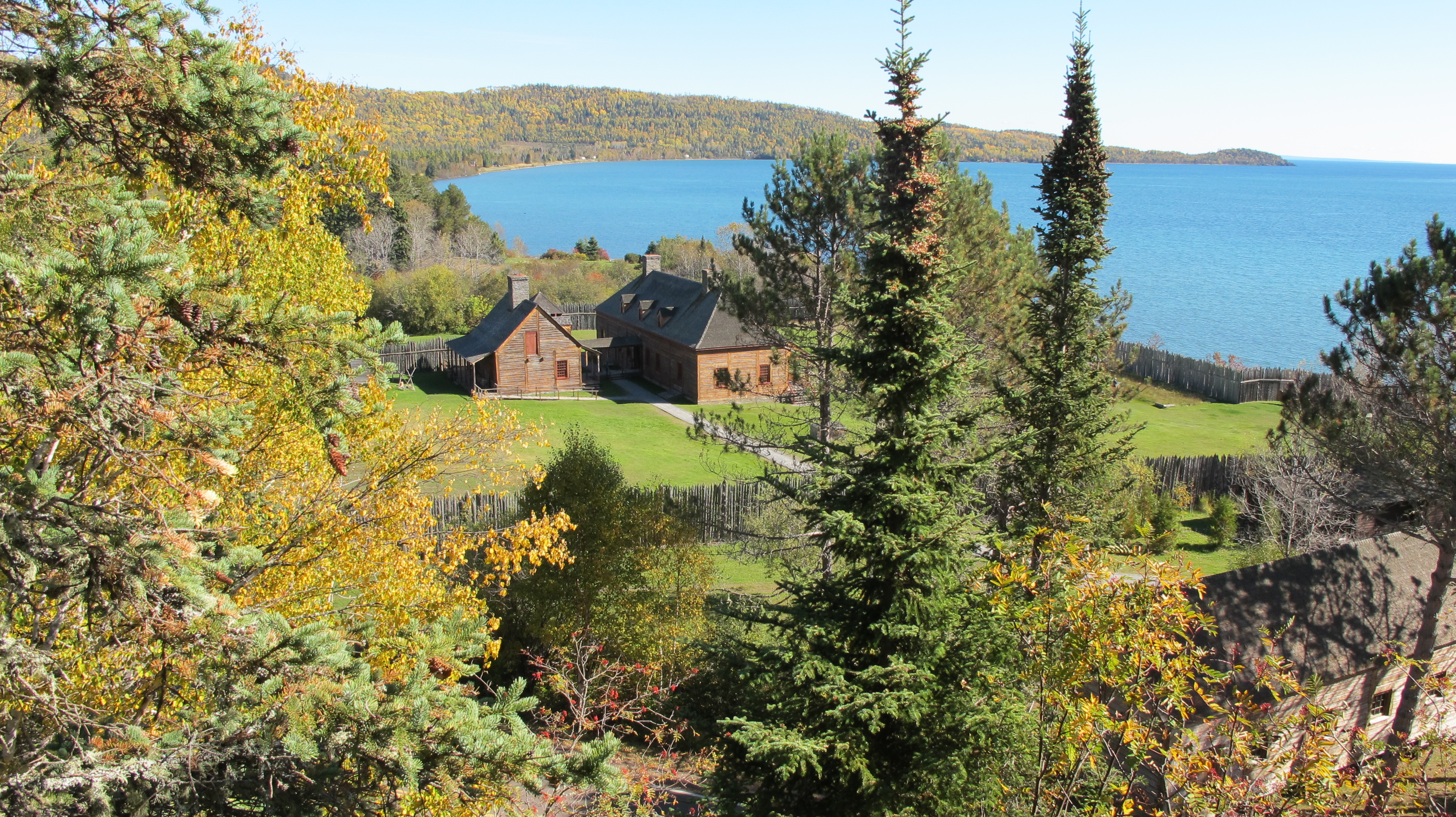
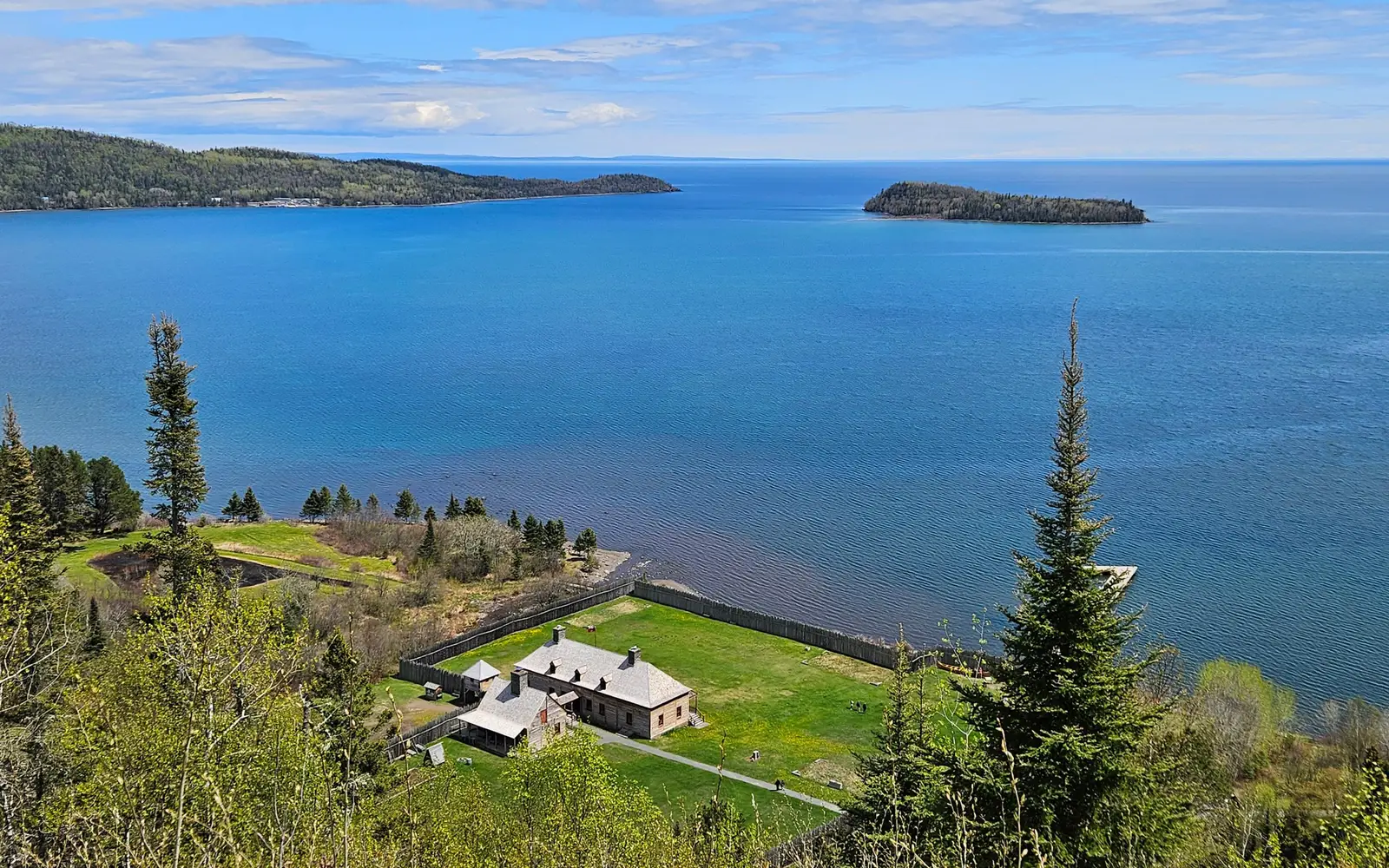
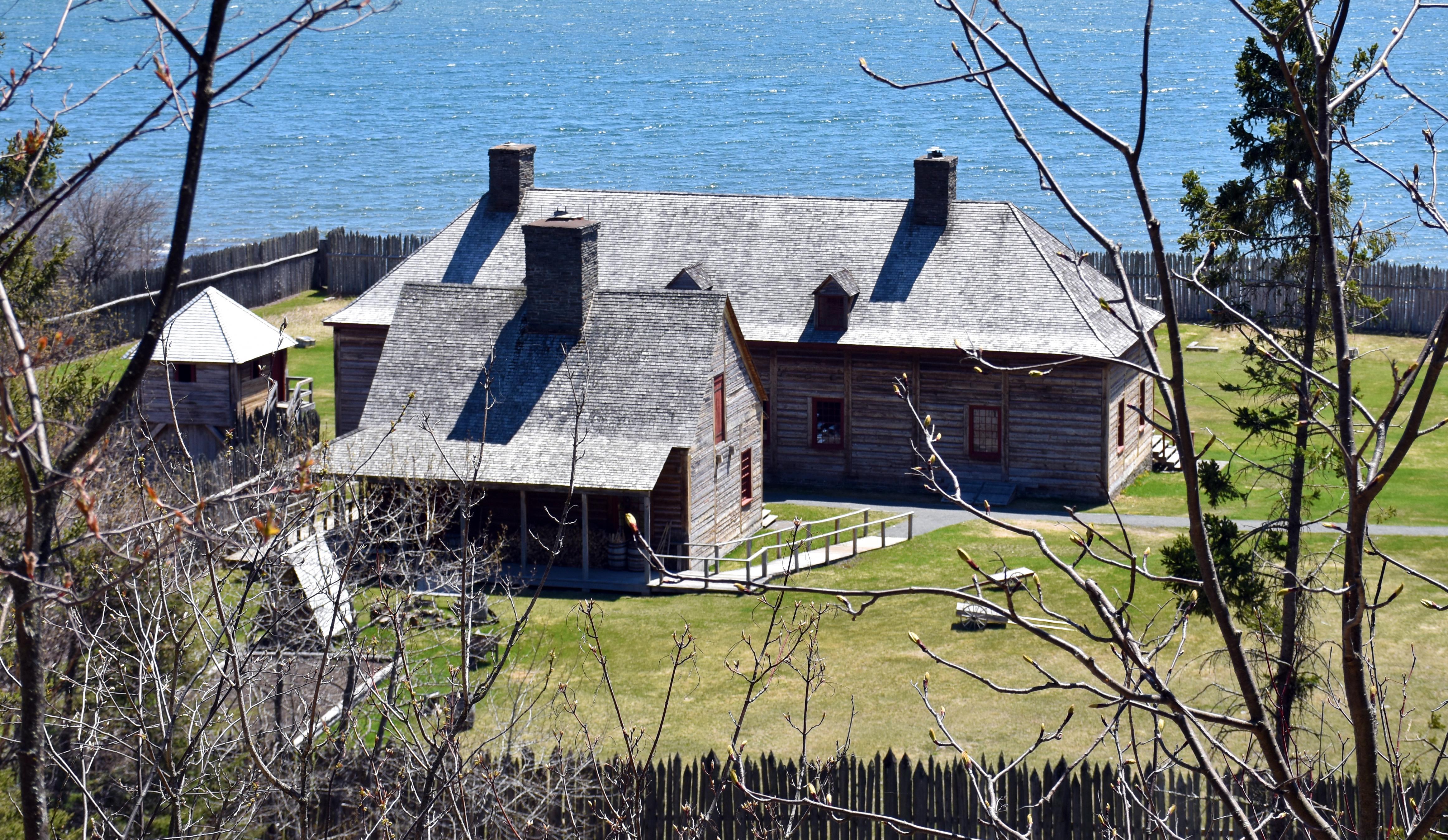
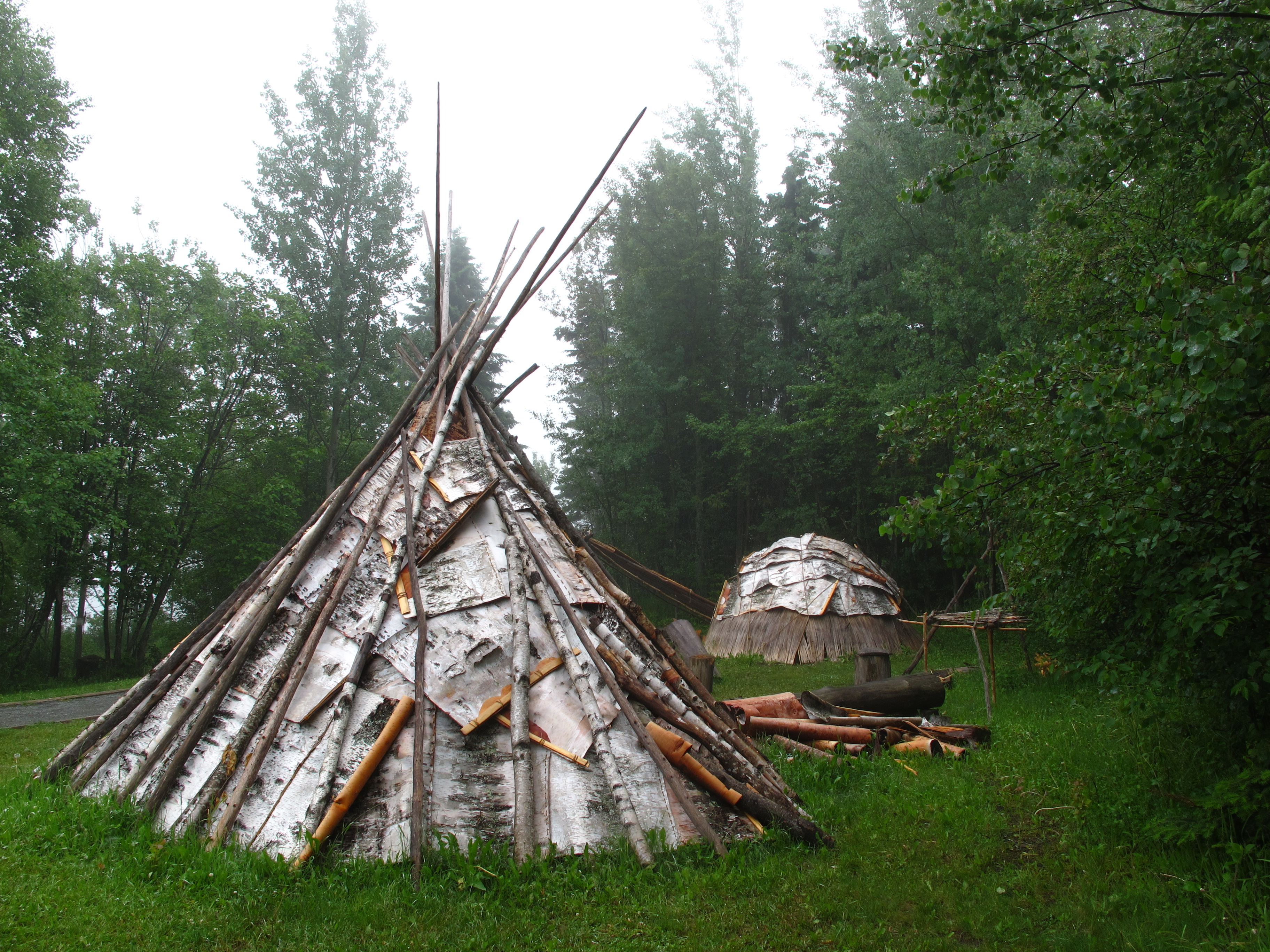
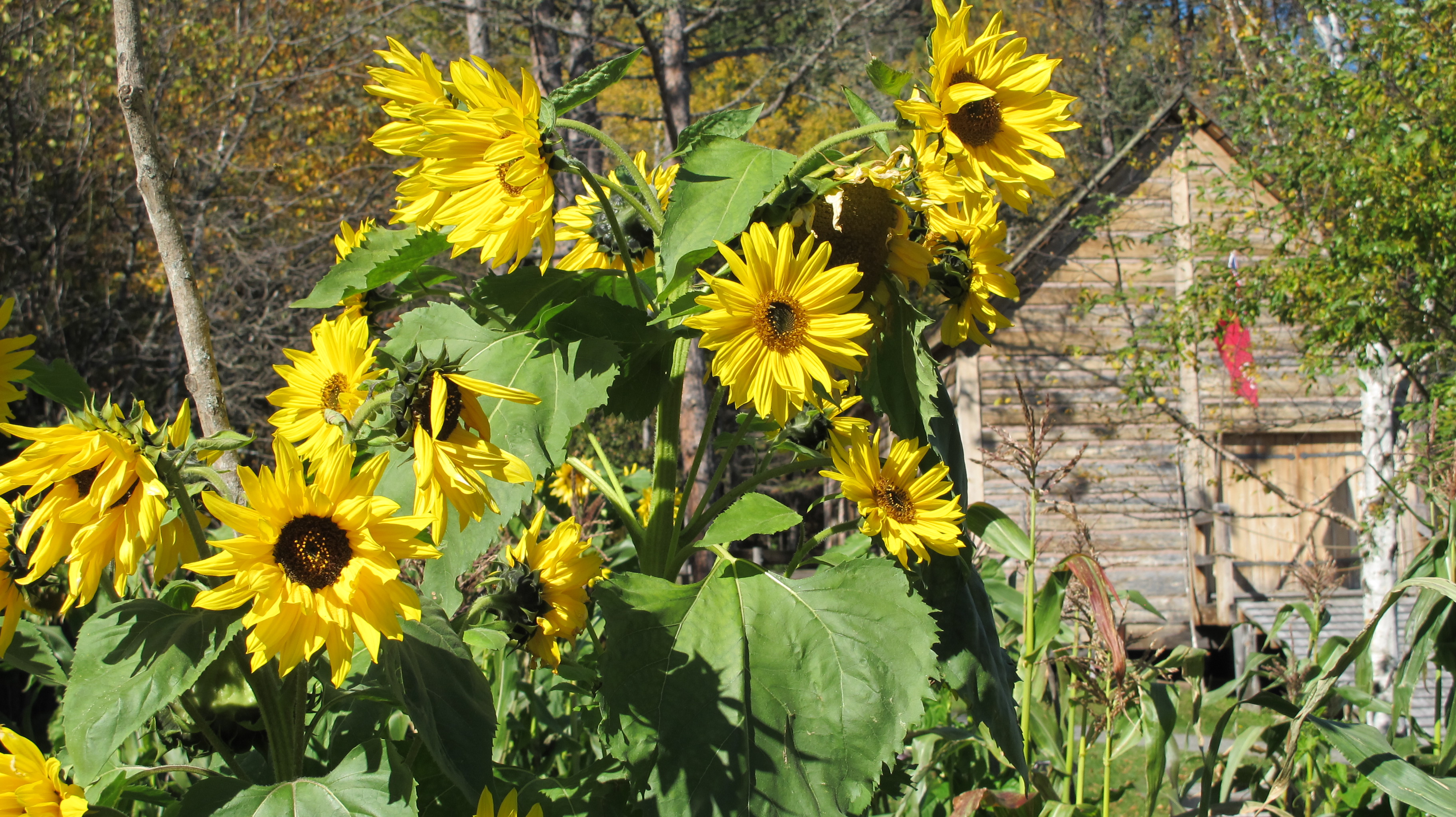
Log buildings, stockade fence and dock near a large lake.Historic wooden buildings on a bright green lawn in front of a lake.Birch bark lodges among trees.Sunflowers blossoms in front of log building
National MonumentMN

Grand Portage National Monument

NPS / NPS
100/ 100DOES IT ALL
parkverdict Experience ScoreIndependent, not sponsored

100 of 100. Our independent breadth-and-access index. How we score

The bottom line

Grand Portage National Monument: our verdict

Grand Portage National Monument sits on the northwestern shore of Lake Superior, at the far northeastern tip of Minnesota.

It is not a scenery-first destination in the conventional sense. It is a living history site built around the documented partnership between the Grand Portage Anishinaabe people and the North West Company fur trade depot, reconstructed on its original footprint. What you find here runs genuinely deep. A staffed historic site offers craft and cultural demonstrations. The NPS maintains a working relationship with the Ojibwe community, and that relationship is itself part of what the monument interprets. Backcountry hiking and paddling access are available, and admission is free. For a monument of this size, the range of documented activities is exceptional. If you are historically curious and willing to make the long drive to Minnesota's arrowhead region, the place rewards the effort.

Why visit

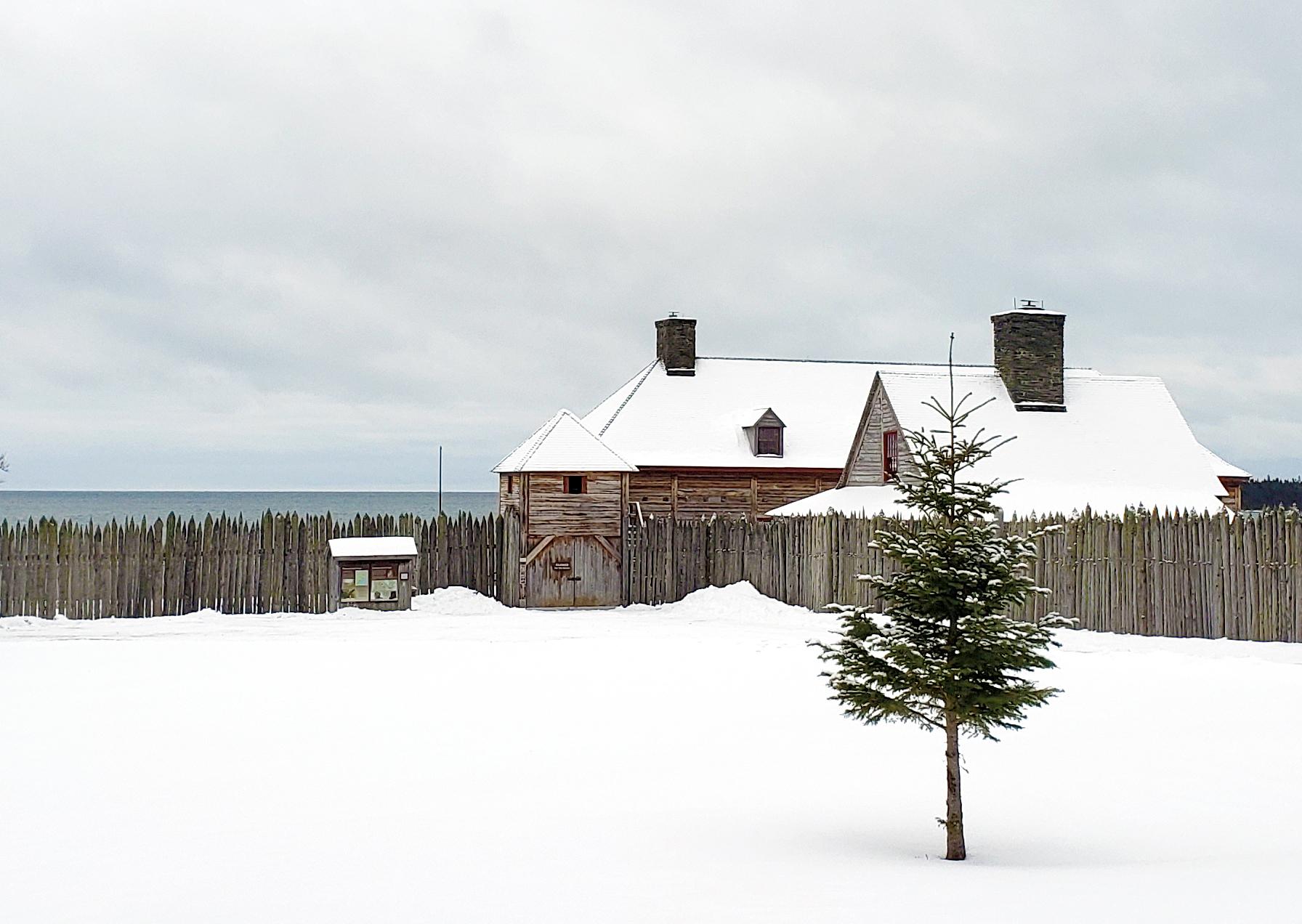
Reading plaques is the least of what Grand Portage has to offer. Living history demonstrations and reenactments bring the fur trade depot to life inside a reconstructed palisade, and the Anishinaabe Oodena Ojibwe Village adds a cultural dimension that most historic sites simply never bother with. Step outside the gate and the Grand Portage Trail follows the actual path canoe brigades walked to bypass the falls on the Pigeon River, which gives even a casual hike a sense of purpose. Paddlers can push further into genuine backcountry canoe camping. The Lake Superior shoreline pulls in birdwatchers and wildlife watchers throughout the year. When winter settles in, cross-country skiing keeps the grounds accessible long after the crowds have gone home. Junior Ranger programming gives families something concrete to do rather than just wander. Serious history, active trails, paddling, and wildlife in one free monument is a combination that is genuinely hard to find anywhere else in the region.

Who it suits

History buffs will get the most out of this place, especially anyone interested in Indigenous history, the fur trade era, or hands-on living history. Families with curious kids tend to do well here too, thanks to the demonstrations and the Junior Ranger program. Paddlers and backcountry hikers will find it a solid stop in the Lake Superior region, with decent options for both. If you're after a scenic drive or a beach day, this isn't it.

Timing your visit

July and August are the warmest months, typically hitting the mid to upper 70s, and they're your best bet for full staffing, living history programs, and guided tours. The shoulder seasons are quieter, with that stark, dramatic light Lake Superior does so well. January averages well below freezing, and the cold is real, not just brisk, but the trails stay open year-round and cross-country skiing makes it genuinely worth the trip for anyone who comes prepared and wants the place mostly to themselves.

What stands out

  • Reconstructed North West Company fur trade depot on its original historic location
  • Anishinaabe Oodena Ojibwe Village with ongoing cultural and craft demonstrations
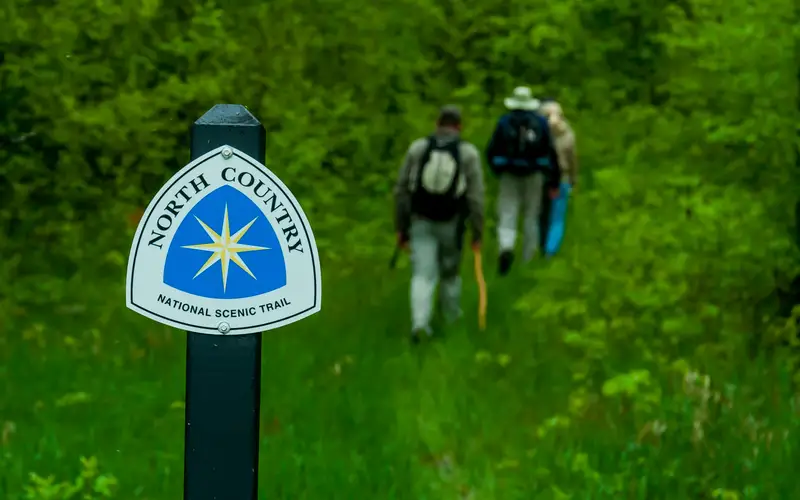
  • The Grand Portage Trail, the actual historic canoe portage route used by fur traders
  • Backcountry and canoe or kayak camping access in the Lake Superior region
  • Living history reenactments and guided tours with real interpretive depth
  • Winter cross-country skiing on year-round accessible grounds

Good to know

Getting in costs nothing. The monument is tucked into the far northeastern corner of Minnesota, roughly 150 miles northeast of Duluth, so budget a few hours for the drive. The palisade and main interpretive facilities keep seasonal hours, but the Ojibwe Village, the outer grounds, and the hiking trails, including the Grand Portage Trail, are open year-round. Before you go, check NPS.gov for current programming schedules.

Insider tipThe Grand Portage Trail links the monument grounds to the interior, and it was the actual working portage route, not something built for modern hikers. Walk it and you are following the same corridor Anishinaabe people and fur trade canoe brigades used for generations. That history gives it a weight that purely scenic trails almost never carry.

How we scored it

How Grand Portage National Monument earned its 100

Where does a 100 come from? One formula, run the same on every place we cover, built only from public data on what a unit offers and how reachable it is. It says nothing about how pretty a spot is or how busy it gets. This is what fed it:

  • Activity breadth28 documented activities
  • Topic breadth19 topics
  • Official imagery6 public-domain images
  • Camping on sitedocumented
  • Entry costfree

No number is hand-adjusted and no unit pays for placement. The full weights, the floor at 18 and a worked example are on how we score.

The honest limits

Where the score goes quiet

One limit to keep in mind. Everything here comes from public records on what a unit documents and how reachable it is, so the score cannot judge beauty, crowds, trail conditions, weather, or how good any single program is. That is exactly why a small, specific place can score below a sprawling park and still be your better trip. Take the number as a like-for-like look at what is on paper, and lean on the verdict for the human read.

On offer

Documented activities

Arts and CultureCraft DemonstrationsCultural DemonstrationsCampingBackcountry CampingCanoe or Kayak CampingGroup CampingFoodPicnickingGuided ToursSelf-Guided Tours - WalkingHikingBackcountry HikingFront-Country HikingLiving HistoryReenactmentsPaddlingCanoe or Kayak Camping
The basics

Grand Portage National Monument at a glance

Travel into the past to discover the present. Explore the partnership between the Grand Portage Anishinaabe and the North West Company during the North American fur trade. Experience the sights and smells of a bustling depot reconstructed in its historic location. See how it shaped co-management with the NPS today. Follow pathways to the past to imagine a drum echo over Gichigami - Lake Superior.

On documented breadth and access, Grand Portage National Monument ranks 1st of 12 park and public-land units we score in Minnesota.

Weather and seasons

Northern Minnesota summers are short and warm, while the winters drag on and get genuinely brutal. July temperatures run between 55°F and 78°F, and January pulls them down to a range of -11°F and 12°F. Grand Portage gets about 32 inches of precipitation each year.

Common questions

Grand Portage National Monument: quick answers

Is Grand Portage National Monument worth visiting?

Grand Portage National Monument sits on the northwestern shore of Lake Superior, at the far northeastern tip of Minnesota.

Is Grand Portage National Monument free to visit?

Yes, there is no entrance fee.

What is Grand Portage National Monument best for?

It leans hardest toward hiking, camping, good with kids, water activities, going by the 28 activities it actually documents.

When is the best time to visit Grand Portage National Monument?

July and August are the warmest months, typically hitting the mid to upper 70s, and they're your best bet for full staffing, living history programs, and guided tours.

How is the Experience Score for Grand Portage National Monument calculated?

The 100 comes straight from public data on how much the place documents and how easy it is to reach, things like activities, topics, photos, camping and whether entry is free. It says nothing about scenery or how busy it gets.