National Parks of New York Harbor: our verdict
National Parks of New York Harbor is less a park than a decentralized network.
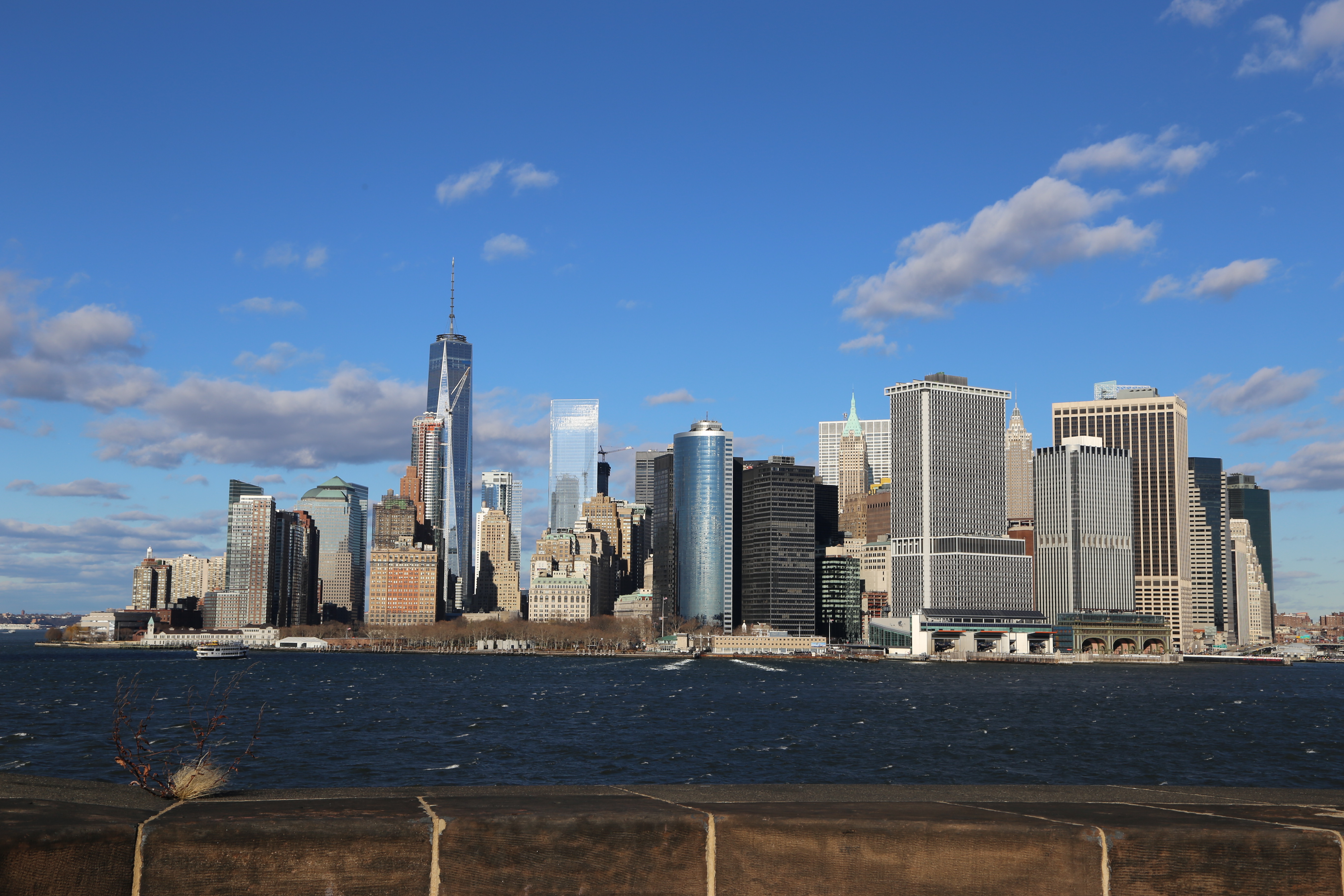
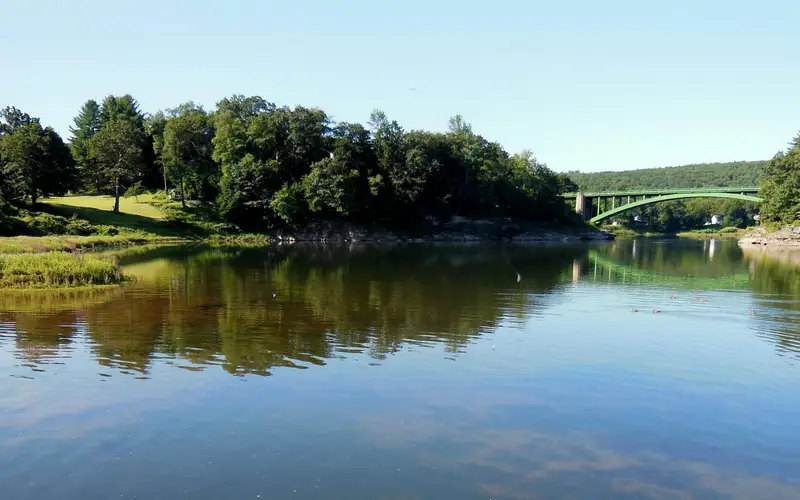
This collection of twelve distinct units across the New York City metro area covers immigration history, harbor defense, ecology, colonial-era democracy, and active recreation. The experience score of 100 reflects an extraordinary breadth. Visitors can kayak past Ellis Island, camp on an urban beach, fish in saltwater, watch live theater, stargaze, or bike through historic forts. All these activities fall under a single administrative umbrella. Without a single front gate or central trailhead, planning is essential. For those who undertake the necessary research, this collection rewards with some of the most layered, accessible, and genuinely surprising public land in the country. Free admission across all units removes a common barrier. This park system suits curious, self-directed travelers seeking history, water, and urban character in a single visit.
Why visit
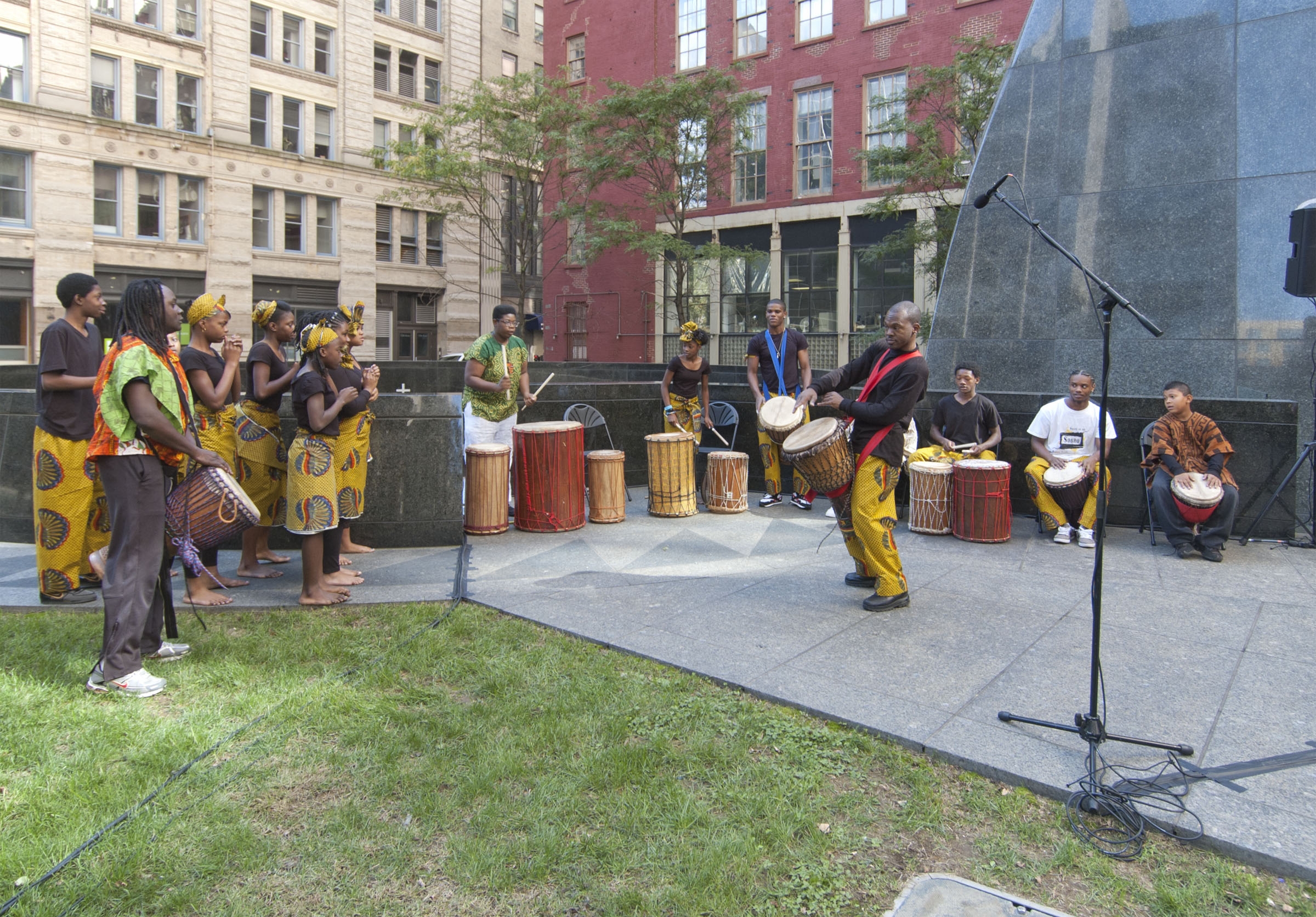
This unit offers a remarkably full experience for those with a plan. Boat tours provide historical context for the harbor and its fortifications, with landings at sites offering living history and museum exhibits. Afternoon activities range from pier fishing and kayaking to road biking through former military grounds. The Junior Ranger Program spans multiple sites, ideal for families. Evenings can include live music, theater, and stargazing, a rare urban park amenity. Extensive citizen science and hands-on programming elevate the experience beyond passive sightseeing. With both guided and self-guided options, visitors control their pace.
Who it suits
This unit rewards those with interest in immigration, military defense, and early American democracy. Families with children, paddlers, birders, and urban cyclists will find documented reasons to visit. This is
Timing your visit
Optimum visitation runs from late spring to early fall, May through October. This period unlocks the full array of park activities: paddling, swimming, fishing, camping, and cultural programming. Summer offers peak programming but also peak heat and crowds. Fall brings comfortable temperatures, ideal for birdwatching during migration. Winter access is site-specific; consult individual park pages for details.
What stands out
- Boat tours of the harbor providing context for the full scope of the twelve-unit collection
- Kayaking and paddling in saltwater with an urban skyline as the backdrop
- Living history and cultural demonstrations tied to immigration and harbor defense themes
- Camping within the New York City metro area, one of the rarest urban camping opportunities in the country
- Evening stargazing and live music programming at select sites
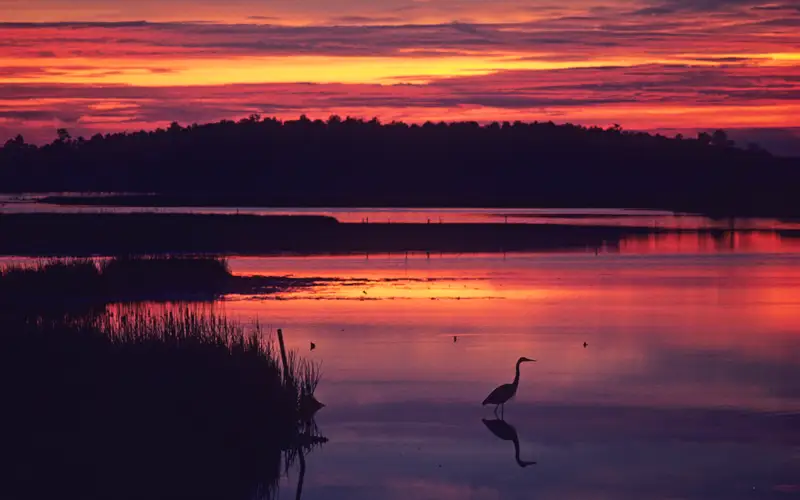
- Saltwater fishing and birdwatching along ecologically active harbor shorelines
Good to know
Across its twelve units, this park offers free admission. However, individual site hours, seasonal closures, and programming vary, necessitating a review of each unit's specific webpage. There is no central real-time information portal. Factor in substantial transit time between sites, as travel often involves ferries, subways, or driving.
Insider tipThis unit's twelve distinct sites demand a focused approach. Trying to see everything in one visit will result in a scattered, rushed experience. Instead, select a single theme: harbor defense, immigration, ecology, or active recreation. Build a one- or two-day itinerary around the sites that share that thread. This strategy yields a genuinely memorable experience.