Is North Bank Habitat Management Area worth your trip?
North Bank Habitat Management Area presents a compelling, multi-use outdoor recreation opportunity in Oregon.
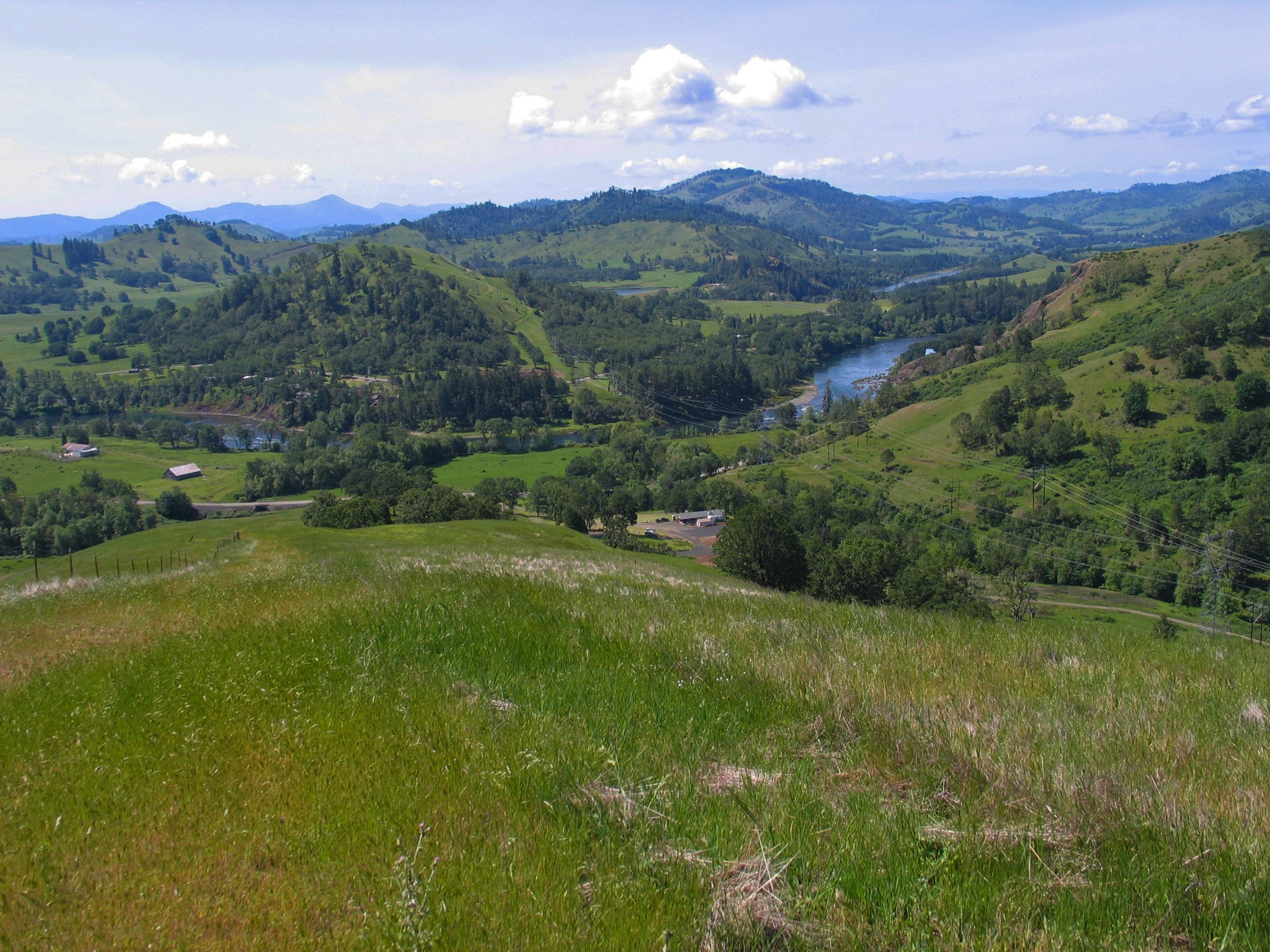
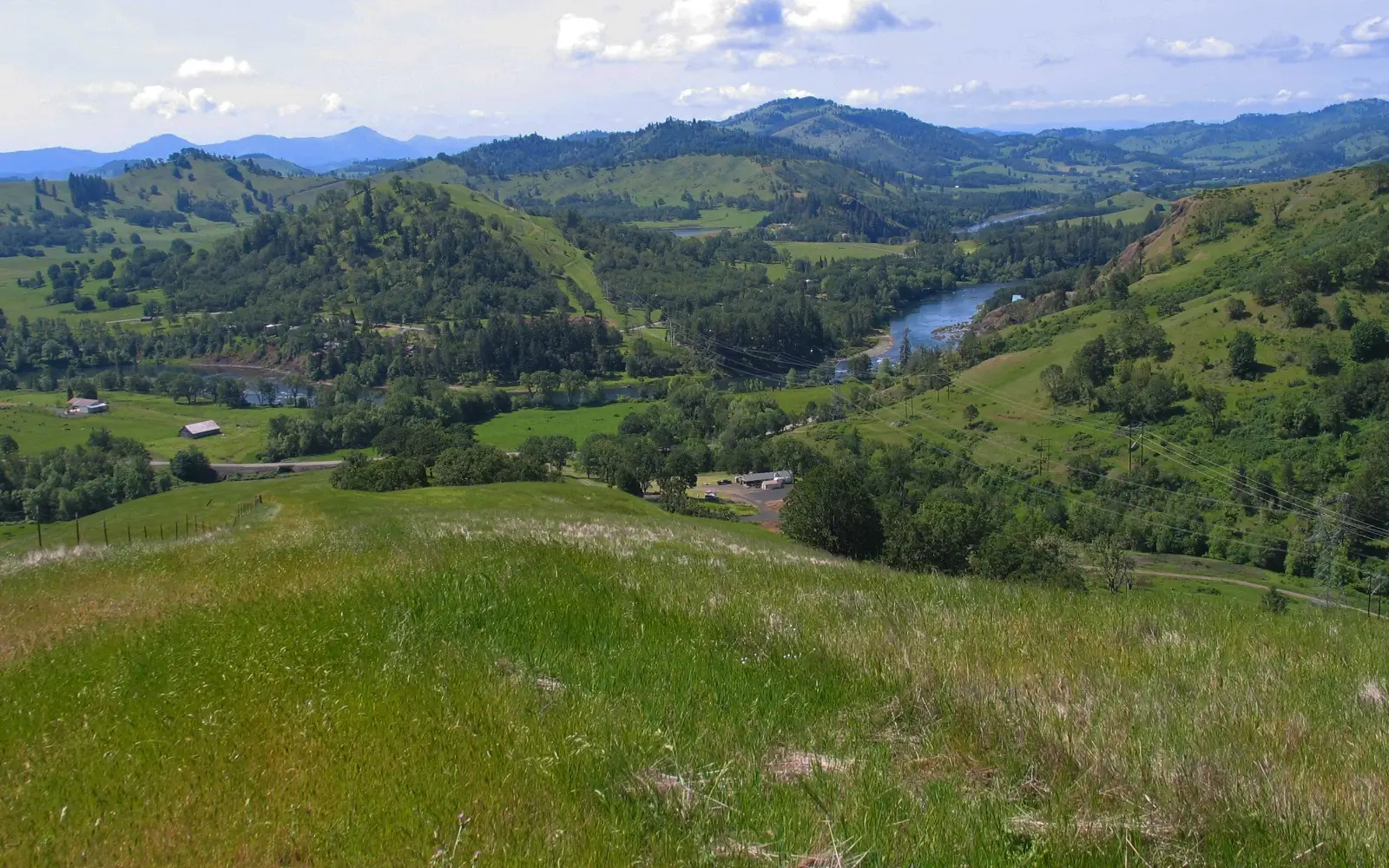
This BLM-managed, NPS-listed area offers a genuine breadth of activities: hiking, biking, climbing, paddling, fishing, wildlife viewing, and camping are all available. The landscape itself provides remarkable variety, transitioning from oak-savannah woodland to forested canyon to high ridgeline. However, significant constraints on access exist. The area is open only Friday through Monday during posted hours. This logistical limitation will deter some potential visitors. Self-sufficiency is also paramount, as no potable water is provided on site. The data makes a strong case for outdoor generalists in southern Oregon seeking a free, less-crowded alternative. This is a genuinely rewarding find. Conversely, those anticipating developed amenities or a traditional National Park experience will find this unit more rugged and self-directed than expected.
Why go
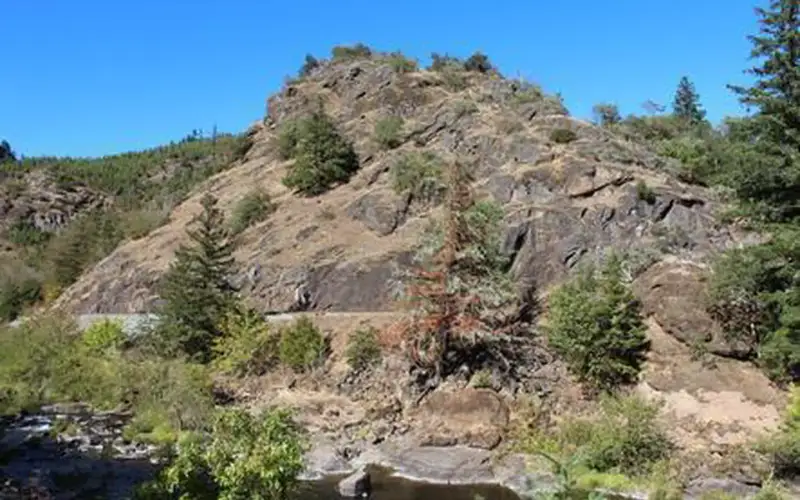
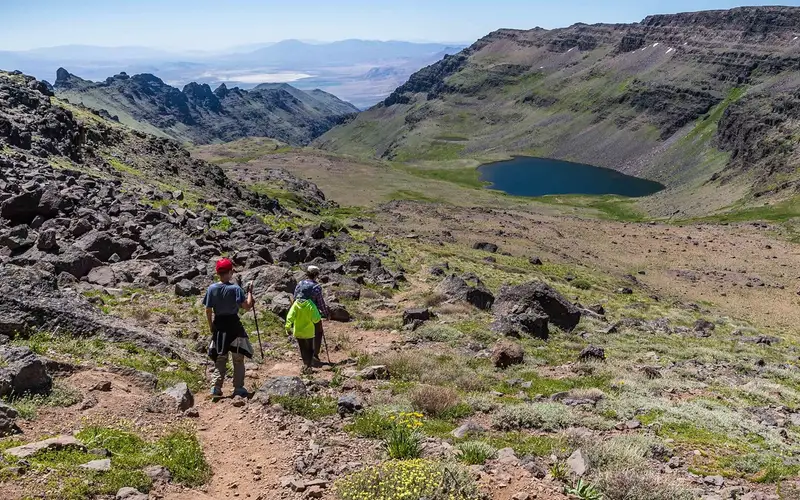
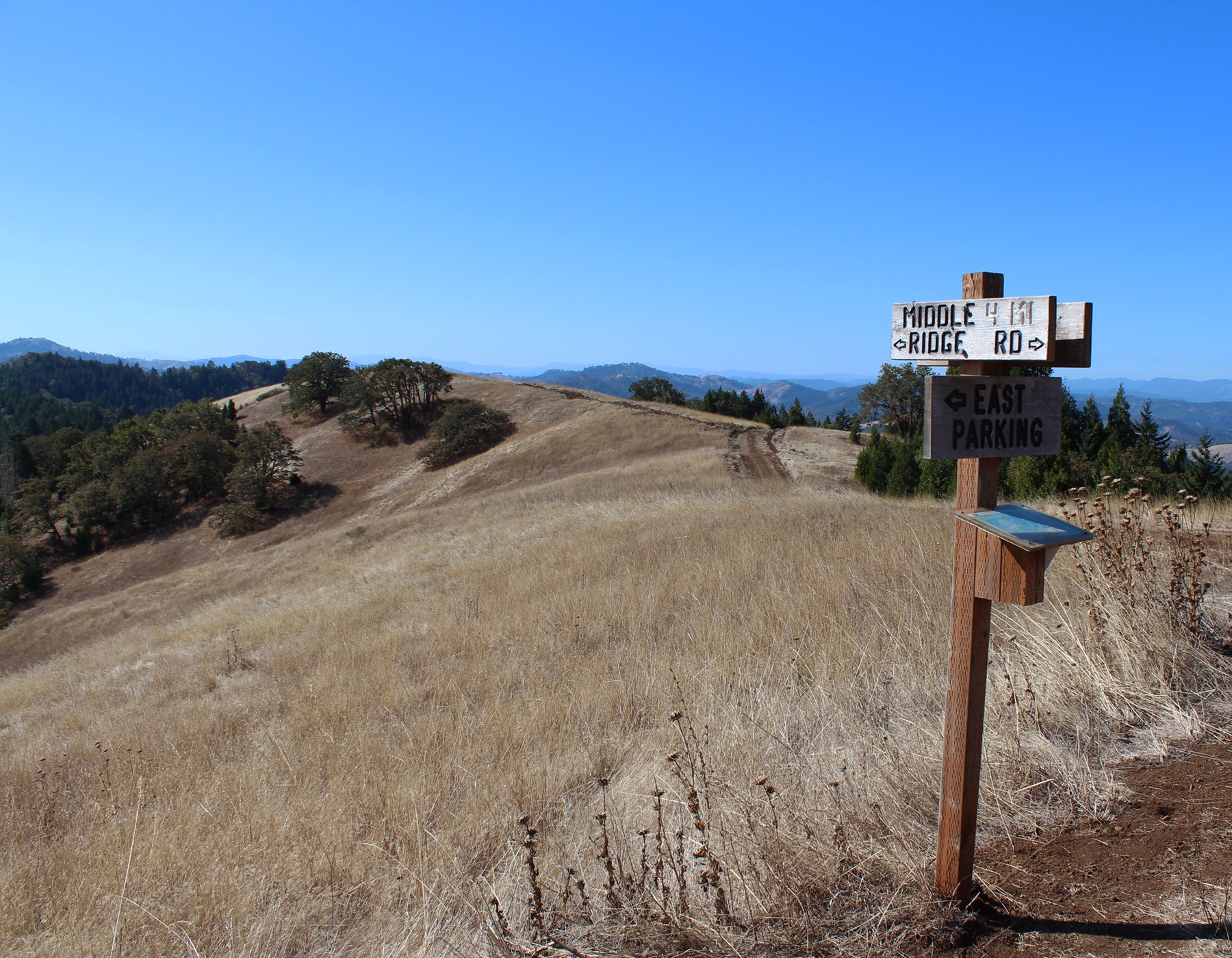
North Bank offers diverse recreation for active users. The Comstock Day-Use Area serves as a primary access point, providing a pavilion and picnic tables. The trail system accommodates both hikers and bikers, with routes ascending through oak-savannah and descending into creek-lined canyons. Significant elevation changes provide expansive views from ridgelines. The varied habitats, particularly the woodland-canyon transition zones, concentrate wildlife, benefiting observers. Anglers and paddlers have water access. Admission is free, a notable advantage for extended visits involving camping and cycling. This combination of climbing, biking, and water-based activities within a no-fee unit is uncommon. For those seeking varied, physically engaging outdoor pursuits, North Bank delivers. Casual sightseers should look elsewhere.
Best for
This Oregon destination caters to the self-sufficient. It offers diverse activities without the usual crowds. Hikers, mountain bikers, anglers, and paddlers will all find substantial offerings. Picnic facilities exist for families comfortable with primitive conditions. This is not the place for those needing potable water, full hookups, or weekday access. Visitors expecting a traditional National Park Service visitor center experience will be disappointed.
Best season
Spring and early fall are the strongest bets in this part of Oregon. Spring brings green oak-savannah and active wildlife, while fall offers cooler temperatures for biking and hiking the ridgelines. Summer can be hot and dry in southern Oregon, which affects creek levels relevant to paddling and fishing. Winter access may be limited. Always confirm the Friday through Monday gate schedule before planning a midweek trip.
The high points
- Free entrance with a broad activity menu spanning hiking, biking, paddling, fishing, and climbing
- Diverse terrain moving from oak-savannah woodland through forested canyons to high ridgelines
- Comstock Day-Use Area with pavilion, picnic tables, and barbecue grill for post-outing meals
- Wildlife viewing opportunities enhanced by the habitat transitions between woodland and canyon
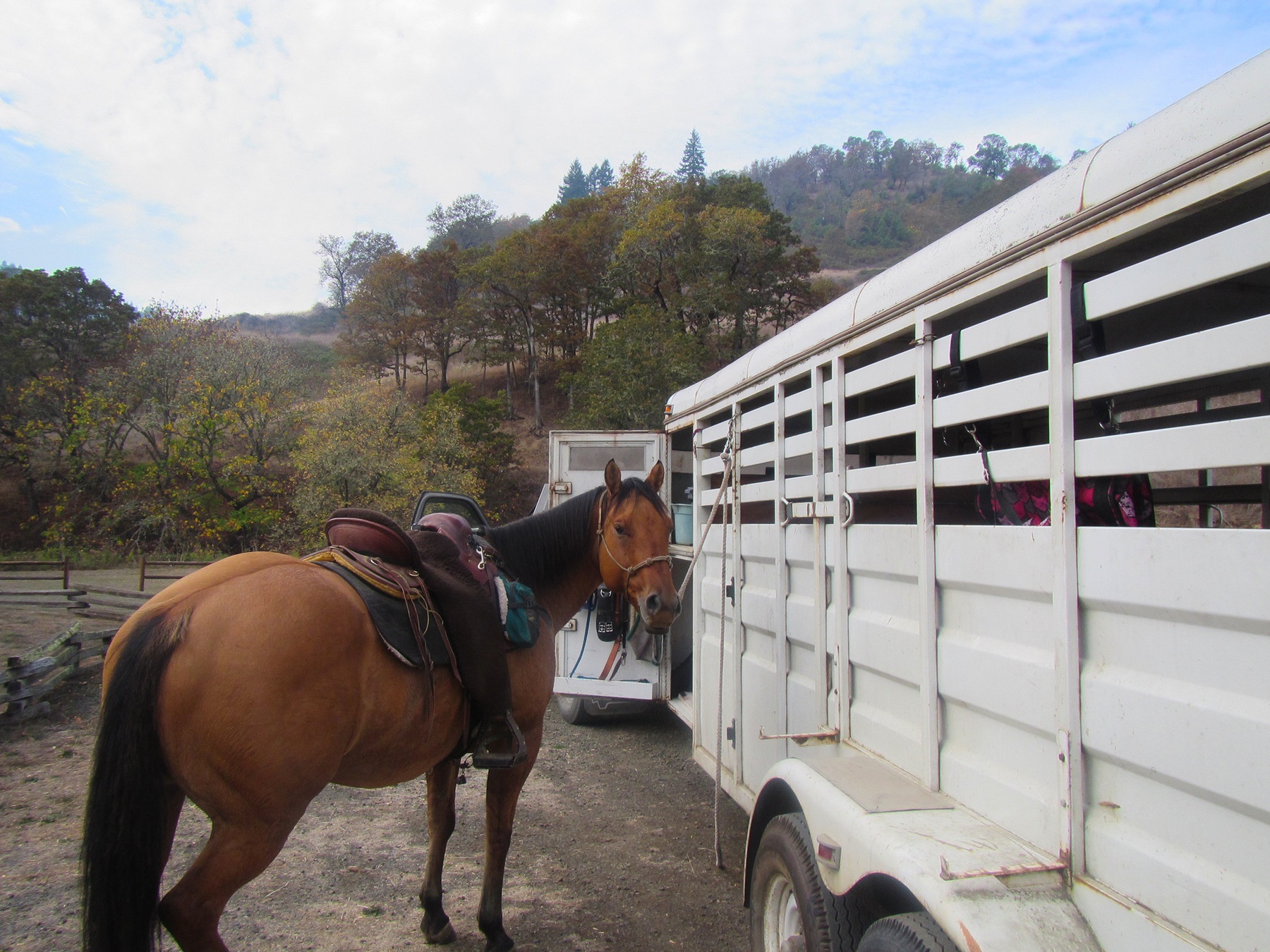
- Two separate access points including a west entrance suited for horse trailers and small groups
- Camping available in a setting that feels remote without requiring a long drive into wilderness
Know before you go
This unit presents a challenging but potentially rewarding experience. Free admission softens the impact of the limited access schedule: the main gate operates only Friday through Monday, 8am to 8pm. Midweek entry through this primary point is impossible. Be prepared for self-sufficiency; no potable water is available anywhere on site. All water must be carried in. Parking is a concern at both access points. The Comstock area, in particular, experiences rapid filling on weekends. A BLM host can be found at the main entrance. This destination is best suited for the well-prepared visitor comfortable with restricted hours and self-reliance.
One more thingThe 8 PM gate closure dictates a rigid schedule for all visitors. This hard close means planning significant buffer time for any ridgeline hike or paddle return. The west entrance offers a strategic advantage for parking, particularly on busy weekend days, by mitigating competition found at Comstock.